
This Natural Swimming Hole In Maine Is Perfect For Hot Summer Days
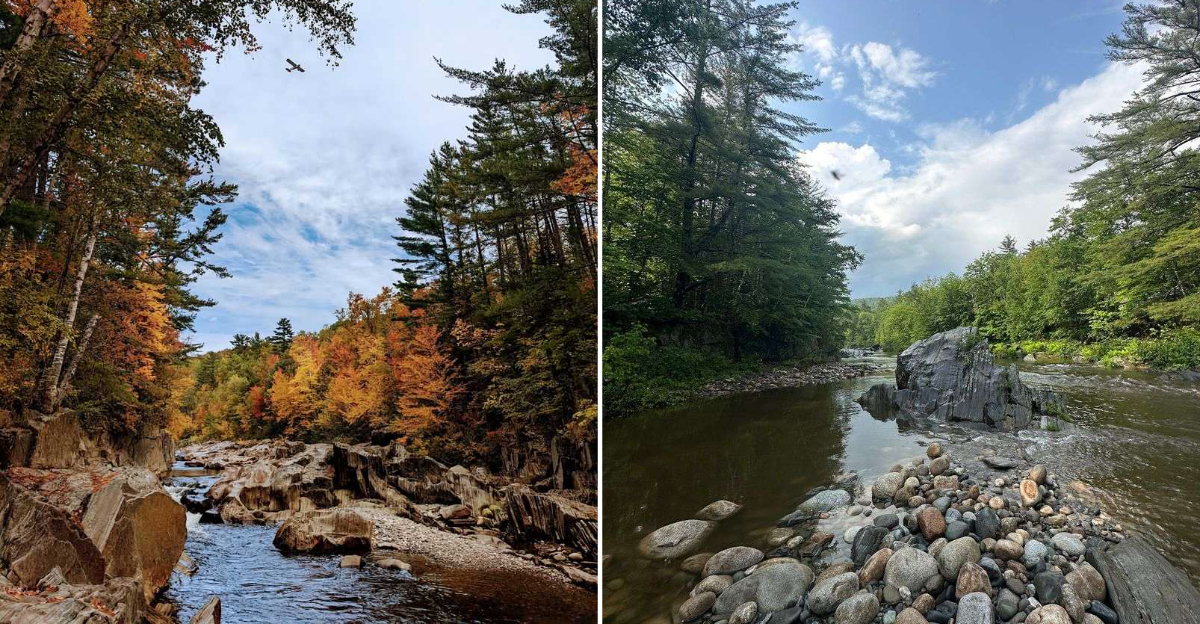
I heard the gorge before I saw it, which felt a little unfair because the river clearly knew how to make an entrance. A few steps later, I was standing above clear pools carved into ancient rock while swimmers gathered the courage to jump.
I stayed safely on a lower ledge at first, pretending I was studying the water instead of avoiding a dramatic belly flop. The cold mist, warm stone, and rushing current made the whole scene feel far more cinematic than I expected.
Maine has plenty of memorable swimming spots, but this one delivers real personality without requiring a long hike. It feels wild, easy to reach, and just adventurous enough to make an ordinary summer afternoon stick in your memory.
A Gorge Carved By Time
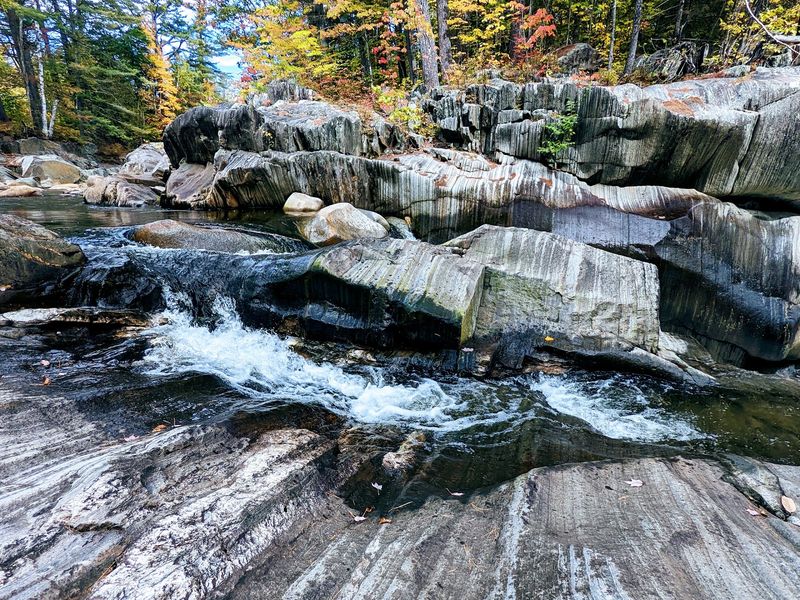
Long before anyone thought to call it a swimming hole, the Swift River was already doing its most impressive work. Over thousands of years, the river carved Coos Canyon into the metamorphic bedrock of Byron, Maine, creating the dramatic rocky gorge visitors see today.
The canyon sits right along Route 17 in Byron, making it surprisingly easy to find for such a wild-looking place.
What makes this geology so fascinating is the variety of rock types exposed along the canyon walls. You can spot quartz veins running through the dark schist, and the surface of the rocks has been polished smooth by centuries of rushing water and sediment.
Geologists and curious visitors alike find the exposed layers genuinely impressive.
The canyon itself is relatively compact, but every angle offers something new to look at. Standing at the top of the gorge, you get a full view of the twisting river channel below.
The rock walls rise sharply on both sides, giving the whole place a dramatic, almost theatrical quality that photographs barely do justice.
The Swift River Is The Real Star
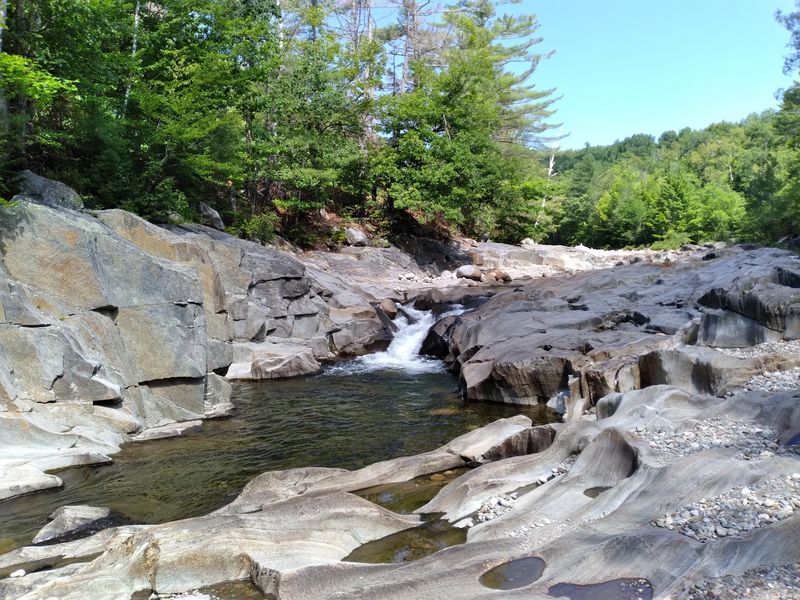
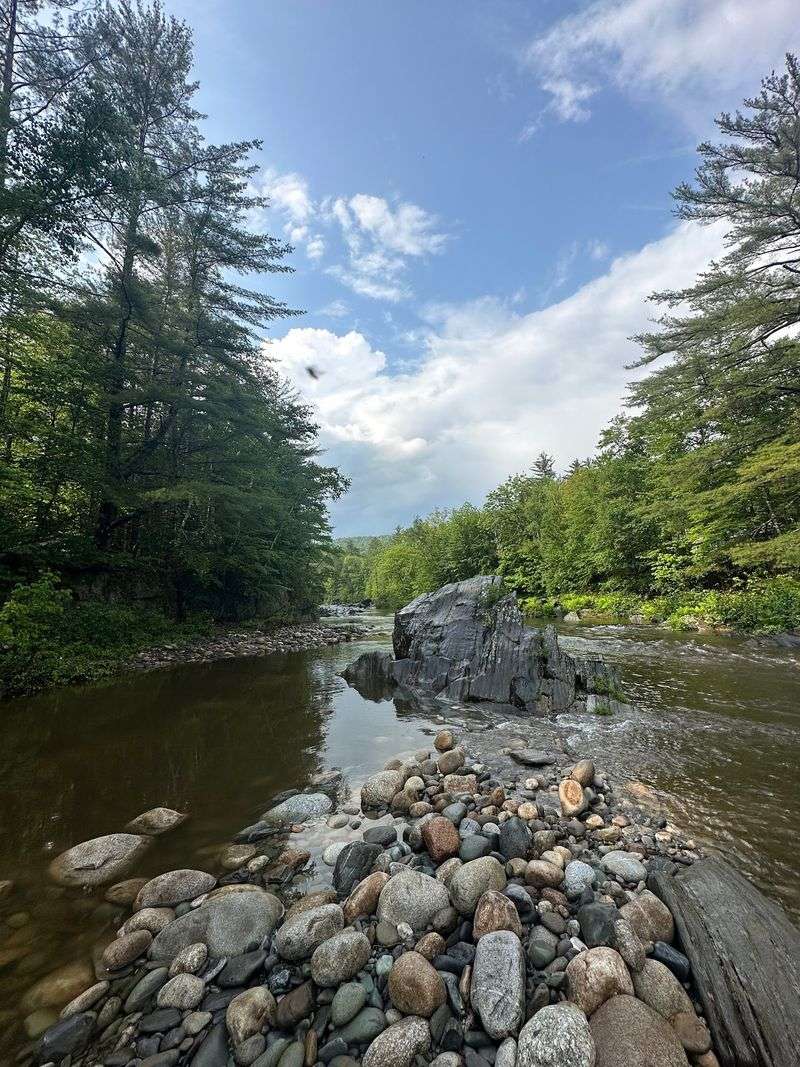
There is something genuinely hypnotic about watching the Swift River move through Coos Canyon. The water shifts from a deep jade green in the calm pools to a bright white froth where it rushes over and between the boulders.
On a hot summer day, the contrast between the cool water and the warm granite rocks is almost too good to resist.
The river is fed by snowmelt and rain from the mountains to the north, which keeps the water temperature refreshingly cold even in the height of summer. That chill is part of what makes it so appealing when temperatures climb.
You do not need to wade in far before feeling completely refreshed.
Water levels vary significantly depending on the season and recent rainfall, so the experience can feel different each time you visit. Spring visits bring a roaring, powerful river that is better admired from the banks.
By midsummer, the flow settles into something more welcoming for swimmers, with calmer pools forming naturally between the larger rock formations. Paying attention to current conditions before you go is always a smart move.
Natural Pools Perfect For A Dip
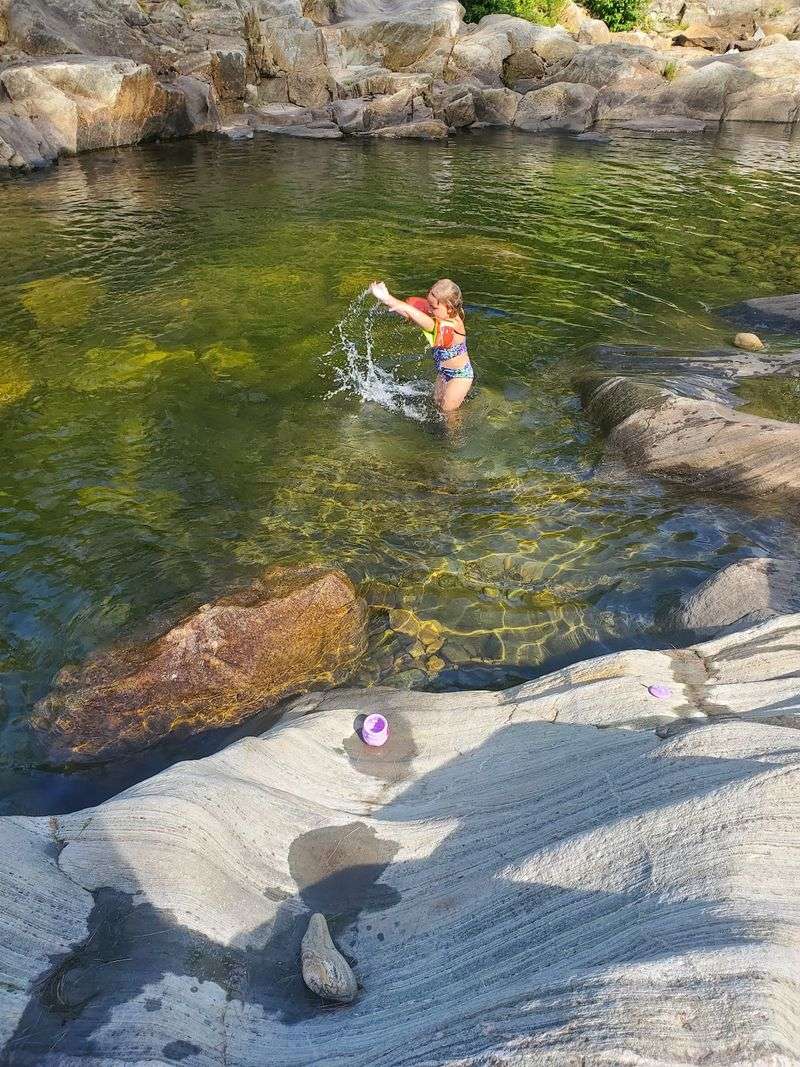
The natural pools at Coos Canyon are the main reason most people make the trip out to Byron. These pools form in the hollows and channels carved by the river, creating calm pockets of water that are ideal for cooling off.
The largest pools are deep enough for swimming and are ringed by smooth, flat granite shelves that are practically made for sitting and sunbathing.
One of the most appealing things about these pools is how naturally they are shaped. There are no concrete edges or artificial structures.
Everything has been formed purely by the movement of water over rock, and the result feels both raw and perfectly suited for recreation. Kids especially love exploring the smaller connecting pools and channels.
The water is clear enough that you can see the riverbed in most spots, which adds to the sense of being in an untouched natural space.
Depending on where you settle along the canyon, you might have a pool mostly to yourself or share it with a handful of other visitors. Arriving earlier in the day on weekends gives you a much better chance of finding a quieter spot to enjoy the water.
Cliff Jumping And Ledge Leaping
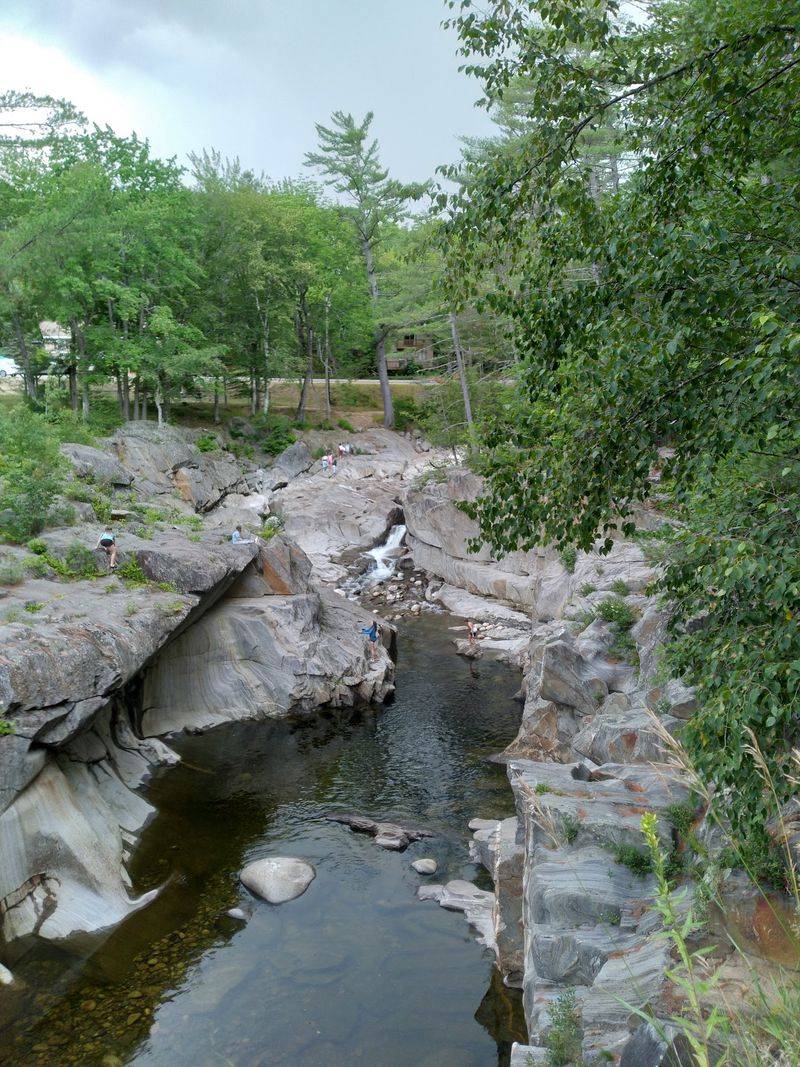
For those who want a little more excitement than a calm swim, Coos Canyon delivers in a big way. The canyon features several granite ledges at varying heights above the water, and jumping from them has been a summer tradition for generations of Maine kids and adventurous visitors.
The thrill of stepping off a warm rock ledge into cold, clear water below is hard to beat. Heights range from fairly modest to genuinely impressive, so there is an option for most comfort levels.
Younger kids tend to stick to the lower entry points, while older visitors and teens often work their way up to the higher ledges. Watching someone take a confident leap and disappear into the green water below never really gets old.
Safety is worth taking seriously here. Always check water depth before jumping from any ledge, and never jump into water you have not confirmed is clear of submerged rocks or obstacles.
The canyon sees a lot of visitors each summer, and most people have a wonderful time simply by using good judgment. A quick survey of the pool from the edge before you leap is always the right call.
Gold Panning History Along The River
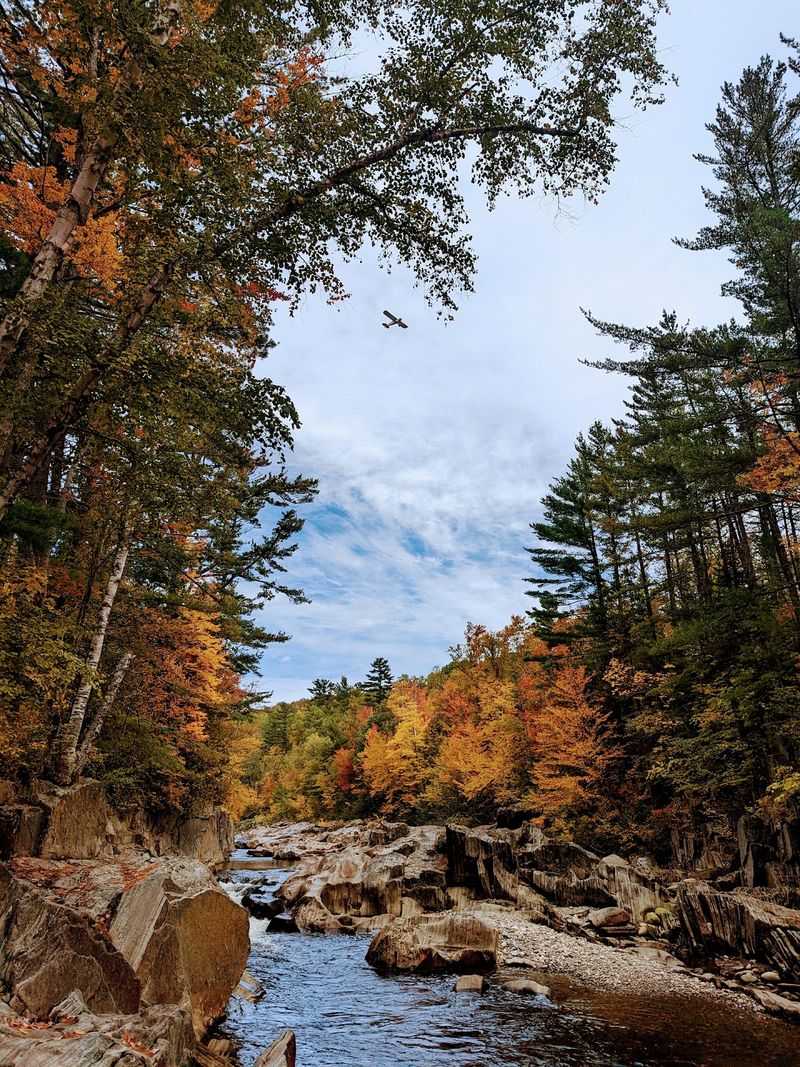
Here is something that surprises most first-time visitors: the Swift River running through Coos Canyon has a genuine gold panning history.
Small amounts of placer gold have been found in the river sediments in this area of western Maine, and the tradition of panning for gold along the Swift River goes back well over a century.
Byron and the surrounding Oxford County region were part of a modest gold rush that drew prospectors to the area in the 1800s.
Gold panning is still allowed in parts of the Swift River today, and some visitors bring a pan and try their luck in the shallower sections of the river near the canyon.
Finding gold is not guaranteed, but the experience of sifting through the gravel and watching the water wash away the lighter sediment is surprisingly absorbing. Even a few tiny flakes feel like a genuine discovery.
Local outfitters in the surrounding area sometimes offer basic gold panning equipment and guidance for beginners. If you are visiting with kids, this can be a fantastic way to add an extra layer of adventure to the trip.
The combination of swimming, exploring, and panning makes for a genuinely full day outdoors.
Best Time To Visit For Swimming
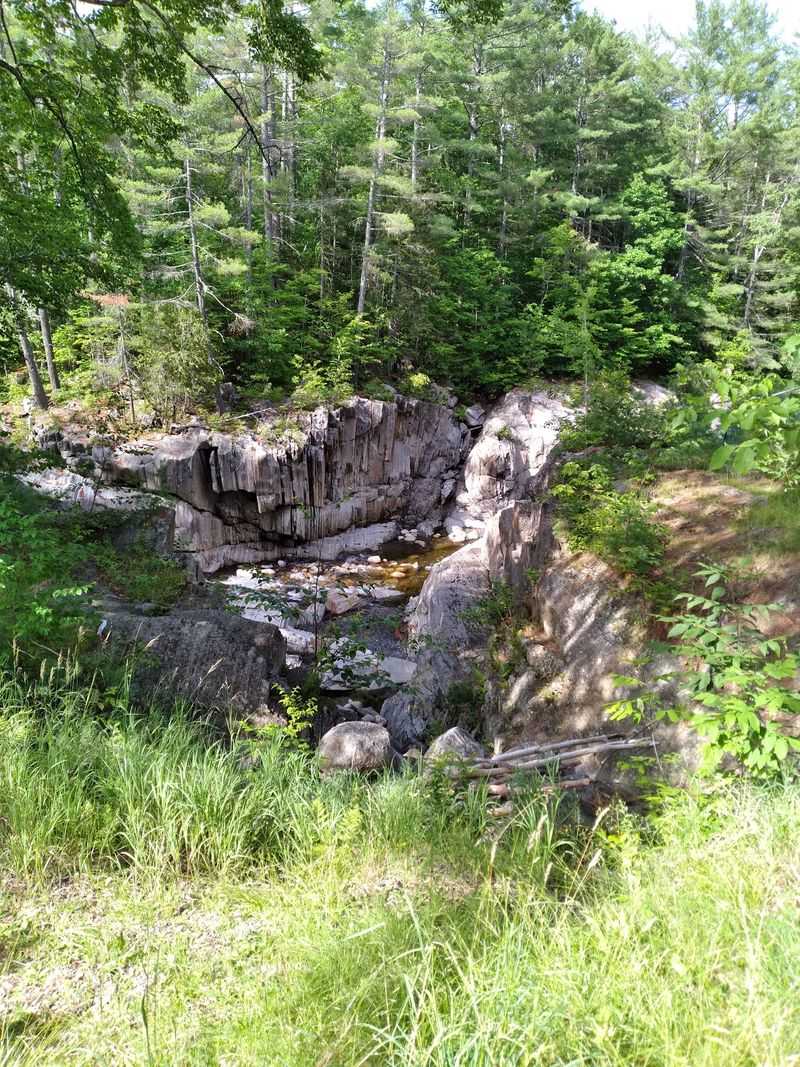
Timing a visit to Coos Canyon correctly makes a significant difference in the experience. The swimming season generally runs from late June through early September, with July and August being the peak months.
By midsummer, the Swift River has settled from its high spring flows into the calmer, more welcoming state that makes the natural pools so enjoyable.
Weekday mornings are the best time to visit if you prefer a quieter experience. Weekends in July and August can bring larger crowds, especially on hot days when the canyon becomes a popular escape from the heat.
Arriving before 10 in the morning gives you the best chance of having the best spots to yourself for at least a little while.
Water temperature stays cool throughout the summer, which is part of the appeal on a scorching day but worth knowing in advance so you are not caught off guard.
Wearing water shoes is a practical idea since the riverbed and some of the rock surfaces can be slippery. Bringing a towel, sunscreen, and a snack makes the visit far more comfortable and allows you to stay longer and really soak in the surroundings.
Getting There And What To Expect
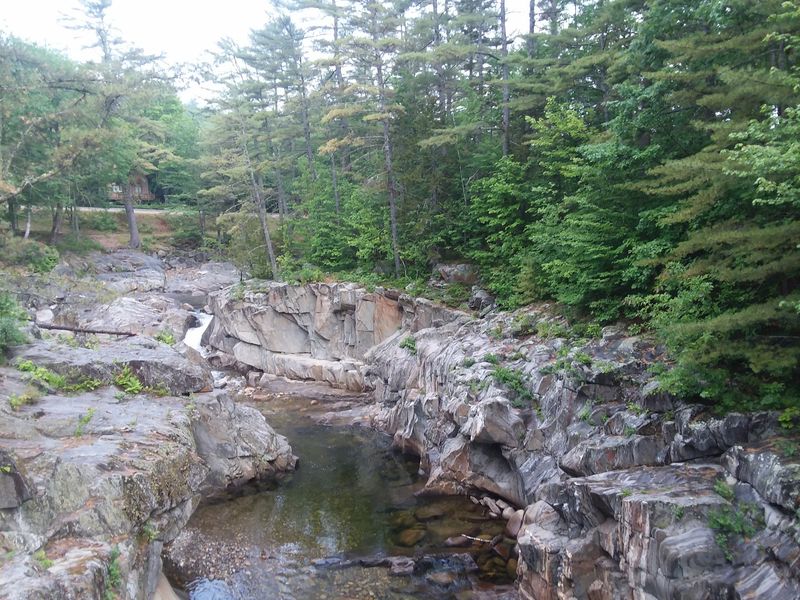
Coos Canyon sits right along Route 17 in Byron, Maine, making it one of the more accessible natural swimming spots in the state.
A roadside rest area and pull-off beside Route 17 provide easy access, with the water only a short walk away. The approach is part of the charm since the sound of the river reaches you before you can even see it.
Byron is a small, rural town in Oxford County with a population that stays well under 200 people. The surrounding landscape is classic western Maine, with dense forest, rolling hills, and very little commercial development.
That remoteness is a big part of what keeps Coos Canyon feeling wild and unhurried even when visitors are present.
There are no formal facilities at the canyon itself, so planning ahead matters. Bringing your own water, food, and a basic first aid kit is a reasonable idea.
Cell service can be spotty in this part of Maine, so downloading an offline map before you leave home is a practical step. Rumford, roughly 10 to 12 miles south, offers grocery stores, restaurants, and other useful services.
Why This Place Stays With You
Some places are fun to visit and easy to forget. Coos Canyon is not one of them.
There is a quality to the light in the late afternoon, when the sun hits the canyon walls at a low angle and turns everything a warm amber, that genuinely stops you in your tracks.
The combination of the rushing water, the ancient rock, and the surrounding forest creates an atmosphere that feels both energizing and deeply calming at the same time.
I have visited a lot of swimming holes across New England, and what sets Coos Canyon apart is how complete the experience feels.
You get the geology, the history, the swimming, the scenery, and the sense of genuine wilderness all in one compact, accessible location. It never feels overdeveloped or sanitized.
Returning visitors often say the canyon looks different depending on the season, the time of day, or even just the mood you bring with you.
That kind of depth is rare in a place you can reach from your car in under five minutes. If you are planning a summer trip through western Maine, building in an afternoon at Coos Canyon is one of the easiest decisions you will make all trip.