
Deep In A Michigan Forest Lies An Overlook Most People Miss Entirely
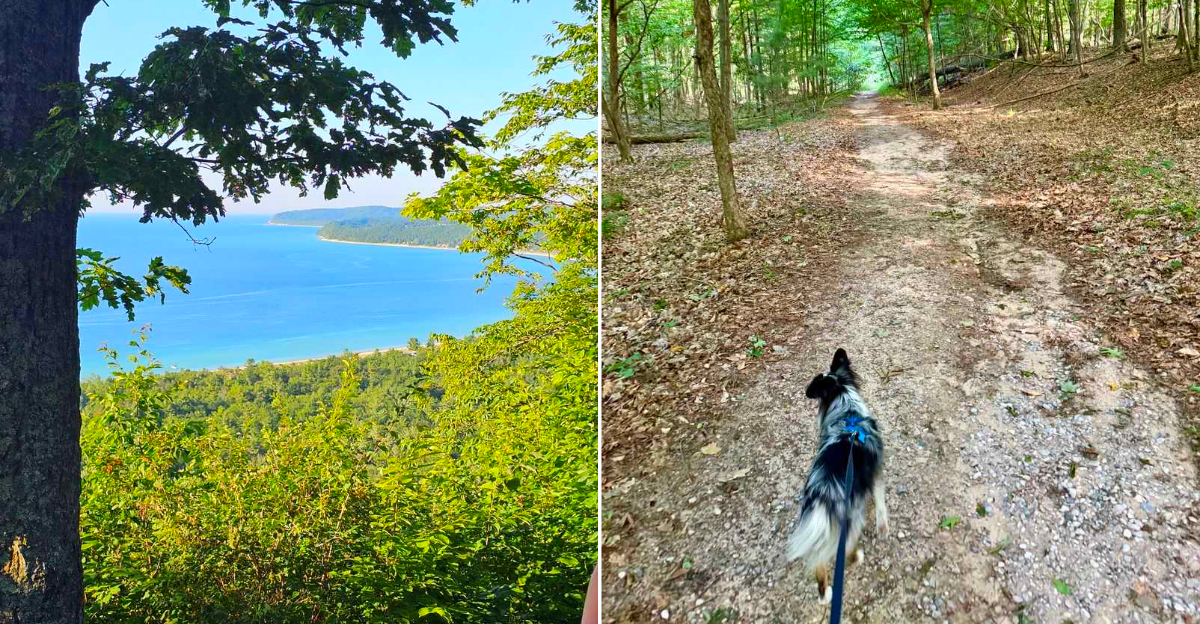
I almost turned back twice. The uphill stretch tested my patience more than my legs. My hiking buddy kept promising the view would change my mind. She was right. When the trees parted at that overlook, my frustration evaporated instantly.
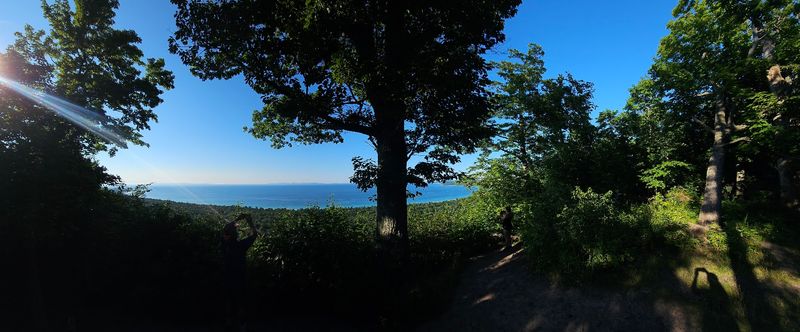
I could see islands floating on the horizon like something from a postcard. The lakeshore stretched out below in ribbons of blue and green.
My tired feet stopped mattering altogether. This trail sits inside one of Michigan’s most beloved regions, yet most visitors drive past the trailhead without a second glance. I sat on the bench at the top for twenty minutes, not checking my phone once.
The silence up there, broken only by wind, felt like a gift I had not earned. I will return every chance I get. Finding a quiet Michigan overlook reached by forest trail gave me the best view of the entire trip.
Treat The Climb Like A Real Hike
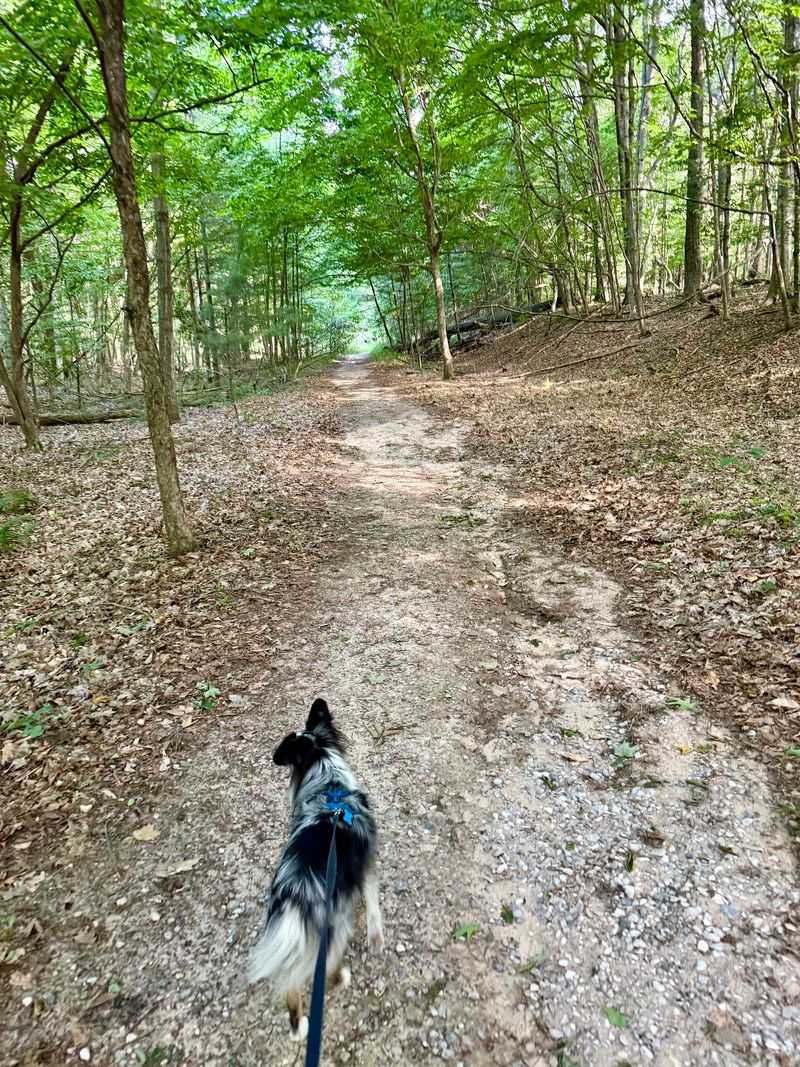
The path has a way of looking friendly while still making your legs earn the view. From Forest Haven to Islands Lookout, the hike is about 1.5 miles and often described as relatively strenuous, which feels fair once the hills begin.
Expect packed dirt, some sand, and roots that like to rise where your foot wants to land. Nothing about it feels wild in a dangerous sense, but it does ask for attention. Good shoes matter more here than people sometimes guess.
A smart rhythm helps. Start slower than you think you need to, especially on warm days, and save energy for the return. The trail is wide and marked well, yet the elevation change is what really shapes the outing.
Forest Haven Drive Ends Where Alligator Hill Begins
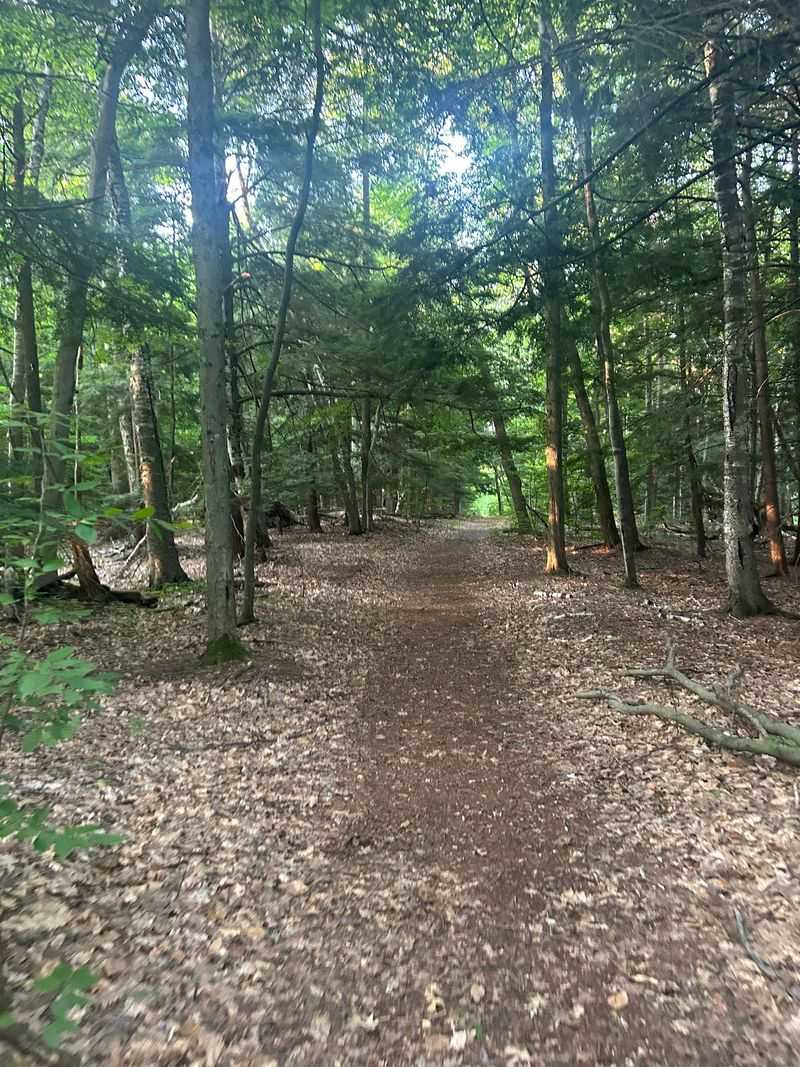
Alligator Hill Trail’s Forest Haven Drive Trailhead sits just south of Glen Arbor inside Sleeping Bear Dunes National Lakeshore in Michigan. From downtown, take M-22 south for about half a mile, then turn west onto South Forest Haven Drive.
Follow Forest Haven Drive roughly 700 feet until the road bends sharply north. The trailhead is tucked into that bend, where the pavement gives way to the wooded slopes of Alligator Hill.
Park in the small trailhead lot and start on the Intermediate Loop. The Islands Lookout is about 1.5 miles from here; continue along the marked trail system to reach the spur toward Big Glen Lookout.
Aim For Islands Lookout First
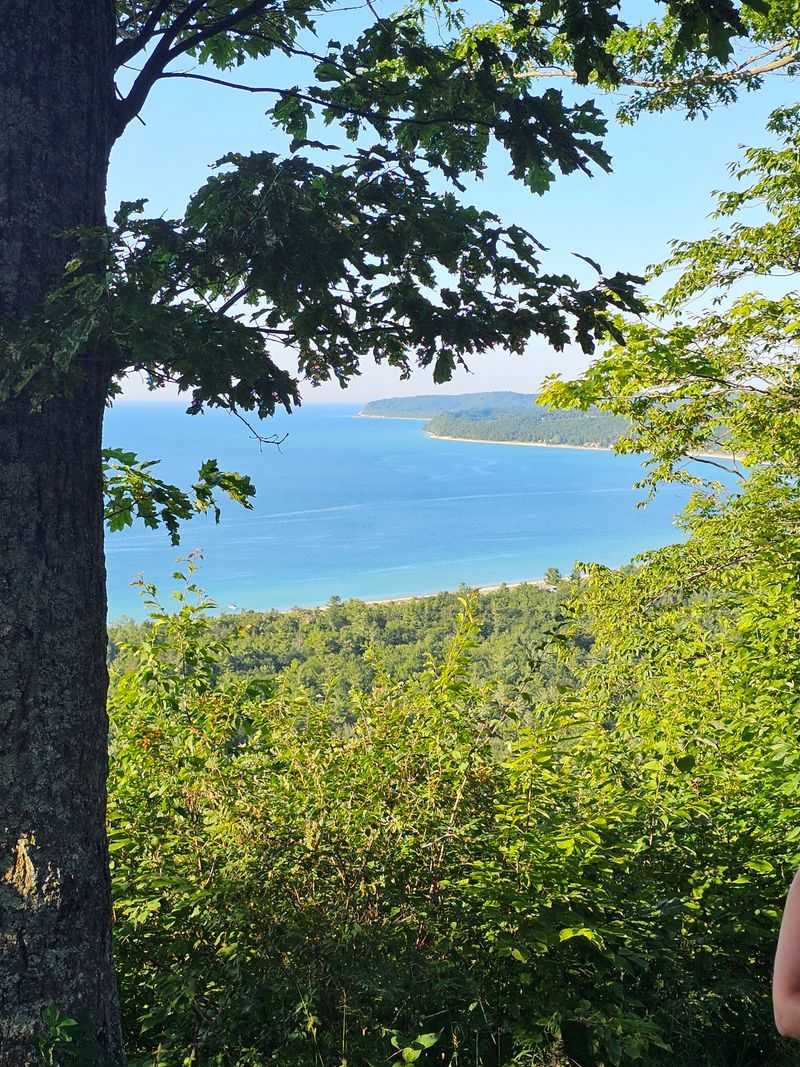
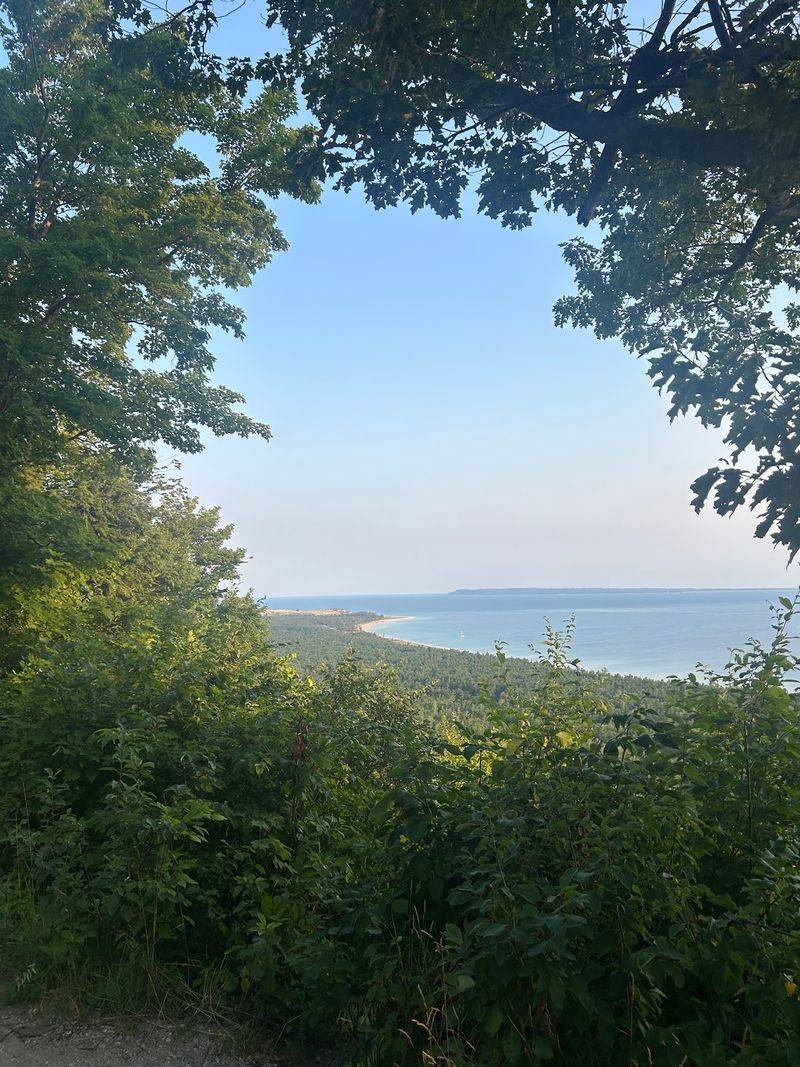
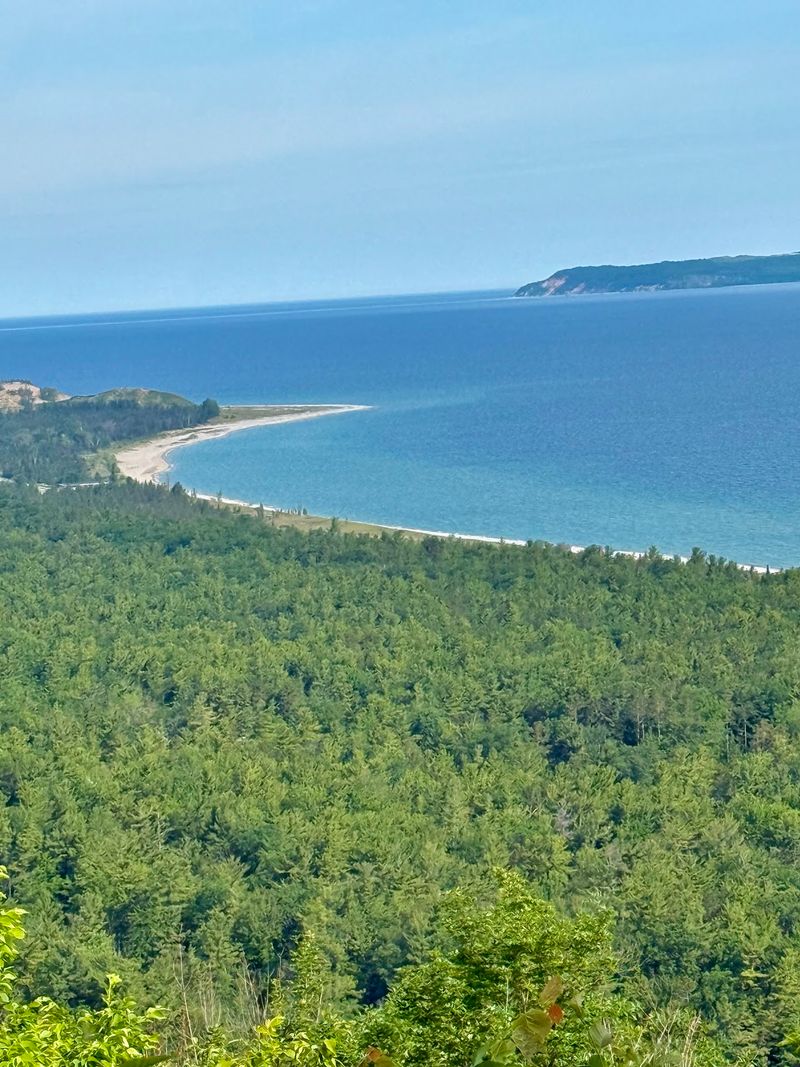
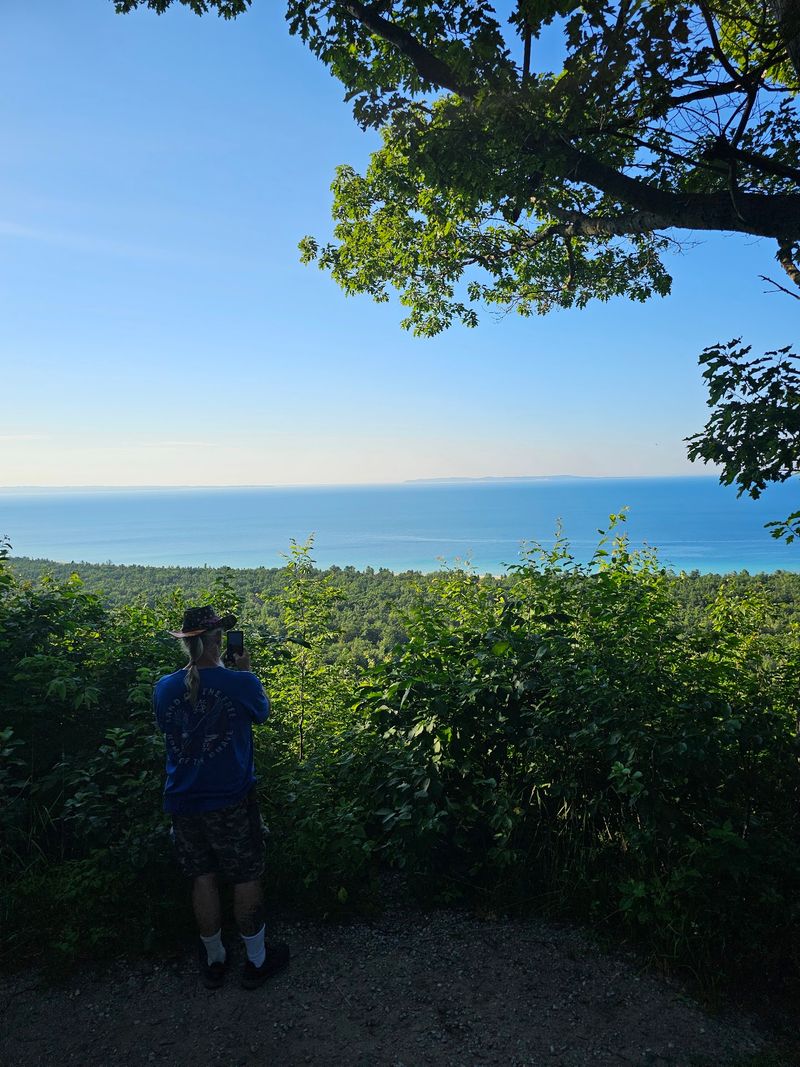
Then comes the payoff, and it arrives with more drama than the shaded trail suggests. Islands Lookout opens onto Lake Michigan with a wide, airy sweep that can include North and South Manitou Islands, Sleeping Bear Point, and even distant freighters in the Manitou Passage on clear days.
A bench sits at the overlook, which feels wonderfully civilized after the uphill work. It invites you to stay longer than planned.
The view has that rare mix of scale and stillness that makes conversation trail off for a minute.
Morning and clear weather give you the best chance at crisp sightlines. If the lake horizon looks hazy, be patient anyway.
Even on softer days, the overlook feels deeply worth the effort.
Do Not Skip The Spur To Big Glen
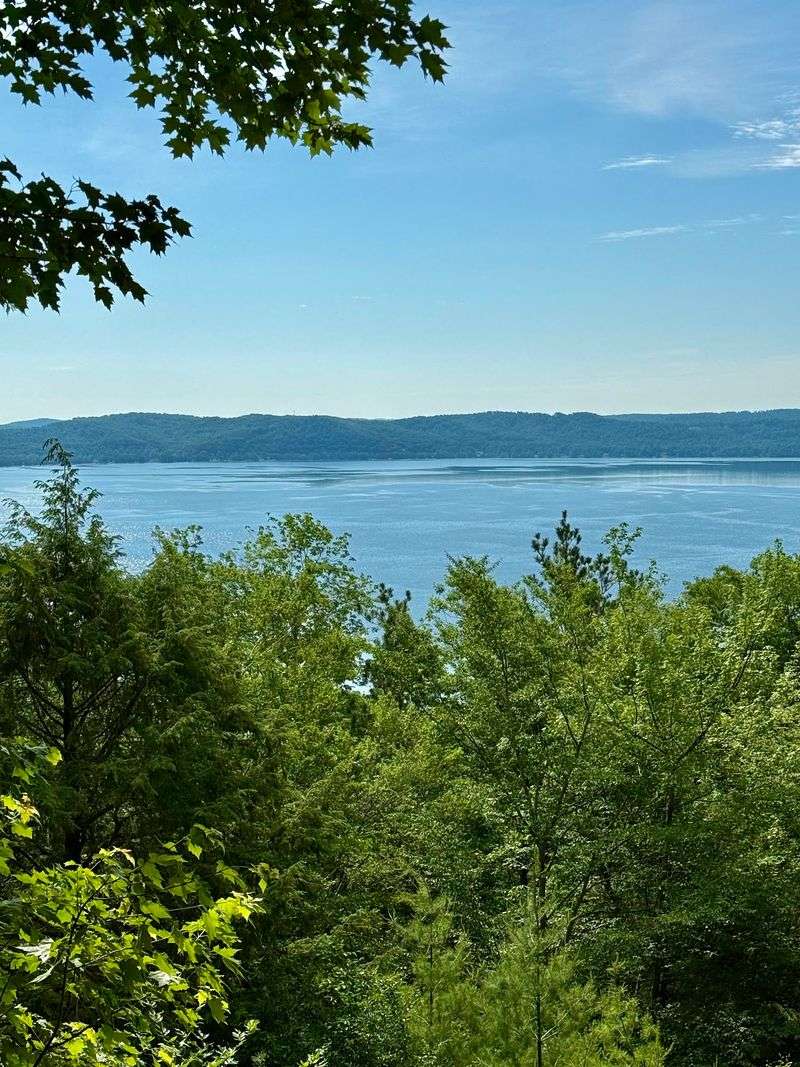
After the larger lake view, it is tempting to turn around and call the trip complete. Resist that urge.
The spur to Big Glen Lookout adds a second mood entirely, and the contrast is what makes the outing feel memorable rather than simply scenic.
Where Islands Lookout is broad and open, Big Glen feels calmer and more tucked in. The lake sits below in a quieter frame of trees, almost like a private thought after a loud announcement.
Some people find it less dramatic, which is true, but not less rewarding.
I found it gentler on the nerves. If you like places that feel reflective instead of showy, this extra stretch may become your favorite stop on the whole trail.
Notice The Forest Before You Reach The View
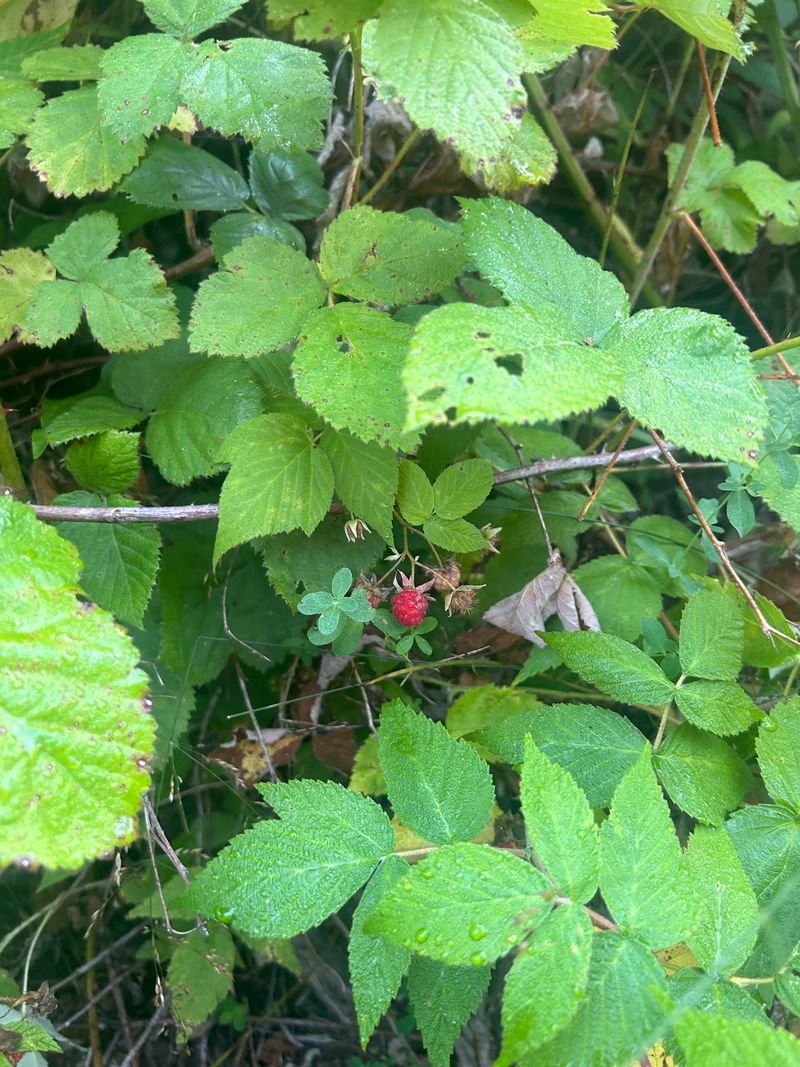
Leaves do a lot of the storytelling here. Alligator Hill is largely a maple-beech forest, and that hardwood canopy gives the hike a soft, enclosed feeling that changes every bend.
The overlooks get the fame, yet the woods themselves are half the experience.
In spring and summer, birdsong and shade make the trail feel fuller than it looks on a map. Fall is another matter entirely, with gold, orange, and red turning the ridge into something almost theatrical.
Even the uphill sections seem easier when the canopy is putting on a show.
Slow down now and then for the smaller details. Bark texture, root patterns, and shifting light make the route feel alive.
The best visits happen when you stop treating the forest like hallway space.
Look For Hints Of The Hill’s Odd Past
Hidden under the trees is a backstory stranger than the peaceful setting suggests. Alligator Hill was shaped by glaciers, and later people tried to reshape it again.
In the 1920s, lumber baron David Henry Day planned a resort and an 18-hole golf course here, though the project failed during the Great Depression.
Some old fairway traces can still be noticed if you walk with curious eyes. That layer of ambition gives the ridge a slightly haunted, almost unfinished personality.
It is one of those places where history lingers without needing signs everywhere.
The name adds another wrinkle. From the Dune Climb, the hill’s silhouette was said to resemble an alligator’s snout.
Knowing that makes the landscape feel a little more playful and much easier to remember.
Respect The Trail As A Four Season Place
One of the smartest things about Alligator Hill is that it is not only a fair weather destination. The trail system is used year round, with hiking favored from April through November and winter bringing cross-country skiing and snowshoeing from December 1 to March 31.
That seasonal switch changes the whole character of the place. Summer feels leafy and enclosed, fall turns bright and crisp, and winter strips things down to line, slope, and silence.
Some ski segments are groomed by the Friends of Sleeping Bear Dunes, which adds another layer of care to the landscape.
Plan for the season, not just the route. Darkness comes early in winter, and spring mud or autumn leaves can make footing trickier than the map suggests.
Carry Water And Watch Your Footing
A quiet trail can still be sneaky about comfort. Because the route includes hills, roots, sandy stretches, and warm-weather shade that may hide how much you are sweating, carrying enough drinking water is one of the simplest ways to keep the trip enjoyable.
Your feet need attention too. Some advanced loops have steeper slopes and water bars that act almost like small steps, and even easier sections can catch you off guard when leaves cover roots.
The trail is well marked, but marked does not mean effortless.
Bring shoes with grip and give yourself extra time. I also kept an eye out for poison ivy along the edges, especially where the trail narrowed.
A little care prevents a very annoying souvenir later.
Prepare For Bugs And Wildlife With Common Sense
Warm woods come with company, and not all of it is scenic. Mosquitoes can be present in the warmer months, especially when the air feels still, so bug spray is less optional than many visitors hope.
A light layer can also help if insects are active.
Black bears are common in the area, but that fact sounds scarier than the typical reality. The usual advice applies here well: make normal human noise as you hike and avoid surprising wildlife.
Calm awareness works better than nervous drama.
What struck me most was how quickly the forest absorbs sound. Because of that, traveling with a companion or simply speaking now and then feels sensible.
You do not need fear to be prepared, just steady outdoor habits.
Use The Network To Match Your Energy
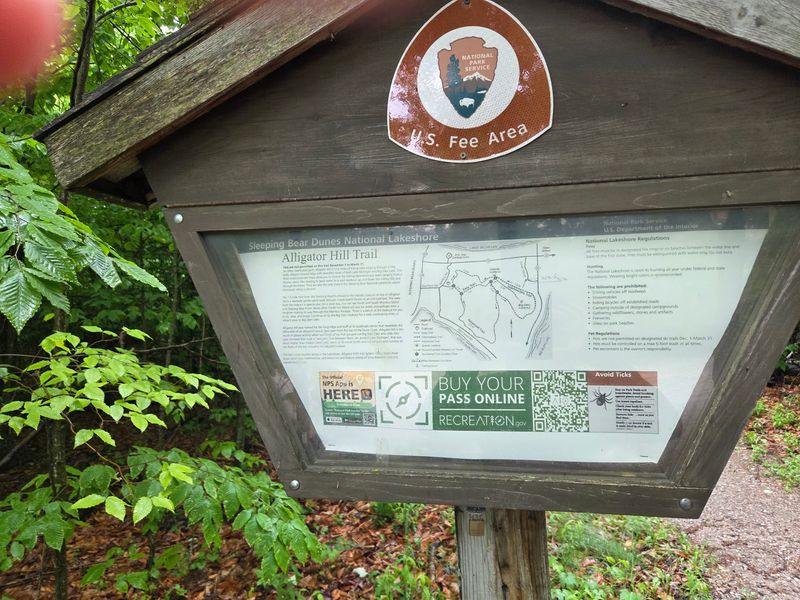
Not every visit needs to become a heroic march. Alligator Hill includes about nine miles of interconnected loops with easy, intermediate, and advanced options, which means you can shape the day around your energy instead of forcing one big standard route.
That flexibility is especially helpful if you are hiking with people who move at different speeds. One person may want the quickest route to Islands Lookout, while another is ready for extra elevation and distance.
The system makes those preferences easier to manage than many scenic trails do.
Study the route before leaving the trailhead, since choices come quickly once you are in the woods. Mountain bikes are not allowed, but horseback riding is permitted here, a rare detail within Sleeping Bear Dunes National Lakeshore.
Leave Time To Sit Still At The Top
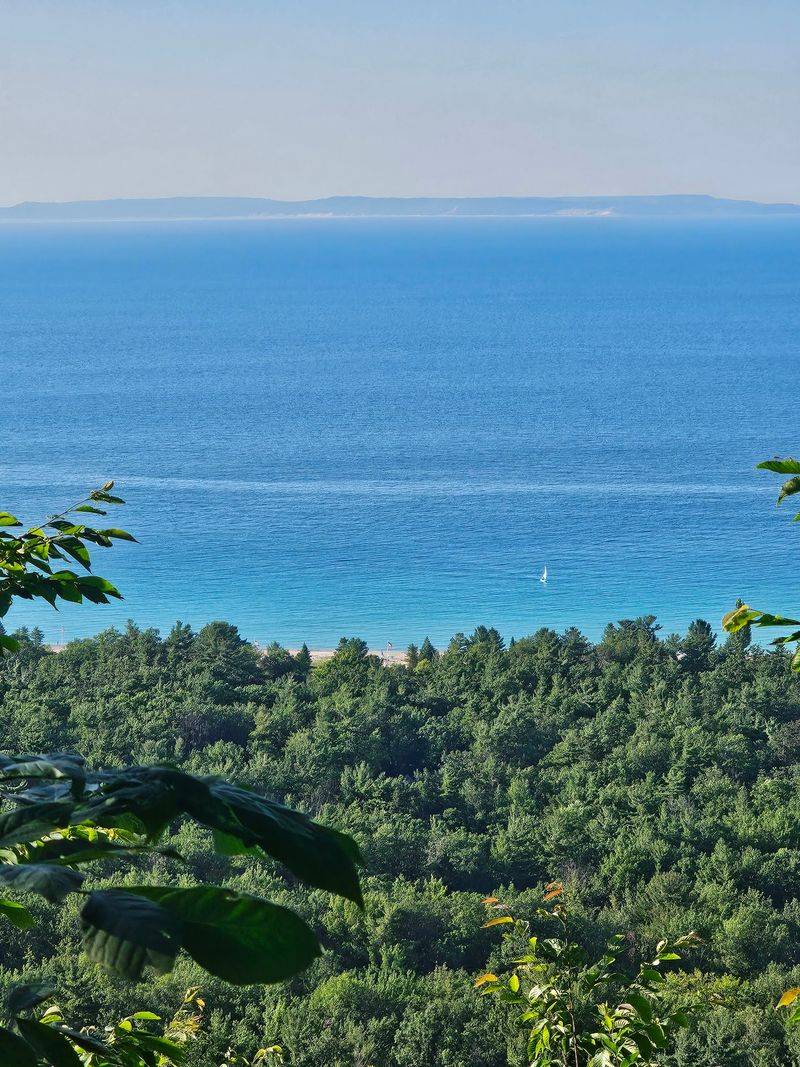
The funniest mistake on a beautiful trail is reaching the goal and acting like you are late for something. At Islands Lookout, the bench almost gives you permission to drop the schedule.
Sit down. Let your breathing settle. Watch the water line and the islands stop being map names.
Big views can feel oddly abstract when you rush them. A few extra minutes make details appear, from changes in cloud shadow to boats moving through the distance.
If the air is clear, the scene keeps widening the longer you stay with it.
That pause changes the whole memory of the hike. Instead of only remembering effort, you remember arrival. On Alligator Hill, that small shift is what turns a good walk into a place you want to revisit.