
This Is One Of Michigan’s Most Beautiful Garden Walks
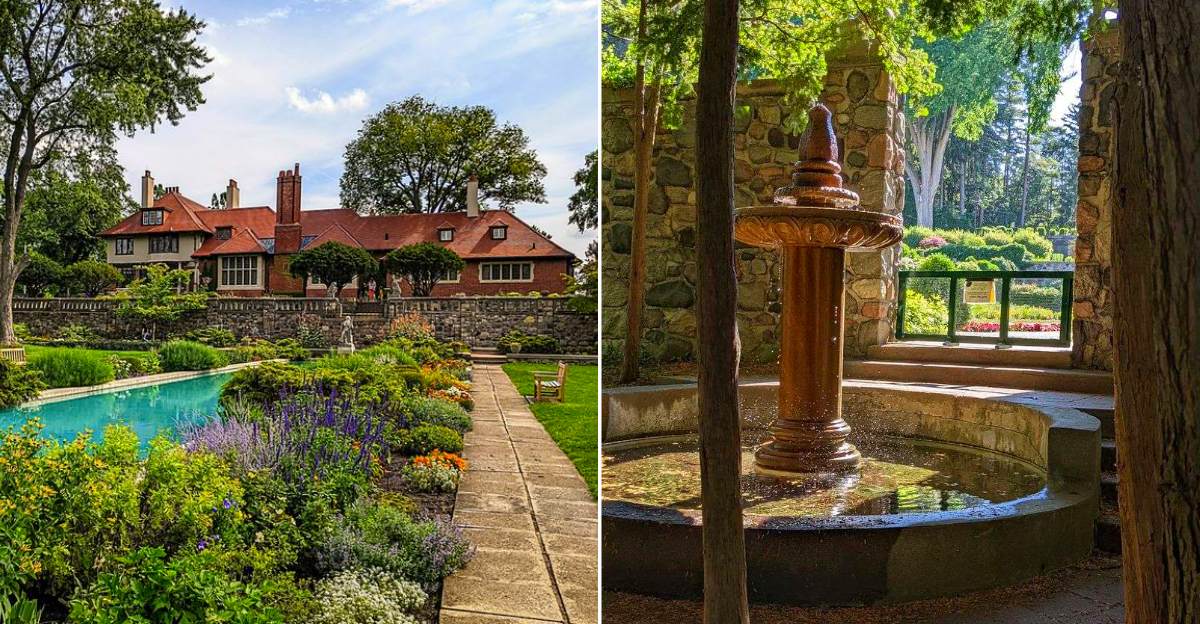
Forty acres of gardens do not announce themselves from the road. You have to turn through the gate and drive up the long gravel path before the scope of this place becomes clear.
I was surrounded by incredible beauty on all sides.
Fountains sang softly in the distance. Sculptures peeked through lush greenery at every turn.
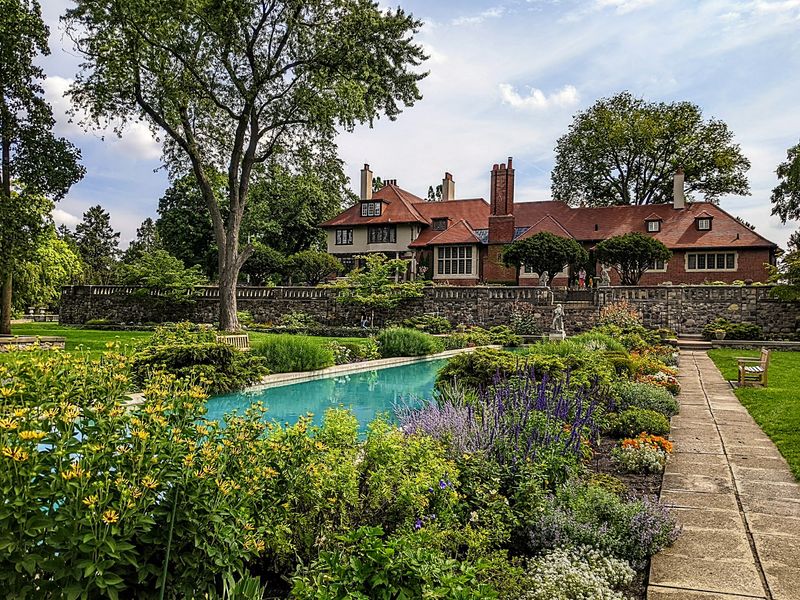
The historic manor stood proudly at the center of it all, built in 1908 and radiating timeless charm and craftsmanship.
I wandered through sunken gardens and quiet wooded trails. Each path revealed something new and unexpected around every corner I turned.
The Japanese garden was a highlight of my visit. I paused by reflective pools and admired handcrafted details everywhere I looked.
Volunteer gardeners clearly pour their hearts into maintaining this place. If you love gardens, architecture, or peaceful walks, this stunning Michigan spot belongs on your must-visit list this season.
Wear Shoes Ready For Real Paths
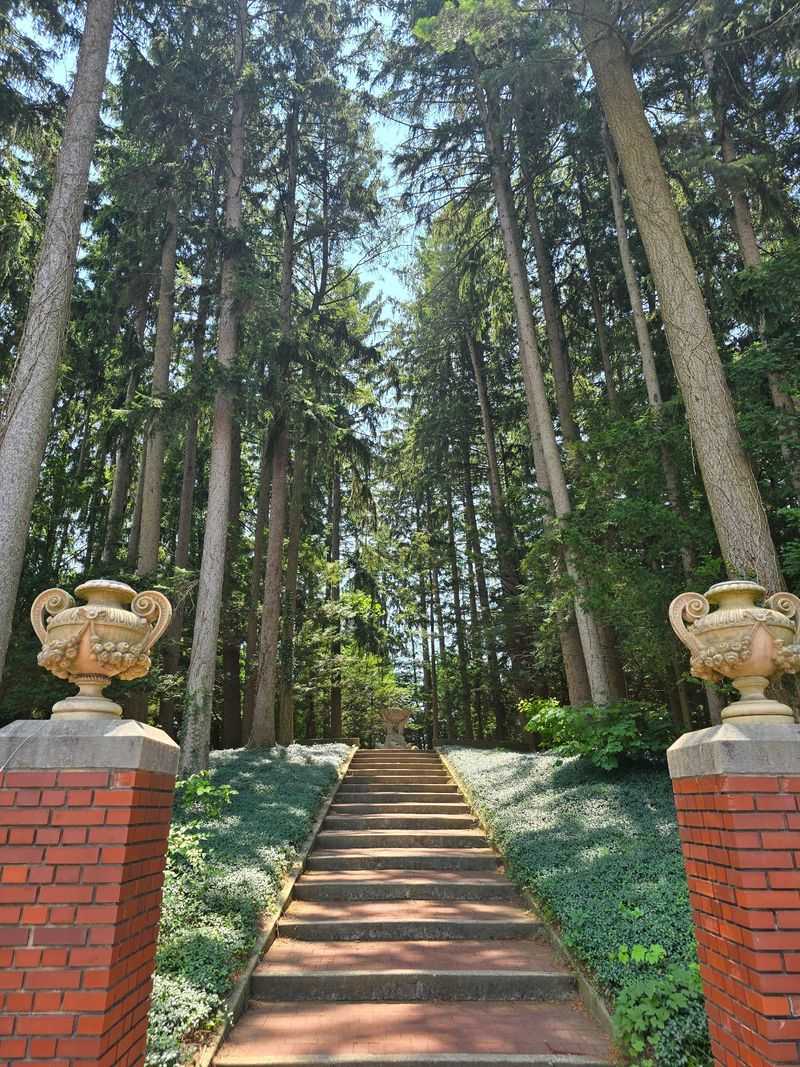
Pretty gardens sometimes trick people into dressing for photographs instead of walking. Cranbrook has lawns, gravel, stone, stairs, and uneven ground in places, so comfortable shoes make a noticeable difference after the first long loop.
The grounds cover about 40 acres, which sounds charming until tired feet start arguing. Some paths are smooth, but others feel more natural and slightly bumpy.
Choose shoes with grip and plan for a relaxed pace rather than a rushed lap. Visitors using wheelchairs or walkers may want assistance, especially on surfaces that shift or slope, and that small bit of planning can keep the visit focused on beauty instead of discomfort.
Lone Pine Road Leads To Cranbrook’s Garden Gate
Cranbrook House & Gardens is located at 380 Lone Pine Road in Bloomfield Hills, Michigan, between Woodward Avenue and Telegraph Road. From Woodward, turn west onto Lone Pine Road and continue toward Cranbrook Road.
The entrance sits on the north side of Lone Pine Road, just west of Cranbrook Road and directly across from Christ Church Cranbrook. Once you make the turn through the gates, the drive leads into the House & Gardens portion of the larger Cranbrook campus.
Use the complimentary main parking lot just inside the entrance gates. Additional free parking is available along Lone Pine Road, and the garden paths can be reached on foot from the main lot.
Follow The Sound Of Water
A soft splash or faint trickle often means the next lovely view is close. Water features guide the experience at Cranbrook, adding movement and calm to formal spaces that might otherwise feel too stiff.
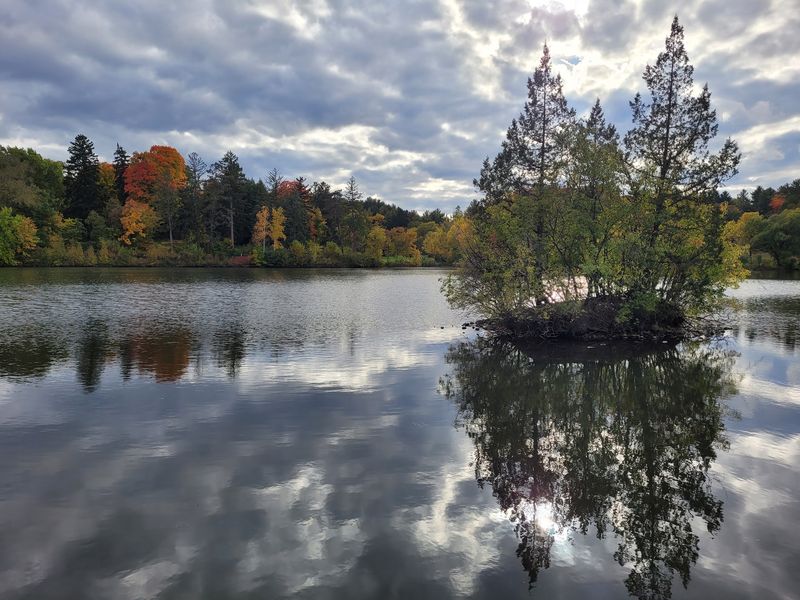
The long Reflecting Pool creates one of the estate’s strongest sightlines, while the Turtle Fountain adds a playful note with serious art history behind it. Grotto Lakes and Kingswood Lake widen the mood from formal garden to peaceful landscape.
Listen as much as you look. Water draws attention toward corners, paths, and visual pauses, and it can also help with navigation when the grounds feel larger than expected on a first visit through the property.
Save Time For The House Tour
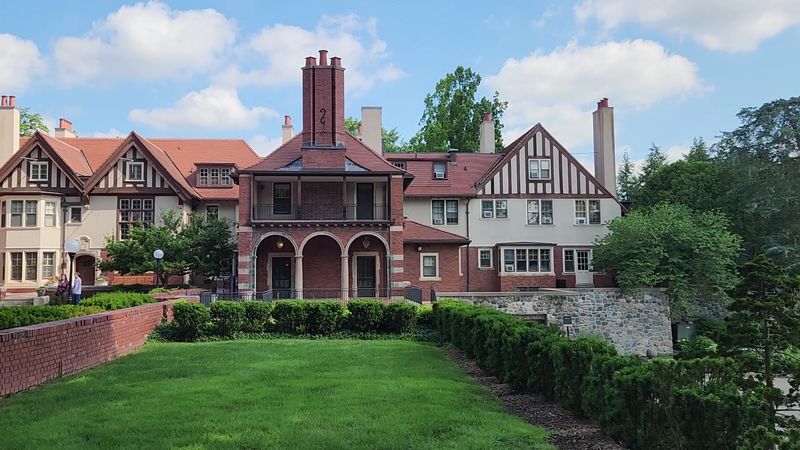
Outside beauty gets most of the attention, but the house explains the gardens in a deeper way. Cranbrook House, designed by Albert Kahn and completed in 1908, was the Booth family’s home and remains the oldest surviving manor home open to the public in metro Detroit.
Inside, the light stays intentionally low to protect historic art and furnishings. Carved oak walls, Tudor Rose ceilings, tapestries, and custom furniture give the rooms a rich, handcrafted character.
Give your eyes a moment to adjust when entering. Guided tours usually run between May and October, and the visit helps connect the outdoor design to the Booths’ larger Arts and Crafts ideals.
Seek Out The Japanese Garden
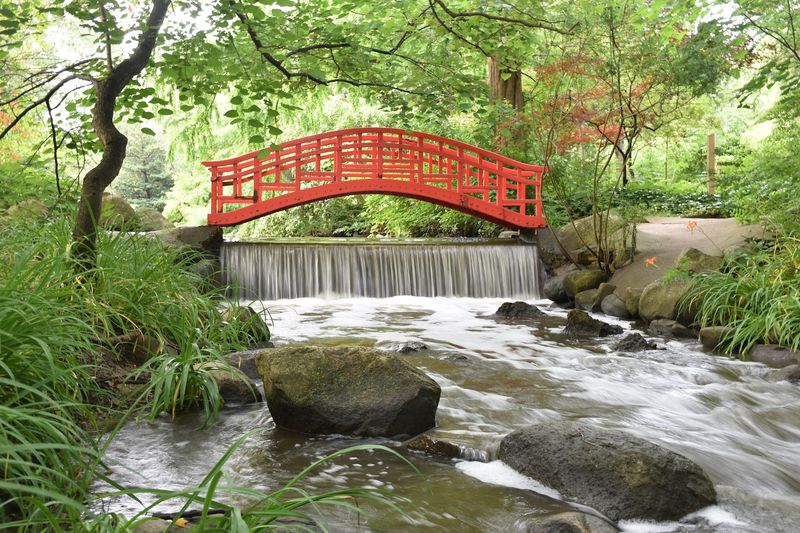
One turn on the grounds can feel like a quiet change of country. Cranbrook’s Japanese Garden dates to 1915 and is considered one of the oldest Japanese gardens in North America, which gives the space both grace and historical weight.
Mature Japanese maples, tree peonies, big leaf plantings, and low textures create a hushed mood that invites slower steps. The design feels careful rather than showy, and that restraint is part of its charm.
Visit this area with your phone silenced and your pace cut in half. It is not the place for rushing, and even a short stop here can reset the tone of the whole garden walk.
Catch The Sunken Garden In Season
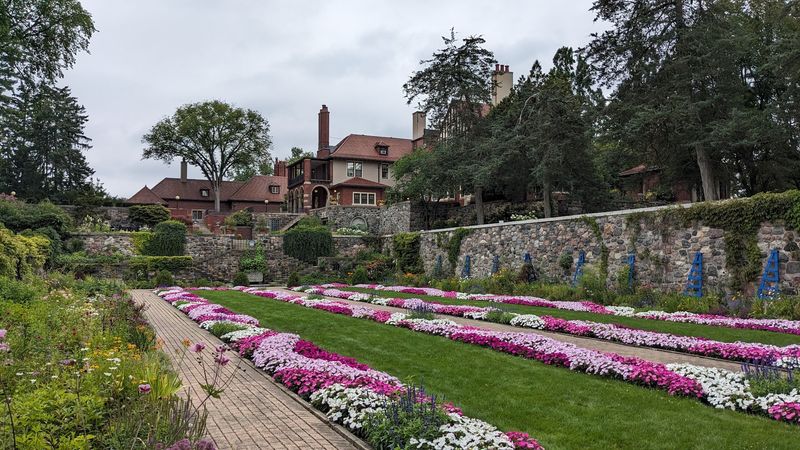
Color behaves like theater in the Sunken Garden, especially from late spring into summer. Volunteers change the planting patterns over time, so the display often feels fresh even for repeat visitors who know the grounds well.
Fieldstone walls frame the beds, and the planting style borrows from English long borders while still feeling local and alive. In recent years, special seasonal designs have included large coordinated displays such as gemstone themed arrangements using SunPatiens.
Timing matters here more than in some other sections of the estate. Go near the end of May or later in the growing season for the strongest effect, and remember that annual displays are usually removed in early October.
Use The Grounds Like A Slow Map
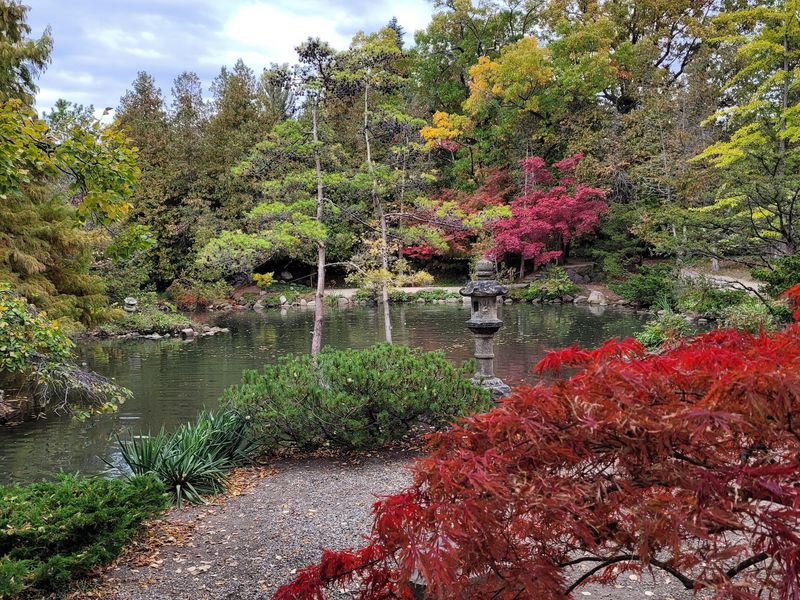
Some places reward a checklist, but Cranbrook works better as a slow unfolding. Rather than aiming straight for one famous spot, let the grounds lead from formal areas into quieter corners, where a bench, statue, or planting detail suddenly steals the scene.
The estate’s layout mixes open views with more tucked away paths. That contrast keeps the walk lively without feeling crowded by attractions.
Using the free mobile app and audio tour can help without turning the visit into homework. Read plaques when they appear, allow room for detours, and leave extra time, because the best moments often happen between the landmarks people plan for.
Watch For Butterflies With A Purpose
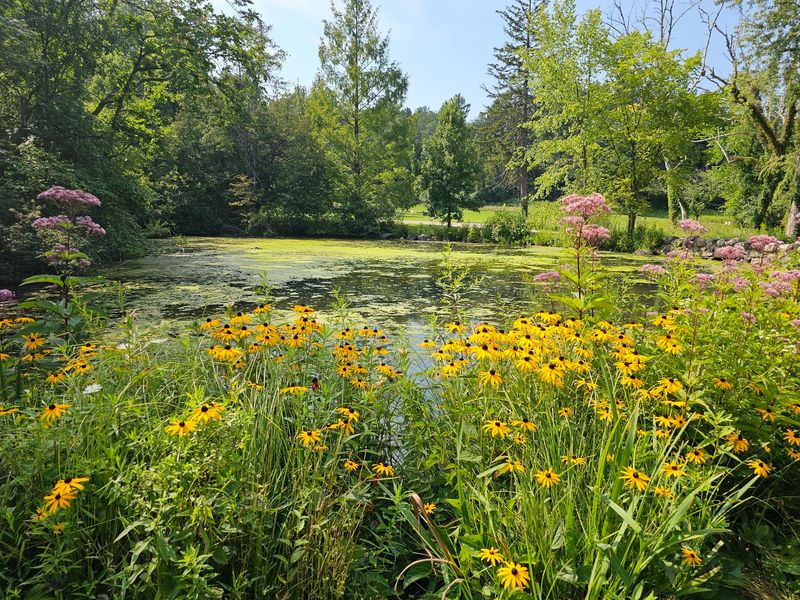
Not every beautiful garden is doing practical ecological work, but this one is. Cranbrook’s Butterfly Garden, planted in 2018, was designed to support monarch butterflies with milkweed, nectar plants, and shelter during migration.
It is also certified as an official Monarch Waystation, which gives the planting real purpose beyond decoration. That mission changes the way the space feels, making it less like a display and more like a living aid station.
Spend a few unhurried minutes here and watch how active the garden can be. Mid to late summer often brings the most visible butterfly movement, and a little patience makes the whole design easier to appreciate.
Notice How History Spreads Beyond The Garden
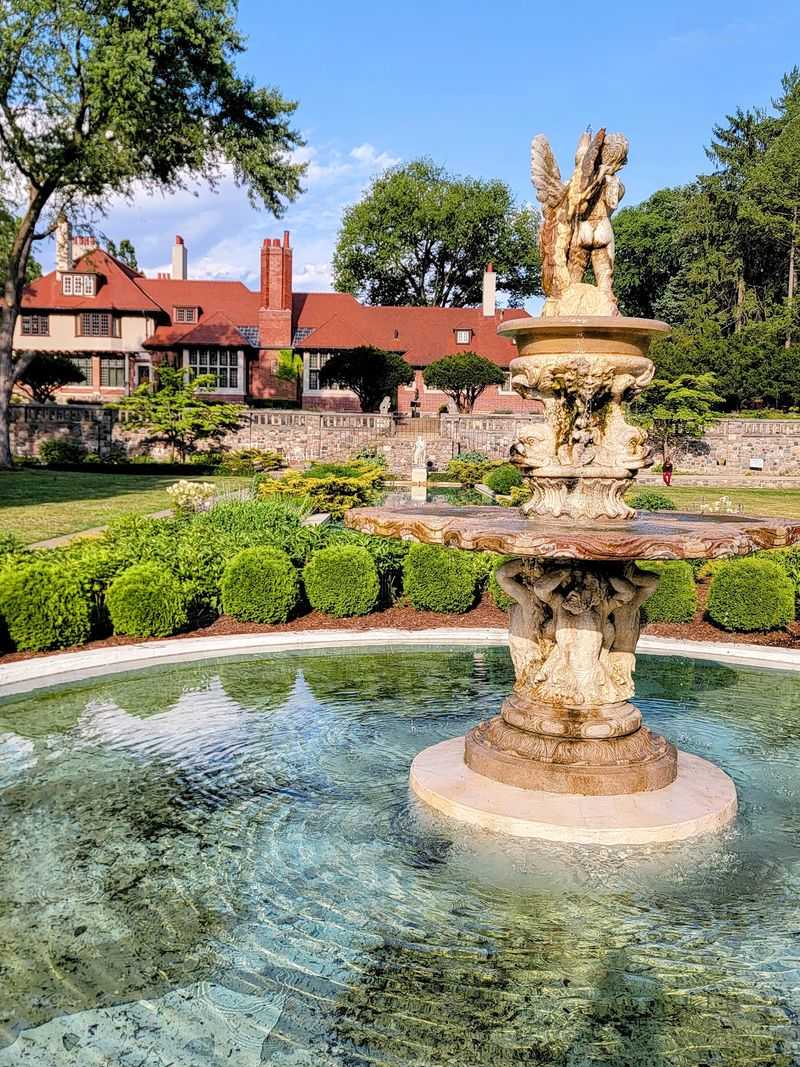
What looks like a grand garden walk is also part of a much bigger story. After Cranbrook began as the Booth family’s home, their vision expanded into the Cranbrook Educational Community, blending art, architecture, landscape, and learning across the larger estate.
That background explains why the grounds feel cultivated in both senses of the word. Beauty here was never treated as extra decoration.
It was built into daily life. I found that this wider context changes the walk, because every path begins to feel connected to classrooms, studios, and gathering spaces nearby.
Even the quietest garden starts to read as part of an experiment in shaping how people learn.
While walking, look past the flower beds now and then and notice how the surrounding institutions fit the landscape. The connection adds meaning, and the visit starts to feel less like a garden stop and more like a complete cultural setting.
Give Credit To The Volunteer Hands
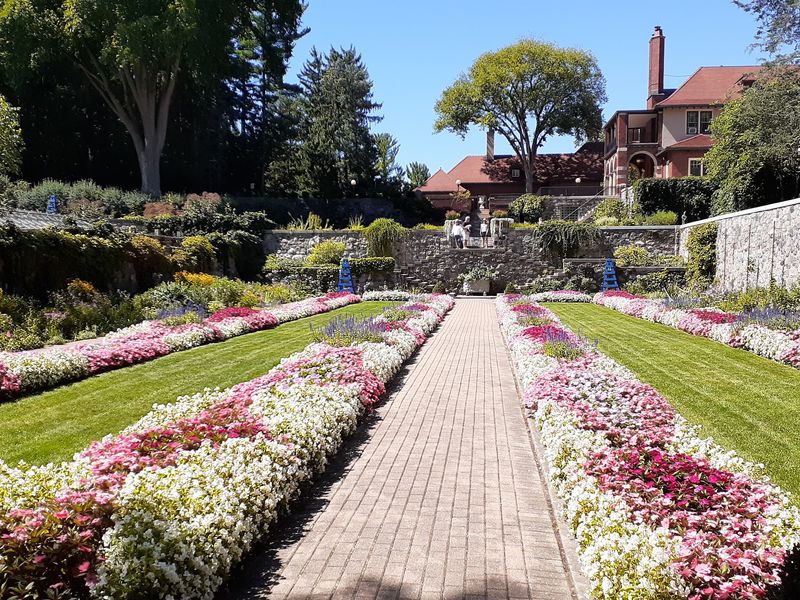
Gardens this polished do not stay lovely by accident. The Cranbrook House and Gardens Auxiliary, formed in 1971, plays a major role in preserving, restoring, and maintaining the house and its 40 acres of gardens.
That effort becomes obvious once visitors notice the crisp beds, cared for borders, and seasonal changes that feel deliberate rather than random. Volunteers also support tours and events, keeping the estate active as well as beautiful.
Seeing that level of stewardship adds warmth to the visit. It helps explain why the place feels lived in instead of merely displayed, and it can inspire a little more patience, respect, and attention during the walk through each garden area.
Leave Room For A Quiet Final Detour
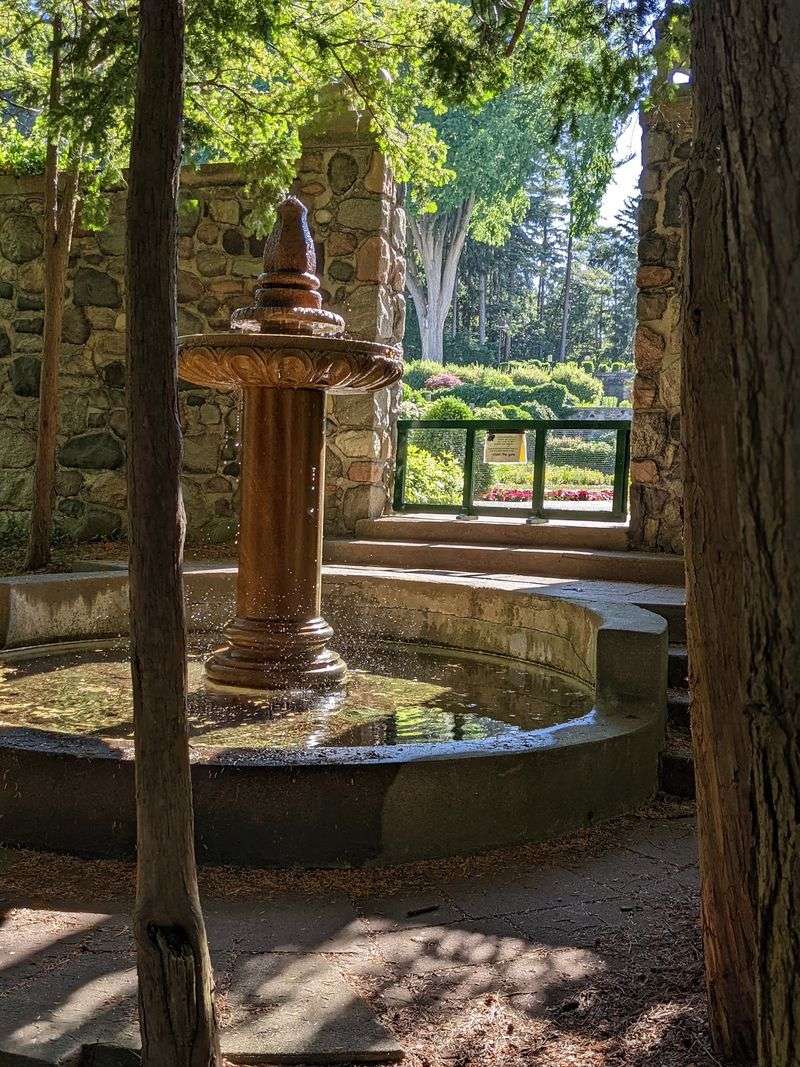
The most lasting memory may come from a place with no grand entrance at all. Cranbrook has quieter spaces, including the Bog Garden and the Library Garden, where the mood shifts from display to reflection.
The Bog Garden dates to 1913 and features native species, while the Library Garden, also called Ellen’s Garden, honors Ellen Scripps Booth with plantings centered on mauve, purple, and pink. Those personal and ecological layers give the estate emotional range.
I found that these smaller gardens invite a different kind of attention, with fewer grand gestures and more tiny details. Leaves, textures, muted colors, and changing light become the focus, making the experience feel intimate instead of monumental.
Try coming on a weekday morning if possible, when the grounds feel especially calm. A final detour into one of these tucked away areas can end the visit on a thoughtful note rather than a hurried exit toward the parking lot.