
The Secret Washington Town That Comes Alive During Late Summer Harvest
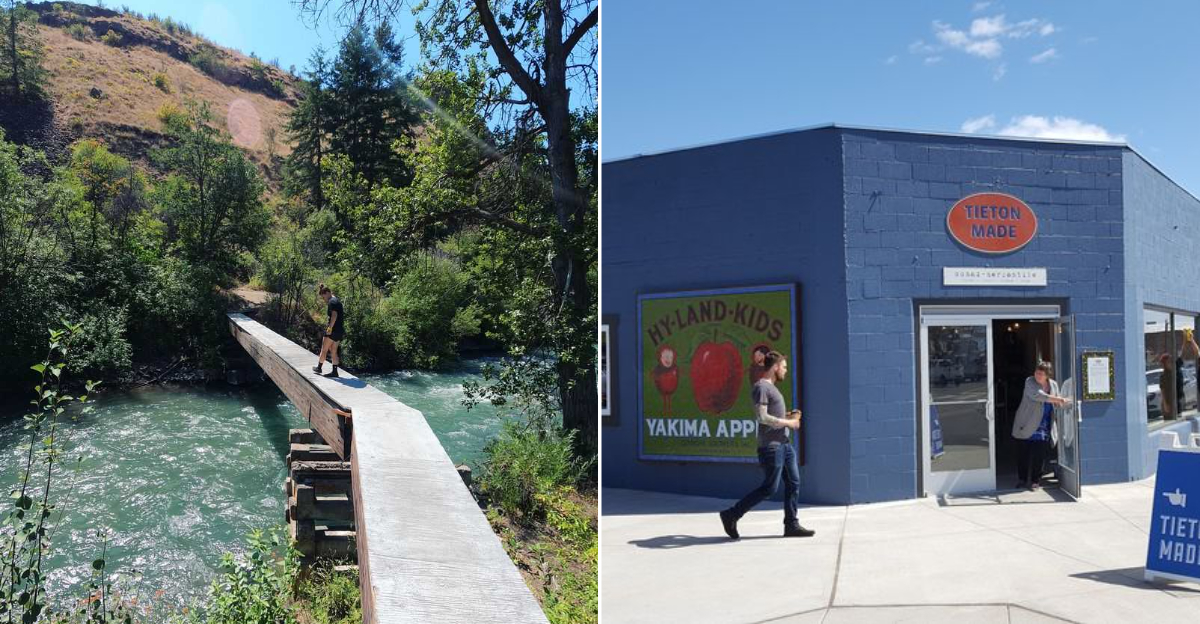
My jeans always fit a little tighter by the time September rolls around, and honestly, I refuse to take the blame. It’s entirely the fault of a certain off-the-grid destination in Washington that goes from a quiet ghost-town vibe to an absolute fruit-slinging circus every single year when harvest hits.
For most of the year, you could hear a pin drop here. But late summer? Forget about it.
Suddenly, the air smells like warm cider and crushed nectarines, and I’m sprinting from farm stand to farm stand like a kid in a very aggressive, produce-themed candy store.
If you’re tired of the usual crowded tourist traps and want to experience the most authentic, delicious slice of small-town harvest magic left in the world, grab your car keys. We’re going on a little road trip.
In Washington’s Yakima Valley, roughly a dozen miles northwest of Yakima, this little town of about 1,200 people spent decades quietly growing apples and pears before artists moved into its empty warehouses and gave the place a second life.
Late summer is when everything lines up at once: peaches dripping down your wrist, print shops humming, mosaics catching the afternoon light, and a river that roars back to life come September.
I walked the city square, met cheesemakers and their goats, ate pastries still warm from the oven, and hiked canyon trails without seeing another soul.
The Warehouse Revival That Saved A Farming Town
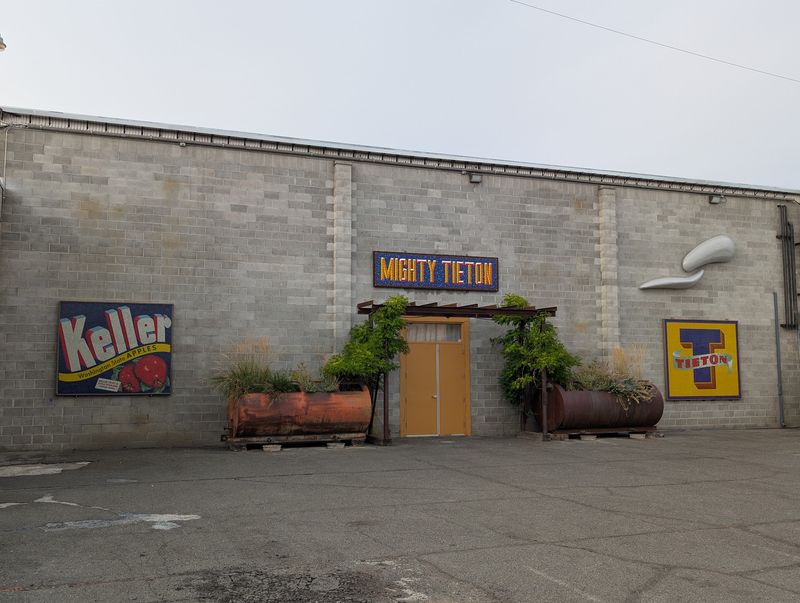
Around 2005, a publisher named Ed Marquand pedaled through a town full of shuttered storefronts and saw studio space instead of decay. That single shift in perspective launched Mighty Tieton, the collective that turned dormant fruit warehouses into galleries, print shops, and workrooms.
Farmers and orchardists first settled the area around 1888, and irrigation canals built in the early 1900s turned dry sagebrush ground into serious fruit country. The town incorporated in 1942 and thrived until the 1970s, when shopping malls in nearby Yakima pulled business away and packing jobs shifted elsewhere.
Walking past those buildings today, I kept noticing the layers: original loading docks, faded painted signage, and inside, artists binding books by hand. Nothing was torn down and rebuilt as something fake. The bones stayed, and new work simply moved in.
Fun detail worth knowing: the name Tieton is pronounced tie-eh-ton, and locals will gently correct you with a grin. Learning that small thing made every conversation friendlier for the rest of my stay.
Where High Desert Hills Meet Green Orchards
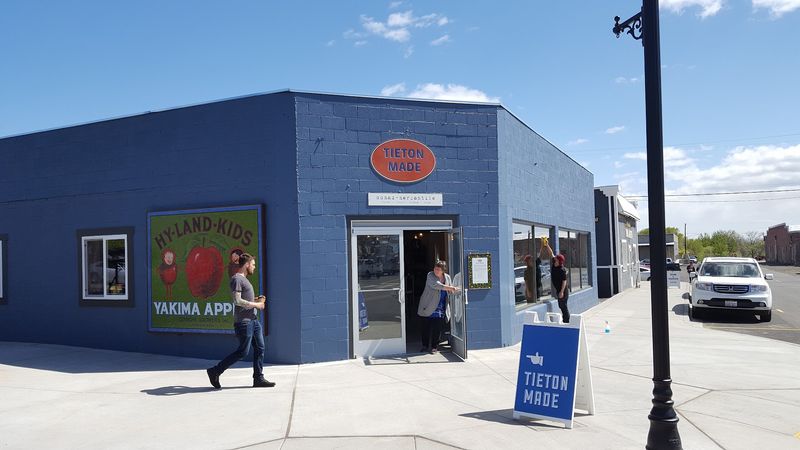
Something surprising happens on the drive in. Dry brown hills roll toward the horizon, then suddenly rows of fruit trees appear in impossibly deep green, all thanks to canals dug more than a century ago.
Tieton sits in the Yakima Valley, roughly 12 to 16 miles northwest of Yakima, close enough for a day trip but far enough that traffic noise disappears. The high desert ridges behind town turn amber and rose in the evening, and the air smells like sagebrush warmed by sun.
At the center sits a proper city square, ringed by small businesses, galleries, and shade trees. I sat on a bench there for twenty minutes and counted three cars and one very confident cat.
Lodging leans minimalist rather than resort-style. The El Nido Cabins are built around the idea of unplugging, with simple rooms that nudge you outside toward the stars instead of a television. My phone stayed in my bag, which honestly felt like the whole point.
Peach Juice, Plums, And The First Crisp Apples
Cherries and apricots finish up by late July, which means August and September belong to the heavyweights: peaches, nectarines, plums, pears, and the first apples of the season.
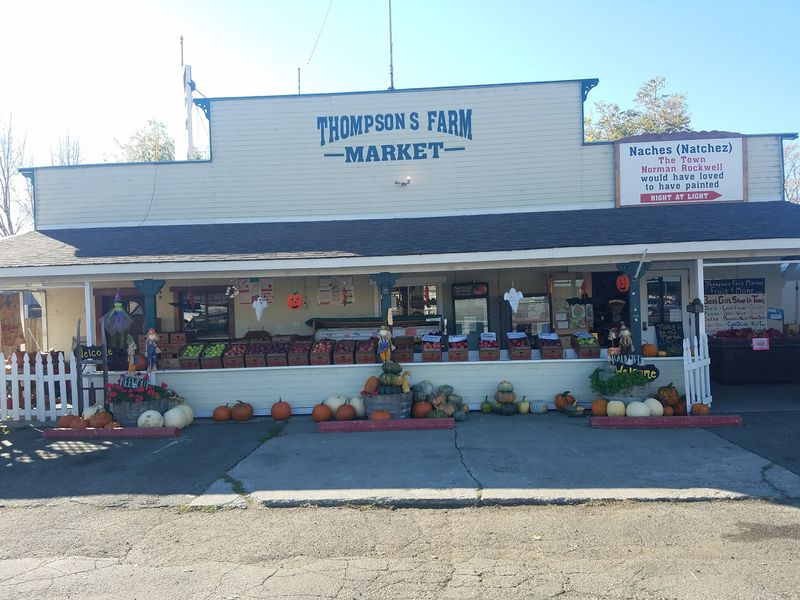
I stopped at Thompson’s Farm Market with no plan and left with a bag heavy enough to change my car’s suspension. Peaches picked that morning taste like a completely different fruit than the ones shipped across the country, and my shirt paid the price.
Pack a cooler. I cannot stress this enough. Late summer temperatures in the valley climb fast, and soft fruit riding shotgun in a hot car becomes jam by dinnertime.
Cash helps at smaller stands, though most take cards these days. Morning visits get you the best selection before the good stuff disappears.
If you want even more variety, the Yakima Farmers Market runs Sundays in downtown Yakima, a short drive away, gathering growers from across the region under one long stretch of tents.
Goats, Cheese Wheels, And A Creamery
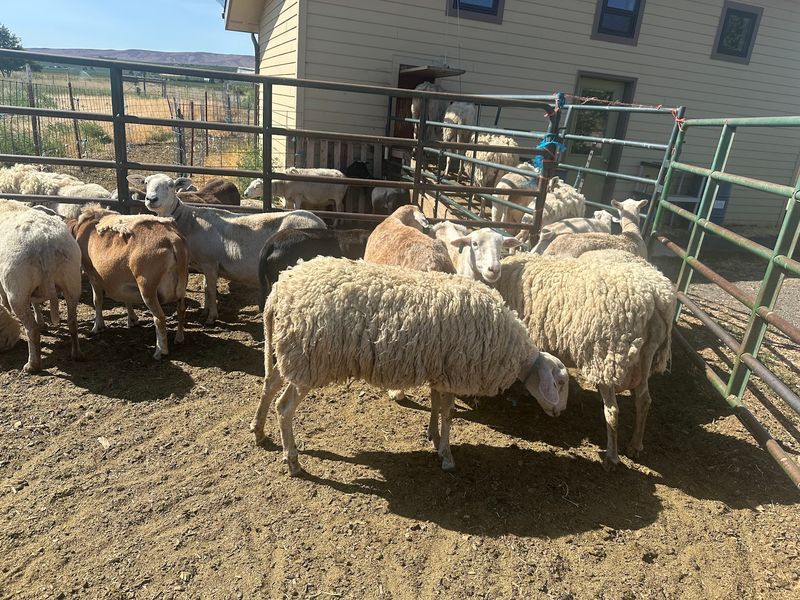
Meeting the animals responsible for your lunch changes how the lunch tastes. Tieton Farm and Creamery offers farm tours where you can wander out to the pasture, say hello to the herd, then head to the stand for award-winning cheeses and fresh eggs.
The goats were nosy in the best way, pressing against the fence to inspect my shoes. Their cheeses have collected serious recognition, which feels remarkable for an operation this small and this hands-on.
Check tour times before you drive out, since a working farm runs on animal schedules rather than tourist ones. Wear closed shoes and expect dust on your ankles.
What stuck with me was how openly the owners talked about their process, from milking to aging. No script, no polish, just people genuinely proud of what they make.
Buy more cheese than you think you need. Mine vanished during the drive home, and I still think about the aged wheel I decided to skip.
Bookbinders, Kites, And Saturday Studio Tours
A bookbinding studio, a print shop, and a kite workshop share space in the same converted warehouse complex. That sentence still surprises me every time I say it out loud.
Mighty Tieton runs studio tours on most Saturdays, and they are the best way to understand how this town works now. I watched paper being fed through a press, saw contemporary installations filling rooms that once held fruit bins, and got a look at kites large enough to need their own zip code.
The Boxx Gallery, right on the square, rotates thoughtful exhibits and hosts an artist residency program, so the work on the walls keeps changing throughout the year.
Outside, the Tieton Mosaic Project scatters bright open-air artwork around town. Finding each piece became my personal scavenger hunt between meals.
Aim for a Saturday visit if art interests you at all. Weekday afternoons here are peaceful, but studio doors stay closed, and you would miss the most surprising part of the whole town.
Pastries, Pupusas, and Small-Town Kitchens
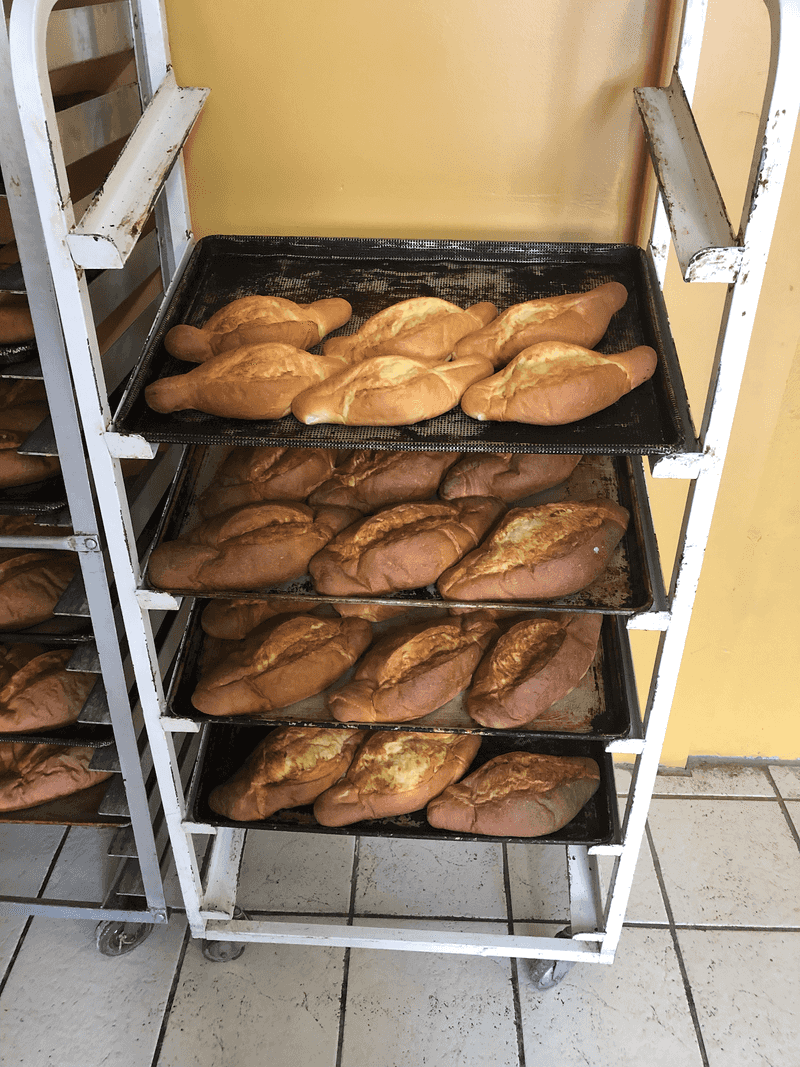
Breakfast decisions became easy the moment I found Panaderia Santos. Trays of Mexican pastries, tongs in hand, and a paper bag filling faster than my willpower could object.
For heartier meals, Don Mateo Salvadorean and Mexican Cuisine serves food with real depth of flavor, the kind of cooking that reflects the families who have farmed and packed fruit in this valley for generations.
Nomad Kitchen and Mercantile offers another solid option, blending a place to eat with shelves worth browsing.
Tieton Cider Works pours tastings of craft ciders pressed from Washington apples, a fitting stop in orchard country and a nice way to taste the harvest in a different form.
Hours can be shorter than in a city, so peek at posted times or call ahead rather than showing up hungry at eight in the evening.
The food here tells you exactly who lives in this town. Latino kitchens, orchard traditions, and newer arrivals all share the same few blocks, and every plate reflects it.
Canyon Trails And A River
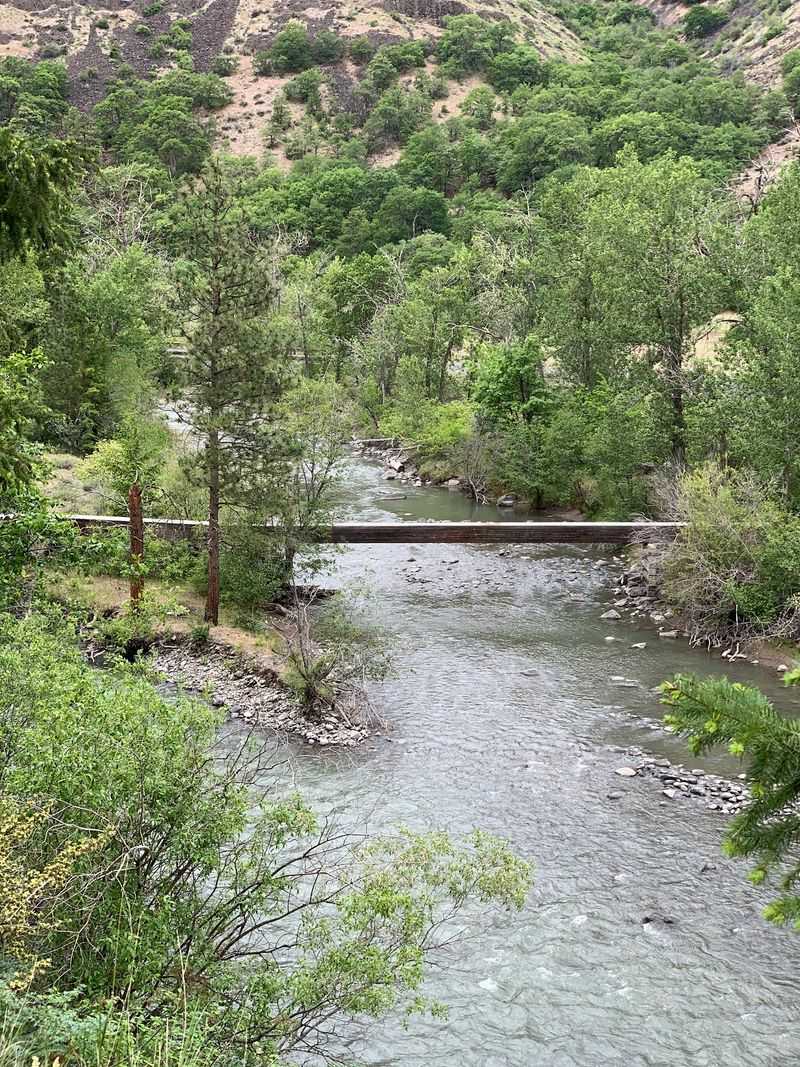
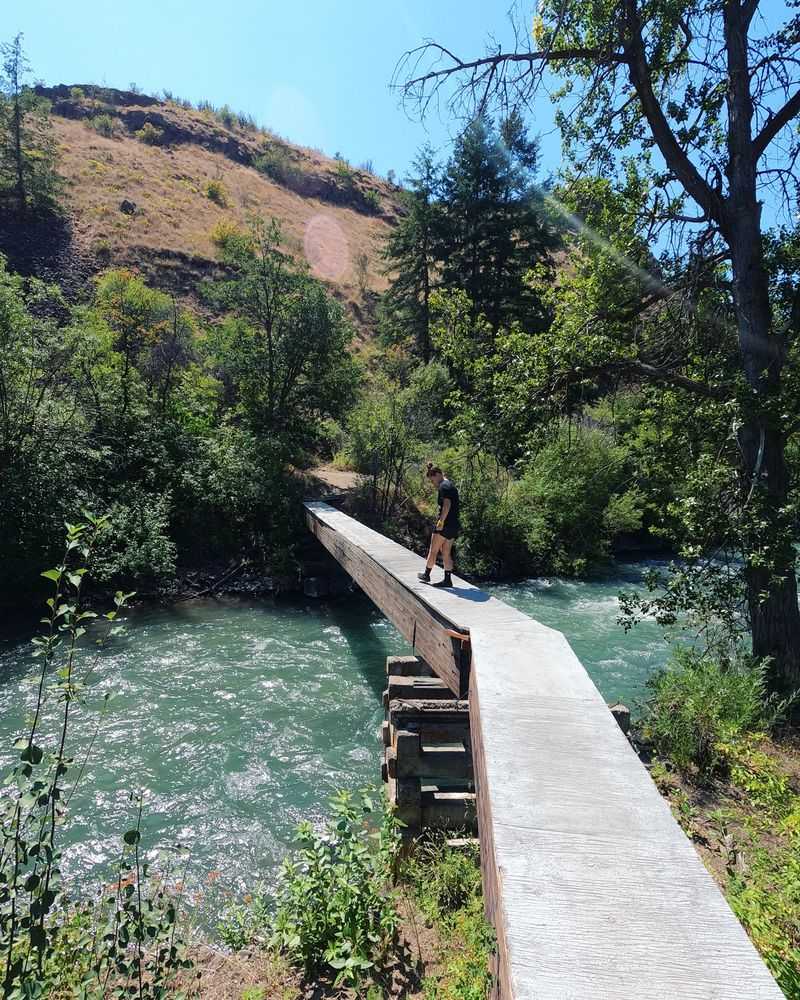
Fruit was not the only thing calling me outdoors. The Tieton River Nature Trail runs an easy route of under seven miles round trip, tracing the water with views that reward very little effort.
Cowiche Canyon Conservancy, a short drive away, protects a network of trails threading between tall basalt columns. Hikers and mountain bikers share the paths, and the rock formations look like they were stacked on purpose.
Drive toward Naches and you reach the Oak Creek Wildlife Area, where elk and other animals move through open country alongside scenic hiking options.
September brings the real spectacle. Dam releases send the Tieton River into full roaring mode, and whitewater rafting outfitters descend for a short, thrilling season of big water.
Start hikes early, since afternoon heat in this valley shows no mercy, and carry more water than seems reasonable. Shade is scarce out among the sagebrush, and there are no drinking fountains waiting on the trail.
Summer Nights, Sand Paintings, And Timing Your Trip
Timing turns a nice visit into a memorable one. Tieton Summer Nights fills an August evening with live music, food, and family games right in the heart of town, and the whole square shows up.
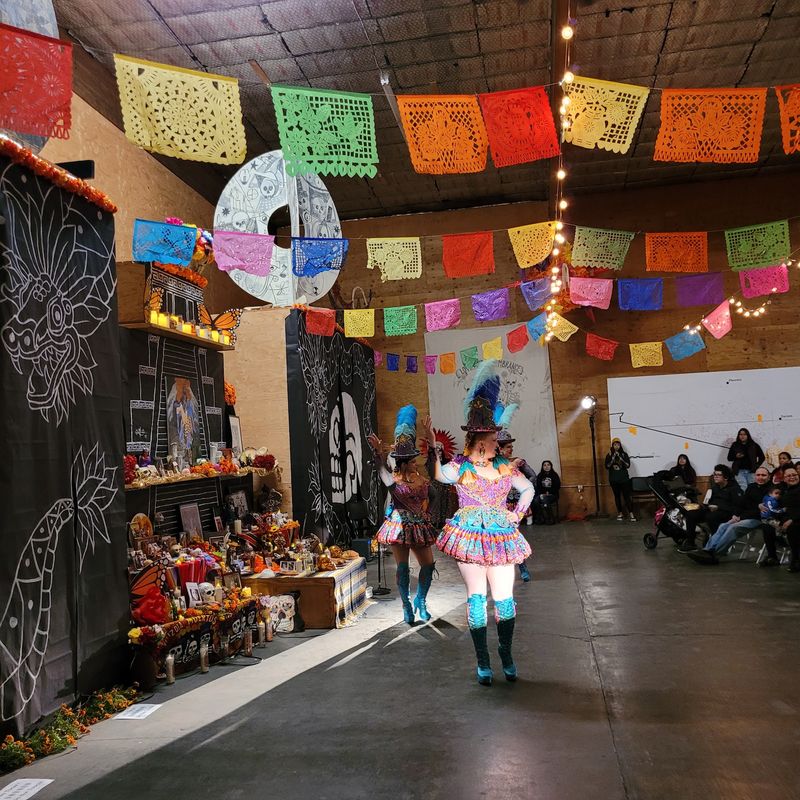
Stay tuned for October if you can extend your travels, because the Dia de los Muertos celebration here is genuinely striking. Music, dance, community altars, and large sand paintings transform the square into something layered with meaning and color.
My advice: build your trip around a Saturday in late August or early September. Studio tours are open, fruit stands are loaded, temperatures cool off nicely after sundown, and the river starts stirring.
Lodging options are limited, so book cabins or nearby Yakima rooms well ahead during harvest weeks.
Leaving town, I realized I had collected more than photos and sticky fingers. Small places can build big identities when neighbors decide their empty buildings deserve another chapter, and Tieton proves it every single harvest season.