
12 Northern Arizona Rockhounding Spots Where Turquoise And Secret Gems Wait
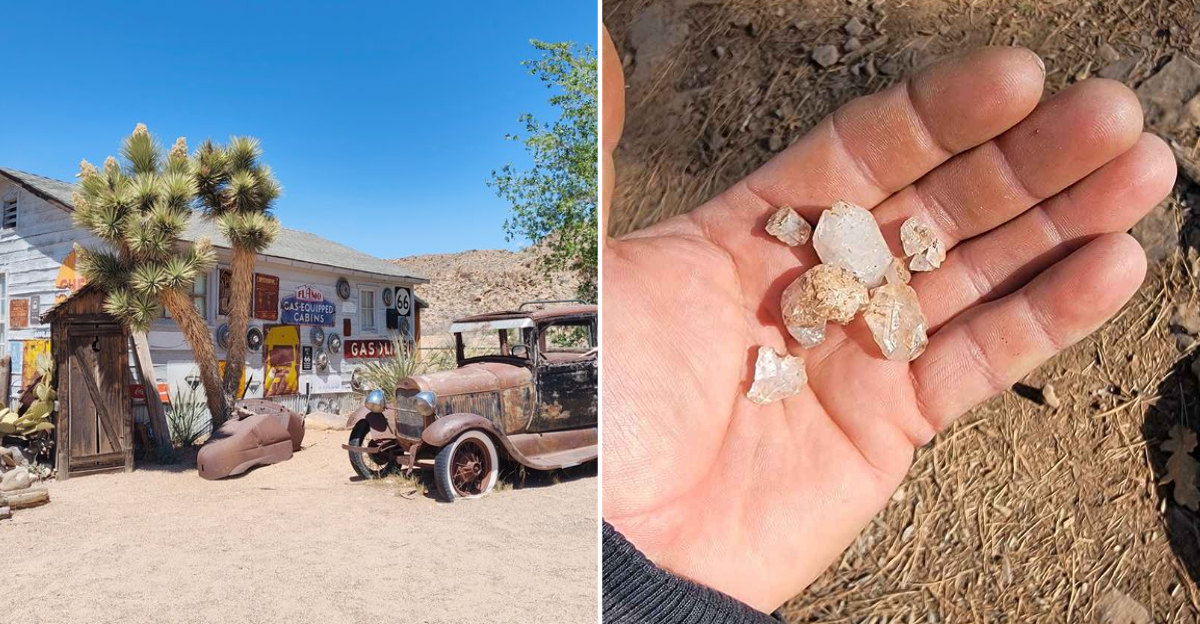
My garage looks like a dragon’s hoard, and my spouse has officially threatened to evict my growing pile of “pretty rocks.” But can you really blame me?
There’s an addictive, childlike thrill in wandering the sun-baked dirt and unearthing something glittering just beneath the surface. My latest obsession took me deep into the rugged landscapes of Northern Arizona, where the earth practically begs rockhounds to come play.
Forget staring at screens all weekend; I traded my Wi-Fi for a rock hammer and a whole lot of dust. If you’ve ever wanted to channel your inner treasure hunter without buying a metal detector that beeps at soda cans, you’re in the right place.
Grab a giant jug of water and a bucket, we are going off-road to find some shiny loot. I have burned through two pairs of boots, one tire, and a whole lot of sunscreen learning which roads lead to buckets full of treasure and which ones lead to a locked gate and a bruised ego.
In the next twelve stops, I will walk you through creek gravels, volcanic hills, pine forest ridges, and one official crystal collecting area that the Forest Service actually put on a map. Pack a rock hammer, check the rules before you dig, and let us go hunting.
1. Burro Creek Area, Near Wikieup, Arizona
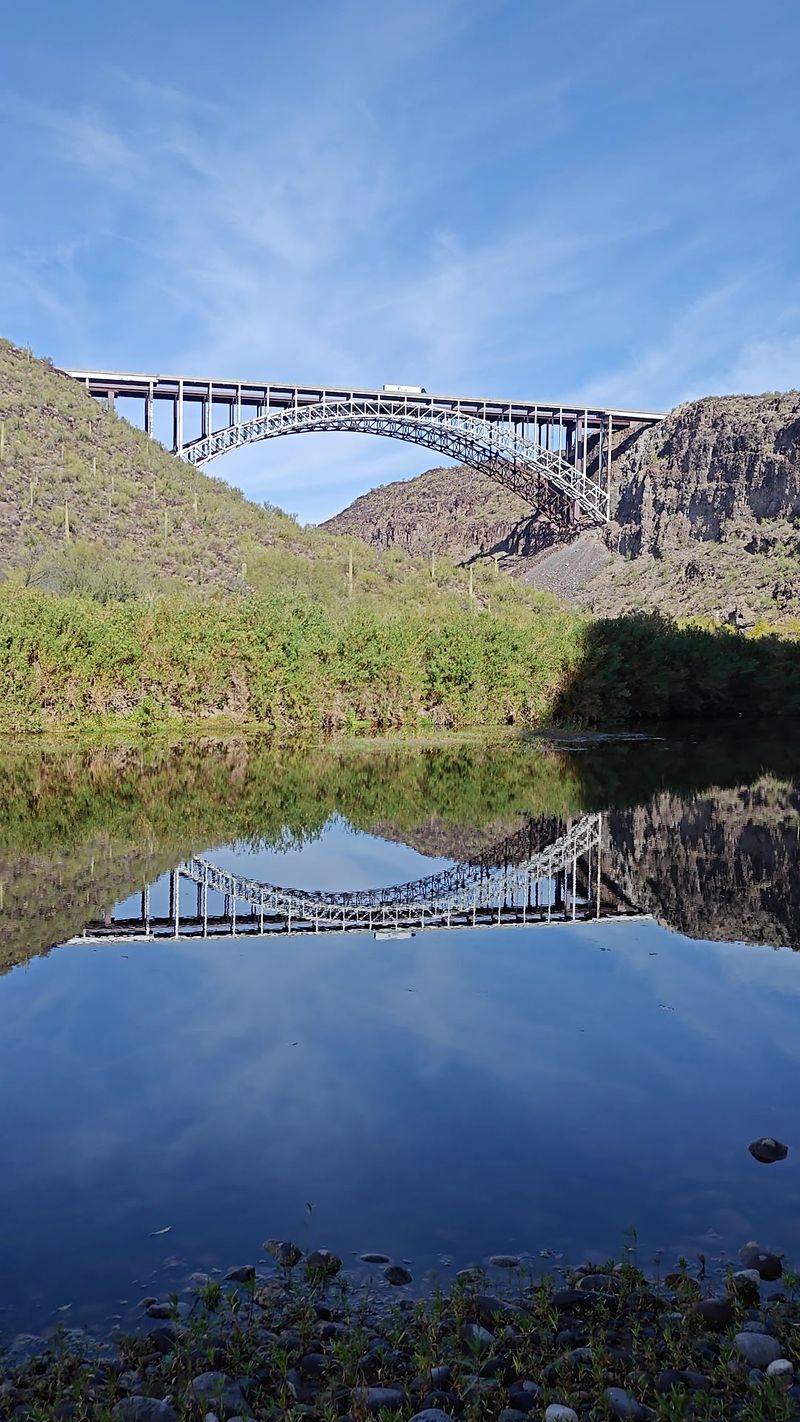
Few places make me grin like a gravel bar along Burro Creek, tucked into the desert near Wikieup in western Arizona. The BLM actually names this drainage as a rockhounding destination, which is rare and reassuring.
Colorful chalcedony shows up first, often milky blue or pink, followed by agate, jasper, and the soft pastel material collectors call pastelite. Wet the stones in the creek and the colors jump out at you.
I like coming in late fall or early spring, since summer heat along the creek is no joke and monsoon runoff can change the gravel bars overnight. Bring more water than you think you need, plus a bucket, since your pockets will fill fast.
Watch for the campground area and posted restrictions, and keep to open public parcels. My first Burro Creek trip ended with a bucket so heavy I had to make two trips back to the truck.
2. Kingman BLM Lands, Kingman, Arizona
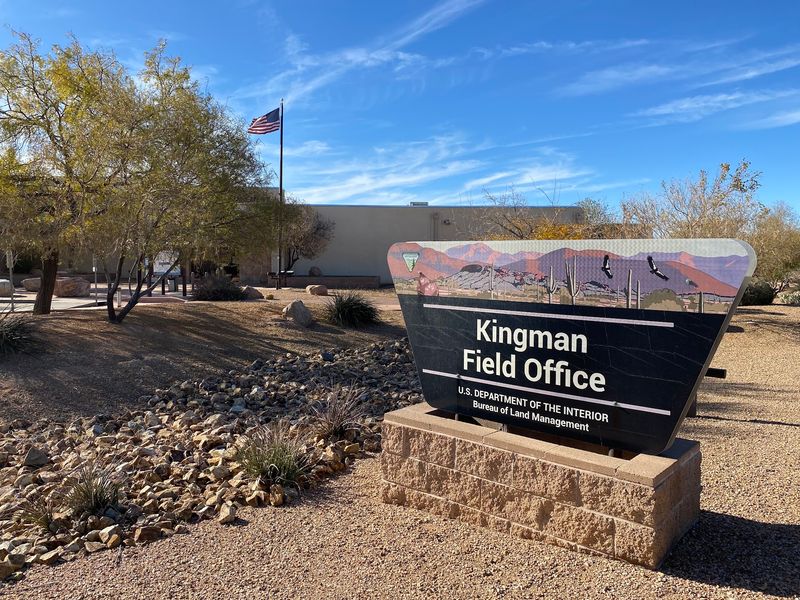
Roughly 2.4 million acres sit under the care of the BLM Kingman Field Office, and that number alone should tell you why northwestern Arizona keeps rockhounds busy for years. Space is not the problem here. Choosing where to start is.
Fire agate is the headline attraction, with its flashes of orange and green hiding under a bumpy chalcedony skin. Apache tears, those glossy dark nodules of obsidian, also turn up in this region.
Because the acreage is so vast, I always stop at the Kingman field office or study the BLM maps before rolling out. Mining claims dot this country, and driving onto one by accident is an easy mistake.
Cell service fades quickly, so download maps and tell someone your plans. Kingman itself makes a comfortable base camp, with motels, groceries, and Route 66 diners waiting when your knees have had enough.
3. Oatman And Black Mountains Area, Near Oatman, Arizona
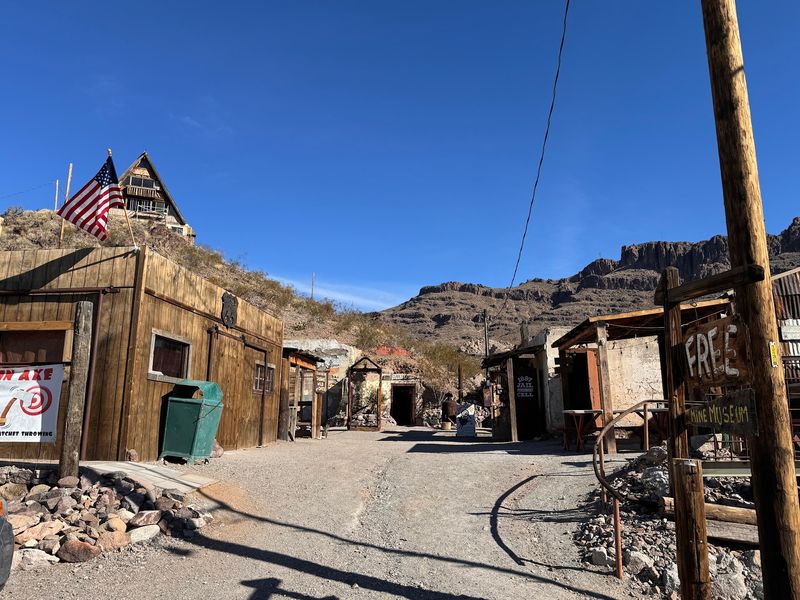
Wild burros wander the streets of Oatman, and if one tries to sniff your rock bag, that is simply the price of admission in this old mining town in western Arizona. Beyond the boardwalks, the Black Mountains rise up steep and volcanic.
Chalcedony and agate are the main prizes here, along with related silica material that formed when hot fluids moved through cracks in the ancient lava flows. Erosion has done half the digging for you along washes and slopes.
Historic mining means claims are everywhere, so stick strictly to open BLM parcels and respect every posted marker. When in doubt, walk away and find another wash.
The roads twist and climb, so a high clearance vehicle helps enormously. I usually finish the day with ice cream in Oatman while sorting my finds on the tailgate.
4. Peacock Mountains Area, Northeast Of Kingman, Arizona
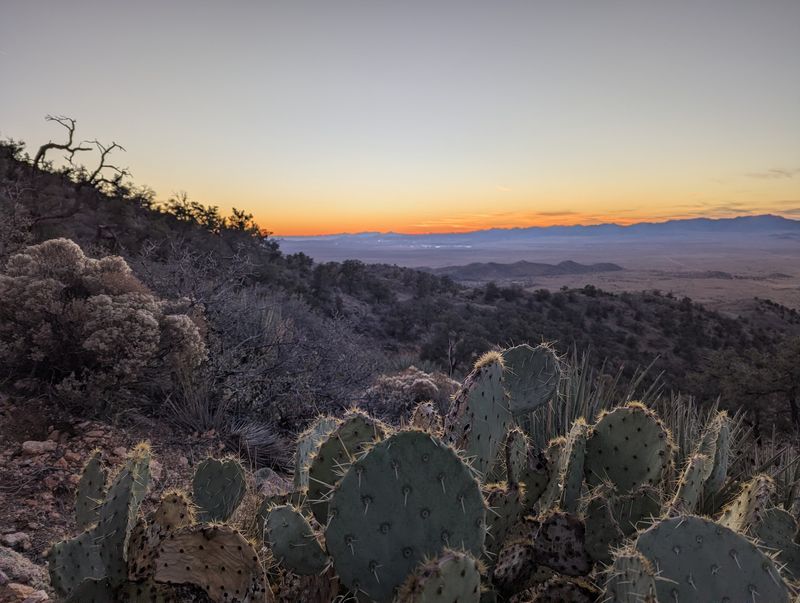
Northeast of Kingman, the Peacock Mountains stretch out with far fewer visitors than the famous spots, which is exactly why I keep going back. Solitude and rocks make a fine pairing.
Volcanic material dominates the hills here, and patient searching turns up quartz, chalcedony, and jasper in reds, yellows, and browns that polish beautifully in a tumbler. Washes cutting through the slopes act like natural conveyor belts, delivering fresh material after every storm.
Access comes by way of rough backroads, and I would not attempt them in a low sedan. Air pressure, spare tire, and a shovel belong in the truck.
Only collect on appropriate public parcels and give active claims a wide berth. Sunset over these ridges turns the whole range copper colored, and I have lost count of how many times that view made me forget to keep digging.
5. Hackberry Area, Along Historic Route 66, Arizona
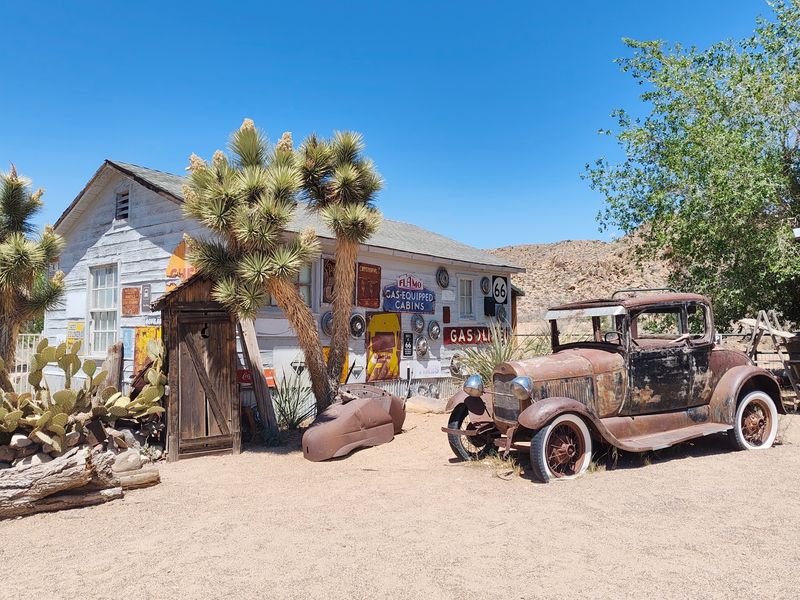
Route 66 pilgrims pull over in Hackberry for the famous old general store and its rusty vintage cars, but I stop for what lies scattered in the surrounding desert. Northwestern Arizona geology gets generous around this stretch of pavement.
Volcanic terrain and dry washes here can produce agate, jasper, chalcedony, and quartz specimens, sometimes within a short walk of a pullout. Morning light makes translucent pieces easier to spot, so start early.
Because so much of this land is a patchwork, verify ownership before you fill a bucket. Private parcels and claims sit closer to the highway than most visitors expect.
Combine the trip with a slow Route 66 cruise between Kingman and Peach Springs for a day that mixes neon nostalgia with gravel crawling. My souvenir shelf holds a postcard and a chunk of banded jasper from the same afternoon.
6. Seligman Area, Western Coconino County, Arizona
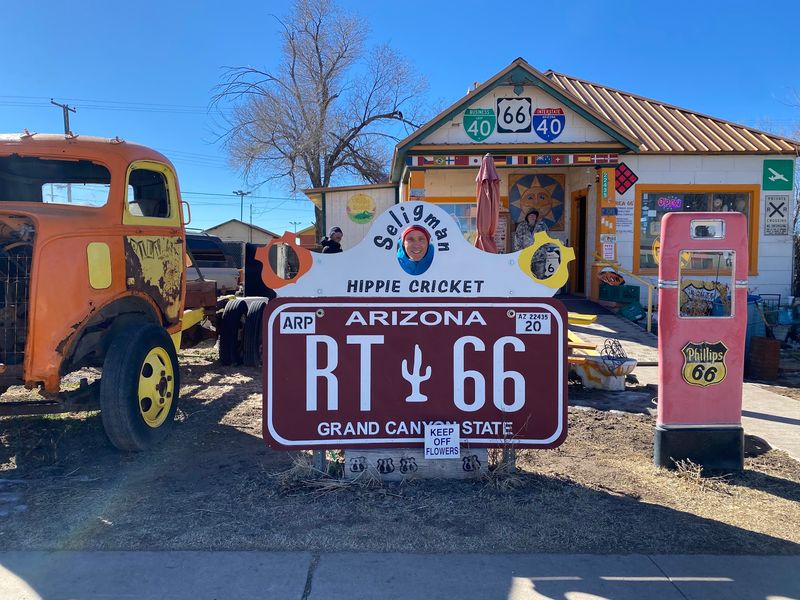
Seligman calls itself the birthplace of Historic Route 66, and while the town leans into the nostalgia, the surrounding high desert in western Coconino County quietly rewards anyone with a rock hammer.
Public land areas nearby hold jasper, chert, agate, and other colorful lapidary material, much of it tumbling out of low ridges and roadcut washes. Chert here can range from creamy tan to deep red, and it takes a surprisingly nice polish.
Elevation sits higher than Kingman, so spring and autumn feel wonderfully mild while winter can turn snowy and muddy. Ranch fences crisscross the region, and closed gates should stay closed.
Verify that you are on open public land, since state trust and private ranch parcels blend together out here. I once spent an entire morning within sight of the highway and still came home with a full bucket.
7. Ash Fork Area, Yavapai County, Arizona
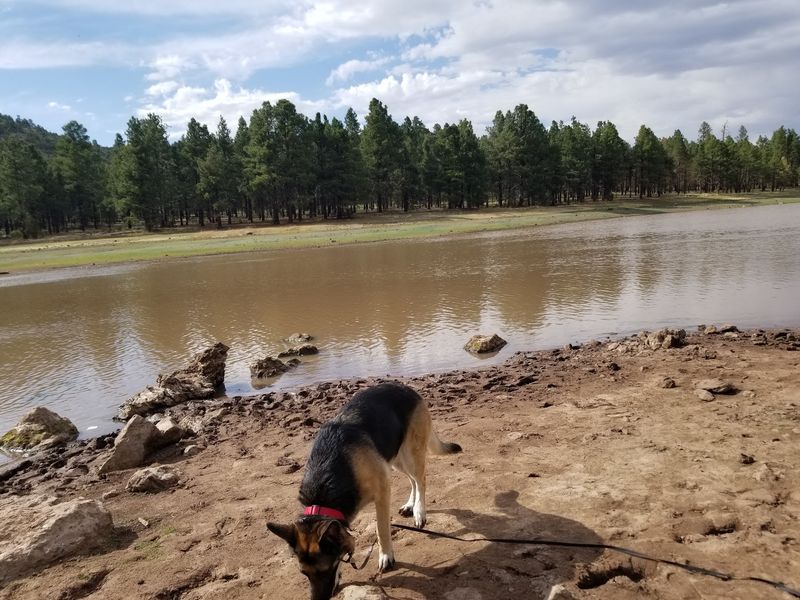
Ash Fork built its reputation on flagstone, and stacks of it still line the yards along the old highway in this small Yavapai County town. Sedimentary layers plus volcanic activity equals a fun mix for collectors.
Jasper, chalcedony, and interesting chert all show up in the surrounding country, and the variety keeps every wash feeling like a fresh chapter. Some pieces come out banded, others solid and waxy.
Interstate 40 makes access easy, which I appreciate after a week of rattling down two tracks. Pull off, park sensibly, and walk away from the road before you start looking.
Land status matters here just as much as anywhere else, so check maps and skip anything posted or claimed. A thermos of coffee, a folding stool, and a sunny February afternoon in Ash Fork remains one of my favorite low effort rockhounding memories.
8. Williams Ranger District, Kaibab National Forest, Arizona
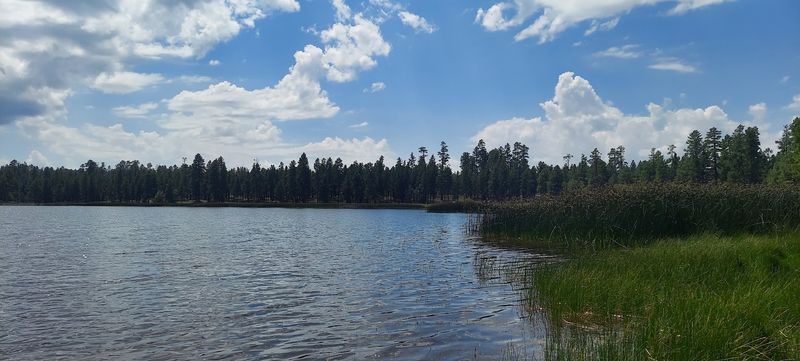
Trading desert glare for ponderosa pine shade feels like a reward, and the Williams Ranger District of the Kaibab National Forest delivers exactly that just off Interstate 40 in northern Arizona.
Volcanic geology runs deep around Williams, with cinder cones, basalt flows, and exposed rock giving recreational collectors plenty to examine. Forest roads wind past outcrops where interesting specimens sit right at the surface.
Recreational rock collecting is generally suitable here where Forest Service rules allow it, so read the district regulations and ask at the office in town about any restricted areas. Rules can differ from one forest to the next.
Summer brings afternoon thunderstorms that turn clay roads slick, so plan your exit before the clouds build. Bill Williams Mountain looming over town makes an excellent landmark, and pie in Williams afterward has never once disappointed me.
9. Flagstaff Ranger District, Coconino National Forest, Arizona
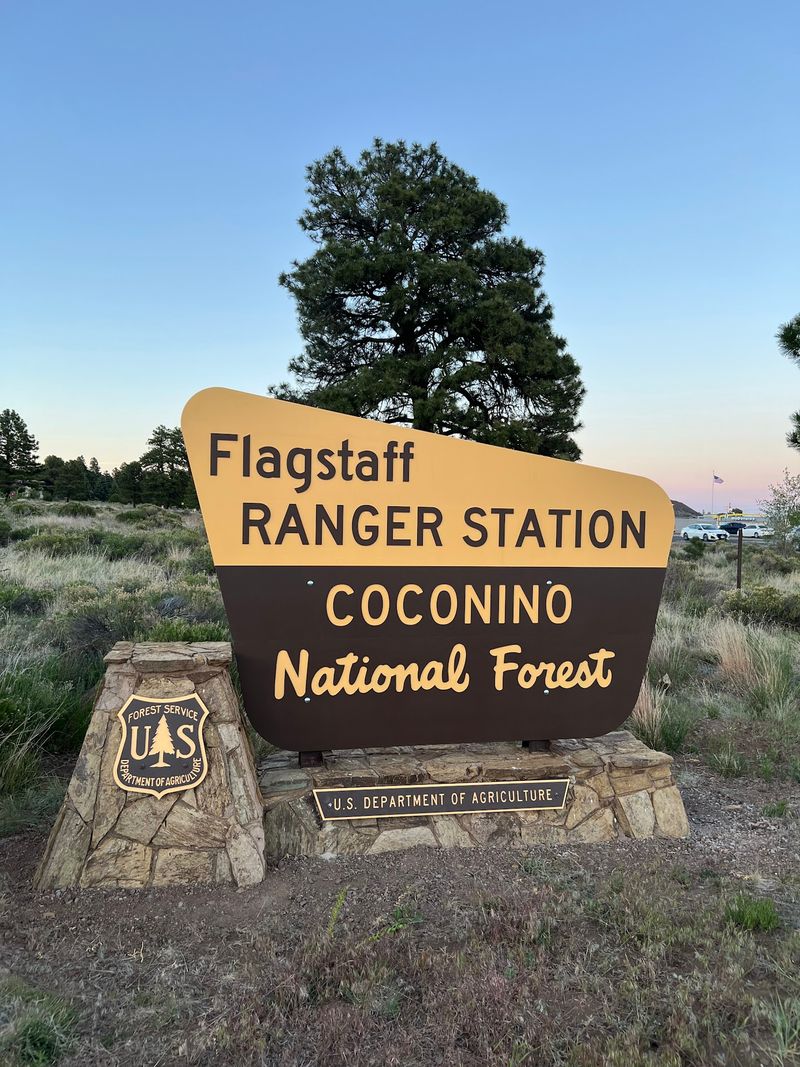
Volcanoes shaped everything around Flagstaff, and the evidence sits underfoot in the form of red cinders, dark basalt, and the occasional surprise mineral specimen. The Flagstaff Ranger District of the Coconino National Forest covers a lot of that terrain.
Coconino National Forest states that recreational mineral and rock collecting is generally allowed, though certain materials and designated collection areas require permits. Reading the rules first saves you a frustrating conversation later.
Elevation here climbs near 7,000 feet, so summer stays pleasant while winter buries forest roads under snow. Late spring through October works best for most visitors.
The San Francisco Peaks watch over the whole area, and Flagstaff itself offers rock shops, museums, and enough coffee to fuel a full weekend. I keep a chunk of vesicular basalt from here on my desk purely because it looks like frozen bubbles.
10. Prescott National Forest, Chino Valley And Paulden Area, Arizona
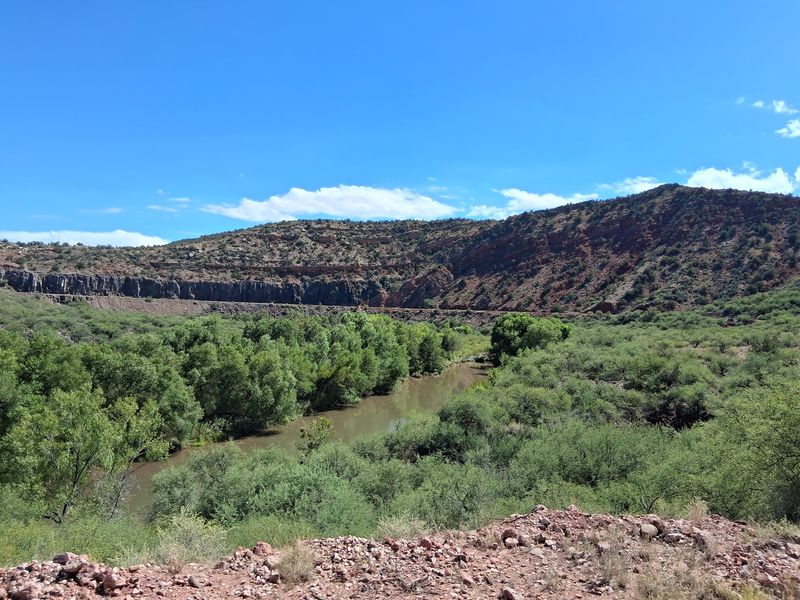
Here is the entry I recommend to nervous beginners: the Chino Valley and Paulden area of the Prescott National Forest in central Arizona. Clear permission takes a huge weight off your shoulders.
The Forest Service explicitly permits reasonable personal use collecting across much of Prescott National Forest, generally up to 10 pounds per person per day. Knowing the limit ahead of time means you can hunt with confidence instead of guilt.
Juniper grassland rolls out in every direction, dotted with outcrops and dry drainages worth a slow walk. Hand tools only, and fill in any holes you make.
Elevation keeps temperatures reasonable most of the year, with spring wildflowers as a bonus. Chino Valley and Paulden sit close enough to Prescott for supplies, and I have never left this district without at least one keeper stone rolling around in my cup holder.
11. Mingus Mountain Area, Prescott National Forest, Arizona
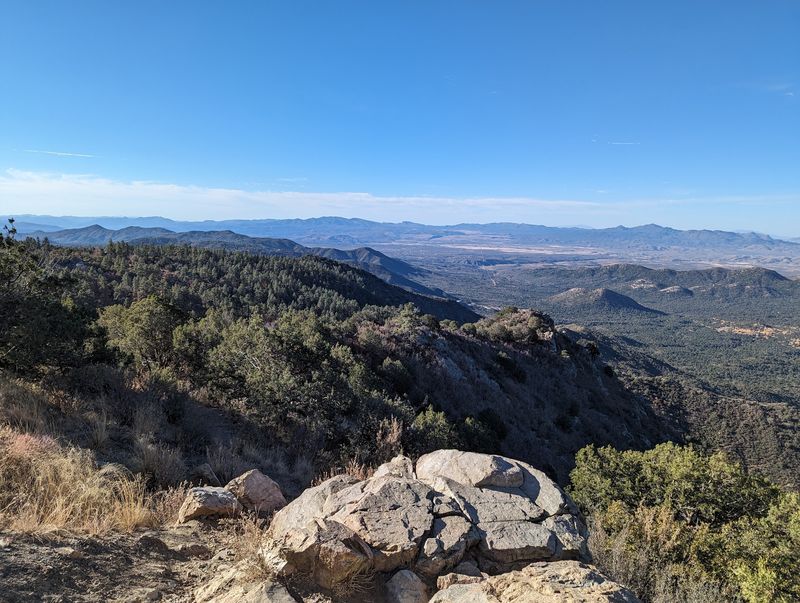
Hang gliders launch off Mingus Mountain because the view from the top stretches clear across the Verde Valley, and rockhounds climb it for reasons closer to the ground. Prescott National Forest manages this pine covered high country in central Arizona.
Quartz, colorful jasper, chalcedony, and assorted mineral specimens turn up on open Forest Service land here, a nod to the mineral rich history of the nearby Jerome mining district.
Exact collecting spots need checking against claims and restrictions before you unpack a single tool. The area has a long mining past, and old workings are best admired from a safe distance.
The road up switchbacks steeply, so take it slow and enjoy the cooler air at elevation. Campgrounds near the rim make an overnight easy, and stargazing from Mingus turned my quick rock trip into a two day adventure more than once.
12. Diamond Point, Near Payson, Arizona
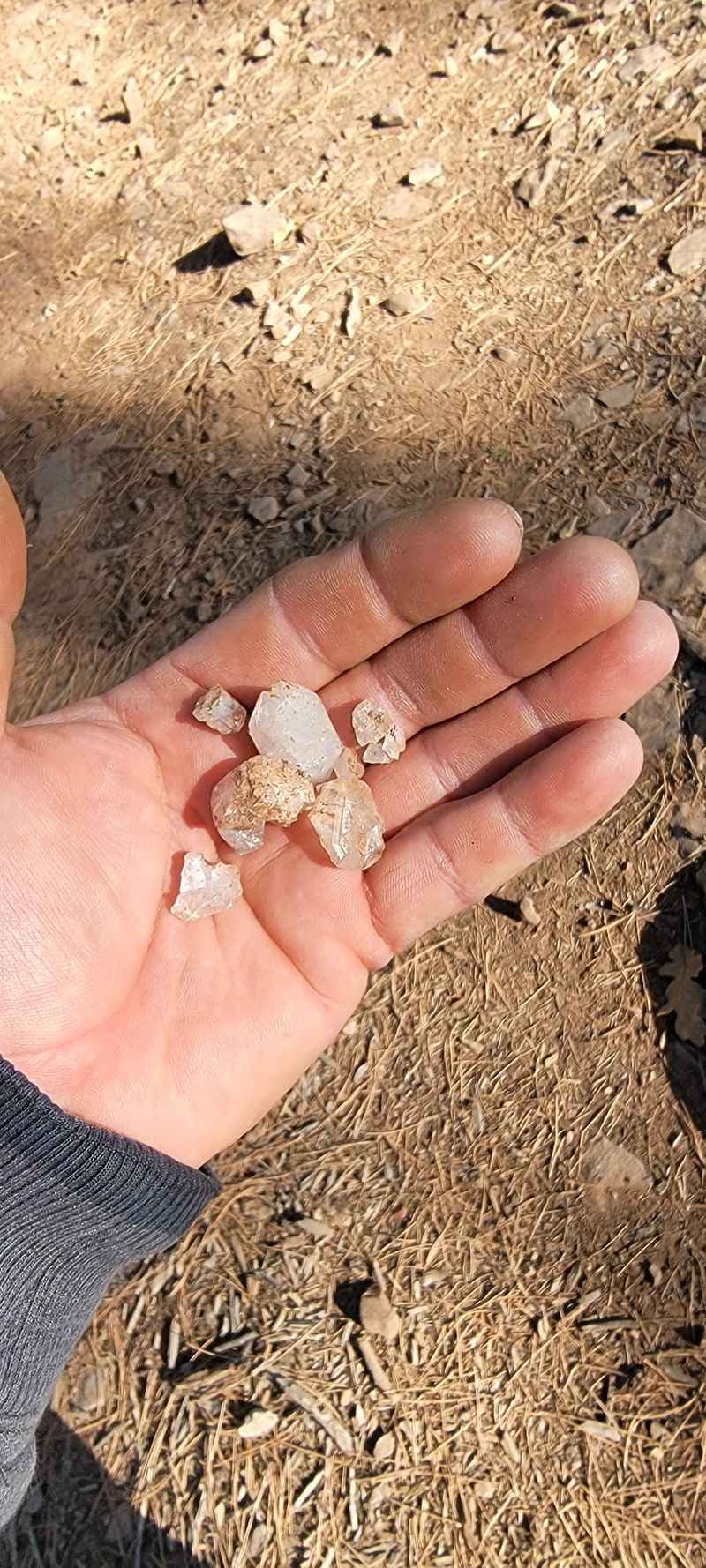
Save the sparkliest stop for last: Diamond Point near Payson in central Arizona, where the Forest Service officially recognizes a quartz crystal collection area.
Official recognition is exactly what makes this spot special.
Locals call the finds Payson diamonds because the crystals can come out remarkably clear, sometimes double terminated and small enough to tuck into a film canister. Look at the ground after rain, when raindrops wash dust off the points and they wink at you.
Ponderosa pines and a fire lookout tower sit nearby, and the elevation keeps summer bearable compared to the low desert. Bring a screen, a garden trowel, and kneepads, because most crystals hide in loose soil rather than solid rock.
Follow posted rules, refill your holes, and pack out trash. My best Payson diamond came from a handful of dirt I nearly tossed aside, which is the whole magic of rockhounding.