
Washington’s Everyday Transportation System Is The Largest Of Its Kind In America
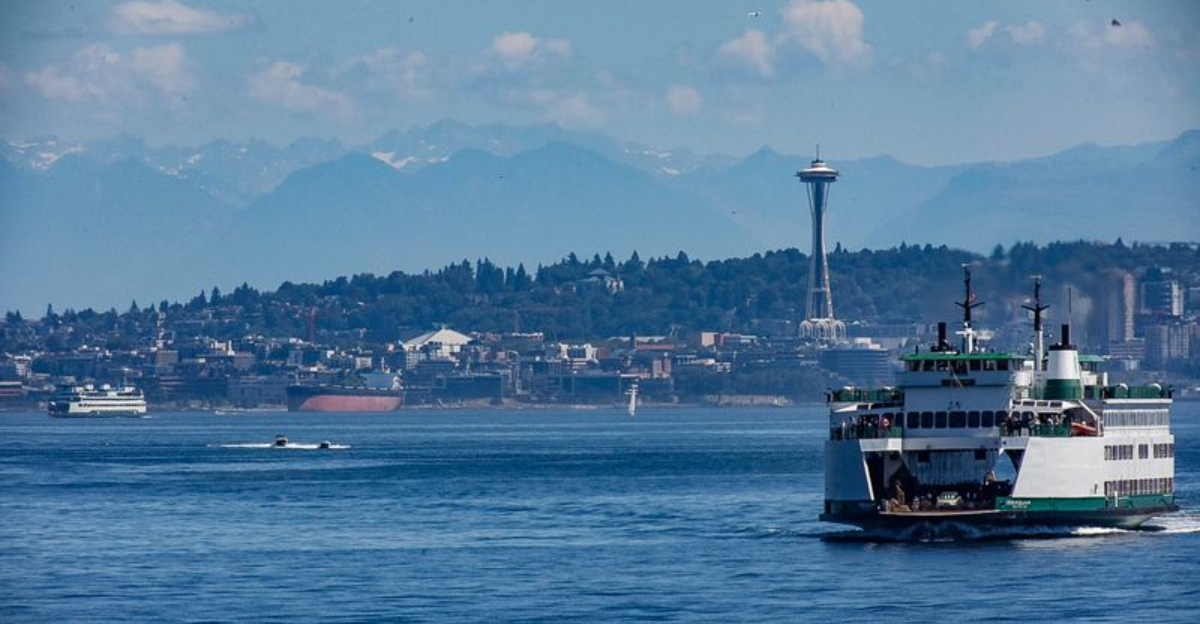
I still remember the first time I drove onto a Washington State Ferry and watched the Seattle skyline slowly shrink behind me. The salty wind picked up almost immediately, and what should have felt like simple transportation suddenly turned into part of the trip itself.
Washington’s ferry system is basically a highway with waves, carrying people, cars, commuters, and curious travelers across Puget Sound and the Salish Sea. It connects busy waterfronts with islands and smaller communities that would feel much farther away without it.
What I love most is how ordinary and memorable the experience can be at the same time. Locals may be heading home from work while visitors are outside taking photos like they just discovered sea travel.
There is always something to watch from the deck.
Sometimes the crossing is calm and quiet, and sometimes the wind makes holding onto your coffee a small athletic event.
Either way, the ride tends to stick with you.
Here is what makes the system so interesting, from the routes and ships to the history and little details that make a crossing worth remembering.
A Marine Highway Like No Other In America
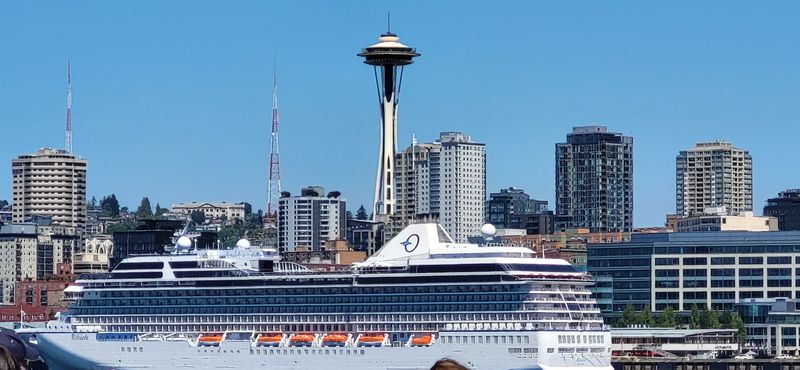
Rolling onto the deck for the very first time, I quickly understood why locals treat these boats like moving streets. Washington State Ferries, run by the state Department of Transportation, holds the crown as the largest ferry system in the United States.
It also ranks second in the world for how many vehicles it carries each day. The routes are officially part of the state highway system, so drivers really are just continuing their journey over open water.
In 2025 alone, the ferries moved 20.1 million riders, including 10.7 million passengers and 9.4 million vehicles. Early 2026 showed about 42,500 riders on an average weekday.
What surprised me most was how normal it felt for everyone around me. Commuters read books, kids pressed noses to windows, and delivery trucks waited patiently in line.
For me, that mix of everyday life and gorgeous scenery is the real magic here. You are simply going to work, yet the view outside belongs on a postcard.
Twenty Terminals Connecting Island Communities
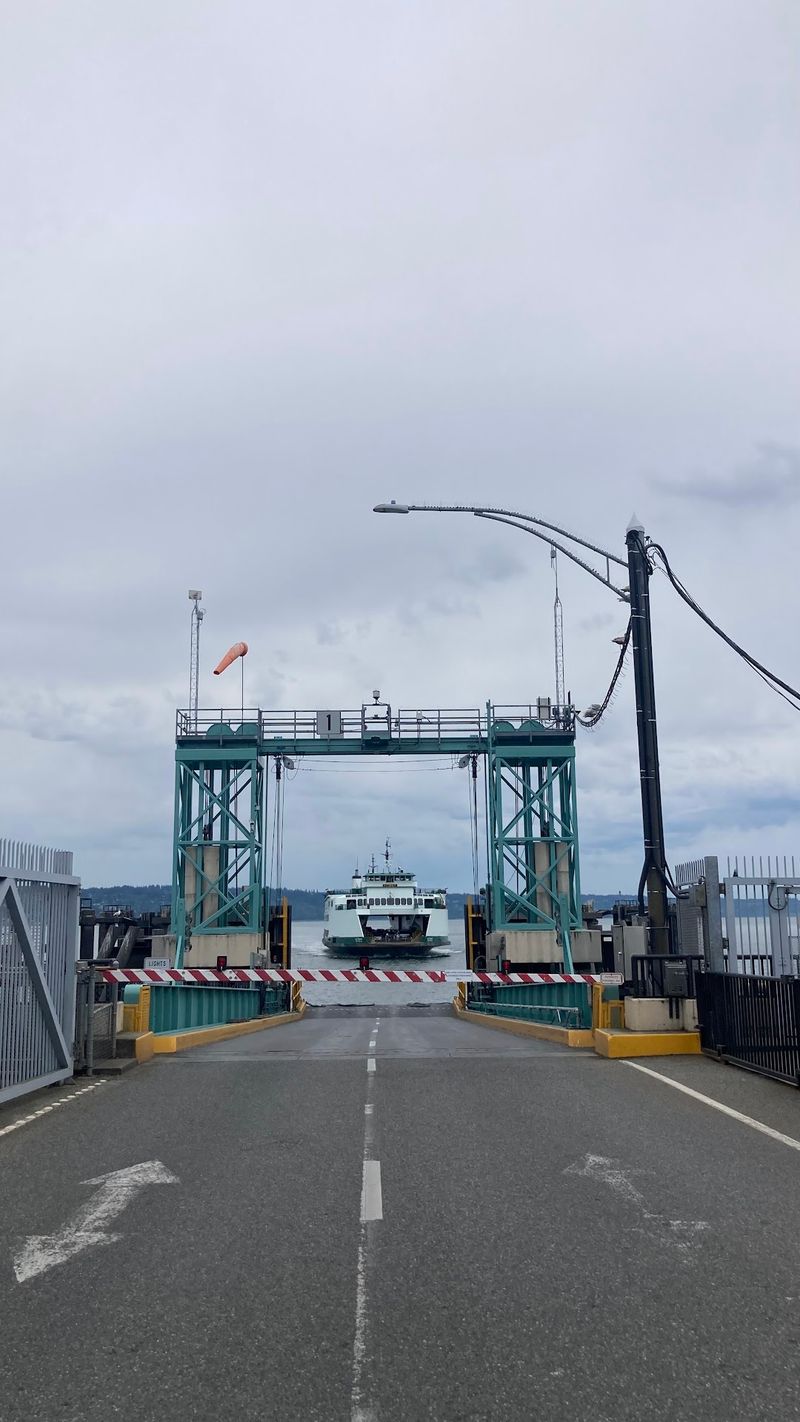
Standing at a terminal early one morning, coffee in hand, I watched the whole system click together like a well-practiced routine. The network runs 8 to 10 routes and serves 20 terminals spread across Puget Sound and the San Juan Islands.
For plenty of island communities, these docks are a lifeline rather than a luxury. Groceries, mail, medicine, and workers all depend on the schedule holding steady.
I chatted with one islander who told me the ferry is basically her front door to the mainland. Miss the last boat, and your plans change in a hurry.
Because the terminals stitch together towns that water would otherwise keep apart, they carry a friendly, small-community feeling. Regulars nod to the crew, and the crew often knows them right back.
My advice is to arrive early during busy seasons, since popular routes fill up fast. Bring snacks, patience, and a camera, because the waiting area often has its own charming view worth soaking in.
A Fleet Of 21 Vessels Ready To Sail
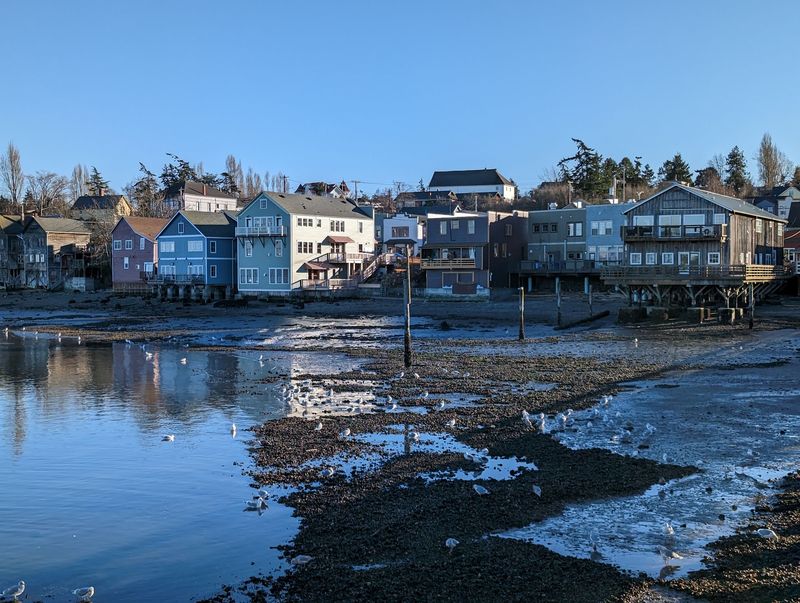
Peeking over the railing at the engine hum below, I got curious about the machines doing all this heavy lifting. The system keeps a fleet of 21 vessels, each with its own personality and job to do.
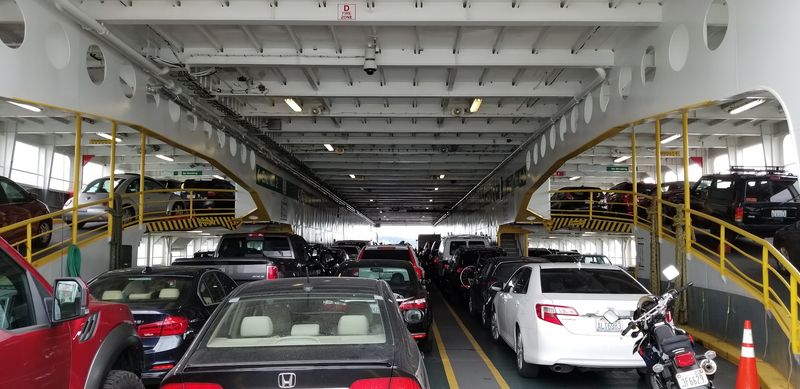
The biggest ones belong to the Jumbo Mark II class, giant ships that can carry 1,791 passengers and 202 vehicles at once. Walking their decks feels like exploring a floating parking garage stacked on a small town.
Most vessels have separate levels for cars and people, plus outdoor spaces where the wind whips right through your hair. Restrooms and staffed galleys make longer crossings comfortable.
I love grabbing a warm snack from the galley and heading outside to watch the water slide by. Something about eating clam chowder while gulls circle overhead just fits the moment.
Seeing so many boats working in harmony gave me real respect for the crews. They keep this floating fleet running smoothly, rain or shine, day after day.
The MV Tillikum, A Living Piece Of History
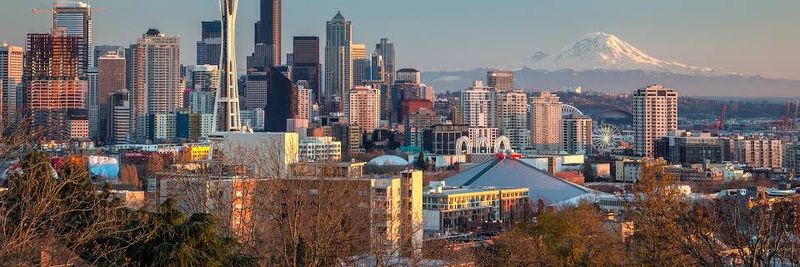
There is one ship in the fleet that instantly won me over with its old-school charm. The MV Tillikum, built back in 1959, is the oldest ferry still carrying riders today.
Stepping aboard, I could feel decades of history in its sturdy frame and vintage lines. This boat has seen generations of commuters, tourists, and island families pass through its decks.
Riding an older vessel like this feels a bit like traveling through time while still getting where you need to go. The newer ships are impressive, yet the Tillikum carries stories the shiny ones simply cannot match.
Meanwhile, the state is looking toward the future with plans to add diesel-electric hybrid vessels. Cleaner, quieter boats will eventually join the lineup.
I find it neat that the system honors its past while preparing for what comes next. If you ever spot the Tillikum on the schedule, hop aboard and enjoy a slice of ferry heritage.
From The Mosquito Fleet To A Public System
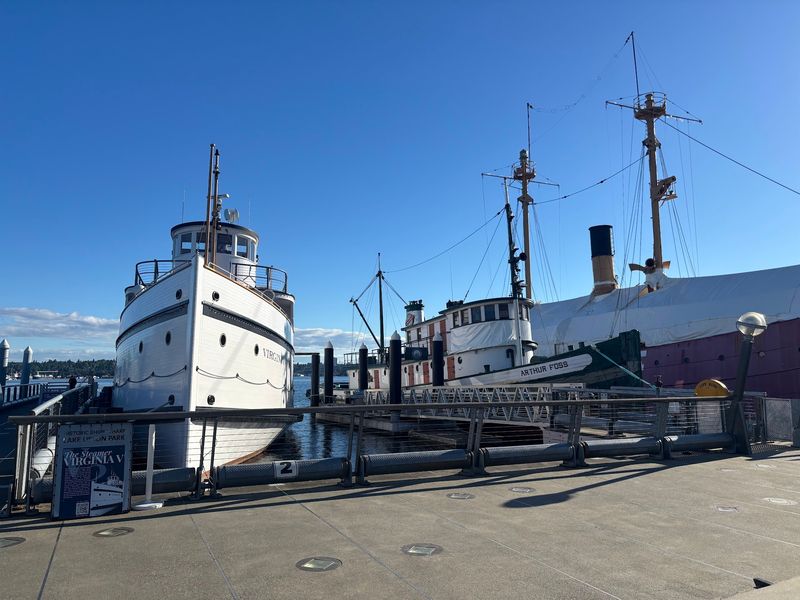
Long before the big green boats existed, Puget Sound buzzed with tiny private steamers darting everywhere. People nicknamed this busy swarm the mosquito fleet, and I think the name is wonderfully fitting.
Back in the late 1800s and early 1900s, these little vessels connected communities that had no roads between them. It was messy, competitive, and full of energy.
Eventually the Puget Sound Navigation Company, also called the Black Ball Line, took over many routes. Trouble arrived when the company could not raise fares in the 1940s to cover rising costs.
On June 1, 1951, the state stepped in and bought the routes, vessels, and terminals. That public takeover created the ferry system I rode decades later.
Learning this history made every crossing feel richer to me. Knowing that scrappy little steamers once zipped across the same water adds a layer of meaning. Today’s smooth, reliable ride grew straight out of that wild, buzzing past.
Seattle To Bainbridge Island
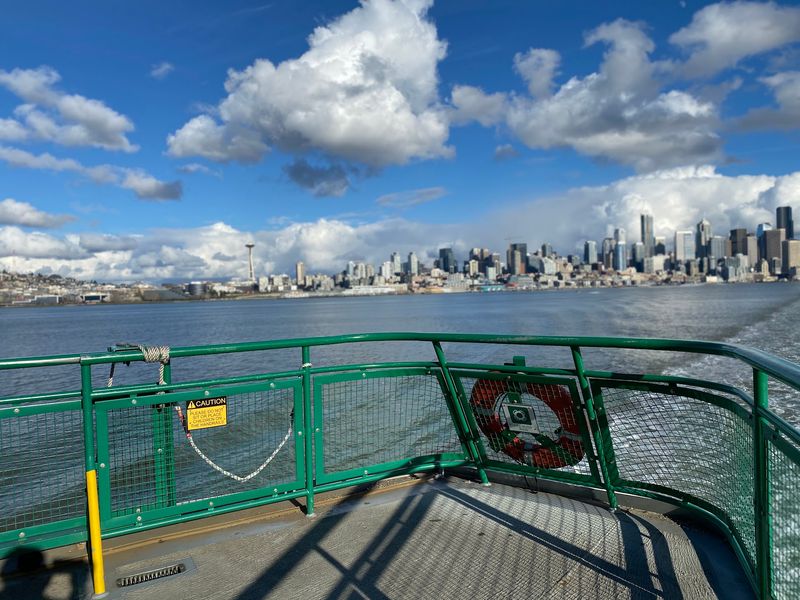
If someone gave me one crossing to recommend to a first-timer, this would be it. The Seattle to Bainbridge Island route serves up some of the finest views in the entire region.
As the boat pulls away, the Seattle skyline stretches out behind you, and the Olympic Mountains rise up ahead. I could not decide which direction to face, so I kept spinning around like a happy tourist.
The trip takes about 35 minutes, which is just enough time to grab a spot at the railing and breathe it all in. On clear days, the mountains glow in the distance.
Bainbridge itself greets you with cozy shops, tasty cafes, and walkable streets right off the dock. You can spend a whole afternoon there without ever renting a car.
For travelers short on time but hungry for scenery, this ride delivers big rewards. Bring your camera fully charged, because you will want every single shot.
Anacortes To The San Juan Islands Adventure
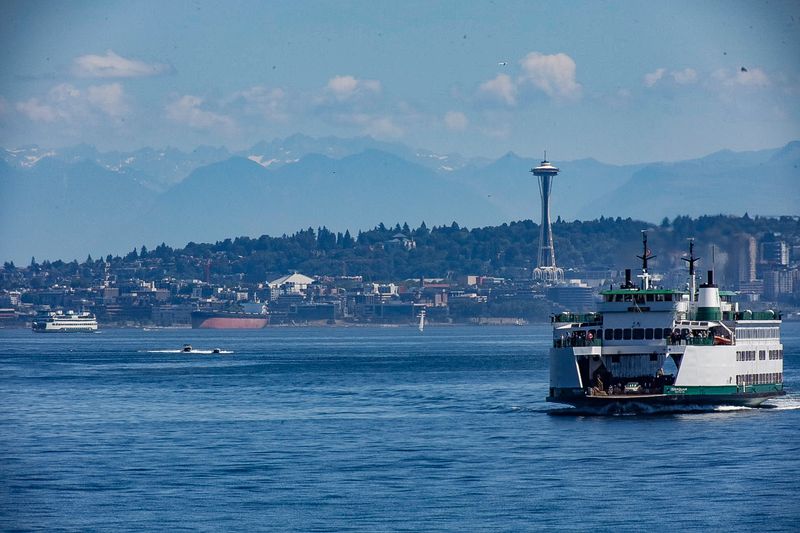
Craving a longer escape, I once booked passage from Anacortes into the heart of the San Juan Islands. This route opens the door to Orcas, San Juan Island, Lopez, and Shaw.
Threading between forested islands, the ferry glides past coves and rocky shores that look untouched. I kept my eyes peeled for orcas, since these waters are famous for whale sightings.
Each island has its own flavor, so choosing where to hop off is half the fun. Lopez feels sleepy and bike-friendly, while Orcas offers hills, trails, and tucked-away bays.
The crossing itself becomes part of the vacation rather than just transportation. I spent the whole ride outside, wind in my face, grinning at the passing scenery.
Plan ahead for this one, because reservations and busy summer crowds are common. Once you arrive, though, island time takes over and the mainland feels wonderfully far away. It remains one of my favorite Pacific Northwest journeys, hands down.
Named Vessels And Onboard Learning
One quiet detail turned my crossings into little lessons without me even realizing it. Many of the ferries carry names that honor culturally important parts of the region.
Those names are not random, and reading them sparked my curiosity about local heritage. Aboard several boats, I found educational displays sharing stories about the water, the wildlife, and the communities nearby.
I ended up wandering the passenger deck like a floating museum visitor, pausing at each panel. Kids around me pointed and asked questions, and honestly, so did I.
These touches remind riders that the ferry is more than a way to cross water. It is a moving classroom that celebrates the place it serves.
Because the system is such a big tourist draw, these thoughtful details welcome newcomers warmly. My suggestion is to slow down, read a display or two, and let the ride teach you something. You will step off knowing the Salish Sea a little better than before.