
12 Charming Wisconsin Towns That Are Perfect For A Slow Weekend
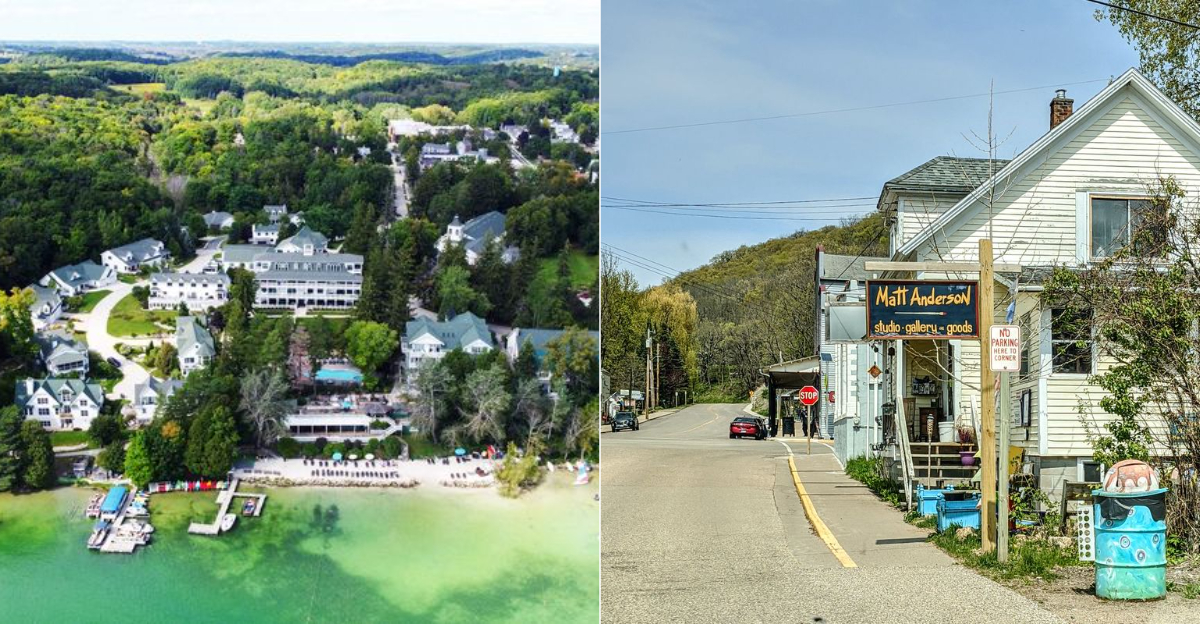
Your weekend called. It would like you to stop making plans.
Seriously, when was the last time you went somewhere without trying to squeeze 14 activities into two days?
Wisconsin has plenty of charming towns where nobody seems to be in a hurry, and honestly, that’s the appeal.
You can sleep in, wander down a pretty main street, pop into a cozy café, browse a few local shops, and spend an unreasonable amount of time deciding where to eat. No rushing. No “we’re gonna be late.” No spreadsheet disguised as an itinerary.
Just good food, pleasant scenery, and that small-town feeling that makes doing absolutely nothing feel surprisingly productive.
If your idea of a perfect weekend involves moving at the speed of a Sunday morning and calling it self-care, these Wisconsin towns might be exactly what the doctor ordered. Minus the actual doctor.
1. Bayfield
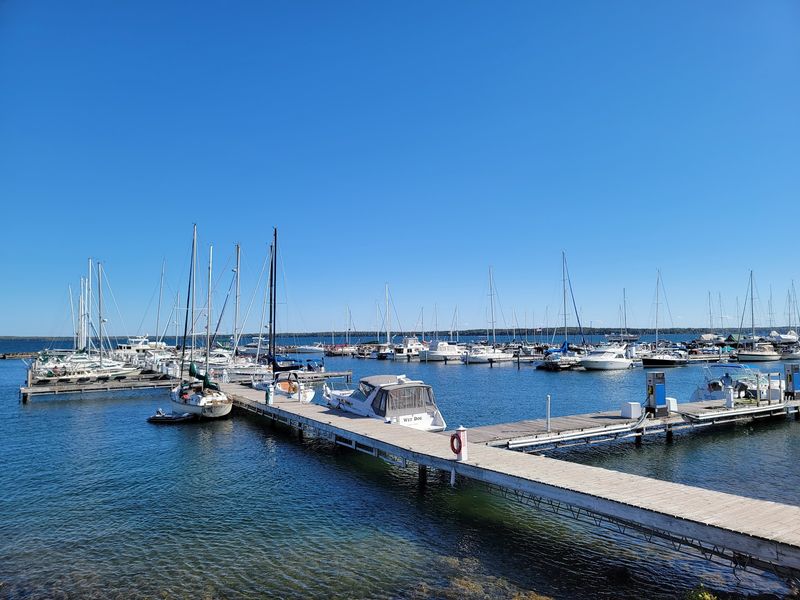
Some towns face the water. Bayfield in Wisconsin practically leans into it, elbows on the railing, watching Lake Superior do its thing.
The Bayfield Harbor Walk is where mornings begin, with masts clinking softly and the marina still waking up. Grab coffee and a bagel from a shop on Main Street, then browse the boutiques and bookstores tucked into old brick storefronts.
Bayfield Civic League Memorial Park has benches aimed straight at the lake, which makes it an excellent picnic headquarters. When you are ready to roam, the ferry to Madeline Island takes about 25 minutes and delivers you to art galleries and a public beach.
Cruises around the Apostle Islands reveal those dramatic sea caves, and the Meyers Beach Sea Caves Trail offers overlooks worth every step. Come autumn, the Bayfield Apple Festival turns the whole town into a harvest party.
Hungry? Manypenny Bistro handles pizza duty beautifully, and a tiny ice cream shack takes care of dessert without fuss.
Bayfield never rushes you, and that is exactly why you will linger longer than planned.
2. Ephraim
Picture a village where nearly every building is painted crisp white, glowing at sunset like a page from a storybook.
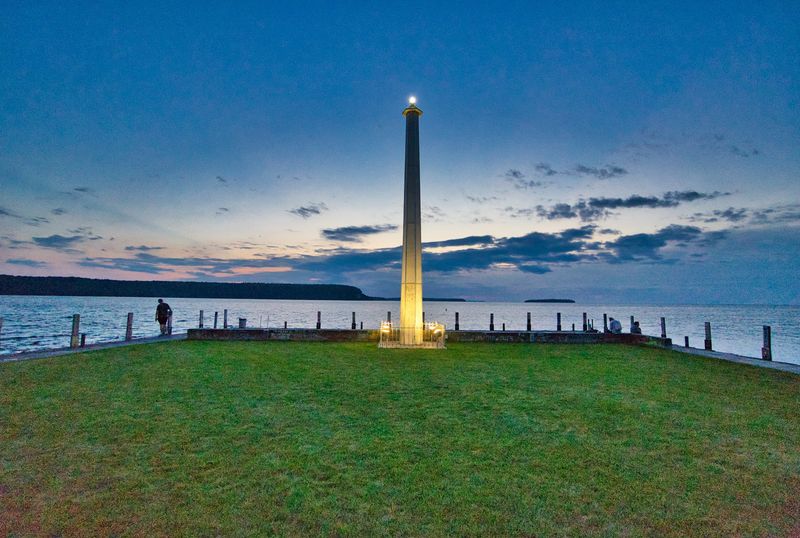
Ephraim has guarded that look for more than 170 years, and its Scandinavian roots still show in the architecture and traditions. Sunsets over Eagle Harbour are the main event, and the waterfront path is made for aimless wandering.
Each June, the Fyr Bal Festival lights bonfires along the shoreline to welcome summer, a tradition carried across the ocean generations ago. Peninsula State Park sits just around the bend with scenic trails and bluff views that reward slow hikers.
Old logging piers have found second lives as art galleries, and log cabins now serve coffee. The century-old Wilson’s Ice Cream Parlor, with its red and white awning, might be the most photographed spot in Door County.
Order a scoop, or go for the house-made root beer, which shines solo or floating under vanilla.
Farm-to-table plates and small, thoughtful kitchens round out the food scene here.
Ephraim does not perform charm, it simply has it, quietly and completely.
3. Fish Creek
Fish Creek pulls off a neat trick: it feels lively and restful at the same time.
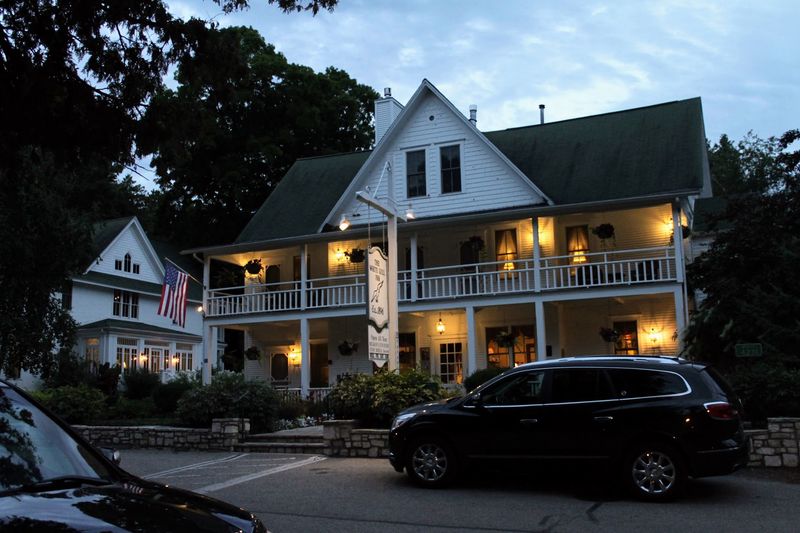
The walkable village core is stacked with galleries and independent shops, the kind where you go in for a postcard and leave with pottery. Historic inns line the streets, their wrap-around porches ideal for watching boat traffic drift by.
Right next door, Peninsula State Park unrolls more than 20 miles of trails through thick forest. Climb Eagle Tower for panoramic views across treetops and bay, then tour Eagle Bluff Lighthouse, a working museum built in 1868.
Rent a bike and take the park’s cycling paths, or trade wheels for a kayak and paddle the shoreline instead. Evenings belong to Northern Sky Theater, where outdoor musical productions play in the park amphitheater under actual stars.
Dining runs the full range, from tablecloth spots to casual counters where sandwiches come wrapped in paper.
Fun detail: Fish Creek dates back to the 1840s and still carries that early settlement layout in its narrow lanes.
This village turns a weekend into a small vacation.
4. Washington Island
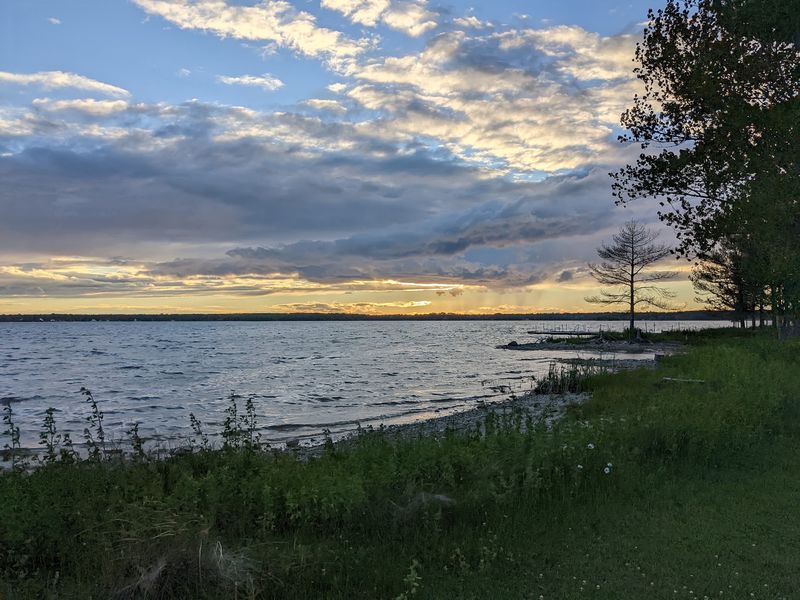
The moment the ferry pulls away from the mainland, your shoulders drop about two inches.
Thirty minutes across the water lands you on Washington Island, where more than 40 miles of backroads invite driving, biking, or a Segway tour if you are feeling adventurous. Schoolhouse Beach is a rarity, covered in smooth white limestone pebbles instead of sand.
Deep in the trees stands the Stavkirke, a faithful replica of a 12th-century Norwegian stave church that hushes everyone who enters. Fragrant Isle Lavender Farm spreads out with 20,000 plants, the largest of its kind in the Midwest.
Jacobsens Museum keeps island artifacts and crafts, and a second ferry carries hikers to Rock Island State Park for remote shoreline beauty.
Food here punches far above the island’s size. Sip a lavender latte and nibble a lavender scone at the farm cafe, then chase 60 shake flavors at The Albatross Drive-In.
The Point Grille smokes its own meats, Jackson Harbor Soup ladles out hearty bowls, and WIS-CO handles pastries and coffee.
Islands teach patience, and this one teaches it deliciously.
5. Cedarburg
Walking down Washington Avenue in Cedarburg feels like flipping through an old photo album that somehow still smells like fresh donuts.
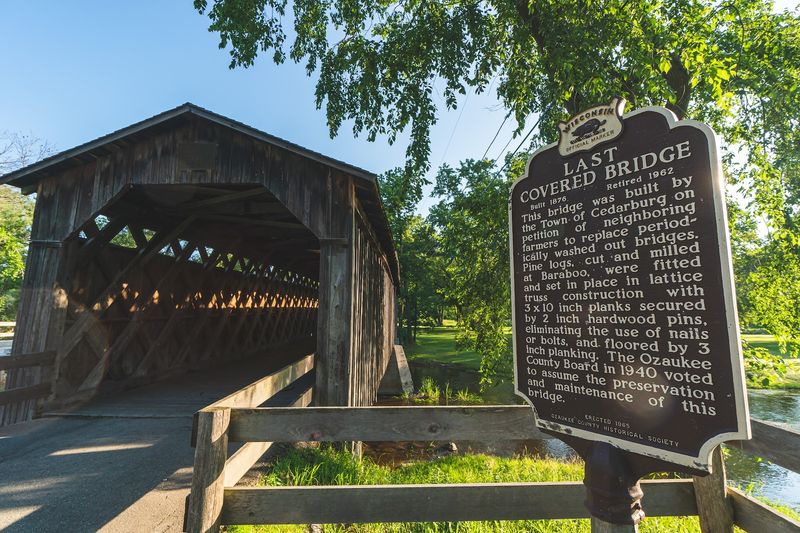
Nineteenth-century limestone buildings line the street, now filled with independent boutiques, galleries, and specialty shops. Cedar Creek runs alongside, and just north of town sits Wisconsin’s last covered bridge, a genuine crowd-pleaser for photographers.
The Ozaukee Interurban Trail offers easy walking and biking for anyone who wants movement without ambition. Culture lovers can browse the Cedarburg Art Museum or the Wisconsin Museum of Quilts and Fiber Arts, which is far more fascinating than it sounds.
Cedar Creek Settlement, a restored woolen mill, houses shops inside thick stone walls that keep summer heat outside.
Festival season brings the Strawberry Festival and Harvest Festival, filling the streets with music, artisan booths, and food vendors doing excellent work. During harvest, Honey Creek Orchard turns out apple donuts that vanish before you reach the car.
Cozy restaurants downtown handle everything from breakfast plates to slow dinners.
Cedarburg proves that history tastes best with cinnamon sugar on your fingertips.
6. Port Washington
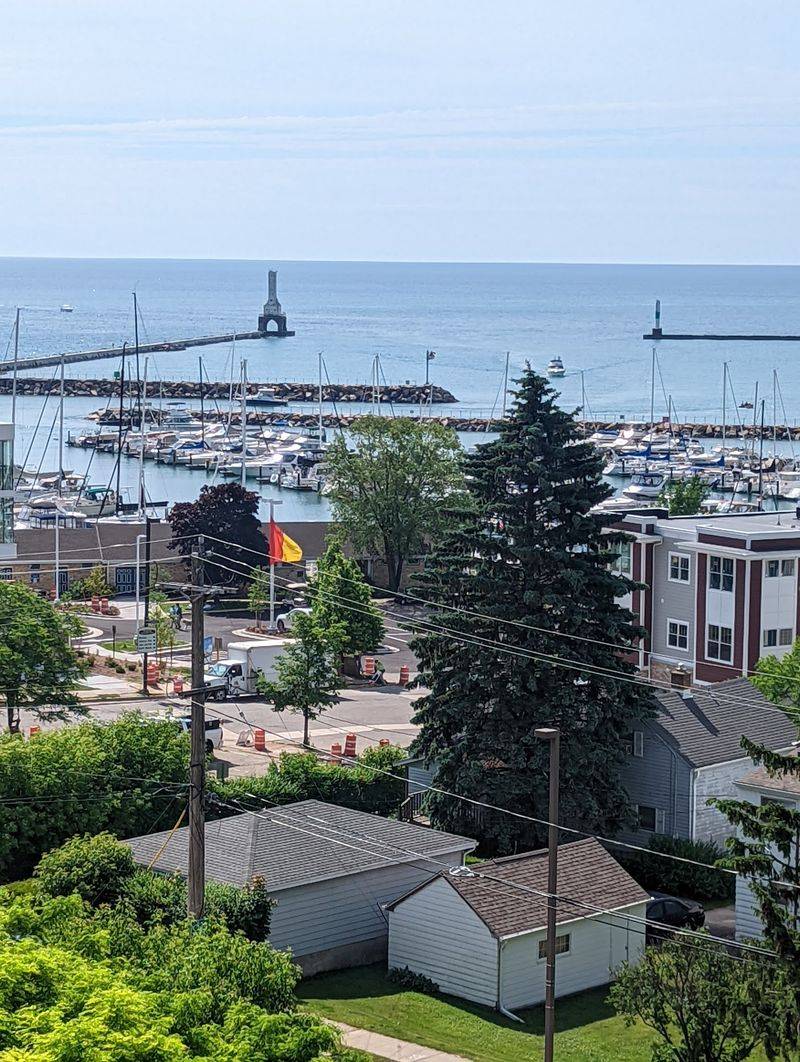
Squint a little in Port Washington and you might swear you wandered onto the coast of Maine.
Historic streets tumble down toward Lake Michigan, where a marina full of boats sets the tempo.
The Harbor Walk, part of the Wisconsin Maritime Heritage Trail, carries exhibits about vessels lost to the lake long ago.
Up on the bluff, the 1860 Lighthouse now serves as a historical museum with sweeping views. The 2,500-foot breakwater is the town’s best-kept secret at sunrise, when the water turns pink and quiet.
Pre-Civil War architecture fills the compact downtown, and local galleries plus art walk events give the place real creative energy. The Ozaukee Interurban Trail runs through wetlands and woods for biking, walking, or winter snowshoeing.
Eating here leans lakefront, with fresh Lake Michigan fish and comfort food served within a short stroll of the water. Daily Baking Co. covers morning coffee and something warm from the oven.
Because everything sits so close together, you can park once and forget your car entirely.
Port Washington rewards anyone willing to walk slowly and look up.
7. Elkhart Lake
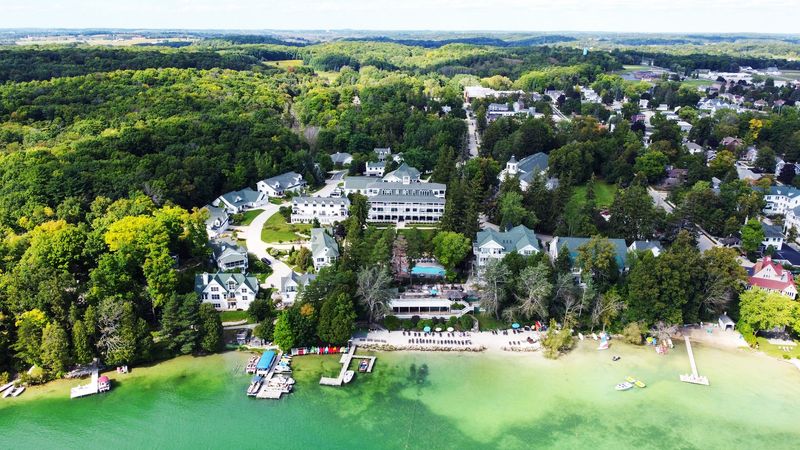
Spring-fed water so clear you can count pebbles at your toes. That is Elkhart Lake’s opening argument.
Tucked into the Kettle Moraine State Forest, the village wraps around a lake once considered sacred, and the water still feels special. Sandy beaches invite lazy afternoons, while nearby trails handle anyone craving a walk under tall trees.
Stillness is the local specialty here. Mornings arrive with birdsong instead of traffic, which makes coffee on a porch feel like a genuine event.
Longtime resorts along the shore offer boating, swimming, and spa treatments, and generations of hospitality show in the small details. The village core is easily walkable, with pottery shops and a former train station that now holds a museum.
Culinary options stretch from casual bites to elegant plates, many of them farm-to-table and nearly all of them served with a view worth pausing over.
What surprises first-timers is the sense of community among residents and shop owners, warm without being showy.
Elkhart Lake does not shout about itself, which is precisely how it stays so restorative.
8. New Glarus
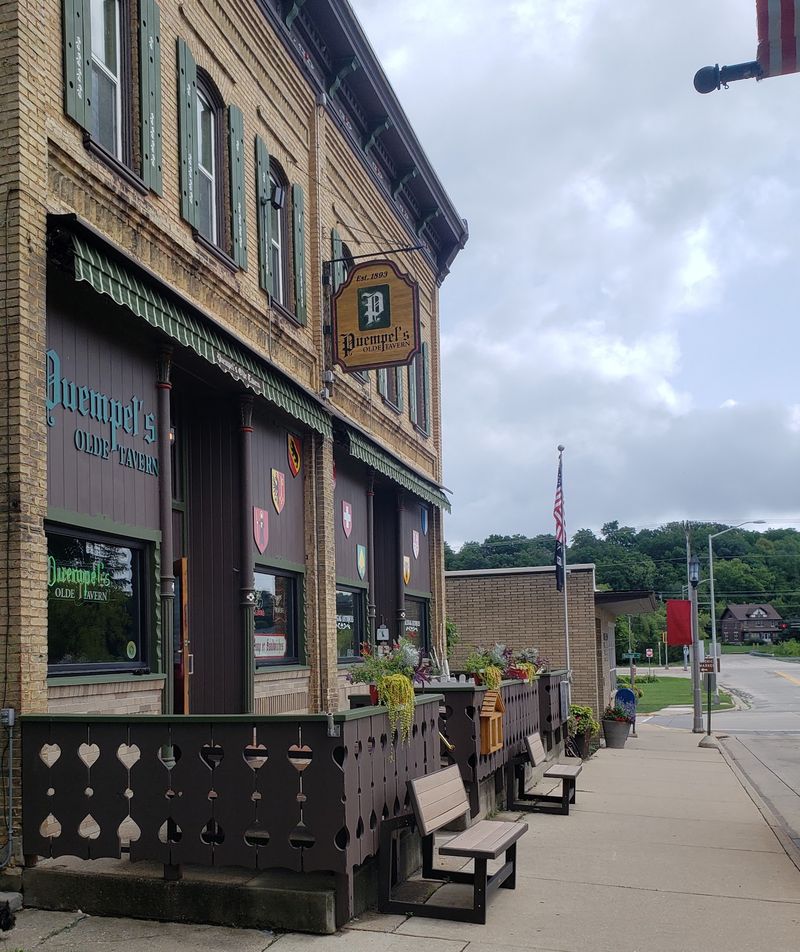
Flower boxes, chalet balconies, painted cows on the sidewalk. New Glarus commits to the bit, and it is glorious.
Swiss settlers founded the village in 1845, and their heritage still shapes everything from the architecture to the festival calendar. Chalet-style buildings line the streets, while the New Glarus Cow Parade scatters artist-painted cow statues around town like a scavenger hunt.
History runs deep at the Swiss Historical Village and Museum, where 14 original and replica buildings hold genuine artifacts. The Chalet of the Golden Fleece Museum packs a Swiss Alps style home with an extraordinary collection.
Cyclists love the 23-mile Sugar River Bike Trail, and New Glarus Woods State Park adds hiking trails minutes from downtown.
Now, the good part. Chalet Cheese Haus stocks award-winning Swiss cheese and ice cream, while New Glarus Bakery turns out fresh breads and pastries that justify an early alarm.
Local restaurants serve hearty Swiss dishes, so bring a real appetite and stretchy pants.
Seasonal festivals bring music and dancing into the streets, keeping traditions alive rather than framed behind glass.
Cheese, chalets, and cows: an unbeatable trio.
9. Spring Green
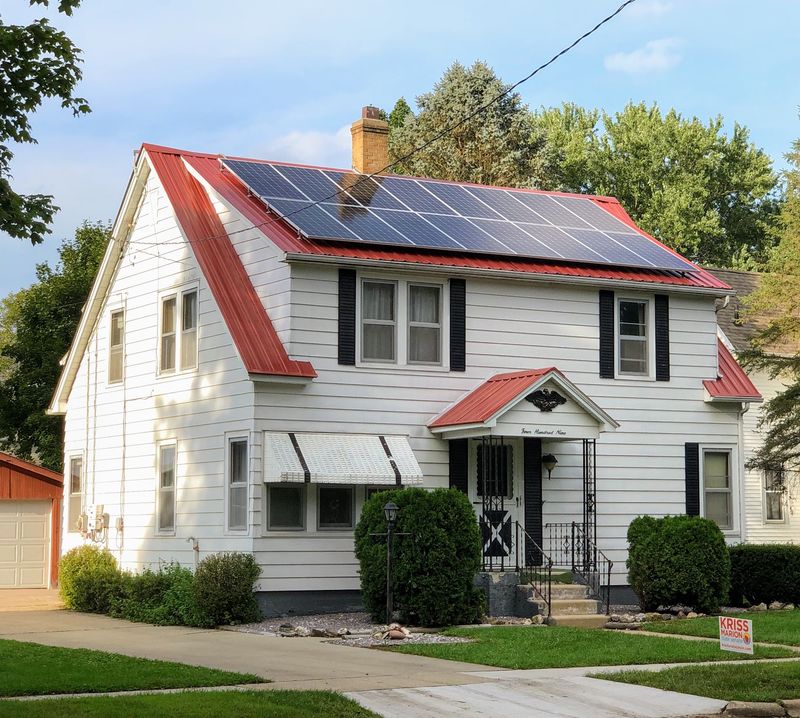
Frank Lloyd Wright built his home here, and once you see the hills, you understand why.
Taliesin, his house and studio, seems to grow right out of the ridgeline above the Wisconsin River.
Tours reveal how carefully he matched buildings to landscape, a lesson that sticks with you long after leaving.
Evenings belong to American Players Theatre, where world-class performances unfold in beautiful outdoor venues surrounded by woods.
Daytime asks less of you. The Spring Green General Store mixes groceries, gifts, clothing, and a genuinely fun cafe under one roof.
Bird of Paradise Tea pours a calm afternoon alongside homemade cookies and pies, and Arcadia Books stacks tea, coffee, and baked goods beside the shelves.
Paddling the Wisconsin River in a kayak or canoe means drifting past wooded banks and wide sandbars perfect for a barefoot break.
Food leans local and proud of it, with organic farms and grass-fed beef supplying kitchens. Diner breakfasts, handcrafted sandwiches, and handmade ice cream fill the gaps beautifully.
Spring Green sits at the edge of the Driftless Area, and it wears that wild scenery like a well-loved coat.
10. Stockholm
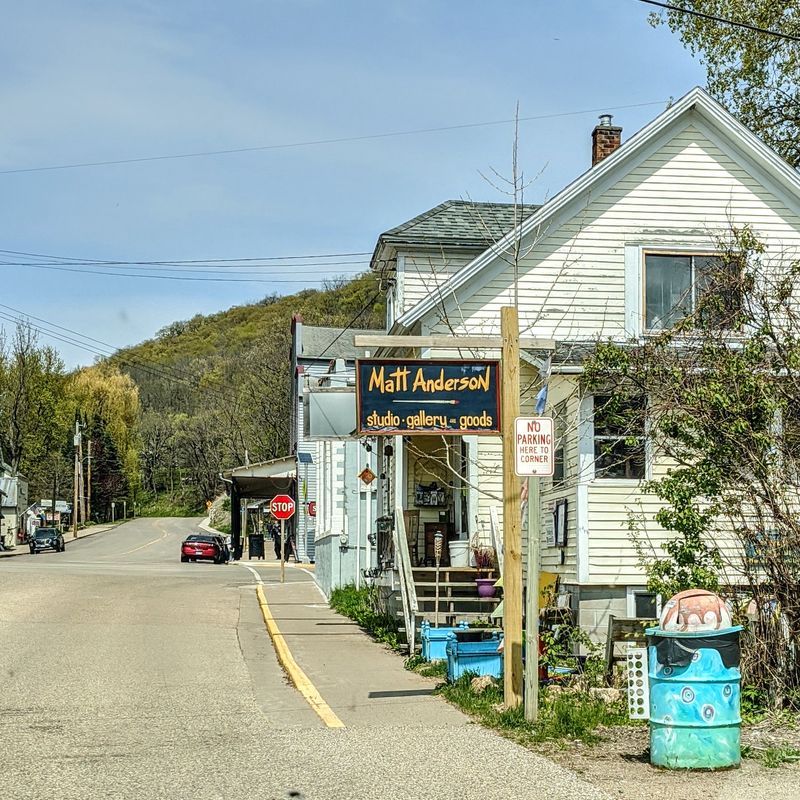
Blink and you might drive past Stockholm. Do not blink.
This pocket-sized village perches along the Mississippi River beside Lake Pepin, founded by Swedish immigrants whose influence still lingers in names and design. Artisan shops line the short main stretch, filled with handcrafted goods made by people who clearly enjoy their work.
Views of Lake Pepin sparkle from nearly every angle, and the Great River Road makes getting here half the pleasure. Stockholm Museum fills in the story of early settlers, while Maiden Rock Bluff State Natural Area delivers panoramic hiking, spectacular once autumn colors arrive.
Then there is the pie. Stockholm Pie and General Store has built a reputation across the Midwest, and the case runs from classic apple to decadent chocolate cream.
Ordering one slice is theoretically possible. Practically speaking, whole pies leave with people regularly.
The attached general store stocks gifts and artisanal treats, and farm-to-table kitchens nearby highlight what grows in the surrounding hills.
Stockholm has been called one of America’s coziest towns, and after an afternoon of river breezes and flaky crust, that title feels entirely earned.
11. Viroqua
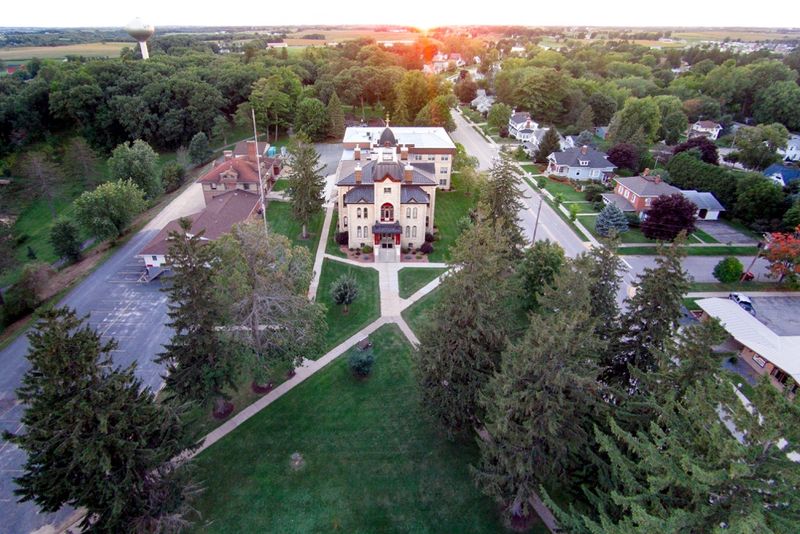
Mist rolling over steep green hills at dawn, and a coffee roaster already at work. Viroqua sets a mood fast.
Sitting in the heart of the Driftless Area, this small town is ringed by rolling ridges and cold, clear trout streams. Kickapoo Coffee makes an easy first stop before Main Street opens up.
That street carries serious character, recognized on both the Wisconsin and National Register of Historic Places.
Ewetopia Fiber Shop tempts knitters with hand-dyed wools, and Driftless Books and Music holds a vast trove of rare and antique volumes inside an old tobacco warehouse.
The indoor Viroqua Public Market gathers arts, crafts, and local foodstuffs, while the restored Temple Theatre stages plays and musical performances.
Food is where this town flexes hardest. The Driftless Cafe builds menus around local organic meats and vegetables, Wisco Pop! bottles soda from organic ingredients, and the Saturday morning Farmers Market overflows with produce.
Because the surrounding landscape escaped ancient glaciers, the terrain looks unlike anywhere else in the state.
Creativity here is not a marketing angle, it is simply how the town breathes.
12. Pepin
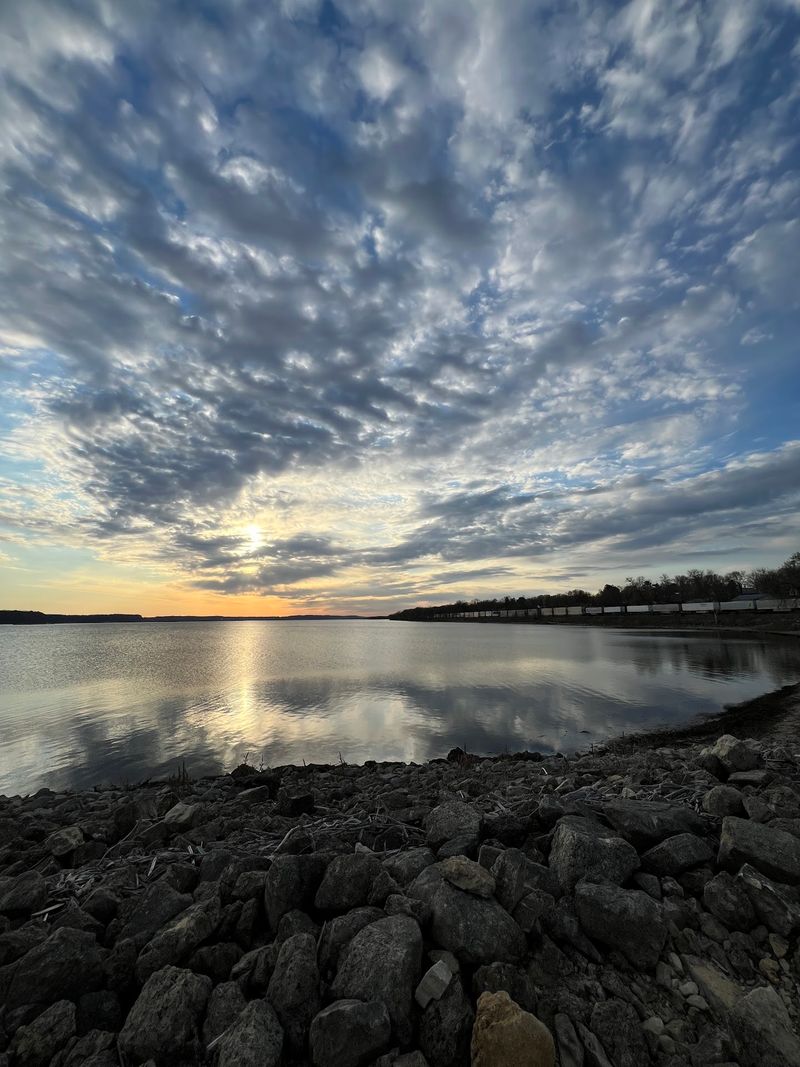
Fried pickles by the water and a log cabin that launched a thousand childhood daydreams. Pepin contains multitudes.
The village sits on Lake Pepin, the widest natural stretch of the Mississippi River, which makes gentle boating and swimming feel wonderfully unhurried. Paddle-wheel boats still cruise through, and watching one pass is a legitimate afternoon activity.
Literature fans come for the Laura Ingalls Wilder Museum and the replica of her little house birthplace just outside town. Standing there, the opening pages of those books suddenly feel very close.
Unique shops and local art galleries fill the small downtown, and hiking through the Tiffany Wildlife area follows old logging roads and wagon paths. Pepin also anchors a stretch of Wisconsin’s Great River Road, one of the prettiest drives anywhere.
The Pickle Factory serves waterfront meals, and yes, the fried pickles are the reason people remember the name. Local cafes handle breakfast and casual lunches with genuine care.
Twelve towns, twelve very different flavors of slow, and every single one asks you to put your phone down for a while.
So which one gets your weekend first?