
This Connecticut Pizza Style Has A History That Starts Far From Connecticut
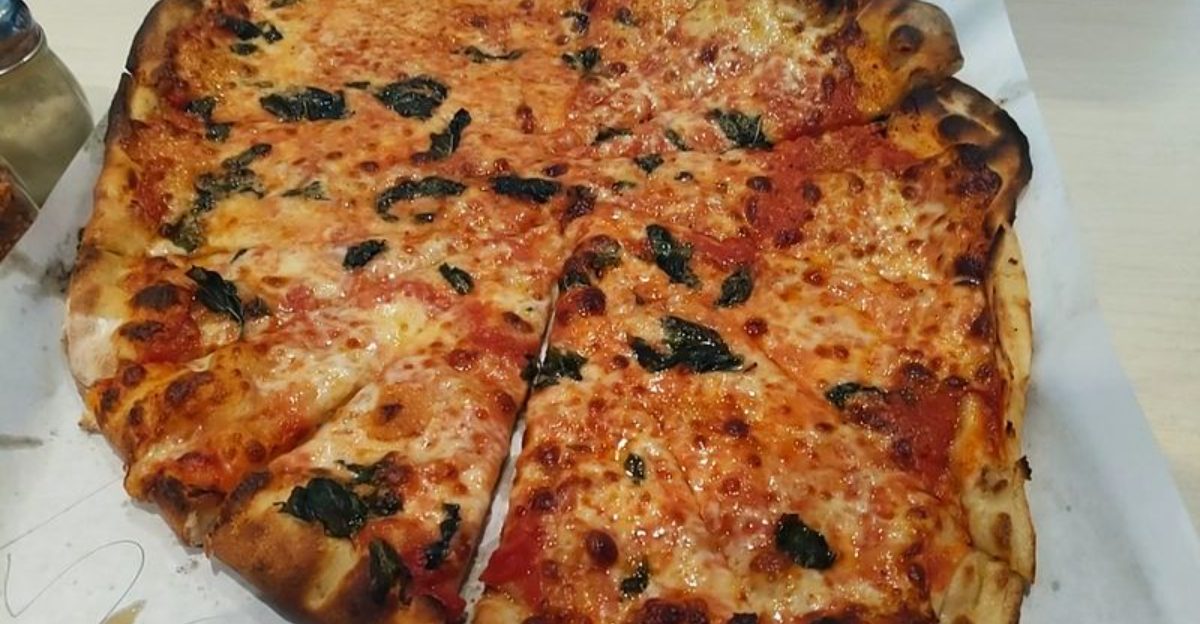
What if the best pizza in Connecticut isn’t really a Connecticut story at all? Sounds suspicious, right?
Like finding out your favorite superhero secretly has an origin story in another universe. But follow the trail of New Haven-style apizza, and that’s exactly what happens.
Before this coal-fired, blistered-crust legend became a Connecticut icon, its story was shaped by Italian immigrants who brought more than suitcases and family recipes to American shores.
Then, in the early 20th century, a small pizzeria helped transform that immigrant tradition into something much bigger, turning a local specialty into a style with a serious cult following.
So how did a humble immigrant food become the pizza people now travel across state lines to chase? And why does it refuse to play by ordinary pizza rules? The answer starts far from where you might expect.
And ends with one seriously addictive slice. slice.
The Mystery Of The “Apizza” Moniker
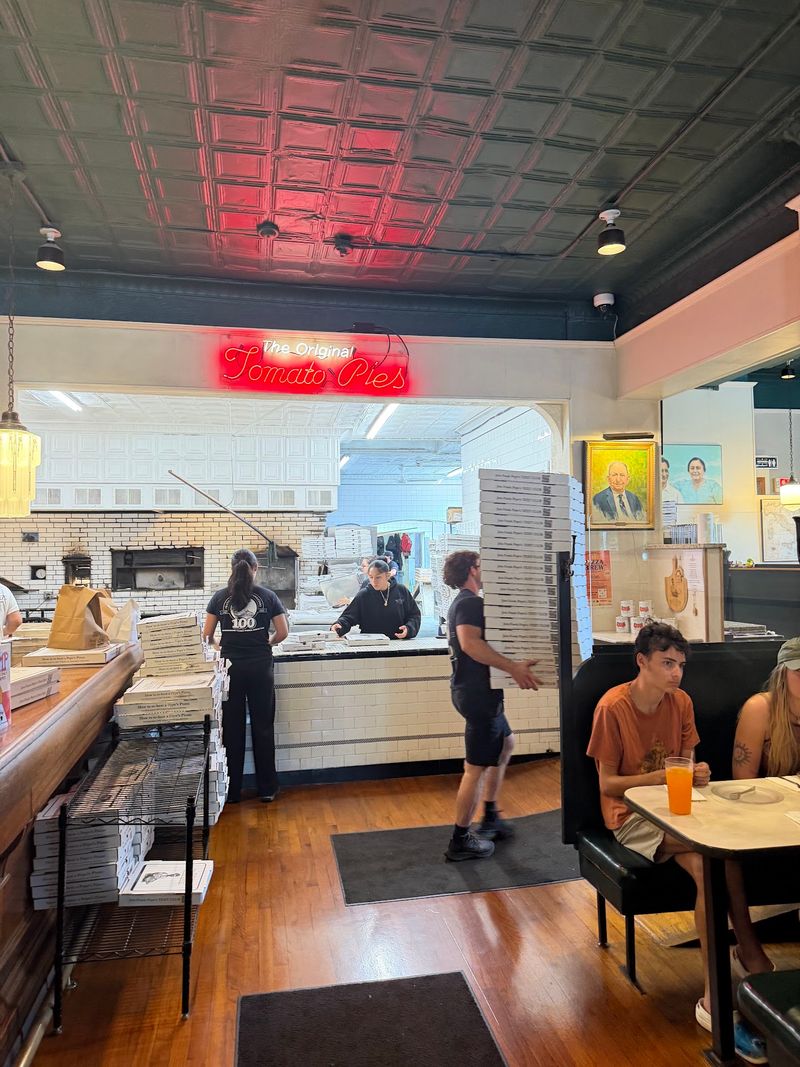
Ordering a pizza in New Haven sounds a little different than anywhere else, and that is completely intentional. The word “apizza” pronounced “ah-beetz” is not a quirky branding choice.
It is a direct linguistic echo of the Neapolitan dialect spoken by the Italian immigrants who first settled in New Haven during the late 1800s and early 1900s.
These early arrivals hailed largely from Naples, a city with one of the oldest and most passionate pizza cultures on the planet.
They carried their way of speaking right alongside their baking techniques. While other American cities gradually dropped the old-world phrasing, New Haven held on tight, preserving the dialect as a badge of cultural pride.
Saying “apizza” when you place your order at Frank Pepe Pizzeria Napoletana is more than a pronunciation quirk.
It is a small act of honoring the people who built this tradition from scratch. Every time someone says it correctly, they are unknowingly connecting themselves to a century-long story of immigration, resilience, and really extraordinary food.
That single word carries more history than most entire menus ever will.
That Unmistakable Crispy And Chewy Crust
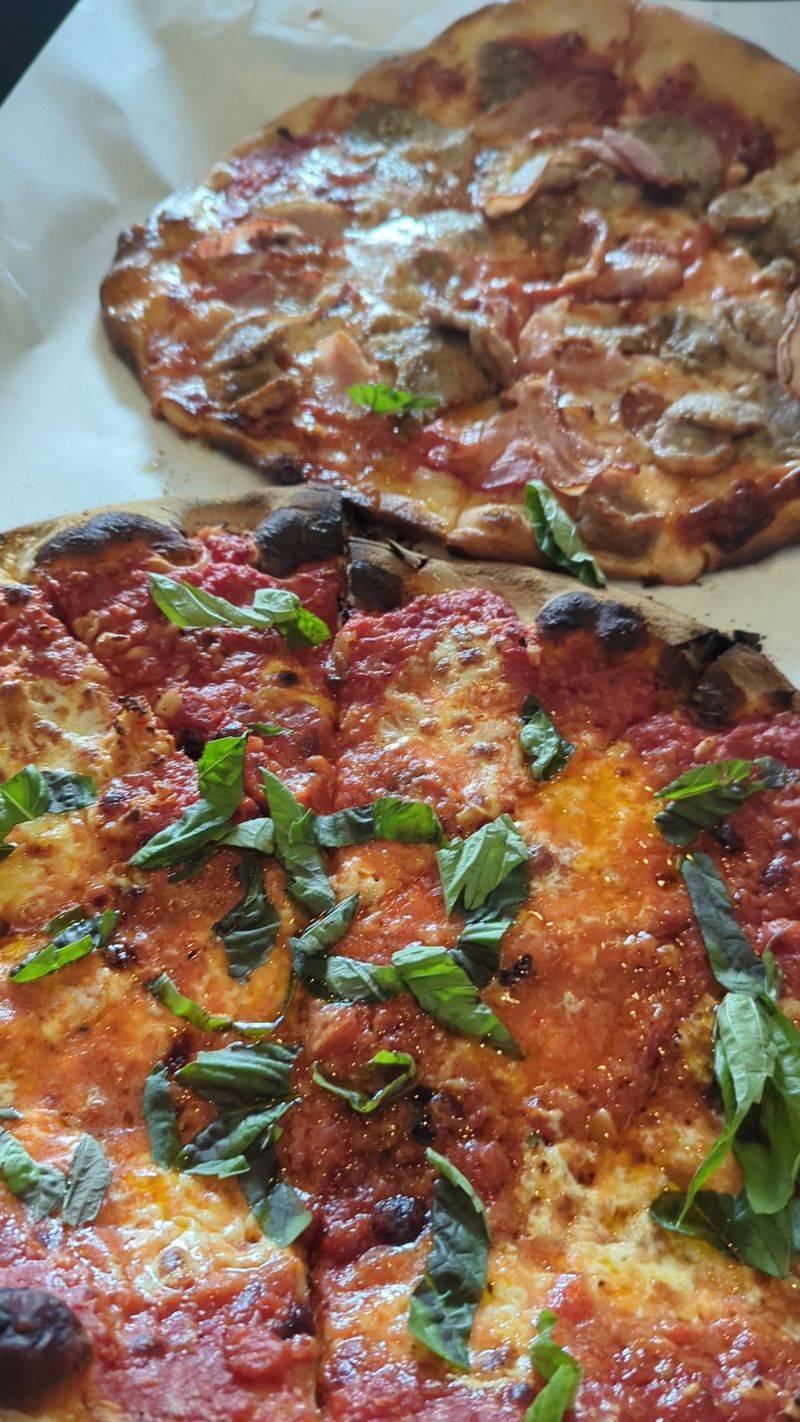
Frank Pepe Pizzeria Napoletana at 157 Wooster St, New Haven, CT 06511 has been pulling pies out of coal-fired ovens since 1925, and the crust has always been the main character.
Thin, slightly irregular in shape, and gloriously charred at the edges, this crust is unlike anything produced in a conventional kitchen oven. The char is not a mistake.
It is the point.
The dough itself is crafted with a sturdy bread flour that gives each slice enough structure to hold its toppings without folding into a soggy mess.
It is cold-fermented for an extended period, which develops a complexity of flavor that you simply cannot rush. That slow rise is what separates a good crust from a legendary one.
When you bite into a slice, you get a crispy exterior that gives way to a pleasantly chewy interior. The contrast is deeply satisfying in a way that is hard to explain but impossible to forget.
New Haven apizza crust is the kind of thing people drive hours for, and after one taste, that commitment starts making perfect sense.
The Coal-Fired Oven Is The Real MVP
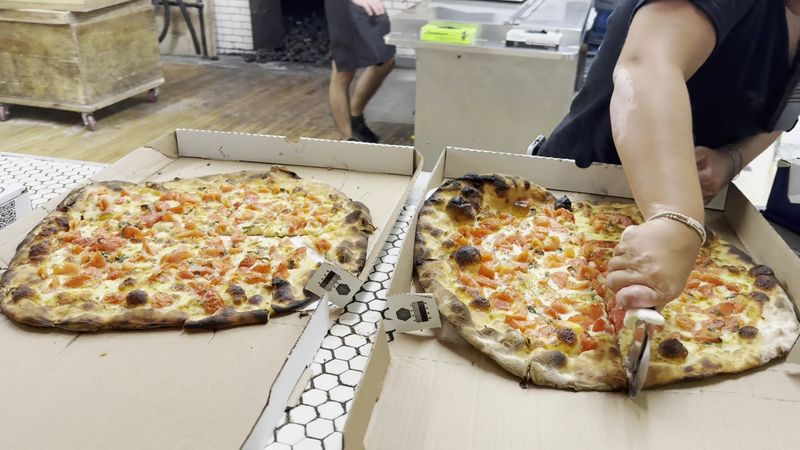
Behind every great New Haven apizza is a coal-fired oven running at temperatures that most home kitchens would find absolutely terrifying.
These ovens regularly exceed 650 to 700 degrees Fahrenheit, creating an environment where a pizza cooks fast, furiously, and with incredible flavor depth. The intense heat is what produces that signature charring on the crust edges.
Coal as a fuel source also imparts a subtle smokiness to the finished pie. It is not overwhelming, but it is unmistakably there, lurking in the background of every bite like a secret ingredient you cannot quite name.
This smoky undertone is part of what makes New Haven apizza taste so distinctly different from anything baked in a gas or electric oven.
The coal-fired oven at Frank Pepe Pizzeria Napoletana is not just kitchen equipment. It is practically a historical artifact, a working piece of culinary heritage that has been producing extraordinary pies for a century.
Watching a pizza slide into that glowing oven on a long wooden peel is genuinely theatrical. The oven does not just cook the pizza.
It transforms it entirely.
The Original Tomato Pie And Why Simplicity Wins
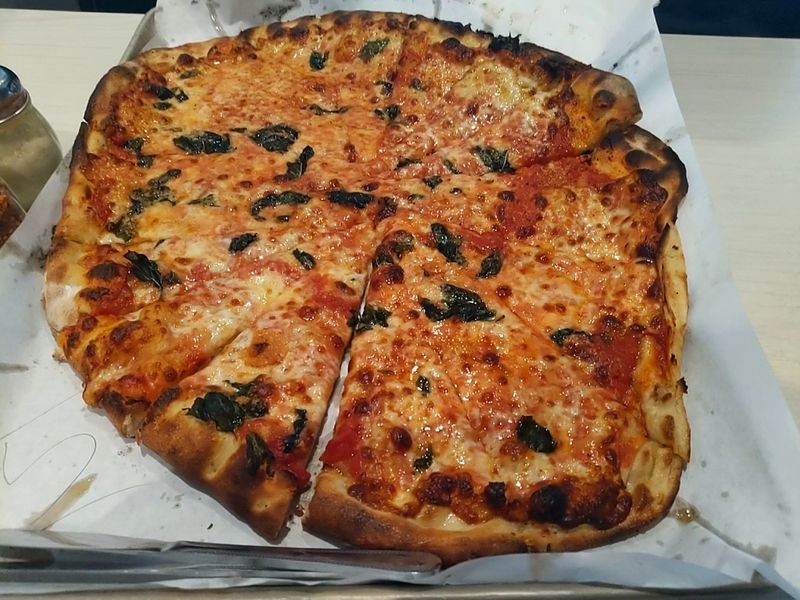
Before elaborate toppings became fashionable, there was the tomato pie, and it remains one of the most quietly radical things on the menu at Frank Pepe Pizzeria Napoletana.
A thin crust, crushed tomatoes, a scatter of dried oregano, grated Pecorino Romano, and a generous drizzle of olive oil. That is it.
No mozzarella. No embellishments.
Just pure, confident flavor.
The absence of mozzarella was originally a practical decision rooted in necessity.
In the early days of New Haven apizza, refrigeration was limited, making fresh cheese difficult to store consistently. Rather than compromise quality, early pizzamakers leaned into what they had: exceptional tomatoes, good olive oil, and sharp aged cheese.
The result was accidentally perfect.
What makes the tomato pie so compelling today is that it has nothing to hide behind. Every ingredient has to earn its place.
The sauce carries the show, and at Frank Pepe’s, it delivers a bright, slightly sweet tomato flavor that is rich without being heavy.
Trying the tomato pie before adding any extras is genuinely the best way to understand what New Haven apizza is truly about.
The White Clam Apizza That Changed Everything
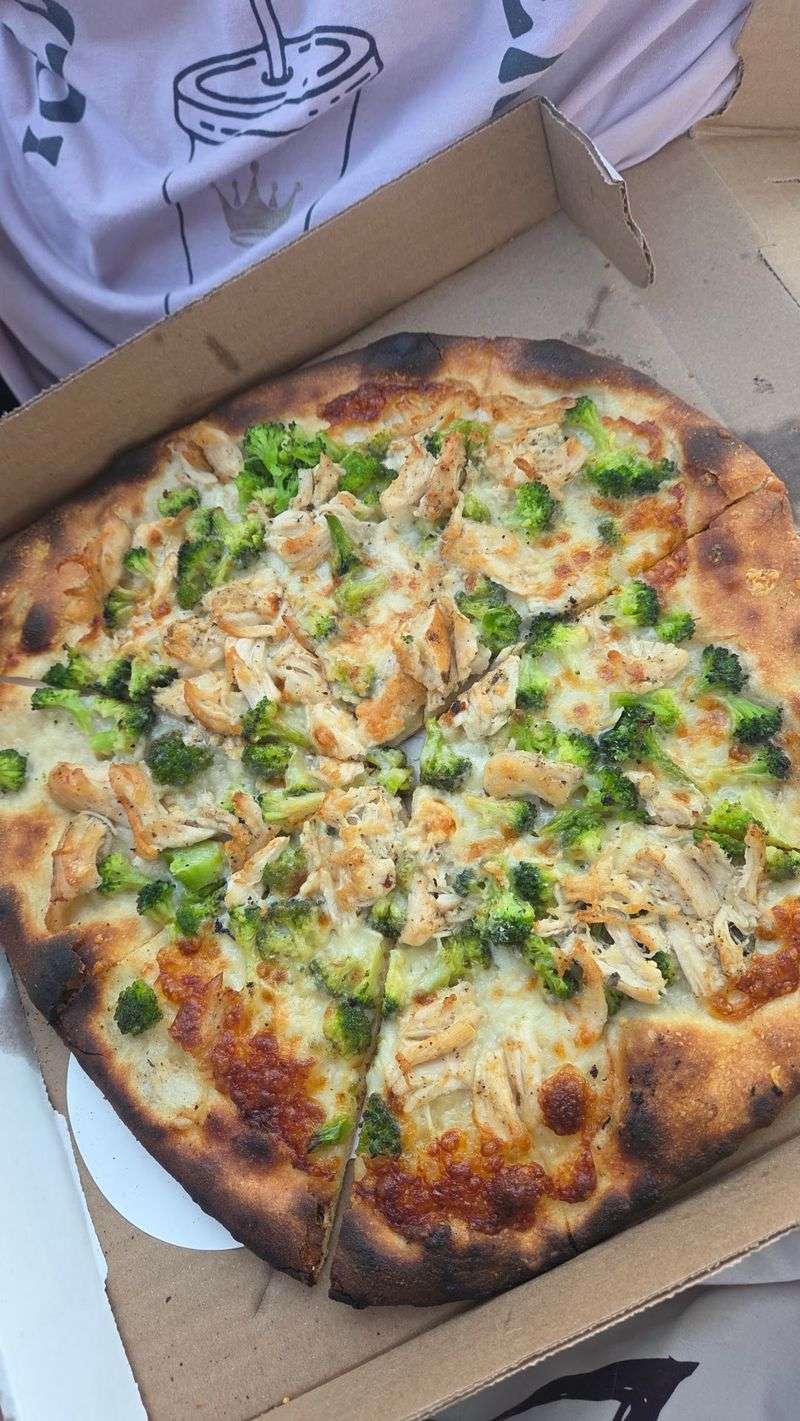
Few food inventions carry the kind of quiet confidence that the white clam apizza does. No tomato sauce.
No mozzarella. Just freshly shucked clams, garlic, olive oil, oregano, and Pecorino Romano sitting on top of that signature charred crust.
It sounds unconventional, and the first time you hear about it, your brain might push back a little.
Frank Pepe Pizzeria Napoletana is widely credited with introducing this now-iconic pie, which is believed to have debuted sometime in the mid-20th century. The idea reportedly came from the observation that clams were already a popular raw appetizer.
Placing them on a pizza was a logical leap that turned out to be genuinely inspired. The briny sweetness of fresh clams against the smoky, crispy crust is a combination that rewards curiosity.
Because there is no sauce, the texture of the white clam pie skews crispier than its tomato-based counterparts.
The garlic and oregano provide herbal warmth, while the Pecorino Romano adds a salty, sharp edge. It is bold, it is briny, and it is unapologetically New Haven.
Trying it once is enough to understand why people keep coming back for more.
How Cheese Became Optional In New Haven
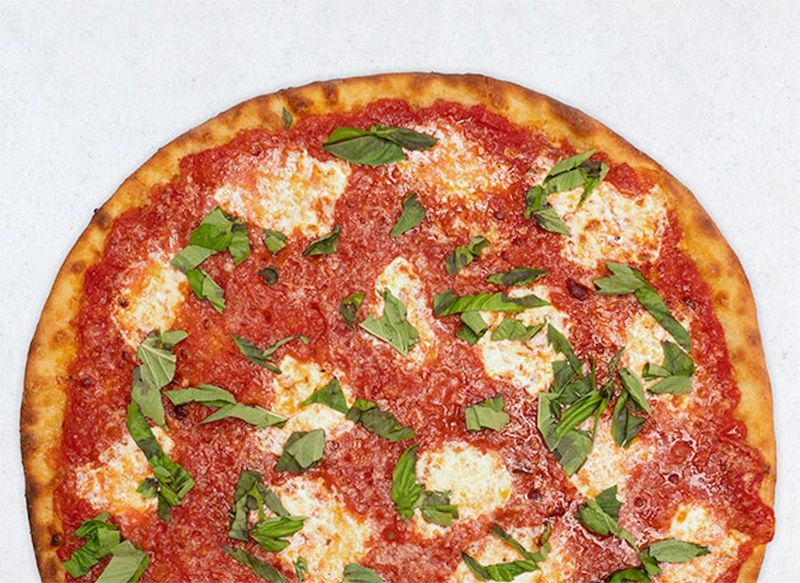
In most pizza cultures, cheese is non-negotiable. New Haven apizza decided to question that assumption entirely, and the result is one of the most interesting flavor philosophies in American food.
Mozzarella at Frank Pepe Pizzeria Napoletana is listed as an optional addition, not a default. That single decision changes everything about how you experience the pie.
The reasoning goes back to the practical realities of early 20th century pizzerias. Limited refrigeration meant fresh mozzarella was not always available or consistent in quality.
Rather than use inferior cheese, early New Haven pizzamakers simply highlighted what was already working. The tomato sauce, the Pecorino Romano, and the crust did not need a thick layer of melted cheese to shine.
Ordering a pie without mozzarella feels counterintuitive at first, but it quickly reveals how much the cheese can actually mask.
Without it, the acidity of the tomato sauce comes forward clearly. The sharpness of the Pecorino Romano gets more room to breathe.
The char on the crust becomes more pronounced and more interesting. Less cheese is not a compromise here.
It is a deliberate act of culinary confidence that works beautifully.
Classic Toppings That Tell The Story Of Italian Immigration
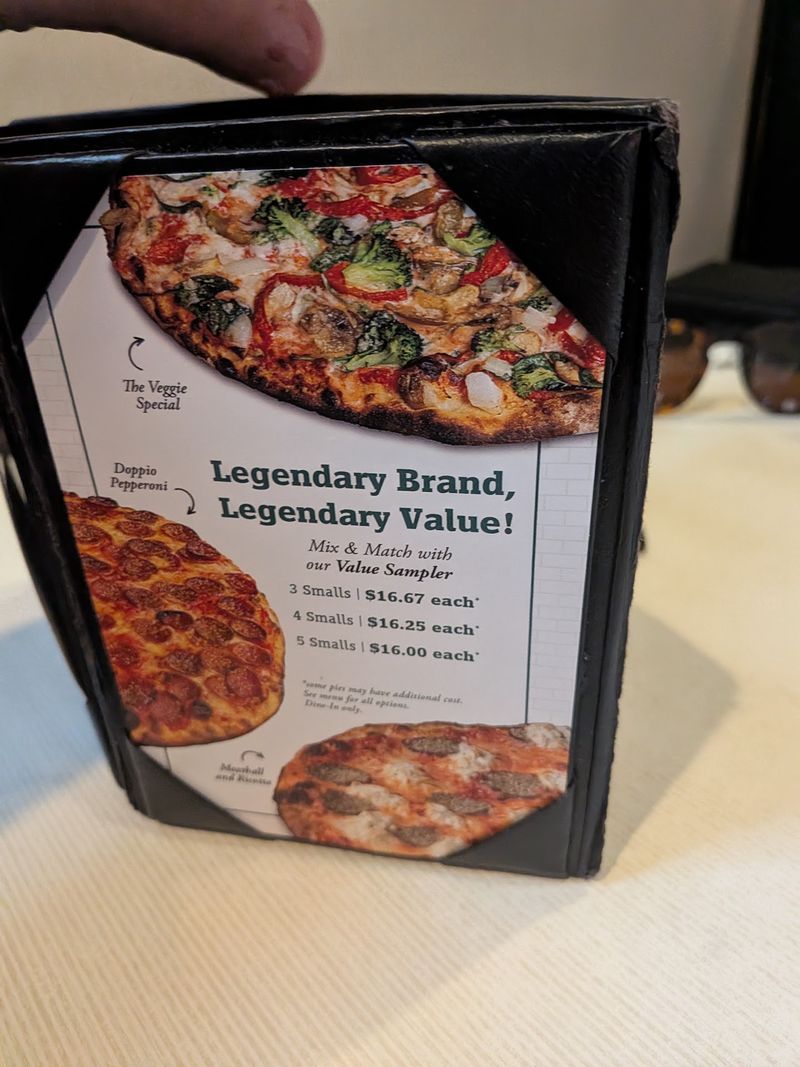
The earliest toppings on New Haven apizza were not chosen for variety. They were chosen because they were available, affordable, and familiar to the Italian immigrants who made them.
Anchovies, tomatoes, olive oil, and dried herbs were staples of the Southern Italian pantry, and they translated beautifully onto the coal-fired pies of Wooster Street.
Anchovies in particular carry a fascinating place in this history. Salty, intensely savory, and packed with umami, they were a natural companion to the bright tomato sauce and the smoky crust.
For many Italian-American families, an anchovy pie was not an adventurous choice. It was a reminder of home, a taste that connected the present to a very specific past across the Atlantic Ocean.
Today, the menu at Frank Pepe Pizzeria Napoletana has expanded to include pepperoni, sausage, roasted peppers, and more creative combinations.
But the traditional anchovy and tomato options remain, standing as quiet monuments to the culinary roots that started this whole movement.
Every topping choice tells a piece of the immigration story, and that context makes every bite a little more meaningful.
The Street That Became A Pizza Legend
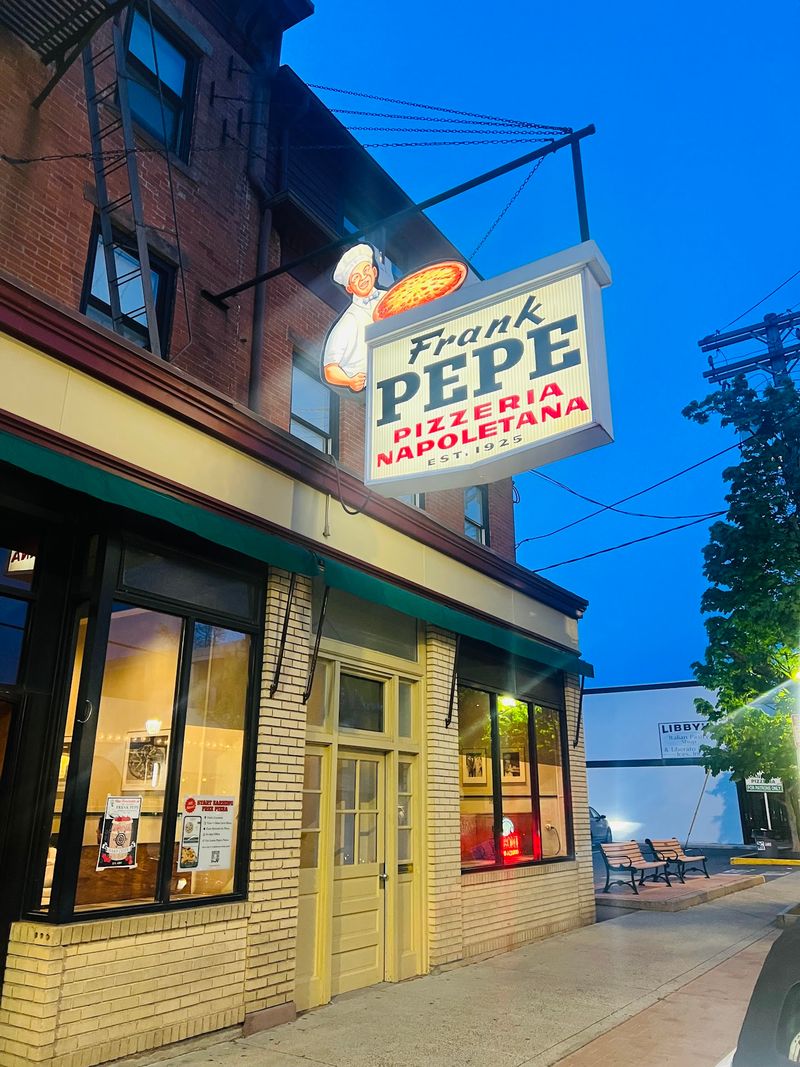
Some streets are famous for fashion, some for finance, and some for music. Wooster Street in New Haven is famous for apizza, and it earned that reputation one coal-fired pie at a time.
Known affectionately as New Haven’s Little Italy, this compact stretch of road became the geographic center of an entire culinary movement that eventually put Connecticut on the global food map.
Frank Pepe Pizzeria Napoletana anchors this street with a history that goes back to 1925.
The original location was at 163 Wooster Street before the main restaurant settled into 157 Wooster Street in the mid-1930s, making it one of the oldest continuously operating pizzerias in the entire United States.
The building itself feels like it holds memory in its walls, and the coal-fired ovens inside have never really stopped running.
Visiting Wooster Street today still carries a sense of pilgrimage for serious pizza lovers. The neighborhood hums with the energy of people who traveled specifically to eat here, from nearby towns, from other states, and sometimes from other countries entirely.
New Haven apizza started far from Connecticut, but Wooster Street is undeniably where it found its soul. Is there any better reason to plan a road trip?