
12 Foods In Louisiana That You’ll Rarely See Outside The South
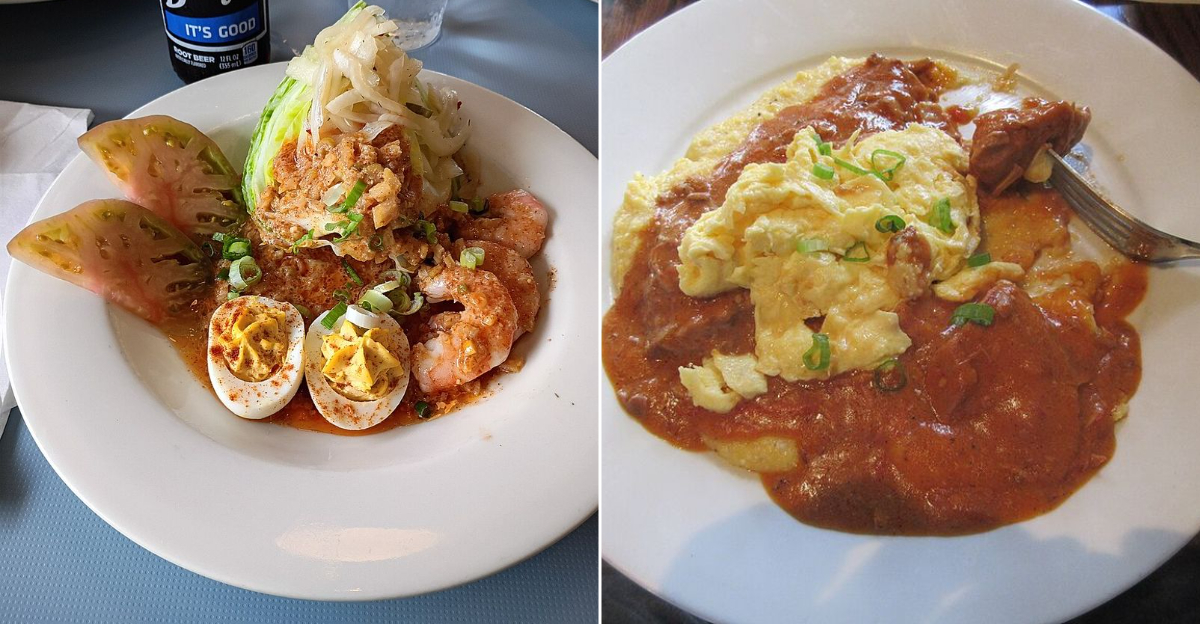
Louisiana doesn’t really do subtle when it comes to food.
A little spice becomes a whole personality, a simple pot of rice turns into something worth arguing about, and recipes are often guarded with the seriousness of family secrets. But head outside the state, and some of these dishes practically disappear.
You might find gumbo or jambalaya on a menu, sure, but what about the lesser-known plates that locals grew up eating and visitors rarely get to try? That’s where Louisiana gets interesting.
Its food tells the story of generations of French, African, Spanish, Caribbean, and Southern influences, but not every dish made the leap into mainstream American cuisine.
Some stayed proudly local, passed down at home, served at neighborhood spots, or brought out for gatherings where everyone already knows exactly what’s coming.
These are the Louisiana foods that deserve a much bigger audience, but somehow remain deliciously under the radar.
1. Boudin
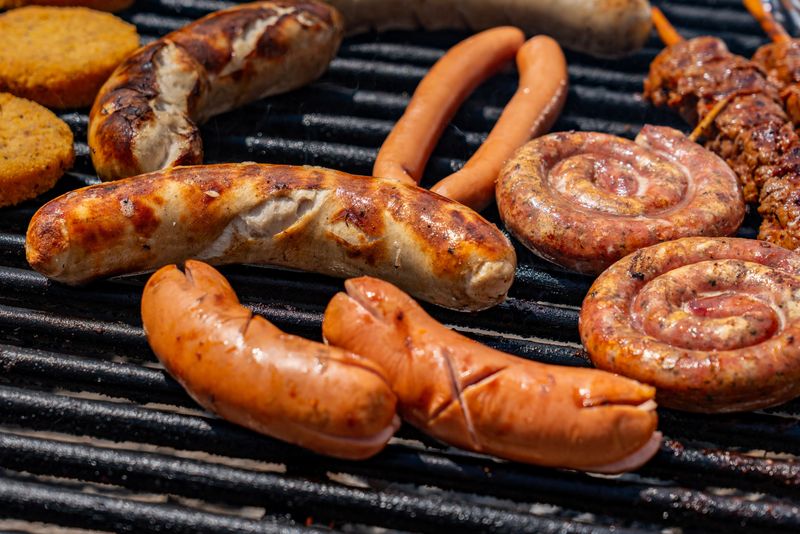
Nobody talks about boudin the way they should outside of Louisiana, and that is honestly a tragedy. This Cajun sausage has been feeding the South for over two centuries, and it shows no signs of slowing down.
It carries the fingerprints of French, Spanish, German, and Acadian traditions all in one glorious casing.
The filling is a savory mix of cooked pork, fluffy rice, onions, peppers, and bold seasonings. Rice became a defining ingredient in the late 1800s, partly thanks to German immigrants who brought serious sausage-making skills to the region.
Before that, boudin was already a staple at communal hog butchering events called boucheries, where entire communities gathered to cook and celebrate together.
You can enjoy boudin boiled, grilled, or smoked, and each method delivers a completely different experience.
Boudin balls, which are breaded and fried, have become their own beloved tradition. Modern versions even feature crawfish, shrimp, or alligator for adventurous eaters.
Boudin is not just a sausage; it is a cultural handshake from Louisiana straight to your soul.
2. Crawfish Etouffee

Crawfish etouffee is the kind of dish that makes you close your eyes on the first bite and just breathe. The French word etouffee means to smother, and that is exactly what happens here.
Plump, tender crawfish are completely blanketed in a buttery, velvety sauce that is impossibly rich and deeply satisfying.
This dish grew out of Louisiana’s Cajun country, with Breaux Bridge proudly holding the title of Crawfish Capital of the World. Cajun families were cooking versions of etouffee by the 1930s, and by the 1950s, New Orleans restaurants had fully embraced it.
The foundation is the Holy Trinity, which means onion, celery, and green bell pepper, all cooked low and slow to build incredible depth.
A light roux thickens the sauce just enough to give it that signature gravy-like consistency. Garlic, Creole seasoning, and rich seafood stock round out every layer of flavor.
It is traditionally ladled over white rice, which soaks up every drop of that gorgeous sauce.
Crawfish season peaks from February to May, making spring the absolute best time to enjoy this Louisiana treasure.
3. Maque Choux

Maque choux sounds fancy, but at its heart, it is pure Southern comfort cooked in a skillet. This vibrant corn-based side dish carries roots that stretch back to Native American cooking traditions.
French Acadian settlers later layered in their own techniques, creating something that belongs entirely to Louisiana.
Sweet corn is the star, but it shares the stage beautifully with onions, bell peppers, and celery, the beloved Holy Trinity of Louisiana cooking. Garlic, okra, ripe tomatoes, and a splash of hot sauce often make appearances depending on who is cooking.
Historically, bacon grease was the fat of choice, giving the dish a deep, smoky backbone that is hard to beat.
Today, butter or cream are popular alternatives that make the dish silkier and richer. The vegetables simmer slowly until they become tender and almost melt together in the pan.
Adding crawfish or chicken transforms maque choux from a side dish into a full, satisfying meal. It shows up at holiday tables, backyard cookouts, and everyday dinners across Louisiana, proving that simple ingredients can create something truly spectacular.
4. Grillades And Grits
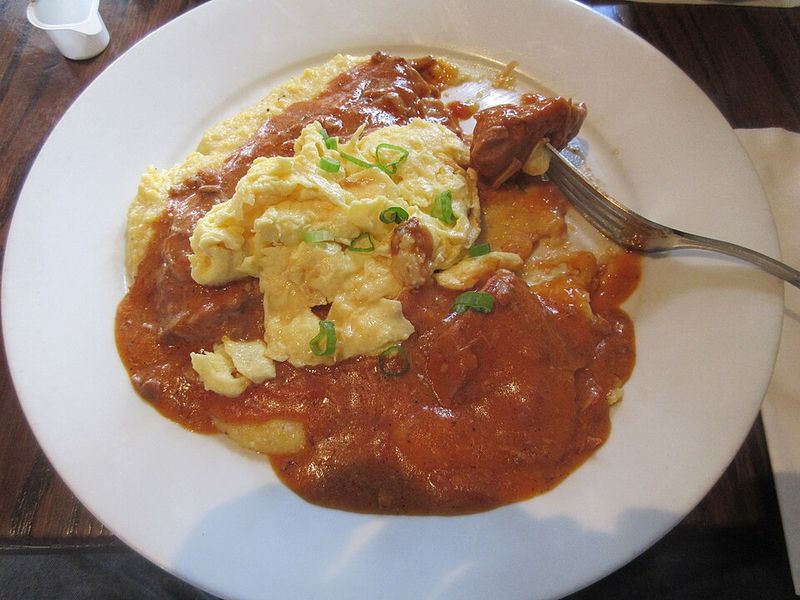
Grillades and grits might just be the most underrated breakfast in America, and Louisiana has been sitting on this secret for generations. This New Orleans classic is a slow-cooked, deeply satisfying meal that feels like a warm hug on a plate.
It is the kind of dish that turns an ordinary morning into something worth remembering.
Grillades are thin slices of beef or pork that get browned and then braised low and slow in a rich tomato-based gravy. The Holy Trinity of onion, celery, and bell pepper builds the base, while garlic and a hint of cloves give the gravy its signature warmth.
That subtle spice combination is what separates this dish from anything else you have ever tasted.
The meat becomes incredibly tender, almost falling apart, and is then spooned generously over creamy, stone-ground grits made from corn.
Grits soak up the savory gravy like they were born for it. This dish is a staple of New Orleans brunch culture, often found at neighborhood spots and family tables alike.
It proves that humble cuts of meat, treated with patience and good seasoning, can become something extraordinary.
5. Crawfish Monica
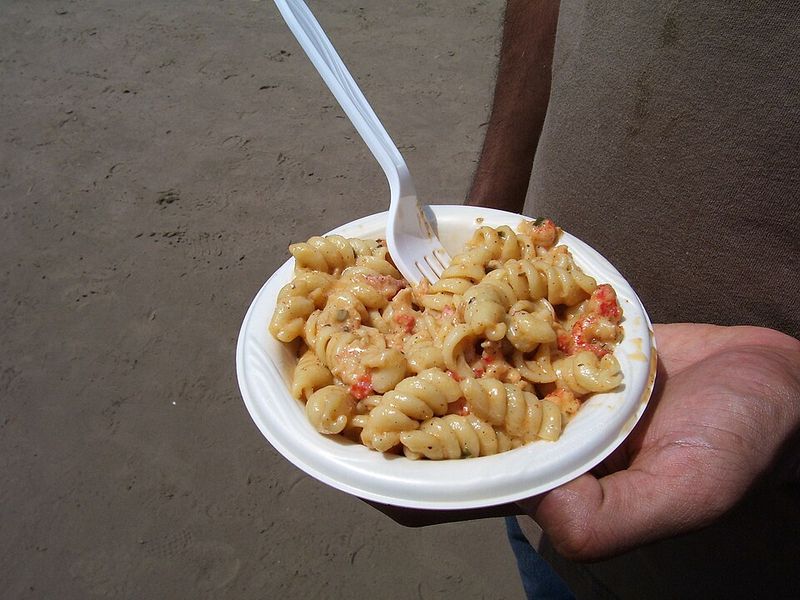
There are festival foods, and then there is Crawfish Monica, which operates on a completely different level of deliciousness.
Born at the legendary New Orleans Jazz Fest, this creamy, spicy pasta dish has become one of the most anticipated bites at the entire event. People plan their festival visits around getting a plate of this stuff.
Chef Pierre Hilzim created the dish and named it after his wife, Monica Davidson, which makes every bite feel a little bit like a love story.
It debuted in the 1980s and quickly became iconic. Rotini pasta holds the thick, creamy sauce perfectly in all its little spirals, making every forkful loaded with flavor.
The sauce is built from butter, garlic, shallots, heavy cream, and Parmesan cheese, then brought to life with cayenne and Creole seasoning. Tender crawfish tails are folded in generously, and fresh green onions and parsley add a bright finish.
The result is cheesy, spicy, and deeply comforting all at once. Crawfish Monica is proof that sometimes the best dishes come from a simple act of love and a very good recipe.
6. Yakamein
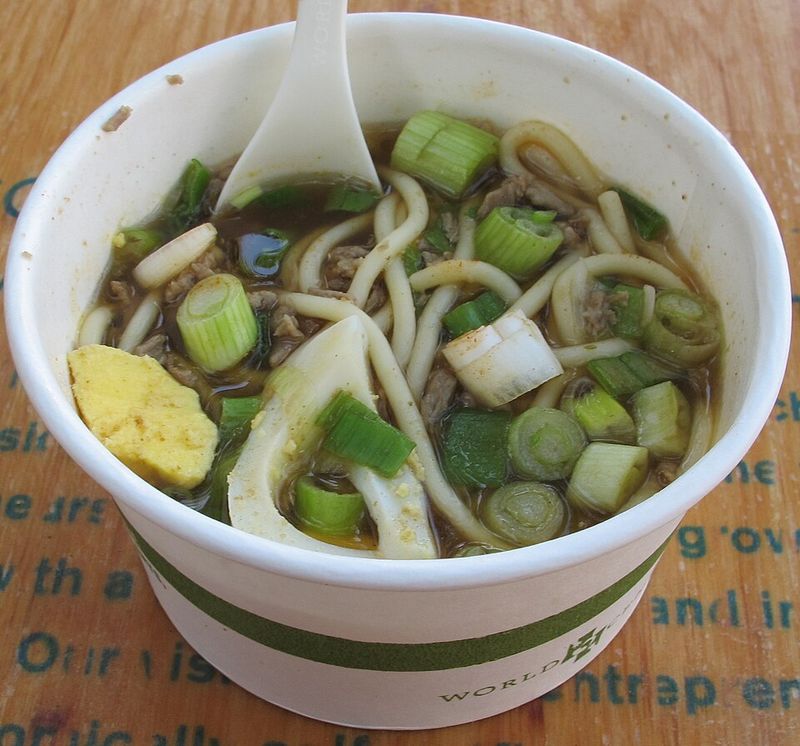
Yakamein is one of those dishes that stops you mid-sentence the moment you taste it.
New Orleans locals call it Old Sober, which tells you everything you need to know about its legendary reputation for making people feel better. It looks like it might be related to ramen, and honestly, the comparison is not that far off.
Chinese immigrants likely introduced this style of noodle soup to New Orleans in the 1800s, using spaghetti noodles because that was what was readily available. African American communities embraced it warmly and made it entirely their own.
Over time, Creole spices worked their way into the broth, creating a flavor profile that exists nowhere else on earth.
A bowl of yakamein typically features noodles, tender braised beef, a hard-boiled egg, and a deeply savory, spice-laced broth.
Many families guard their specific spice blends like prized family heirlooms. Fresh green onions are the classic topping, adding a bright contrast to the rich broth.
Yakamein is a perfect example of how New Orleans absorbs cultural influences and transforms them into something completely original and entirely its own.
7. Cochon De Lait
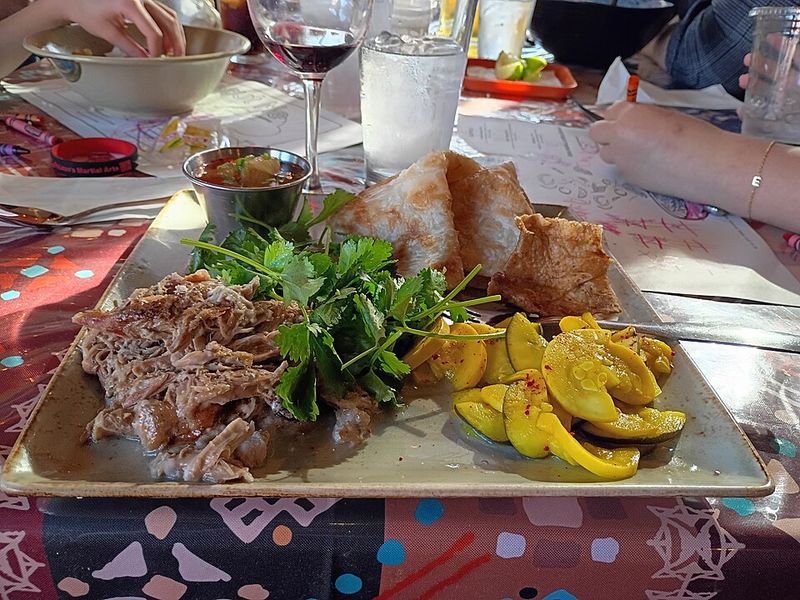
Cochon de lait is not just a meal; it is a full-on event that brings entire communities together around a fire. The name translates from French to suckling pig, and the dish involves slow-roasting a whole young pig over an open hardwood fire for hours.
The patience required is enormous, but the payoff is absolutely worth every single minute.
This tradition has been alive in Louisiana’s Cajun Country for well over a century. German settlers who arrived around 1690 may have helped introduce the practice, which then blended beautifully with Cajun cooking culture.
The pig is seasoned generously inside and out, and an herbed liquid is often injected to keep the meat incredibly moist during the long cooking process.
The roasting can take anywhere from six to nine hours, during which the skin transforms into a shatteringly crisp, golden shell. The meat inside becomes fall-apart tender and deeply flavored.
Thin slices are served with rich gravy, on a plate, or tucked into a po’boy.
Mansura, Louisiana, proudly calls itself La Capital du Cochon de Lait, hosting an annual festival that celebrates this beloved culinary tradition in the grandest way possible.
8. Dirty Rice
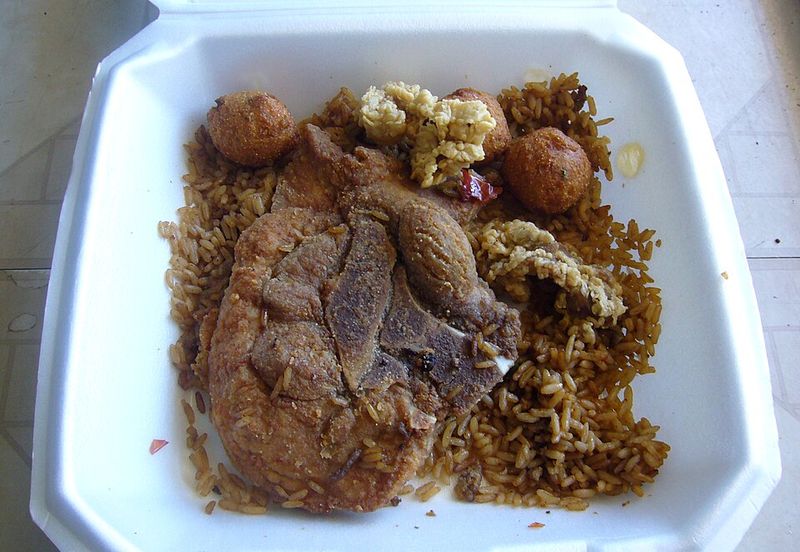
The name might raise an eyebrow, but one bite of dirty rice and all skepticism disappears instantly. This Cajun classic earns its colorful name from the finely chopped meats cooked right into the rice, giving it that distinctive, appetizing darker color.
It is one of the most deeply flavorful rice dishes in all of American cooking.
Dirty rice has roots tied to enslaved people in southern Louisiana, who used white rice and available meat scraps to create something nourishing and incredibly satisfying.
Organ meats like liver and gizzards were traditional additions, and their broth is what originally darkened the rice and gave the dish its signature look. Over time, the recipe evolved to include ground pork, beef, or chicken as more accessible options.
The Holy Trinity of onion, celery, and green bell pepper forms the aromatic base, while cayenne and black pepper deliver the heat.
Fresh parsley and green onions brighten every serving. Some culinary purists still argue that true dirty rice requires organ meats for authenticity, and they make a compelling case.
Whether traditional or modern, dirty rice remains a cornerstone of Louisiana cooking that belongs on every table.
9. Shrimp Remoulade
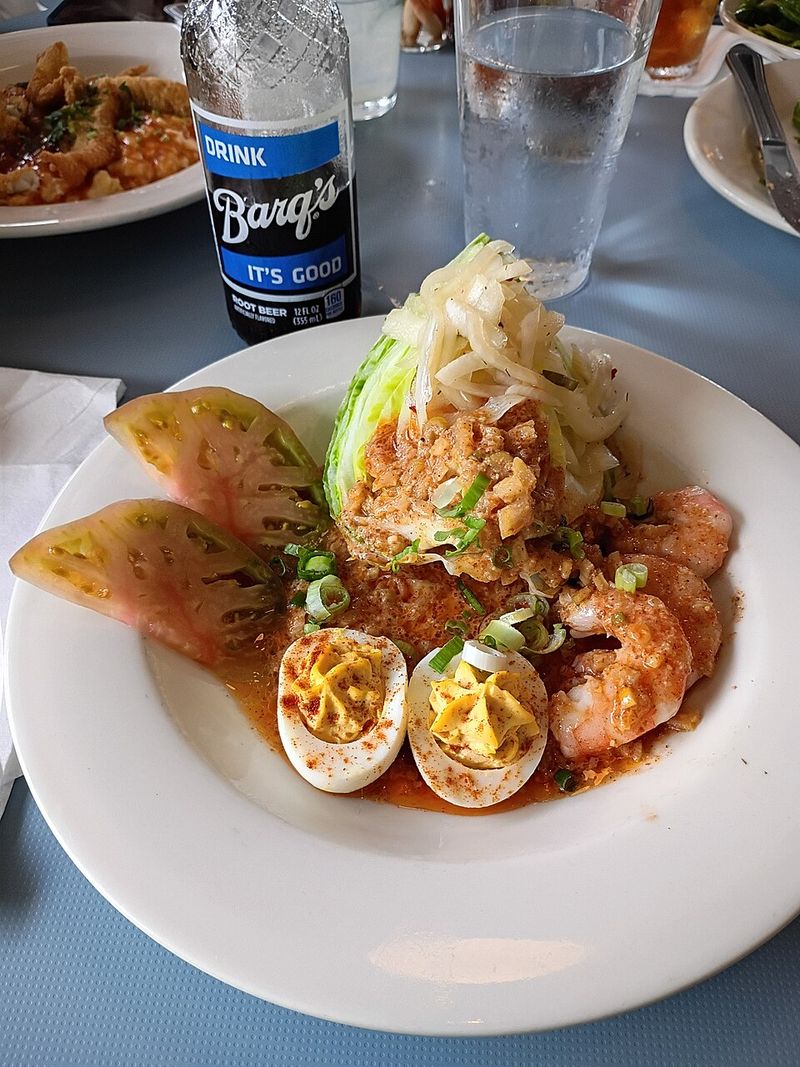
Shrimp remoulade is the kind of appetizer that makes everything else on the menu feel slightly less exciting. Cool, perfectly poached shrimp sitting on crisp lettuce, drenched in a tangy, zesty sauce that hits every flavor note at once.
It is elegant and bold at the same time, which is very New Orleans.
The sauce traces its origins back to 17th-century France, where remolat referred to horseradish. French settlers brought the concept to Louisiana, and New Orleans chefs ran with it in the most spectacular direction.
Early versions were mayonnaise-based, but the warm Louisiana climate inspired a shift toward a lighter oil and vinegar base with Creole mustard and paprika giving the sauce its gorgeous ruddy color.
Arnaud’s restaurant introduced its legendary version in 1918, and Galatoire’s has been serving its own iconic take since 1905. Both are institutions in the New Orleans dining world.
The sauce typically features mayonnaise, mustard, horseradish, celery, green onion, and parsley for a fresh, punchy finish.
Served cold, this dish is a refreshing and vibrant celebration of Louisiana’s Creole heritage, and it is nearly impossible to find done this well anywhere outside the South.
10. Mirliton Dressing
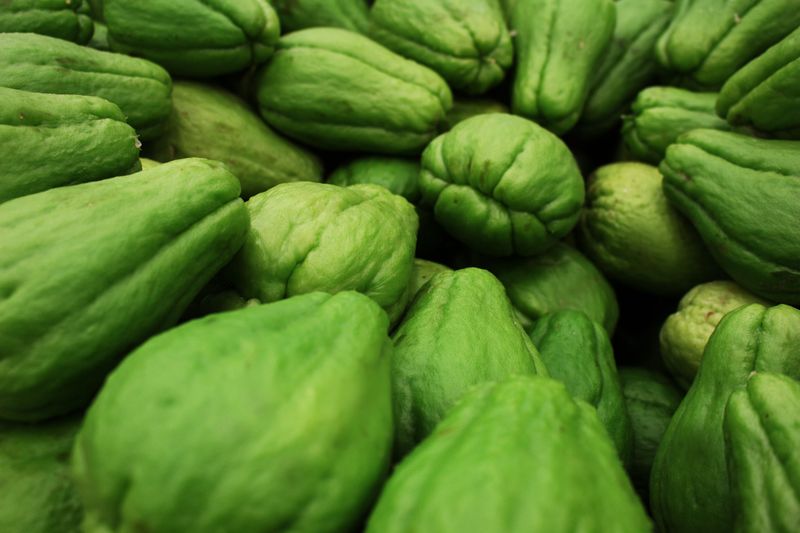
Mirliton dressing is the kind of dish that shows up at holiday meals and immediately becomes the thing everyone is talking about.
Mirliton, also known as chayote or vegetable pear, is a mild, slightly watery squash with hints of cucumber and zucchini. It has been a quiet staple of New Orleans cooking since the mid-1700s, arriving possibly through Spanish or Haitian French influence.
The name mirliton is used almost exclusively in Louisiana and Haiti, which tells you just how geographically specific this vegetable really is. It grows beautifully in Louisiana’s humid climate, and backyard mirliton vines were once a common sight throughout New Orleans neighborhoods.
Community groups still actively work to preserve heirloom varieties of this cherished squash.
The dressing is made by combining cooked, scooped mirliton flesh with the Holy Trinity, cornbread, and generous amounts of shrimp or crabmeat. Ground pork is another popular addition.
Everything gets baked together until the top turns a gorgeous, crispy golden brown.
The result is savory, hearty, and completely unlike anything you will find outside Louisiana. It is a holiday tradition that deserves a permanent spot at every festive table.
11. Cane Syrup Pie
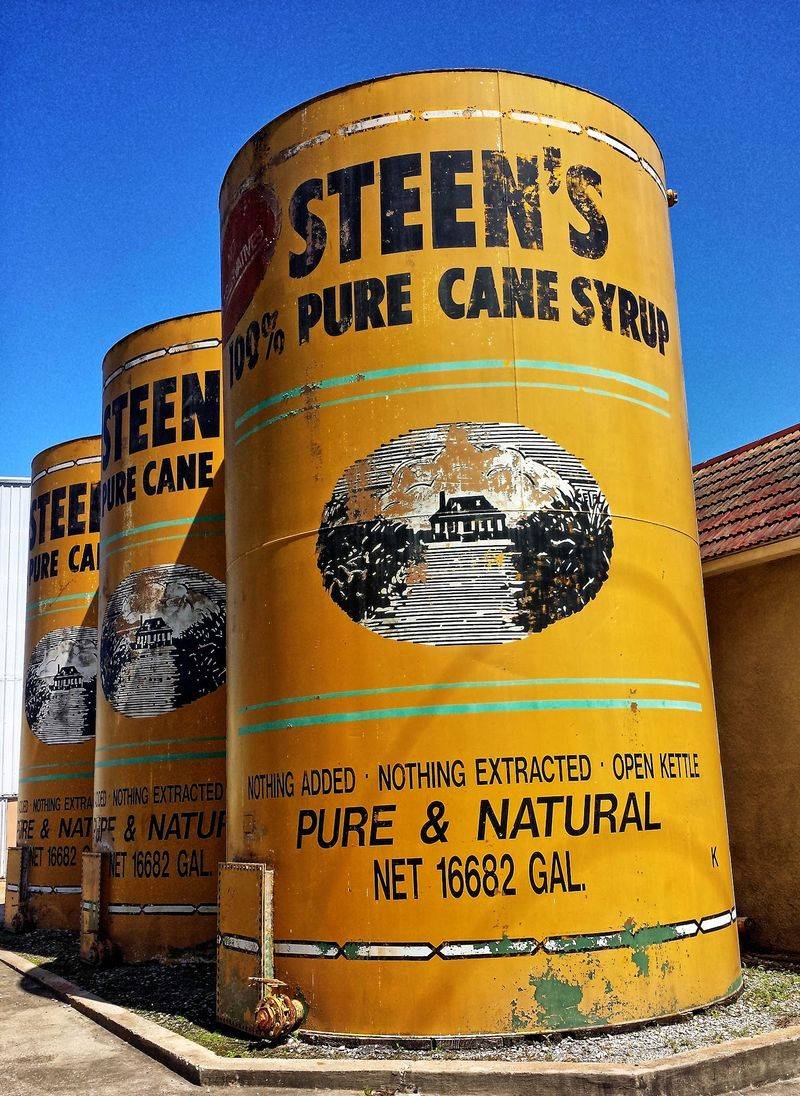
Before refined sugar became a kitchen staple, Louisiana home bakers were already creating magic with cane syrup, and cane syrup pie is their greatest achievement.
This pie is a celebration of Louisiana’s deep agricultural roots in sugar cane farming, and every bite carries that history in the most delicious way possible. It is sweet, rich, and completely Southern.
The syrup itself has a molasses-like depth with a cleaner, more refined finish that sets it apart from other sweeteners. Steen’s Cane Syrup Mill is the most well-known producer and has been supplying Louisiana kitchens for generations.
The filling combines eggs, sugar, flour, butter, vanilla, and warm spices like cinnamon, with a pinch of salt to balance the sweetness perfectly.
Toasted pecans are often folded into the filling, adding a nutty crunch that contrasts beautifully with the dense, custardy texture.
Some versions include lemon zest or buttermilk for a subtle brightness. The pie bakes into something gloriously simple and deeply satisfying, best enjoyed at room temperature with nothing else needed.
Cane syrup pie is a true Southern dessert that carries the warmth of Louisiana’s land and its people in every single slice.
12. Calas
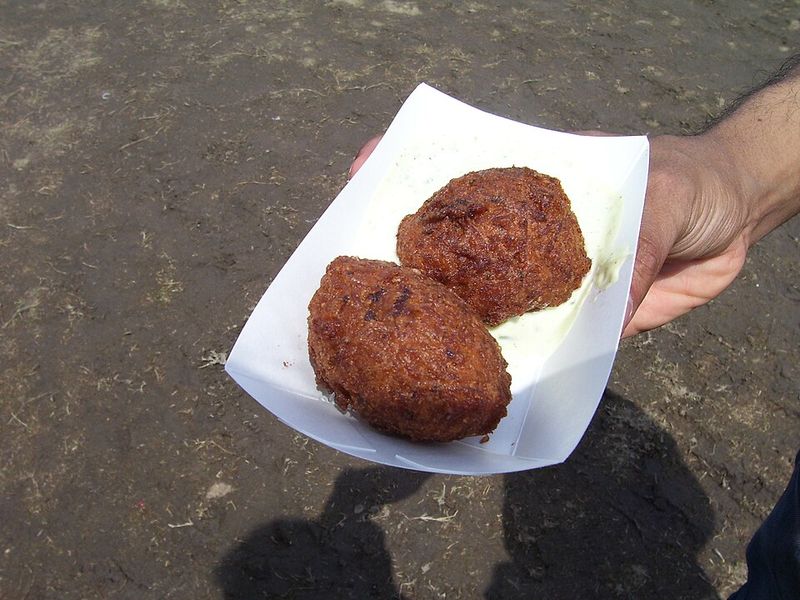
Calas are one of the most historically significant foods in all of New Orleans, and yet most people outside Louisiana have never even heard of them.
These golden, crispy rice fritters are sometimes called Creole rice doughnuts, and they carry a story that is as powerful as their flavor. Their origins trace back to enslaved Africans who came from rice-growing regions of West Africa.
The name calas likely comes from the Nupe word kara, meaning fried cake. Historically, vibrant street vendors known as calas women sold them hot through the streets of New Orleans, calling out “Bel calas tout chauds!” which means beautiful calas, very hot.
Selling calas was a means of economic survival, and for some, a path toward purchasing freedom.
The batter is made from cooked rice, eggs, sugar, yeast, and a warm touch of nutmeg, then fried until each fritter achieves a perfect golden crust.
Powdered sugar dusted on top makes them irresistible. By 1940, calas had mostly faded from street food culture as French beignets rose to prominence.
But calas are still lovingly made in homes for special occasions, preserving a legacy that deserves to be celebrated far and wide. Have you ever tasted something that felt like history?