
This Illinois River Town Pairs A Historic Lock And Dam With A Bald Eagle Overlook You Can Watch From Shore
A few miles southeast of Utica, Illinois, one riverside stop gives you two very different things to watch: a lock and dam that has been moving river traffic since 1933, and bald eagles that show up in winter to hunt the open water below it. The Illinois Waterway Visitor Center at Starved Rock Lock and Dam sits along the Illinois River and lets you observe both without needing a boat or a guided tour reservation.
Getting there takes some planning, but the combination of working history and winter wildlife makes it a worthwhile cold-weather day trip for anyone in the region.
The outing starts near Utica, not in an official eagle overlook
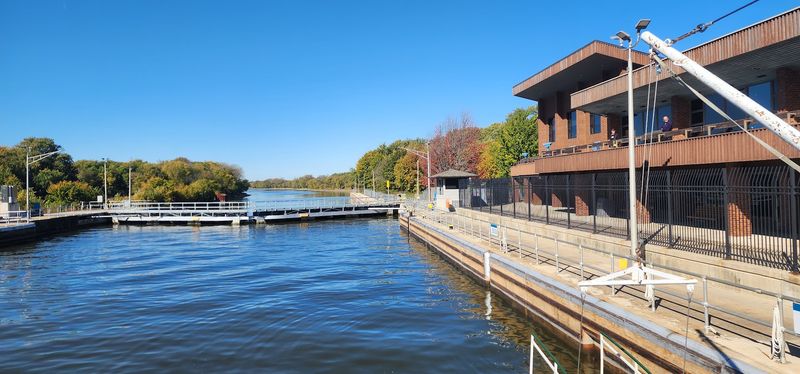
Head southeast of Utica on a winter morning and you will eventually find the Illinois Waterway Visitor Center at Starved Rock Lock and Dam, sitting along the Illinois River at 950 N. 27th Road, Ottawa, Illinois. The mailing address puts it under Ottawa, but most travelers associate the stop with Utica, which is roughly 1.5 miles to the northwest.
Neither label is wrong, but do not expect to stumble onto it while walking through downtown Utica.
The facility offers two linked experiences in the same riverside setting. The U.S.
Army Corps of Engineers describes the visitor center as a place where you can learn about the Illinois Waterway, watch the lock and dam operate, observe towboats moving through, and use a wildlife-viewing area during winter months when bald eagles tend to gather near open water.
One thing worth clarifying before you go: the phrase “bald eagle overlook” does not refer to an officially named facility at this location. Illinois DNR identifies several shore-based viewing locations in the area rather than a single designated overlook.
Think of it as a cluster of shoreline viewpoints spread across the visitor center and nearby park areas, not one marked platform with a sign above the door.
Eagles can appear at any time of year along the Illinois River, but winter is when conditions most reliably bring birds close enough to spot from shore. Sightings are an opportunity, not a promise.
Arriving with that expectation lets the visit feel rewarding whether you count three eagles or none at all.
Starved Rock Lock carries 1933 history into a working waterway
Starved Rock Lock opened in 1933, making it one of the older navigation structures still operating on a major American inland waterway. Its age alone gives the stop a sense of weight that a newer facility simply cannot match.
Standing near the lock and watching a towboat settle into the chamber connects you to a system that has been moving commercial cargo across Illinois for nearly a century.
A Corps of Engineers fact sheet on Starved Rock Lock and Dam explains that the structure was among five locks originally begun by the state of Illinois and later completed by the federal government after the Corps took over the project. That handoff from state to federal management shaped the entire Illinois Waterway into the coordinated navigation corridor it remains today.
Calling the lock historic is accurate in the plain sense of the word: it opened during the Great Depression, it carries genuine engineering history, and it has supported commercial navigation without interruption across nearly nine decades. What the available documentation does not establish is a formal National Historic Landmark or National Register of Historic Places designation, so those specific labels should be set aside unless separate records confirm them.
The more important point for visitors is that this is not a static museum exhibit. The Corps notes that Starved Rock Lock operates around the clock, 365 days a year, to keep the waterway open for navigation.
Watching a working lock cycle through its process, lifting or lowering a loaded barge by several feet of water, is a kind of industrial theater that most people never see up close. That active operation is exactly what makes the stop interesting.
What visitors can watch—and what requires advance planning
Arriving at the Illinois Waterway Visitor Center without a reservation still gives you plenty to do. The Corps lists regular hours as 9 a.m. to 5 p.m., seven days a week, with closures on Thanksgiving, Christmas, and New Year’s Day.
Those hours cover the interpretive exhibits inside and the public viewing areas where you can watch the lock and dam work in real time.
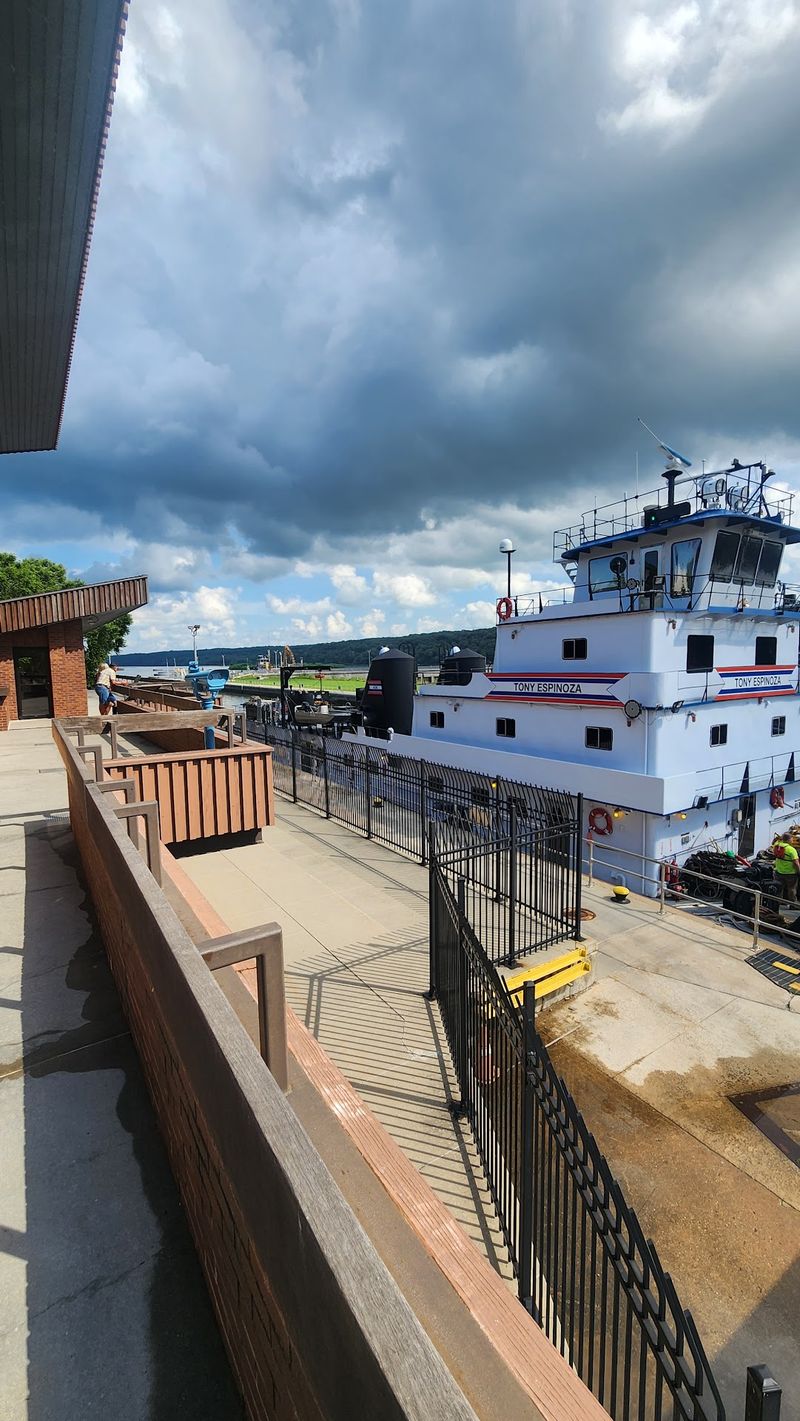
From the visitor center, you can observe towboats and barges moving through the lock chamber, study the dam structure from a safe public vantage point, and use the wildlife-viewing area during winter months. The Corps describes the facility’s dual role as both an educational resource about the Illinois Waterway and an observation point for the working navigation infrastructure below.
That combination means a drop-in visit has genuine content even on a quiet day when no barges are in the chamber.
Ranger-led tours and formal educational programs are a different matter. Those experiences require reservations made in advance, and they are not available to every walk-in visitor on any given day.
If a guided tour is the main reason you are making the drive, contact the visitor center before you leave home to confirm availability and scheduling.
One distinction that often catches visitors off guard: the lock operates 24 hours a day because commercial navigation does not stop for the night, but that around-the-clock schedule applies to the navigation infrastructure, not to visitor-center access or public programming. The Starved Rock Lock and Dam page confirms the continuous navigation operation, while the visitor center itself follows its own separate schedule.
Arriving after 5 p.m. and expecting an open building will lead to disappointment, so plan accordingly.
Why open water below the dam can attract winter eagles
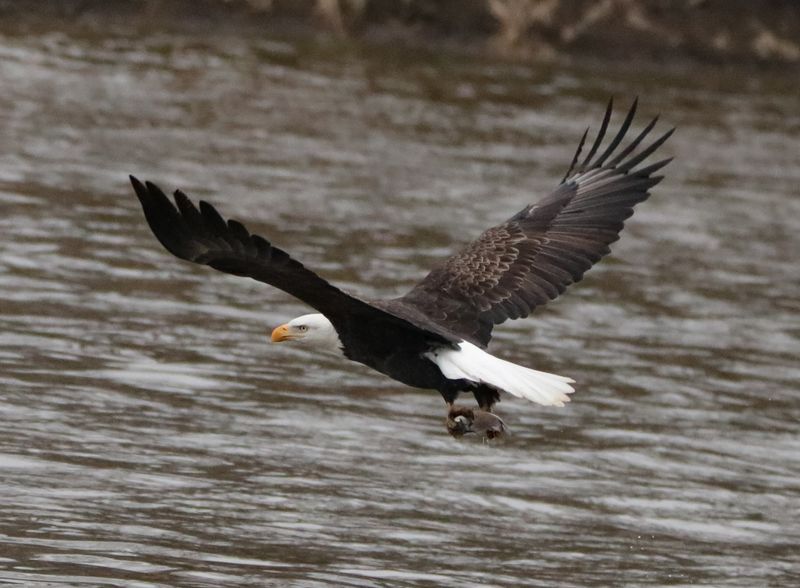
Cold weather is hard on eagles for one practical reason: ice covers the water and seals off the fish below. When a river freezes over, birds that depend on fishing have to relocate to wherever open water remains.
That is where a working dam earns its place in the eagle-watching story.
The Corps explains that turbulence below Illinois River locks and dams can keep sections of the river from freezing even during sustained cold stretches. Moving, churning water resists ice formation, and the fish that eagles depend on remain accessible in those open stretches.
When the surrounding river is locked under ice, the area below the dam can become one of the few reliable places to find exposed water and active fish in the vicinity.
That ecological connection is real, but it is worth stating plainly: the dam does not produce eagles or guarantee their presence. It creates conditions that can make the area more attractive to birds already wintering along the Illinois River.
Whether eagles actually show up on a given day depends on factors the dam cannot control, including temperature trends, fish activity near the surface, and how much disturbance is present along the bank.
Bald eagles are also more flexible in their diet than their fishing reputation suggests. Cornell Lab of Ornithology notes that bald eagles eat birds, mammals, and carrion in addition to fish, and they will take whatever prey is available and easiest to catch.
A bird perched in a cottonwood along the bank may not be hunting fish at all. Watching for that variety of behavior, rather than waiting specifically for a dramatic fishing strike, keeps the experience engaging regardless of what the eagles decide to do.
Shoreline locations for eagle viewing
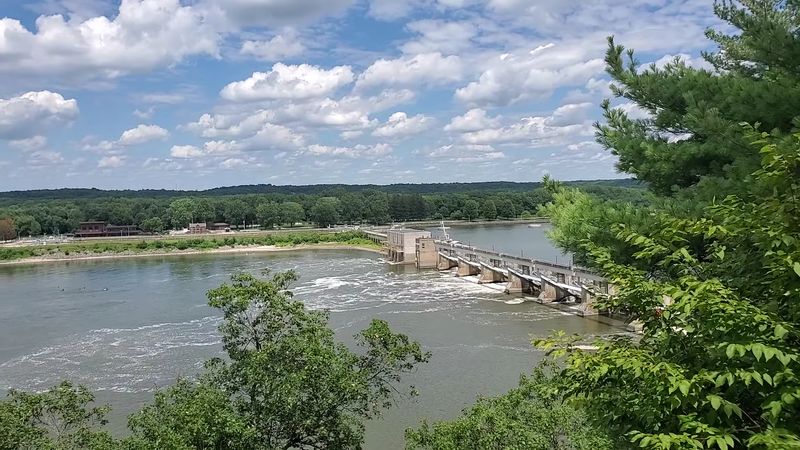
Several shore-based spots near the lock and dam give you a reasonable chance of spotting eagles without requiring a boat or access to restricted infrastructure. Illinois DNR identifies the Illinois Waterway Visitor Center, the Starved Rock butte, and the seawall near the park visitor center as locations where eagles have been observed during January.
Each of those spots offers a different angle on the river and the water below the dam, so moving between them during a visit can improve your overall chances of a sighting.
The visitor center viewpoint puts you close to the lock and dam infrastructure with the open water visible below. The Starved Rock butte offers elevation and a broader river view, though reaching it requires a trail walk through the state park.
The seawall near the park visitor center provides a flat, accessible position along the riverbank with a clear line of sight to the water.
Eagles can be seen along the Illinois River at any point in the year, but concentrations near the lock and dam tend to increase when colder temperatures push ice across more of the river. The Corps generally frames mid-December through early March as the stronger window for eagle watching along the Illinois Waterway, with January and February typically producing the most activity.
Weather plays a significant role: a mild winter with little ice may scatter birds more widely, while a hard freeze that covers most of the river can concentrate eagles near the few open patches that remain.
Treating those months as a general planning guide rather than a strict calendar helps set reasonable expectations. An early December visit after a cold snap may produce better viewing than a calm mid-January afternoon.
Flexibility in timing, combined with patience once you arrive, gives you the best realistic shot at seeing birds actively working the water.
A safe winter visit depends on distance and current conditions
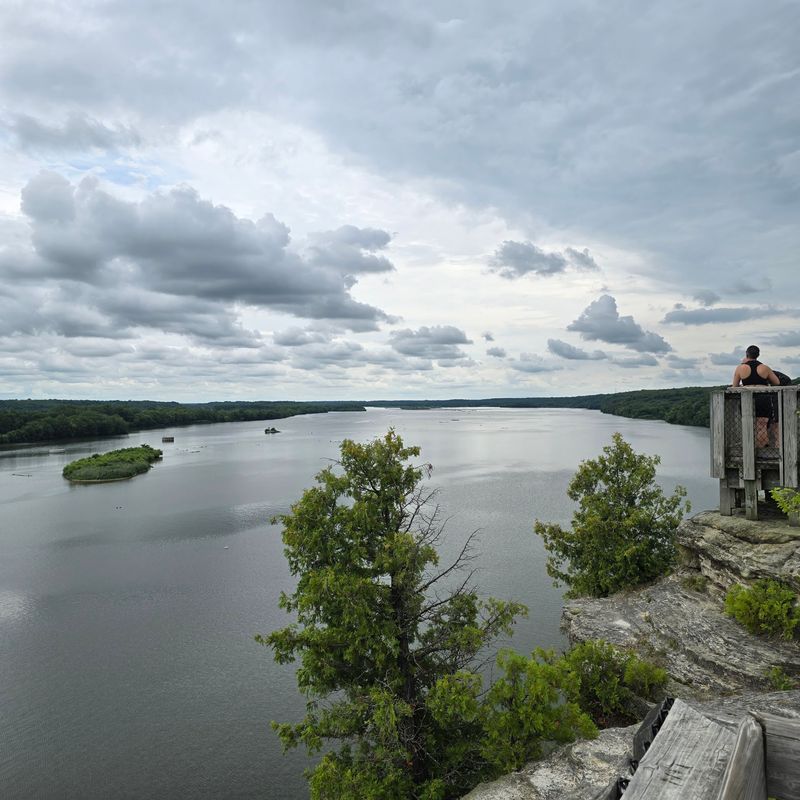
Binoculars or a spotting scope belong in your bag before you leave home. Eagles perched in riverside trees or cruising above the water are often farther away than they look in photographs, and getting a satisfying view from shore almost always requires optics.
A 10×42 binocular handles most situations well; a spotting scope on a tripod gives you more reach if you plan to stay in one spot for an extended period.
Warm, layered clothing is equally non-negotiable. Riverside viewpoints in January and February expose you to wind off the water, and standing still while scanning for birds means your body temperature drops faster than it would on a hike.
Waterproof footwear with traction is worth the extra effort given that overlooks and riverbank paths can carry ice or packed snow during the core winter season.
Federal bald eagle management guidelines treat disturbance seriously, and the practical rule for shore-based viewers is simple: stay in designated public areas, keep your distance, and use your optics instead of your feet to close the gap. Crossing barriers, walking onto ice, or moving toward the riverbank beyond marked boundaries puts both you and the birds at risk.
Drones are off the table entirely. Illinois DNR prohibits drones at Starved Rock State Park because of concerns for visitor safety and wildlife, and that prohibition applies year-round regardless of what you hope to photograph.
Before making the drive, check both the Corps visitor center page and the Illinois DNR Starved Rock trail closure updates for current conditions. As of mid-2026, DNR reported trail construction and closures affecting portions of Starved Rock State Park beginning July 20, 2026, while the visitor center, lodge, and campground remained open.
Construction timelines shift, so confirming what is accessible before you arrive saves a frustrating surprise at the trailhead. Check the Starved Rock Lock and Dam page as well for any operational notices that could affect public access to viewing areas.
One riverside stop delivers history and seasonal wildlife
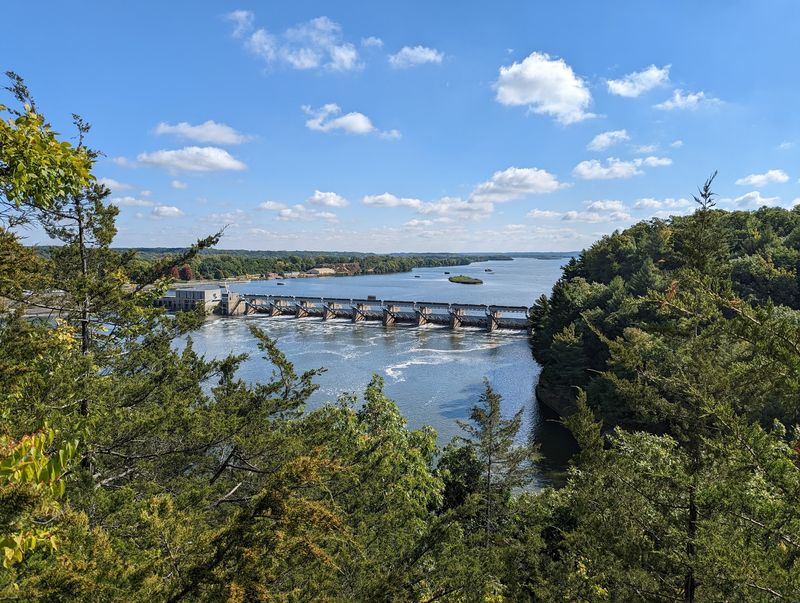
Pairing a working 1933 navigation lock with shore-based eagle-viewing opportunities in the same riverside area is what makes this stop genuinely worth the drive. You do not need separate destinations or two different days.
The Illinois Waterway Visitor Center puts both experiences within walking distance of each other, which is a practical advantage for anyone planning a day trip from Chicago, the Quad Cities, or anywhere else in the region.
Plan the visit for the mid-December through early March window identified by the Corps as the stronger eagle-watching period, allow extra time to simply watch the water, and confirm current hours and trail access before leaving. Illinois DNR reminds visitors that eagle presence depends on weather and ice, so treat any sighting as a bonus rather than a scheduled event.
A lock chamber filling with water on a cold gray morning is worth the trip on its own terms.