
This Washington Coastline Turns A Shovel And A Low Tide Into Dinner
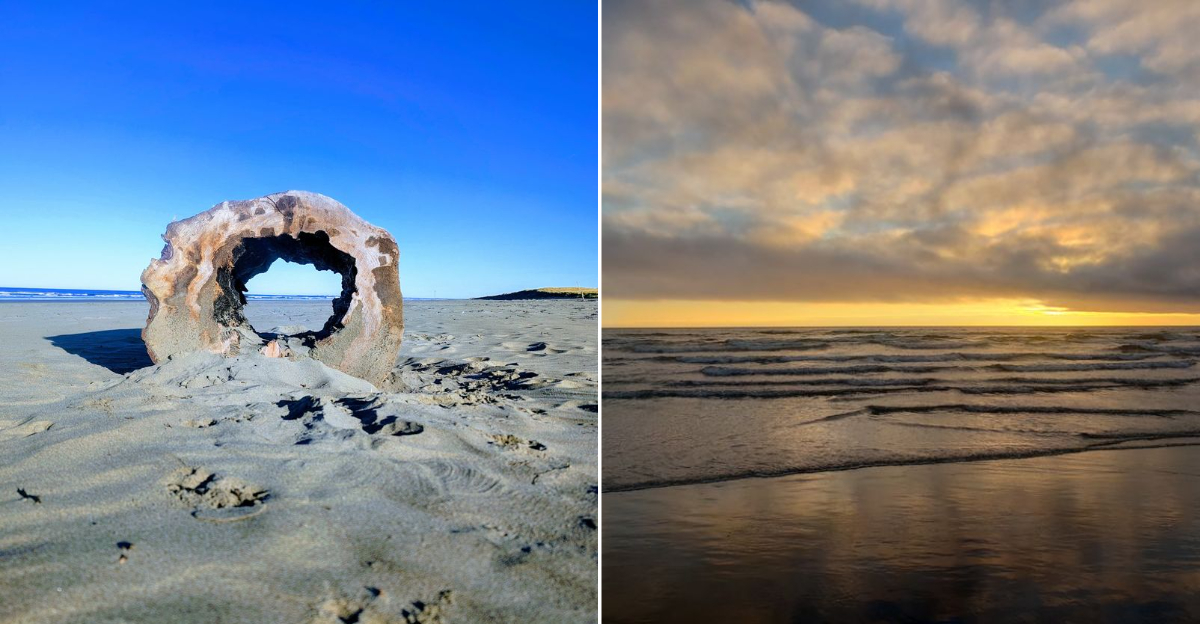
I’ve made a lot of questionable life choices in my day, but standing knee-deep in freezing surf with a gardening shovel has got to be a personal best. My obsession started innocently enough.
I heard whispers of an underground treasure trove hidden right beneath our feet along the Washington shore, and my competitive spirit took the wheel.
There’s an intoxicating thrill that hits you the second you spot a tiny “keyhole” in the sand, knowing there’s a sneaky little razor clam plotting its escape below.
You have to stab the sand with your shovel at just the right angle, dig like your life depends on it, and grab before they vanish into the murky depths. It’s messy, it’s chaotic, and it’s arguably the most fun you can legally have in Washington.
By the time I finally secured my dinner, I was muddy, exhausted, and hopelessly addicted.
Where The Two Harbors Meet The Open Pacific
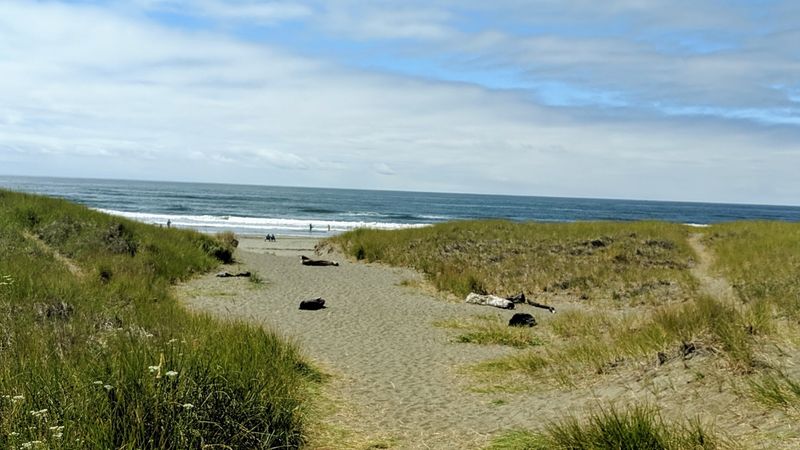
Squeezed between Grays Harbor and Willapa Bay, this stretch of Washington shoreline earned its name honestly. The official title is Twin Harbors State Park, and you will find it at 3120 WA-105, Westport, WA 98595, in Grays Harbor County, roughly four miles south of town.
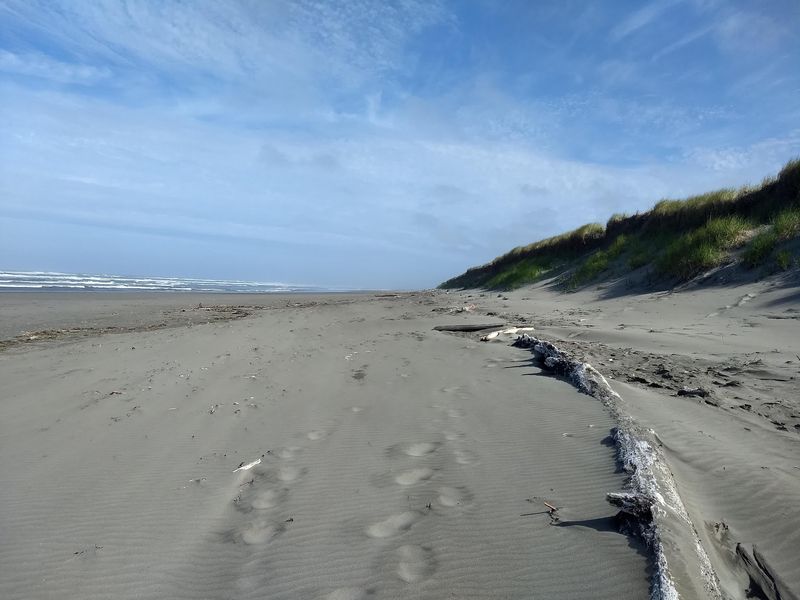
What struck me first was the sheer width of the sand. At low tide the beach opens up into a shining flat plain, edged by grassy dunes on one side and the steady gray Pacific on the other.
Behind those dunes sits a pocket of coastal forest, so you can go from windswept to sheltered in about two minutes of walking. Driftwood logs lie scattered like someone tipped over a giant box of pencils, and the shoreline runs farther than my legs ever wanted to follow.
Highway 105 makes access simple, which means you can be barefoot on the sand minutes after parking. For a park this easy to reach, it feels surprisingly wild once the parking lot disappears behind the beach grass.
Razor Clamming, The Main Event
Nothing turns a quiet beach into a buzzing scene faster than an open razor clam season. I have stood on this sand with dozens of other diggers spread out at the waterline, everyone hunched over, watching for the telltale dimple that means a clam is just below.
Timing is everything. The best digging happens one to two hours before the listed low tide, so I plan my whole day backward from the tide table.
Rules matter here, and they are strict for good reason. Anyone 15 and older needs a valid Washington shellfish license, the daily limit is 15 clams per digger, and you must keep the first 15 you dig no matter their size or condition.
The Washington Department of Fish and Wildlife sets the season dates and tests for marine toxins, so checking their site before driving out is not optional. Come prepared, dig fast, and dinner practically walks itself into your bucket.
Gear That Actually Earns Its Keep
My first clamming trip taught me an expensive lesson: cotton is a poor choice on the Washington coast. Rubber boots, waterproof pants, and a hooded rain shell moved straight to the top of my packing list after one soaking.
Tool choice sparks friendly debate on the sand. Some diggers swear by the aluminum clam gun, a tube you push down and pull up with a plug of sand inside, while others prefer the narrow clam shovel and a quick wrist.
I bring both, plus a mesh bag or bucket that lets seawater drain out. A headlamp is essential for evening low tides, and I always tuck a towel and dry socks in the car for the ride back.
Layers deserve special mention because coastal weather flips fast. Sunshine can turn into wind and drizzle within an hour, and being comfortable is the difference between staying for the whole tide or retreating early with half a limit.
Beachcombing After The Waves Pull Back
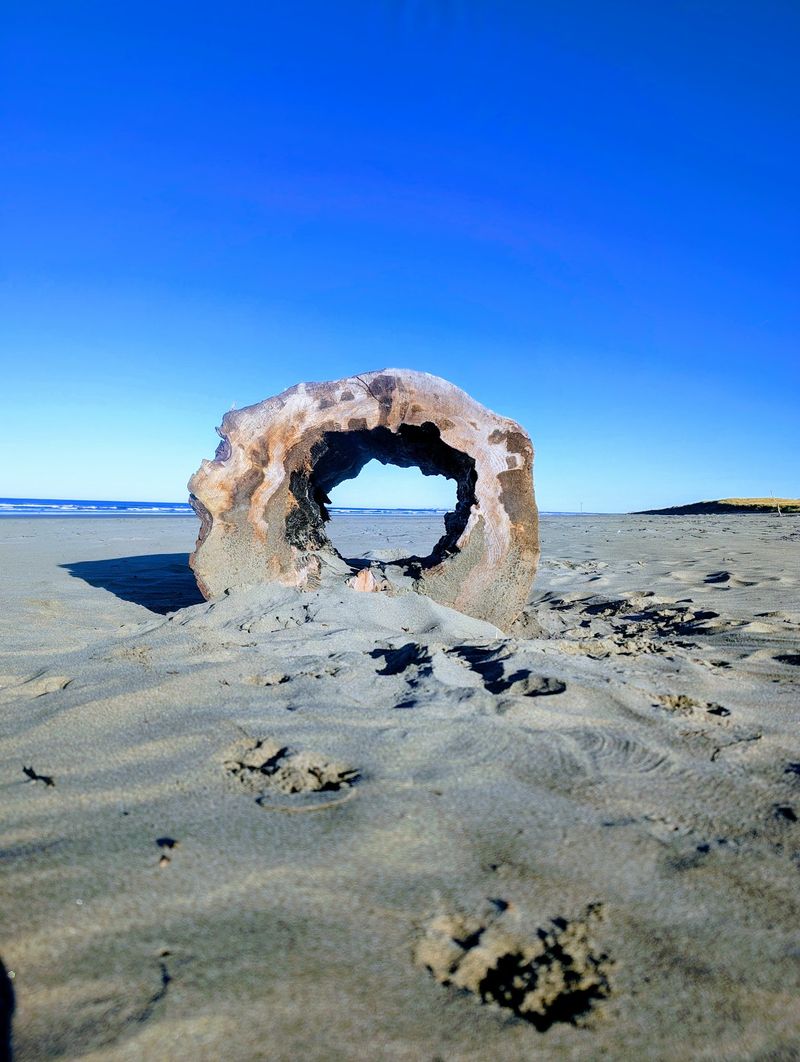
Some of my favorite hours here had nothing to do with clams. Once the tide slides out, the beach becomes a slow-motion scavenger hunt of shells, sand dollars, crab parts, tangled kelp, and driftwood polished smooth by the surf.
Kids treat it like a museum with no ropes. I watched one family fill a sandcastle moat with sand dollars while their dad hunted for the perfect skipping stone that the Pacific refuses to cooperate with.
Tidepools appear in the rocky pockets and around structure, holding small crabs, anemones, and creatures that vanish the second a shadow passes over them. Crouch low, move slowly, and put everything back where you found it.
Driftwood needs a word of caution. Big logs shift with the water and can be slippery, so I keep a respectful distance from anything half floating.
Pack a bag for your finds and a second one for trash, because the beach gives generously and deserves the same in return.
Kites, Surf Fishing And Salty Fun
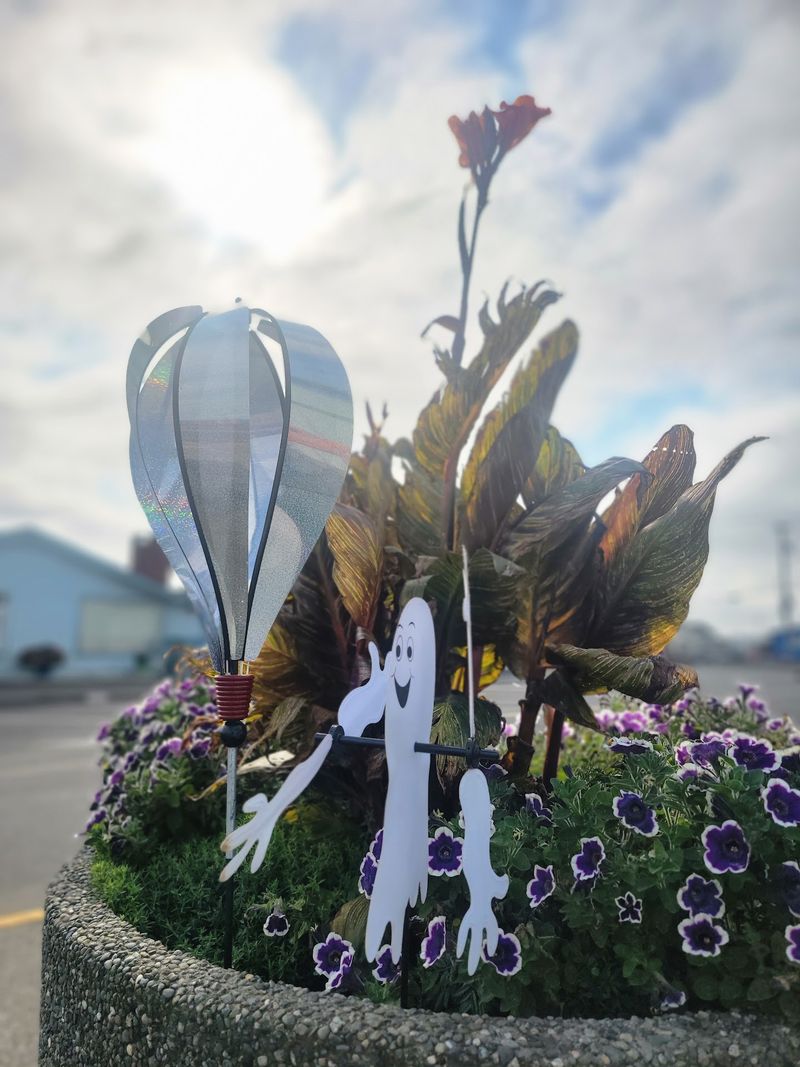
Wind is basically a permanent resident on this coast, and locals put it to work. On breezy afternoons the sky fills with kites, from simple diamonds to long rainbow streamers that snap and hum overhead.
Anglers claim their own patch of shoreline. Surf fishing here is a patient sport, with rods propped up and folks watching the swell while gulls supervise from a polite distance.
Surfers show up too, mostly closer to Westport, but the ocean here has enough energy to keep boards busy. I stuck to wading, which was cold enough to make me appreciate my boots.
Sandcastle building might be the most underrated activity on the whole beach. The damp sand near the waterline holds shape beautifully, and the tide provides a free demolition crew later.
Bring a football, a kite, or nothing at all. Between wind, waves, and wide-open space, boredom struggles to get a foothold out here.
Dune Paths And The Shifting Sands Trail
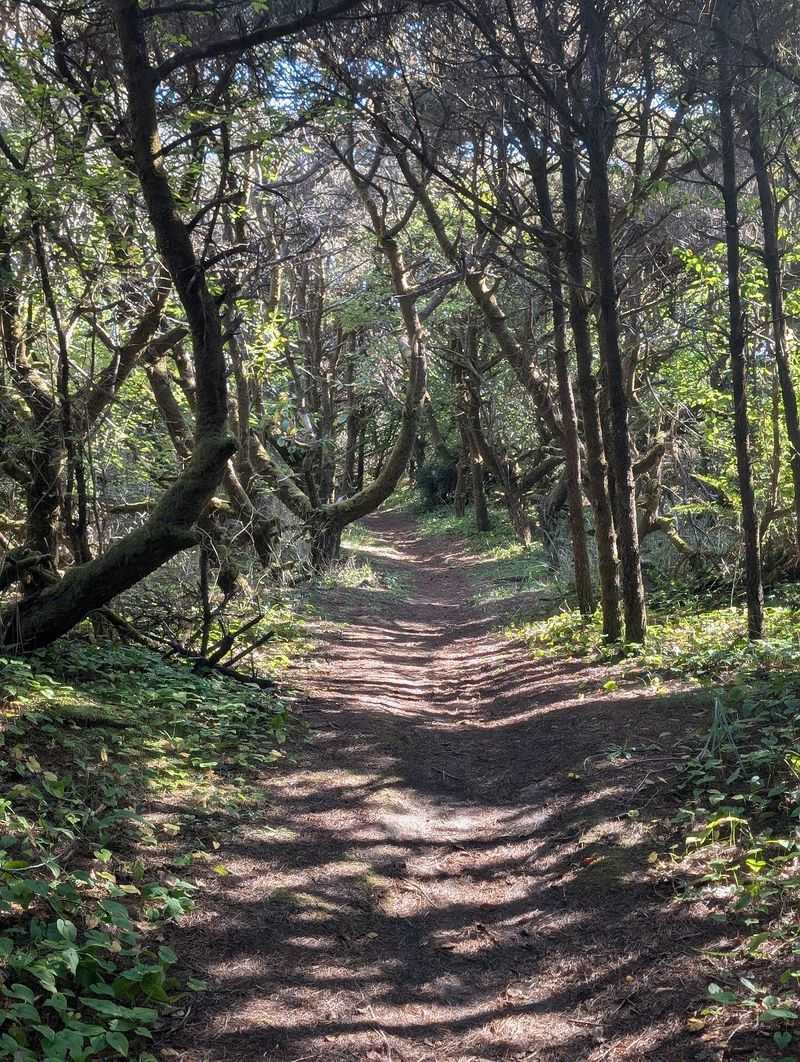
Walk away from the surf and the soundtrack changes. Wind noise fades, and the dune paths lead into a quiet coastal forest where twisted pines lean away from the ocean like they are still bracing for the last storm.
The Shifting Sands Trail is the one I recommend to everybody. Short, easy, and dotted with interpretive signs, it explains how dunes form, why beach grass matters, and how this whole landscape keeps rearranging itself.
Stick to marked paths. Dune plants hold the sand in place and nesting snowy plovers need undisturbed space, so posted closures are worth respecting.
Footwear makes a difference. Soft sand and forest duff are far more pleasant in closed shoes than in flip-flops, as my sandy toes once discovered.
Time it right and you might spot river otters or hear Roosevelt elk moving somewhere in the brush. Ten minutes of walking buys a completely different version of the same park.
Whales, Seals And Feathered Locals
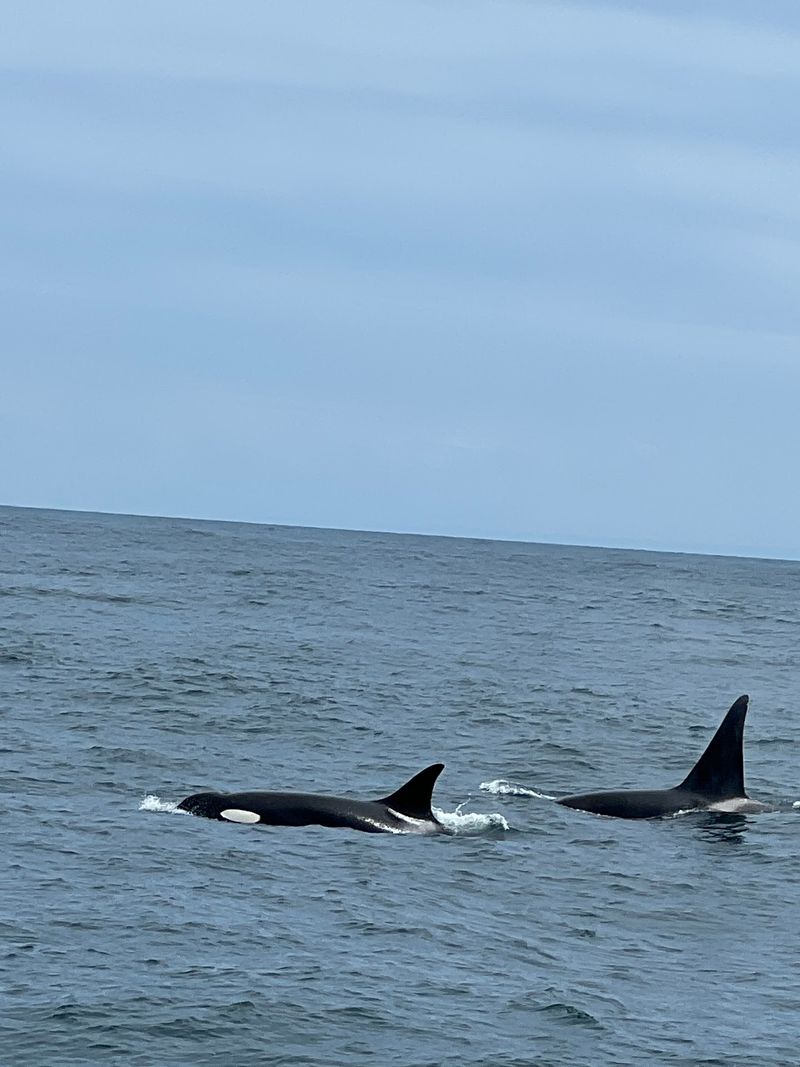
Spring and fall bring the biggest visitors of all. Gray whales pass offshore on their migration, and spotting one is usually a matter of watching the horizon long enough to catch a misty spout catching the light.
I keep binoculars in my jacket pocket for exactly that reason. Harbor seals bob in the surf like curious swimmers, and sea lions occasionally bark from somewhere out of sight.
Shorebirds run the beach as if they own it. Flocks sprint along the waterline in perfect unison, probing the sand between waves with impressive nerve.
Inland, Roosevelt elk and river otters make surprise appearances near the forest edge, usually early in the morning when the park is still half asleep.
Snowy plovers nest in the dunes, which is why those posted areas stay off limits. Keeping your distance costs nothing and lets the next visitor enjoy the same wildlife show you did.
Camping, Passes And Smart Planning
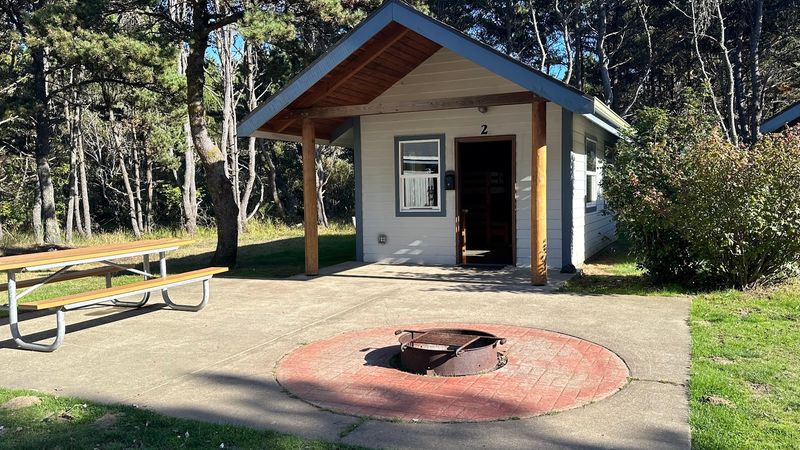
Staying overnight changed how I experienced this place. Waking up already at the coast meant I could stumble out for a pre-dawn low tide without a long drive first.
The campground offers tent spaces, RV sites, yurts, and cabins tucked among coastal trees. Summer weekends and open clam seasons book up fast, so I reserve early and never regret it.
Day visitors need a Discover Pass displayed in the vehicle. Parking can fill quickly during peak times, which is one more reason arriving early pays off.
Dogs are welcome in most outdoor areas on a leash, and cleaning up after them is simply part of the deal. Trash goes in bins, not in the dunes.
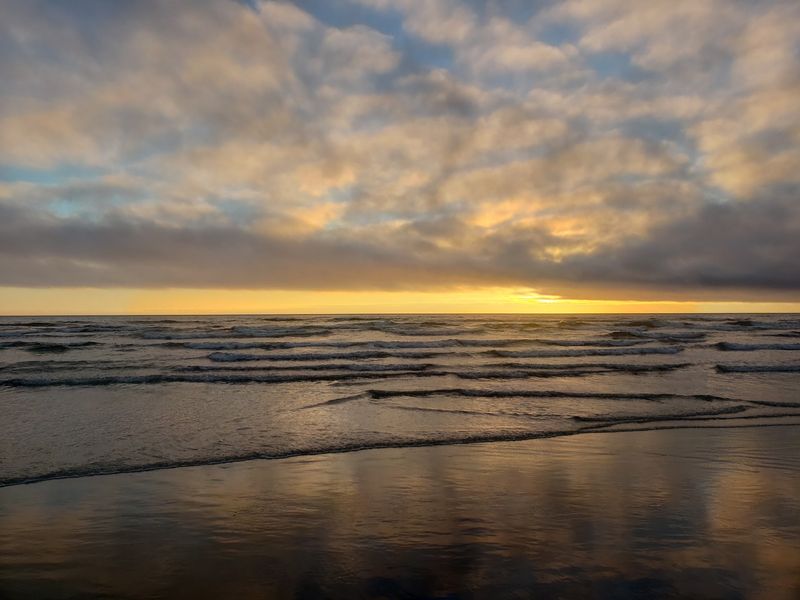
Worth knowing before you go: vehicles are no longer permitted at the Schafer Road beach access because of deteriorating beach conditions. Check tide tables, pack layers, and this coast rewards you with driftwood sunsets, clam-filled buckets, and the kind of tired that feels earned.