
Michigan Has A Legally Protected Night Sky Where The Milky Way Fills The Entire Horizon
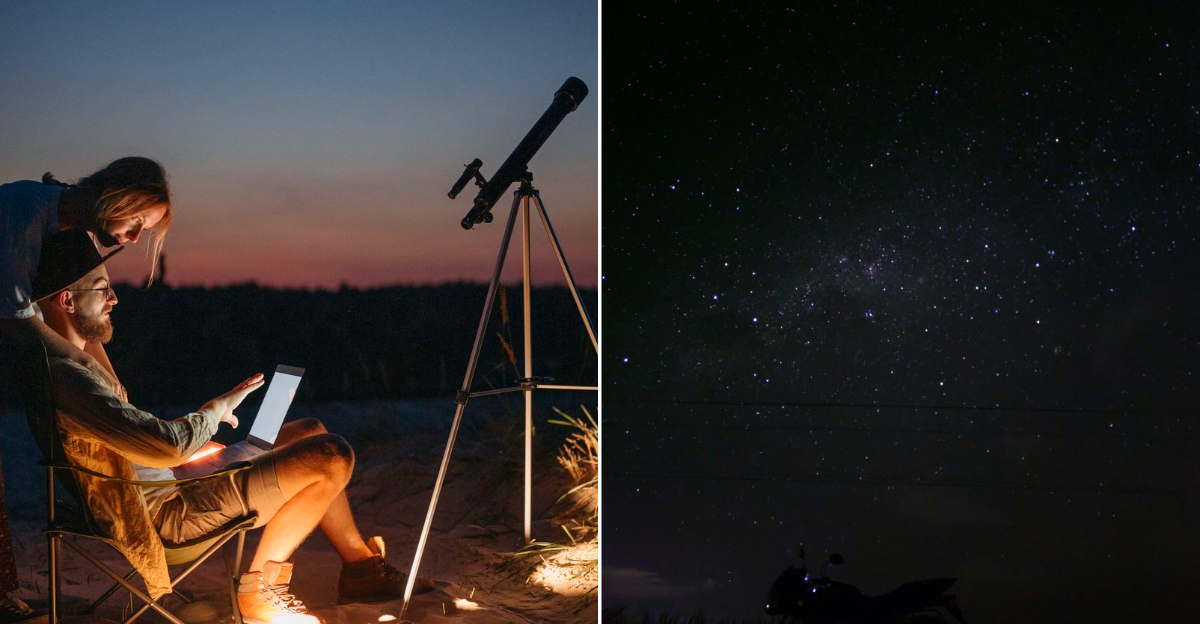
Most people visit the Straits and look across the water at the bridge. This park asks you to look up.
On a clear night, the Milky Way stretches from one horizon to the other. Not a faint smear, but the full galactic band reflected in the lake below.
I have seen people stand there in silence for twenty minutes, unwilling to break the spell. The darkness here is protected by actual law.
A county ordinance limits outdoor lighting within five miles. No streetlights, no ambient glow, just cold freshwater wind and starlight.
The park covers 600 acres of forest and undeveloped shoreline. You bring a blanket, sit on the rocks, and wait for your eyes to adjust.
When they do, the sky opens in ways most Americans have never witnessed. Standing on that shore in Michigan, I understood why someone fought to protect this darkness.
Carry A Red Light Only
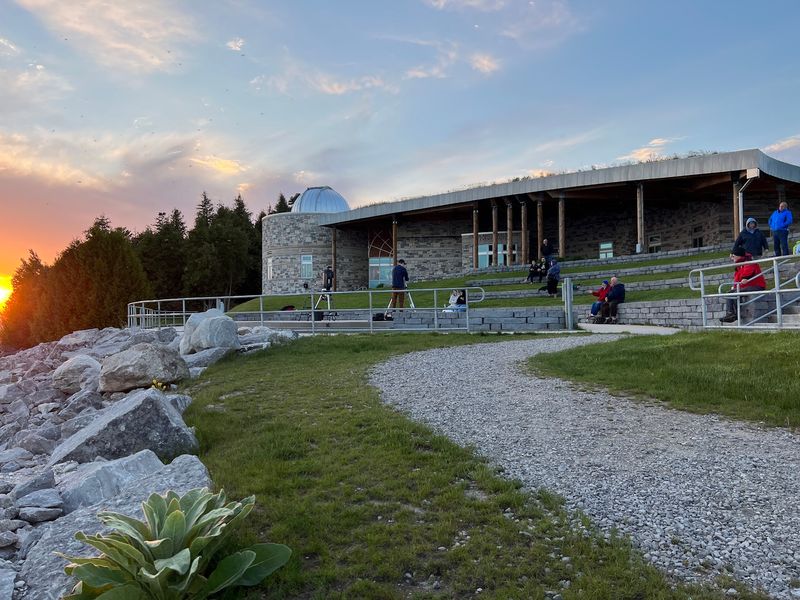
White light at Headlands lands like a cymbal crash during a lullaby. Bring a red-filtered headlamp or flashlight, aim it toward the ground, and use it only when needed.
White beams are prohibited in viewing areas because one quick flash can erase night vision that took many minutes to build.
Dim your phone fully, disable camera flashes, and cover any bright screen before arriving. Red pathway lights help with basic movement, but they do not reveal every dropped glove or uneven edge.
Courtesy becomes part of the astronomy here. When everyone controls personal light, more delicate stars emerge, telescope users keep their focus, and the lakeshore retains its rare, velvety darkness.
Pack spare batteries, since cold weather can drain them.
Central Avenue Runs Out Where The Dark Sky Begins
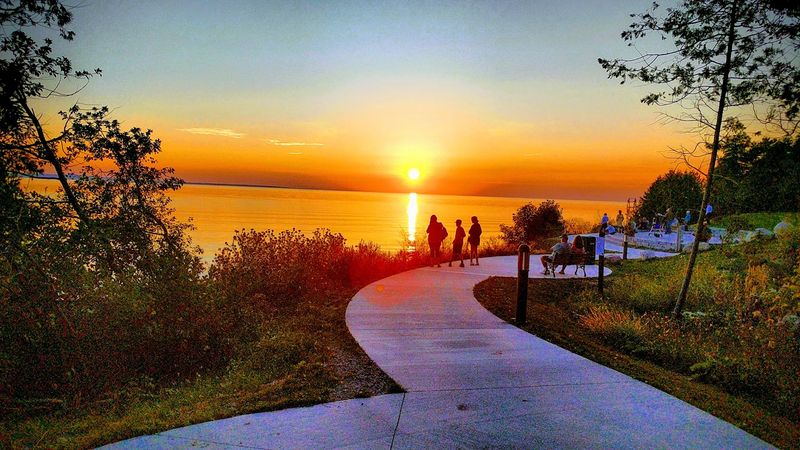
Headlands International Dark Sky Park is located at 15675 Headlands Road in Mackinaw City, Michigan, about four miles west of downtown. From Mackinaw City, take Central Avenue west for roughly two miles until it reaches Headlands Road.
At the end of Central Avenue, turn left onto Headlands Road and continue south for about three-quarters of a mile. The park entrance comes up on the right, leading away from the road and into the wooded Lake Michigan shoreline.
Follow the entrance drive to the visitor parking area and continue toward the designated dark-sky viewing areas. Parking can fill early on clear nights or when aurora activity is expected, and the park notes that late arrivals may face a walk of about a mile to the main viewing area.
Choose A Moonless Clear Night
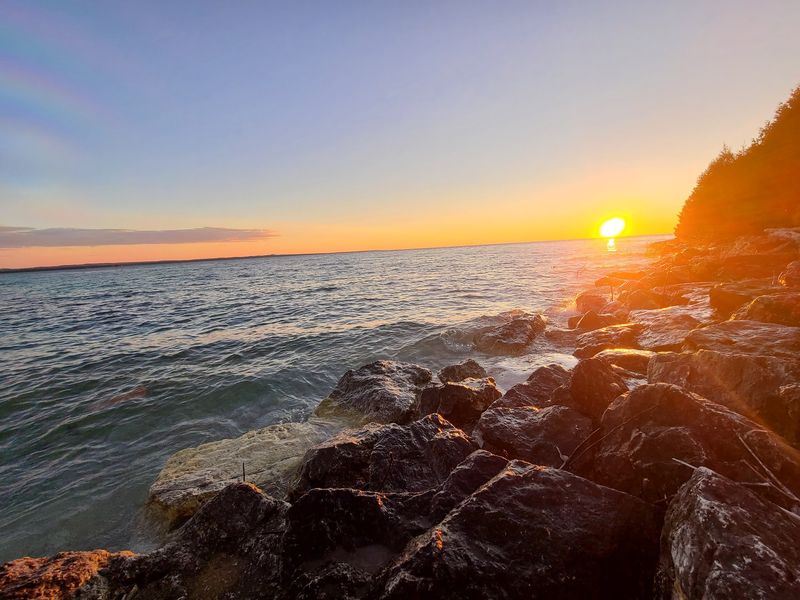
A bright moon can turn a starry ambition into a lovely lakeside evening, which is not quite the same prize. For the strongest Milky Way view, plan near a new moon and check moonrise and moonset times.
Clear skies matter too, so compare forecasts shortly before driving.
Summer often reveals the galaxy’s richer band, while March and April place Orion high in the southwestern sky. Late summer brings the Perseids, and early December offers the Geminids, though clouds can spoil any carefully circled date.
Keep expectations flexible. Headlands supplies protected darkness, not guaranteed weather, auroras, or meteors on command.
Build a backup evening into your trip, and treat sunset, lake sounds, and constellations as worthwhile parts of the visit too.
Dress For The Lakeshore Chill
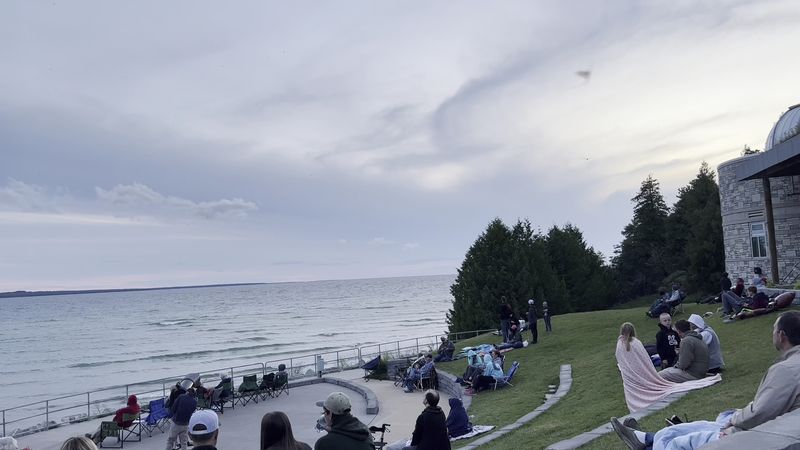
Lake Michigan keeps its own thermostat, and it rarely consults the forecast on your phone. Temperatures beside the water can feel about ten degrees colder than conditions inland, especially after sunset.
Pack a warm layer, hat, and closed shoes even when Mackinaw City has enjoyed a mild afternoon.
A blanket serves two jobs: warmth and comfortable reclining. Folding chairs are useful, but a low chair preserves the view for people sitting behind you.
Wind-resistant outerwear also helps when breezes move across the exposed viewing lawn.
Cold fingers make cameras, binoculars, and snack containers surprisingly difficult to manage. Keep gloves within reach rather than buried in the car.
During winter, check road and surface conditions, move carefully, and never assume shoreline ice is safe for walking.
Walk The Discovery Trail In Daylight
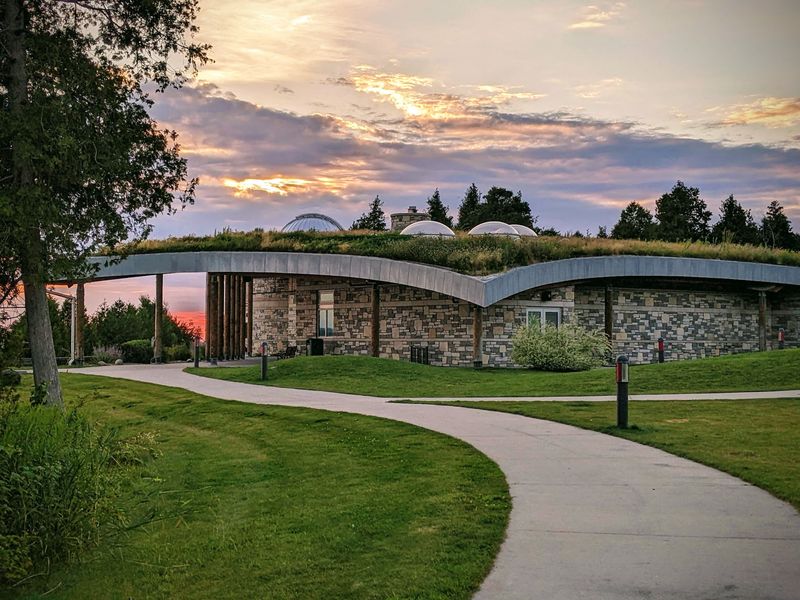
A paved path through the woods makes the journey toward the sky feel pleasantly ceremonial. The one-mile Dark Sky Discovery Trail connects the entrance area with the main waterfront destination, offering cultural displays, indigenous artwork, regional photography, and ideas about humanity’s long relationship with the heavens.
Walk it before nightfall so the signs receive more than a hurried flashlight glance. Planetary stations along the main drive also share stories, beliefs, and scientific knowledge linked with our solar system.
The trail shows that astronomy did not begin with modern telescopes. People watched, imagined, measured, and remembered the sky for generations.
After dark, remain on suitable marked routes, respect barriers, and use red light sparingly. Daylight exploration makes the nighttime return easier and far more meaningful.
Use The Waterfront Event Center
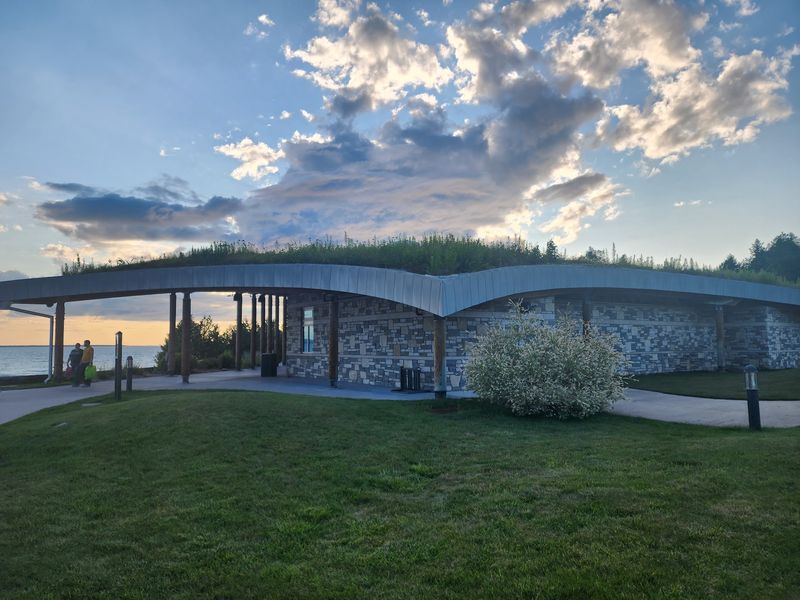
Curved timber ceilings give the Waterfront Event Center a quiet grandeur without competing with its celestial subject. Completed in 2017, the building includes an indoor program space, observatory, gift shop, and ADA-accessible restrooms available around the clock.
Its green roof fits neatly into the wooded lakeshore setting.
During scheduled programs, images from the research-grade telescope can be projected onto large screens inside. That thoughtful setup lets visitors enjoy detailed views without climbing the observatory stairs.
Check the official calendar before assuming a telescope program will occur, since access and activities vary. Outdoor seating remains valuable even without an event, offering broad views over Lake Michigan.
Locate facilities upon arrival, then return outside before your adjusted eyes become accustomed to indoor brightness again.
Give Your Eyes Time To Adjust
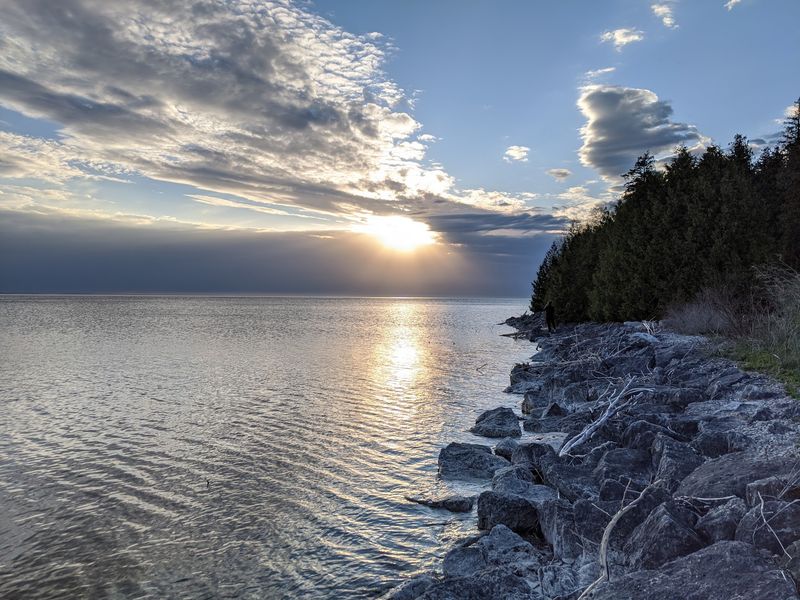
At first, the darkness may appear oddly empty. Wait twenty to thirty minutes without looking at bright screens, and the overhead scene gains depth, texture, and many previously hidden stars.
Night vision develops slowly but vanishes quickly when a phone or headlight suddenly shines nearby.
Place your device on its dimmest setting before leaving the car. Turn off camera flash, bright notifications, and automatic screen features that might illuminate your face.
Better still, keep the phone tucked away between photographs.
Try looking slightly beside a faint object instead of directly at it. Peripheral vision can detect weak light more effectively, a useful trick for seeing subtle stars and hazy galaxy structure.
Patience costs nothing here, yet it produces one of the evening’s greatest improvements.
Park With Other Stargazers In Mind
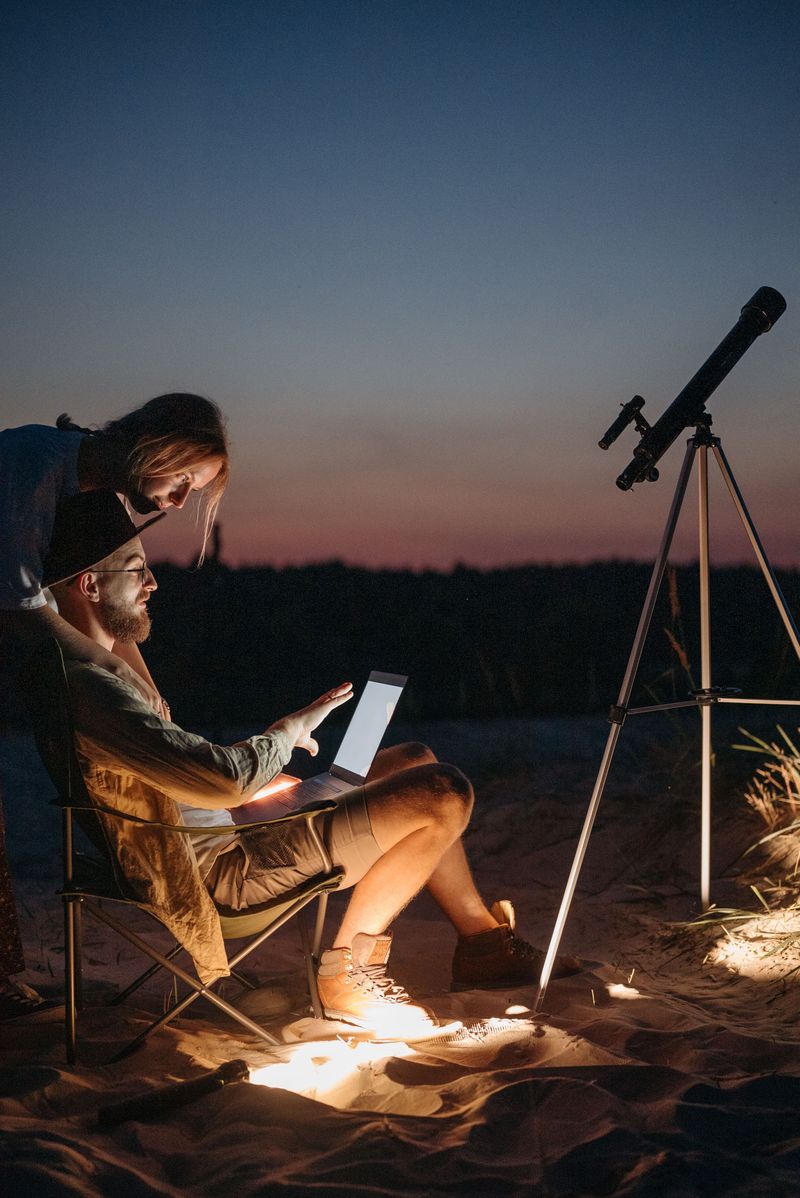
Car headlights are excellent for roads and terrible for dark-adapted eyes. When possible, position your vehicle so its lights face away from observing spaces, then organize belongings before darkness settles.
Finding keys beneath a crowded trunk at midnight is nobody’s favorite astronomy lesson.
Remove chairs, blankets, warm layers, and red lights in one trip. If your vehicle automatically activates exterior lights when unlocked or started, learn how those settings work beforehand.
Leave slowly and follow every posted parking direction.
Busy meteor showers, aurora forecasts, and clear summer weekends may bring many visitors. Arriving early reduces traffic pressure and lets you choose a suitable space without improvising.
Never stop along an unapproved roadway or block emergency access. Thoughtful parking protects darkness while helping everyone depart safely.
Treat Auroras As A Bonus
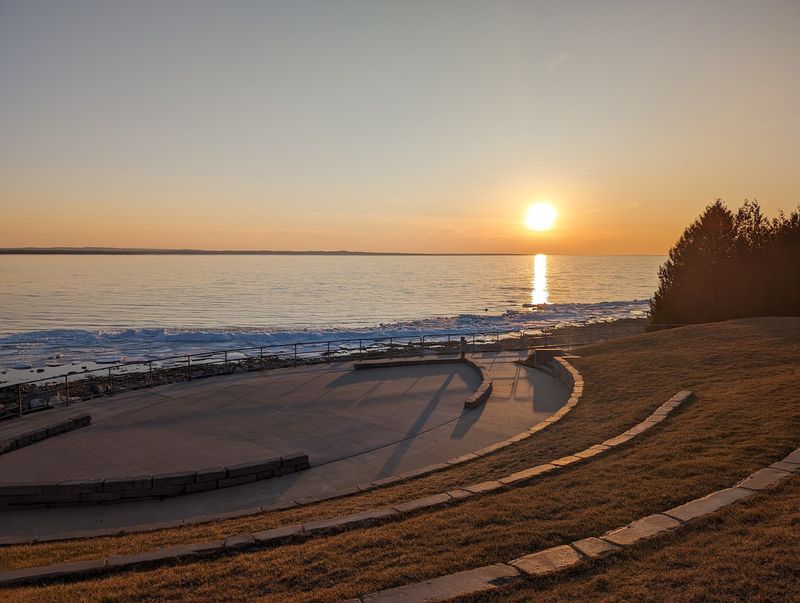
Northern lights sometimes visit Headlands, but they do not accept reservations. Strong geomagnetic activity, clear weather, and darkness must cooperate before an aurora becomes visible.
Forecasts showing a planetary K-index around KP4 or higher may raise local chances, though no number guarantees a display.
Check a trusted space-weather forecast shortly before traveling, then watch cloud cover as carefully as solar activity. Some low northern views may be partly limited by the landscape, so follow park guidance about appropriate observation areas.
Cameras can record color that eyes perceive only faintly. Use a stable tripod, longer exposure, and manual focus if photography is your goal, without blocking paths.
Should the aurora stay absent, the Milky Way, planets, meteors, and deep darkness still provide an exceptional evening.
Prepare For Bugs And Wildlife

Mosquitoes appreciate a fine lakeside sunset almost as much as visitors do. During warmer months, carry insect repellent and wear light long sleeves or trousers.
A head net can be useful on especially buggy evenings, although it may make your group look briefly ready for lunar beekeeping.
Headlands protects roughly 550 to 600 acres of forest and more than two miles of undeveloped shoreline. Deer, bears, eagles, and other wildlife use the landscape, while the Straits region supports important bird migration routes.
Give every animal distance, never offer food, and store snacks securely. Remain aware while walking after dark because wildlife may cross roads or trails.
Pack out wrappers and other waste, leaving no scraps behind. Darkness protects habitat as well as stars.
Help Preserve The Protected Darkness
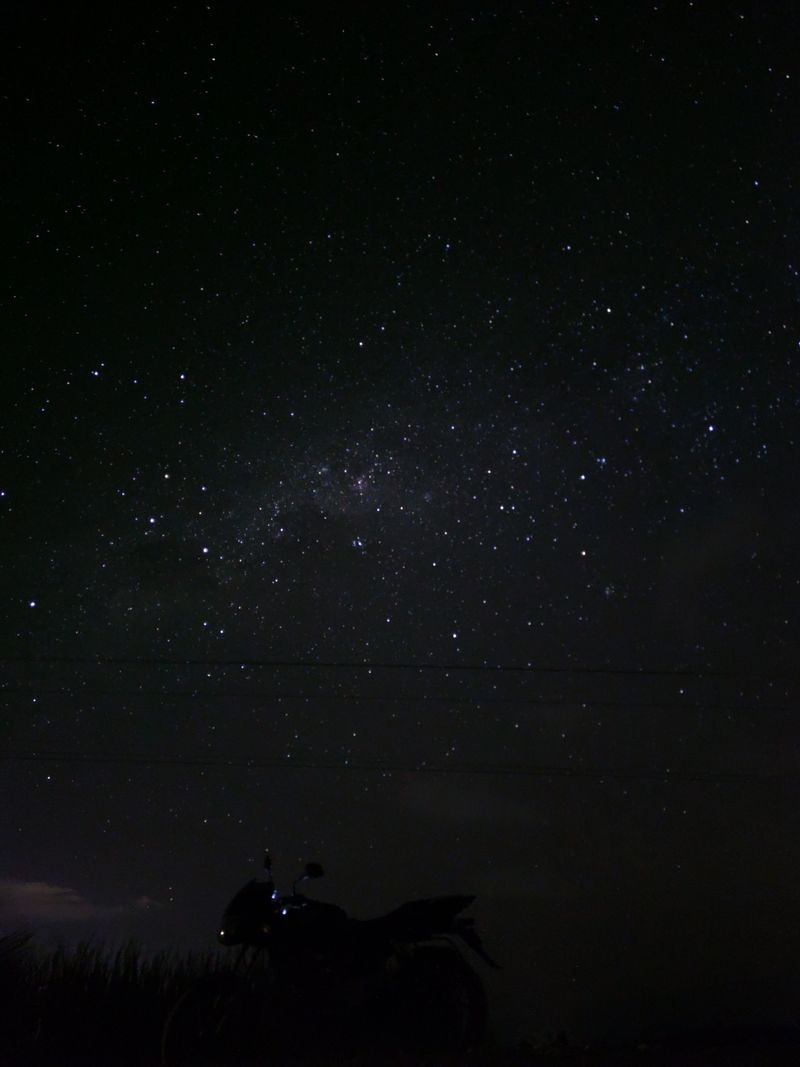
The most impressive feature at Headlands is partly defined by what is missing: careless artificial glare. Emmet County acquired the property in 1996 with help from the Little Traverse Conservancy and a Michigan Natural Resources Trust Fund grant.
International Dark Sky Park status followed in May 2011.
Local protection includes strict limits on outdoor lighting and a county-wide lighting ordinance. Those rules preserve celestial views while supporting nocturnal wildlife and bird migration through the Straits of Mackinac.
Visitors join that effort through small choices. Use red light, avoid flash photography, control vehicle beams, stay within public areas, and carry away everything brought inside.
Share the rules kindly with younger companions. Protected darkness survives when ordinary habits match the care written into law and policy.