
Archaeologists Have Been Digging At This Michigan Fort Every Summer Since 1959 And They Are Still Finding Things
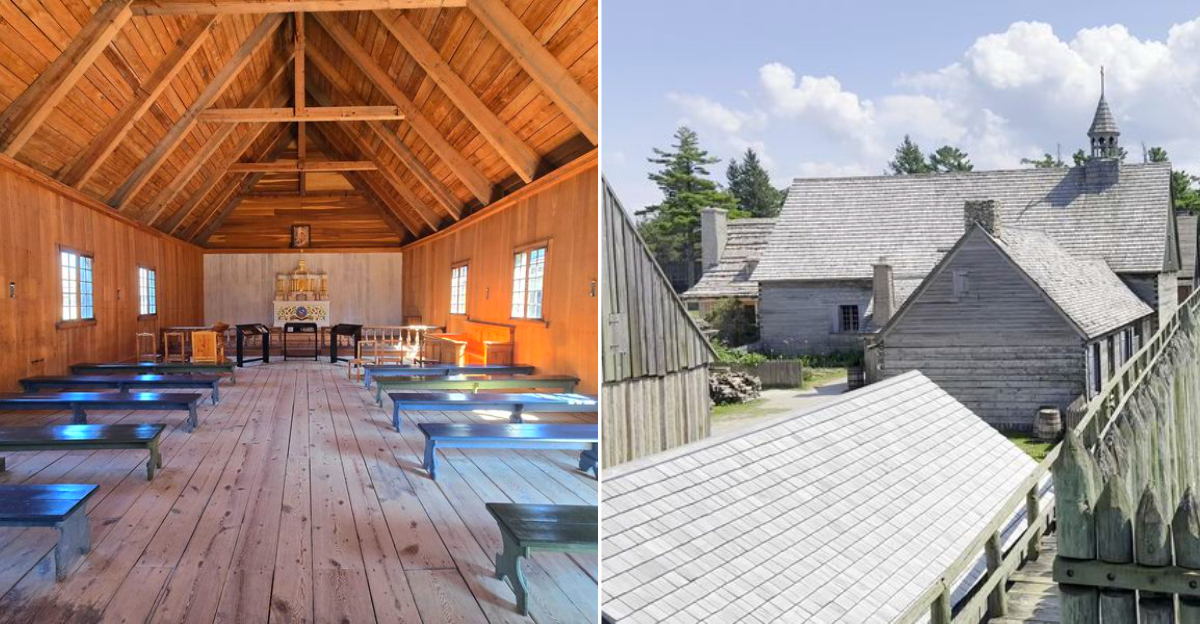
History sits under your feet here, and they are still digging it out. Every summer since 1959, archaeologists return to this 18th-century fort and find things. Trade beads. Ceramics.
Personal items from French, British, and Native American people who clashed at the edge of the known world. Over a million artifacts recovered.
I watched a researcher brush dirt off a fragment that had not seen daylight in 250 years. The feeling was immediate. This is not a museum behind glass.
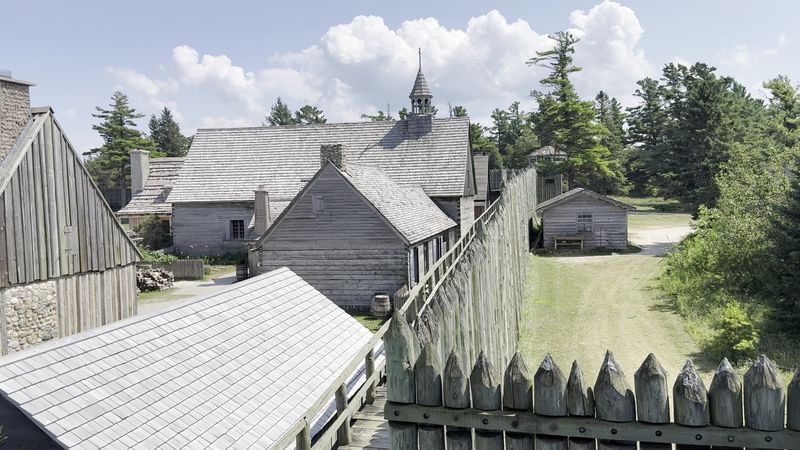
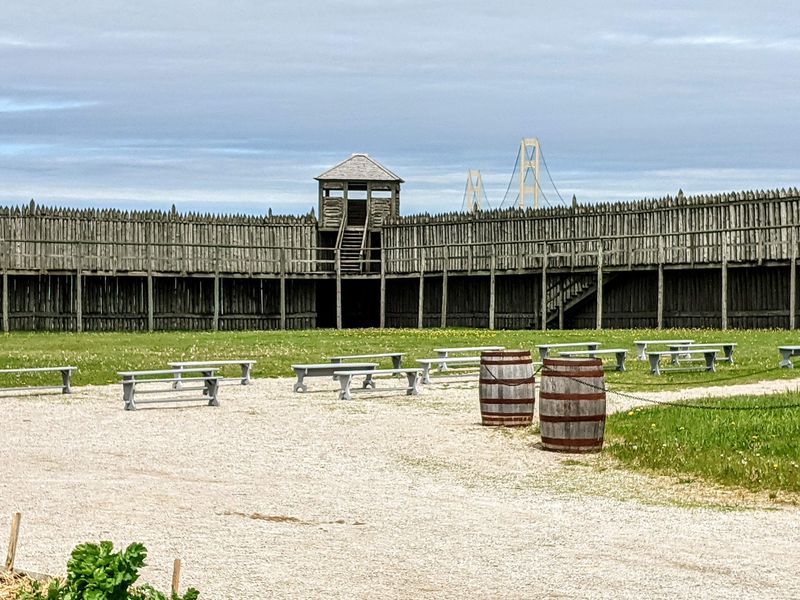
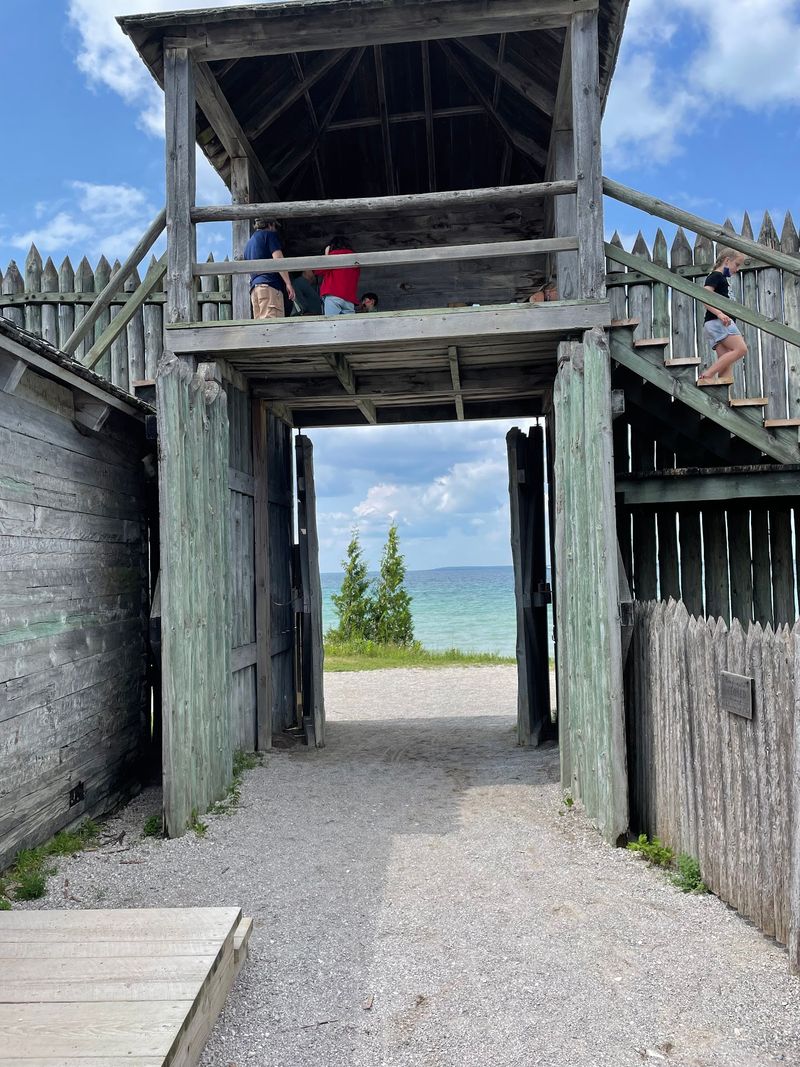
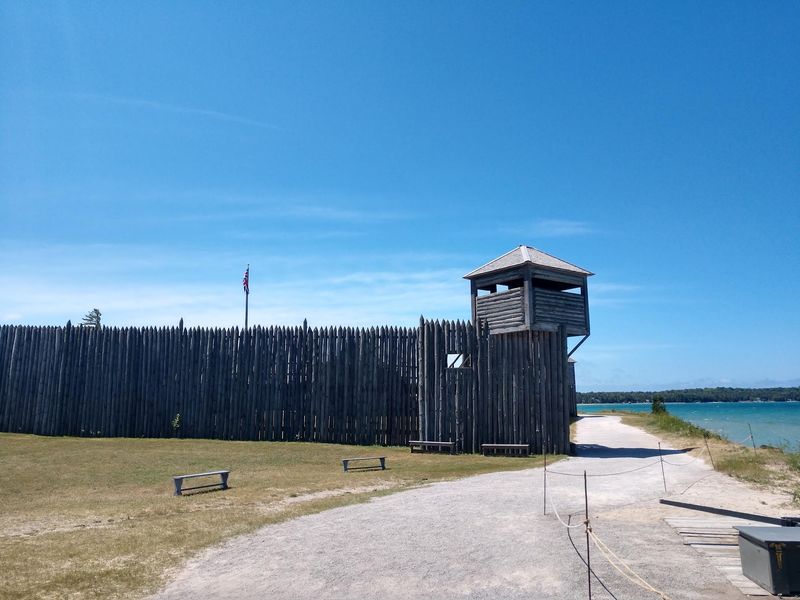
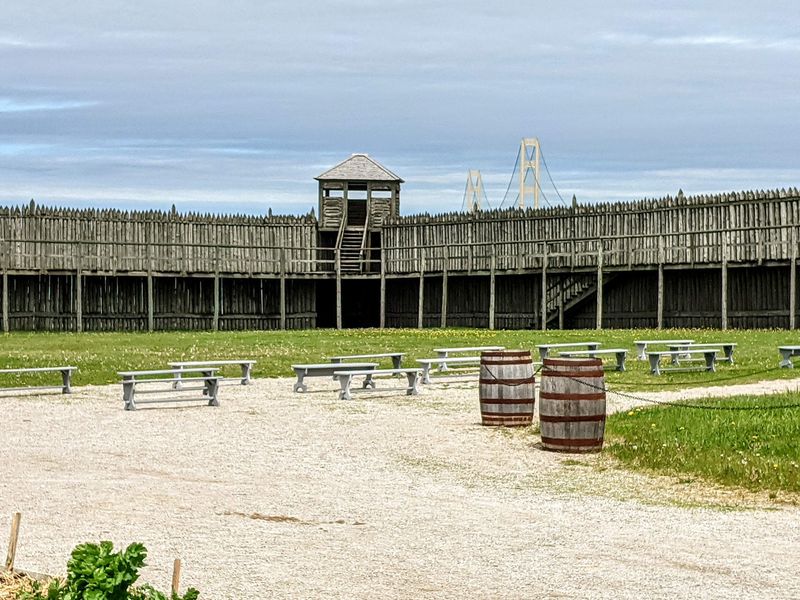
It is a living dig inside reconstructed palisade walls where interpreters fire muskets and the forge cracks. The fort was the site of a famous 1763 attack during Pontiac’s Battle, lacrosse game was used as a diversion.
That story alone is worth the visit. Standing where cultures collided at the Great Lakes in Michigan, watching the past surface one trowelful at a time, is something else.
Begin With The Orientation Film
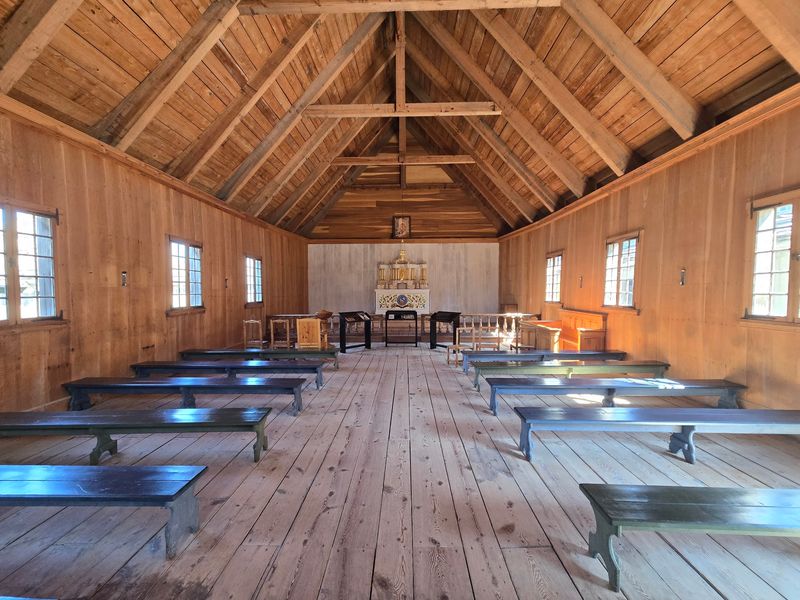
Before wandering through palisade gates, give the fort’s story a few focused minutes. The orientation film explains why Michilimackinac mattered as a military post and fur-trading community beside the Straits.
It also makes the reconstructed streets easier to read once you step outside.
I found that this short beginning turned later details into connected clues instead of random old objects. French beginnings, British control, Native American trade relationships, and the fort’s dismantling in 1781 form a complicated timeline, especially for younger visitors.
Arrive early enough that watching the film will not compete with a scheduled demonstration. Pick up a site map at the entrance, circle the programs that interest you, and build your route around them.
A little planning prevents unnecessary backtracking across the grounds.
Visit While Archaeologists Are Digging
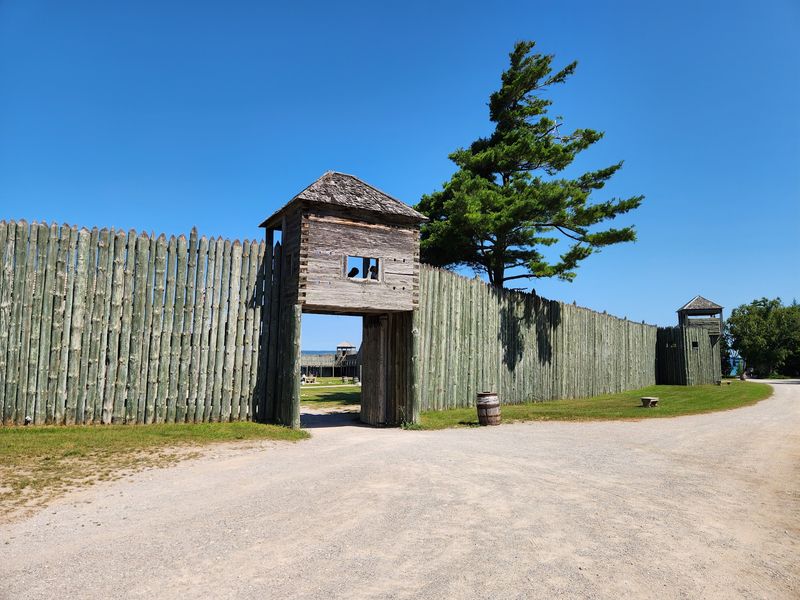
Colonial Michilimackinac is located at 102 West Straits Avenue in Mackinaw City, Michigan, inside Michilimackinac State Park at the northern tip of the Lower Peninsula. I-75 is the main approach into Mackinaw City, with the fort sitting just two blocks north of downtown along the Straits of Mackinac.
Follow West Straits Avenue toward the waterfront and the Mackinac Bridge. The Colonial Michilimackinac Visitor’s Center entrance sits directly beneath the bridge, making the massive bridge structure the clearest landmark for the final approach.
Turn into the free main parking lot beside the Visitor’s Center off Straits Avenue. From there, walk through the Visitor’s Center and continue along the pedestrian route toward the fort entrance.
Ask About The Sandy Soil
Sand is one of the fort’s least flashy attractions, yet it deserves a moment of respect. Colonial Michilimackinac stands on an old glacial beach, and its sandy ground has helped preserve evidence while allowing excavators to separate layers with unusual care.
Look closely at an open trench and notice changes in color, texture, stones, and buried debris. Archaeologists read those differences as context, recording where each item rested before removing it.
Location can reveal more than an artifact’s appearance alone.
Ask how the team distinguishes occupation surfaces from the rubble connected with dismantling the fort in 1781. The answer shows why digging slowly matters.
Once soil is removed, its original arrangement cannot be restored, so notes, maps, measurements, and photographs become part of the permanent record.
Notice The Smallest Finds
Tiny objects carry considerable gossip at Michilimackinac. A button can suggest clothing choices, a buckle can hint at status, and a gaming piece can reveal how someone passed an idle evening.
More than one million artifacts have been recovered since systematic excavation began.
Resist racing toward the largest display case. Spend time with ceramic fragments, beads, fasteners, tools, and other modest belongings because they often document routines missing from military reports.
Their materials may also trace trade routes stretching far beyond the Great Lakes.
Use exhibit labels to connect each object with its discovery place and date. A ring found in demolition rubble, for example, raises different questions from one recovered on a cellar floor.
Archaeology becomes clearer when objects retain their exact setting and relationships.
Study The Southeast Rowhouse
One corner of the fort has kept researchers occupied for years: the Southeast Rowhouse. Excavations there uncovered two root cellars and many household remains, including ceramics from the 1770s.
Such spaces help researchers picture storage, meals, work, and purchasing habits inside a trading household.
Cellars are archaeological magnets because dropped, discarded, or abandoned objects can collect below ground. At this site, their size and contents have supported interpretations about prosperous traders who needed extra storage and could obtain imported goods and costly domesticated animals.
When viewing the area, compare the buried outlines with nearby reconstructed rooms. Imagine shelves, containers, crowded floors, and repeated trips downstairs rather than an empty pit.
That simple exercise turns architectural evidence into a believable home shaped by commerce, climate, and daily chores.
Talk With The Archaeology Team
A good question can transform a shallow square of sand into an eighteenth-century room. Team members may explain current goals, recent evidence, excavation methods, or the stubborn puzzle posed by overlapping buildings and demolition deposits.
Conversations are most rewarding when the crew is not handling something delicate.
Try asking how an artifact is dated, why a particular square was selected, or what happens after objects leave the trench. Curator of Archaeology Dr. Lynn Evans and the wider archaeology staff connect field discoveries with conservation, cataloging, research, and public interpretation.
Children can prepare one question before arriving, which gives them a useful mission. Keep the exchange brief if others are waiting, and remember that uncertainty is normal.
Archaeologists build careful explanations from patterns, not dramatic guesses.
Follow Artifacts Into The Exhibits
Freshly uncovered objects do not jump directly into a display case. They must be cleaned, stabilized when necessary, labeled, cataloged, studied, and stored under suitable conditions.
Following that journey helps visitors understand that excavation is only the opening chapter of archaeological work.
Seek out Treasures from the Sand, an exhibit focused on the site’s archaeology and discoveries. Match finished artifacts in the cases with the fragments, screens, measuring tools, and recording methods seen around the active dig.
The contrast is quietly satisfying.
Photograph labels only where museum rules permit, or jot down the name of an object that catches your attention. Later, checking the park’s official archaeology updates can add context.
Research continues after summer crews pack their trowels away and snow covers the ground.
Compare Ruins With Reconstructed Buildings
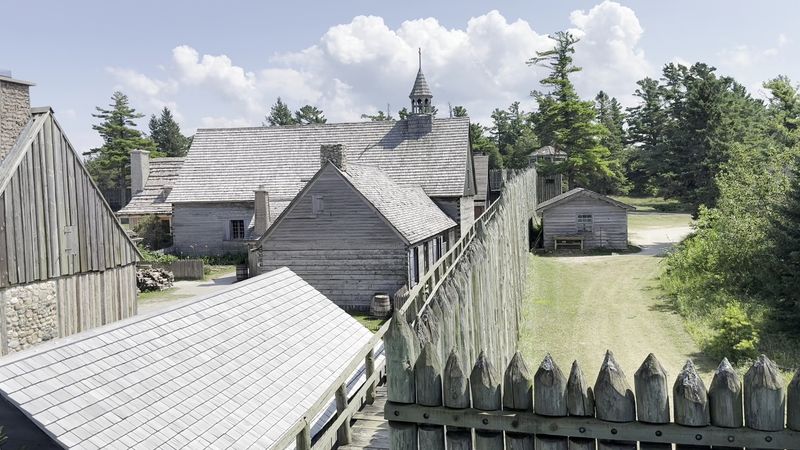
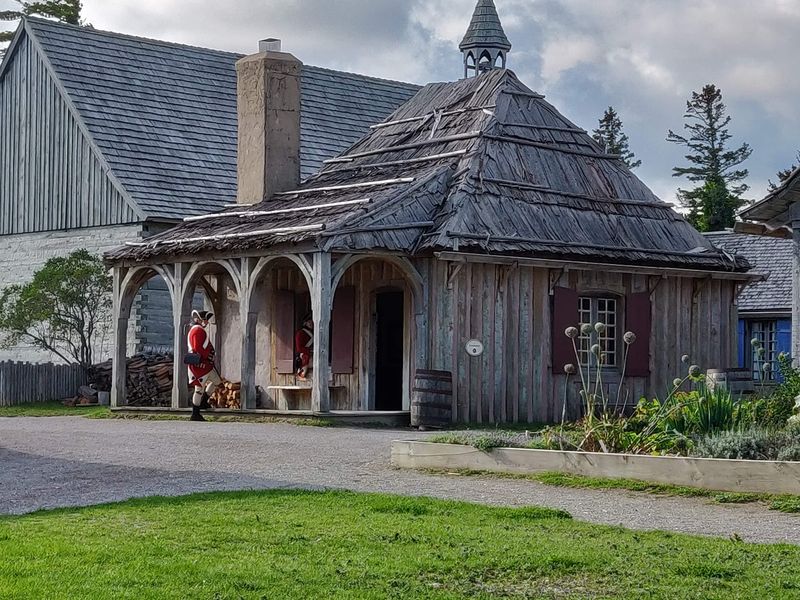
Wooden walls and tidy rooms can make the fort appear completely settled, but reconstruction here is an ongoing argument supported by evidence. Historical maps, written records, and decades of excavation have guided the placement and appearance of buildings within the palisade.
Pause where exposed foundations or archaeological features sit near finished structures. Comparing them reveals how postholes, cellar edges, hardware, and household debris can shape a full-sized reconstruction.
Some conclusions are firm, while others remain open to revision as new information appears.
Walk through the reconstructed buildings slowly and check the floor plans against your site map. Doorways, hearths, storage areas, and narrow passages explain movement better than a display label can.
The fort works best when treated as a carefully tested model, not an untouched original.
Make Time For Living History
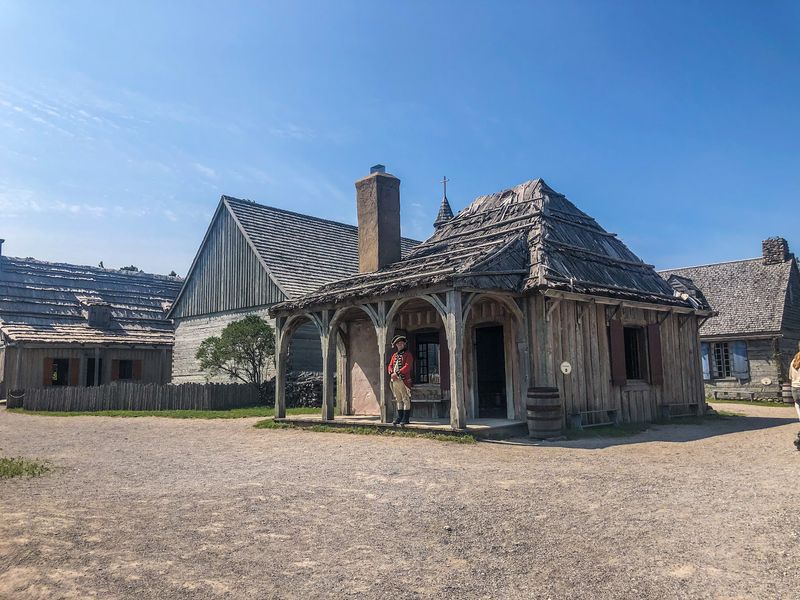
A cannon report can rearrange everyone’s attention in one sharp second. Scheduled programs may include cannon or musket firing, hearth cooking, crafts, and presentations by interpreters portraying people connected with the fort’s eighteenth-century community.
Each activity adds sound, motion, and practical detail to the archaeological evidence.
Check the daily program soon after entering because demonstration times can shape an efficient route. Stand at the required distance during weapons programs and follow staff directions, especially with children who may find the noise startling.
Listen for connections between demonstrations and excavated objects. A cooking vessel, gun part, clothing fastener, or craft tool means more after seeing how similar equipment functioned.
Living history cannot reproduce every past experience, but it makes material evidence easier to understand and remember.
Leave Room For Trade Stories
A brass ring no wider than a fingertip can map an entire world of exchange. Artifacts found here show that Michilimackinac linked Native American communities, French-Canadian families, British soldiers, merchants, voyageurs, and distant manufacturers through the Great Lakes fur trade.
Look for ceramics imported from England, beads, metal fittings, personal ornaments, and rings once called Jesuit rings. By the 1700s, many such rings functioned as secular trade goods, reminding visitors that an object’s meaning can change across time and cultures.
Avoid treating trade as a simple swap between two groups. Ask interpreters who made an item, who carried it, who wanted it, and how its use may have shifted.
Those questions reveal negotiation, adaptation, power, and personal choice within a busy crossroads community.
Plan For Weather Walking And Views
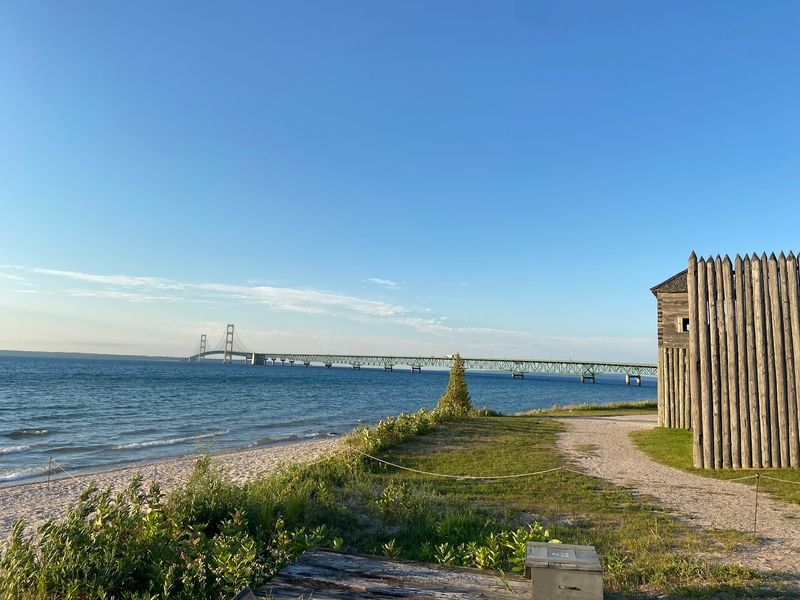
Lake wind, sandy paths, wooden thresholds, and sudden weather changes deserve practical preparation. Wear comfortable shoes, bring layers, and check the official site schedule before traveling because Colonial Michilimackinac operates seasonally and hours, programs, and excavation activity may change.
Allow several hours if you want to watch demonstrations, inspect exhibits, speak with staff, and explore the reconstructed buildings without rushing. Restrooms are available, and the grounds offer broad views toward the Straits of Mackinac and the Mackinac Bridge.
Save a few minutes for the shoreline scenery, but do not let the bridge steal every photograph. Turn back toward the palisade and consider why this exact location mattered for travel, defense, and commerce.
Geography is the fort’s largest artifact, and it remains completely impossible to fit inside a case.