
Agatucci’s Restaurant in Peoria Has Served Its Fried-Chicken Recipe Since Around 1945
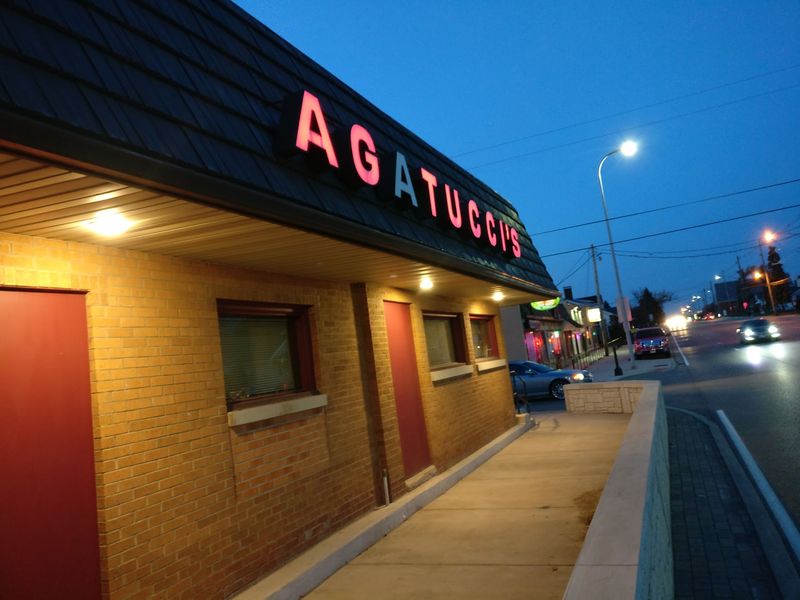
Tucked along North University Street in Peoria, Illinois, Agatucci’s Restaurant has been feeding families since 1926, making it one of the state’s longest-running family-owned eateries. Somewhere around 1945, the family added a fried-chicken recipe that locals still talk about today.
The story behind that dish is worth telling carefully, because the real history is more interesting than any headline that oversimplifies it.
Agatucci’s Is the Strongest Illinois Match
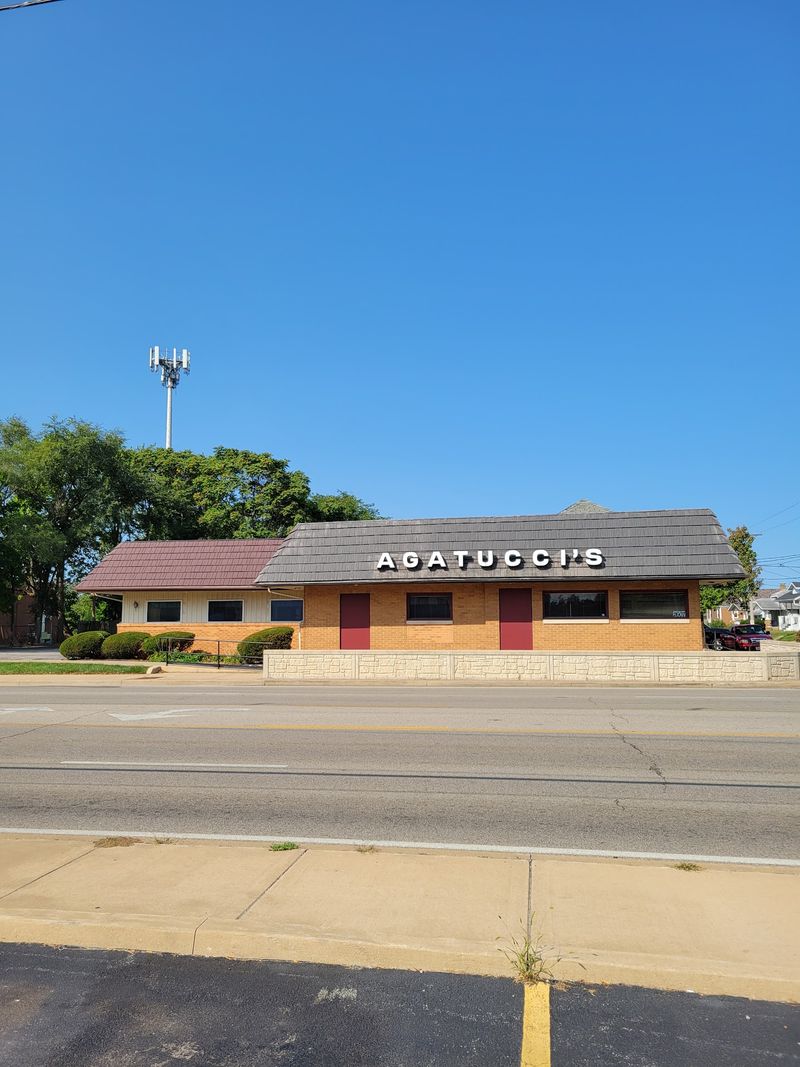
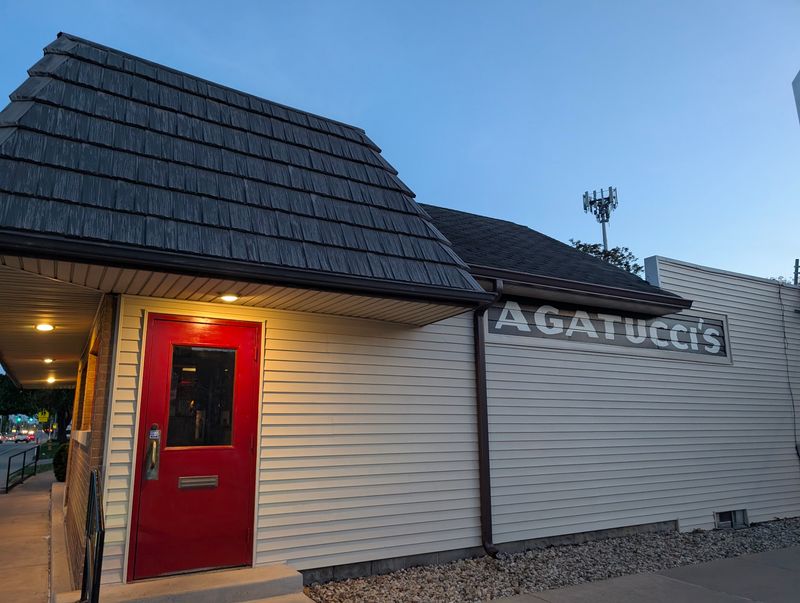
When food writers go looking for an Illinois restaurant that has been serving a long-running fried-chicken recipe since around 1945, the best-supported answer is Agatucci’s Restaurant in Peoria, located at 2607 N. University Street.
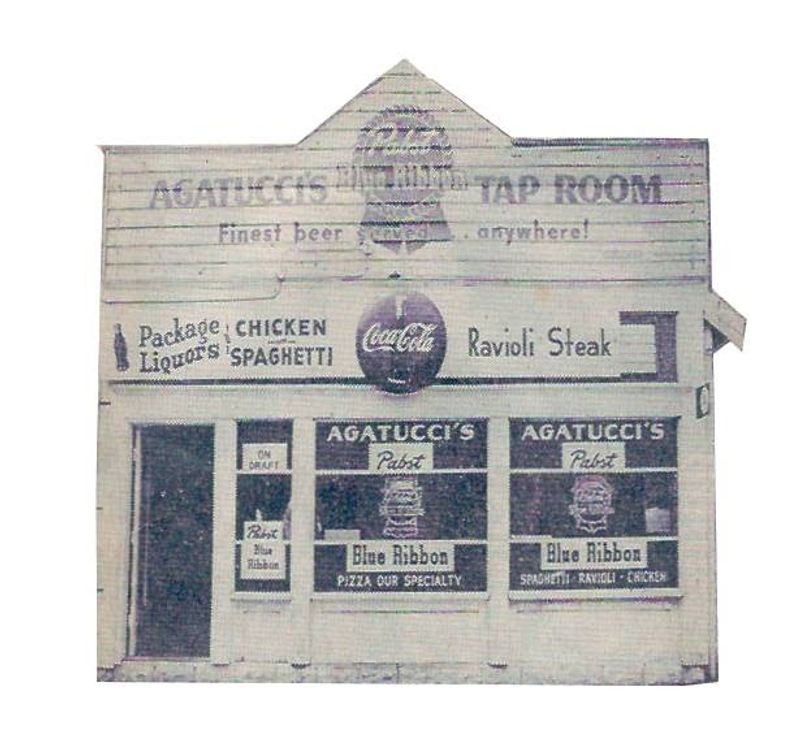
The business has been operating at that address since 1926, making it one of the older continuously family-owned restaurants in the state. That founding date, the family name, and the current location are all verifiable through the restaurant’s own history and local coverage.
What the available sources do not confirm is equally worth stating upfront. No reliable account checked for this article verifies that Agatucci’s fries its chicken in cast iron, uses buttermilk, or should be called a diner.
Local television and city records describe it as a family-owned restaurant and community institution, and its best-documented specialty is actually thin-crust pizza, not fried chicken. Calling it a diner, or attaching vivid culinary details that no source supports, would dress up the story in borrowed clothing.
The restaurant’s official history, available on Agatucci’s own site, describes the business beginning in Peoria in 1926 and becoming a family-run restaurant during the Depression years. That context matters: the place survived some of the hardest economic years in American history and kept going.
Celebrating that record honestly is more compelling than repeating a claim that cannot be fully backed up.
The City of Peoria and local news sources support the picture of a four-generation, family-owned institution approaching its centennial in 2026. That is the foundation this article builds on: a real place, a real family, and a fried-chicken tradition that deserves to be described accurately rather than embellished.
The Fried-Chicken Tradition Came Later
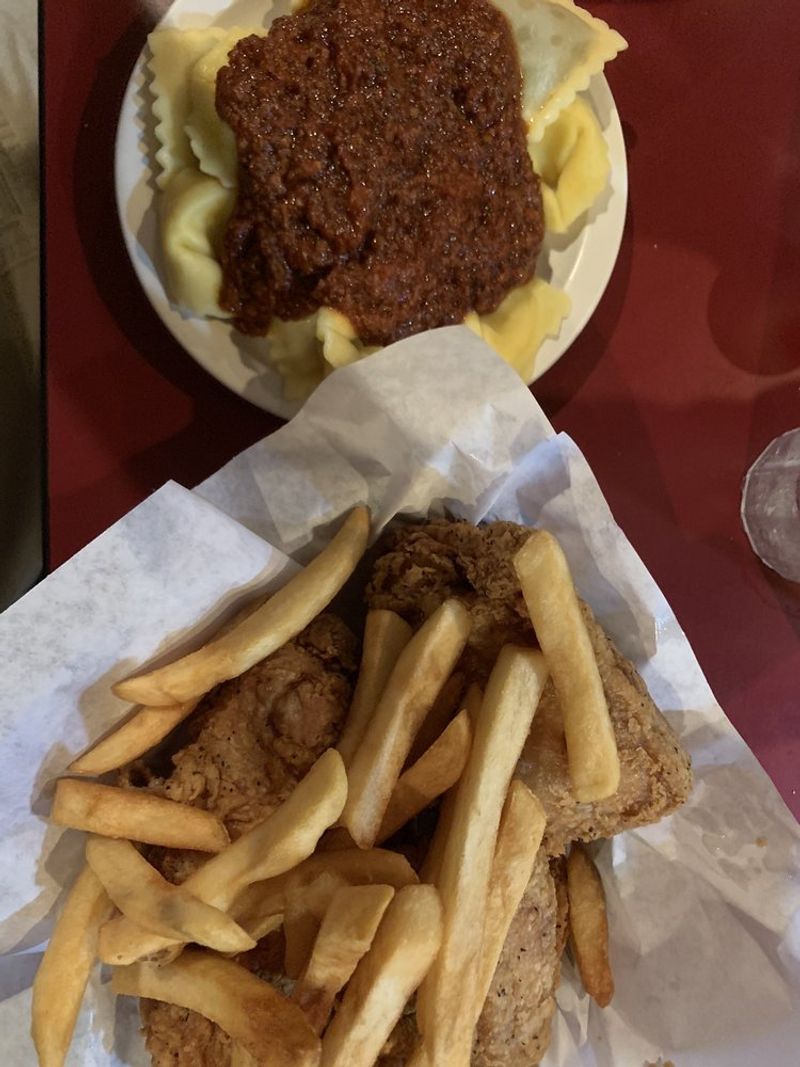
Agatucci’s did not open its doors in 1926 with fried chicken already on the menu. The restaurant’s founding and its fried-chicken history are two separate chapters, and mixing them up gives a false impression of what the place has always been.
The restaurant’s own history describes a business that began in the mid-1920s and evolved through the Depression era, well before the chicken recipe entered the picture.
A local Peoria food-history account from 2018 places the development of Agatucci’s fried-chicken recipe around 1945, nearly two decades after the restaurant first opened. That account is useful corroboration, and it is the closest thing to a documented origin date for the dish that the available sources provide.
But it is one local writer’s food-history report, not a dated menu, a family document, a newspaper advertisement from 1945, or a direct interview with the current owners. Treating it as fully confirmed history would overstate what the evidence actually shows.
The distinction also matters for what “since 1945” actually means. Even if the recipe did originate around that year, that does not prove the family has used an identical ingredient list, the same cooking vessel, or the exact same production method in every year since.
Recipes in working restaurants adapt. Ingredients change with supply.
Equipment gets replaced. A fried-chicken tradition can be genuine and long-running without being frozen in amber since the year World War II ended.
What the evidence does support is this: Agatucci’s added fried chicken to its offerings at some point around 1945, according to local food history, and the dish has remained part of the restaurant’s identity. That is a meaningful culinary legacy, and it does not need embellishment to be worth writing about.
Four Generations Give the Restaurant Its Continuity
Family ownership is the thread that holds Agatucci’s story together across nearly a century. The City of Peoria and local news coverage describe the restaurant as a four-generation, family-owned institution, with the current generation, Danny and Tony Agatucci, continuing the work their predecessors built.
That kind of ownership continuity is rare in the restaurant business, where turnover is constant and most places close within years of opening.
The restaurant’s approaching centennial in 2026 has drawn recognition from the city itself, which is a meaningful marker for a neighborhood restaurant. Reaching 100 years in the same location, under the same family name, is the kind of milestone that most businesses never come close to achieving.
For Peoria, Agatucci’s is not just a place to eat; it is part of the city’s own timeline.
Customer loyalty across generations is part of what locals describe when they talk about the restaurant. Families who ate there in one decade brought their children, and those children returned as adults.
That pattern is plausible and consistent with the sources, though it should be noted that no systematic documentation of three generations of regulars has been independently confirmed. What the sources do support is that Agatucci’s has drawn multigenerational patronage alongside its multigenerational ownership, which is a different and more careful way to describe the same warm reality.
The difference between “documented” and “plausible” matters here, but it does not make the story less meaningful. A restaurant that has kept the same family name on the door for four generations, in the same Peoria neighborhood, earns its reputation through presence alone.
Chicken Shares the Menu With Peoria’s Pizza Tradition
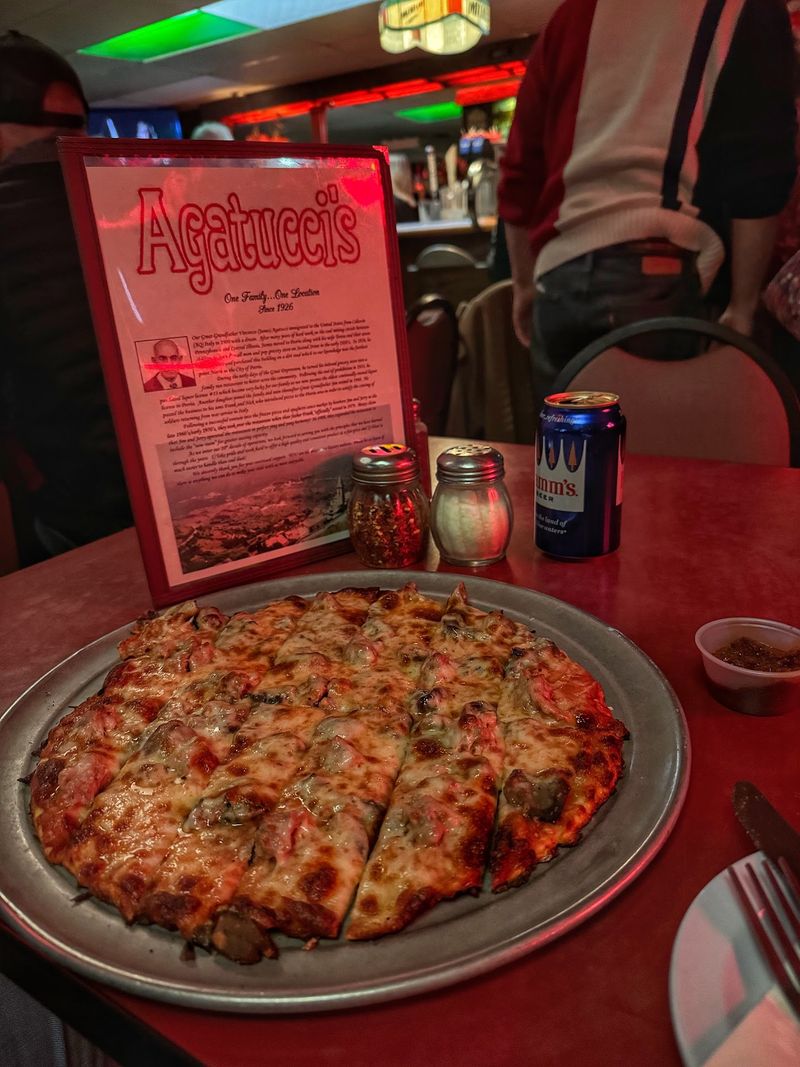
Fried chicken is on the menu at Agatucci’s today, and that continuity matters. But anyone who walks in expecting the chicken to be the main event may be surprised.
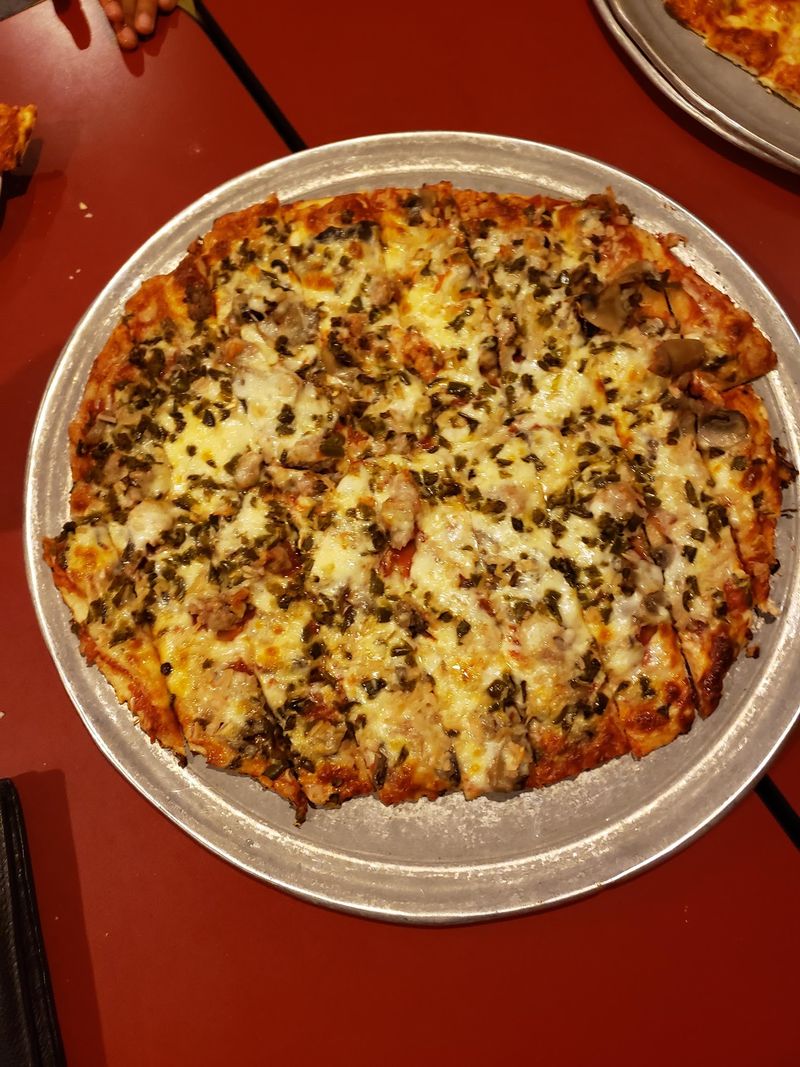
Local television coverage from 2024 identifies thin-crust pizza as the restaurant’s best-known specialty, the dish that most regulars and food writers reach for first when describing what makes Agatucci’s worth the trip.
That detail does not diminish the chicken. A long-running dish can hold genuine meaning for the people who order it without dominating a restaurant’s public identity.
Many family restaurants carry signature items that loyal customers swear by, even when the place is better known for something else entirely. The fried chicken at Agatucci’s appears to occupy that role: present, valued by those who know to ask for it, and connected to a family tradition that stretches back roughly eight decades.
Calling the chicken “famous” would go beyond what the sources support. No reviewed account uses that word to describe it, and the restaurant’s own online presence leads with the broader family-restaurant identity rather than a single dish.
Fame is a claim that requires evidence, and the evidence here points to a well-regarded, long-running menu item at a well-regarded, long-running restaurant, which is already a good story without the superlative.
For visitors planning a trip to Peoria, the practical takeaway is straightforward: Agatucci’s serves both thin-crust pizza and fried chicken, the restaurant has been doing so for decades, and either dish comes with nearly a century of family history behind it.
Buttermilk and Cast Iron Remain Unverified Details
Buttermilk and cast iron are two of the most evocative phrases in American fried-chicken writing, which is probably why they appeared in the original premise. Both have genuine culinary logic behind them.
But neither has been connected to Agatucci’s by any source reviewed for this article, and treating them as established facts about the restaurant would be misleading.
On the buttermilk side, nutrition faculty at the University of Georgia note that buttermilk’s mild acidity distinguishes it from heavier dairy products and contributes to its use in baking and cooking. Research published in peer-reviewed food science journals, including a study on fermented-milk marinades and chicken breast, shows that marinating poultry in fermented dairy products can influence texture and flavor under specific conditions.
Those effects vary with marinating time, temperature, acidity level, and the cut of meat involved. Buttermilk does not automatically produce tender chicken; it is one variable among several.
Cast iron has its own well-documented properties. University of Maine Cooperative Extension guidance on cast iron explains that the material retains heat well, which can help a skillet maintain a steadier temperature when food is added.
That stability can be useful in pan-frying. The same source notes, however, that cast iron can cause oil to break down faster than some other metals when used for deep frying.
Crispness in fried chicken also depends on oil temperature, batch size, coating composition, moisture content, and cooking time. Cast iron is one tool, not a guaranteed result.
Both techniques are worth knowing about for home cooks exploring the style. What they are not is a confirmed description of how Agatucci’s prepares its chicken.
General culinary principles and a specific restaurant’s kitchen practices are two different things, and keeping them separate is how accurate food writing works.
Home Cooks Can Explore the Style Safely
For readers who want to try a buttermilk-marinated, pan-fried chicken at home, the approach is straightforward, but a few safety steps are non-negotiable. To be clear: what follows is general home-cooking guidance, not Agatucci’s recipe, which has not been published or shared with this article’s sources.
Start the marinade in the refrigerator, not on the counter. USDA guidance on marinating poultry states that raw chicken should be marinated in the refrigerator and can be held safely in marinade for up to two days.
Room-temperature marination allows bacteria to multiply rapidly and should be avoided. If you plan to use the marinade as a sauce or baste after the chicken has soaked in it, bring it to a full boil first.
Marinade that touched raw poultry carries the same contamination risk as the raw meat itself, and FDA food storage guidance reinforces that cross-contamination from raw poultry is a serious risk that proper handling prevents.
When it comes to cooking, the only reliable way to confirm that chicken is safe to eat is a food thermometer. The USDA safe internal temperature chart sets the minimum for poultry at 165 degrees Fahrenheit, measured in the thickest part of the meat and away from any bone.
Color, clear juices, and fixed cooking times are not reliable indicators of safety on their own. A properly used food thermometer is the only way to know for certain.
Hot oil requires its own caution. USDA frying safety guidance warns that frying oil can exceed 400 degrees Fahrenheit, and that adding wet chicken carelessly can cause dangerous splattering.
If a grease fire starts, never use water. A metal lid placed over the pan, or a fire extinguisher rated for grease fires, is the correct response.
Pat chicken pieces dry before they go into the oil, lower them in carefully, and keep a lid nearby. Following these steps does not guarantee restaurant-quality results, but it does mean the cooking process stays safe from start to finish, and that matters more than any technique detail.
Per USDA guidance on doneness versus safety, visual cues alone should never be used to determine if poultry is fully cooked.
The Verified Legacy Outlasts the Catchy Claim
Strip away the unverified details, and what remains at Agatucci’s is still a compelling story. A family opened a restaurant in Peoria in 1926, kept it running through the Depression, and at some point around 1945, according to a local Peoria food-history account, added a fried-chicken recipe that has stayed on the menu ever since.
Four generations of the Agatucci family have kept that work going, and the city of Peoria has recognized the restaurant’s approaching centennial as a community milestone worth marking.
The available evidence does not establish that the restaurant fries its chicken in cast iron, uses buttermilk, or has followed an identical recipe without change since 1945. Those details may be true, but they have not been confirmed by a dated menu, a family document, or a direct account from the current owners.
A story built on verified facts serves the restaurant better than one padded with culinary folklore it cannot control.
The real headline here is quieter and more durable: a Peoria family has kept the same restaurant alive for nearly 100 years, and their fried chicken has been part of that table long enough to earn its own small place in the city’s food history. That record does not need a cast-iron skillet or a buttermilk legend to make it worth remembering.