
This Asian Supermarket In Michigan Packs A Food Court Worth 45 Minutes Of Driving
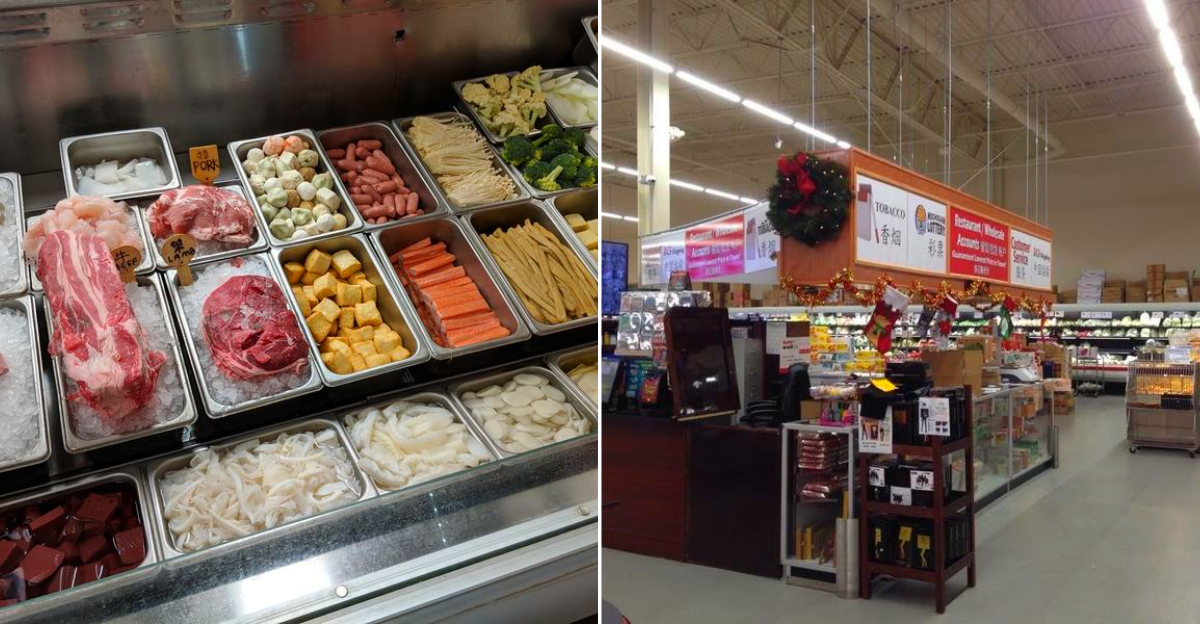
The parking lot tells you everything. On a Saturday morning, cars line up for spaces at a grocery store, and the people walking out are carrying bags that look way too heavy for a regular shopping trip.
That is because this place is not a regular grocery store. It is a destination.
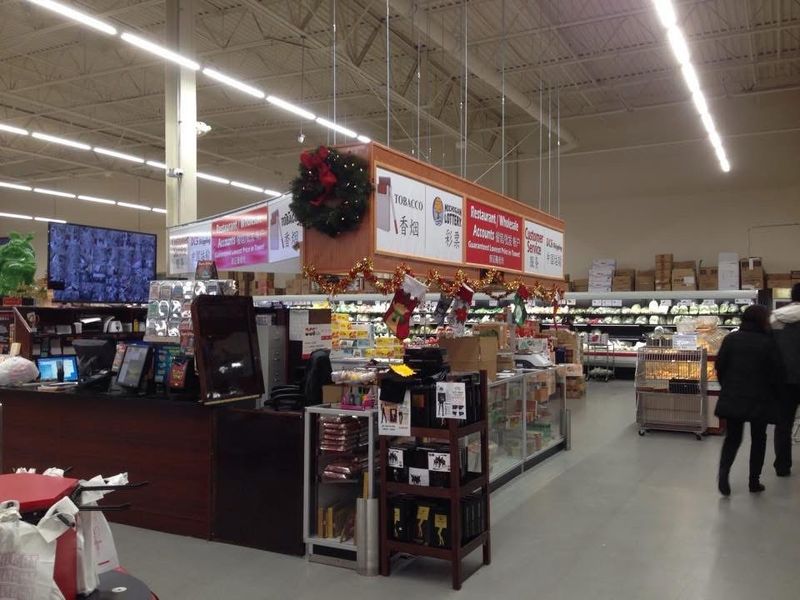
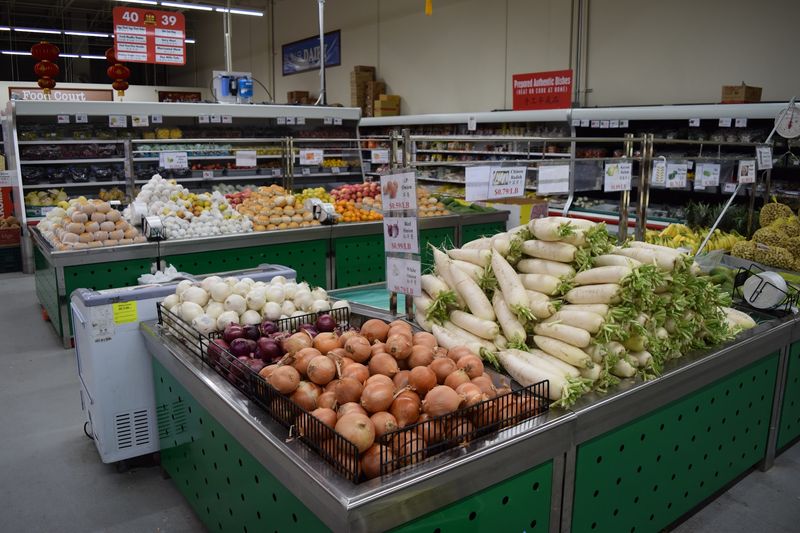
I walked in expecting to grab some soy sauce and left ninety minutes later with a bag of frozen dumplings, a box of pastries I could not pronounce, and a stomach full of noodles from the food court. The produce section alone takes up the footprint of most corner markets.
The meat counter cuts things you will not find anywhere else in the state. What keeps me coming back is the food court.
I have tried five different stalls and have not hit a bad one yet. This state needed a place like this for a long time.
Walk The Food Hall Before Ordering
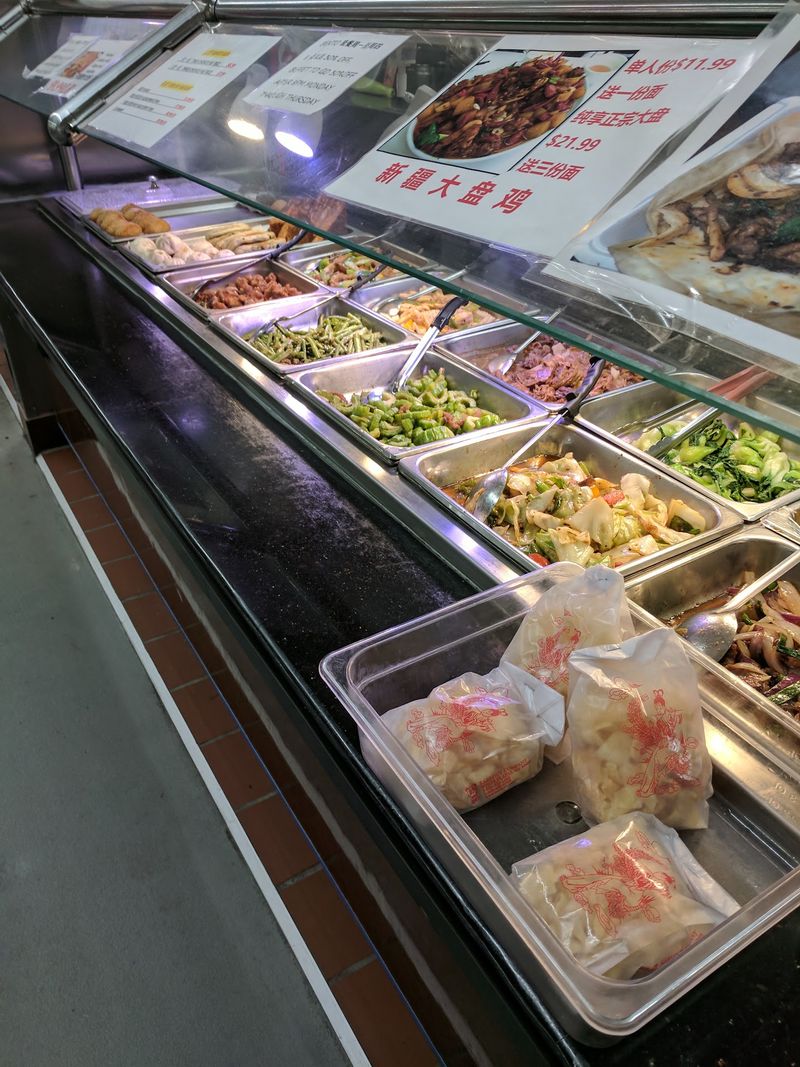
Bright menu boards can make the first open counter seem like the obvious answer, but patience pays here. Walk through the food hall once before ordering, noting which dishes, spice levels, serving sizes, and preparation times suit your group.
The current lineup covers several styles, including Hong Kong dim sum, Japanese ramen and sushi, Chinese malatang, bubble tea, and Asian desserts. Elsewhere in the market, roasted pork, duck, bakery goods, and refrigerated prepared meals widen the field considerably.
Scanning first also helps everyone coordinate orders and claim one of the limited tables without rushing. Families can split up, order from different vendors, then meet for a shared meal that turns variety into the main attraction.
Keep a photo of each menu or write down stall names, since a giant supermarket has a funny way of scrambling even a careful lunch plan.
John R Road Drops You Into Madison Heights’ Asian Corridor
168 Asian Mart is located at 32393 John R Road in Madison Heights, Michigan, just south of 14 Mile Road. From I-75, the 14 Mile Road exit provides an easy approach before turning south onto John R Road.
Continue south on John R Road from 14 Mile, where Asian restaurants, bakeries, and specialty businesses cluster along the corridor. The large 168 Asian Mart complex comes up shortly along the west side of the road.
Turn from John R Road into the shopping-center property and use the customer parking lot outside the market. From there, walk toward the main 168 Asian Mart entrance at 32393 John R Road.
Build Malatang With Balance
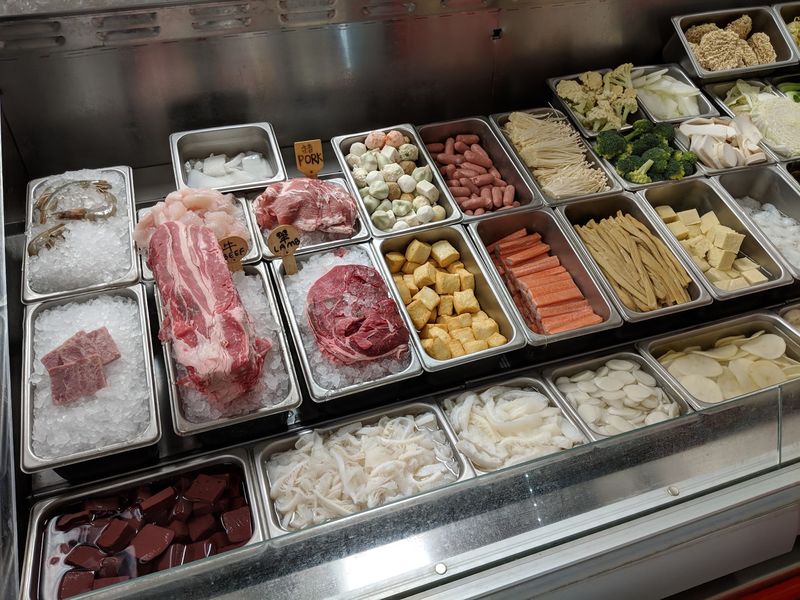
A malatang bowl begins like an edible puzzle, with vegetables, meat, tofu, and noodles waiting for you to choose them. Mala Town cooks those selections in its signature spicy broth, and the heat level can be adjusted from mild to extreme.
Balance makes a better bowl than simply grabbing everything that looks interesting. Pick one noodle, a protein, tofu or another soft ingredient, and several vegetables so the broth gains texture without becoming crowded.
First-time visitors should choose a manageable spice setting because extra heat cannot be removed once cooking begins.
For a different route, consider the chili oil noodles made with thick rice noodles, garlic, cabbage, bean sprouts, and green onion. Share spicy dishes with the table, keep water nearby, and remember that numbing warmth can build slowly.
The final spoonful often feels much hotter than the first bite.
Save Dim Sum For After Three
Steam rising from bamboo baskets is the food hall’s strongest argument for planning a later visit. Cheng’s serves freshly handcrafted Hong Kong-style dim sum after 3 p.m., including dumplings, fluffy bao, crisp spring rolls, and savory rice noodle rolls.
Order a few contrasting textures rather than filling the table with one kind of dumpling. Substantial siew mai bring a hearty bite, while translucent har gao highlight shrimp and a softer wrapper.
Bao adds pillowy bread, and spring rolls provide the crunch needed between steamed dishes.
Dim sum works especially well for groups because everyone can sample small portions without committing to one large entrée. Ask what is available before building the order, since made-to-order cooking can require patience during busy periods.
Eat delicate dumplings while hot, when their wrappers remain tender and the fillings taste brightest, then save sturdier items for the slower final round.
Choose Ramen When Comfort Calls
Some meals should arrive as a warm bowl that quiets the table for several happy minutes. Oishi Ramen serves Japanese ramen built around slow-simmered broth, handmade noodles, tender chashu pork, and carefully selected toppings.
Ramen is a smart solo order when sharing several small plates sounds complicated, yet it can also anchor a group feast. Taste the broth before changing anything, then mix toppings gradually so each ingredient keeps some character.
Noodles soften as they sit, so photos should be quick and slurping should begin promptly.
Because the food hall offers spicy, fried, and sweet choices nearby, a rich ramen bowl can provide a steady center to the meal. Avoid ordering too many heavy sides until its size becomes clear.
Any remaining appetite can be handled by dessert, bakery bread, or a market snack selected during the grocery portion of your visit.
Order Sushi For Speed And Variety
Neat rows of fish and rice offer a cooler pause beside steaming soup and fiery malatang. Tabe Sushi prepares classic nigiri, sashimi, and specialty rolls, with fish sourced daily according to the market’s vendor information.
Start with familiar pieces, then add one creative roll if you want contrast without turning lunch into a guessing game. Nigiri keeps the focus on fish and seasoned rice, while sashimi removes rice entirely.
Rolls are easier to share and can stretch a mixed food hall meal across several tastes.
When time is short, compare the counter menu with the market’s grab-and-go case, which carries fresh sushi, salmon nigiri, poke bowls, and other prepared favorites. Check labels and dates carefully before buying refrigerated food, just as you would anywhere else.
Eat raw fish promptly, keep chilled items cold, and save the long supermarket wander for before purchasing take-home sushi.
Finish With An Asian Dessert
Watermelon, coconut milk, and green pandan jelly create a dessert that looks cheerful before the first spoonful. Yuan Yang serves Asian sweets made fresh daily, including traditional tong sui, silky tofu pudding, bubble tea, and fruit drinks.
Sweet soups and tofu pudding offer a softer ending than cake, especially after rich ramen or spicy broth. For something colder and brighter, watermelon coconut milk with pandan jelly adds creamy, fruity, and springy textures in one cup.
Popping boba drinks bring playful bursts, though sweetness levels and available options should be confirmed when ordering.
One dessert can often be shared if lunch involved several vendors, leaving room for the bakery later. Pick drinks up near the end so ice does not melt while hot dishes arrive.
A cool sip between spicy bites is useful, but saving most of it for dessert gives the meal a clear finish.
Inspect The Barbecue Counter
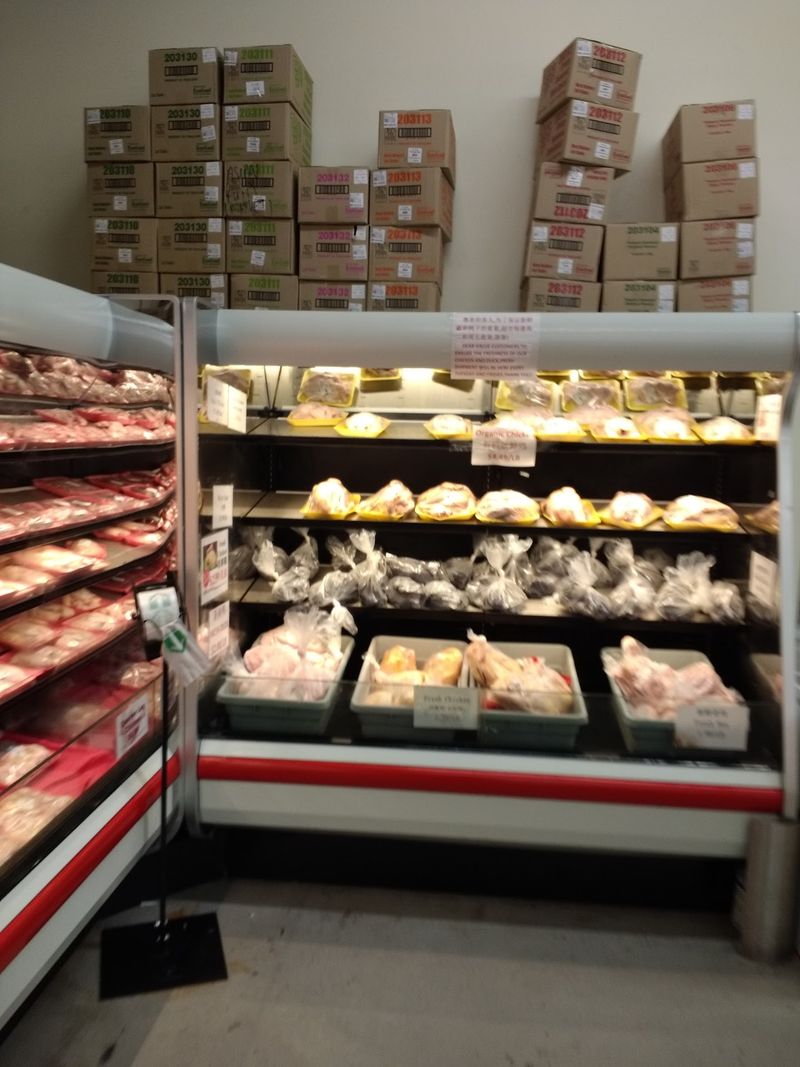
Glossy roast duck and pork can stop a shopping cart faster than any sale sign. The in-store BBQ Station sells ready-to-eat roasted meats, making it useful for lunch, dinner at home, or an extra dish shared in the food hall.
Ask about portion sizes and whether meat is sold whole, by weight, or chopped for serving. A whole roast pig is advertised at $168.88, a memorable option intended for a gathering rather than an ordinary solo meal.
For smaller plans, duck or roasted pork is far easier to carry and divide.
Buy hot prepared meat near the end of the trip so it spends less time cooling in the cart. If taking it home, travel directly and store leftovers safely.
The counter also offers a helpful shortcut: rice, greens, or noodles from another vendor can turn a simple roast-meat purchase into a broad, satisfying spread.
Use Grab-And-Go As A Backup
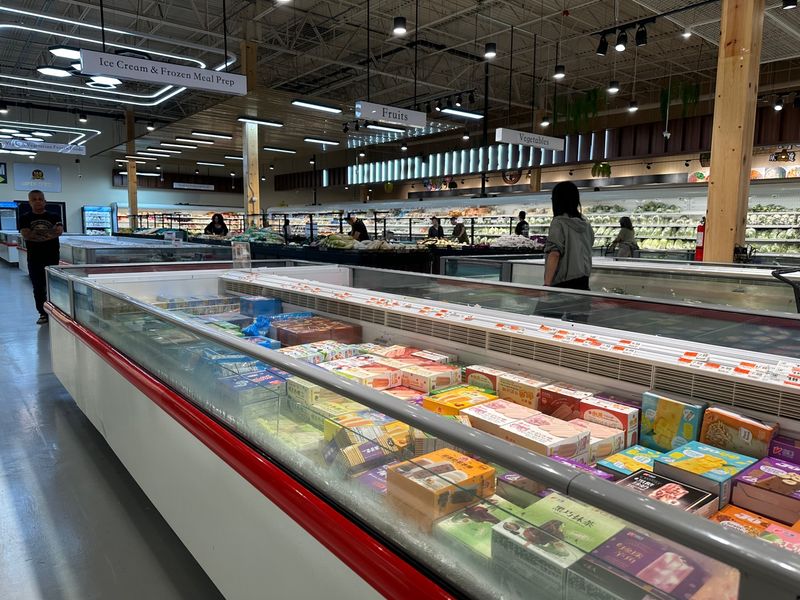
A busy counter does not need to derail lunch when refrigerated cases hold another route. The market’s grab-and-go selection includes fresh sushi, salmon nigiri, poke bowls, and other ready-to-eat Asian favorites for visitors short on time.
Browse labels before choosing, paying attention to ingredients, package dates, storage directions, and any sauces packed inside. Select chilled food only after exploring the store, then eat it soon or place it in a cooler for the drive home.
That habit protects both quality and food safety.
Prepared meals can also supplement a food hall order when one person wants something faster or milder. Pair a small package with bakery bread, fruit, or a hot dish instead of buying more than you can finish.
The cases are not merely a backup plan; they reveal additional dishes that may not appear on restaurant menus during that visit.
Plan For Casual Seating
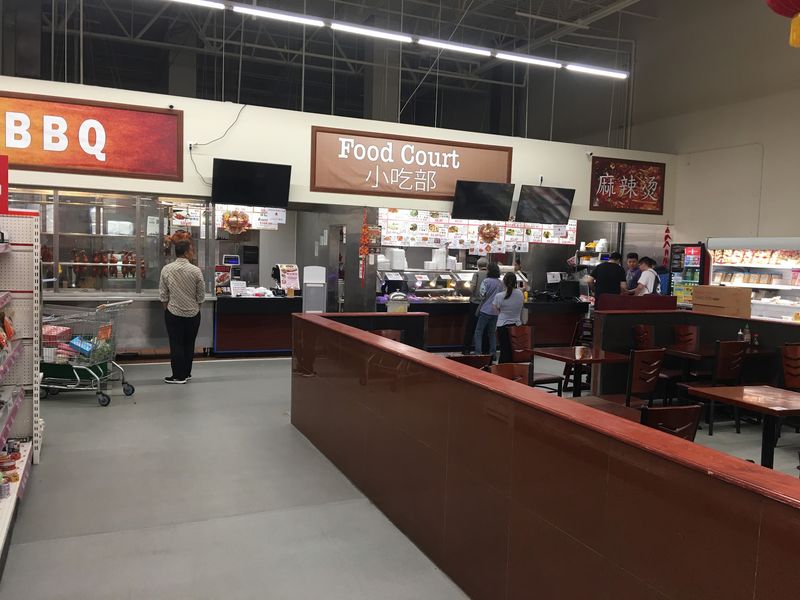
Fluorescent lights, simple serving ware, and a small collection of tables keep the mood practical rather than polished. The food hall is designed for casual meals, with families and friends gathering over dishes from several Asian cooking traditions.
Weekend crowds can fill roughly a dozen tables quickly, so one person should look for seating while others study menus. Keep bags and carts tidy, share table space politely, and clear disposable dishes when finished.
Families with children can also look into Kidz Want, the nearby play space and arcade, while confirming current access details on arrival.
Free lemon water from a thermos or simple tea may be available, but offerings can change. Bring patience rather than expectations of formal table service.
The modest setup is part of the appeal: money and attention go toward the food, and nobody minds when several mismatched bowls cover the table.
Leave Time For Thirty-Eight Aisles
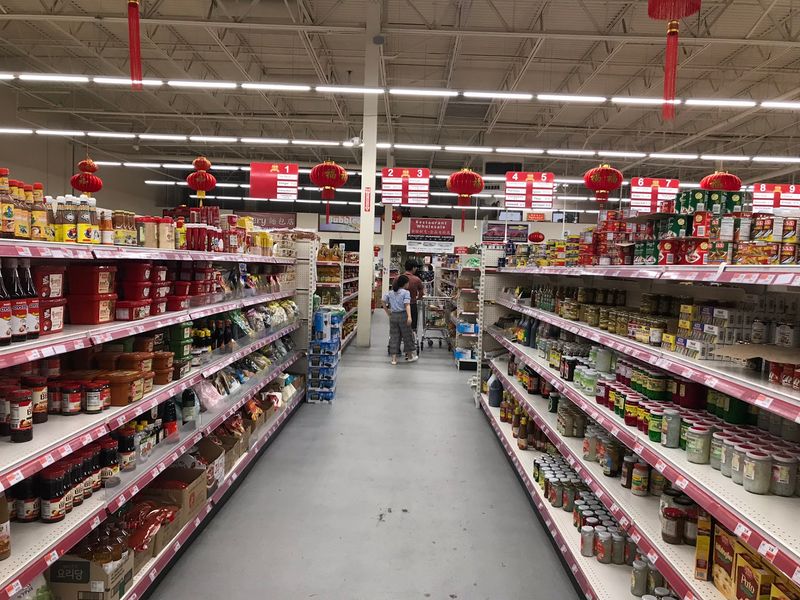
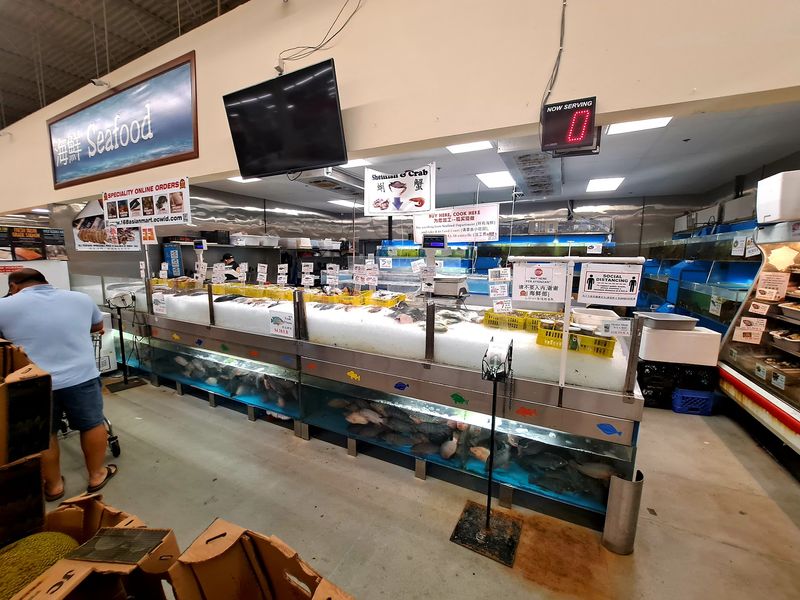
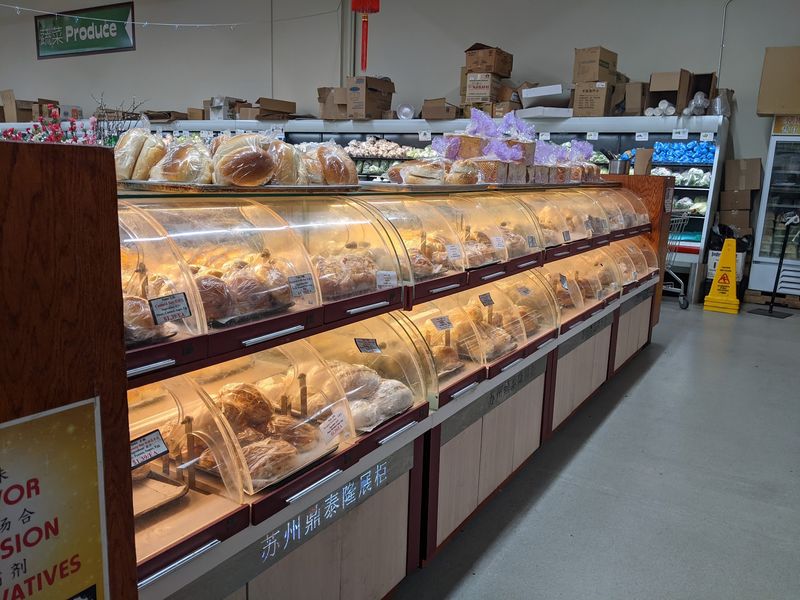
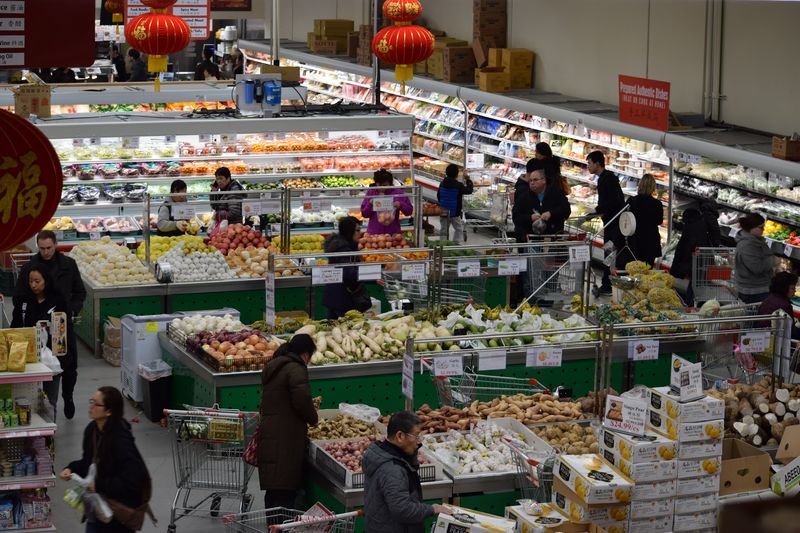
Lunch is only half the expedition because 38 aisles wait beyond the food hall. Michigan’s largest Asian market occupies about 80,000 square feet, with fresh produce, pantry staples, live seafood, bakery goods, kitchenware, snacks, and household products.
Make a short grocery list before arriving, but leave room for one unfamiliar ingredient or treat. Photograph labels for later research, compare package sizes, and ask staff when a product is difficult to locate.
Frozen and refrigerated purchases should come last, particularly when the return drive takes 45 minutes.
The bakery and snack aisles can quietly erase any appetite left after lunch, so shop with a basket and a rough budget. Bring insulated bags for seafood, meat, frozen desserts, or take-home sushi.
Combining a varied meal with serious grocery shopping is what makes the drive sensible, memorable, and surprisingly easy to repeat.