
This Dinner Inside A Michigan Barn Is Where The Ingredients Were Picked Hours Before Your Reservation
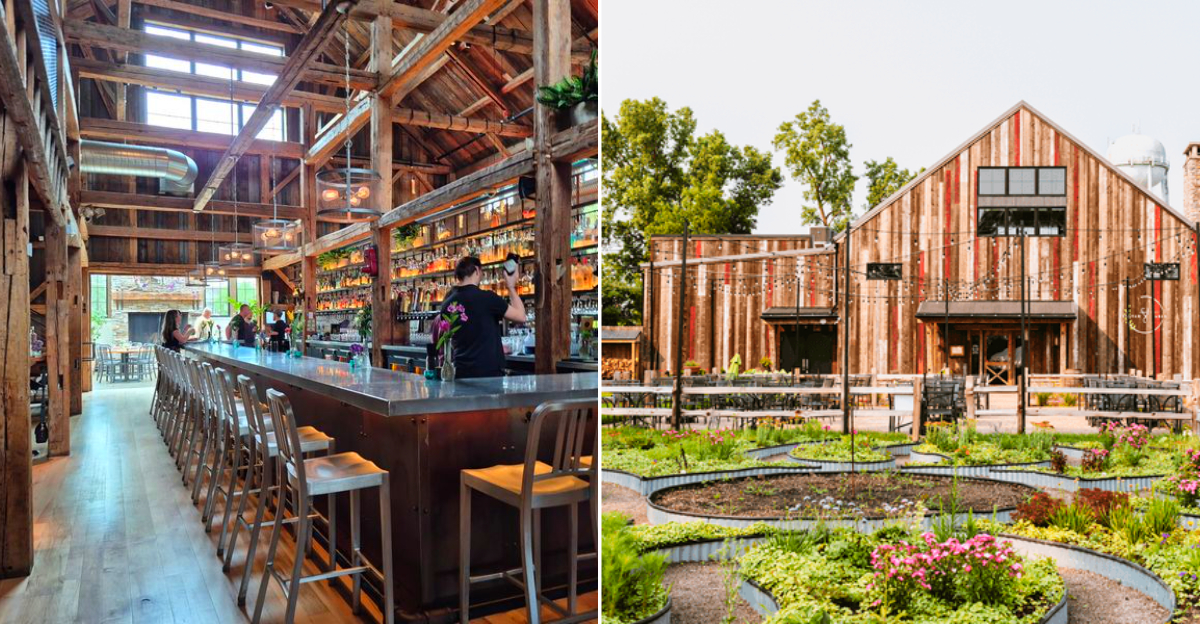
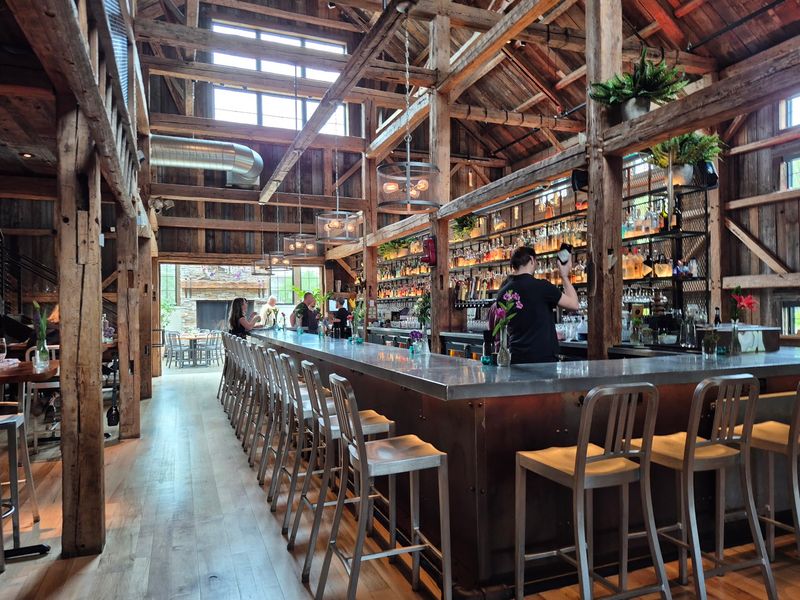
Nothing prepares you for walking through the door of a barn that has been turned into something far more intentional than a restaurant. The beams are original, wide and dark, the kitchen sits open along a wall where a silo used to be.
My server mentioned that the herbs on my plate were still in the ground that morning, plus the salad greens came from a plot I could see through the window if I leaned left.
That proximity changes the way every course tastes, not because farm-to-table is a new idea, but because here the phrase is literal, not a marketing label.
You are eating inside the supply chain itself. Each plate carries a flavor profile you can trace back to the dirt outside.
Michigan hides this kind of place behind unmarked driveways, letting ambitious kitchens do the talking while the building stays quiet.
Arrive Early For The Farm
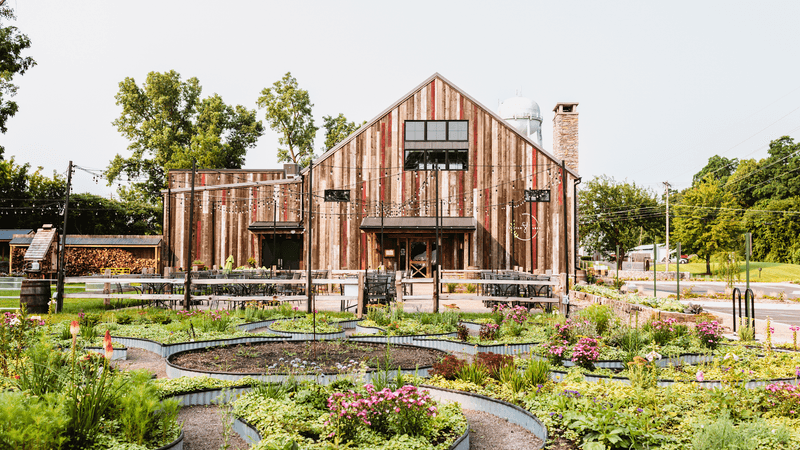
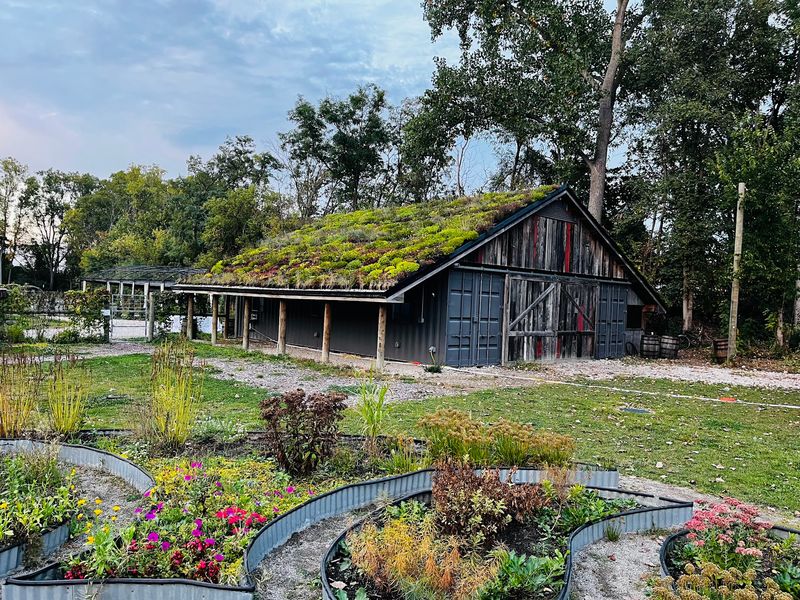
Vegetable rows beside a polished dining room make the farm-to-table claim unusually easy to understand. Sylvan Table sits on a five-acre property with a three-acre working farm that supplies many ingredients used by the kitchen.
Come early enough to appreciate the grounds when access, daylight, and weather permit, but remain on guest areas and respect signs. Crops are working ingredients, not decorations, and picking or stepping between planted rows could damage dinner before it reaches anyone’s plate.
Look for differences between seasons rather than expecting a fixed display. Tender greens, roots, herbs, flowers, and other produce appear according to Michigan growing conditions, while additional ingredients may come from regional partner farms.
A short look outdoors gives useful context once dishes arrive inside. Ask staff which plate elements were grown on-site that day, since specific harvests change, and enjoy the rare pleasure of seeing where part of your meal began.
Middlebelt Changes Its Name Before Dinner
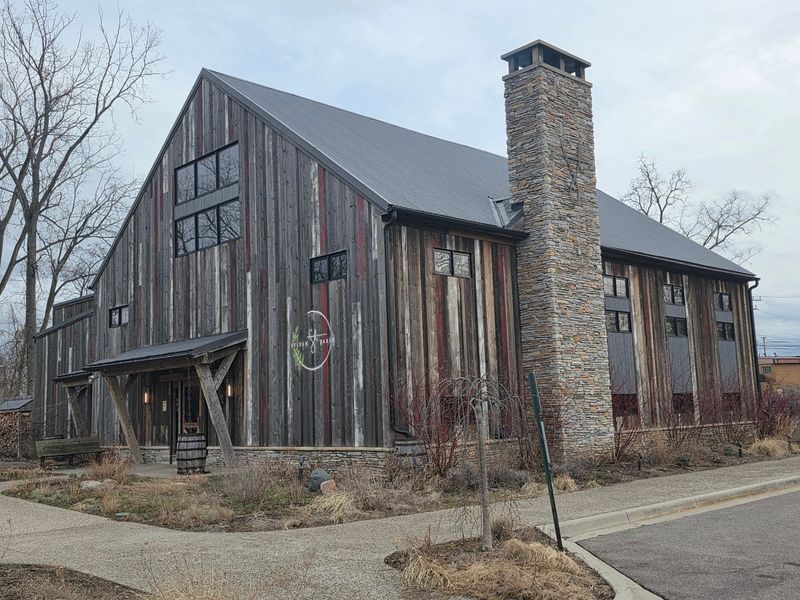
Sylvan Table sits at 1819 Inverness Street in Sylvan Lake, Michigan, just off the Orchard Lake Road corridor. The restaurant identifies Orchard Lake and Middlebelt as its main crossroads, making those the easiest landmarks for the approach.
From Orchard Lake Road, turn toward Middlebelt Road and continue as Middlebelt becomes Inverness Street. That name change is the useful clue on the final stretch, carrying you toward the restaurant without requiring another major-road turn.
Turn into the Sylvan Table property from Inverness Street and use the parking available at the restaurant. From the lot, continue on foot toward the barn-style restaurant entrance to finish the arrival.
Notice The Barn’s Long Journey
Overhead beams carry a story longer than the drive to Sylvan Lake. Owners Tim and Nicole Ryan brought the roughly 300-year-old timber-frame barn from Thorndike, Maine, then reassembled it in Michigan while adding windows and modern comforts.
Pause near the entrance and study the old joinery, broad wood surfaces, and high structure before focusing on your table. The design feels historic without becoming a museum, partly because natural light and contemporary details keep the dining rooms open and useful.
If it is your first visit, tell a staff member that the building’s background interests you. They may be able to explain features visible from your seat without interrupting the pace of dinner.
Choose clothing suitable for an upscale restaurant but comfortable enough for exploring the property. The barn supplies grandeur, yet its warm materials soften the mood, making celebrations feel polished without requiring guests to whisper through dinner.
Treat The Menu Like A Snapshot
A menu here behaves more like a farm journal than a permanent contract. Sylvan Table uses a hyper-seasonal approach, so preparations can change frequently as crops mature, weather shifts, and ingredients reach their best condition.
Read the current menu before visiting for a sense of prices and style, but expect the printed choices at dinner to be the final guide. Produce may come from the on-site farm or regional partners, depending on season and availability.
Ask what was harvested recently and which dish shows it most clearly. A simple vegetable preparation can reveal more about the farm than a heavily composed plate, especially when freshness supplies the sweetness, snap, or fragrance.
Anyone with dietary needs should speak clearly with the staff instead of guessing from an older menu online. Flexibility is the useful habit here: follow what Michigan is producing now, and the meal becomes timely, specific, and more interesting.
Watch The Wood-Fired Kitchen
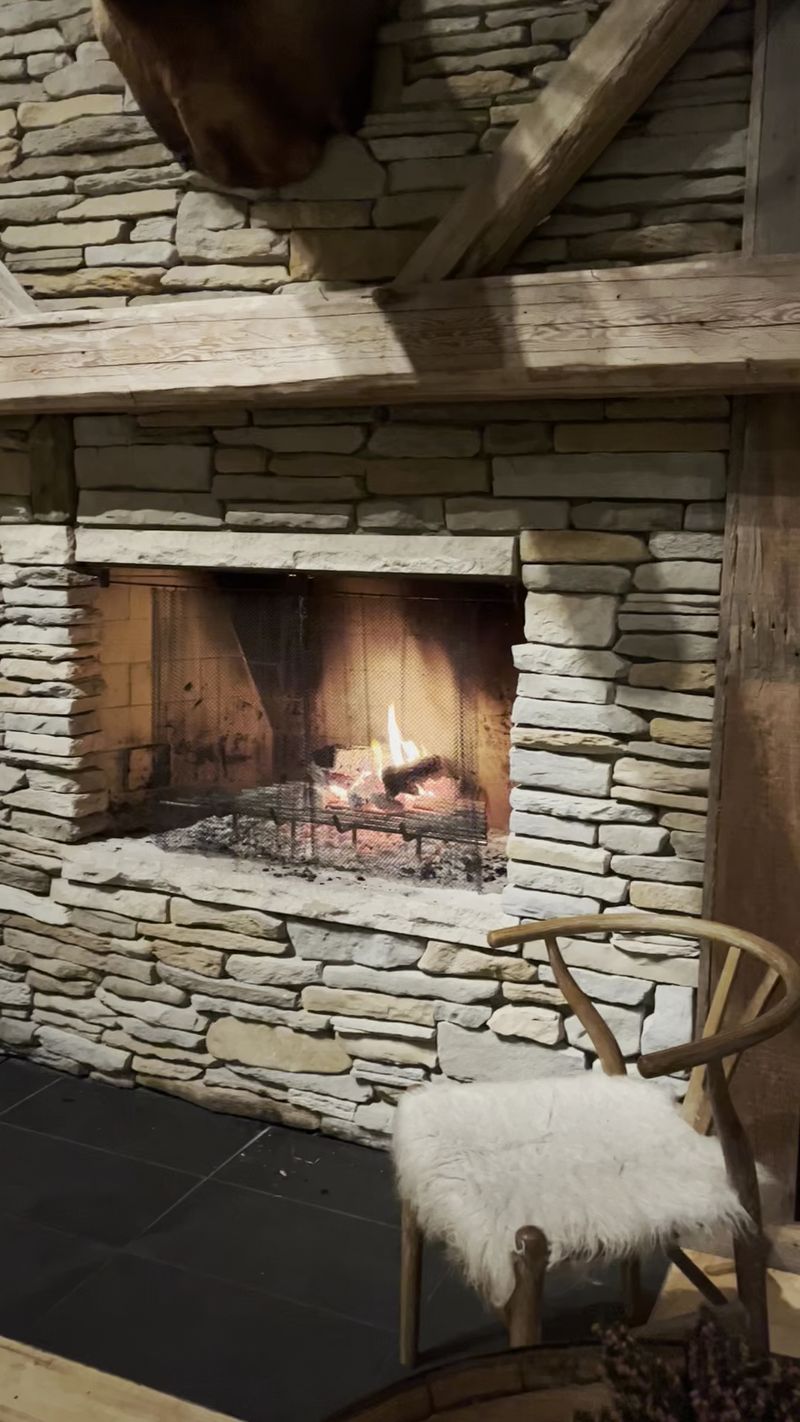
Flames provide part of the evening’s soundtrack, and they also explain the dark edges appearing across several plates. Sylvan Table’s open kitchen features an eight-foot wood-fired grill and a wood-fired pizza oven, central tools for its New American cooking.
Request a table with a kitchen view if watching the team matters to you, though placement cannot always be guaranteed. From nearby seats, the movement between fire, counter, and dining room adds energy without turning dinner into a staged show.
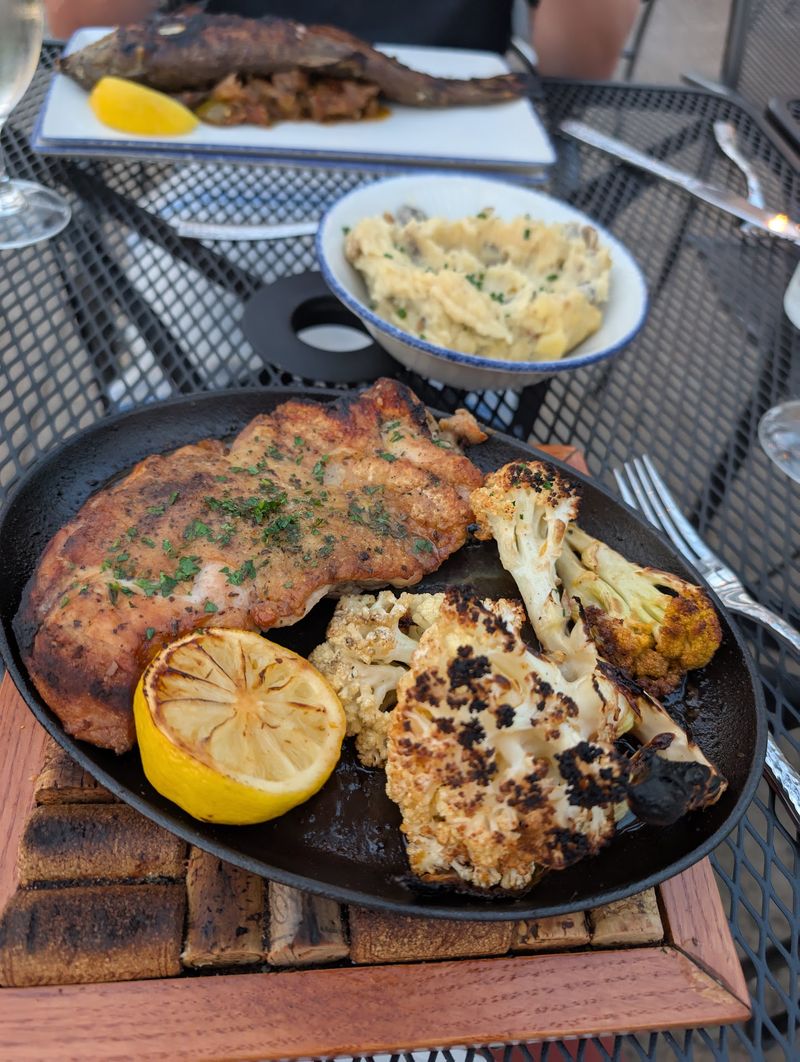
Wood heat can create crisp skin, blistered dough, caramelized vegetables, and a measured smoky note. Char is intentional when balanced, but guests who prefer lighter browning should ask how a dish is prepared before ordering.
Notice how different ingredients respond to the same fire rather than expecting everything to taste smoky. The best plates use flame as seasoning, preserving the ingredient’s own flavor while adding texture and warmth.
Share The Bee Sting Flatbread
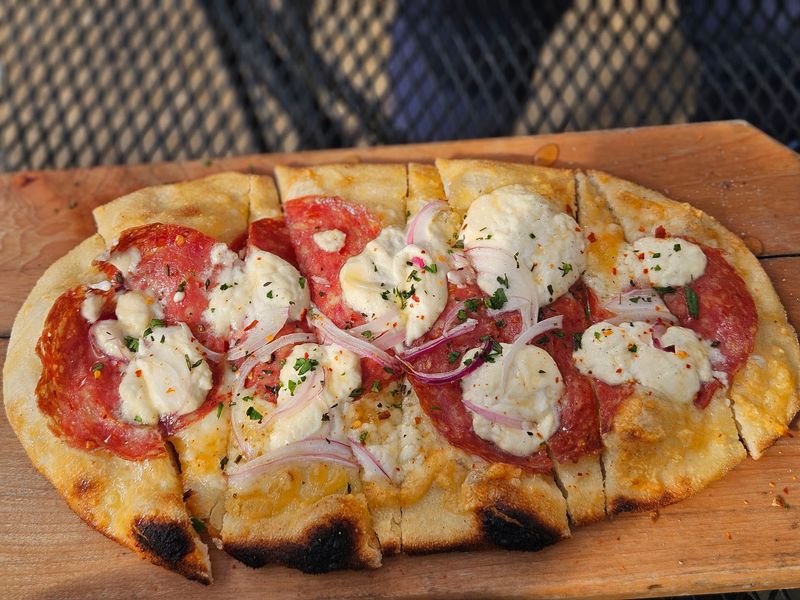
Sweetness, heat, and a blistered crust make the Bee Sting flatbread a lively opening when it appears on the menu. Its wood-fired base supports contrasting toppings, and versions have included house-made ricotta, giving each bite creamy relief from the spice.
Order it for the table rather than treating it as one person’s private project. Sharing leaves room to explore starters, vegetables, and main courses while the flatbread is still hot and its edges retain their crunch.
Because Sylvan Table changes dishes with availability, confirm the current ingredients before ordering, particularly if anyone avoids certain foods. The name suggests its sweet-and-spicy character, but exact details can evolve with the kitchen’s seasonal thinking.
Eat a slice early instead of saving it until heavier plates arrive. The playful balance works best as an appetite starter, and the flame-marked dough offers a clear first look at what the restaurant’s wood oven can accomplish.
Consider A Bold Bone Marrow Start
Bone marrow is not a shy appetizer, which is precisely why it suits the barn’s sturdy surroundings. When offered, Sylvan Table’s roasted beef bone marrow brings deep savory richness, usually supported by bread and brighter accompaniments that keep each bite from feeling heavy.
Share one order unless everyone already knows they love marrow. Scoop a small amount onto the accompanying bread, then add any acidic, herbal, or crisp element provided by the kitchen for a more balanced taste.
Ask your server to explain the current presentation because seasonal garnishes and bread pairings may change. That quick conversation can also help first-time diners understand the texture, which is soft and luxurious rather than meaty or chewy.
Follow it with a vegetable-focused plate or a lighter main course if richness builds quickly for you. Thoughtful pacing turns this distinctive starter into an intriguing chapter, not the entire story of dinner.
Choose Trout When Available
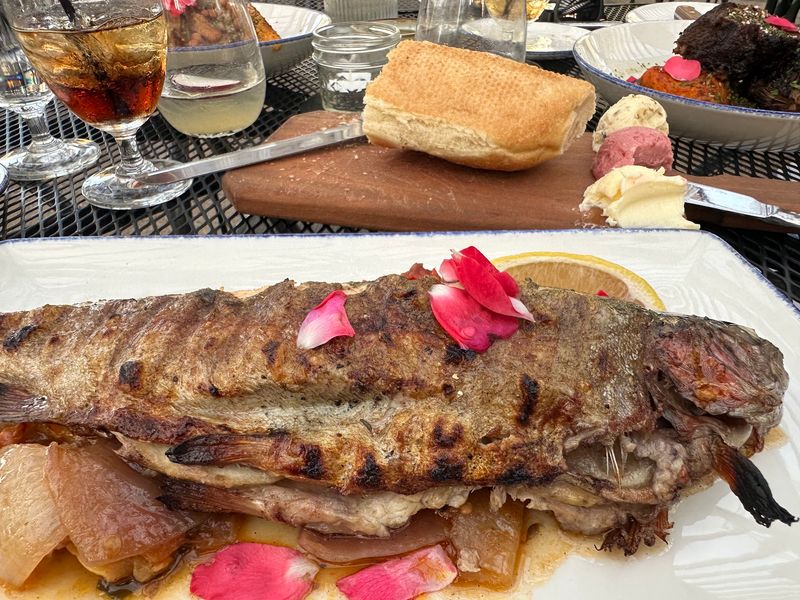
Crisp skin beside tender flakes is one of the wood grill’s most convincing tricks. Lake Superior trout has appeared at Sylvan Table with seasonal partners such as mushrooms and farm-grown beets, allowing earthy vegetables to support the fish without hiding it.
Check whether the current fish is served whole, filleted, or prepared another way before ordering. Guests uncomfortable with bones should say so, while adventurous diners may enjoy the fuller presentation when it is available.
Start tasting near the lighter sections, then combine the fish with sauces and vegetables to understand the plate’s design. Fire can add savory depth, but fresh trout should still taste clean and delicate beneath the crisp exterior.
Since species, garnishes, and preparations may rotate, view trout as a useful example rather than a guaranteed permanent dish. Ask for the kitchen’s current fish recommendation, especially if you want a main course strongly tied to Great Lakes ingredients.
Expect Smoke In The Potatoes
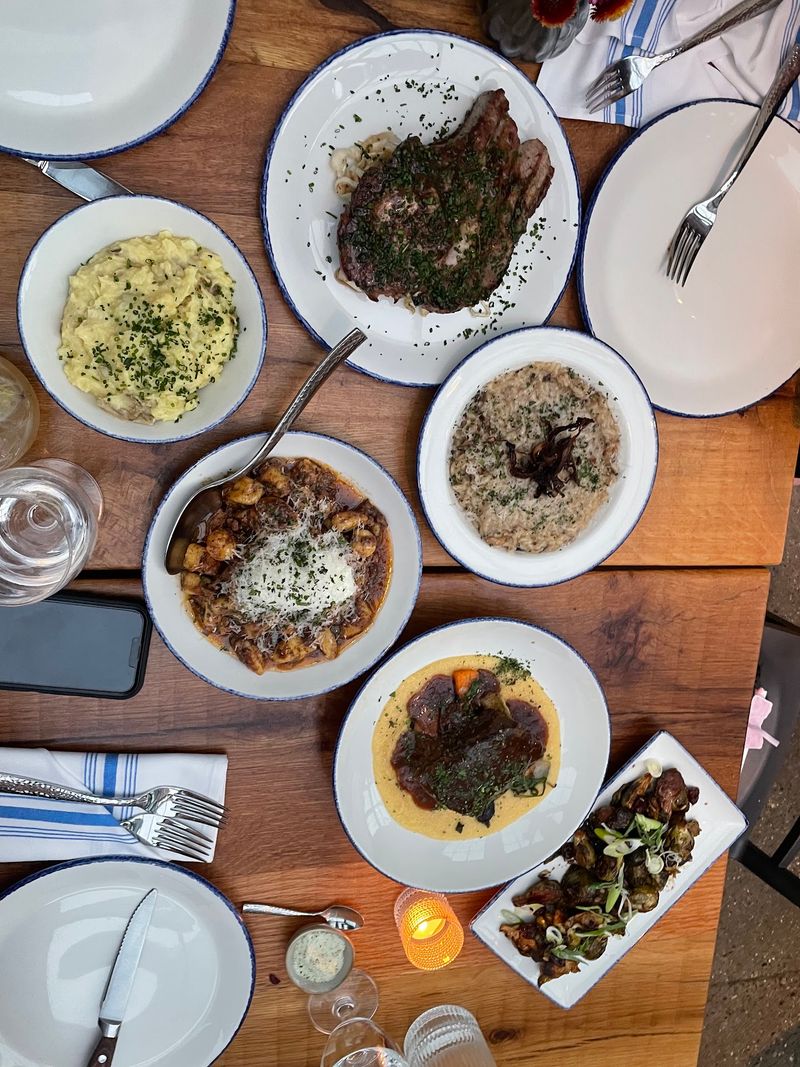
A spoonful of mashed potatoes may taste unexpectedly like the countryside after a distant bonfire. Sylvan Table has served its creamy potatoes with smoked hay flavor, turning a familiar side into something earthy, fragrant, and decidedly more unusual.
Order one portion to share if your group has mixed feelings about smoky food. The flavor can be pronounced, so a small taste alongside meat, fish, or roasted vegetables is more useful than judging it alone.
Ask whether the current potato preparation still uses smoked hay because seasonal menus and techniques change. Staff can describe the intensity and suggest dishes that pair well with its rustic character.
Traditionalists may prefer another vegetable side, and that is perfectly sensible. Curious diners, however, should approach the potatoes as an example of how the kitchen plays with aroma, memory, and comfort food, using one surprising detail to make a simple bowl memorable long after dinner.
Save Room For Seasonal Dessert
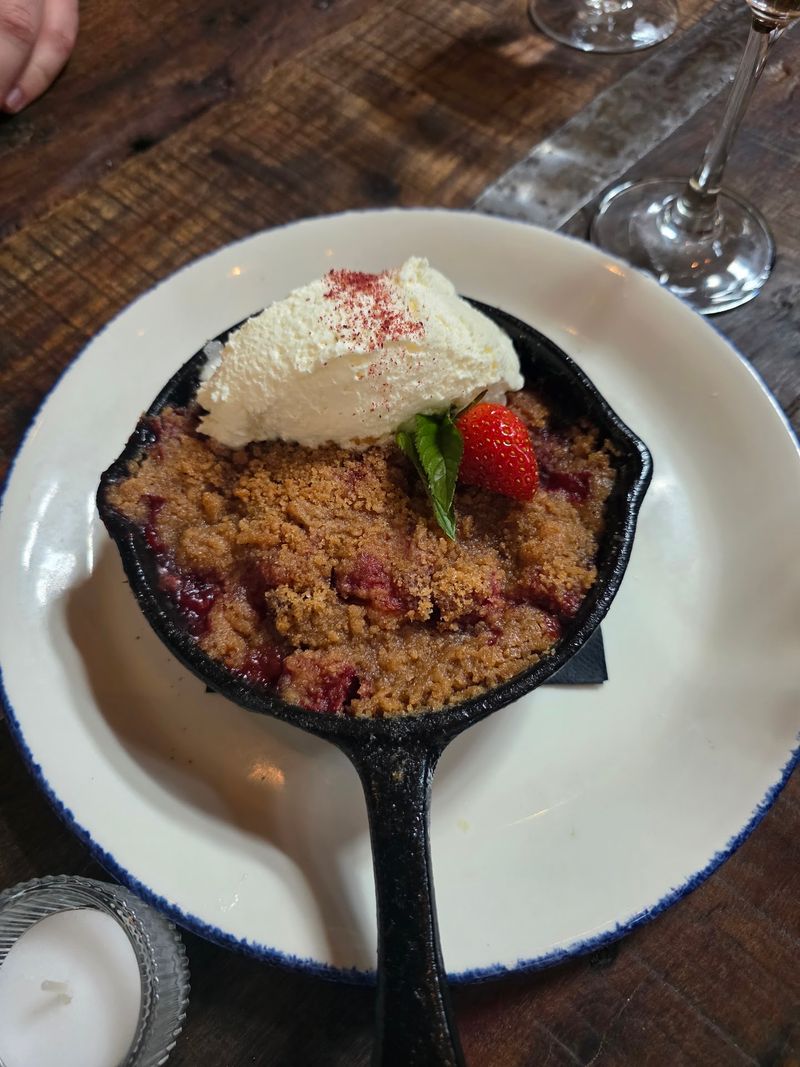
Dessert can shift the meal from thoughtful to cheerfully indulgent in a few forkfuls. Sticky toffee carrot cake has been a memorable Sylvan Table offering, combining moist spiced cake with rich sauce and the familiar sweetness of a well-loved vegetable.
Check the evening’s dessert list instead of assuming the cake will be available. Like the savory menu, sweets can rotate, and seasonal fruit, squash, citrus, or other Michigan-minded ingredients may guide the pastry choices.
Sharing works well after several courses, although dedicated dessert eaters may disagree with admirable firmness. Ask which option is warm, fruit-forward, or least sweet if your table wants contrasting finishes.
Leave space by ordering starters and sides with a little restraint. A changing dessert can summarize the restaurant’s larger idea: recognizable comfort is welcomed, but the kitchen adds enough texture, seasonality, or surprise to prevent the final course from feeling routine.
Match Your Seat To The Season
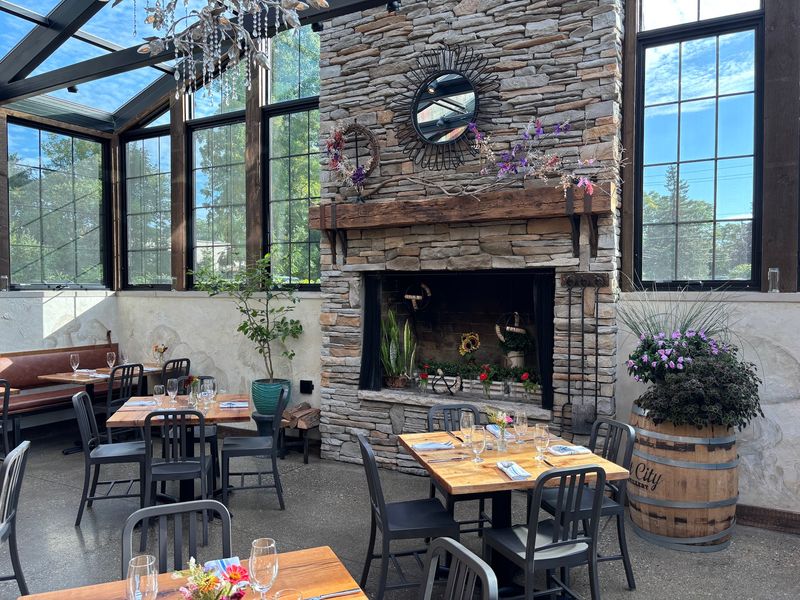
One building can offer several moods, from timbered warmth to a brighter garden-like glow. Sylvan Table includes a glass-roof solarium, indoor barn seating, and outdoor areas, giving the experience a different character depending on weather and table placement.
Request the solarium if natural light and a fireplace appeal to you, or ask about the covered patio during comfortable weather. Requests are not guarantees, so decide whether location matters more than your preferred reservation time.
Outdoor schedules and special patio events can change, including select dog-friendly Barks and Burgers gatherings. Confirm current dates, rules, and menu details directly before bringing a dog, since ordinary dinner service should never be assumed pet-friendly.
Indoor seats near the open kitchen feel livelier, while quieter corners suit conversation. Mention celebrations, mobility concerns, or noise preferences while booking, then arrive prepared to enjoy whichever part of the historic restaurant welcomes you that evening.