
This Protected Colorado Prairie Is A Breathtaking Window Into An Almost Lost World
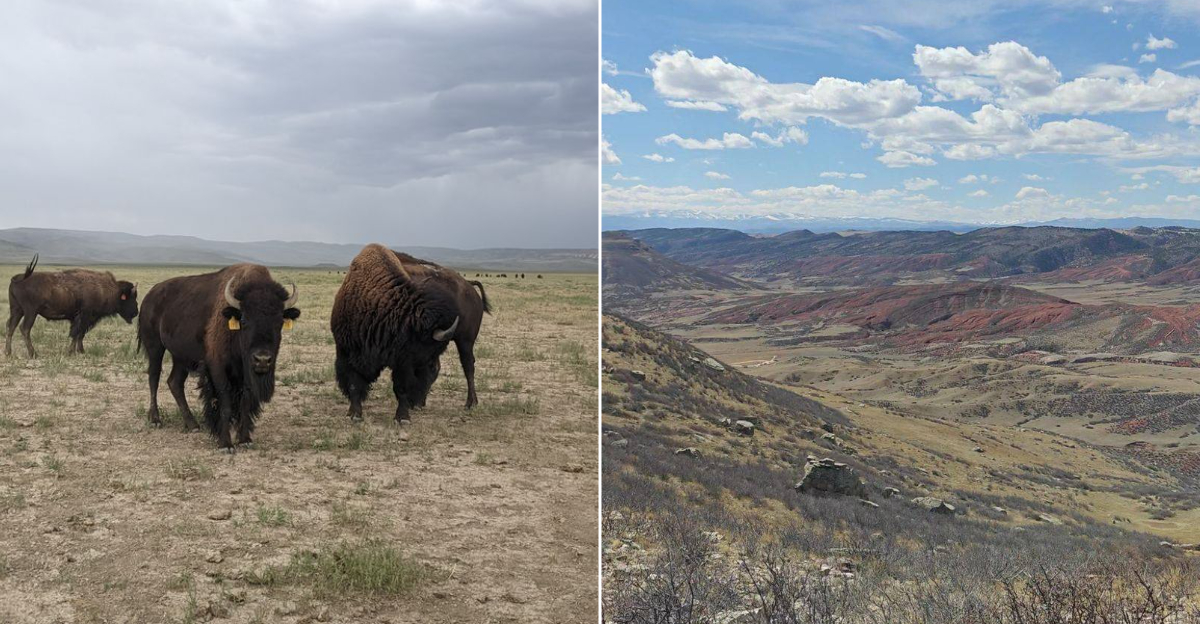
Some landscapes make you stop measuring the day by how much you can fit into it. Out on the open prairie, the horizon stretches wide, wildlife moves on its own terms, and the ground carries stories far older than any weekend itinerary.
In northern Colorado, this protected landscape offers hiking, sweeping views, and a rare chance to experience shortgrass prairie without turning the outing into a race from one attraction to the next. The archaeological history gives the place even more weight, reminding visitors that this land has been significant for thousands of years.
Come ready to walk, look closely, and give animals the distance they deserve. The reward is not a checklist of things conquered before lunch.
It is the feeling of being somewhere that asks for attention instead of speed. And when the scenery opens this wide across Colorado, doing less can somehow make the day feel much bigger.
A Prairie Address That Makes The Day Feel Larger
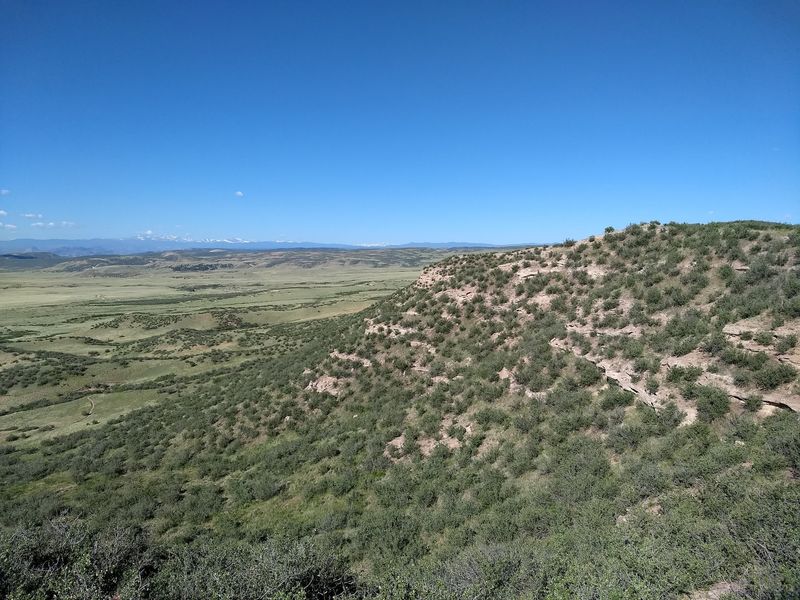
Some outings become easier the second the destination stops trying to be everything at once. Soapstone Prairie Natural Area has a refreshingly clear job: protect a broad piece of northern Colorado prairie and let visitors meet it on its own terms.
The official access point is 22998 Rawhide Flats Road, Wellington, CO 80549, north of Fort Collins and near the Wyoming line. That address matters because this is not a city park with a coffee shop across the street and a bench every fifty feet.
It is a large, protected natural area managed by the City of Fort Collins Natural Areas Department.
Soapstone Prairie Natural Area covers nearly 19,000 acres, which is enough room for your phone calendar to feel slightly embarrassed. The land includes shortgrass prairie, low ridges, washes, and wide views toward the Front Range.
Visitors come for hiking, mountain biking on designated trails, horseback riding on approved routes, wildlife watching, and the rare pleasure of seeing space do most of the talking.
Nearly 19,000 Acres Of Shortgrass Prairie Still Speaking Clearly
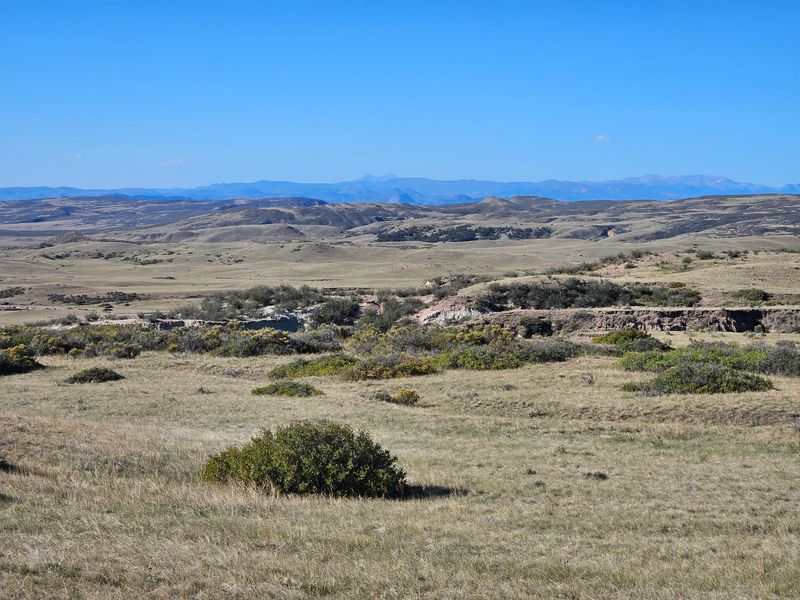
The first practical thing to know is that Soapstone Prairie Natural Area is not pretending to be a mountain trailhead. Colorado often gets reduced to peaks and ski towns, but the shortgrass prairie tells an older, quieter story about the state.
Here, the main attraction is the ecosystem itself. The natural area protects nearly 19,000 acres of prairie habitat, a landscape type that once stretched widely across the Great Plains but has been greatly reduced by farming, roads, and development.
That makes a visit feel less like checking off a viewpoint and more like reading a page that nearly went missing.
Planning stays fairly simple, which is a gift in a world where even buying socks can require research. Soapstone Prairie Natural Area offers designated trails of varying lengths, interpretive information, and space for visitors who want a half day outside without building an expedition.
Bring water, sun protection, and realistic expectations. Shade is limited, distances can feel longer in open country, and wildlife should be watched quietly from afar.
The Lindenmeier Story Reaches Back More Than 12,000 Years
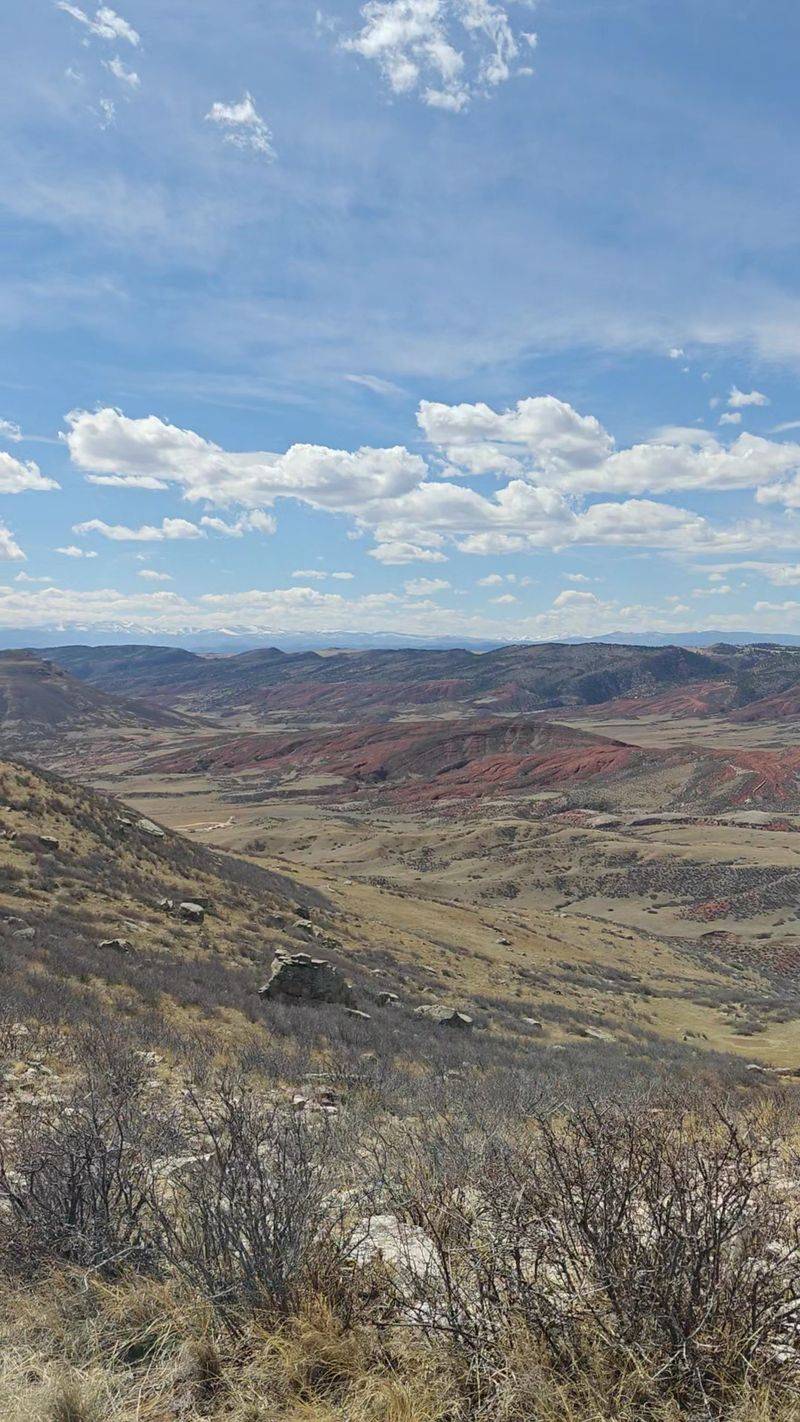
A prairie can look empty if you hurry, which is one of the great tricks land plays on impatient people. At Soapstone Prairie Natural Area, the Lindenmeier archaeological site proves the opposite with unusual force.
Lindenmeier is recognized as a National Historic Landmark and is one of the important Folsom culture sites in North America. Archaeological evidence shows people used this area more than 12,000 years ago.
That time span is hard to hold in your head while standing beside a modern trail sign, but that is partly the point. The land is not a backdrop.
It is a record.
Visitors are not roaming through an open dig site, and that is a good thing. Protection matters here.
Interpretive features help explain why the site is significant while keeping sensitive resources safe. Soapstone Prairie Natural Area gives travelers a way to connect with deep human history without treating it like a souvenir shelf.
For families, it can turn a walk into a conversation about how people lived, moved, hunted, gathered, and adapted long before Colorado had highways, suburbs, or anyone complaining about parking apps.
Bison And Prairie Dogs Put Wildlife Back In The Picture
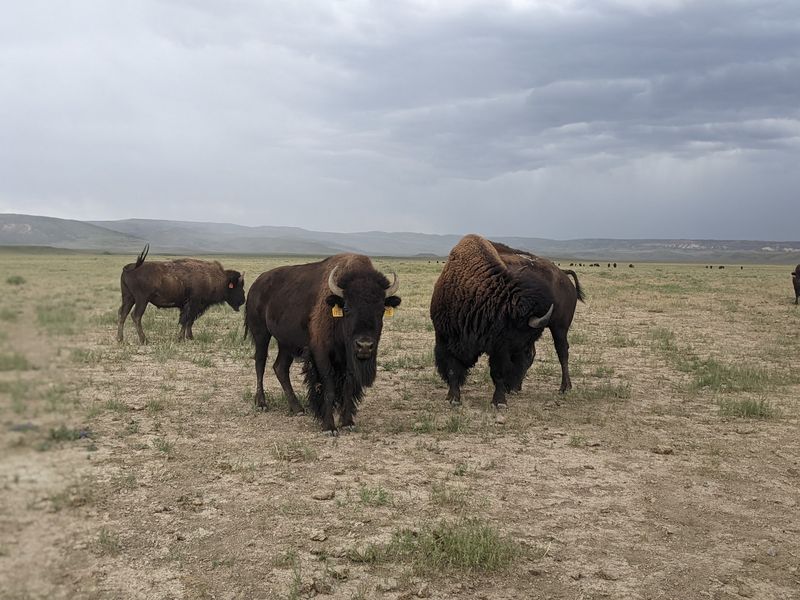
Wildlife viewing at Soapstone Prairie Natural Area asks for patience, which is inconvenient only if you believe nature should perform on a schedule. The prairie does not work that way, and honestly, good for the prairie.
American bison are part of the conservation story here, visible at times within managed pasture areas. They should always be viewed from a distance, both for visitor safety and for the animals’ welfare.
Binoculars are a smart addition, especially since a faraway bison can otherwise look like a moving punctuation mark on the horizon.
Prairie dogs also help shape the ecosystem, and the area supports many other grassland species. Soapstone Prairie Natural Area is connected to wider recovery efforts for native prairie wildlife, including habitat work tied to black footed ferrets in the broader region.
Good To Know: dogs are not allowed at Soapstone Prairie Natural Area, a rule that helps protect wildlife and keeps visits simpler for everyone. Leave pets at home, stay on designated routes, and give animals the rare courtesy of not turning their ordinary Tuesday into our dramatic field trip.
Trails Let The Prairie Unfold At Human Speed
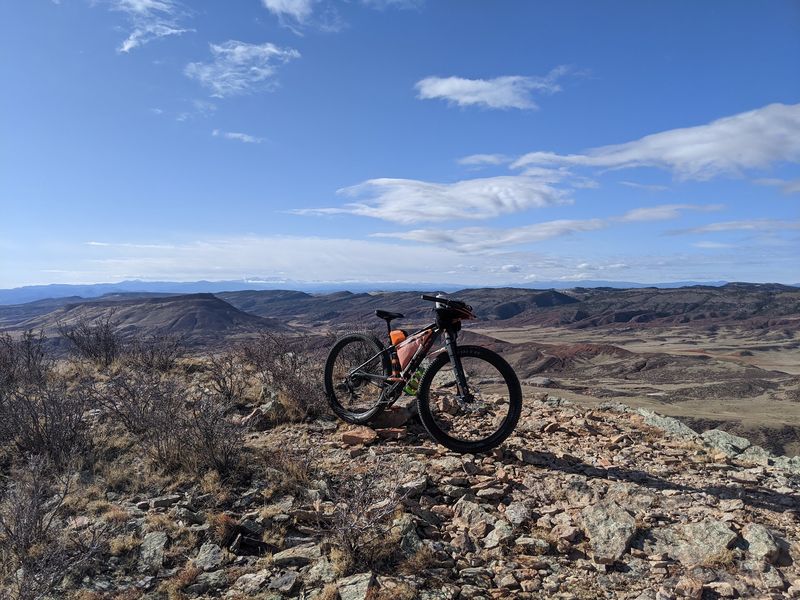
Walking here is less about conquering a summit and more about letting distance recalibrate your brain. Soapstone Prairie Natural Area has a trail system designed for hiking, mountain biking, and horseback riding where allowed, with routes that move through open grassland and low, rolling terrain.
The Lindenmeier Overlook Trail is often the most approachable choice for visitors who want interpretation and broad views without committing to a long outing. Other trails reach deeper into the natural area, so checking the official map before leaving home is more useful than heroic optimism.
Nobody wants a casual stroll that accidentally becomes a committee meeting with blisters.
Because Colorado prairie conditions are exposed, basic preparation matters. Carry enough water, wear sun protection, and remember that open land can make distances look friendlier than they are.
Soapstone Prairie Natural Area rewards visitors who choose a route that fits the day instead of the ego. Families may prefer a shorter interpretive walk, while hikers and cyclists with more time can build a longer route from designated trails.
The best plan is not complicated. Pick a distance, respect closures, and let the prairie set the pace.
A Backcountry Feel Without Turning The Visit Into Homework
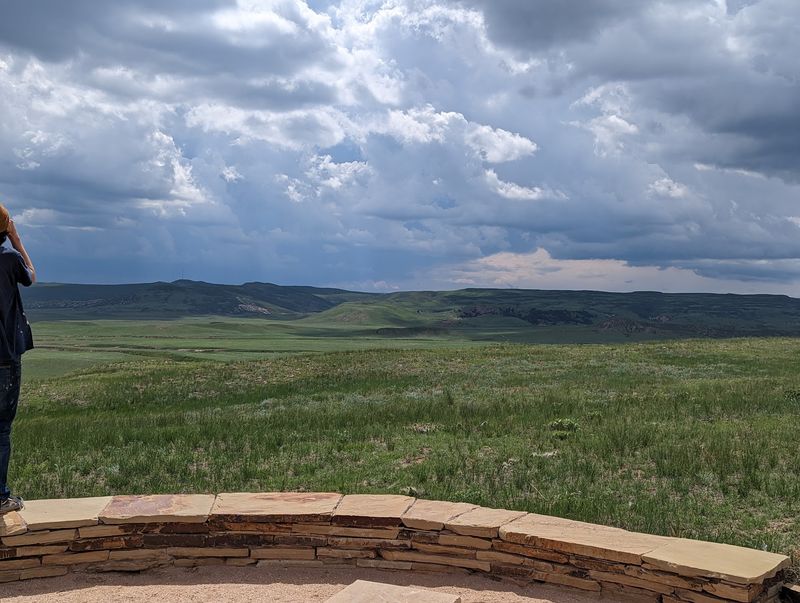
Soapstone Prairie Natural Area feels remote enough to make everyday errands seem far away, yet the visit does not require wilderness theater. You do not need to pretend you are crossing a continent.
You do need to plan like a sensible adult, which is less glamorous but usually more successful.
The complete destination is 22998 Rawhide Flats Road, Wellington, CO 80549, and access involves rural roads. Before heading out, confirm current seasonal hours and trail conditions through the City of Fort Collins Natural Areas information.
The site is generally managed with a seasonal schedule, and weather or resource protection can affect access.
A simple Saturday detour works well if expectations stay practical. Pack water, snacks, sun protection, and a printed or saved map, since open prairie is not the moment to discover your phone has developed artistic boundaries.
Soapstone Prairie Natural Area has designated parking and visitor information, but it is not built around constant services. That is part of its value.
The outing can be as short as an overlook visit or as long as a planned trail loop, with the rare bonus that the main feature is not crowded with distractions.
Why Northern Colorado Needs Places Like This
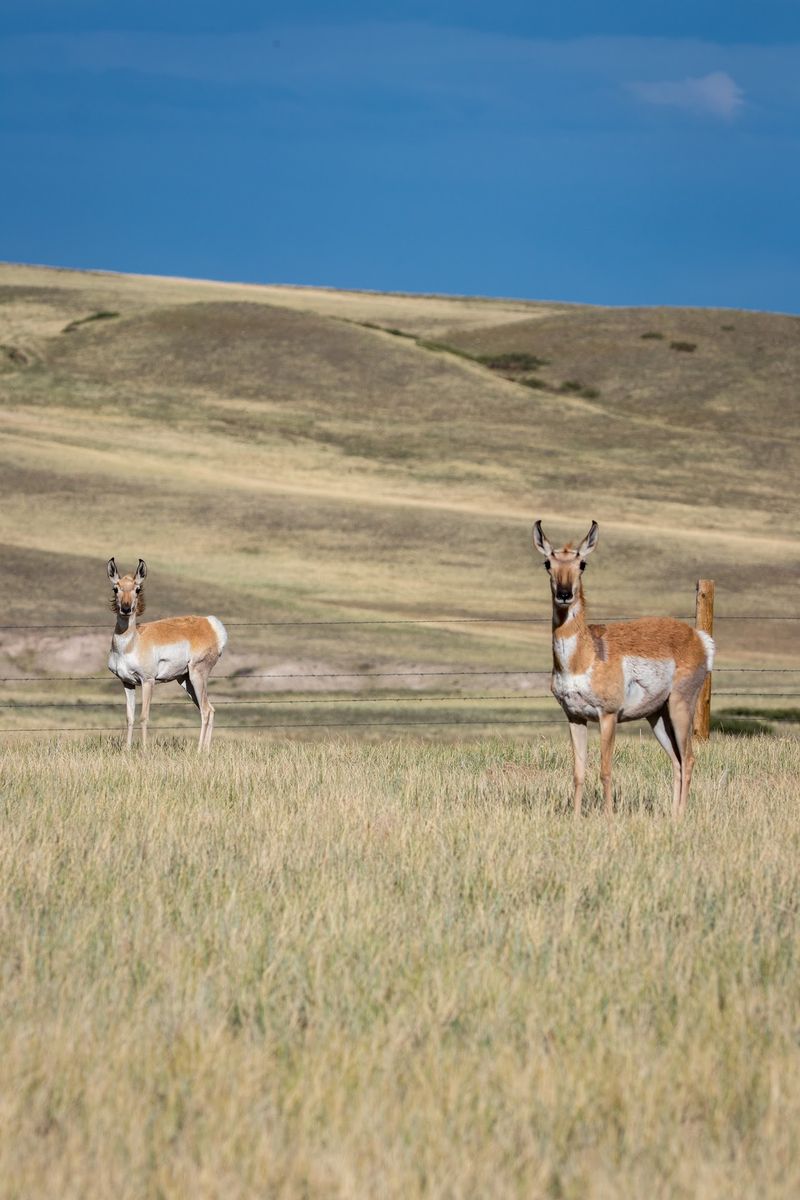
Protected land can sound abstract until you stand in a place where development has not written over every line. Soapstone Prairie Natural Area helps explain why conservation in northern Colorado is about more than scenery.
Shortgrass prairie is a working ecosystem, not empty space waiting for a more exciting assignment. Native grasses, burrowing animals, raptors, pollinators, grazing patterns, and seasonal changes all fit together in ways that are easy to miss from a car window.
Preserving a large block of habitat gives plants and animals room to function, and it gives people a rare chance to understand the plains beyond the usual highway glance.
The City of Fort Collins acquired the property in the 2000s, and it opened for public access in 2009 after planning and resource protection work. That timeline matters because Soapstone Prairie Natural Area is not an accidental leftover.
It is the result of deliberate public conservation. In a fast growing part of Colorado, that choice carries weight.
Visitors benefit, but so do future residents who may otherwise inherit only small fragments and interpretive signs explaining what used to be there.
A Quiet Fit For Families Couples And Solo Wanderers
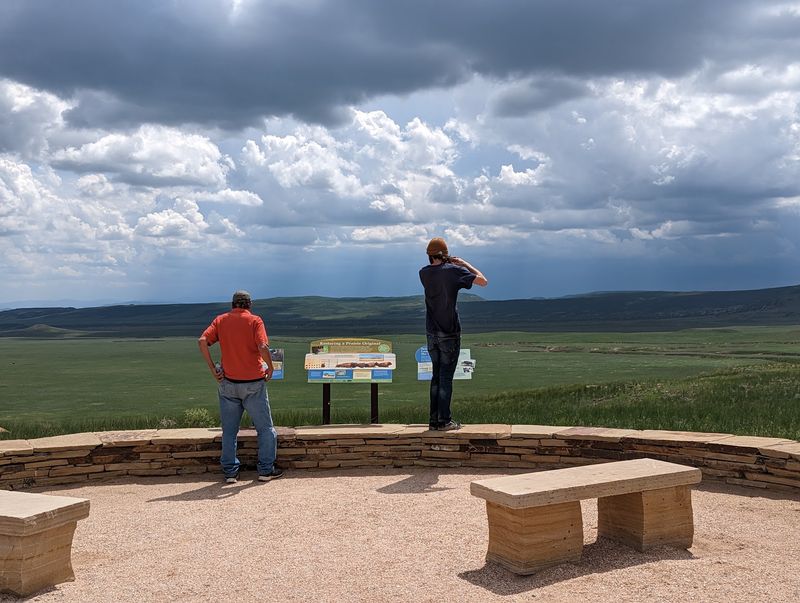
Different travelers can use the same prairie in different ways, which is handy when nobody in the group has identical energy or attention span. Soapstone Prairie Natural Area works best for people who appreciate open space, simple trails, and a slower kind of discovery.
Families can use the interpretive areas to turn ancient history and wildlife habitat into real examples instead of textbook paragraphs. Couples may find that a shared walk across open land creates more conversation than another overscheduled afternoon.
Solo visitors get room to think, which is increasingly rare unless you count sitting in a parked car pretending to answer email.
Weekend travelers in Colorado can treat Soapstone Prairie Natural Area as a focused outdoor stop rather than a sprawling itinerary. The practical limits are clear: no dogs, limited shade, seasonal access, and a need for water and sun awareness.
Those limits are not drawbacks so much as instructions. They help visitors choose the right day, the right trail, and the right pace.
The reward is a protected prairie where history, habitat, and horizon share the same address without demanding much more than attention.
The Lasting Gift Is Space With A Memory
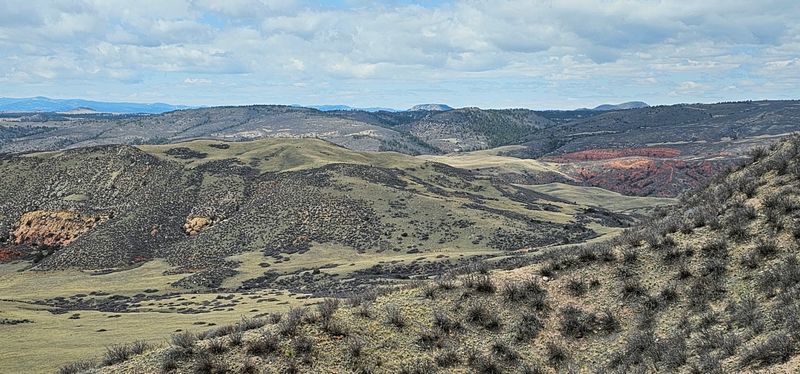
By the time the visit is over, the main impression may not be a single viewpoint or one wildlife sighting. Soapstone Prairie Natural Area is memorable because it holds several kinds of time in one open landscape.
There is ecological time in the shortgrass prairie, where plants and animals follow patterns older than county lines. There is human time at Lindenmeier, where evidence of people more than 12,000 years ago changes the way the ground reads.
There is modern civic time too, seen in the decision to protect the property and manage it for public access, wildlife, and education.
That combination is why Soapstone Prairie Natural Area deserves more than a quick label on a map. It shows a side of Colorado that is not loud about itself, which may be exactly why it stays with people.
Go prepared, keep expectations grounded, and resist the urge to rush the horizon. A friend planning a northern Colorado day would not need a speech, just this note: go to Soapstone Prairie Natural Area, bring water, leave the dog home, and give the prairie enough time to make its point.