
This Reconstructed Washington Fort Was the Beating Heart of the Frontier Fur Trade, and History Still Feels Startlingly Close
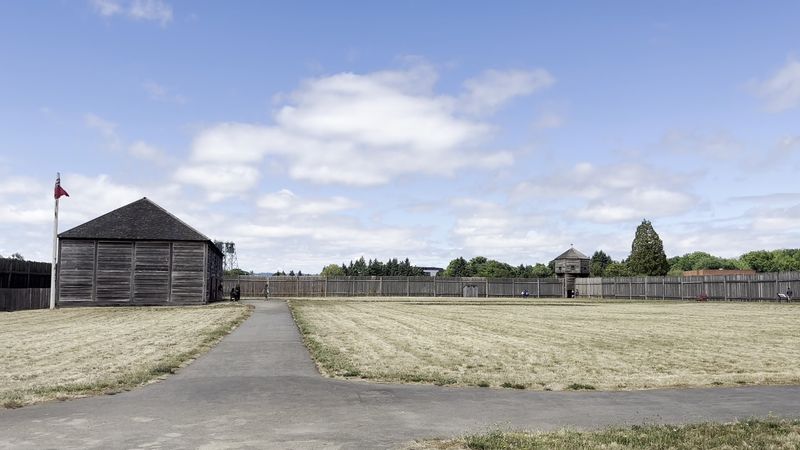
Walking through wooden gates and suddenly smelling woodsmoke from a working blacksmith shop is not something most weekend outings in Washington offer. Yet here you can chat with costumed volunteers, peek inside a building stacked with animal furs, and stroll gardens that look plucked from the 1800s.
It is affordable, welcoming to kids and grandparents alike, and packed with real stories from when this corner of the map belonged to two countries at once. Best of all, you could actually do it this weekend.
A Living Fort on the North Bank of the Columbia
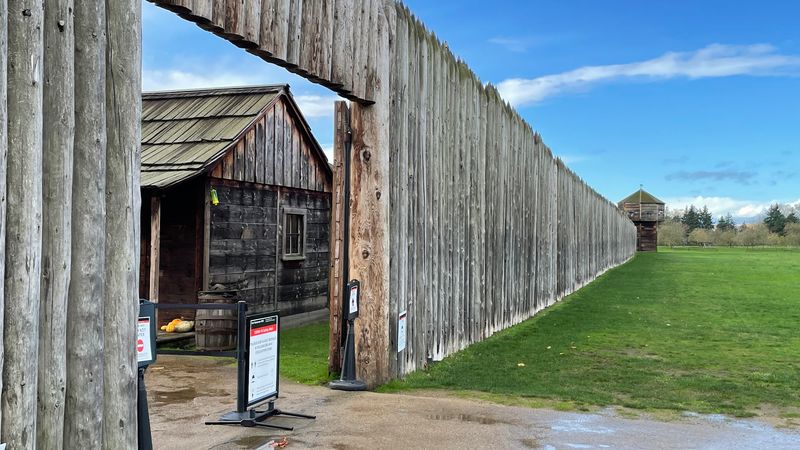
Right in the city of Vancouver, Washington, along the north bank of the Columbia River, sits a wooden stockade that once ran the entire fur-trading economy of the Pacific Northwest. The Reconstructed HBC Fort Vancouver stands where the original Hudson’s Bay Company post did, rebuilt on the actual foundations that archaeologists uncovered.
What makes it special is that it is not a dusty display behind glass. Costumed volunteers work the buildings, answer questions, and bring the daily rhythms of the 1800s back to life in a way that feels surprisingly warm and personal.
The National Park Service manages the site, and visitors regularly leave amazed at how much history is packed into one walkable spot. Between the towering trees, open lawns, and carefully tended gardens, it doubles as a peaceful park.
You get education and fresh air in the same trip, which is a rare combination. Families, retirees, and curious day-trippers all find something here, and the whole experience carries a friendly, unhurried feel that keeps people coming back.
The Story of Two Countries Sharing One River
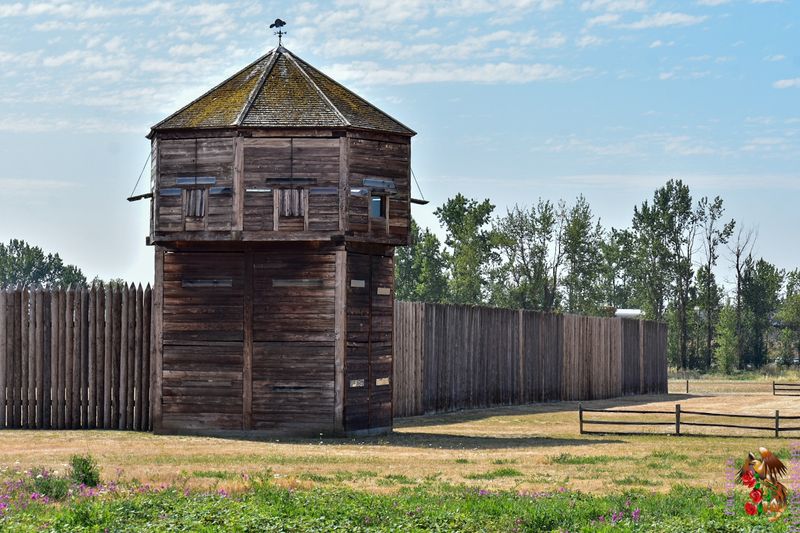
Long before Washington was a state, this stretch of the Columbia sat inside a strange in-between zone claimed by both the United States and Britain. The fort became the headquarters for the Hudson’s Bay Company’s operations across a huge slice of the West.
Longtime locals often admit they lived nearby for years without ever visiting, then walked away wishing they had come sooner. The layers of history run deep, covering the fur trade, the cultures of the people who lived and worked here, and the tension of a shared borderland.
Interpretive signs scattered across the grounds explain how the post shaped the entire region’s economy and daily life. You can trace how goods, furs, and stories flowed through this single wooden compound.
Understanding that dual US and Canadian past adds real weight to every building you enter. It turns a simple stroll into a lesson about how the Pacific Northwest came to be, and it makes the reconstructed walls feel far more alive than any textbook page ever could.
Volunteers Who Turn Facts Into Conversations
Enthusiasm is contagious, and the costumed volunteers here have plenty of it. Dressed in period clothing and stationed throughout the buildings, they answer a seemingly endless stream of questions without ever losing patience or charm.
Visitors frequently mention how kind and well-informed these interpreters are, whether they are explaining a trade craft or sharing an odd detail about daily life two centuries ago. Grandparents bringing grandkids report that the speakers know exactly how to make history click for younger ears.
The knowledge on display is genuinely impressive. Rangers and docents can talk at length about the Hudson’s Bay Company, the cultures of the era, and the practical work that kept the fort running.
Because the storytelling is fun rather than lecture-heavy, families with kids of very different ages tend to stay engaged. Conversations feel natural, like chatting with a neighbor who happens to know everything about the 1800s.
That human connection is what pushes this place from interesting to memorable, and it is the piece guests praise most consistently.
Sparks Flying at the Blacksmith Shop
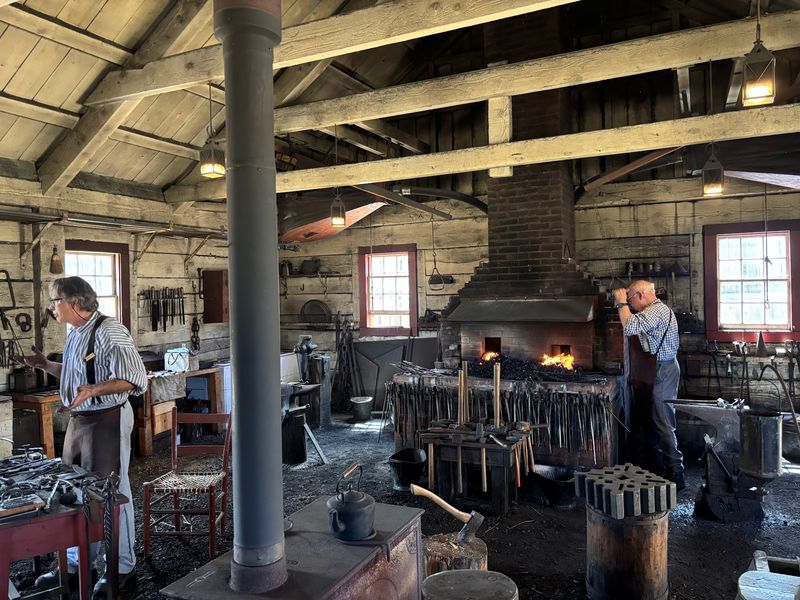
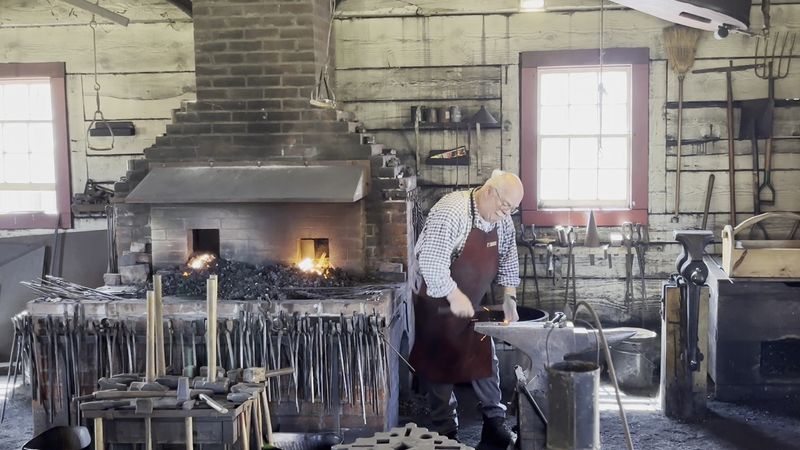
Clang, hiss, glow. The blacksmith shop is the crowd favorite, and it is easy to see why once you stand near the forge and watch hot metal bend under a hammer.
Kids in particular light up here, mesmerized by the sparks and the rhythm of real work happening right in front of them. Even on days when other buildings run quieter, the blacksmith tends to stay engaging, happily pausing to explain each step and answer curious questions.
There is something timeless about watching raw iron become a useful tool. The demonstration connects visitors to the hands-on labor that kept a frontier outpost supplied and functioning.
Adults find themselves just as captivated as the little ones, leaning in to catch every detail. Because it appeals across generations, the forge often becomes the highlight families talk about on the drive home.
Set aside a few minutes to linger here rather than rushing past. The heat, the sound, and the skill on display make this one of the most vivid moments in the whole fort.
The Fur Building That Thrills and Spooks Little Ones
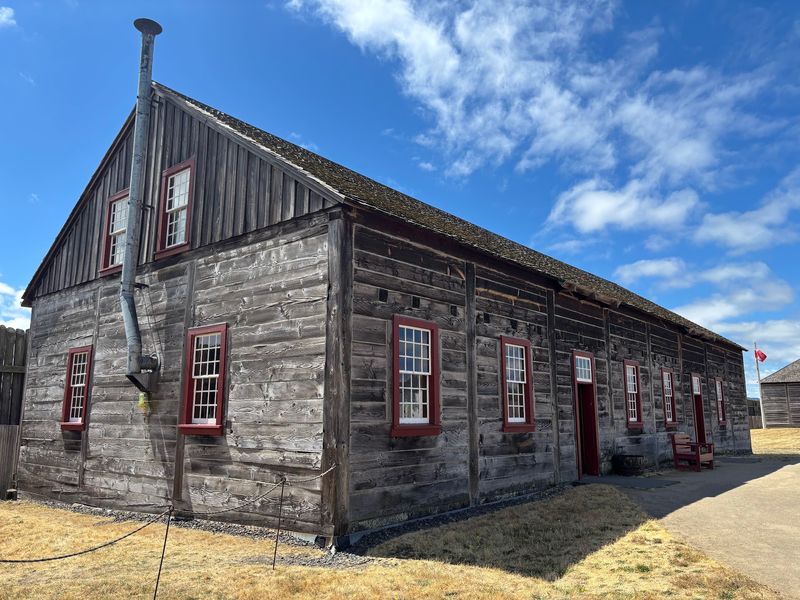
Furs, everywhere you look. One building holds the very thing that made this whole enterprise tick: pelts from the animals that powered the trade across the Northwest.
Children often describe the fur store as the best and slightly spookiest stop at the same time, a reaction that makes the visit stick in their memory for years. The sheer variety of furs on display gives a tangible sense of just how central this commerce was.
Standing among the stacks, you start to understand why traders traveled such enormous distances to gather them. It transforms an abstract history lesson into something you can practically feel.
The room ties directly to the fort’s original purpose, reminding visitors that this was a working business, not just a picturesque village. That grounding detail helps the rest of the site make sense.
For families, it is a reliable source of wide eyes and excited chatter. Curious kids and history-minded adults alike tend to file this room away as one of the more unforgettable corners of the entire fort.
An Old-School Kitchen Full of Aromas and Answers
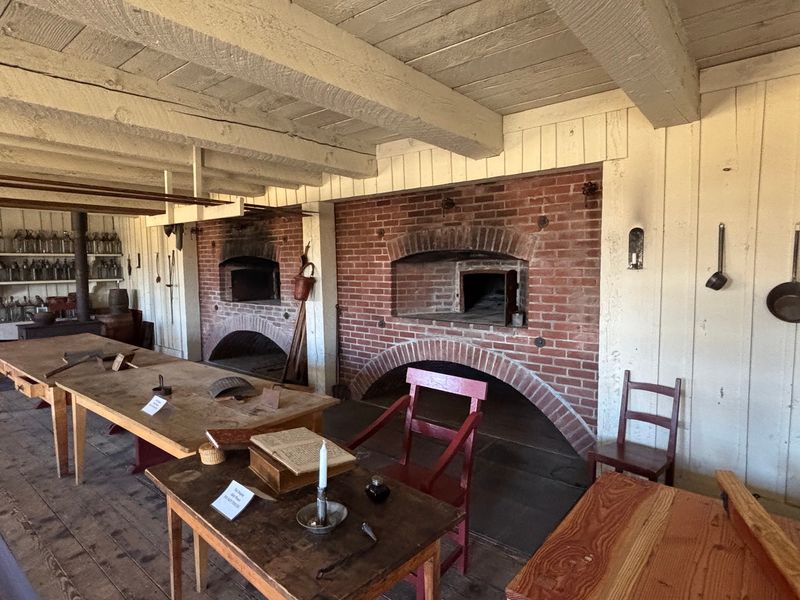
Warmth, in every sense, radiates from the fort’s historic kitchen. Cast iron, open hearths, and long wooden tables set the scene for how meals came together when feeding an entire outpost was a full day’s work.
Guests love chatting with the kitchen workers, who explain the recipes, tools, and routines of the era while their hands stay busy. It is a favorite for kids who want to understand what people actually ate and how they prepared it.
The room offers a softer, homier counterpoint to the sparks of the blacksmith and the furs down the way. Here the history feels domestic and relatable, focused on the everyday act of cooking.
You come away appreciating how much effort went into simply staying fed on the frontier. Small details, like the arrangement of pots or the type of grain used, spark surprisingly good conversations.
Between the smells, the explanations, and the friendly staff, the kitchen rounds out the picture of a living, breathing community rather than a hollow historic shell.
A Heritage Garden Worth Slowing Down For
Spectacular is the word people reach for when describing the garden, and it fits. Rows of vegetables, herbs, and flowers spill across neatly kept beds that mirror what would have grown here generations ago.
The heritage garden earns steady praise as one of the standout features of the whole property, admired even by visitors who arrive when some buildings are closed. It photographs beautifully and rewards a slow, wandering pace.
A lovely bonus waits in the museum shop, where native seeds collected right from these beds are sold to take home. Gardeners in particular delight in planting a small piece of frontier history in their own backyard.
Beyond its beauty, the garden shows how the fort fed itself and connected to the land around it. That practical purpose makes the blooms feel meaningful rather than merely decorative.
Spring and summer bring the fullest color, making warm-weather visits especially rewarding. Whether you garden or simply enjoy pretty, peaceful spaces, this corner tends to become an unexpected highlight of the trip.
Open Lawns, Old Trees, and Planes Overhead
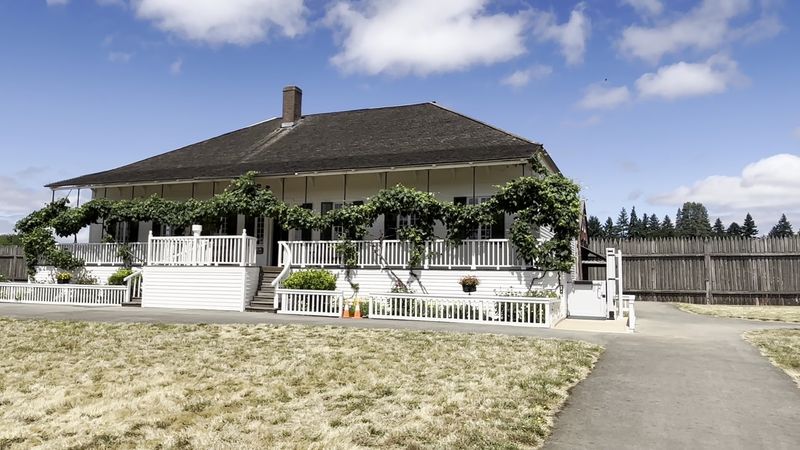
Room to breathe defines the grounds outside the stockade. Sweeping grass areas give kids space to run while adults settle beneath towering old trees that seem to hold stories in their branches.
One quiet pleasure is watching small commuter planes lift off and land at Pearson Airfield right next door. On clear days, Mount Hood shows itself in the distance, adding a postcard backdrop to an already relaxing scene.
Regular visitors treasure the paved paths for gentle walks, describing the setting as a calm escape from heavier city traffic. It is the kind of place where you can lean against a trunk, exhale, and let the afternoon drift.
Because so much of the outdoor area is free and always open, it works even when the historic buildings are not. You can read the signs, enjoy the village houses and fencing, and soak up the atmosphere.
Between planes overhead and mountains on the horizon, the grounds alone justify the trip for anyone craving fresh air and easy views.
A Family Outing Built for All Ages
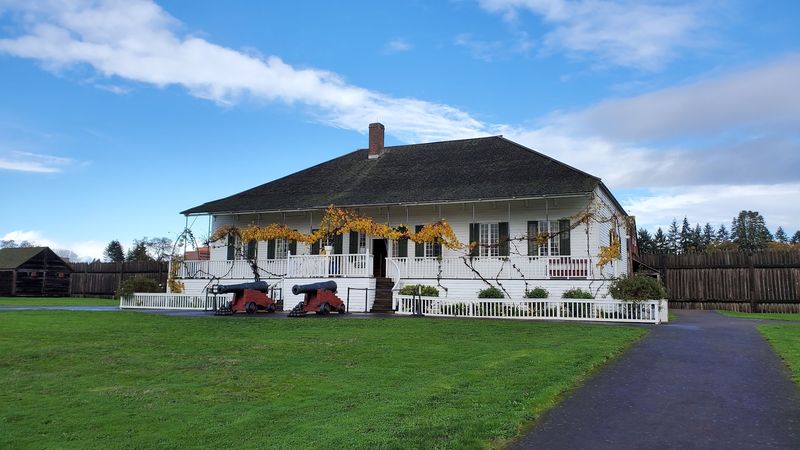
Grandkids and grandparents, toddlers and teens: this fort somehow keeps them all busy. Families praise it as a spot where people of every age find something to enjoy, from the hands-on demonstrations to the wide-open lawns.
Younger children gravitate to the sparks, furs, and friendly volunteers, while older visitors soak up the deeper history of the region. The junior ranger programs give kids a mission, turning exploration into a rewarding little quest.
Plenty of guests report spending a couple of hours here without anyone getting bored, which is no small feat with mixed ages in tow. The balance of activity and calm keeps energy levels steady.
Picnic-friendly grounds mean you can pack lunch and stretch the visit into a leisurely afternoon. There are also spots nearby to grab a bite if you would rather travel light.
For nostalgic, classic-Americana outings that do not drain the schedule or the patience, this ranks high. It is a genuine multi-generational win, and that flexibility is a big part of its lasting charm.
Hours, Admission, and Getting There
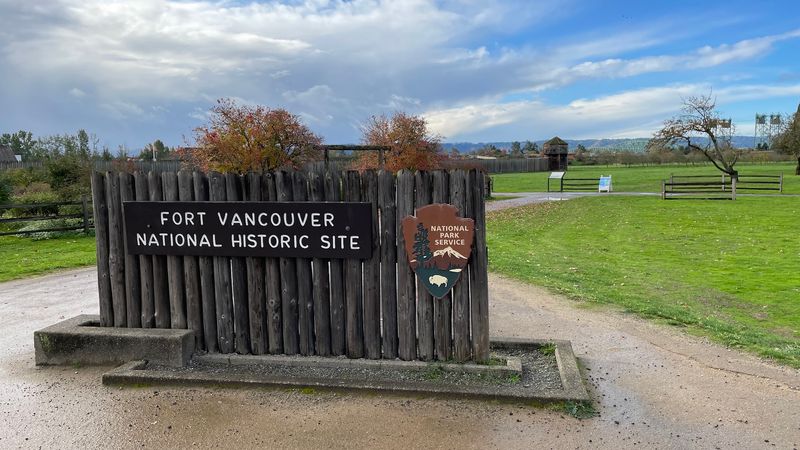
Planning pays off here, mostly because the schedule is tighter than some expect. The historic fort is open Tuesday through Saturday from 9 am to 4 pm, and it is closed Sundays and Mondays, so aim for a midweek or Saturday visit.
You will find the site at 1001 E 5th St in Vancouver, Washington, an easy destination for a Puget Sound or Portland-area day trip. Parking rarely causes stress, with lots available around the grounds.
There is a modest admission fee to enter the historic site itself, historically around a few dollars per person, keeping it firmly in wallet-friendly territory. Occasionally, fees have been waived on special days.
A helpful tip: even inside open hours, some individual buildings may not always be staffed, so arriving earlier in the day can improve your odds of seeing more. Restrooms are available on site.
Accessibility is solid too, with wheelchair access across most of the park. Between low cost and easy logistics, it makes for a smooth, stress-light outing.
Why This Frontier Stop Earns a Weekend
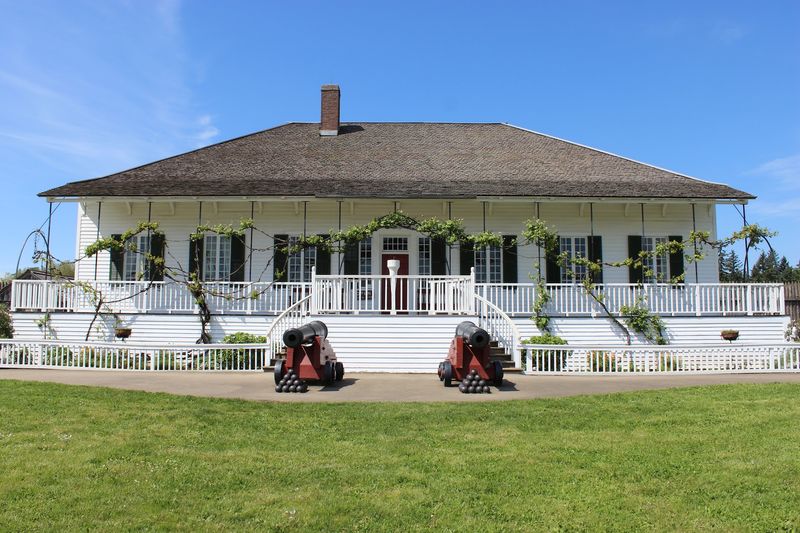
Value, in the truest sense, is what lingers after a visit here. For just a few dollars and a couple of hours, you get living history, gorgeous gardens, open green space, and volunteers who make the past feel close enough to touch.
The blend of education and easy relaxation is what keeps people so fond of the place. Kids leave excited, adults leave a little wiser, and everyone tends to leave with a story about the blacksmith or the fur room.
It suits nostalgic day-trippers, budget-minded families, and retirees looking for a meaningful yet gentle outing without a big drive or a bigger bill. That accessibility is a genuine strength.
Whether you come for the springtime blooms, a summer picnic under old trees, or a cozy autumn walk along the paved paths, the fort delivers year-round appeal.
If you have been meaning to explore this slice of Washington history, consider this your nudge. Pack a lunch, pick a weekday or Saturday, and go see how startlingly close the frontier still feels.