
You Dig Ancient Sea Fossils Out Of The Rock With Your Own Hands At This Arizona Roadside Stop
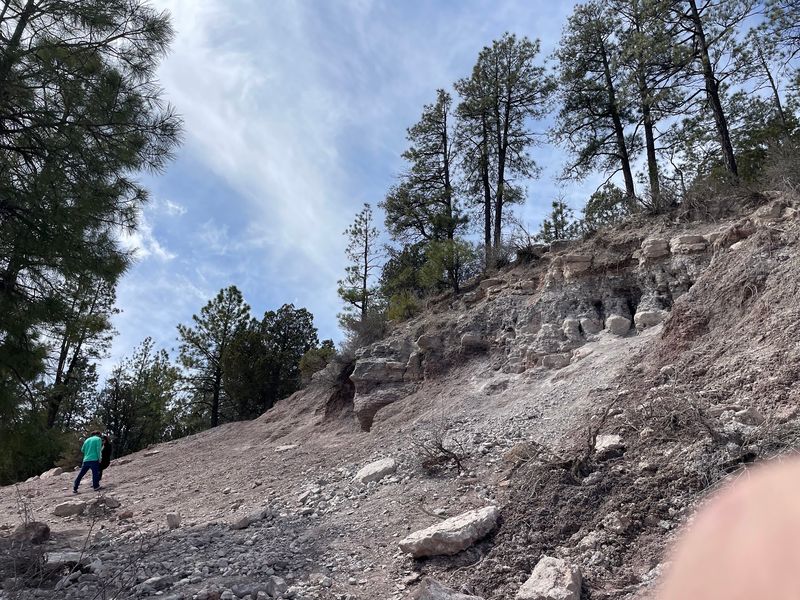
Cracking open a chunk of grey shale and finding a seashell that’s older than the dinosaurs feels like cheating at time travel. Yet that’s exactly what happens at a modest little pull-off along a central Arizona highway, where a warm shallow sea once rippled over what is now pine country.
No tickets, no ropes, no glass cases, just you, the rock, and 300 million years of history waiting to be uncovered. It’s the kind of stop that turns a simple drive into a story you’ll retell for years.
A Roadside Window Into Deep Time
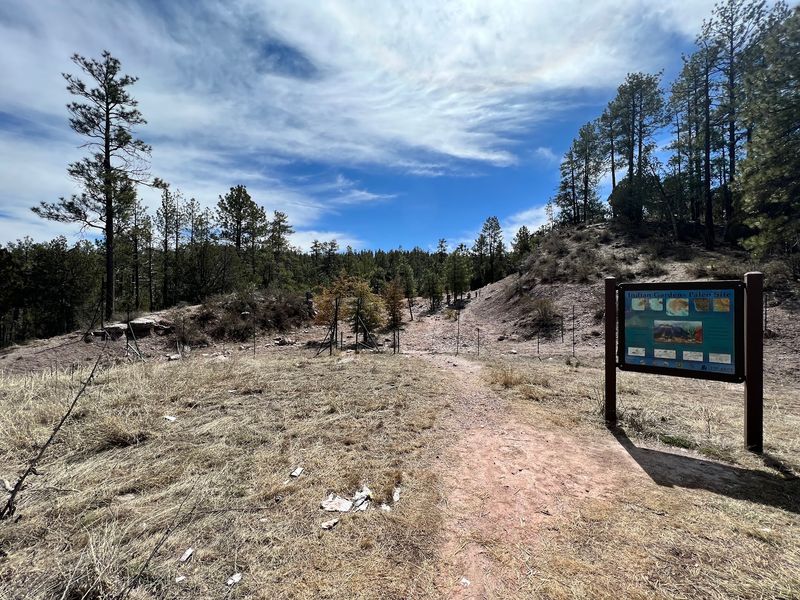
Roughly 12 to 13 miles east of Payson, a small sign along Highway AZ-260 marks a spot that most drivers zip right past without a second glance. Blink and you’ll miss the turnoff, since it comes up fast on a stretch of road that hugs the edge of the Tonto National Forest.
What waits behind that pedestrian gate is officially the Paleo Site Monument, an archaeological site where the ground itself is the exhibit. Layers of sedimentary stone here hold tiny shells, worms, and mollusks pressed into rock long ago.
The whole thing sits on land that was once the floor of a shallow ocean, a fact that feels almost impossible while standing in the dry high desert. Interpretive signs, built with real care by a young Eagle Scout, help you understand what you’re looking at before you start hunting.
It’s not flashy, and that’s the charm. A quiet gate, a rocky slope, and a bit of imagination are all it takes to peel back millions of years right off the side of the road.
The Shallow Sea That Once Covered Arizona
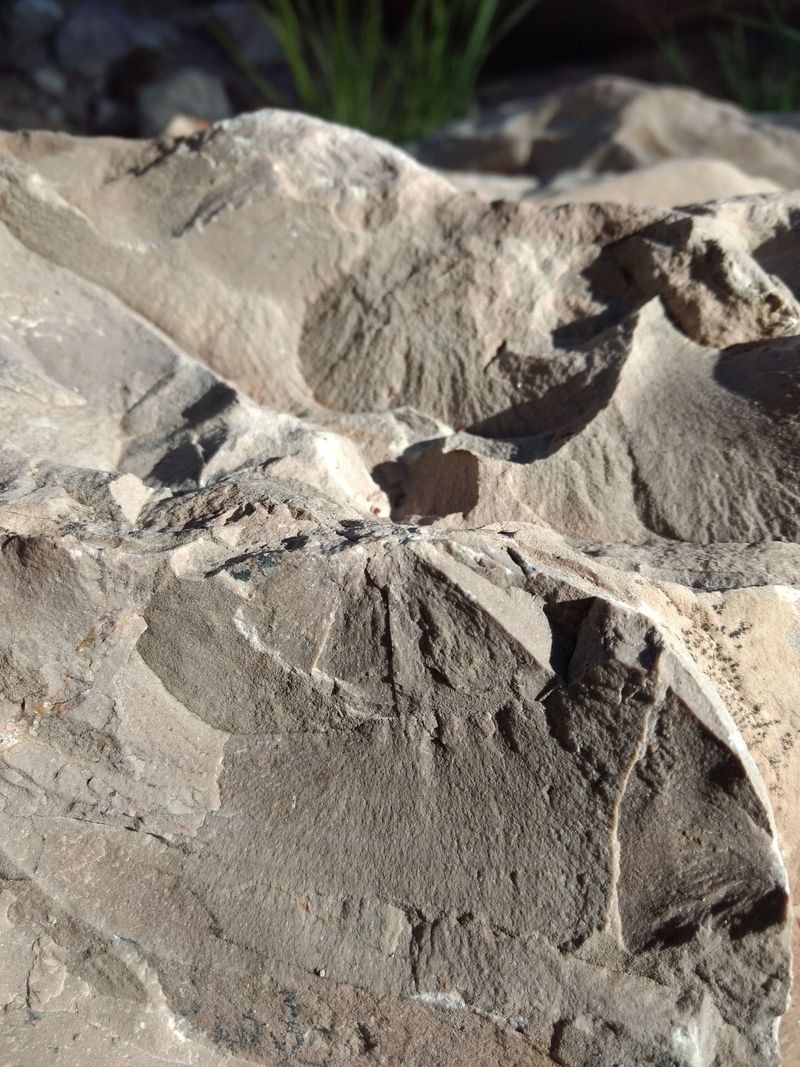
Long before saguaros and ponderosa pines, central Arizona sat underwater. During the Pennsylvanian period, somewhere between 323 and 299 million years ago, a warm and shallow sea stretched across much of the region, alive with creatures we now only meet as fossils.
Brachiopods, crinoids, and corals thrived on that ancient seafloor. As the ages rolled on, their remains settled and compressed into limestone and shale, becoming part of what geologists call the Naco Formation.
Then the earth did its slow, dramatic work. Powerful geological forces lifted those old sea layers up into the mountains and highlands that define this part of the state today, carrying the marine record thousands of feet above sea level.
Walking the slope here, you’re essentially strolling across a fossilized ocean bottom that time turned inside out. Visitors often pause on the idea that everything around them was once submerged, and that little mental flip is half the fun.
Understanding the backstory turns a pile of grey rock into a genuine time capsule you can hold.
Fossils You Can Actually Pick Up
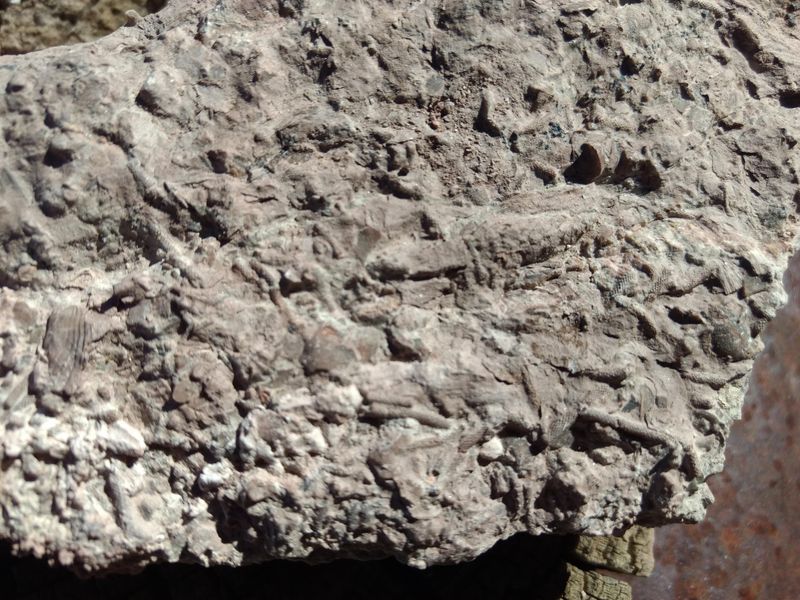
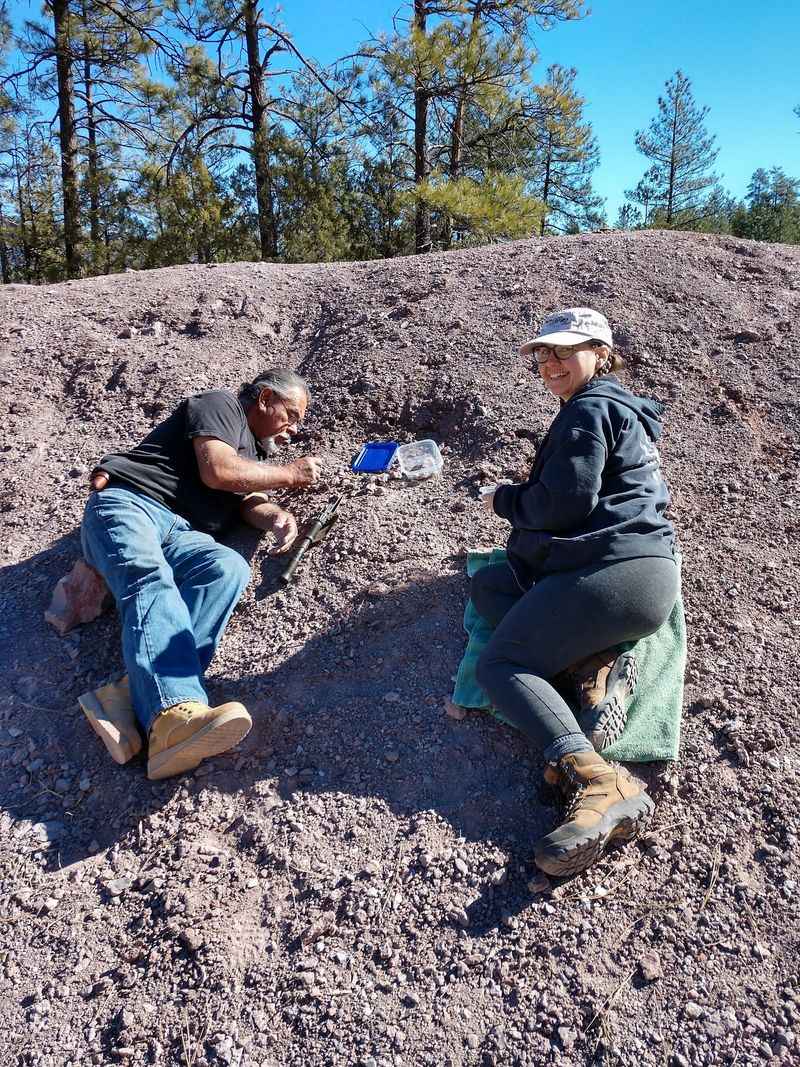
Here’s the part that makes kids and grown-ups equally giddy: the fossils are right there, often sitting on top of the ground. In many spots little to no digging is needed, though most folks still bring a small tool or two just in case.
Regulars mention finding little shells scattered all over once your eyes learn what to look for. Brachiopods, bivalves, tiny worm traces, and crinoid stems that resemble stacked rings show up in the grey material and along the exposed rock face.
Some visitors have spotted what look like trilobite ridges, those faint little grooves pressed into the stone. Others describe pulling several finds out of the loose gravel on the lower slope in under an hour of searching.
Success does take a sharp eye and a little patience, since some pieces are barely the size of a fingernail. A gentle tap of one sandstone chunk against another can split rock and reveal a hidden shell.
That moment of discovery, when a 300-million-year-old creature appears in your palm, is the whole reason people keep making the stop.
An Easy Hike With Big Payoff
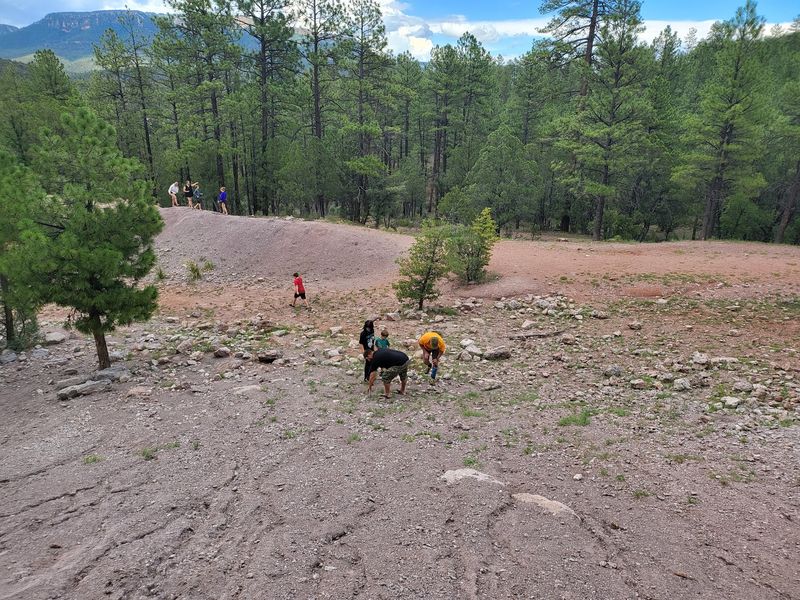
Nobody’s scaling a cliff out here. The site rewards a short, leisurely walk, the kind you can do in comfortable sneakers while your coffee is still warm in the car.
Up the slope, the layers of rock reveal fossils packed into the stone, but you don’t have to climb the steep section to get lucky. Plenty of finds turn up right around ground level near the identification sign and out on the flatter areas.
Families love how forgiving it is. The gentle terrain works for little legs and older knees alike, and there’s room to spread out and explore without feeling crowded.
Beyond the fossils, the walk itself is pleasant. A wash runs down through the site, and following it often uncovers more shells and interesting rocks tumbled loose by rain.
One tip that pays off: check the old road or Jeep trail above the big rock outcropping, where water washing down tends to expose fresh material.
It’s a stretch-your-legs kind of adventure, low effort with a surprisingly high wonder-per-step ratio for anyone driving through.
A Living Classroom For Curious Kids
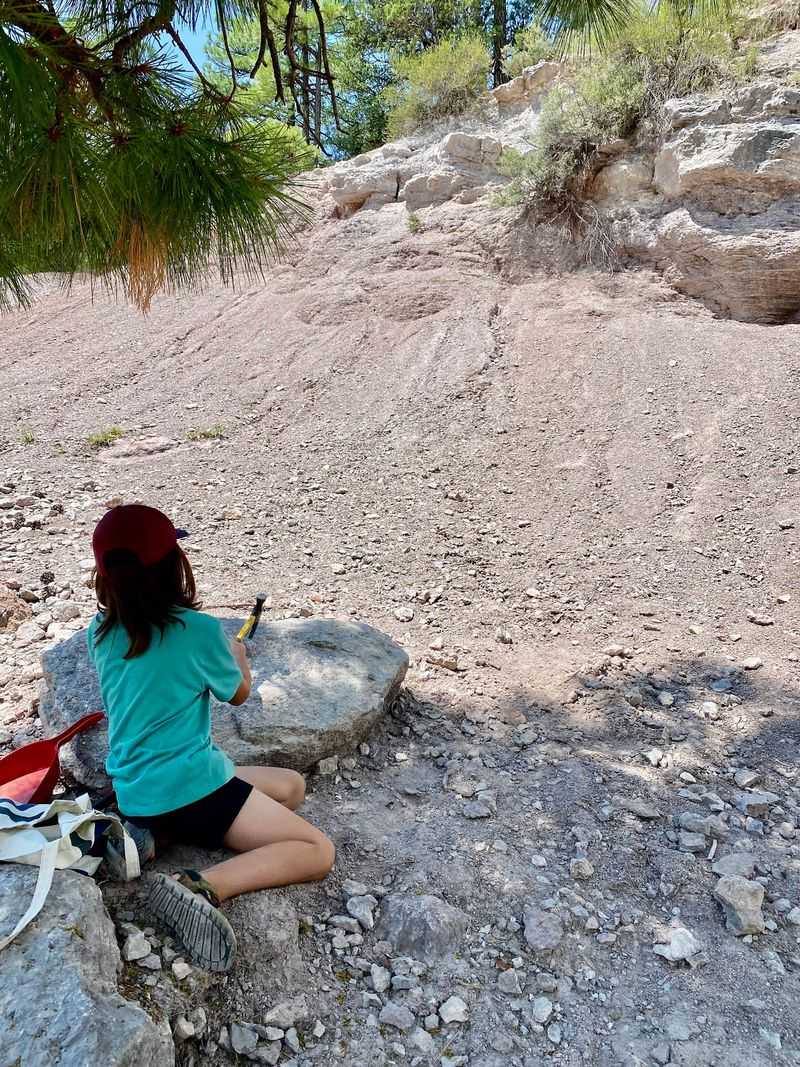
Forget standing behind velvet ropes at a museum. Here, children get to touch, tap, and unearth the real thing, which lands very differently than a display case ever could.
Parents often call it a smarter swap for a rainy-day museum trip, since the kids are doing actual fieldwork instead of just looking. Digging in loose gravel and turning up little treasures gives young explorers a hands-on lesson in geology and ancient life.
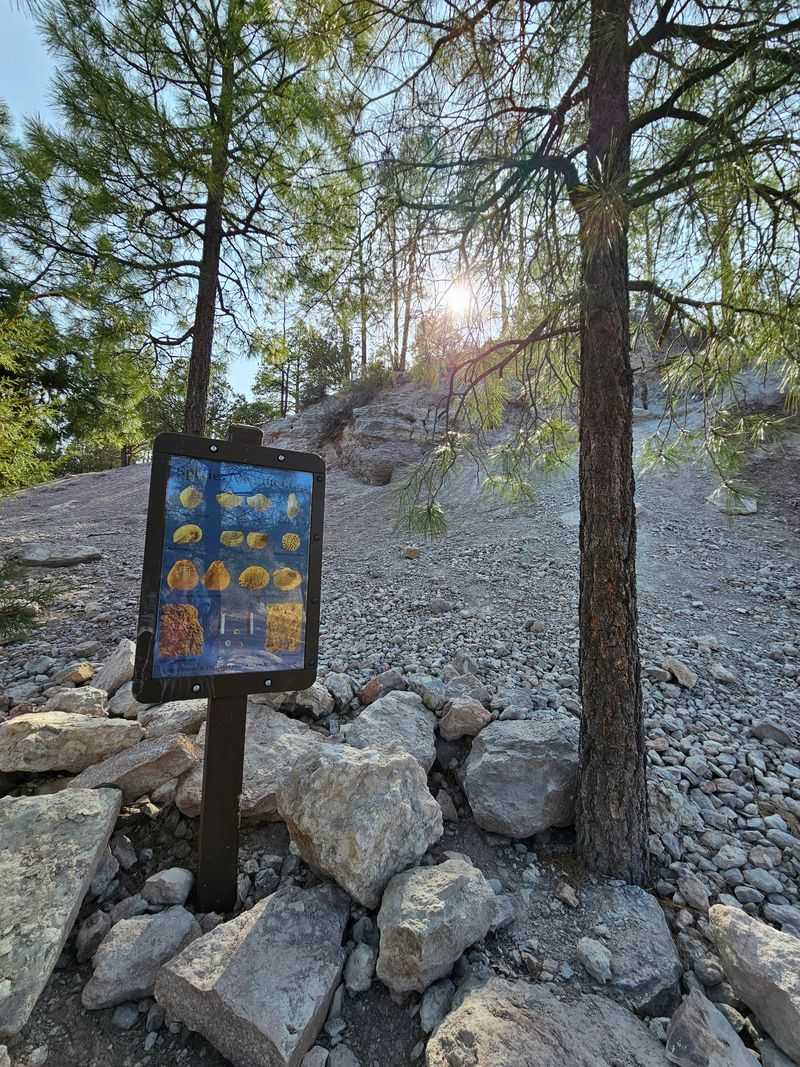
The interpretive signs do a lot of heavy lifting, explaining what the fossils are and how they got there. That mix of exploration and real information turns a random pit stop into a genuine learning moment.
A word of honesty for parents of very young ones: some finds take patience, and restless kids under seven can lose interest fast if the shells aren’t jumping out. Setting expectations helps, and so does making it a treasure-hunt game.
Bring water, since there are no stores nearby, and let the little ones set the pace. When a child spots their first ancient shell, the excitement is completely real.
Quiet Surroundings And Room To Breathe
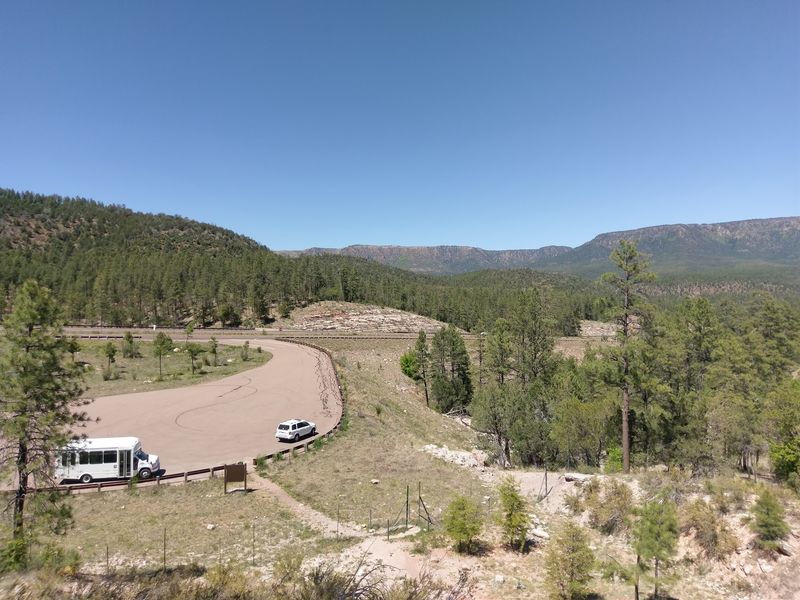
Part of the appeal has nothing to do with fossils at all. The setting is calm, clean, and refreshingly private, tucked far enough from stores and crowds that you often have the place to yourself.
The parking area is roomy and easy, a big paved lot right off the highway with a small circular pull-in. It feels safe and tidy, the kind of spot where you can repack the car, stretch, and just breathe for a minute.
Surrounding it all are the tall pines and scenic vistas of the region, with pretty views from the lot itself. Early risers have caught glorious sunrises here, and the quiet makes it an unexpectedly nice place for a picnic or even a quick nap on a long drive.
Weather adds its own character. Some visitors have explored with snow dusting the ground in winter, while others learned that a warm day makes searching harder to walk away from.
The overall mood is peaceful and unhurried. It suits road-trippers, retirees, photographers, and anyone craving a gentle break from the pavement and the noise.
Planning Your Visit Down To The Details
Timing makes a real difference here. The site keeps daytime hours, open Wednesday through Sunday from 9 AM to 4 PM, and closed on Monday and Tuesday, so plan your drive around that window.
Cost is the easiest part: there’s nothing to pay. The stop is free and self-guided, with no permits required for common finds, though there is a sensible 25-pound daily limit so the site stays rich for the next explorers.
Getting there means watching for the small sign on AZ-260, roughly 12 to 13 miles east of Payson near the Kohl’s Ranch turnoff. The exit sneaks up quickly, so ease off the gas early, especially if you’re in a large vehicle or towing anything.
Pack smart. A small pick, a brush, and a bucket go a long way, and water is essential since no stores sit nearby.
The cooler months of spring and fall, particularly October into early November, offer the most comfortable conditions.
One insider trick: come after a good rain, when fresh fossils often wash up onto the surface and reward the patient hunter.
Why This Little Stop Sticks With You
Would everyone crown this the greatest attraction in Arizona? No, and honestly that’s fine.
A few folks arrive expecting something dramatic and leave a touch underwhelmed, and because the site is so easy to reach, the surface finds do get picked over.
But that’s not really the point. Roll in with patience and a spirit of play, and this humble roadside stop delivers something rare: a real connection to Earth’s deep past that you get to hold in your hand.
The math is hard to beat. Free admission, an easy walk, quiet surroundings, and the honest thrill of prying a 300-million-year-old shell out of the rock make for a memorable detour.
It suits road-trippers who love a worthwhile pull-off, families chasing hands-on adventure, and anyone who finds a little magic in touching ancient history. Put in a bit of effort, dig in the grey material, and you’ll likely walk away with a keeper.
Next time you’re rolling through the pines east of Payson, slow down for that little sign. A prehistoric sea is waiting just off the highway.