
This Washington Stargazing Park Frames The Northern Lights And Milky Way Over The North Cascades
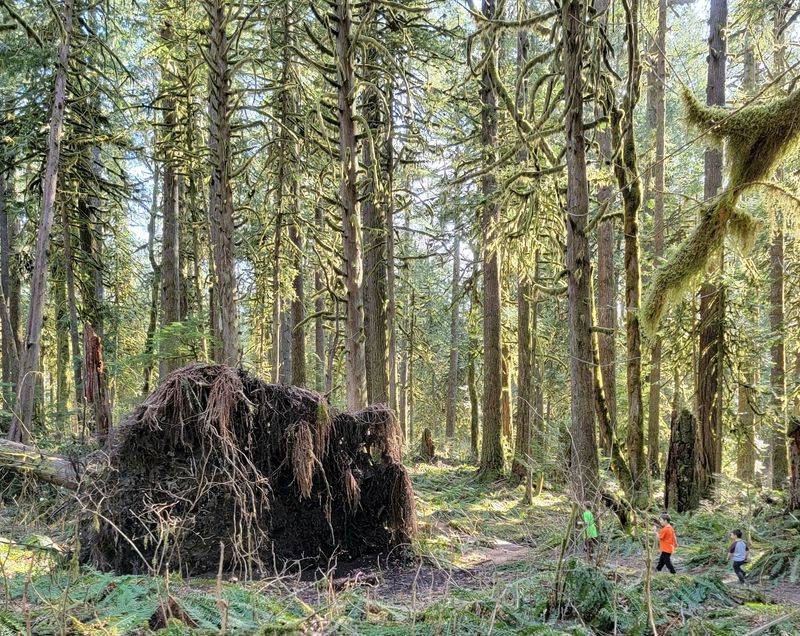
Ancient trees that were already standing back in the year 1660 still watch over a quiet stretch of Washington forest where the sky opens wide enough to catch shimmering auroras and the glittering band of the Milky Way. It costs about the price of a fast-food lunch to spend an entire day wandering beneath these giants.
Families, retirees, and curious weekend travelers keep discovering how much wonder fits into one small, easygoing park. Come along and see why so many people leave saying it felt like walking straight into a movie.
Where The Cascades Meet An Ancient Forest
Right along State Route 20 at 51905 in the little community of Rockport, this state park sits like a green doorway into the North Cascades. Drivers heading toward the mountains often pass it without realizing what waits just off the shoulder.
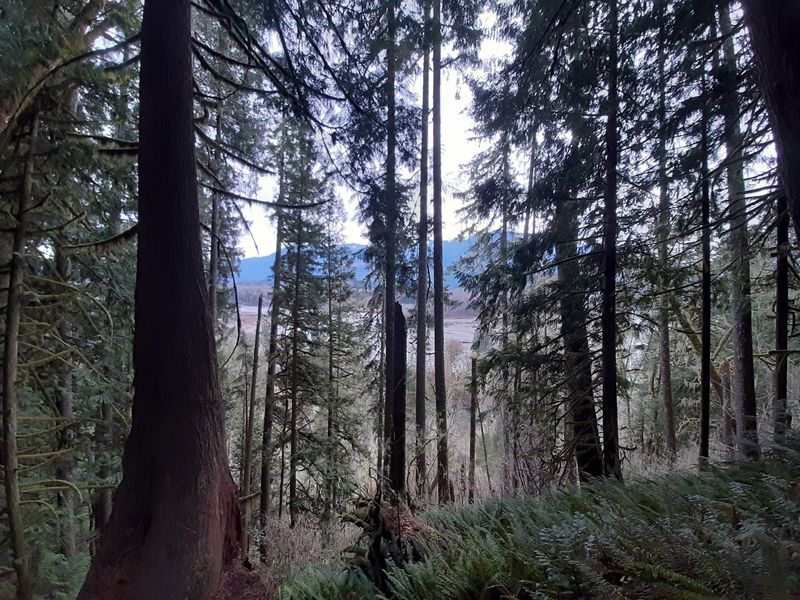
Set at the meeting point of the Sauk River Valley and rugged peaks, the park protects a rare pocket of old-growth forest that somehow escaped the saw. Cedars and firs here have been counted at 400 to 600 years old, with a few dated back to 1660.
What makes the spot special is how much it packs into a modest footprint. You get towering trees, river views, mossy trails, and open skies that frame the Milky Way and, on lucky nights, the northern lights.
Regulars mention it rarely feels crowded, even on sunny weekends. That combination of easy access and genuine solitude turns a simple roadside stop into a place worth planning a whole day around.
Trees That Remember Centuries Gone By
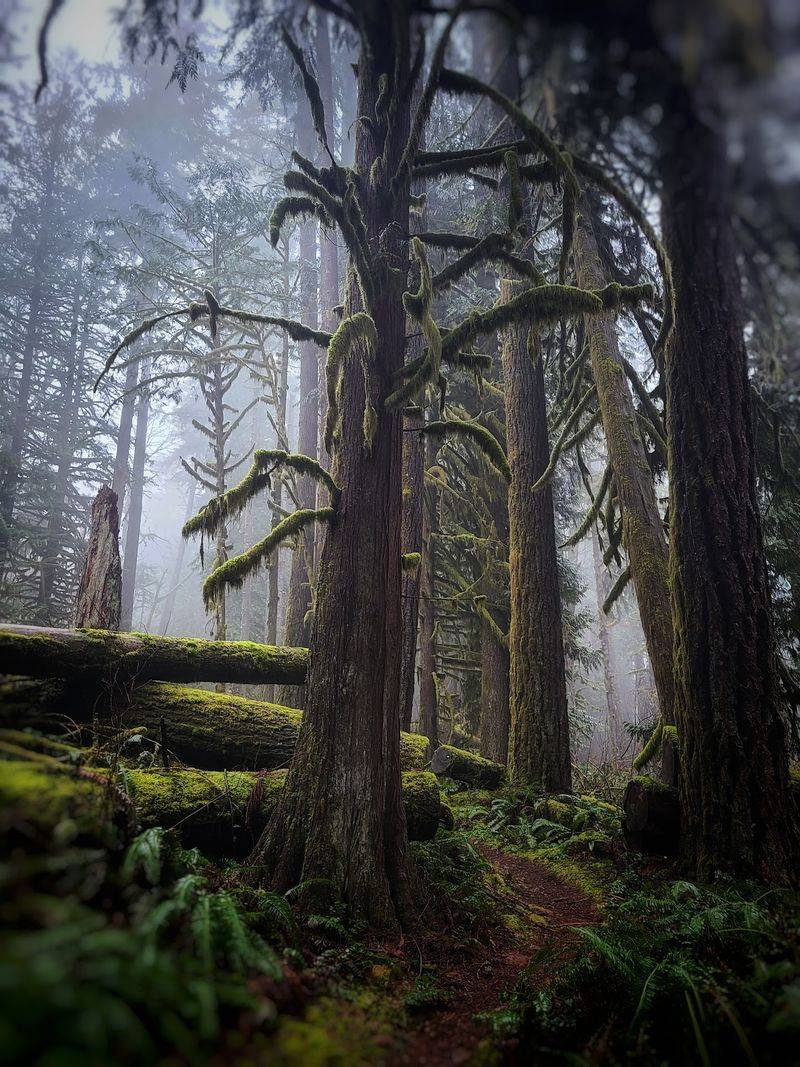
Standing beneath a tree that started growing before your country existed does something to a person. Some of the cedars and firs here took root in the 1600s, and walking among them feels less like a hike and more like a visit with quiet, patient elders.
Visitors describe the sensation of stepping into another time, surrounded by trunks so wide that several people holding hands could barely circle one. The old-growth forest is the headline attraction, mentioned by nearly everyone who passes through.
Overturned roots, fallen giants, and towering survivors all share the same ground, telling the ongoing story of a living woodland. Because these ancient trees can eventually topple, camping was retired here years ago to protect both people and the fragile ecosystem.
Sun or rain, the mood shifts but never disappoints. On bright days the light streams through in golden ribbons, while gray afternoons wrap the grove in a hushed, cathedral-like calm that stays with you long after leaving.
Dark Skies That Frame The Milky Way
Far from the glare of city lights, the sky above this valley turns into a glittering ceiling once the sun dips behind the peaks. The band of the Milky Way stretches overhead in a way most Puget Sound residents rarely get to witness.
Because the park sits deep in the North Cascades with mountains blocking distant light pollution, stargazing conditions can be remarkable on clear nights. The silhouettes of ancient trees add a dramatic frame to the star show above.
On especially fortunate evenings, the northern lights may ripple across the northern horizon, painting soft greens and purples over the ridgeline. Catching an aurora takes timing and a bit of luck, but the setting could hardly be better arranged for it.
Keep in mind the gates follow daytime hours, so night skywatchers should plan around access rules and check current conditions before heading out. Even a short evening visit near closing can reward you with a sky that feels almost impossibly full of stars.
The Beloved Fern Creek Loop
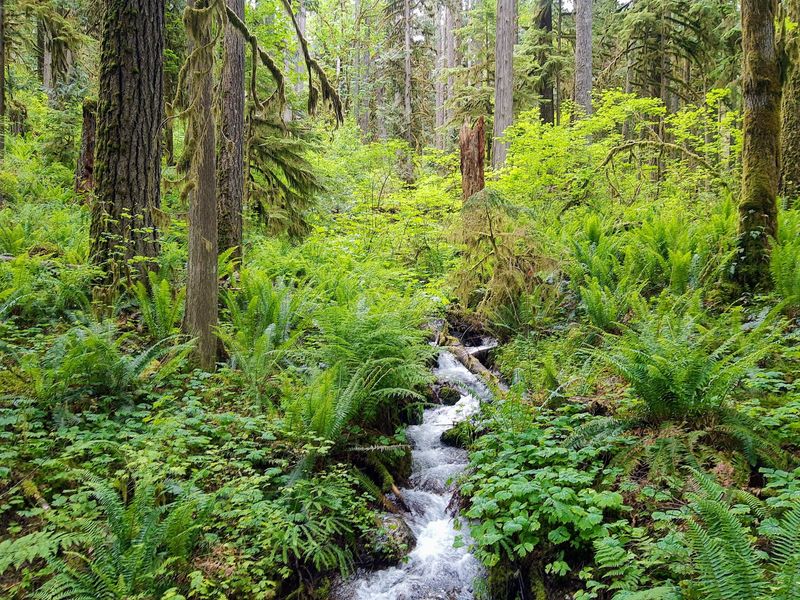
Short, sweet, and endlessly photogenic, the Fern Creek Loop earns repeat mentions from just about everyone who tries it. At roughly seven-tenths of a mile, it packs a stunning amount of scenery into a gentle stroll.
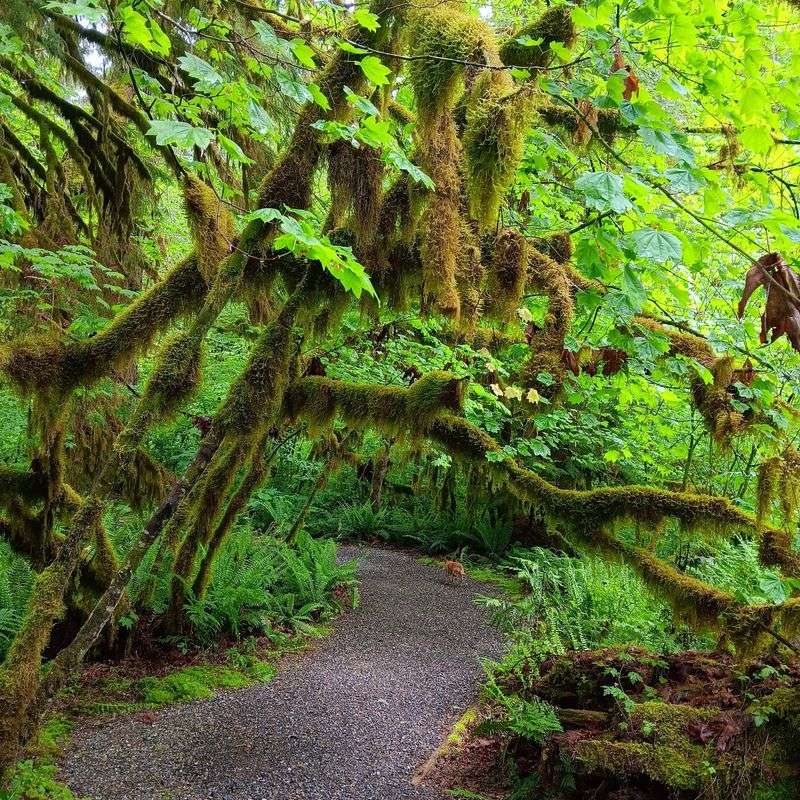
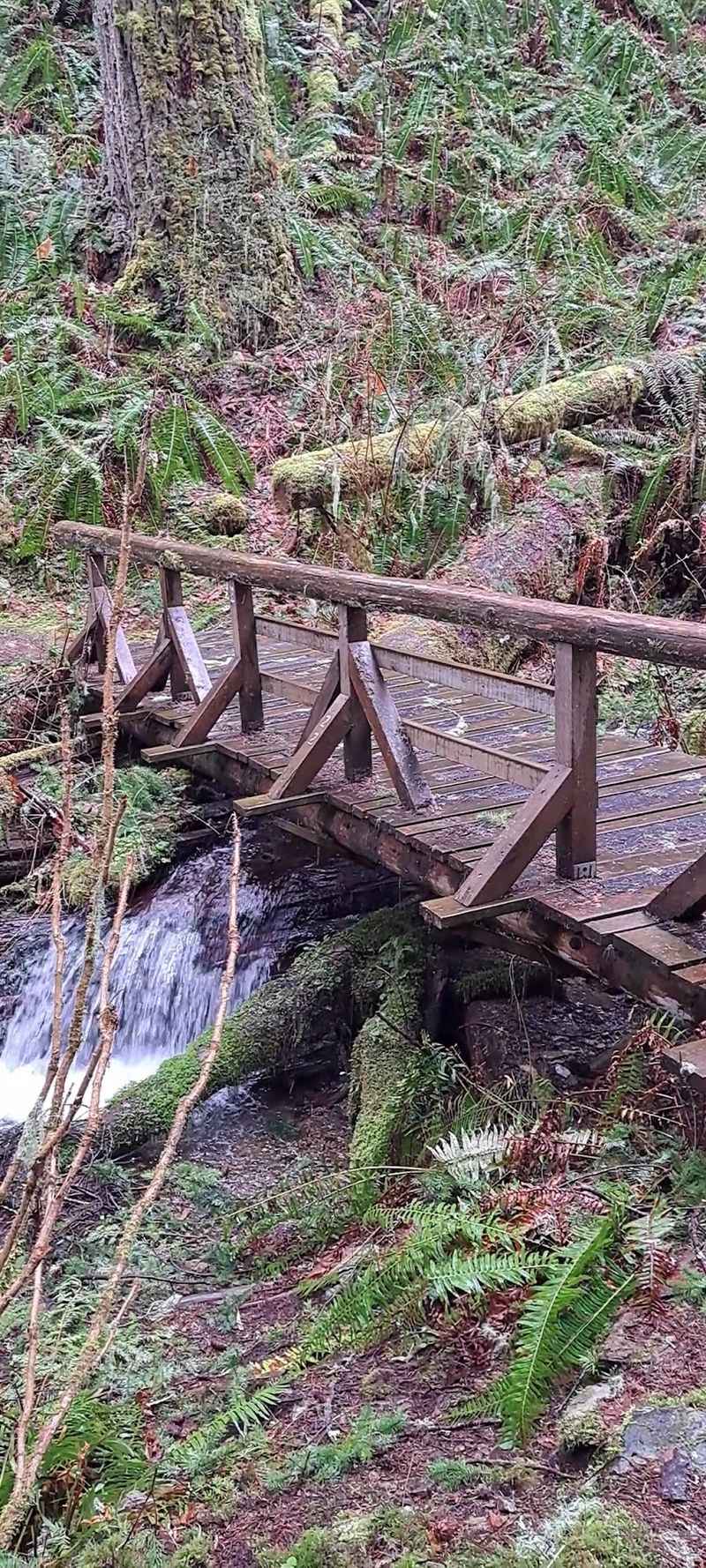
Ferns crowd both sides of the path, unfurling in bright green waves beneath the towering canopy. A small creek trickles alongside, adding a soft soundtrack that makes the whole walk feel wonderfully peaceful.
One quirk regulars point out is that the loop does not quite close in a perfect circle, letting you out a little farther from the parking area than expected. Nobody seems to mind, since the extra steps just mean more time surrounded by moss and greenery.
During early spring, sections can flood, so this shorter route often becomes the go-to when longer trails turn soggy. Families with young kids and folks who prefer an easy pace find it especially welcoming, proving that big beauty does not always require big effort.
Emerald Moss And Storybook Scenery
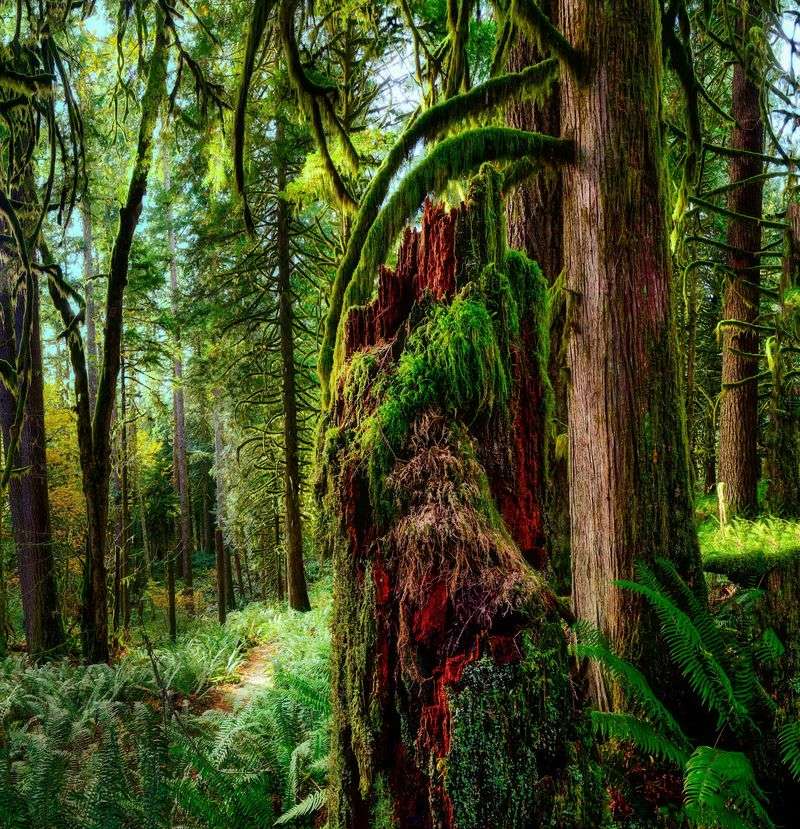
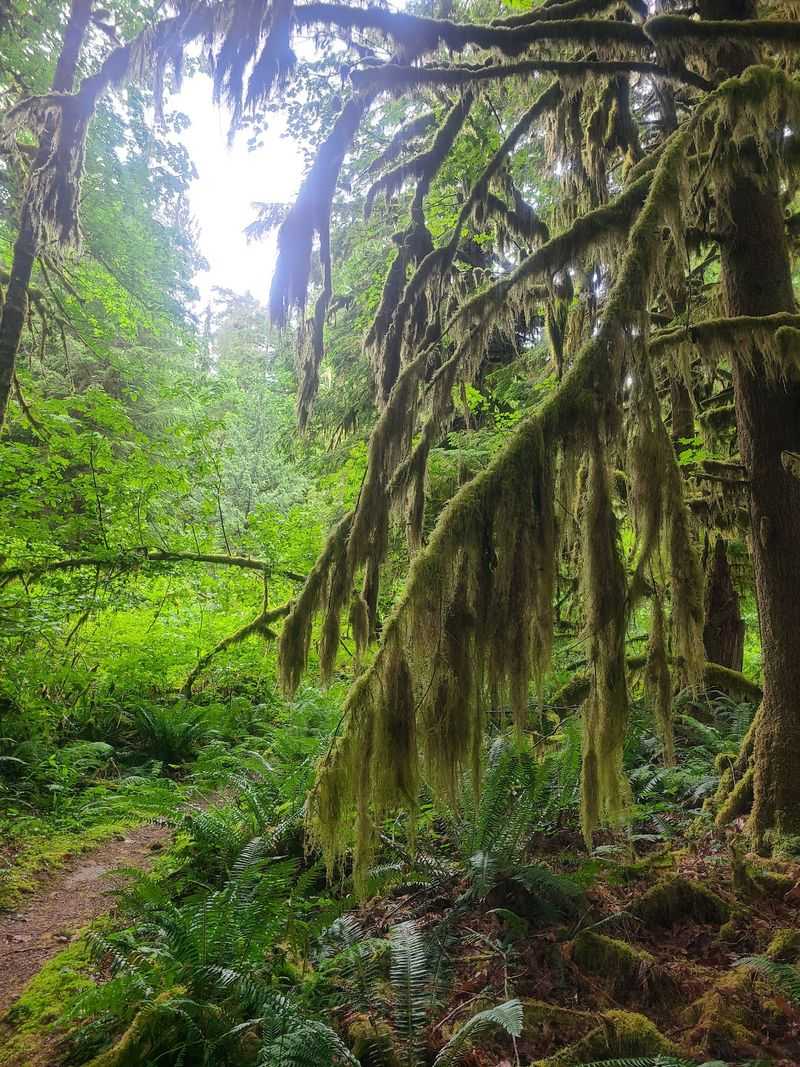
Every surface seems to glow green here, from fallen logs to the long strands of moss draped like tinsel across ancient branches. People compare the effect to stepping onto a film set built for a fairy tale.
The dense vegetation catches sunlight in a way that turns ordinary afternoons into something magical. Beams filter down through the canopy, lighting up the emerald carpet and making the whole forest shimmer.
Photographers adore this place for exactly that reason. Whether the day is sunny or misty, the moss holds its rich color and gives every picture a dreamy, almost enchanted quality that is hard to capture anywhere else.
Rain only deepens the magic. Instead of dampening spirits, wet weather makes the greens more vivid and the forest more hushed, wrapping visitors in a cozy, otherworldly hush.
It is the kind of scenery that slows people down. Many arrive planning a quick walk and end up lingering far longer, simply soaking in a landscape that feels lifted straight from a storybook.
A Network Of Four Main Trails
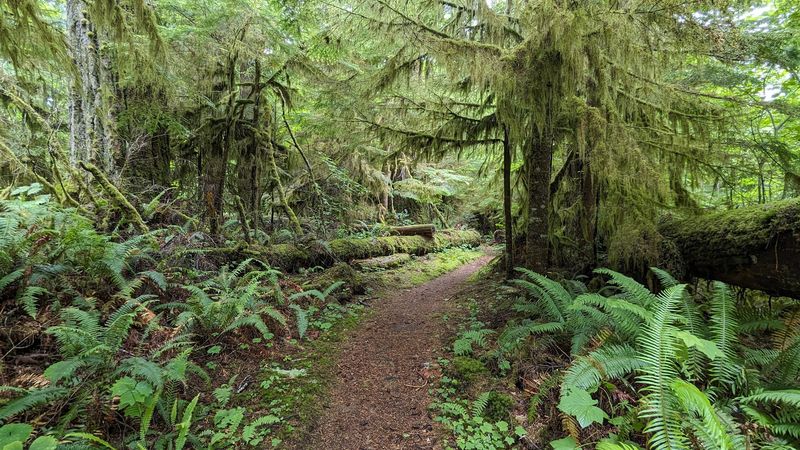
Choice is part of the charm here, with four main trails threading through the old-growth plus one ADA-accessible route for those who want a smoother path. Together they let you plan anything from a quick loop to an all-day ramble.
Signage along the way makes navigation easy, so first-timers rarely worry about getting turned around. The trails stay well maintained even through Washington’s rainy stretches, a detail hikers consistently appreciate.
Occasional fallen trees do cross the paths, a natural part of life in an ancient forest, but crews have rerouted trails to keep things passable. That mix of wild and tended gives the park an authentic, living feel.
The Evergreen Trail offers a moderate option, climbing roughly 500 feet through some of the biggest trees in the park. Those wanting something flatter can stick to the gentle loops closer to the parking area.
Good shoes help on the steeper pitches, though most sections suit a wide range of ages and abilities. However you piece the routes together, the towering scenery stays constant.
Grandma Cedar And The Riverside Giant
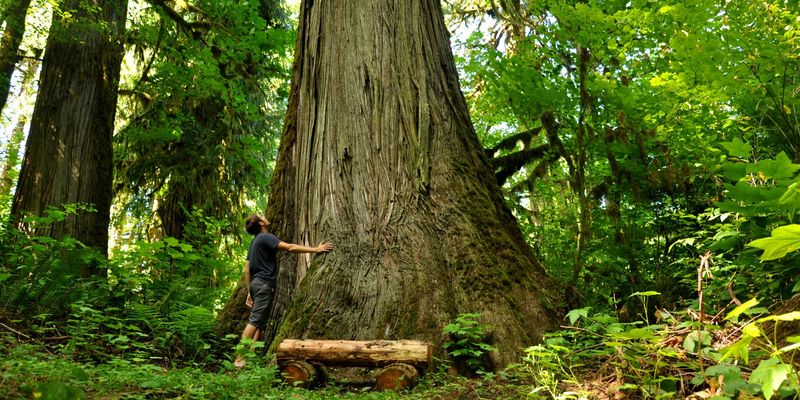
Cross to the south side of Highway 20 and you will find a treasure that many visitors miss entirely. Tucked along the riverside stands Grandma Cedar, an enormous old-growth giant that rewards anyone willing to make the extra crossing.
Because the trail on that side sits apart from the main parking area, plenty of people never realize it exists. Regulars practically beg newcomers not to skip it, calling it one of the park’s finest sights.
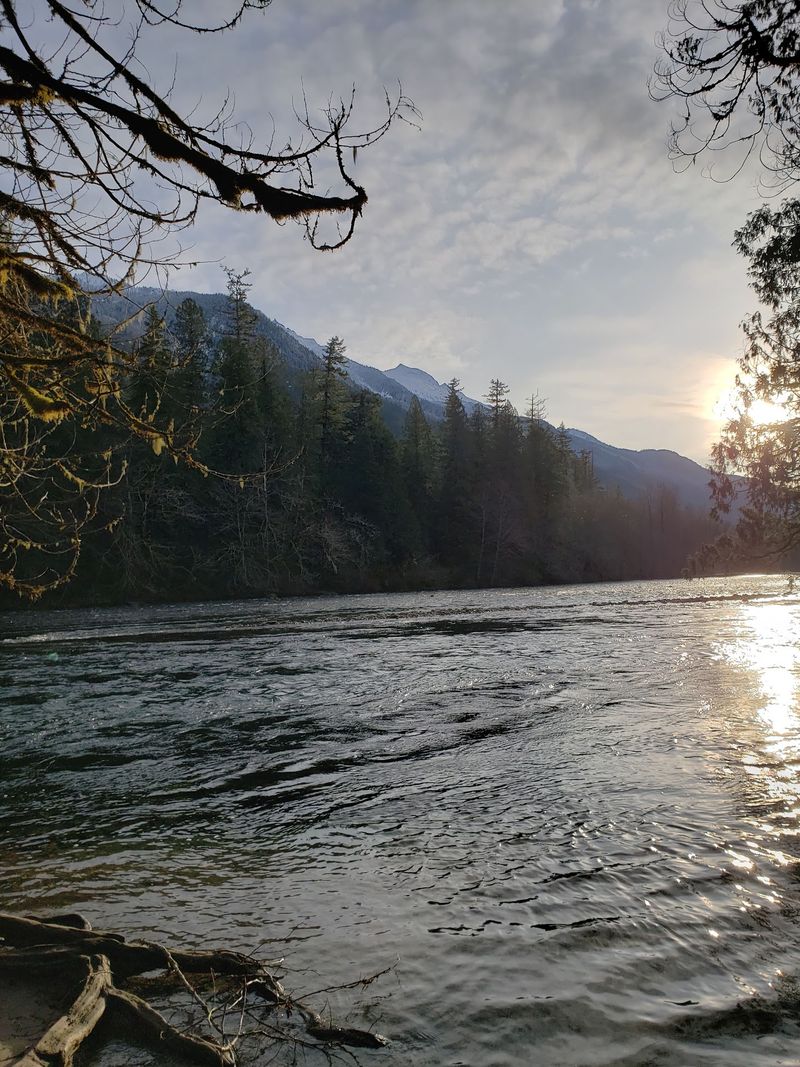
The southern trails hold the largest trees along with sweeping views of the Sauk River, doubling the payoff for a modest bit of extra walking. Standing beside Grandma Cedar, most folks feel wonderfully small.
A word of care goes with the trip, since State Route 20 carries fast traffic and the crossing calls for close attention, especially with children. Take your time and use the designated crossing point.
For families and photographers alike, this quieter riverside stretch often becomes the highlight of the whole visit, a hidden layer within an already hidden gem.
Wildlife And Peaceful River Sounds
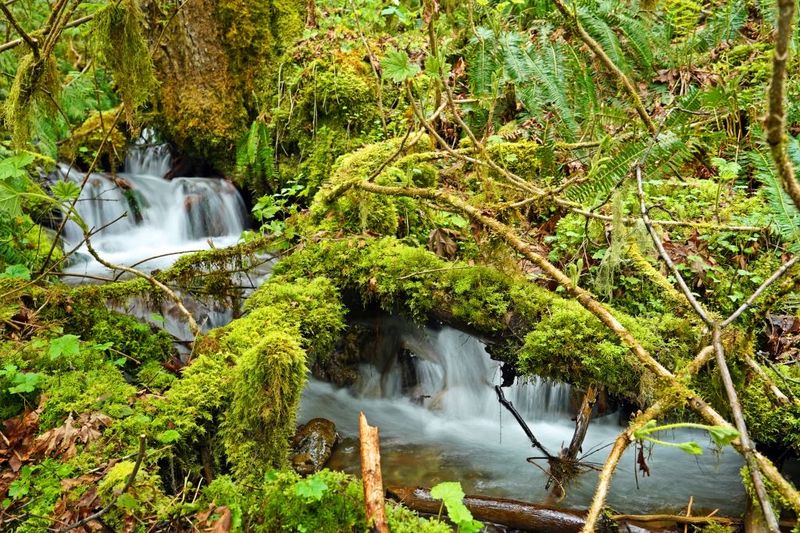
Keep your eyes open and the forest starts revealing its residents. Deer step quietly through the undergrowth, and a wide variety of birds flit between the branches, delighting visitors who pause long enough to notice.
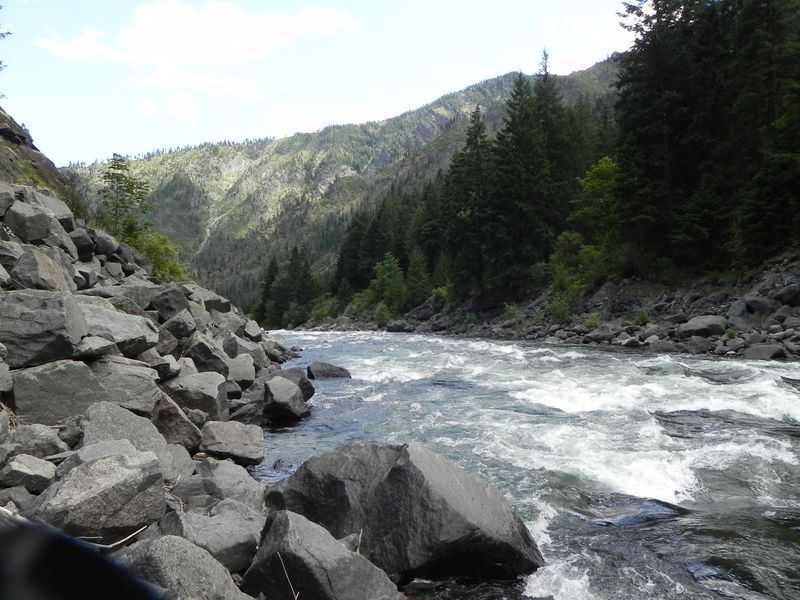
The Sauk River and smaller streams add gentle background music that many describe as pure relaxation. Small babbling brooks weave between the trees, their trickle blending with birdsong into a soothing natural chorus.
Because the park stays uncrowded, wildlife feels more relaxed and easier to spot than at busier destinations. Even on sunnier afternoons when a few more people show up, sightings remain common.
Fishing and whitewater kayaking round out the water-based activities for those drawn to the river’s edge. The moving water shapes much of the park’s character, carving the valley and feeding its lush growth.
Photographers and quiet-seekers both benefit from the calm. Sitting on a shaded bench while deer graze nearby and water murmurs in the distance is exactly the kind of unplugged moment that keeps people coming back year after year.
An Easy Escape For Every Age
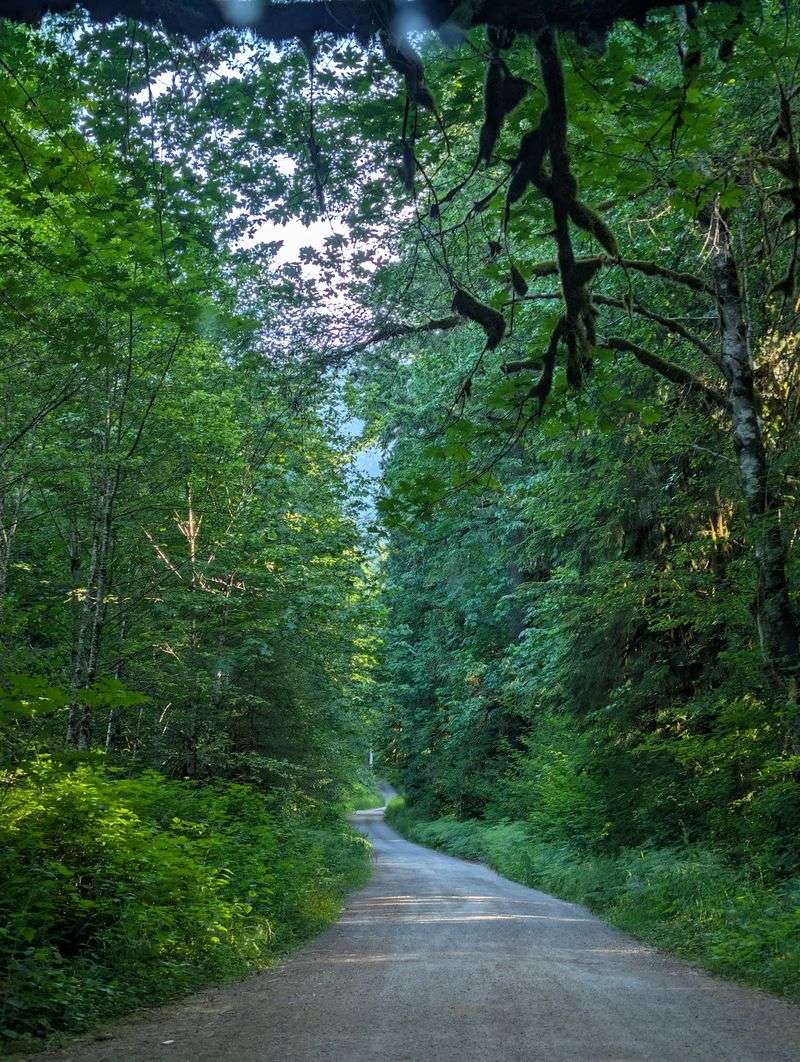
Grandparents, toddlers, and everyone in between can enjoy this park without feeling left out. Families have brought children as young as three, and the gentle loops handle little legs just fine.
Folks with, as one visitor put it kindly, knees that are no longer the youngest find plenty of flat, forgiving terrain to explore. The variety of trail lengths means each group can match the effort to its comfort level.
Dogs are welcome too, and four-legged companions clearly love the mossy paths as much as their owners do. Even small pups like chihuahuas trot happily along the easier routes.
The relaxed difficulty makes it a favorite for casual hikers who want beauty without a grueling climb. Nobody needs mountaineering gear here, just decent shoes and a little curiosity.
That broad appeal is a big part of why the park suits weekend outings so well. Whether you are introducing kids to their first old-growth forest or giving retired parents a scenic afternoon, the place bends to fit almost any crowd.
Scenic Picnic Spots Beneath The Canopy
Pack a lunch and you will find shaded tables waiting in some genuinely lovely settings. The day-use picnic areas sit beneath towering trees, offering cool spots to rest with a view worth savoring.
Several tables dot the grounds, giving groups room to spread out for a midday break. Cookout options add to the appeal for families planning a longer, budget-friendly day in the woods.
Because the park charges no camping and focuses on day visits, the picnic zones become natural gathering points. They pair perfectly with a short walk before or after eating.
Clean, well-kept restrooms add a layer of comfort that visitors mention again and again. Finding tidy facilities stocked with paper and soap makes the whole outing feel effortless.
There is real value in a place where you can hike, snack, and relax without spending much at all. A simple sandwich tastes better under a cedar that predates every road nearby, and the surroundings turn an ordinary lunch into a small celebration of the outdoors.
Clean Facilities And A Handy Rest Stop
Few things earn as much quiet praise here as the restrooms, which regulars single out for being spotless. Well-stocked with paper and soap, they set a standard many parks struggle to match.
Long-distance drivers heading toward the Cascades have turned this into a favorite pit stop. A single parking spot with a 15-minute limit lets travelers pop in to use the restroom without needing a pass.
The decent-sized parking area handles regular visitors comfortably, so finding a place to leave the car rarely becomes a headache. That convenience makes spontaneous stops easy.
Just remember the 15-minute courtesy spot is only for quick restroom breaks. Anyone staying to hike or picnic should park normally and display the required pass.
Breaking up a long journey with a clean, green rest stop beats any highway plaza. Even if you only planned to stretch your legs for a moment, the surrounding forest has a way of tempting you into staying far longer than intended.
Hours, Fees, And Getting There
Planning ahead keeps a visit smooth, and the details here are refreshingly simple. The park opens daily at 8 am and closes at 6 pm, so an early start gives you the most daylight among the trees.
A Discovery Pass or the roughly $10 daily fee covers your stay, and visitors consistently call it money well spent. Rangers do make regular rounds to check that passes are displayed, so keep yours visible on the dash.
Getting there is easy since the park sits directly on State Route 20 at 51905, in Rockport, about as convenient as a mountain destination gets. Many travelers fold it into a larger North Cascades trip.
Because there is no camping, the area’s nearby campgrounds handle overnight guests for those wanting more time in the region. Day trips remain the main draw.
A quick check of current open days before heading out is smart, especially in the off-season. With modest hours and a small fee, the park stays one of Washington’s most wallet-friendly outdoor treats.
Why This Roadside Wonder Is Worth The Stop
Plenty of travelers admit they never intended to stop here, only to walk away calling it the highlight of their entire trip. That kind of happy surprise sums up the whole experience beautifully.
For the price of a small daily fee, you get ancient trees, glowing moss, riverside giants, and skies dark enough to frame the Milky Way. Few places pack so much wonder into so little cost or effort.
It suits nearly everyone, from families with restless kids to retirees seeking a gentle, memory-rich afternoon. The trails flex to fit your pace, and the beauty never demands a hard climb.
Sun or rain, day or dusk, the forest keeps offering something magical. Photographers, dreamers, and casual walkers all find their own version of peace beneath the canopy.
If you have been searching for an accessible Washington escape you could actually do this weekend, this quiet corner of the North Cascades makes a compelling case. Some of the best adventures, it turns out, are waiting right off the highway.