
This Michigan Gallery Has Been Supporting Detroit Artists Since 1932 And Admission Is Still Free
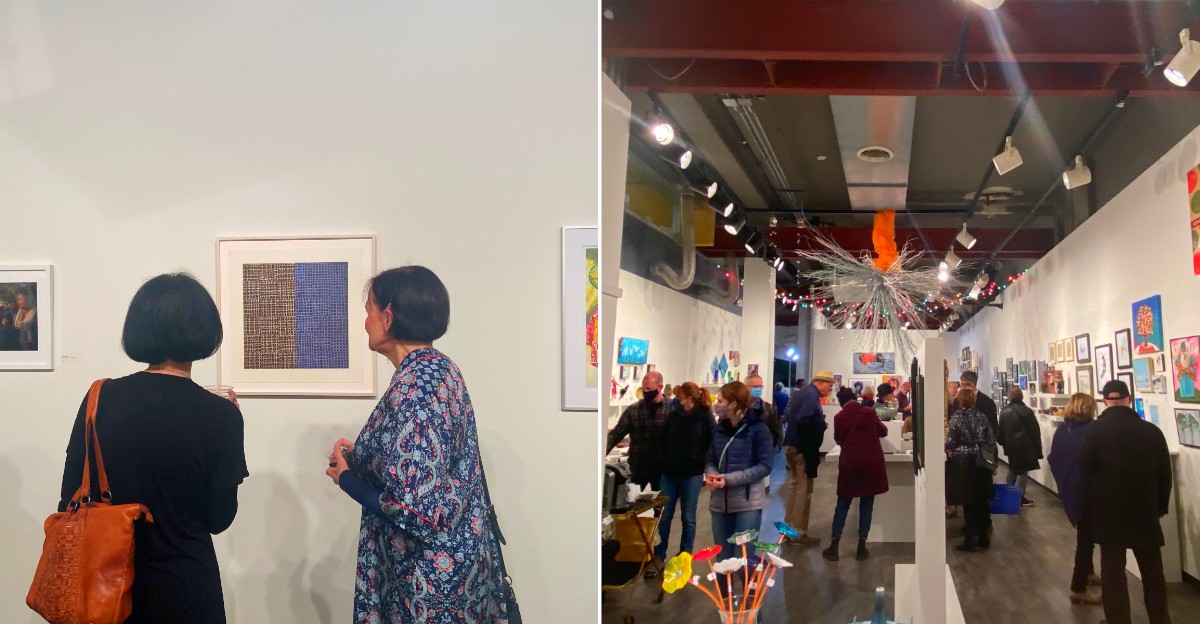
Some galleries make you feel as though you should have studied art history first. This one is much friendlier.
In Midtown Detroit, changing exhibitions, handmade pieces, and work by local artists create the kind of space where curiosity matters more than vocabulary.
Founded in 1932, the nonprofit has spent generations helping artists show and sell their work while keeping creativity closely tied to the city around it.
For anyone exploring Michigan art, this free Detroit gallery offers an easy way to discover local talent, rotating exhibitions, and work with a real sense of place.
The best part is how approachable it feels. You can stop in for twenty minutes or linger over one piece that refuses to leave your head.
Some visits may even end with artwork coming home with you. Either way, the experience feels less like “doing a museum” and more like meeting Detroit’s creative side face to face.
Great Depression Roots Still Matter
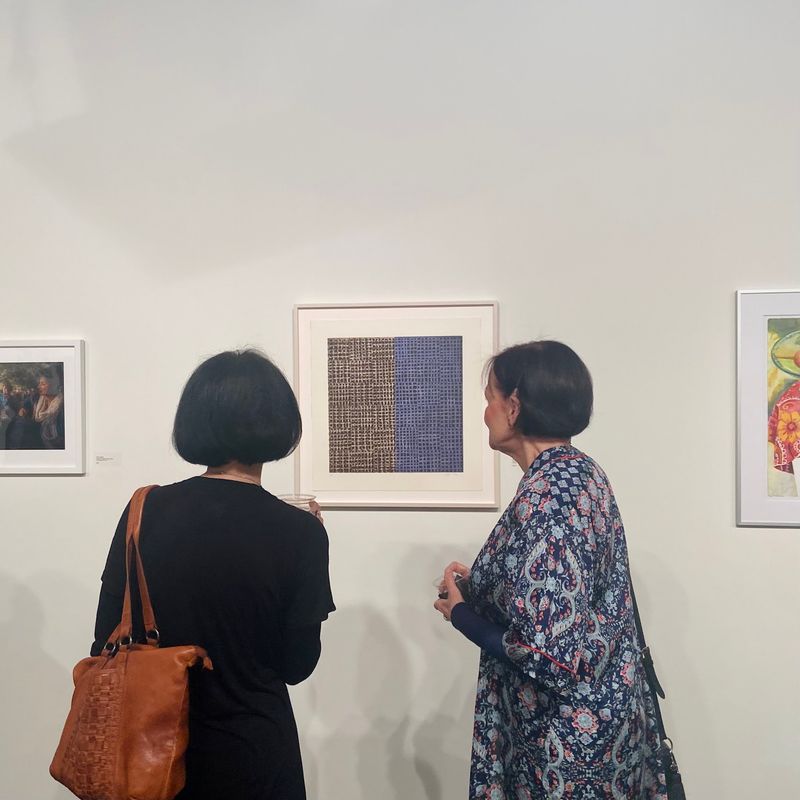
Launching an art market during the Great Depression was hardly the easy option. Founded in 1932 as the Detroit Young Artists Market, the organization gave artists under thirty a place to exhibit and sell their work during difficult economic times.
Local supporters, including Mildred Simpson, helped establish that practical mission. In 1936, the name became Detroit Artists Market, opening the organization to artists beyond its original age limit.
Keep that history in mind while looking around. Selling art here is not separate from the gallery’s purpose; it has been part of the story from the beginning.
A painting on the wall represents creative effort, but also someone’s working life, materials, and chance to keep making something new for others to discover.
The DIA Means You’re Three Blocks Away
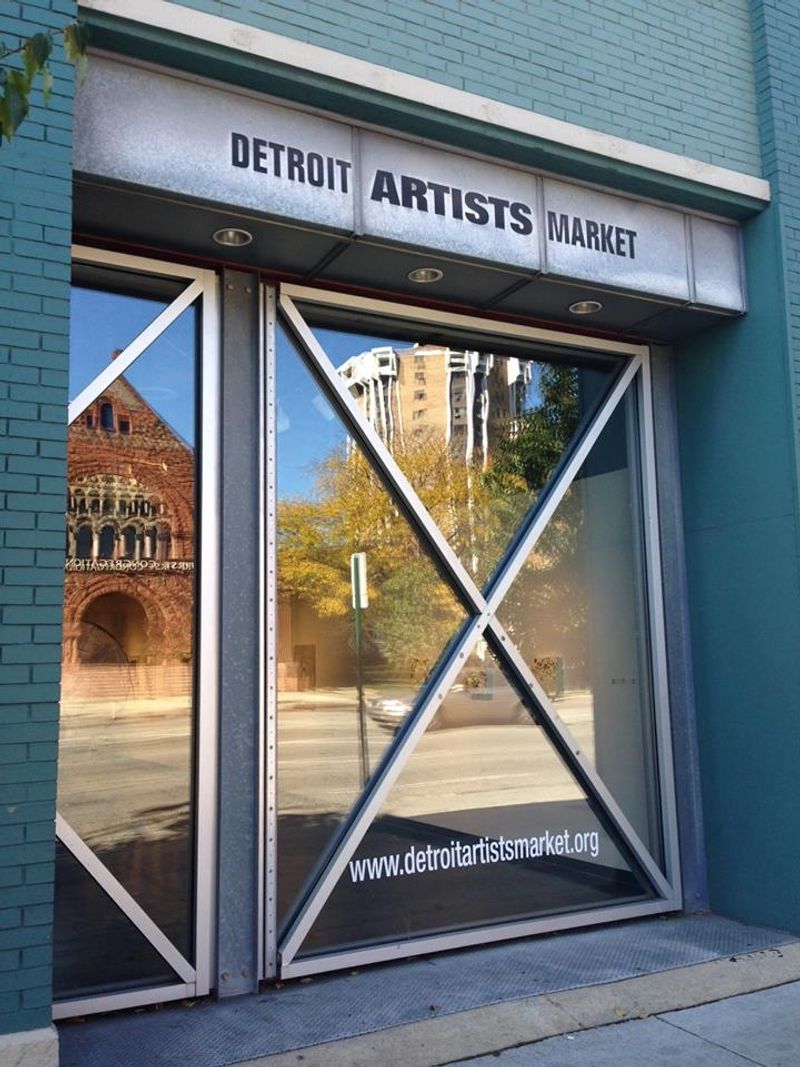
Detroit Artists Market sits at 4719 Woodward Avenue in Midtown Detroit, Michigan, right along the city’s Cultural Corridor. Woodward is the road to stay with on the final approach, and the Detroit Institute of Arts is the easiest landmark to use because the gallery sits about three blocks south of it.
The last stretch is unmistakably Midtown, with museums, cultural institutions, and older commercial buildings packed closely along Woodward. Once you pass the DIA heading south, start watching the next few blocks rather than waiting for a large standalone gallery complex.
Four free parking spaces sit immediately behind the building in a lot accessed from Forest Avenue. If those are taken, use metered street parking or one of the nearby paid options, then walk back to the Woodward entrance.
Check The Calendar Before Leaving
An exhibition change can turn a good plan into a locked door. The gallery’s listed regular hours are Tuesday through Saturday, from 11 a.m. to 6 p.m., with Sunday and Monday closed.
However, Detroit Artists Market also closes while exhibitions are being installed or taken down. Before traveling, check the official website for the current exhibition dates and any notices that affect your visit.
If the schedule leaves you unsure, call 313-832-8540 rather than guessing. Aim to arrive comfortably before closing so you have time to look, read, and ask questions without rushing.
A little checking protects the best part of a free gallery outing: being able to relax once you get there and follow your curiosity at your own pace.
The Walls Keep Changing
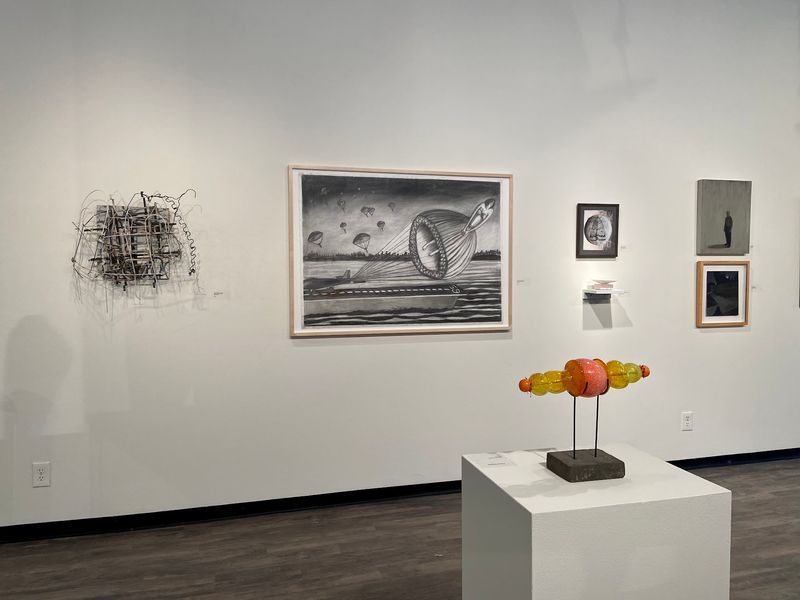
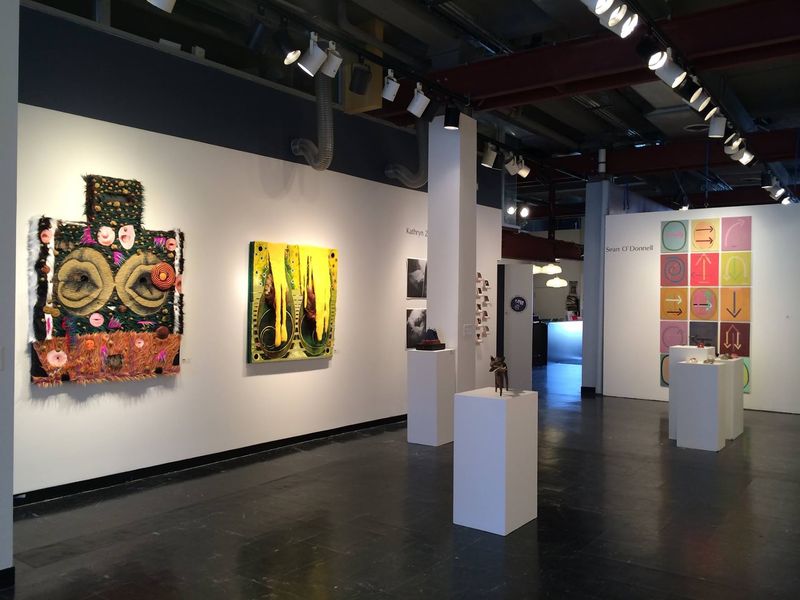
Yesterday’s favorite piece might not be waiting on your next visit. Rotating exhibitions are central to Detroit Artists Market, where contemporary work can include painting, sculpture, and experimental installations.
Look up the current show before arriving, but leave room for surprise. An exhibition theme can help explain why very different pieces share a room, while an artist statement may reveal a connection you missed at first.
Rather than trying to rank everything, choose two works that seem unlike each other. Compare their materials, subjects, or use of space.
That small exercise makes looking more active without turning the visit into homework. Return when another exhibition opens, and the same address can offer a noticeably different view of Detroit’s creative life unfolding.
Woodward Gives The Visit Its Setting
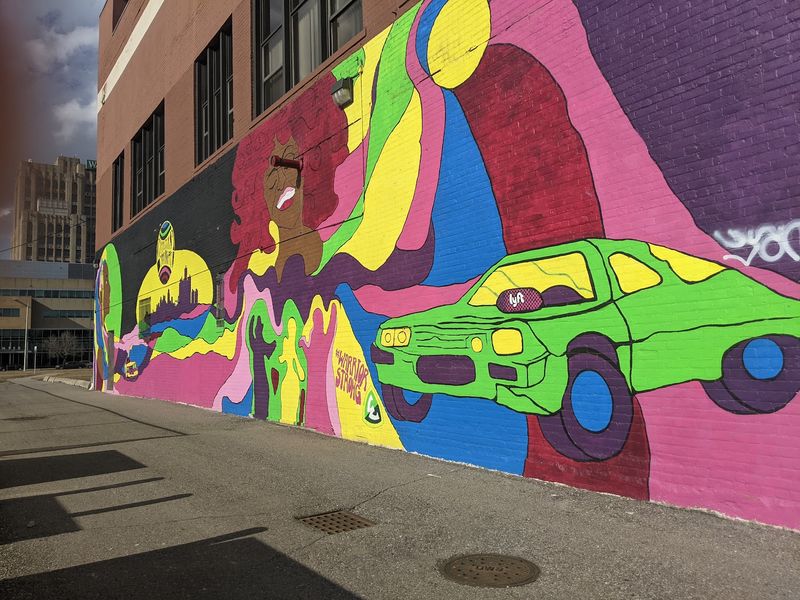
Woodward Avenue gives the gallery a clear place in Detroit’s cultural map. The address is 4719 Woodward Ave, Detroit, MI 48201, within Midtown and along the city’s Cultural Corridor.
Save the full address before heading out, especially if your day includes several stops. Detroit Artists Market is its own destination, not simply another name for a larger museum or a general arts district.
The useful contrast here is between a busy city setting and the focused act of looking at individual artworks. Let the gallery be more than a quick checkbox between errands.
Even a modest amount of unhurried time can help you notice an artist’s choices, read a label carefully, and understand why this particular space has lasted so long.
Small Parking Details Save Time
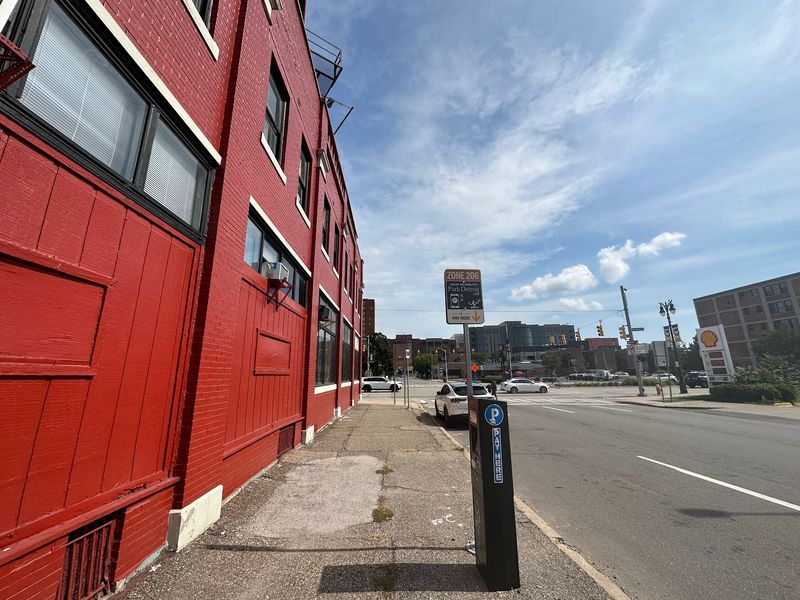
Four parking spaces can be helpful, but they are not a promise. Detroit Artists Market lists four free spaces behind its building, reached from Forest Avenue.
Check that any space you use belongs to the gallery and follow posted directions. If those spots are occupied, nearby street parking and other parking options may be available, with fees and restrictions depending on the location.
Read the signs instead of assuming a quiet curb means free parking. Build a few extra minutes into your arrival, especially when attending an event.
Knowing the rear access point ahead of time is useful, but keeping a backup plan is better. The goal is to spend your attention on art rather than circling the same block repeatedly.
Emerging Artists Get More Than Wall Space
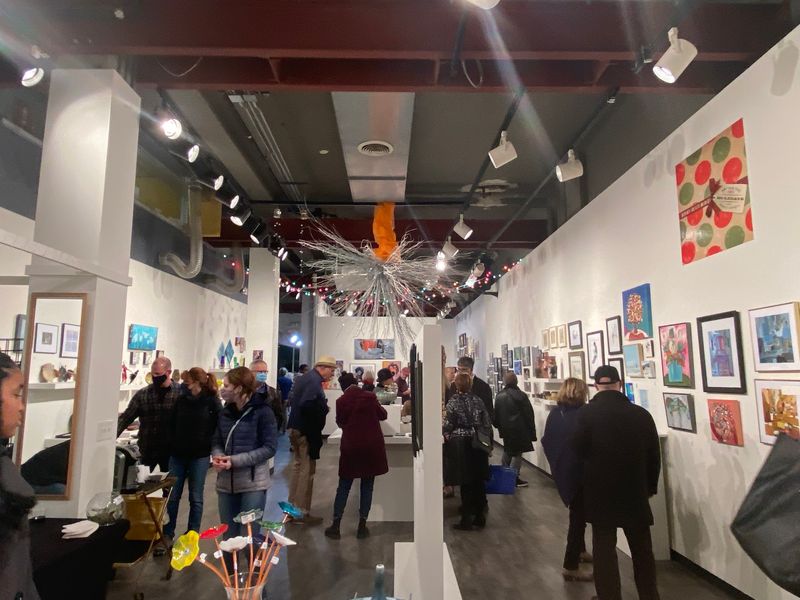
A first solo exhibition involves more than hanging work neatly. Detroit Artists Market’s Featured Artist Program supports emerging artists through professional development and an exhibition opportunity.
The program includes guidance on practical topics such as pricing, writing artist statements, and preparing artwork for display. Those skills help turn private creative work into something an audience can understand and potentially purchase.
When a featured artist presentation is on view, spend time with its written introduction. Notice how several pieces build a larger idea rather than treating each as an isolated object.
Ask staff about the program if you want more context. Seeing an artist develop a public voice adds another layer to the visit, especially when you encounter unfamiliar materials or surprising subjects.
A Gift Can Carry A Local Story
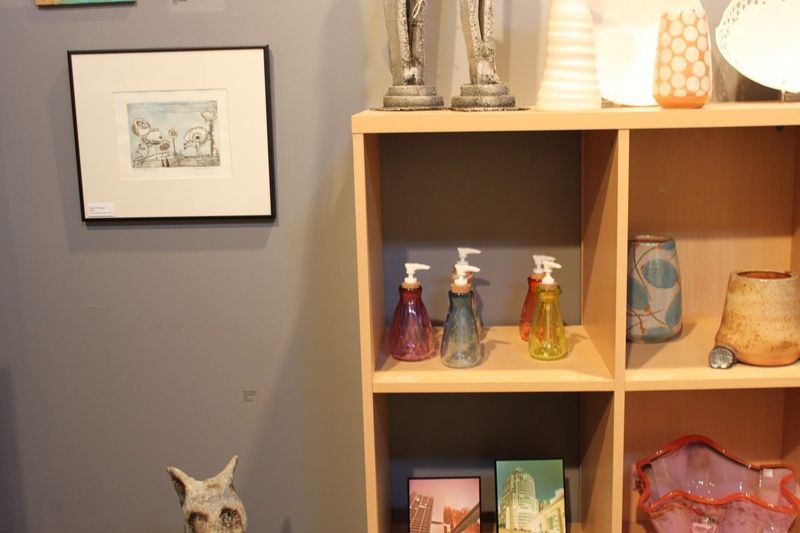
A handmade gift has a useful advantage: someone actually made choices about it. Detroit Artists Market’s Elements Gallery offers items such as jewelry, ceramics, and other artist-made pieces, giving visitors another way to encounter local creativity.
Browse with a budget in mind, then ask about the maker and materials of anything that interests you. Selection and prices can change, so avoid expecting a particular object from an older photograph or listing.
For a gift, consider how the recipient will use or display it. Ask about care instructions, packaging, and any relevant purchase policies before paying.
A small piece can still carry a strong sense of place, especially when you can share the artist’s name and the story behind your choice afterward.
Artist Talks Add Another Layer

Sometimes the most useful detail comes from hearing how a piece began. Detroit Artists Market hosts programming such as artist talks, panel discussions, and educational workshops that connect visitors with the people behind the work.
Check the event calendar separately from regular gallery hours. Confirm whether a particular program requires registration or has special arrangements rather than assuming free gallery admission covers every activity.
Bring one straightforward question about a material, a subject, or a creative decision. You do not need to sound like a critic to join the conversation.
Listening can also be enough. An artist’s explanation may change what you notice when you look again, turning an interesting object into a clearer picture of someone’s process and point of view.
Look For The Conversation Between Artists
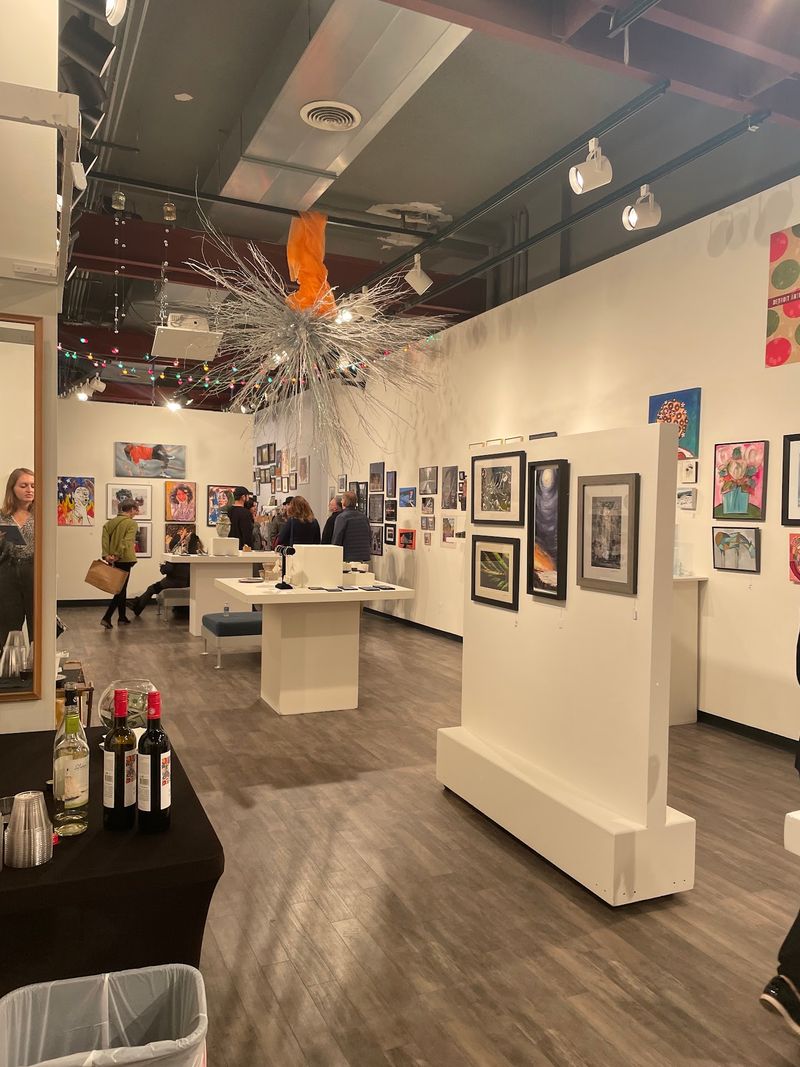
Not every exhibition tells the story of one artist working alone. Detroit Artists Market has presented creative communities including the Arab-American Artist Community and the Detroit Fine Arts Breakfast Club.
Those examples show how shared support and different viewpoints can shape a gallery program. They are part of its exhibition history, not a guarantee that either group will be on display when you visit.
In a group show, read the exhibition introduction before moving between individual pieces. Look for common concerns, then notice where artists disagree or take different routes.
Detroit’s art is not one style, one background, or one tidy message. A thoughtful visit leaves room for that variety rather than asking every work to tell the same familiar city story.
Support Can Start With Paying Attention
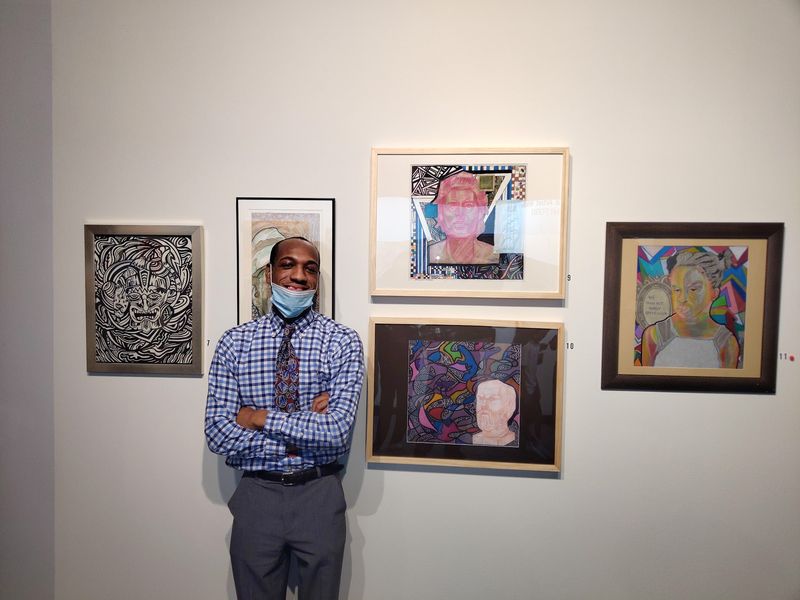
You can support an art community without taking home a large painting. As a nonprofit gallery, Detroit Artists Market creates opportunities for artists to exhibit, connect with audiences, and sell their work.
If you are considering a purchase, ask staff about the price, the artist, and how collection or delivery would work. Never assume an exhibited piece can leave the wall immediately, since arrangements may depend on the show.
Otherwise, learn a few names, follow artists whose work interests you, or tell a friend about a current exhibition. Ask permission before photographing artwork, and credit the maker when sharing approved images.
Paying attention is a modest act, but it helps keep the gallery’s long connection between Detroit artists and their audience alive.