
A Designated BLM Dig Area Lets Prospectors Pan And Sluice For Leftover Colorado Placer Gold
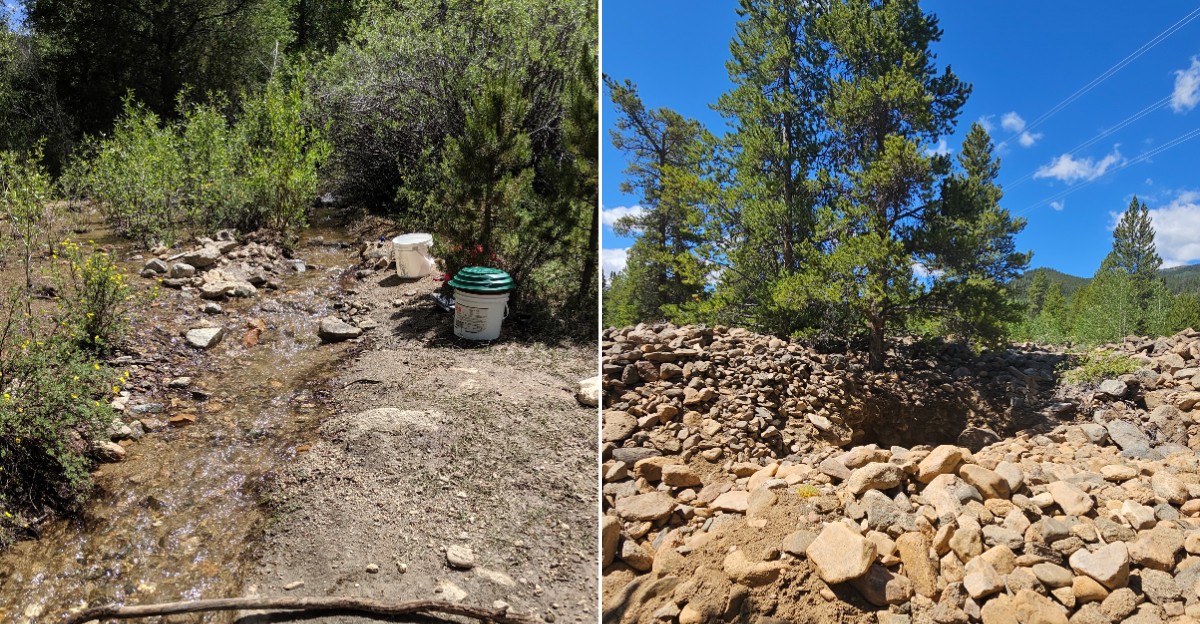
Gold fever gets a lot more interesting when you’re the one standing ankle-deep in a stream, wondering whether the next scoop of gravel holds a tiny fortune. Forget the movie scenes with overflowing treasure chests.
The real adventure demands muddy hands, sharp eyes, and enough patience to make a fisherman jealous. On historic mining ground in Colorado, recreational prospectors can try their luck searching for placer gold that earlier generations left behind.
The equipment is simple, but the excitement comes from examining every promising speck and realizing that something valuable might have been sitting beneath your boots all along. Will you strike it rich?
Almost certainly not. Will you start treating ordinary gravel with unusual suspicion?
Quite possibly. Public lands in Colorado offer opportunities for this old-fashioned pursuit, provided visitors respect current regulations and access restrictions.
Pack your gold pan, manage those millionaire expectations, and remember that even tiny discoveries deserve a celebration.
Near Granite, A Gold Search With A Clear Starting Point
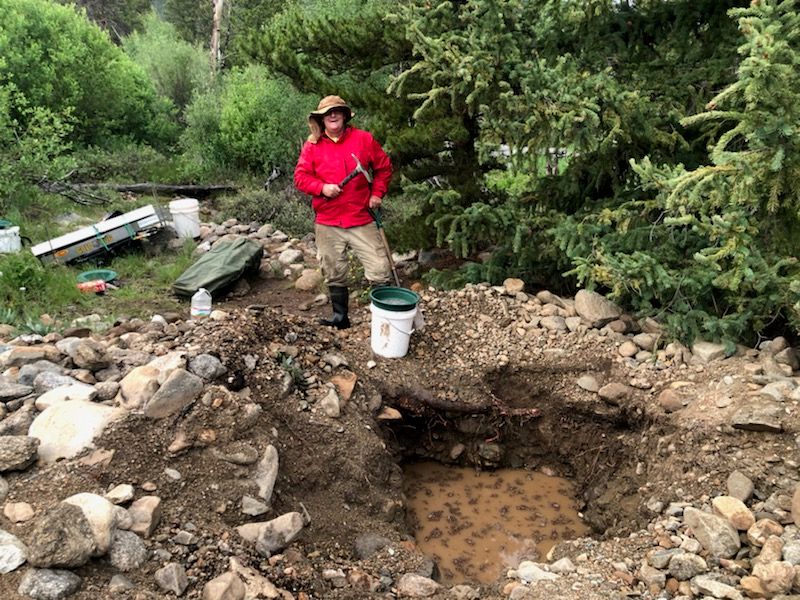
A weekend plan becomes simpler when the activity has a clear starting point. West of Granite, Cache Creek Placer Area provides designated public ground for recreational prospecting rather than leaving beginners to guess where they may dig.
The Bureau of Land Management manages the area, connecting a modern outdoor outing with historic gold workings. That public designation is the central attraction: you can plan around an established prospecting area instead of assuming every creek beside a highway is open for collecting.
Granite is the useful reference point for reaching the site from US 24. Supplied mapping information lists the destination as Twin Lakes, CO 81251, United States, but that is a locality listing, not a complete street address or a substitute for official driving directions.
Before leaving, check the BLM access information, collection requirements, and any posted restrictions. Save the route while you still have a reliable connection, and avoid treating a map pin as the final word on parking.
For a first visit, keep the goal modest: locate the authorized area, understand its rules, and try a few pans. Colorado gold history becomes much more approachable when the plan starts with permission rather than a hopeful shovel and an uncertain property boundary.
Placer Gold Rewards Patience More Than Fancy Gear
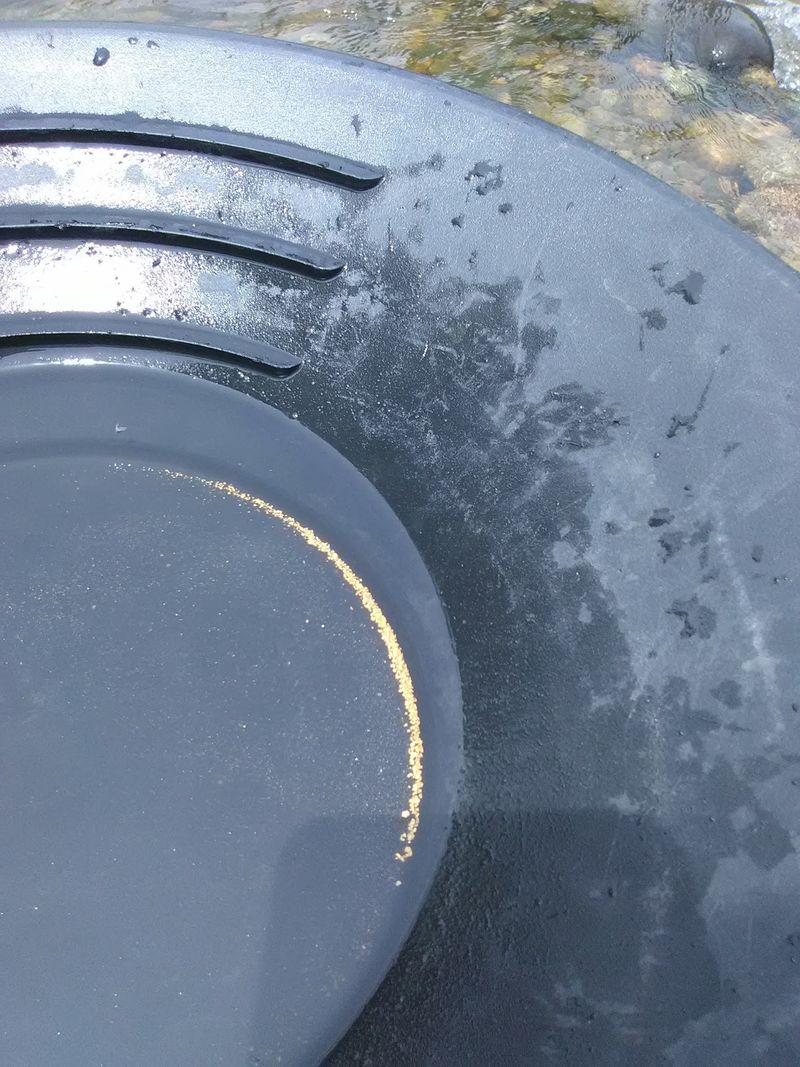
The promise is straightforward, even if the work takes practice. Placer gold is gold that has been moved from its original rock and collected in loose material, including gravel and sediment.
At Cache Creek Placer Area, recreational prospecting centers on searching that material with permitted equipment. A pan helps separate heavier particles from lighter sand, while a sluice uses flowing water and its internal surfaces to hold heavier material.
Start with a pan before deciding that your outing needs an equipment department. Practicing with small samples makes it easier to understand how material moves, and it reduces the temptation to spend the whole day carrying gravel without learning much.
Gold is heavy, but identifying it still takes care. Shiny minerals can mislead a beginner, so use a reliable identification guide and examine any possible find closely rather than declaring victory over the first sparkle.
Expect effort without a promised return. Historic mining ground can still contain gold, but no public designation guarantees that your chosen sample will produce it.
Bring a small container for genuine finds and enough patience for empty pans. The useful souvenir may be a few flecks, a better technique, or the discovery that your shoulders prefer shorter sessions than your imagination does.
Old Mining Ground Shapes The Cache Creek Landscape
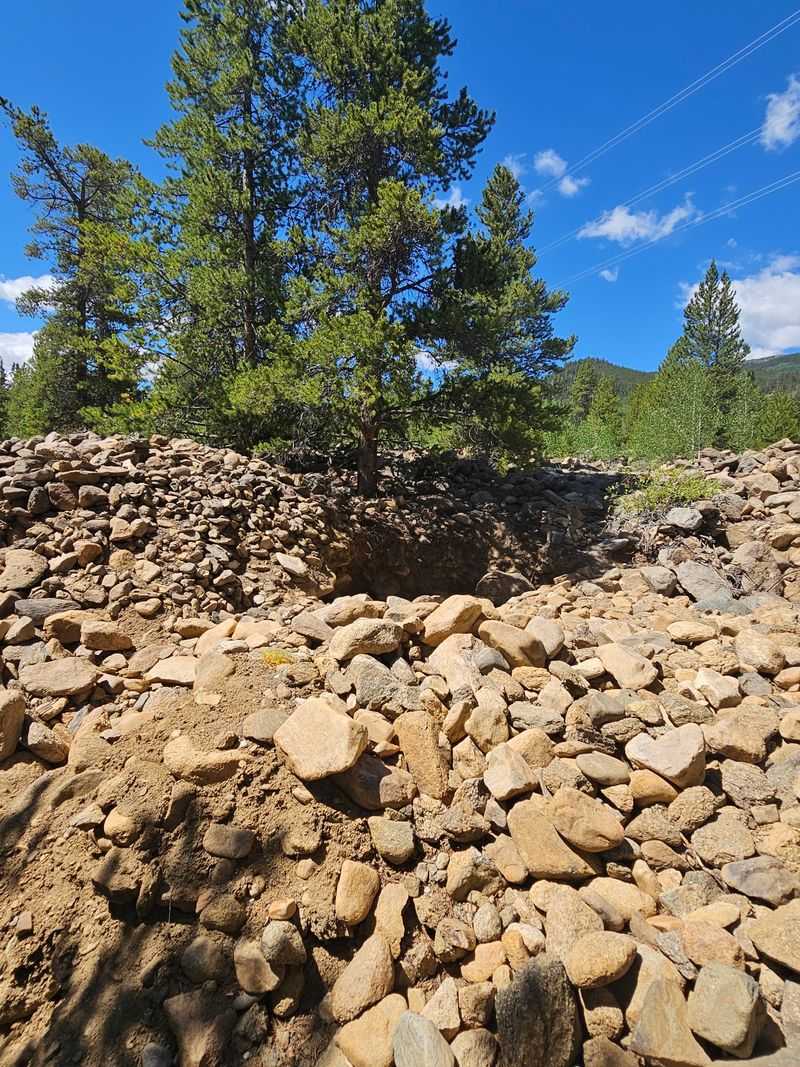
Arrival makes more sense when you know that the ground has already been worked. Historic placer mining changed the Cache Creek landscape, leaving disturbed gravel and landforms tied to earlier efforts to separate gold from sediment.
Hydraulic mining used powerful streams of water to wash large amounts of material. Those operations reshaped the terrain on a scale very different from a visitor working patiently with a hand pan.
Cache Creek Placer Area is therefore not an untouched creek waiting for its first discovery. Its appeal comes partly from searching a landscape where earlier miners moved substantial amounts of gravel and still did not recover every particle.
That history also calls for practical footwear. Uneven ground deserves more attention than a promising patch of sediment, especially when you are carrying tools or walking back with a tired pair of legs.
Use official maps and posted boundaries to understand where recreational collection is allowed. A larger managed parcel should never be read as permission to dig anywhere that looks interesting.
The setting places the outing firmly in Colorado mining country without requiring an invented frontier scene. Read the ground as evidence of work, bring only what you can comfortably carry, and leave time to return carefully to your vehicle.
The BLM Designation Adds Purpose To Historic Diggings
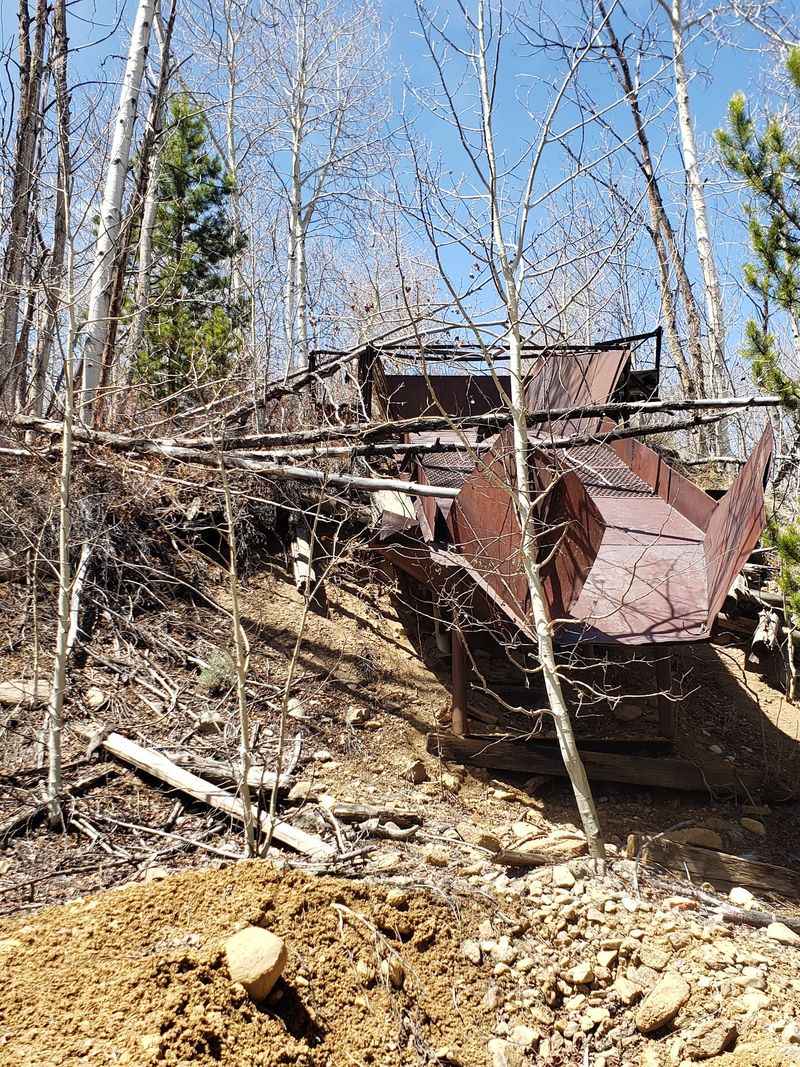
The most useful discovery may happen before the first pan touches water: historic mining ground now serves a public recreational purpose. That change gives the old workings a role beyond their commercial mining past.
The BLM acquired the property in 1992, according to the supplied historical information. Gold discovery here dates to 1859, placing the area’s mining story near the beginning of Colorado’s major gold rush era.
Those dates describe different chapters, not uninterrupted operation. Early commercial activity and modern recreational prospecting should not be blended into a claim that the same attraction has welcomed visitors continuously since the nineteenth century.
At Cache Creek Placer Area, the designation creates a clearer framework for people who want to try collecting without navigating the uncertainty of unrelated mining claims. It also places responsibility on each visitor to follow the current rules.
Good To Know: Confirm the current BLM mineral collection permit requirements before digging, and follow the posted equipment limits.
A pan or small sluice should not become an excuse to bring powered machinery. Check what is permitted rather than assuming that equipment sold for prospecting is automatically allowed here.
Public access works best when the activity stays within its limits. The history supplies the curiosity; careful collecting helps preserve the modern opportunity.
A Shared Pan Gives Different Visitors A Common Task
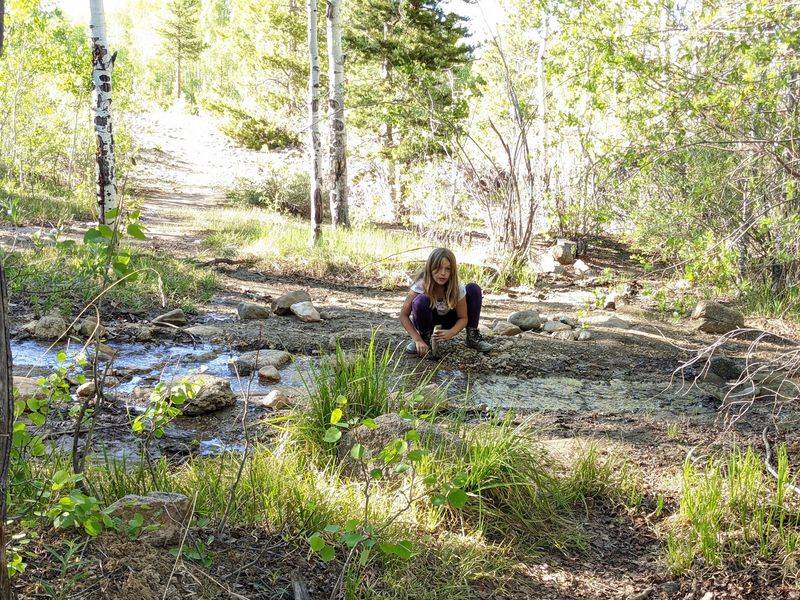
A pan gives everyone something concrete to focus on, which can be more useful than a vague promise of outdoor fun. Gravel goes in, lighter material washes away, and the remaining particles invite a closer look.
For families, that process can turn mining history into an activity children can understand. Adults should handle the rules, supervise near water and uneven ground, and set a stopping time before curiosity becomes fatigue.
Couples can divide the work without making the day competitive. One person can prepare a small sample while the other practices panning, then switch roles and compare what remains.
Solo visitors may prefer that same task without conversation. Bring a manageable kit, tell someone your plan, and keep enough energy for the return rather than treating every promising sample as a reason to stay longer.
Cache Creek Placer Area can also anchor a Colorado weekend for travelers interested in mining history. It is less suited to anyone expecting guaranteed finds, effortless collecting, or the services of a staffed attraction.
Pack drinking water, food, sun protection, and layers appropriate to the forecast. A short session can teach plenty, and nobody needs to process an heroic quantity of gravel to justify having brought a pan along for the day.
Make A Granite Detour Without Overloading The Day
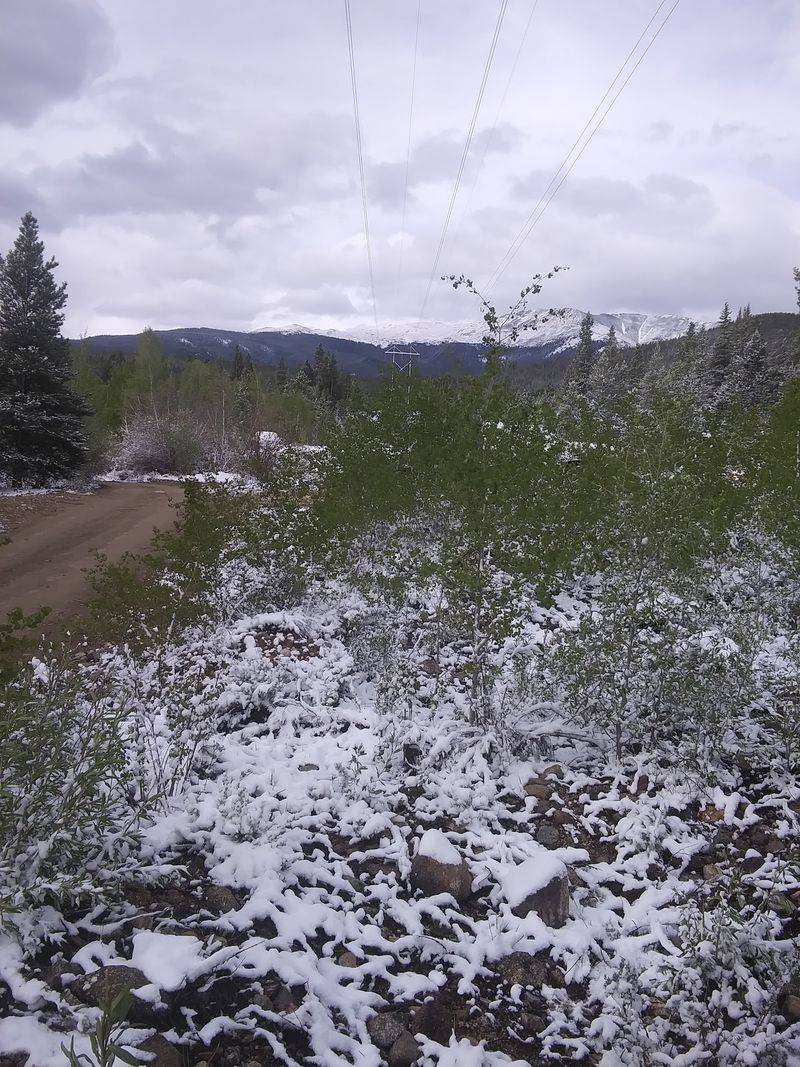
A simple Saturday detour works better with a few checks than with a packed itinerary. Build the outing around reaching the authorized access point, spending a manageable time prospecting, and leaving the ground tidy.
The mapping listing gives Twin Lakes, CO 81251, United States, while Granite remains the practical nearby reference for directions. Use current BLM instructions for Cache Creek Placer Area rather than relying on that broad locality address alone.
The supplied route information approaches from US 24 by County Road 398 and then a road beneath power lines. Confirm the route and road conditions before departure, particularly because an unpaved approach can change with weather.
Vehicle access is seasonal, with the supplied BLM information describing access from Memorial Day weekend through November 30. Check current closures before treating those dates as a guarantee; pedestrian access and permission to drive are separate matters.
Bring your own drinking water and a way to carry every piece of trash out. Do not assume creek water is suitable for drinking, and plan your basic needs without counting on services at the dig area.
Finish by checking the ground around your work area and following restoration instructions. Leaving early enough for an unhurried return is a useful prospecting skill too.
Leave Cache Creek With A Better Eye For Small Finds
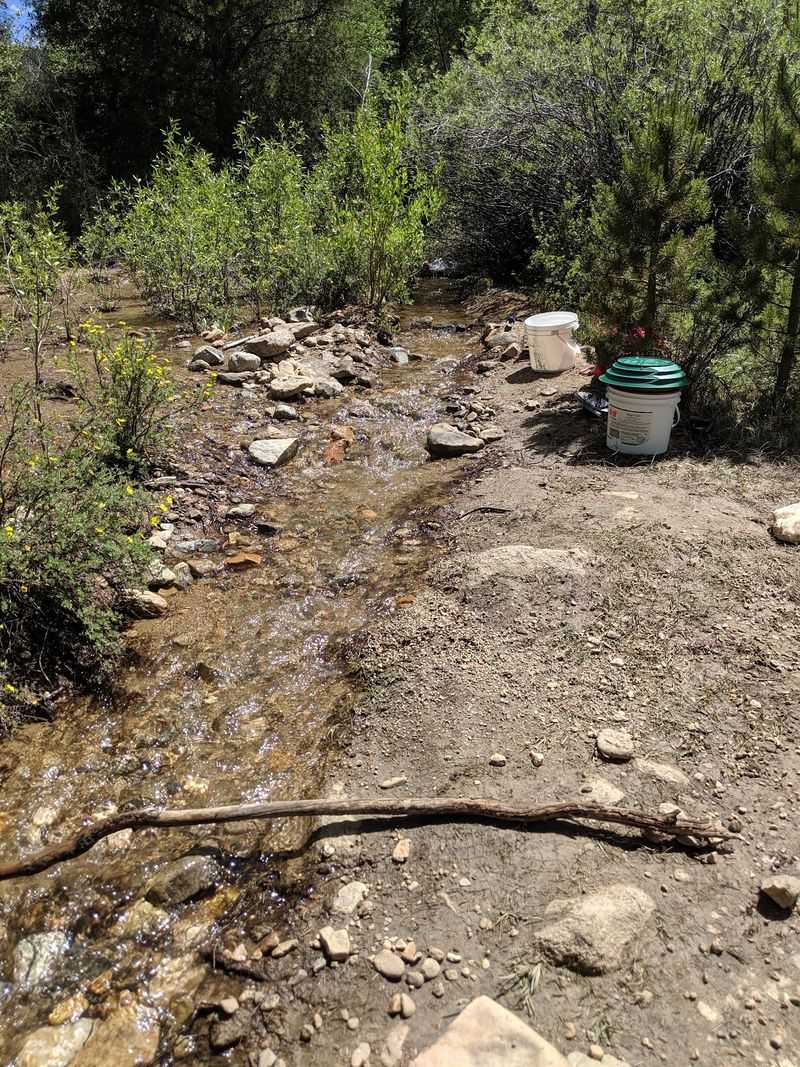
A successful outing does not need a nugget large enough to become a conversation problem. Learning to read a pan, recognize heavier material, and work within the rules gives the day a useful shape even without gold.
Cache Creek Placer Area brings that lesson into historic mining ground near Granite. The connection is direct: earlier miners searched these deposits commercially, while today’s visitors can explore the remaining placer material through regulated recreational collecting.
Keep the expectations small and the attention sharp. A few particles deserve careful inspection, but an empty pan is information too, not proof that the entire area has nothing left.
The strongest reason to visit is the combination of an understandable activity and designated public access. Colorado’s mining past becomes something you can study through a simple task rather than only a date on a page.
Return equipment to your bag, carry out waste, and leave your work area according to the posted guidance. Those ordinary steps matter more to future visitors than any story about how much material you moved.
For the next outing, remember what helped: lighter gear, patient samples, and enough time to return comfortably. Bring a pan to Cache Creek, but leave the retirement calculations at home where they belong.