
Locals Who Remember Recess Walk You Through This Washington Schoolhouse That Stopped in 1969
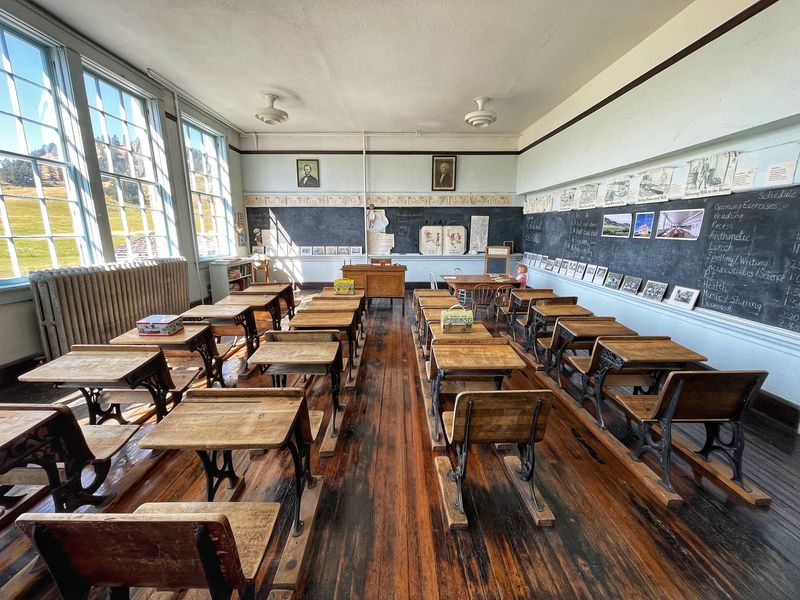
Two classrooms here still look the way they did when the last students packed up in 1968-69. The desks, the library, even a science lab are waiting like the bell might ring any minute.
The best part costs nothing at the door. Admission works by donation, and a jar sits on the main floor for anyone who wants to chip in.
Some of the volunteers greeting guests actually grew up in this little corner of Washington.
I love that the stories come straight from people who lived them. That turns a quiet old building into something closer to a family reunion with artifacts.
Downstairs, an old gym holds tools and gear from the horse-and-buggy days. A short walk away, a preserved ghost town fills in the rest of the picture.
Who knew a schoolhouse could hold an entire town’s memory?
An Old Brick Schoolhouse That Traded Report Cards For Relics
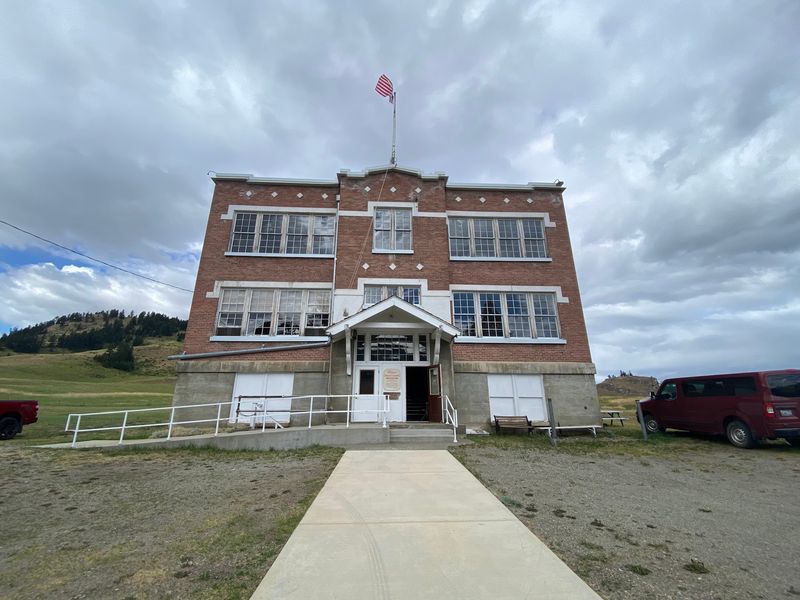
Students filled these halls from 1914 until 1969, and then the building found a second career. Today it’s the Molson School Museum, a heritage museum in the Okanogan Highlands of Washington.
The setting is about as far from a big-city museum as you can get. Rolling hills surround the old town, and the Canadian border sits just to the north.
Molson itself grew from mining dreams in the early twentieth century. The schoolhouse now keeps that story safe, along with decades of everyday life in the surrounding farm country.
So what do you actually find inside? Fully staged classrooms, a library, a science lab, and a basement packed with pioneer-era tools.
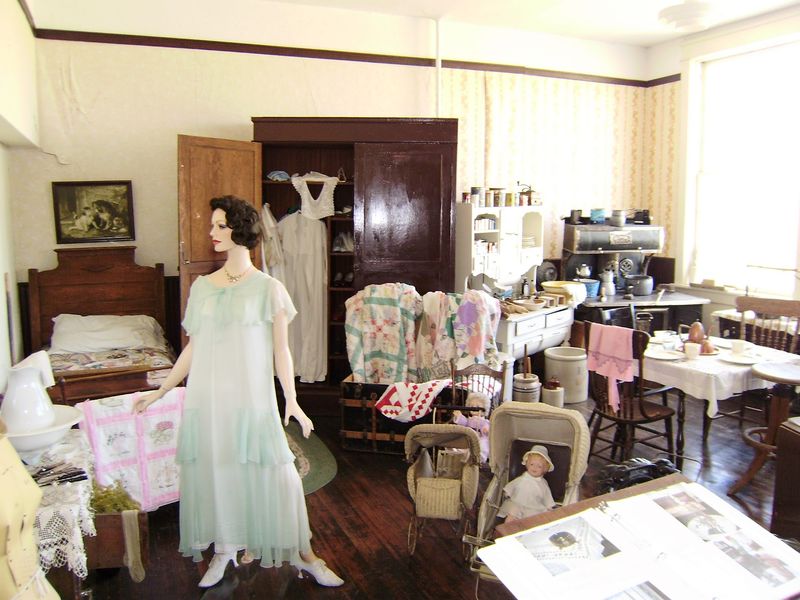
Homestead items fill shelves and corners throughout the building.
It’s small, authentic, and lovingly run by volunteers. Many have personal ties to the town, which gives the place a warmth that glass cases alone can’t create.
The building itself earns admiration too. It’s well kept, sturdy, and clearly treated with care.
For a former school that closed its doors more than fifty years ago, it looks remarkably proud of itself.
Consider it a time capsule with a front door, open to anyone curious enough to make the drive north.
How A Mining Boom Built A Town Near The Border
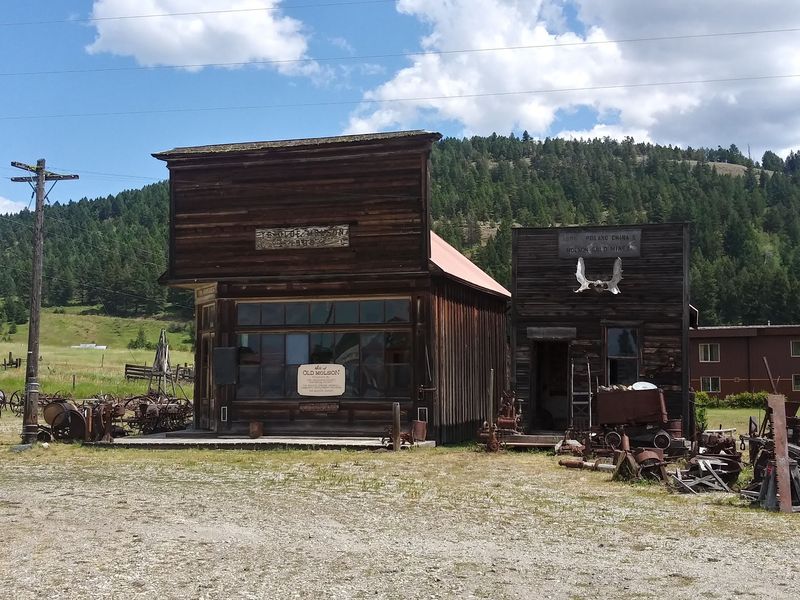
Gold and silver hopes put Molson on the map. The town rose in the early 1900s as miners and homesteaders gambled on the Okanogan Highlands of Washington.
Mining towns rarely stay booming forever. Molson followed that familiar pattern, and its population eventually thinned out as fortunes shifted elsewhere.
Farming families stayed, though, and the school kept running for decades. That school became the anchor of community life until its final classes in 1969.
Here’s what makes the history feel personal. The Molson School Museum doesn’t just display the past, it preserves the ordinary routines of the people who stuck around.
You’ll see homestead goods, classroom supplies, and equipment that tells how families worked, learned, and played. Each item fills in a piece of the puzzle about life far from any big city.
One fair note: some guests wish there were more detail on the town’s early years specifically. The museum leans heavily into school and homestead life, so curious minds should come with questions.
Luckily, the volunteers love those questions. Ask about the mining era, and you may get a story you won’t find printed on any sign.
Classrooms Frozen At The Final School Bell
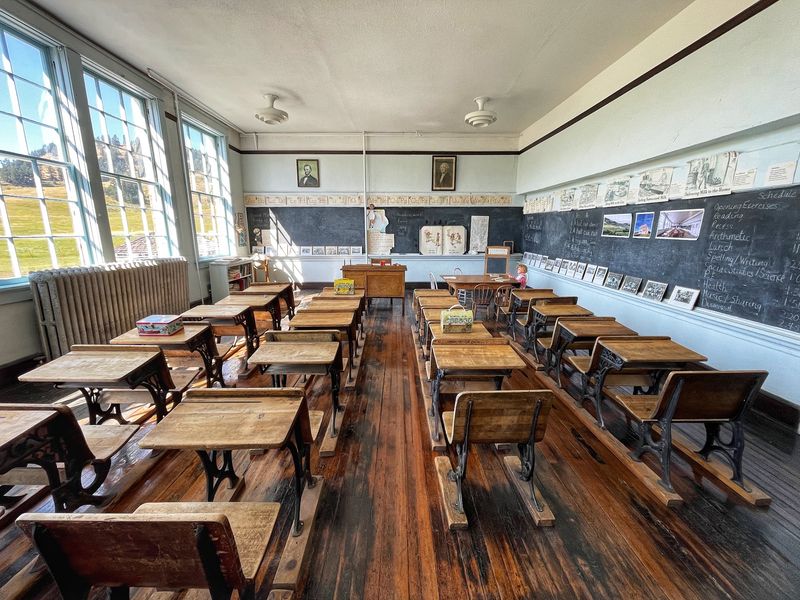
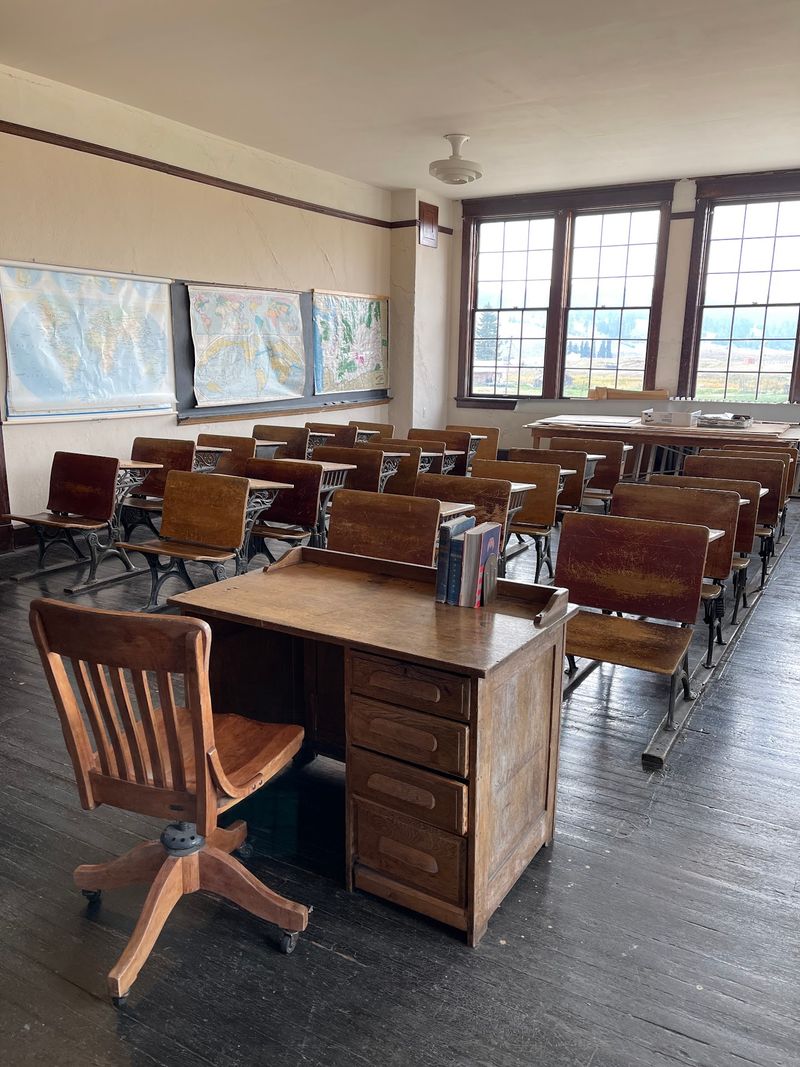
Chalkboards, rows of desks, and the feeling that recess just ended. Two rooms upstairs were preserved from the last classes held in 1968-69.
Walking past them is pure nostalgia for anyone who sat in a classroom before the mid-1970s. The setups show school life from the 1950s and 1960s with impressive detail.
Grandparents tend to light up here. Familiar objects from their own school days can spark memories they haven’t thought about in years.
Kids react differently, but just as strongly. Many are amazed that school once looked like this, without a single screen in sight.
That generational back-and-forth might be the classrooms’ real magic. One room can start a conversation that lasts the whole drive home.
I can’t imagine a better way to show children how their grandparents learned. Telling them is one thing, but standing among the actual desks makes it stick.
Take your time in these rooms. The small details, like supplies and wall displays, reward a slower look.
Honestly, it’s the closest thing to a time machine you’ll find in north-central Washington, and nobody even has to do homework.
Shelves Of Books And A Science Lab Worth Lingering In
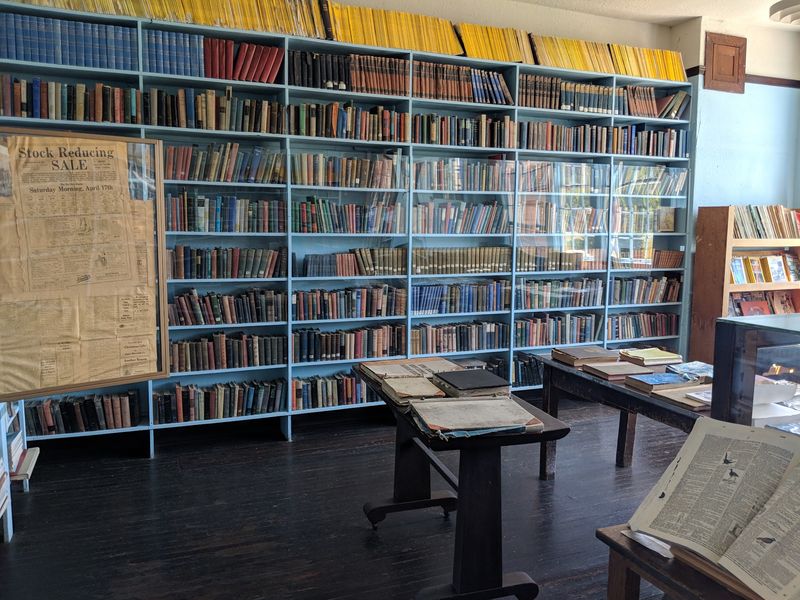
Remember the smell of an old school library? The Molson School Museum keeps one intact, complete with the shelves and setup students once used.
Book lovers will want extra minutes here. Vintage school libraries carry a charm that modern ones rarely match, and this one fits the era beautifully.
Right nearby, a science lab adds another layer. It shows the hands-on side of rural education during the mid-twentieth century.
Picturing students running experiments in a remote Washington town makes the lab surprisingly moving. These kids learned the same principles as city students, just with mountains outside the window.
Both spaces help round out the full school day. Classrooms covered the basics, while the library and lab hinted at bigger worlds beyond the hills.
For families, this area works as a natural discussion starter. Ask kids what they’d miss most without internet research, and watch the wheels turn.
Antique pieces sprinkled throughout keep the eyes busy. It’s easy to spot something new on every pass through the room.
Plan to browse rather than rush. These rooms reward people who enjoy small surprises tucked between bigger displays.
The Old Gym Downstairs Is A Toolbox Of History
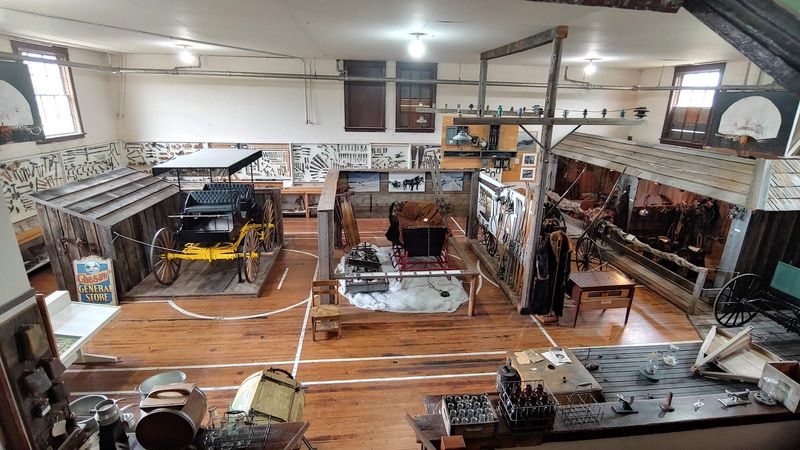
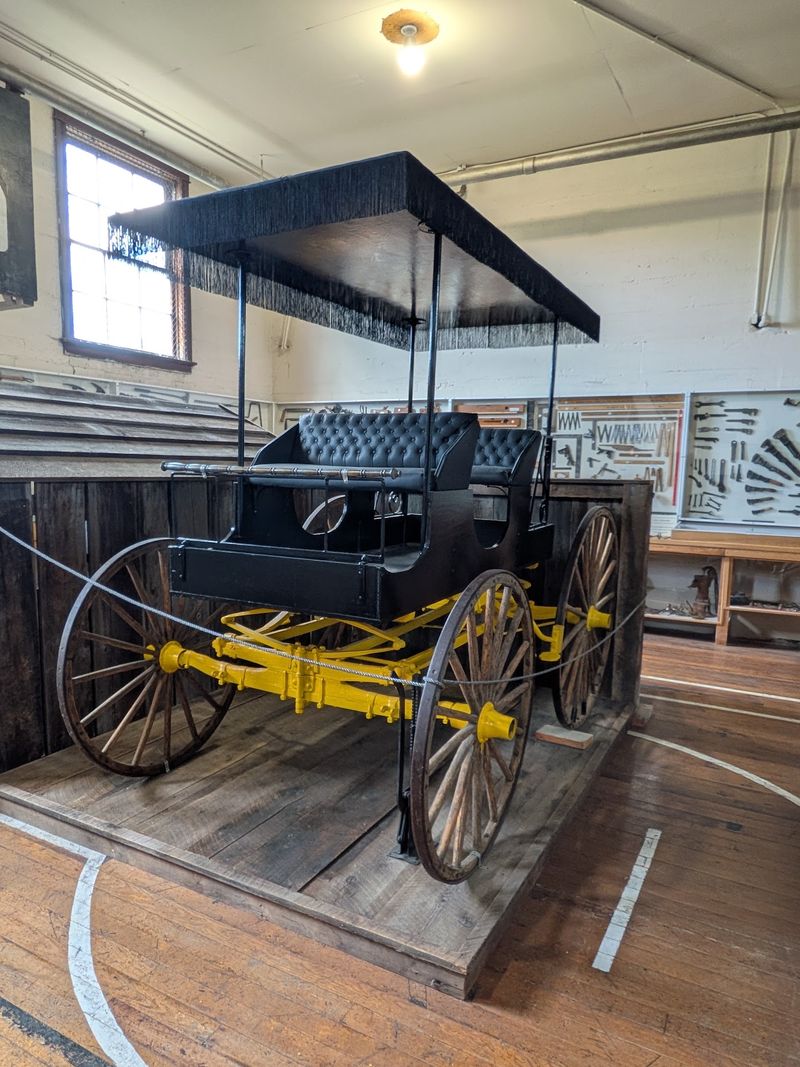
Basketballs once bounced down here. Now the former gymnasium holds a remarkable collection of tools, equipment, and artifacts from the horse-and-buggy era.
Fans of farming history tend to linger longest in this space. The tool collection gets especially enthusiastic praise for its size and variety.
Exhibits show gear people used to maintain equipment and enjoy recreation. Together they paint a clear picture of how much work daily life demanded in the highlands.
Everything appears thoughtfully arranged and well maintained. The care shown to these artifacts says a lot about the volunteers behind the museum.
It’s a fascinating counterpoint to the classrooms upstairs. Upstairs shows what kids learned, while downstairs shows the hard work waiting for them at home.
Tinkerers, mechanics, and anyone who loves old machinery will feel right at home. Even folks who can’t tell a wrench from a ratchet may find themselves curious.
The downstairs museum has kept growing over the years. That ongoing effort means there’s often plenty to explore beyond a quick glance.
Give this level real time. Rushing through a gym full of history would feel like skipping the best chapter of the book.
Volunteers Who Remember Recess Firsthand
Some museum guides study history. A few of the volunteers at the Molson School Museum lived it, having grown up in town or attended the school.
That connection changes everything. Questions about daily life get answered with real memories instead of rehearsed scripts.
The friendly greeters are widely described as knowledgeable and eager to share. Spend a few minutes chatting, and the stories start rolling.
I believe these conversations are the heart of a visit. Artifacts show what happened, but people explain why it mattered.
Ask what winters were like or how kids got to school. You might hear details that would never fit on a museum placard.
The volunteers also keep the whole operation running. Their dedication is a big reason the building and collection look so well cared for today.
That kind of community effort deserves appreciation. Saying thanks, asking questions, and showing genuine interest goes a long way.
It’s rare to find a place where history feels this personal. Here, the past comes with a friendly smile and maybe a story about a favorite teacher.
Homemade Treats And A Donation Jar Keep Things Sweet
Free admission is already a nice surprise. Homemade snacks at old-school bake-sale style prices make the deal even sweeter.
Treats have been a happy part of visits for years. Volunteers sharing goodies adds a small-town warmth you won’t get from a vending machine.
Entry runs on donations, with a jar on the main floor. Budget-minded families and retirees can enjoy a full outing without stressing about the wallet.
That generosity only works because guests chip in. A few dollars may help keep the lights on and the collection protected for future visitors.
Think of it as supporting a community project rather than paying a fee. Every contribution helps a small-town treasure stay open.
Snacks also make a great excuse to slow down. Grab something sweet, then head back for another look at a room you passed too quickly.
Packing a picnic is another wallet-friendly idea for the day. The surrounding hills make an inviting backdrop for a simple lunch.
Between free entry, homemade goodies, and priceless stories, this ranks among the most affordable outings in Washington. Your sweet tooth and your budget can both leave happy.
A Ghost Town Waits Just Down The Road
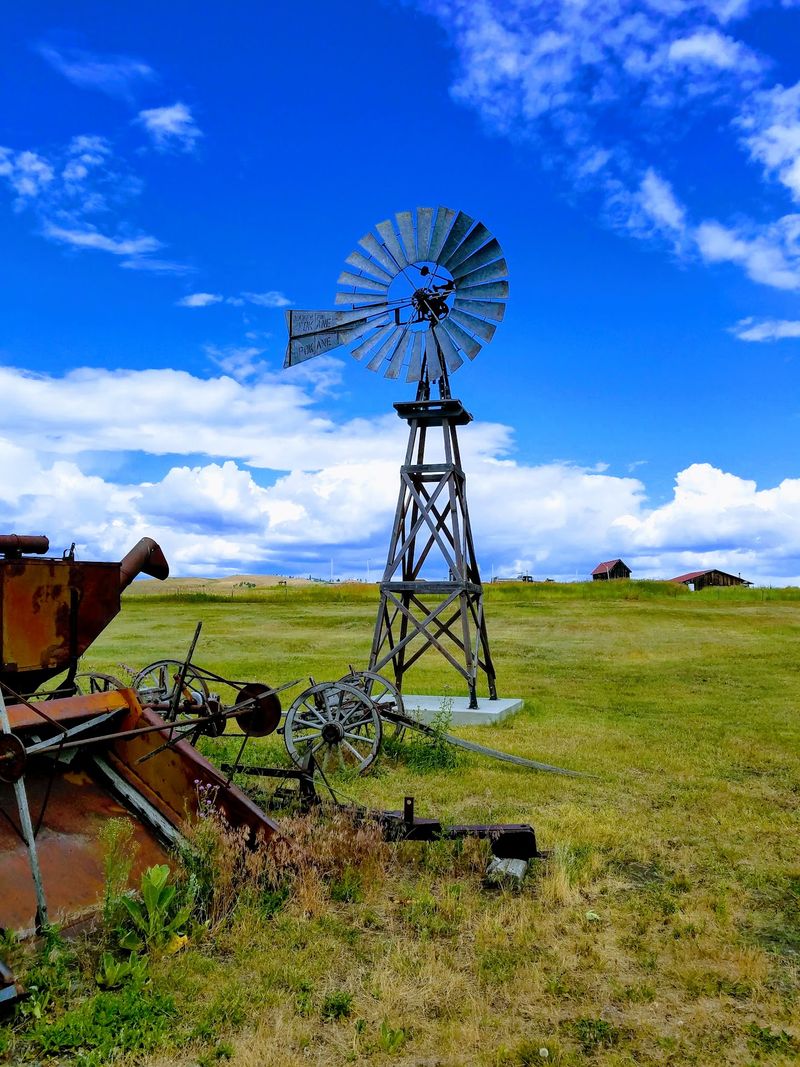
Finish the classrooms, then keep walking. Just a couple of blocks away sits Molson’s old town, an outdoor walk-through historic site.
Pairing both stops makes the day feel complete. The schoolhouse shows indoor life, while the ghost town brings the frontier setting into open air.
Because it’s managed as a museum, the site feels preserved rather than abandoned. Buildings and displays are arranged for exploring, not left to crumble.
Many people call Molson a town that time forgot. Strolling among the old structures, that description feels pretty accurate.
Kids’ reactions can vary by age. Older children may be fascinated, while younger ones might get restless before adults finish reading every sign.
Bringing snacks and water helps everyone stay cheerful. Comfortable shoes are smart too, since this part of the visit happens outdoors.
The rolling hills around the site add real beauty to the experience. Photographers will find plenty of rustic subjects against wide Okanogan skies.
Skipping this stop would be like leaving a movie before the final scene. The schoolhouse sets the story, and the old town finishes it.
Who Will Love This Trip The Most
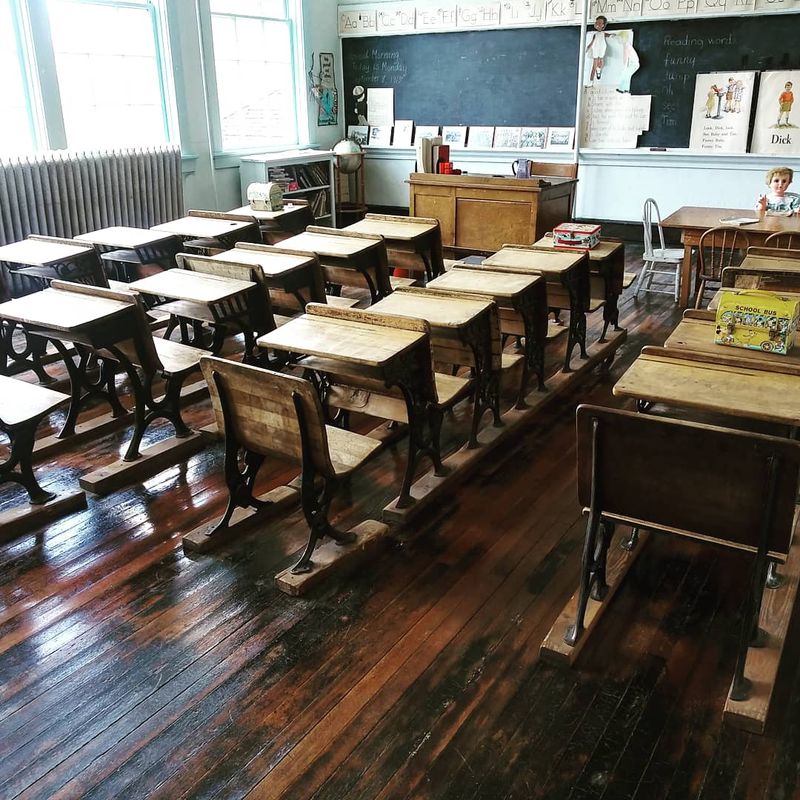
Grandma remembering her spelling lessons while the grandkids gawk at an old chalkboard. That scene sums up who this museum suits best.
Multigenerational families get a lot out of a visit. Older relatives share memories, and younger ones discover how different school used to be.
Mining history buffs should add it to their list. So should anyone drawn to farming, homesteading, and small-town life in rural Washington.
Road trippers love it too. Car clubs and touring groups have included it in scenic drives across the Okanogan Highlands.
The vibe is cozy, authentic, and unhurried. Visitors often describe it as cute, which fits a schoolhouse full of lovingly kept treasures.
Very young children may lose interest faster, especially outdoors. Older kids and tweens tend to get more absorbed in the details.
Budget travelers win big here. Donation-based entry makes it a great choice for retirees and families watching expenses.
Really, anyone with curiosity fits right in. If you enjoy asking how people lived before modern conveniences, this place will feel like a field trip made just for you.
Timing, Directions, And A Few Smart Planning Tips
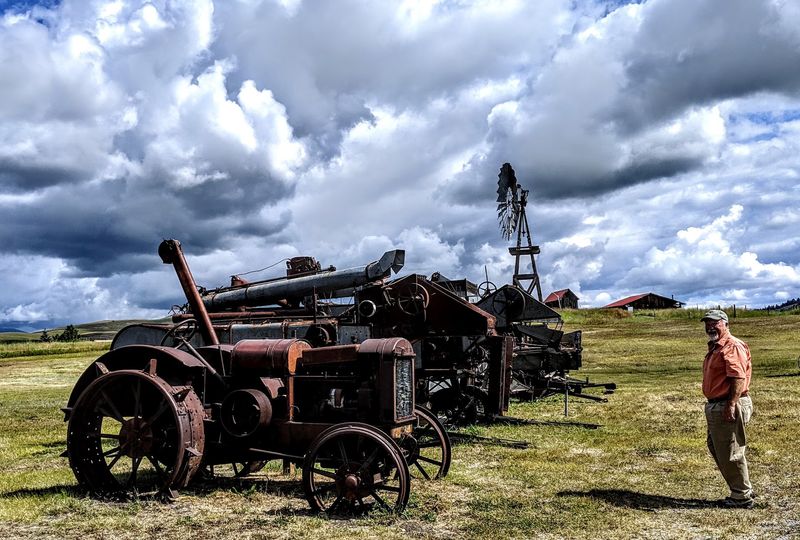
Mark your calendar carefully. The Molson School Museum operates seasonally and is closed from Labor Day to Memorial Day.
During the open season, hours run 10 AM to 5 PM daily. Arriving on or after Memorial Day Weekend is the safest bet.
You’ll find it at 599-515 Co Hwy 4777, Oroville, WA 98844. The museum sits east of Oroville, close to the Canadian border.
From Osoyoos in British Columbia, the drive takes roughly 30 to 45 minutes. Some guests have made the long trip from Seattle and felt it was well worth the miles.
Budget more time than you expect. Between the schoolhouse and ghost town, several hours can disappear quickly.
Services are limited in such a remote area. Filling your gas tank and packing food before heading out makes the day easier.
Bring cash for the donation jar and treats. Small contributions help support the volunteers keeping everything running.
Comfortable shoes, sun protection, and water round out the checklist. Summer in the Okanogan Highlands can feel bright and warm, especially while exploring outside.
Why This Little Schoolhouse Deserves A Summer Road Trip
Small museums often carry the biggest hearts. The Molson School Museum proves that idea with every preserved desk and every volunteer story.
It offers a rare mix of nostalgia, history, and community spirit. Few places in Washington let you explore an entire school day from decades past.
The free, donation-based entry makes it wonderfully accessible. Add homemade treats and a ghost town nearby, and the value feels almost too good.
I like how the museum feels personal rather than polished. It was built by people who care, and that shows in the details.
Is it flashy? Not at all, and that’s exactly the charm.
Instead, it delivers something harder to find: real connection to a place and its people. You leave understanding how a mining town became a farming community with a school at its center.
Plan your visit for summer, gather a few curious companions, and head toward the Canadian border. Leave room for conversation, snacks, and a stroll through the old town.
The final bell rang here in 1969. Thankfully, the lessons are still waiting for anyone willing to make the trip.