
10 Virginia Small Towns That Deserve A Closer Look From Retirees On A Fixed Income
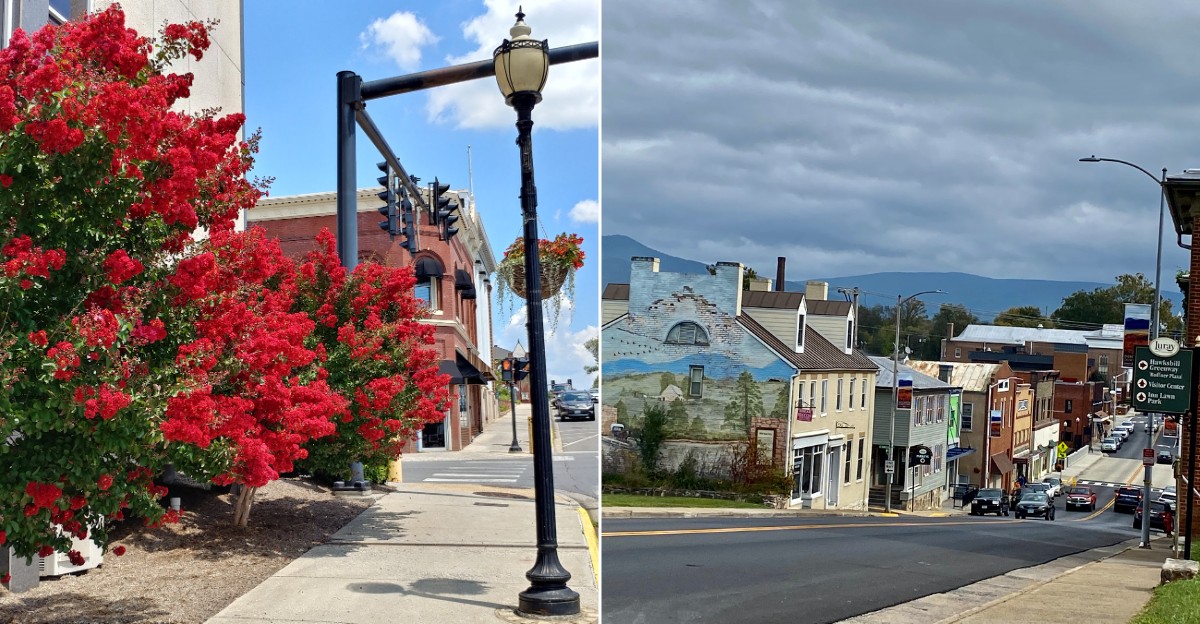
Back in 1933, one theater let folks pay for tickets with vegetables, eggs, and even ham. Yes, actual ham.
During the Great Depression, a show could cost you a basket of produce instead of cash.
That story sounds made up, but it isn’t. The same playhouse is still running today, now carrying the title of State Theatre of Virginia.
Talk about a lasting investment.
That thrifty spirit has me curious about small towns that still stretch a dollar. I wanted places with real Main Streets, free trails, mountain views, and things to do that don’t drain a monthly check.
Think less Real Housewives and more The Andy Griffith Show, with better hiking.
Railroad history, river trails, mountain views, and even a cave that plays music make these Virginia towns worth a closer look. Your next favorite address might come with a lot more character and a lot less financial stress.
1. Abingdon
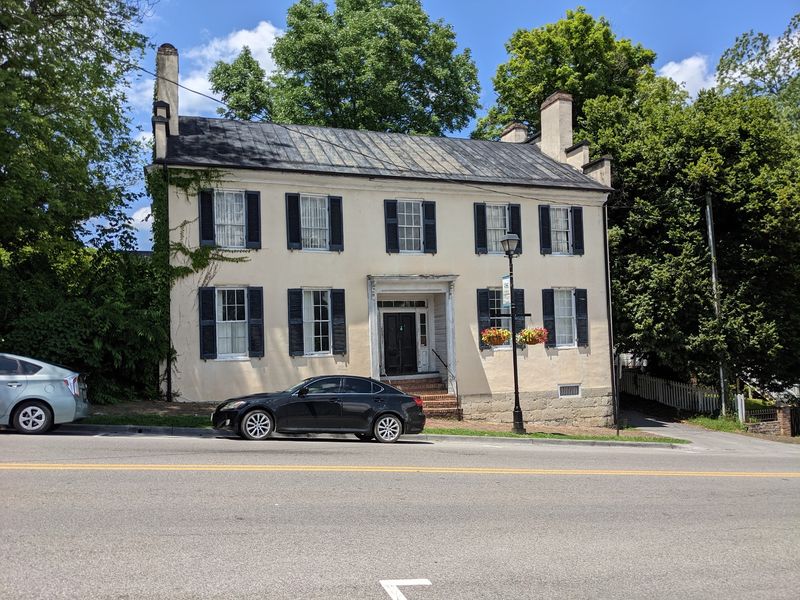
Any town that once traded theater tickets for ham deserves your attention. Abingdon is home to Barter Theatre, the State Theatre of Virginia and the place behind that famous Depression-era deal.
Today you pay with money, sadly, not zucchini. Still, the theater offers musicals, dramas, and plays right on West Main Street.
Culture here doesn’t always cost a dime. The William King Museum of Art is free to enter and shows contemporary art, fine art, and regional heritage exhibits.
Outdoor fun is just as easy on the budget. The Virginia Creeper Trail starts in town and follows an old railroad bed toward Damascus.
That Abingdon to Damascus stretch runs about 17 miles and is open now. You can walk, bike, or ride horses on it, which beats a gym membership any day.
Grocery money goes further at the Abingdon Farmers Market too. It’s a producer-only market with fruits, vegetables, honey, eggs, meats, baked goods, and handmade items.
Here’s the part fixed-income shoppers will like. The market accepts SNAP/EBT and the Senior Farmers Market Nutrition Program.
Abingdon has roughly 8,300 residents, so it feels small without feeling sleepy. Its historic downtown is walkable, and the Appalachian foothills frame the whole scene.
History buffs get a bonus. The town was incorporated in 1778 and served as a gathering spot for the Overmountain Men during the American Revolution.
2. Marion
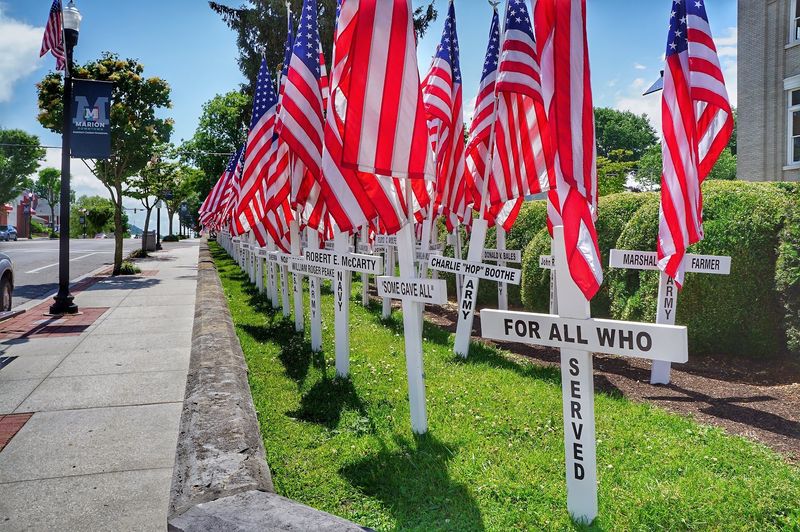
Some theaters show movies, but Marion’s Lincoln Theatre shows off. The historic Main Street landmark opened in 1929 and is known for its ornate, one-of-a-kind interior.
It’s also the home of Song of the Mountains, a public television show featuring bluegrass and mountain music. So yes, your night out could end up on TV.
Marion sits in Smyth County with about 5,700 residents. National forest land surrounds the area, which means big scenery comes standard.
Need a weekend plan that won’t empty your wallet? Hungry Mother State Park sits just outside town and ranks among Virginia’s original state parks.
The park centers on a lake with trails, a beach area, and fishing. It’s the kind of place where a picnic lunch counts as a full day’s adventure.
Mount Rogers, the highest point in Virginia, is also a reasonable drive away. You don’t have to climb it, of course, but bragging rights are available.
Downtown keeps things simple and walkable. Marion’s historic Main Street gives you a real center of town, not just a strip of parking lots.
For retirees, that layout matters more than flashy extras. Short errands, a show, and a mountain view can all fit into one easy afternoon.
Fiddles, forests, and a famous marquee make a pretty strong case for this town.
3. Lexington
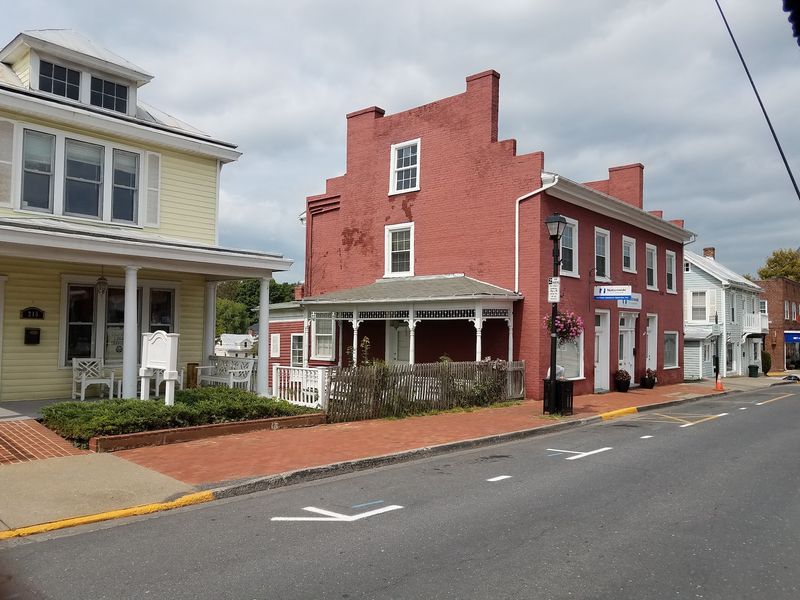
Brick sidewalks, two colleges, and rolling hills give Lexington serious storybook energy. It’s the kind of downtown that makes you slow down on purpose.
The town holds about 7,400 people in the Shenandoah Valley. Its traditional Main Street corridor keeps shops and sidewalks close together.
Washington and Lee University and Virginia Military Institute both call Lexington home. College towns often bring lectures, concerts, and campus events into everyday life.
That’s a nice perk if you like learning without paying tuition. Keep an eye on campus calendars for public programs.
Walkers get a treat on the Chessie Nature Trail. It follows the Maury River along an old railroad route, with fields and water views along the way.
It’s flat enough for an easy stroll yet pretty enough to feel like an outing. Bring a camera and maybe a granola bar.
Horse lovers have another reason to visit. The Virginia Horse Center sits just outside town and hosts shows throughout the year.
Lexington also sits near the Blue Ridge Parkway and Natural Bridge State Park. Day trips practically plan themselves around here.
Not every retirement needs a beach. Sometimes a brick sidewalk and a river trail are exactly enough.
4. Luray
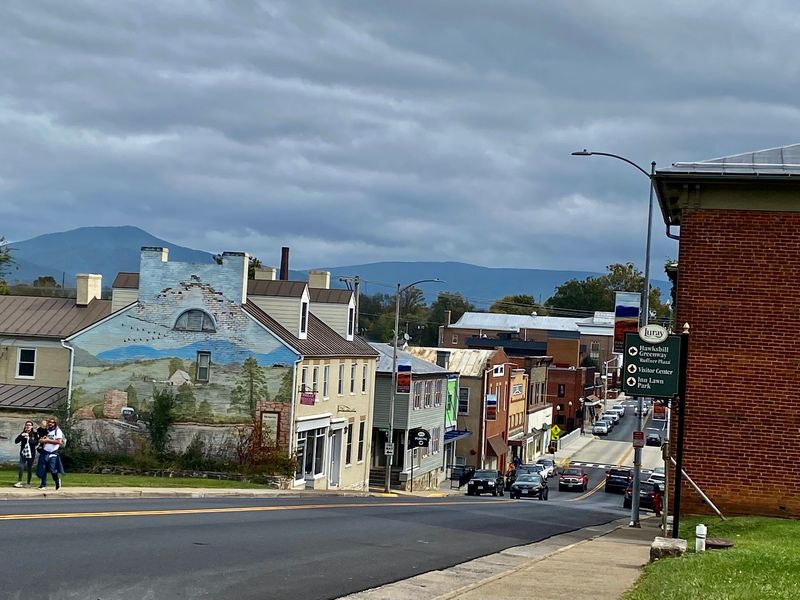
Few towns can say their most famous resident is a giant underground organ. Luray Caverns, just outside town, houses the Great Stalacpipe Organ, which taps stalactites to make music.
Yes, rocks that play songs. Your grandkids will want to visit, and you’ll have the perfect excuse.
Back above ground, Luray has about 4,800 residents in Page County. Its historic downtown sits along Hawksbill Creek.
The Hawksbill Greenway follows that creek right through town. It’s a paved, easy path for morning walks, bird spotting, or simply clearing your head.
Bigger adventures wait nearby in Shenandoah National Park. Skyline Drive offers 75 overlooks, so even a lazy drive feels like a scenic tour.
Fall foliage season is the headliner. Deer and wild turkeys often show up too, though they rarely buy tickets.
Luray also stays refreshingly compact. Downtown errands and creekside walks fit easily into one stop.
For retirees on a budget, a national park in the backyard is a huge win. Entry passes for older adults can make repeat visits very affordable.
Mountains, a creek, and a musical cave give Luray plenty of personality for its size. Not bad for a town you can cross in minutes.
5. Woodstock
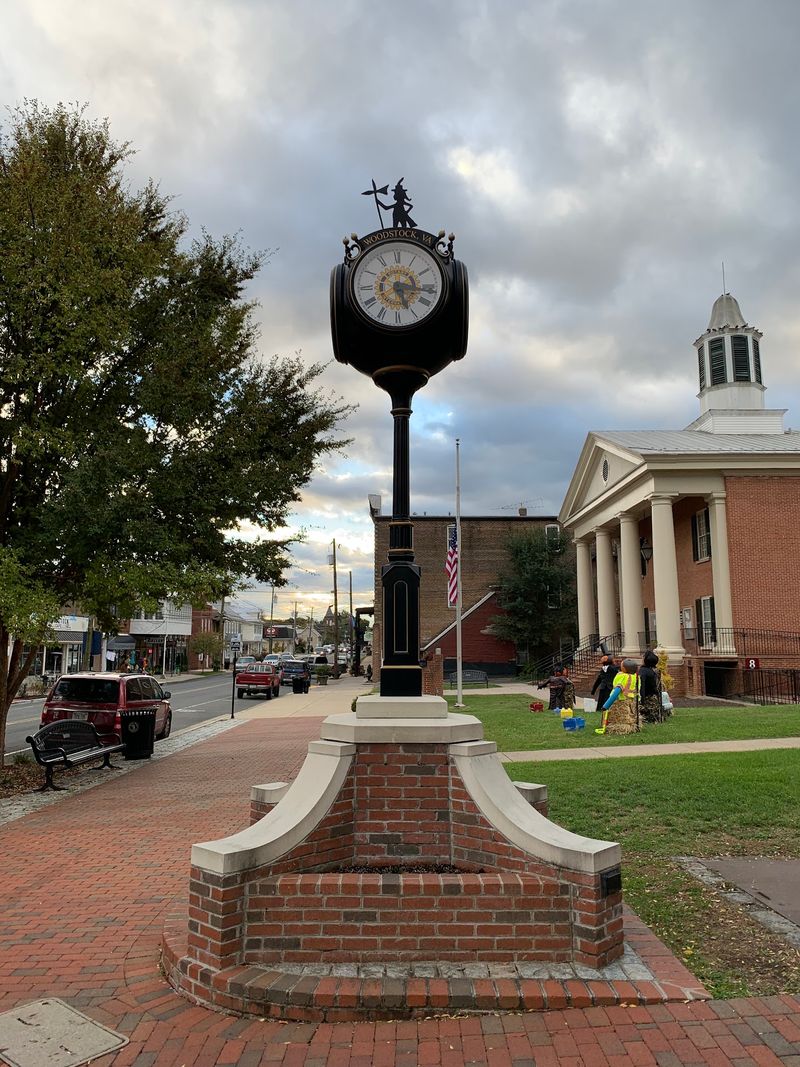
George Washington supposedly picked a few names in his day, and Woodstock was one of them. The town was chartered in March 1761, making it one of Virginia’s oldest towns.
History isn’t locked behind glass here. It sits right on Main Street in the form of the 1795 Shenandoah County Courthouse.
That limestone building is the oldest continuously operating courthouse west of the Blue Ridge Mountains. Civil War soldier graffiti is still preserved inside.
The Shenandoah County Historical Society runs a visitor center and museum in the courthouse. Genealogy fans can also dig into family history resources there.
Nature lovers should head to Seven Bends State Park. It covers more than 1,000 acres along the North Fork of the Shenandoah River.
The park has about 8 miles of hiking and biking trails. You can also paddle or wade fish, with a Virginia freshwater fishing license.
Keep your eyes up while you’re there. Bald eagles, red-tailed hawks, and wood ducks have all been spotted in the park.
Woodstock has around 5,800 residents and serves as the county seat. That means local services stay close by without big-city traffic.
The Woodstock Museum of Shenandoah County adds even more local flavor. It opens seasonally, May through October, in two 18th-century houses.
6. Clifton Forge
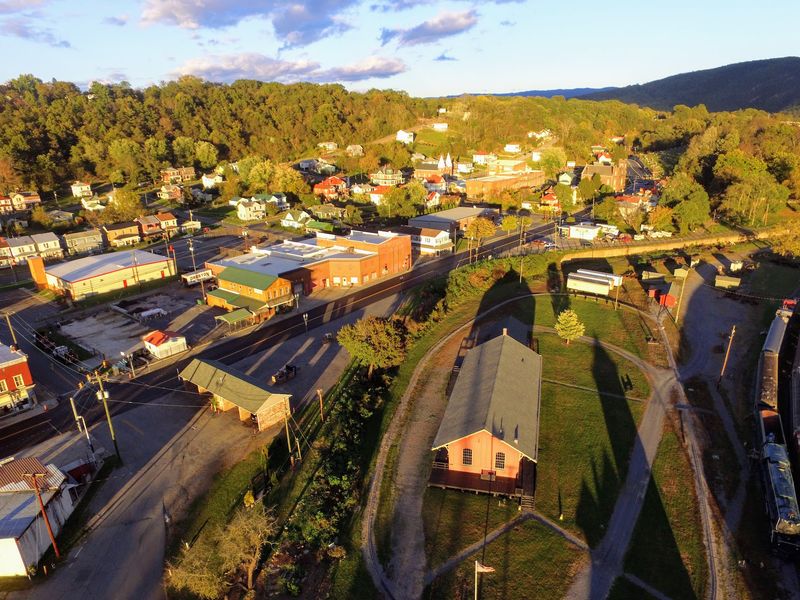
Train whistles practically wrote Clifton Forge’s life story. This Allegheny Mountain town grew up as a railroad hub, and it hasn’t forgotten.
The C&O Heritage Center celebrates that past with restored rail cars and exhibits. If you love trains, this place feels like a toy box built for adults.
About 3,500 people live here. That small size gives the historic downtown an intimate, low-traffic feel.
Looking for something to do on a Friday night? The restored Masonic Theatre downtown hosts concerts, films, and community events.
The building dates to the early 1900s, so you get history with your show. Bonus points if the popcorn is good.
Douthat State Park sits a short drive away. It’s one of Virginia’s original state parks, with a lake, trails, and mountain scenery.
A quiet pace is a big part of the appeal here. Fewer crowds mean easier errands and shorter lines just about everywhere.
The surrounding mountains also deliver seasons you can actually notice. Spring green and fall color make even a grocery run look nice.
Clifton Forge won’t win any awards for nightlife, and that’s sort of the point. If calm sounds like luxury, this town might be your stop.
7. Bedford
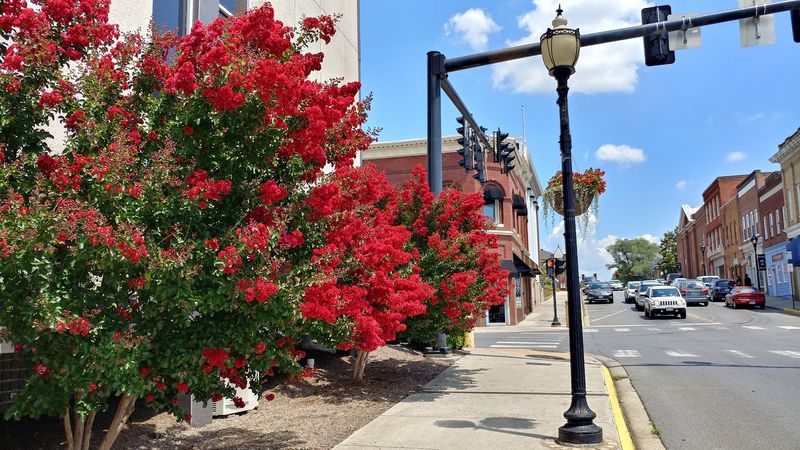
A town of about 6,600 people carries one of the nation’s most moving memorials. Bedford is home to the National D-Day Memorial.
Why here? Bedford suffered the highest per capita D-Day losses of any American community, and the memorial honors that sacrifice.
Visiting is a powerful experience, and many retirees with military ties find it especially meaningful. It’s a place for reflection, not rushing.
Bedford sits at the base of the Peaks of Otter. Those mountains give the town a postcard backdrop most cities would pay big money for.
The Blue Ridge Parkway runs nearby, too. Scenic drives and short hikes are easy to work into your week.
Love water more than mountains? Smith Mountain Lake is within driving distance for fishing, boating, or just staring at the shoreline.
Downtown Bedford has a historic district with older storefronts and a small-town layout. Errands can feel more like a stroll than a chore.
That mix of history, mountains, and lake access is hard to beat. It works for active retirees and slower-paced ones alike.
Bedford manages to be both peaceful and important. Not many places pull off that combo so naturally.
8. Farmville
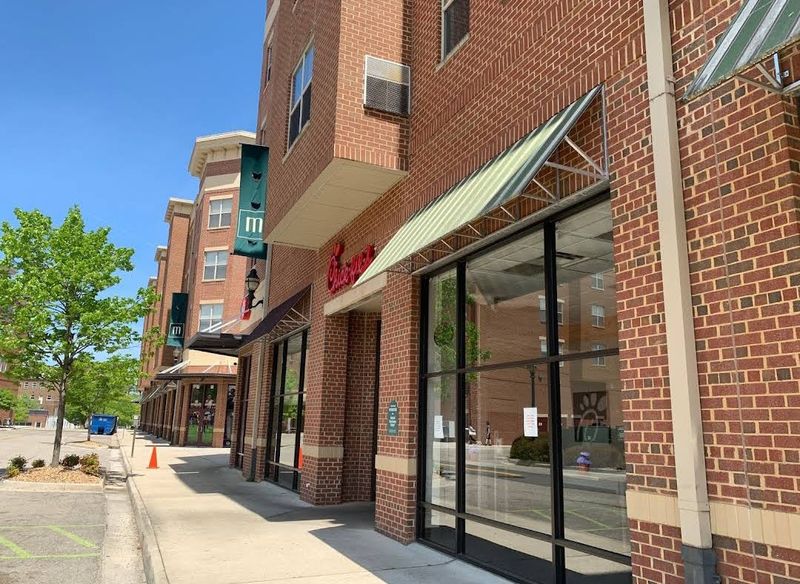
Walking across a bridge about 125 feet in the air sounds like a dare. In Farmville, it’s a normal afternoon on the High Bridge Trail.
The trail’s famous bridge stretches roughly 2,400 feet over the Appomattox River. The view from the middle is worth every step.
High Bridge Trail State Park follows an old rail line with a gentle, crushed stone surface. That makes it friendly for walking and biking at an easy pace.
Farmville has roughly 7,400 residents and an active historic Main Street. Longwood University adds college energy and public events to town life.
History runs deep here, too. The Robert Russa Moton Museum tells the story of a 1951 student walkout that became part of the case behind Brown v.
Board of Education.
It’s an inspiring stop and a great one for visiting grandkids. Big history, told in a small town.
Shoppers know Farmville for Green Front Furniture, which fills a string of old downtown buildings. Even browsing counts as exercise there.
The town sits in rural Piedmont country, so open land is never far away. Quiet roads and river views come with the territory.
Trails, history, and Main Street charm make Farmville a smart pick. Your knees and your budget might both approve.
9. Pulaski
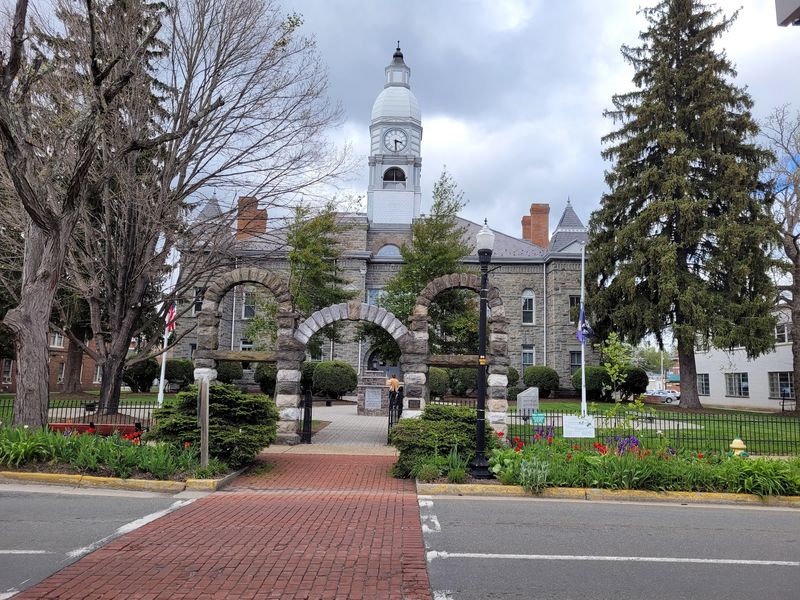
Mountain views, historic streets, and a housing market that won’t automatically scare off budget-conscious retirees. Pulaski offers a quieter slice of Virginia’s New River Valley.
The town grew around the railroad, and that history still shapes its downtown. Old brick buildings, local shops, and the restored Pulaski Theatre give the area plenty of small-town character.
Outdoor recreation is a big attraction. The Dora Trail stretches about 2.5 miles, connecting downtown Pulaski to the New River Trail State Park.
Walking and cycling offer inexpensive ways to enjoy the scenery.
Peak Creek runs through town, adding water views to everyday strolls. Nearby parks provide more places to relax without spending much.
For bigger outings, Claytor Lake State Park offers fishing, boating, and scenic shoreline views within driving distance. It’s an appealing option when visiting family wants to spend time outdoors.
Housing costs also deserve attention. Typical home values in Pulaski sit well below Virginia’s statewide average, potentially making homeownership more manageable for retirees living on fixed incomes.
Of course, it’s worth comparing property taxes, healthcare access, and transportation costs before making a move. An affordable house is only one part of a comfortable retirement.
Pulaski combines mountain scenery, railroad heritage, and relatively affordable housing without requiring residents to give up small-town amenities.
10. South Boston
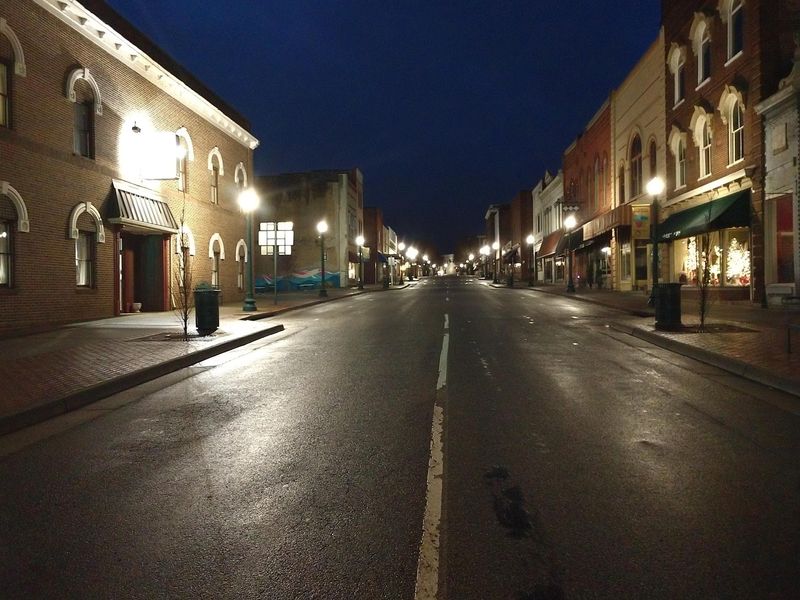
Despite the name, nobody here will ask you to cheer for the Red Sox. South Boston sits in Southern Virginia, in Halifax County, with about 7,900 residents.
The town grew up around tobacco, and one old building tells that story in a fun way. The Prizery, a former tobacco processing facility, is now an arts center.
Shows, exhibits, and community events fill its calendar. It’s proof that old buildings can learn new tricks, just like retirees.
Racing fans might know the name from South Boston Speedway. The short track has hosted stock car racing for decades.
Prefer quieter thrills? Staunton River State Park sits in the county with trails, river views, and some of the darkest night skies in the state.
It’s a certified dark sky park, so stargazing is a real hobby option here. No telescope is required, though one wouldn’t hurt.
Downtown keeps a traditional commercial Main Street. Surrounding farmland gives the area a relaxed, rural feel.
For retirees watching every dollar, that rural setting is often a plus. Space feels easier to come by out here.
South Boston blends race day noise with starry silence. Choose your mood, then enjoy both.