
Looking For A Fresh Start? These 12 Missouri Towns Could Make Your Money Go Further
In one Missouri town, a typical home costs about 2.4 years of a household’s income. Across the U.S., that number jumps to 4.1.
Read that twice. I did.
It gets better. One spot on this list has a former quarry turned swimming hole with cliffs and diving platforms.
Another is the permanent home of a state fair that’s been running since 1901.
So what’s the catch? Honestly, I went looking for one.
Mostly I found lower rent, shorter commutes, Civil War stories, Route 66 neon, and enough lakes to make a beach town jealous.
Could you trade sky-high bills for a front porch and some breathing room? Think of this as a moving checklist, minus the cardboard boxes.
Your next chapter might start somewhere with a courthouse square and a grocery bill that won’t make you wince.
1. Carthage
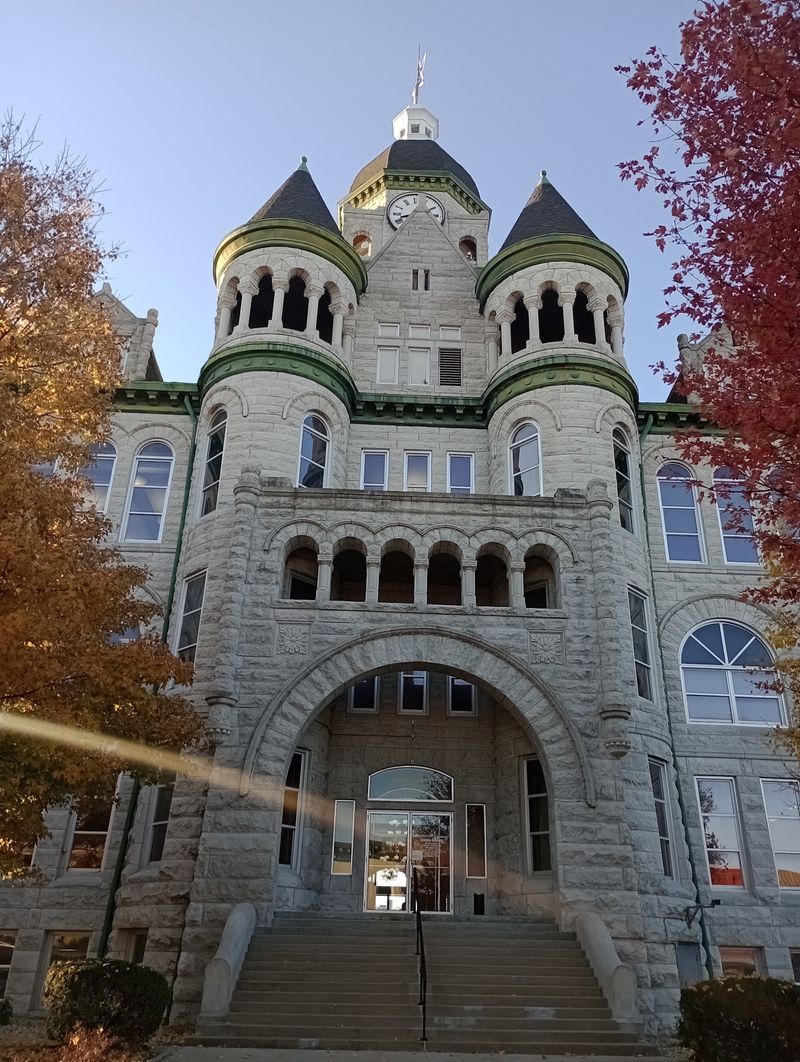
A courthouse built from local gray marble makes a pretty bold centerpiece for any town square. Carthage, nicknamed America’s Maple Leaf City, has rocked that 1895 Romanesque Revival landmark for well over a century.
Your wallet gets a nice surprise here too. Housing runs about 39% below the national average, and overall costs land roughly 16% lower.
History buffs, buckle up. The Battle of Carthage on July 5, 1861, was the Civil War battle fought west of the Mississippi River, and a dedicated museum tells the story.
After the war, the town rebuilt during the Victorian era. Today, four historic districts hold more than 550 buildings on the National Register of Historic Places.
A lead and zinc boom in the 1870s once earned it the title Queen City of the Southwest. Royalty on a budget?
Sounds like a solid deal.
Route 66 fans get their kicks here as well. The Boots Court Motel still stands as a classic Mother Road stop, and Red Oak II recreates an 1800s village.
Then there’s the Precious Moments Chapel and Gardens, filled with sculpted figurines, paintings, and large statues. Each October, the Maple Leaf Festival rolls out a parade that pulls folks downtown.
Fun fact: local quarries produce a tough limestone called Carthage marble. It helped build the Missouri State Capitol, so a piece of this town lives in Jefferson City.
2. Hannibal
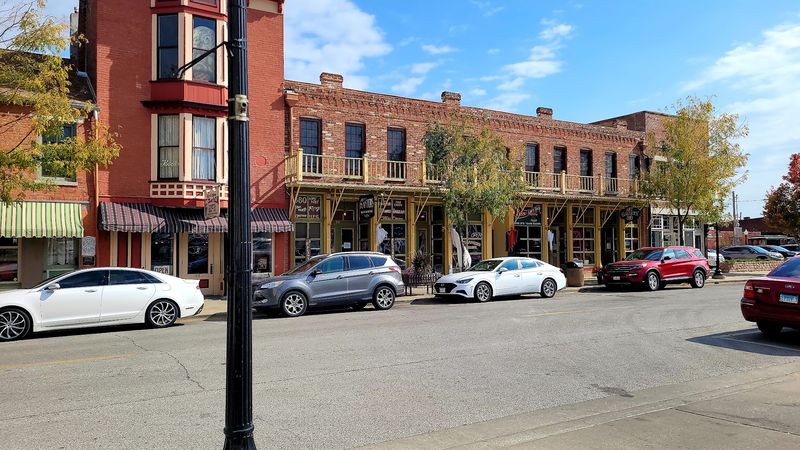
Tom Sawyer would be thrilled that his hometown still hosts a national fence-painting contest. Tom Sawyer Days arrives each July, and honestly, that’s a strong first impression.
Mark Twain spent his boyhood here, and the town became the setting for his famous novels. The Mark Twain Boyhood Home and Museum includes his National Historic Landmark home plus the Becky Thatcher House.
Now for the money part. A typical home here costs about 2.4 years of household income, compared with 4.1 nationwide.
Housing overall sits about 36% below the national average. That leaves room in the budget for cave tours and river views.
Speaking of caves, the Mark Twain Cave Complex has offered guided tours since 1886. It earned National Natural Landmark status in 1972.
Outdoorsy types can roam Riverview Park, a 465-acre forested spot with Mississippi River views. Sodalis Nature Preserve protects endangered Indiana bats and has an almost 2-mile paved loop.
Want a skyline moment? Lover’s Leap and the Mark Twain Memorial Lighthouse on Cardiff Hill both serve up sweeping views of town and river.
History runs deep beyond Twain, too. The Unsinkable Molly Brown of Titanic fame was born here in 1867, and Jim’s Journey Freedom Center honors the man who inspired Twain’s character Jim.
3. Kirksville
Legend says this town got its name after a shared meal. Surveyors ate with Jesse Kirk, the first postmaster, and the place became Kirksville in 1841.
Here’s a bigger claim to fame. Kirksville is the birthplace of osteopathic medicine, where Andrew Taylor Still founded his school in 1892.
That school is now A.T. Still University.
Its Museum of Osteopathic Medicine holds more than 80,000 historical items, which is a lot of curiosity in one building.
Truman State University adds even more brainpower. Founded in 1867, it’s the state’s only highly selective statewide public liberal arts and sciences university.
Budget-wise, the picture looks friendly. Housing runs about 35% below the national average, and monthly rent comes in roughly 32% lower.
Weekends practically plan themselves at Thousand Hills State Park. The 3,215-acre park wraps around 573-acre Forest Lake, with camping, hiking, swimming, boating, and fishing.
Don’t skip the Native American petroglyphs there. Those ancient carvings make a great reason to drag friends outside.
Back in town, the Missouri Conservation Building features an aquarium, snake displays, and a bird-viewing area. Kids and grown-ups alike can lose an afternoon there.
The Battle of Kirksville, fought August 6 to 9, 1862, adds a Civil War chapter. Rotary Park keeps things lighter with disc golf and an amphitheater.
4. Maryville
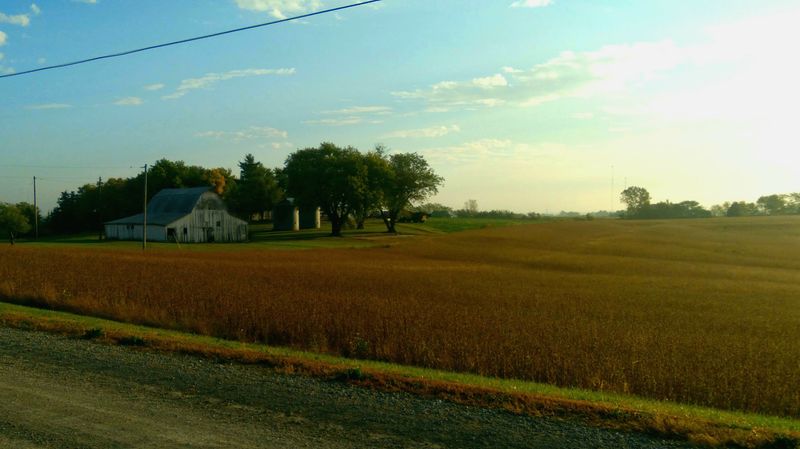
Few college campuses can say they double as the official state arboretum. Northwest Missouri State University has held that title since 1993.
Its grounds recreate the landscape of the 1904 St. Louis World’s Fair. Strolling there costs you exactly nothing, which fits this list nicely.
The university’s Bearcats have also won multiple national championships in football and basketball. Game days give this town of about 10,000 a big-city energy.
Money stretches here too. Overall living costs sit around 11% below the national average, and housing comes in roughly 28% lower.
Five miles east, Mozingo Lake Recreation Park steals the show. The lake covers more than 1,000 acres and draws boaters, skiers, and anglers.
Golfers get an 18-hole course and a 9-hole course. You’ll also find rustic cabins, camping, a public sand beach, and hiking and horse trails.
Downtown, the 1881 Nodaway County Courthouse sits on the National Register of Historic Places. Look for its pineapple sculpture, a classic symbol of welcome.
Fun origin story, the town was named for Mary Graham, wife of the first postmaster. Platted in 1845, it became the county seat that same year.
5. Sedalia
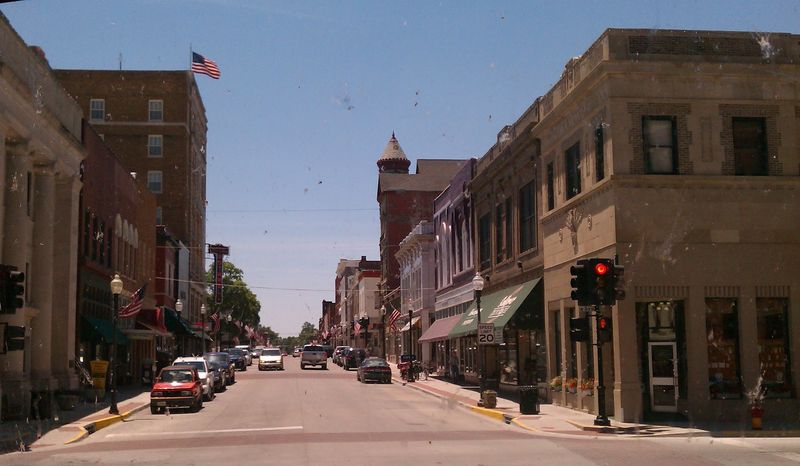
Corn dogs and blue ribbons have a permanent address in central Missouri. Sedalia has hosted the Missouri State Fair each August since 1901.
Music lovers, you’re in luck too. Composer Scott Joplin is tied to this town, reportedly playing his Maple Leaf Rag at the local Maple Leaf Club.
The Scott Joplin International Ragtime Festival honors him each June. Expect performances and presentations that keep those piano keys jumping.
Now, the practical side. Housing runs about 40% below the national average, and overall costs come in near 14% lower.
The Katy Trail State Park runs right through town. That means miles of easy biking and walking without leaving your zip code.
Railroad history is baked into the place. The town was founded in 1857 to attract the Pacific Railroad, and the 1896 Sedalia Katy Depot now houses local artifacts.
Art fans can check out the Daum Museum of Contemporary Art at State Fair Community College. The Liberty Center adds live theater, music, and gallery shows.
Downtown wakes up for Sedalia Main Street’s First Thursdays, with food trucks and local vendors. Bothwell Lodge State Historic Site offers a peek at a home built around 1930.
The town started as Sedville, named for the founder’s daughter Sarah. It became Sedalia in 1860.
6. Rolla
Engineers in the Ozarks built their own Stonehenge, and yes, you can go see it. The replica sits on the campus of Missouri University of Science and Technology.
That school started in 1870 as the Missouri School of Mines and Metallurgy. Today it’s known for engineering and computer science, which gives the town a smart, curious streak.
Costs stay friendly. Housing runs about 20% below the national average, so your paycheck has a little more breathing room.
Nature is basically next door. Rolla serves as headquarters for Mark Twain National Forest, with hiking, camping, wildlife watching, and scenic drives.
Summer brings Fugitive Beach, a swimming spot built in a former quarry. Clear blue water, a sandy beach, rocky cliffs, and diving platforms make it feel like vacation.
Route 66 nostalgia shows up too. The Mule Trading Post has been a landmark since 1957, and the Totem Pole Trading Post dates to 1933.
Culture fans can catch shows at Ozark Actors Theatre. It’s one of only two professional theaters in rural Missouri.
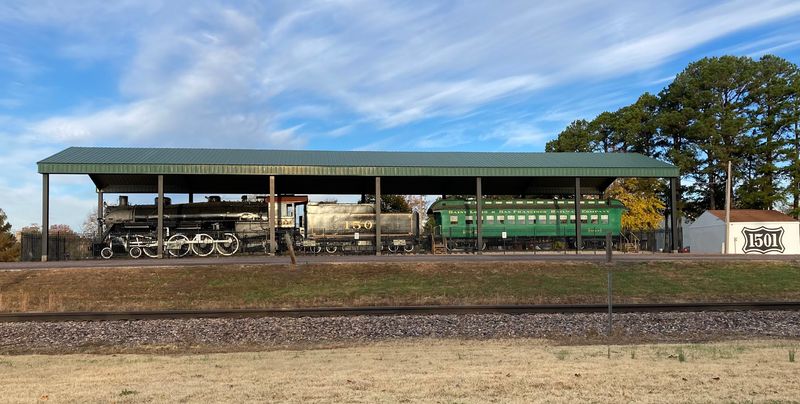
Train buffs should visit Frisco Engine 1501, a preserved steam locomotive. Rolla became the western end of the Frisco Line’s first leg in 1860.
The name may be a phonetic spelling of Raleigh, North Carolina. Spelling bees were clearly optional back then.
7. Poplar Bluff
Tulip poplar trees on a bluff over the Black River gave this town its name. Locals shorten it to The Bluff or PB, and it also goes by the Gateway to the Ozarks.
Let’s talk numbers first. Living costs here run about 21% below the national average and 10% below the typical Missouri city.
That savings leaves cash for fun, and there’s plenty of it.
The Black River Coliseum seats 5,000 for concerts and sporting events. It even has an aquatic center attached.
Train lovers, clear your Saturday. The Mo-Ark Regional Railroad Museum fills the 1928 Frisco Depot with a 30-foot model train layout and historic railcars.
Art gets a fancy setting at the Margaret Harwell Art Museum. It’s housed in the 1883 Moore-Dalton House and shows traveling exhibits plus a permanent collection.
Local history lives at the Poplar Bluff Museum inside the old Mark Twain School. Built in 1910, it includes a Sports Hall of Fame.
Need trees and trails? Wolf Creek Recreation Area offers more than 20 miles for hiking, running, and cycling.
Bigger adventures sit close by. Wappapello Lake, Ozark National Scenic Riverways, and Mark Twain National Forest are all within reach.
8. Mexico
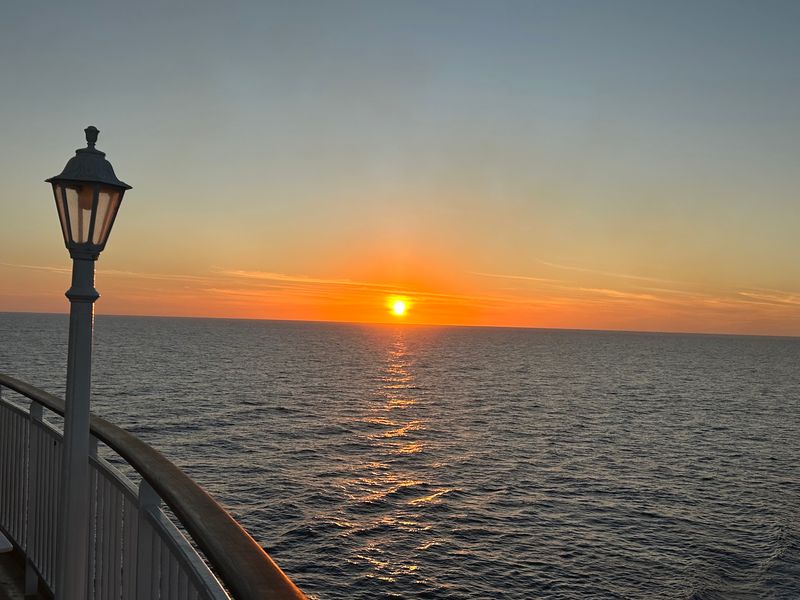
Telling friends you moved to Mexico without leaving the Midwest never gets old. This small city in central Missouri has fielded that joke for generations.
Mexico serves as the county seat of Audrain County. It’s home to roughly 11,500 people and a historic central square.
That square is the heart of town. Brick buildings and the county courthouse give downtown a classic small-town look.
Horse fans, take note. The town is known for its American Saddlebred history, and the American Saddlebred Horse Museum celebrates that story.
Industry shaped this place too. Mexico earned fame for producing fire brick, the tough stuff used to line furnaces and kilns.
Farming still defines the surrounding area. Fields of crops stretch out in every direction once you leave the city limits.
So why consider a fresh start here? Small agricultural towns like this tend to offer housing that costs far less than big metro areas.
You also get a manageable size. Errands feel quick, traffic jams feel rare, and the square gives you a natural place to meet neighbors.
Location helps, too. Mexico sits in the middle of the state, so road trips to bigger cities are easy when you need them.
And when someone asks where you live now? You get to answer Mexico and watch their face do a little double take.
9. Fulton
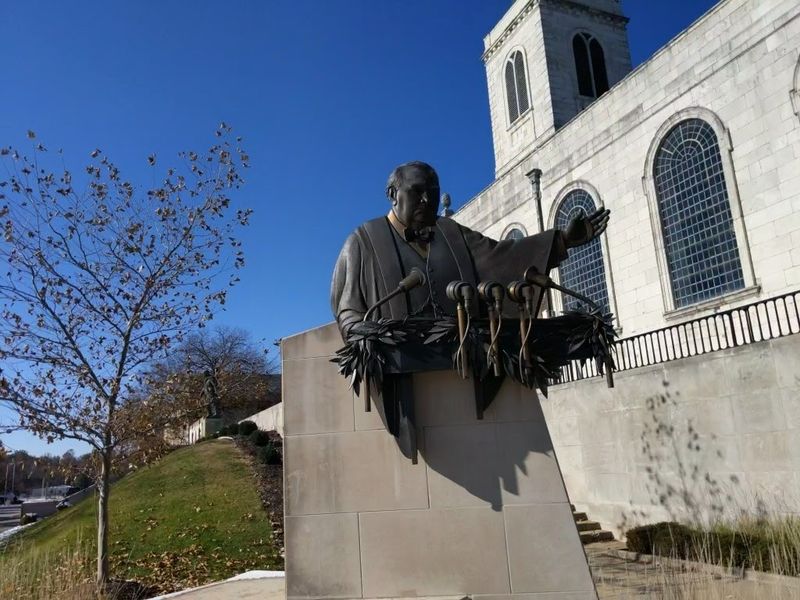
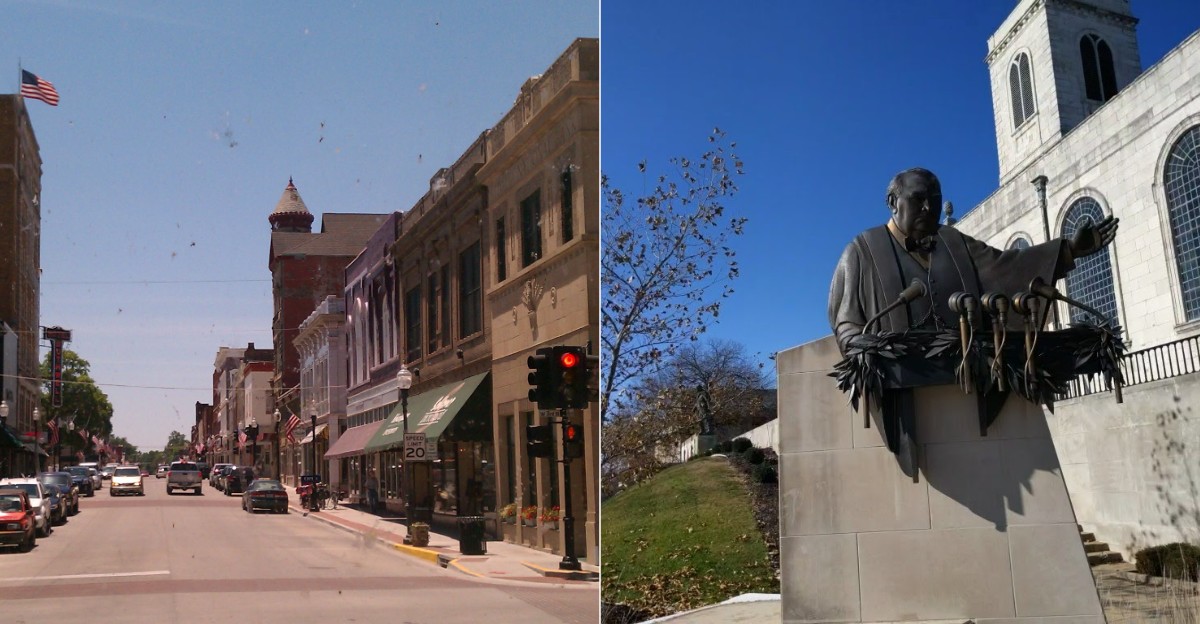
Winston Churchill gave one of history’s most famous speeches in a small Missouri college town. On March 5, 1946, he delivered his Iron Curtain speech at Westminster College in Fulton.
The National Churchill Museum honors that moment. It holds the largest Churchill collection in North America.
Even wilder, a London church stands on campus. The Church of St. Mary the Virgin, Aldermanbury was reconstructed right here.
Nearby, the Breakthrough sculpture uses real sections of the Berlin Wall. That’s a lot of world history for a town of about 12,600.
Housing costs run about 22% below the national average. Utilities and groceries also come in lower.
Downtown goes by the Brick District, thanks to its brick streets and elegant architecture. Local shops, restaurants, and the Art House Gallery line the way.
Two schools, Westminster College and William Woods University, keep things lively. Students bring events and fresh energy to town.
Like to roll? The Stinson Creek Trail crosses a 130-year-old railroad bridge, and Katy Trail State Park sits close by.
Here’s a fun one. In 1861, Callaway County earned the nickname Kingdom of Callaway after outsmarting Union troops with a clever trick.
The town started as Volney in 1825. It became Fulton that same year to honor steamboat inventor Robert Fulton.
10. Farmington
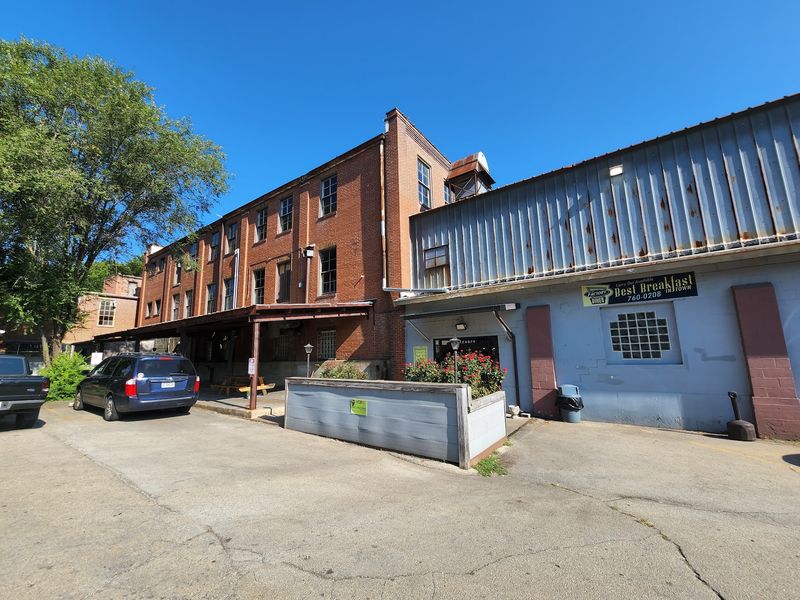
Mining history runs deep beneath this corner of eastern Missouri. Farmington sits in the Lead Belt, a region shaped by generations of lead mining.
Today the town serves as the county seat of St. Francois County. About 18,000 people call it home, which keeps it big enough for conveniences and small enough to feel neighborly.
So what makes it a smart fresh-start pick? You get a small-community pace while staying within driving distance of St. Louis.
That combo matters if you want lower housing costs without feeling cut off. Big-city concerts and ballgames stay on the menu for special weekends.
Outdoor fun sits close by too. St. Joe State Park, in neighboring Park Hills, is known for trails and a large off-road riding area.
Curious about the mining past? Missouri Mines State Historic Site, also in Park Hills, tells the story of the region’s lead industry.
Downtown Farmington holds the courthouse and local businesses. It gives the town a clear center where errands and catching up with neighbors overlap.
The surrounding hills offer scenic drives that make commutes feel less like chores. Fall color here can turn a grocery run into a mini road trip.
For families and retirees alike, the appeal is simple. More space, a steadier pace, and a budget that doesn’t feel stretched thin.
11. Sikeston
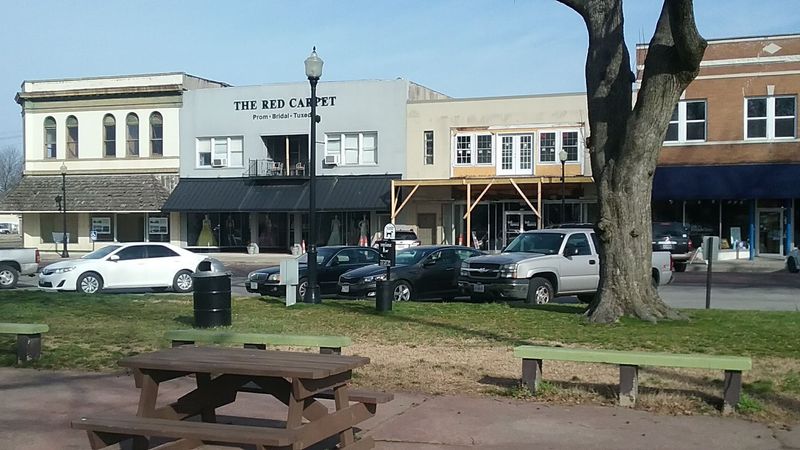
Few towns are famous for food that flies across the room. Sikeston is home to the original Lambert’s Cafe, known as the Home of Throwed Rolls.
Yes, servers really toss hot rolls to diners. Bring good hands and a sense of humor.
Sikeston sits in the Missouri Bootheel, a region with deep agricultural roots. Flat, fertile farmland surrounds the town of roughly 16,200 people.
Farm country often means lower living costs than big metro areas. That can make a real difference when you’re rebuilding a budget from scratch.
Location is another perk. Sikeston sits near where Interstate 57 meets Interstate 55, so road trips north or south are simple.
Rodeo fans get a big date on the calendar. The Sikeston Jaycee Bootheel Rodeo has been a summer tradition for decades.
The rodeo brings bull riding, barrel racing, and big crowds to town. It’s a fun way to feel connected to your new community fast.
Daily life here moves at a farm-town pace. Expect friendly small talk at the store and fewer hours lost in traffic.
Ready for a fresh start with a side of flying bread? Sikeston might be the most entertaining move you ever make.
12. Lebanon
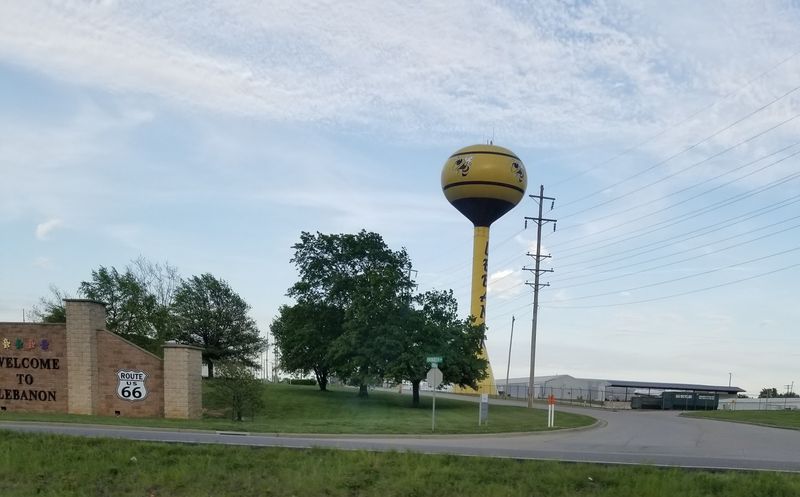
Back in 1889, well diggers here hit what folks called magnetic water. People believed it had healing powers, and visitors poured in.
That buzz led to the Gasconade Hotel. Healing claims aside, the story gives Lebanon a quirky origin worth bragging about.
Fast forward to the Route 66 era. The neon glow of the Munger Moss Motel still marks this classic Mother Road town.
A free Route 66 museum keeps that history alive. Free is a beautiful word when you’re watching your budget.
Speaking of budgets, living costs here run about 20% below the national average. Household bills sit around 33% under the U.S. median.
Anglers, get excited. Bennett Spring State Park, just west of town, ranks among Missouri’s most popular trout parks.
You can fish, hike, or float on clear water there. Not a bad way to spend a Saturday after a long work week.
Back in town, Boswell Park offers an aquatic center, and Spring Hollow Golf welcomes weekend swingers. Cackle Hatchery adds a fun local name you’ll hear often.
The town began as Wyota before taking the name of Lebanon, Tennessee. Today, Interstate 44 follows much of old Route 66 right past it.
New town, lower bills, and a neon sign to greet you home. That sounds like a fresh start with style.