
Don’t Just Look From The Parking Lot At This Ancient Arizona Pueblo Where People Entered Through The Roof
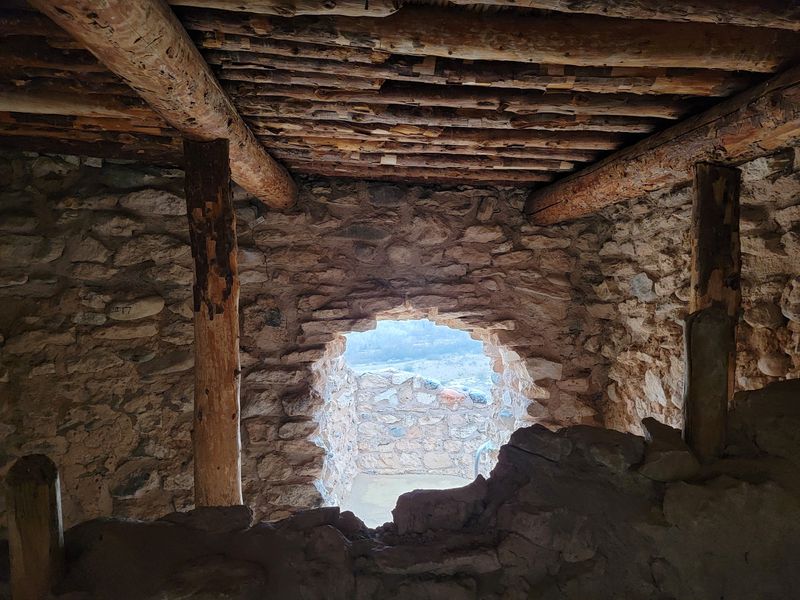
Most of the 110 rooms in this ancient village had no front doors. People climbed in through openings in the roofs instead.
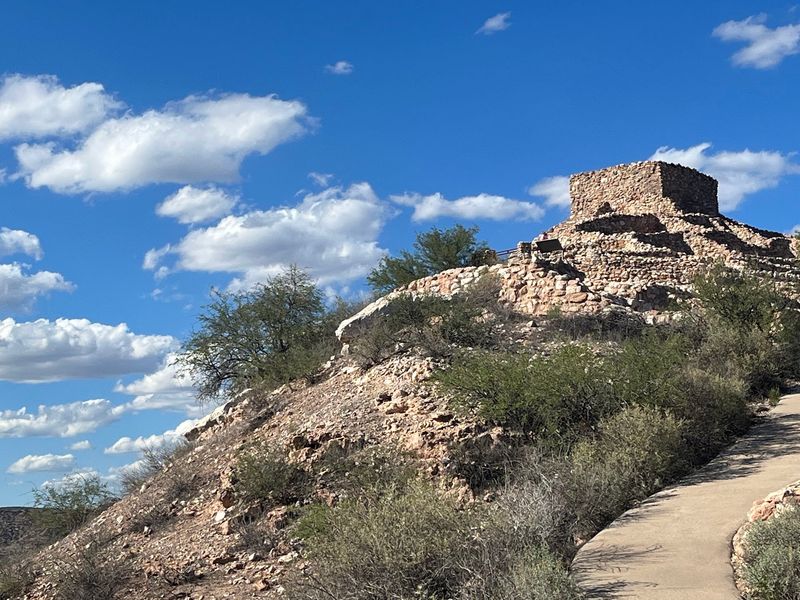
That detail alone makes me want to see it in person. The stone pueblo sits on a limestone ridge 120 feet above an Arizona river valley.
Some rooms once rose two or three stories high.
The walk to the top is short, but parts of it are steep. Plenty of travelers glance at the ruins from the parking lot and keep driving.
I can’t imagine skipping the climb, because the best views wait at the summit.
One restored room even lets you step inside. Another spot lets you stand on top and look out like the original residents did.
So why would anyone stop halfway?
An Ancient Village Perched Above The Verde Valley
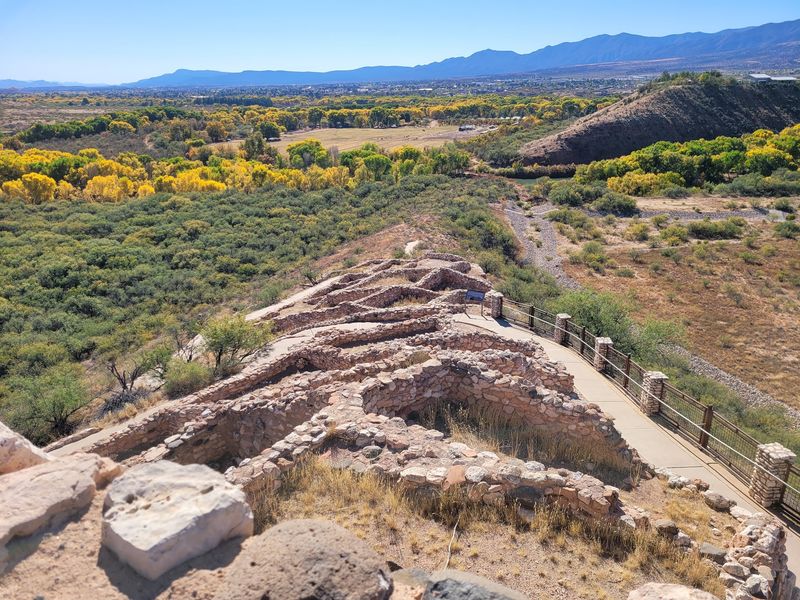
Clarkdale has a skyline that predates the town by roughly nine centuries. Tuzigoot National Monument protects a hilltop pueblo built by the Sinagua people, and it crowns a limestone ridge in Arizona’s Verde Valley.
The monument sits at 25 Tuzigoot Rd in Clarkdale, Arizona. It’s an easy stop for anyone exploring Sedona, Cottonwood, or Jerome.
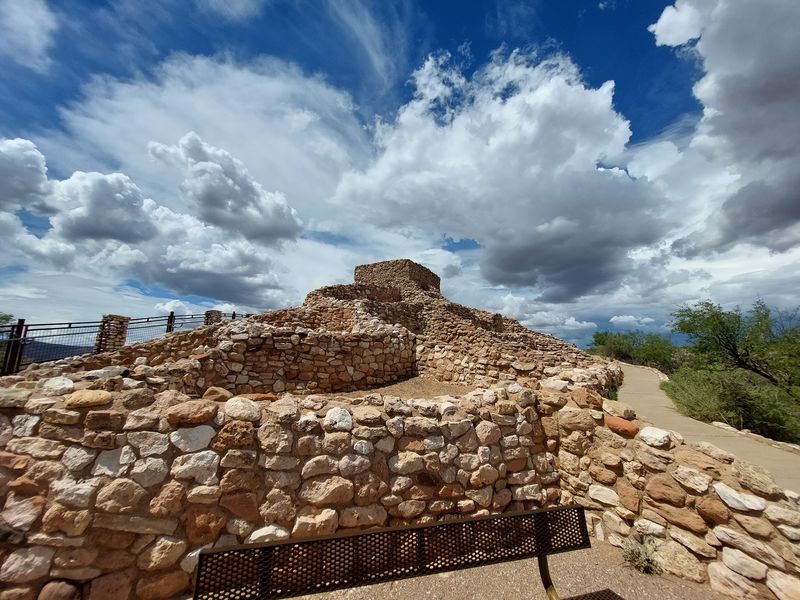
The pueblo itself holds 110 rooms clustered together on the ridge. Some of those rooms rise two or three stories, which is impressive for stone walls stacked by hand.
A small visitor center and museum sit near the entrance. You’ll check in there first before heading up to the ruins.
The whole layout is compact, and that’s part of the charm. A paved loop trail of about 0.3 miles winds around and through the pueblo.
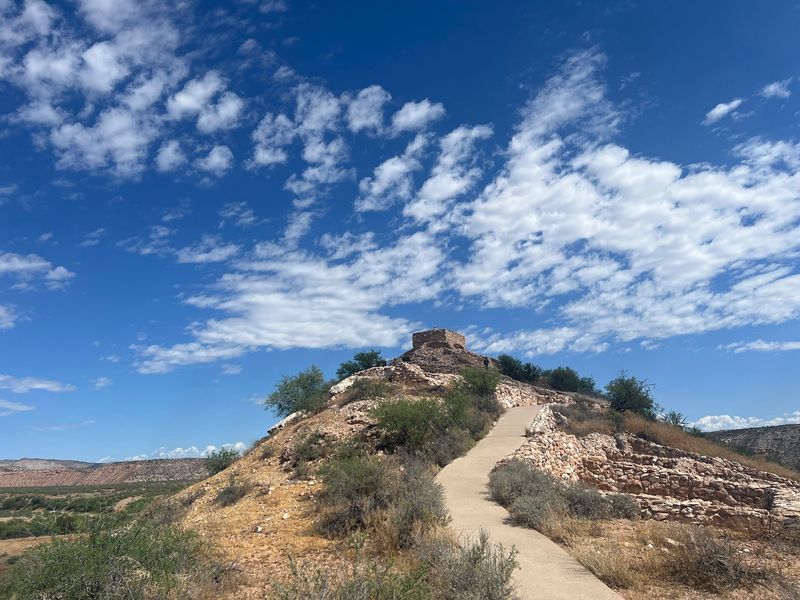
Short doesn’t mean flat, though. Some sections climb at steep grades, and reaching the Citadel room involves stairs.
That climb is exactly where many people turn back too early. Honestly, it’s where the payoff begins.
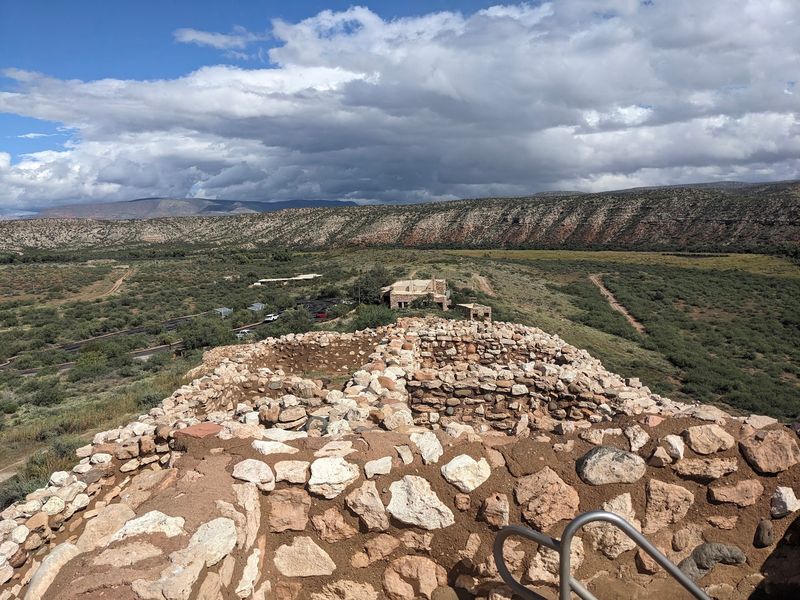
The view from the ridge stretches across farmland, river corridors, and distant mountains. You can’t fully appreciate this place from the bottom of the hill.
Crooked Water And A Thousand Years Of Stories
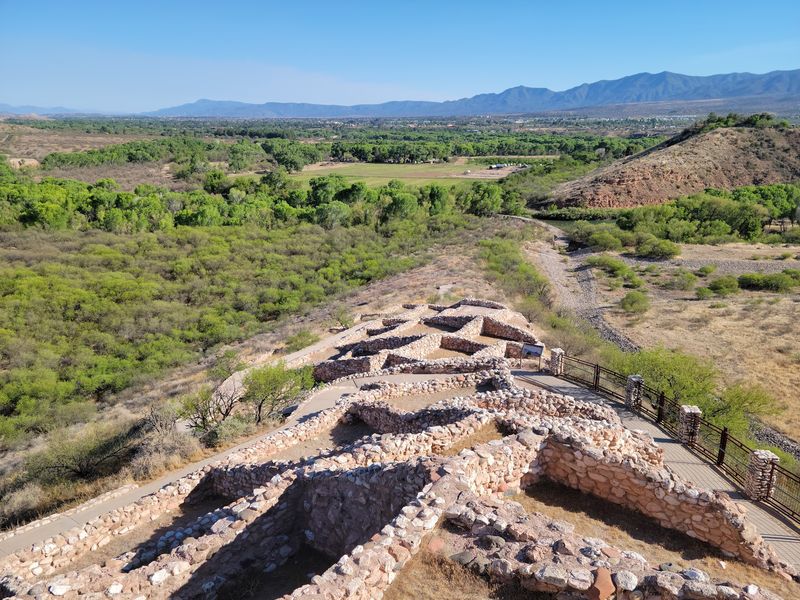
The name sounds mysterious until you learn it comes from an Apache word. Tu Digiz means crooked water, a nod to the nearby oxbow-shaped historic riverbed.
The Sinagua people began building here around A.D. 1000 or 1100. The community thrived until approximately 1400.
At first, the pueblo held 77 ground-floor rooms and reached two stories in some areas. Over time it grew to 110 rooms and may have housed up to 250 people.
These folks were skilled farmers. They grew maize, beans, squash, and cotton in the fertile valley below.
Their trade connections stretched hundreds of miles. Macaw feathers from Mexico have turned up as proof of that reach.
Why did they leave? Nobody knows for certain.
Theories point to climate changes or a migration to join other groups. That open question adds a quiet sense of wonder to every wall you pass.
Much later, between 1933 and 1935, University of Arizona archaeologists excavated and partially rebuilt the site. Edward Spicer and Edward Caywood led work alongside the Civilian Conservation Corps.
Tuzigoot became a National Monument in 1939. Some walls you see today reflect that reconstruction, which helps visitors grasp the original scale.
Rooftop Doorways That Rewrite How Homes Worked
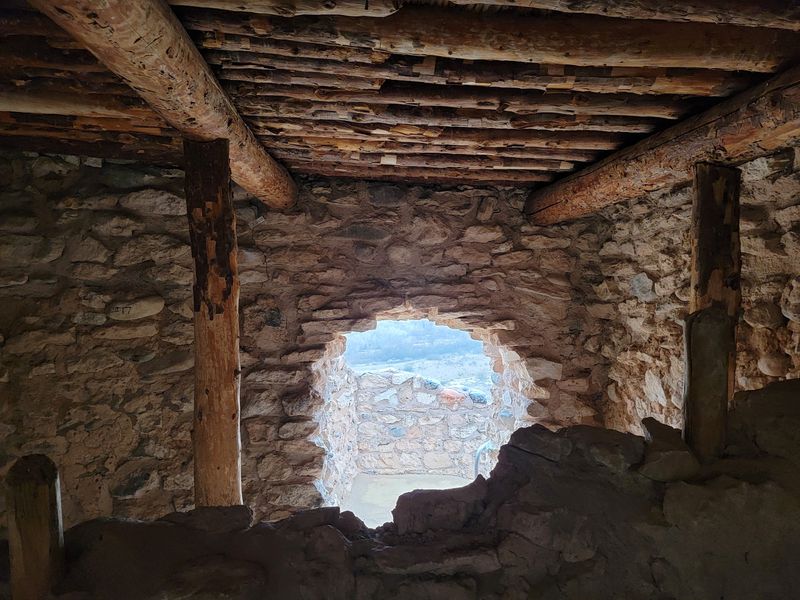
Forget knocking on the front door. At this pueblo, residents typically entered rooms through openings in the roofs.
That one design choice changes how you see the whole hill. Walls that look like solid boxes were actually homes reached from above.
Along the loop trail, you can study how the rooms connect. The tight clustering shows how people lived, worked, and stored food in shared space.
The best part is that you don’t just look from outside. One room has been restored, and visitors can step right in.
Inside, wooden support beams hold up the ceiling the way they once did. It gives the ruins a human scale that photos rarely capture.
It’s also a welcome change of temperature on a sunny day. Thick stone walls tend to feel cooler than the open ridge outside.
Kids especially seem to get it once they’re standing inside. Suddenly the history lesson becomes somebody’s actual bedroom or storeroom.
Take a minute to look up at the roof structure. Imagining a ladder poking through it makes the daily routine of the Sinagua feel very real.
Then head back out, because the trail keeps climbing toward something even better.
The Citadel View That Makes Every Stair Worth It
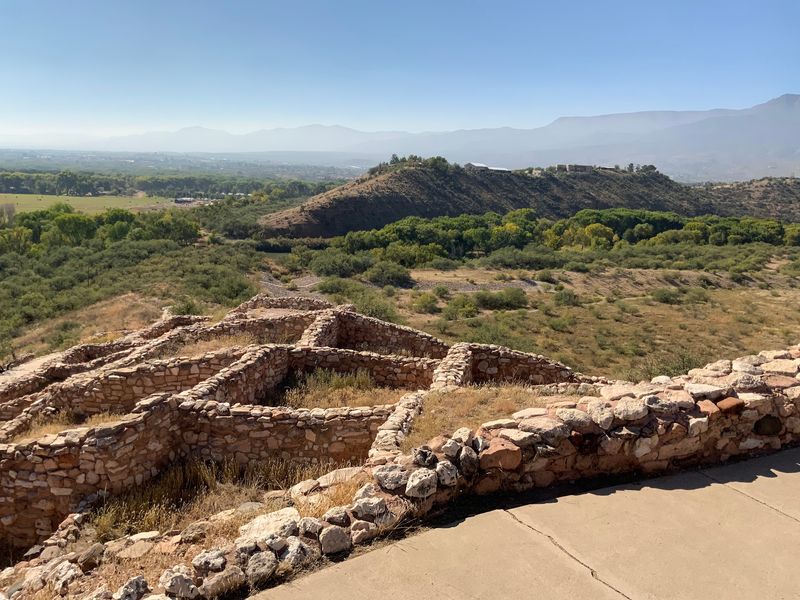
Here’s your reward for not quitting halfway. The Citadel sits at the high point of the pueblo, reached by a set of stairs.
Visitors can stand on top and take in the Verde Valley below. The ridge rises 120 feet above the valley floor, so the panorama opens wide.
Look out and you’ll spot farm fields, the river corridor, and Mingus Mountain across the way. It’s roughly the same lineup the Sinagua saw from their rooftops.
In fall, cottonwood trees along the river can turn bright gold. Spring often brings native desert plants into bloom along the trail.
The paved path does get steep in places. Take it slow, grab the railings where available, and pause whenever you like.
Every few steps, the view widens a little more. That gradual reveal is half the fun.
From the top, the layout of the pueblo finally makes sense. You can trace the outlines of rooms spreading across the ridge below you.
Photographers will want extra time here. Morning light and clear skies make the valley look especially sharp.
So skip the quick glance from the parking area. The summit is where Tuzigoot National Monument truly earns its reputation.
A Museum Packed With 3,158 Reasons To Linger
More than three thousand artifacts sit inside a museum smaller than many gift shops. The collection at Tuzigoot holds 3,158 items recovered right from this site.
You’ll find pottery, tools, and jewelry, including shell pieces. Each one hints at everyday life on the ridge centuries ago.
Starting here before the trail is a smart move. The exhibits give the stone rooms a story before you ever reach them.
Suddenly a storage room isn’t just a box of rocks. It’s where someone kept the corn harvest or tucked away a favorite bowl.
The displays also explain Sinagua farming and long-distance trade. Those macaw feathers from Mexico feel far more amazing once you see the context.
Rangers here have a strong reputation for being friendly and knowledgeable. Bring your questions, because they clearly enjoy sharing this place.
The visitor center also includes a gift shop and restrooms. Families can pick up the Junior Ranger program, which turns the visit into a fun mission.
Collectors of park passport stamps will be happy too. A stamp is available for your book.
One note for pet owners: dogs can’t go inside the visitor center. Service animals are the exception.
Desert Wetland Next Door, Currently On Pause
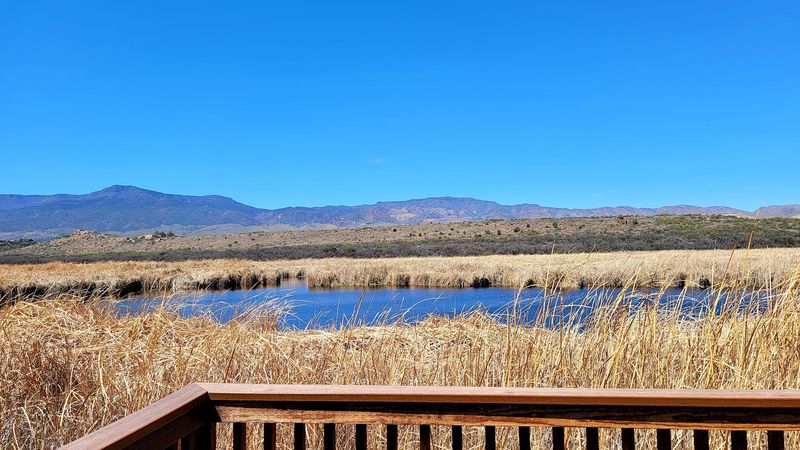
Arizona isn’t exactly famous for marshes. Yet Tavasci Marsh, right beside the monument, is the largest remaining desert wetland in the state outside the Colorado River system.
That’s a surprising neighbor for a hilltop pueblo. It also helps explain why people chose to settle here.
Normally, a paved Marsh Overlook Trail runs about a half mile each way. It’s gently sloped and works well for wheelchairs and strollers.
Other marsh trails are dirt or gravel. They lead visitors closer to the reeds and wetland edges.
Right now, though, there’s an important update. The marsh and all trails through it are closed until further notice due to the Tuzigoot fire.
The pueblo itself remains open, so your visit is still very much worth it. Just plan on the ruins and museum as your main event for now.
Check the park’s current alerts before you go. Conditions can change, and reopening news will come from the National Park Service.
From the ridge, you can still appreciate the green valley below. It’s a good reminder of how water shaped life in this corner of Arizona.
When the marsh reopens, it’ll be a lovely bonus stop.
Who Will Love This Quiet Hilltop Most
History buffs, obviously. But this compact site suits a surprisingly wide range of travelers.
Families with kids get a short outdoor adventure with real payoff. The Junior Ranger program and walk-in room keep young explorers engaged.
Road trippers love how efficient it is. Most people spend somewhere between 40 minutes and an hour and a half here.
Photographers get sweeping valley views and textured stone walls. Golden fall cottonwoods and spring blooms add color in the right season.
Dog owners can bring leashed pets on the trails. Leashes must be no longer than six feet.
Anyone unsure on their feet should know the paved path gets steep in parts. Going partway still offers good views, and there’s no rush.
The mood tends to feel peaceful and unhurried. It’s the kind of place where you can pause at a sign, read, and just look around.
Many visitors pair it with the Verde Canyon Railroad in Clarkdale. It makes a tidy warm-up before a train ride.
Rainy days can work too, since the trail is paved. Just watch for lightning closures during monsoon season.
Smart Planning For Hours, Fees, And Summer Sun
Good news for budget travelers: one adult ticket covers two national monuments. Admission at Tuzigoot also gets you into Montezuma Castle National Monument for seven days.
Hold on to your receipt so you can use it at the second site. Kids get in free, and America the Beautiful passes are accepted.
The park runs daily from 9 a.m., with last vehicle entry at 4:45 p.m. The parking lot gate locks at 5 p.m.
It closes on Thanksgiving Day, December 25, and January 1. Every other day of the year, it’s open.
Remember to check in at the visitor center before exploring. That’s a park requirement, not just a suggestion.
The hilltop gets plenty of sun and little shade. Bring water, a hat, and sunscreen, especially in warmer months.
From July through September, monsoon storms roll through. Trails may close for 30 minutes after lightning strikes within five miles.
The park currently can’t receive phone messages. Email or call during operating hours if you have questions.
Morning visits often feel the most comfortable in summer. Cooler months make midday strolls easy and pleasant.
A Short Climb With A Long Afterglow
Some stops fill a gap in the itinerary. Tuzigoot National Monument tends to become the stop people keep talking about later.
It’s small enough to fit almost any schedule. Yet it packs ancient architecture, a strong museum, and huge valley views into one loop.
The Verde Valley makes the day even easier to build. Montezuma Castle and Montezuma Well sit within reach, and your ticket helps there.
Historic Jerome perches on the mountain above. Cottonwood offers a charming old downtown and dark night skies as an International Dark Sky Community.
Dead Horse Ranch State Park is nearby for more outdoor time. The Verde Canyon Railroad departs from Clarkdale too.
Still, the heart of the trip is right here on the ridge. Those rooftop doorways and stone walls tell a story you can walk through.
So give yourself permission to slow down. Read the signs, step inside the restored room, and ask the rangers a question or two.
Then climb those last stairs to the Citadel. The view from the top is the whole point.
Turning back halfway would be a real shame. Arizona saved one of its best panoramas for the summit.