
The Historic Factory Tour In Illinois That Is Straight Out Of A Time Machine
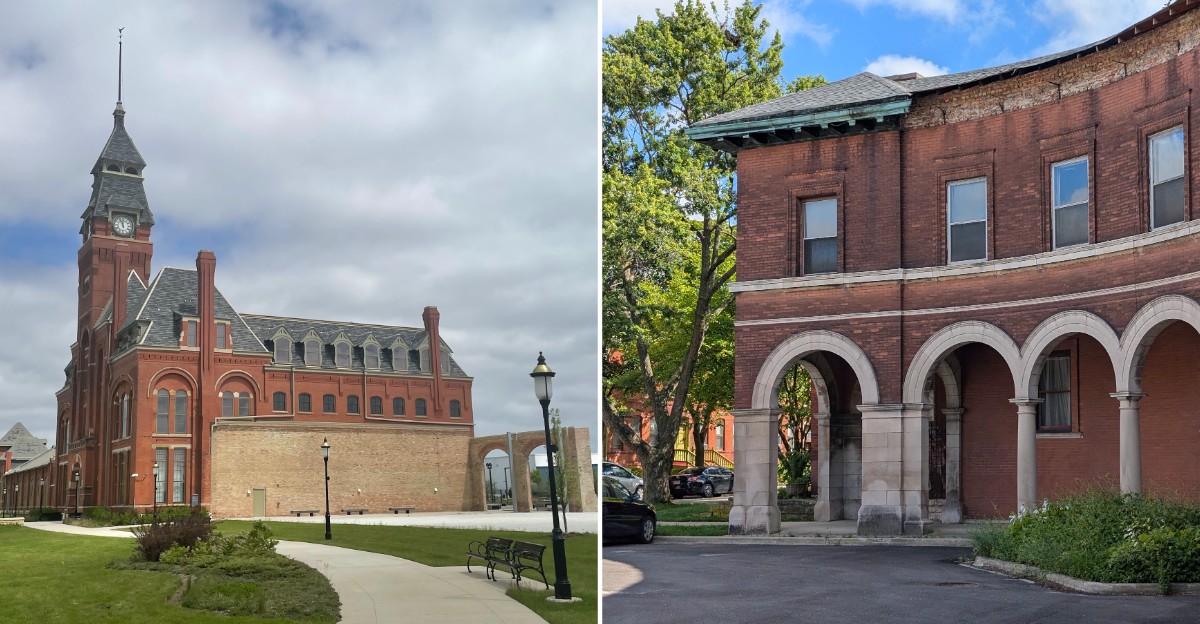
Railroad sleeping cars once rolled out of a giant brick factory in Illinois and carried travelers in style across America and Europe. Today, you can walk the same streets where those workers lived, and the whole neighborhood still looks like the 1880s never left.
The best part is that much of it costs nothing to explore. Pack a lunch, grab the kids, and get ready to step into a story that helped shape how Americans work.
A Factory Town On Chicago’s Far South Side
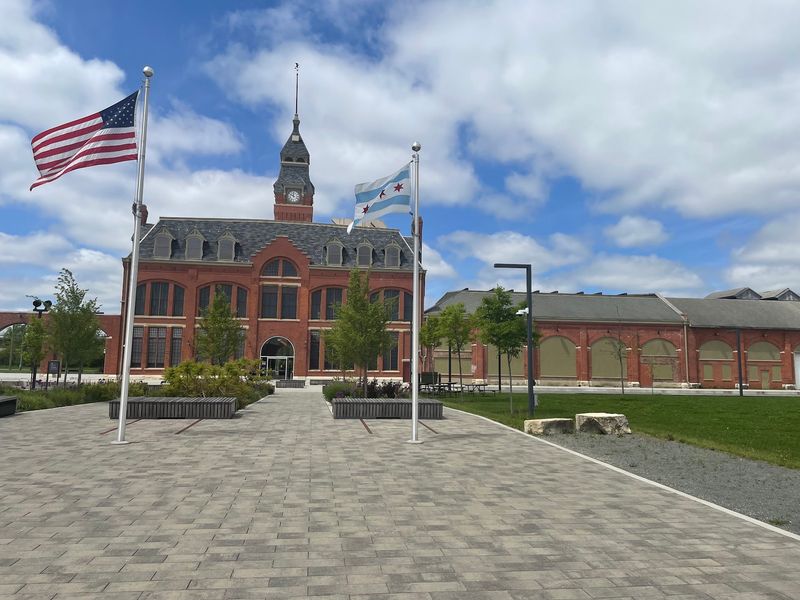
Down on 111th Street, far from the downtown skyline, sits one of the most unusual neighborhoods in Illinois. The Pullman State Historic Site, at 610 E 111th St in Chicago, preserves the remains of a massive factory complex and the planned town built around it.
Industrialist George M. Pullman designed the community in 1880 to house workers for his Pullman Palace Car Company.
It ranks among the first comprehensively planned industrial communities in America, which means everything from houses to shops to a church was laid out on purpose, like pieces on a game board.
The state site overlaps with the Pullman National Historical Park, so the story here unfolds across several connected spots. Factory ruins, interpretive signs, and restored buildings all work together to show how this place once hummed with activity.
For Illinois families, the location is a real bonus. You do not need a long road trip or a hotel stay to feel like you have traveled through time.
A short drive or train ride lands you in a district where brick row houses and grand old buildings still line the streets. It feels a little like discovering a secret chapter of Chicago that many locals have never read.
The Sleeping Car That Built A Neighborhood
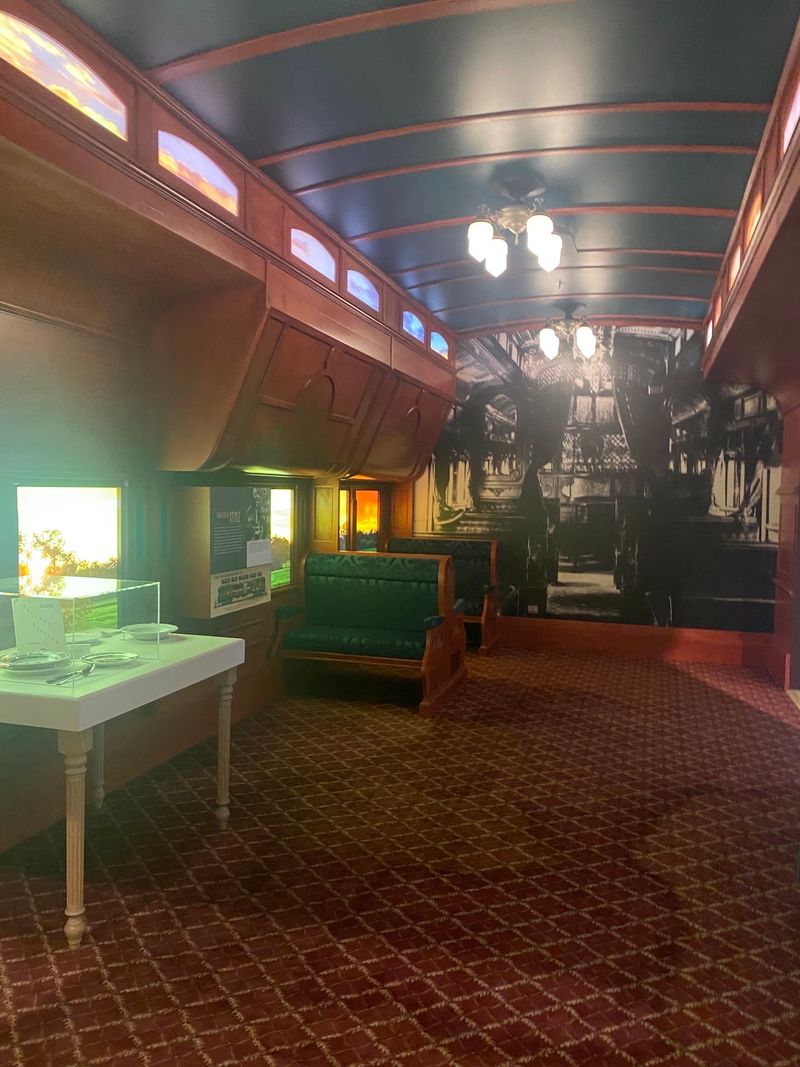
Long before airplanes and highways, overnight train travel could be pretty rough. The Pullman Palace Car Company changed that by perfecting the railroad sleeping car, a rolling bedroom that made long journeys feel almost fancy.
Those cars became so popular that the Pullman name turned into shorthand for luxurious travel across the United States and Europe. Workers here built luxury passenger cars, but they also turned out freight cars and even city streetcars.
That is a lot of rolling stock coming from one corner of Illinois!
Here is a fun fact to share on the drive. Pullman did not just want a factory, he wanted a whole town to go with it.
His idea was that tidy homes and neat streets would keep workers happy and productive, so the community became a kind of experiment in how people should live and work.
Thousands of employees and their families called this place home. Many of the original row houses have been carefully preserved, so when you stroll past them, you are seeing the very doorsteps where kids once played and parents headed off to the shops each morning.
Understanding that backstory makes every brick feel more meaningful.
Inside The Clock Tower Visitor Center
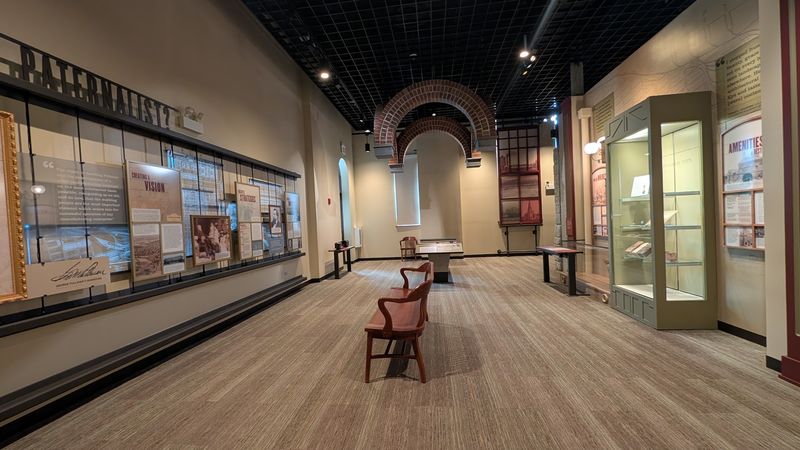
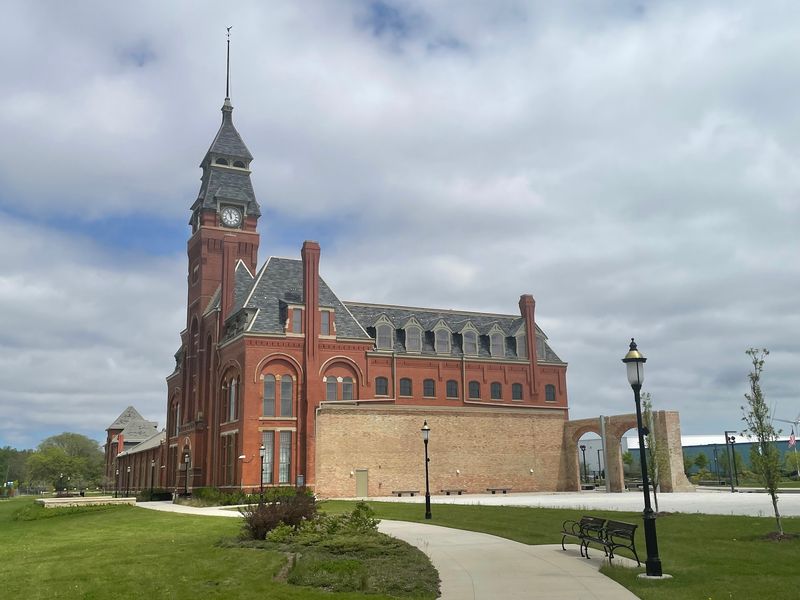
Every good adventure needs a starting point, and at Pullman, it comes with a tall clock on top. The restored Clock Tower Administration Building now houses the Pullman National Historical Park Visitor Center, the main hub for learning about the community.
Inside, exhibits help explain who lived here, what they built, and why it all mattered. It is the perfect place to get your bearings before heading out to see the factory grounds and neighborhood streets.
Kids tend to enjoy matching what they see in the displays with the real buildings outside.
Ranger-led tours leave from this visitor center daily at 1 PM. They run on a first-come, first-served basis, so arriving a bit early is a smart move if your crew wants a spot.
Rangers bring the stories to life in a way that signs alone cannot.
The building itself deserves a long look too. Its grand brick design once served as the nerve center of a huge operation, and the restoration has brought back much of that old-fashioned dignity.
Standing beneath the clock tower, it is easy to imagine the whistle calling workers to their shifts more than a century ago.
Hard Hats And Factory Ruins
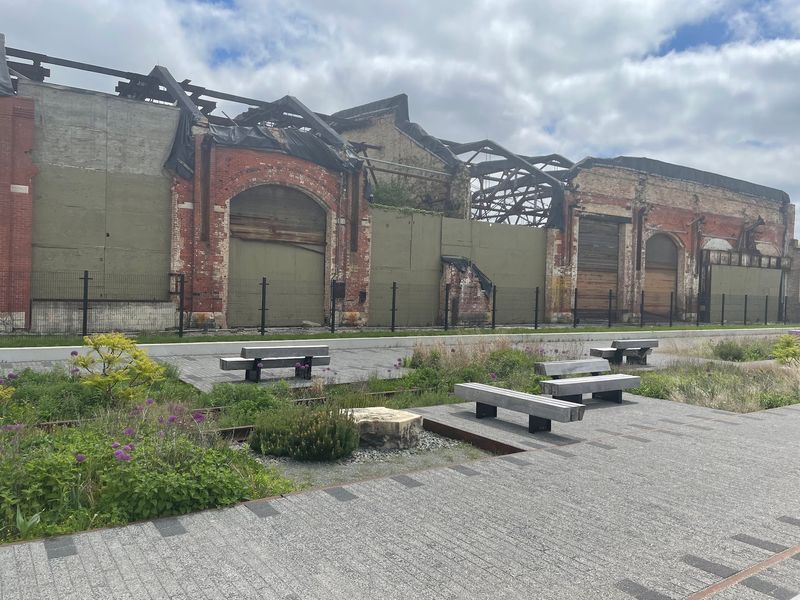
Few historic tours hand you a hard hat, but Pullman sometimes does. Guided tours occasionally offer special access inside the remaining walls of the Rear Erecting Shops, where giant railroad cars were once assembled.
These visits give guests an up-close look at industrial archaeology, which is basically detective work using old buildings and leftover pieces. You learn how the space was used, how workers moved through it, and what clues the walls still hold.
For curious kids, wearing safety gear makes the whole experience feel like a real mission.
Even when you cannot go inside, the ruins carry a moody, almost cinematic feeling. Parts of the grounds may be fenced during restoration, yet the scene remains atmospheric, with weathered brick and tall openings framing the sky.
Photographers love it, and so do anyone who enjoys a good story told through old stone.
Access can shift as restoration work continues, so checking ahead is wise. Some days you may see more than others, and that changing quality is part of the charm.
Each visit can reveal something new as crews bring this mighty factory complex back into the light.
Hotel Florence And Its Queen Anne Charm
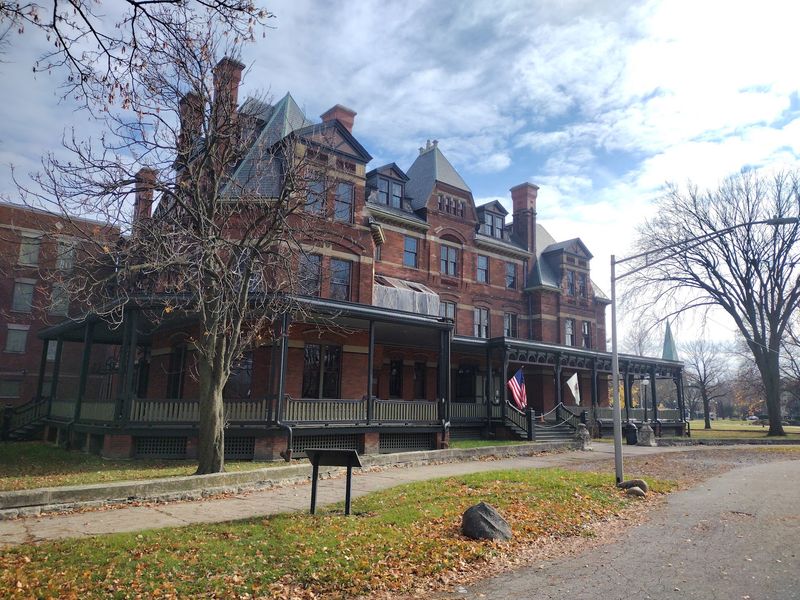
Named for George Pullman’s daughter, the Hotel Florence looks like it stepped right out of a storybook. Its elegant Queen Anne style, with decorative details and a stately presence, makes it one of the neighborhood’s true architectural showpieces.
Back in the factory’s heyday, the hotel stood as a symbol of the polished image Pullman wanted his town to project. Visitors and business guests would have found a grand setting waiting for them right next to the bustling industry.
Today, the building sometimes opens its doors for special viewing opportunities. Those chances do not come every day, so keep an eye out if you want a peek inside.
Even from the sidewalk, though, the exterior is worth a slow walk around.
Grandparents especially seem to enjoy pointing out the craftsmanship. There is something about the shapes of old rooflines and windows that sparks memories of houses and buildings from their own younger years.
Kids, meanwhile, often say it looks like a castle, which is not a bad description at all.
Snap a family photo out front. It makes a lovely keepsake from a day spent wandering through Illinois history.
Labor History That Changed America
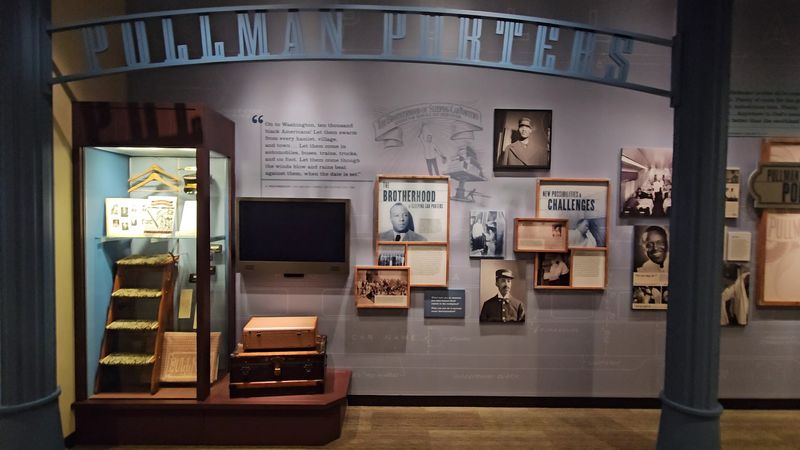
History books mention Pullman for more than fancy train cars. The community played a key role in American labor history, and walking its streets helps that story feel real.
In 1894, the famous Pullman Strike drew national attention. Workers pushed back against conditions in the company town, and their stand became a landmark moment in the long conversation about fair treatment on the job.
Learning about it on the very ground where it happened gives the event a weight that a textbook page cannot match.
Another proud chapter belongs to the Brotherhood of Sleeping Car Porters. The porters who served passengers aboard Pullman cars formed this organization, which became pivotal in African American labor and civil rights.
Their efforts helped open doors for generations that followed.
For families, these stories offer great conversation starters. Kids can ask what they would do if their job felt unfair, or how teamwork helps people solve big problems.
Older relatives may share memories of their own workplaces or of relatives who rode the rails.
The site truly works like a living museum. Every row house and factory wall connects to people who helped shape the way Americans work today.
Hours, Costs, And Getting There
Good news for anyone watching the family budget: entry to the Pullman National Historical Park is free. That makes it one of the friendliest history outings around, especially when gas and snacks already add up.
The state historic site office lists hours of 9 AM to 4 PM Monday through Friday, closed on weekends. The Clock Tower Visitor Center is open Wednesday through Sunday from 10 AM to 4 PM, and the grounds stay open daily from dawn until dusk.
Mixing and matching those schedules lets you plan a weekday or weekend trip.
Want a deeper look? The Historic Pullman Foundation runs guided walking tours on select Sundays from May through October for a modest fee, which includes access to their Exhibit Hall.
The Exhibit Hall otherwise welcomes guests without admission, though donations help support preservation.
Getting there is easy. The Metra Electric District and CTA buses both serve the area, and parking is available for drivers.
Taking the train can even become part of the fun, since kids get to ride the rails toward a town built for railroad cars.
Because restoration work can change access, check what is open before heading out.
Why This Illinois Time Capsule Deserves A Spot On Your List
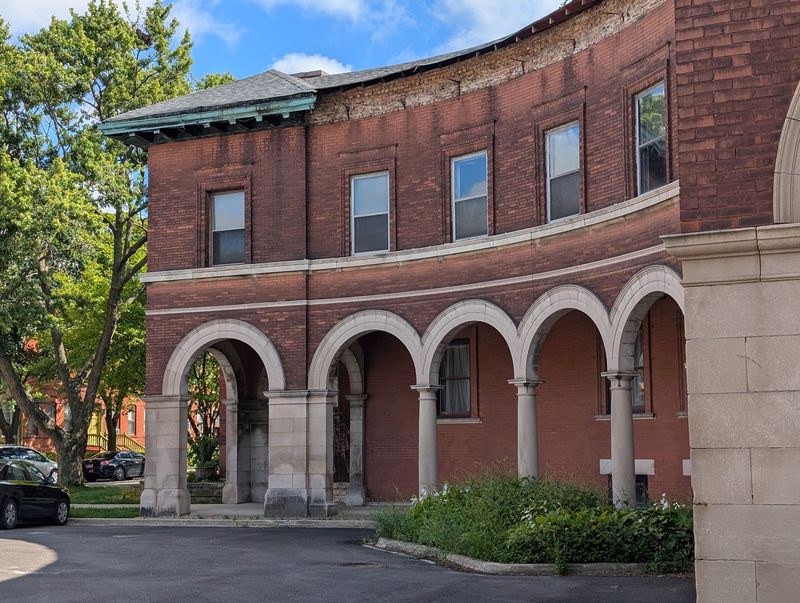
Some outings fade from memory by dinnertime, but a stroll through Pullman tends to stick. Between the towering clock, the castle-like hotel, and the weathered factory walls, the place packs plenty of wow into a single afternoon.
History buffs will find layers of stories about industry, planning, and workers’ rights. Families get an affordable adventure where kids can explore real places instead of just reading about them.
Photographers and architecture fans will happily wander for hours among the preserved row houses.
Seasons add their own flavor. Spring and summer bring pleasant walking weather and Sunday foundation tours, while fall paints the neighborhood in warm colors that suit the old brick perfectly.
Even on a gray winter day, the visitor center offers a cozy indoor starting point.
The overall feeling is humble and genuine rather than flashy. There are no big rides or crowds pushing through gift shops, just a quiet neighborhood that happens to hold one of the great stories in Illinois history.
So grab your walking shoes and maybe a grandparent or two. A free day in this South Side time capsule could become the trip your family brings up for years.