
Arizona’s Lowell Observatory Lets Families Peek Through The Telescope Where Pluto Was Found
A 24-year-old Kansas farm kid found Pluto in 1930 by comparing photo plates of the night sky. The telescope he used still stands on a quiet hilltop in Arizona, and your family can walk right up to it.
That alone would be enough for me. But the same campus also has a working telescope from 1896 that helped map the moon before Apollo 11.
Kids can peek through it after dark.
I like how history and fun share the same sidewalk here. The trails glow at night, the outdoor seats are heated, and a newer discovery center keeps little ones busy for hours.
I can’t imagine a better way to spend a cool mountain evening. Where else can a kid stand beside a real piece of space history, then spot Venus a few minutes later?
A Hilltop Where Astronomy Got Serious
High above downtown Flagstaff, a pine-covered rise called Mars Hill holds one of the most famous science campuses in America. Lowell Observatory has welcomed curious visitors here for generations, and it still runs as a working research center.
Percival Lowell founded the observatory in 1894. He picked this spot for its high elevation and clear northern Arizona skies.
Flagstaff later became the world’s first International Dark Sky City. That means the town works hard to keep its night sky dark, which makes stargazing here unusually good.
The campus mixes old stone buildings, historic domes, walking paths, and a big modern discovery center. You can spend a sunny afternoon exploring exhibits, then stay for telescope viewing after sunset.
Families get a little bit of everything in one ticket. There are history tours, science talks, hands-on displays, and real telescopes pointed at real planets.
Honestly, it feels like a field trip that grown-ups secretly enjoy just as much as the kids. Few places let you touch so much scientific history in a single visit.
Lowell Observatory sits close enough to town for an easy drive. Yet once you reach the top of the hill, it feels like a world of its own.
The Little Telescope Behind A Very Big Discovery
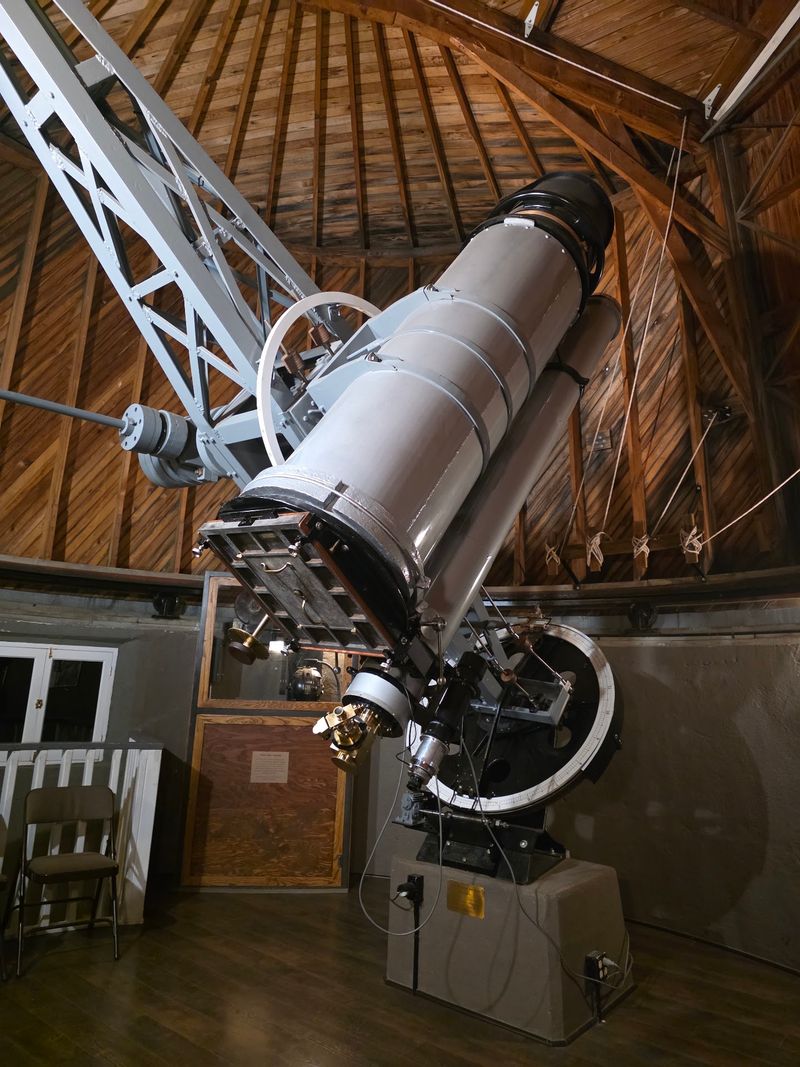
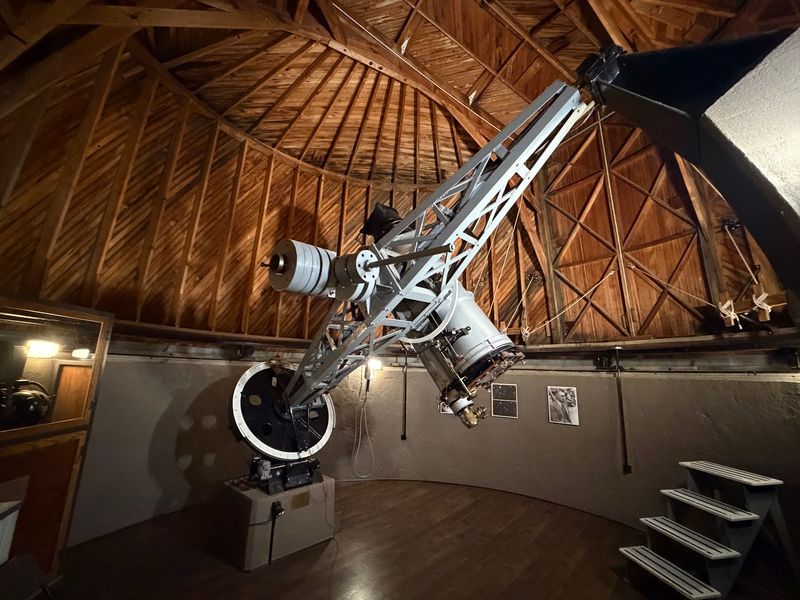
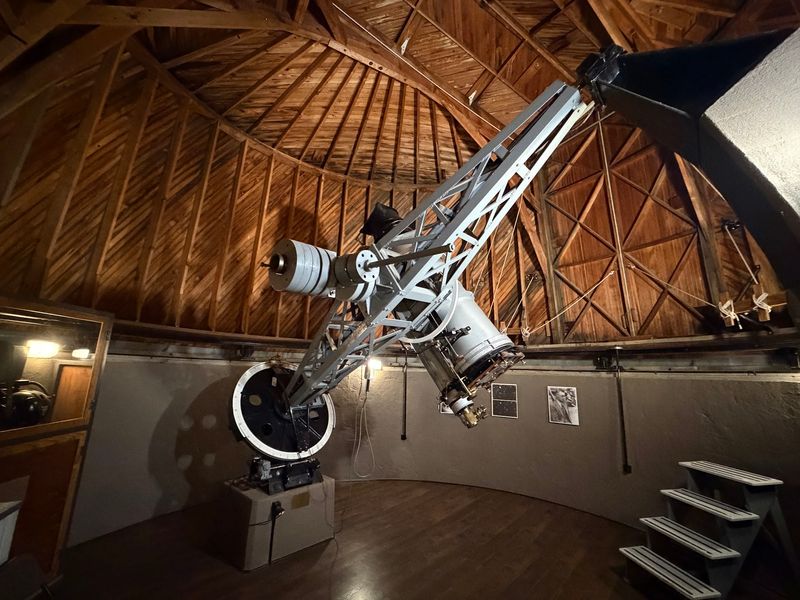
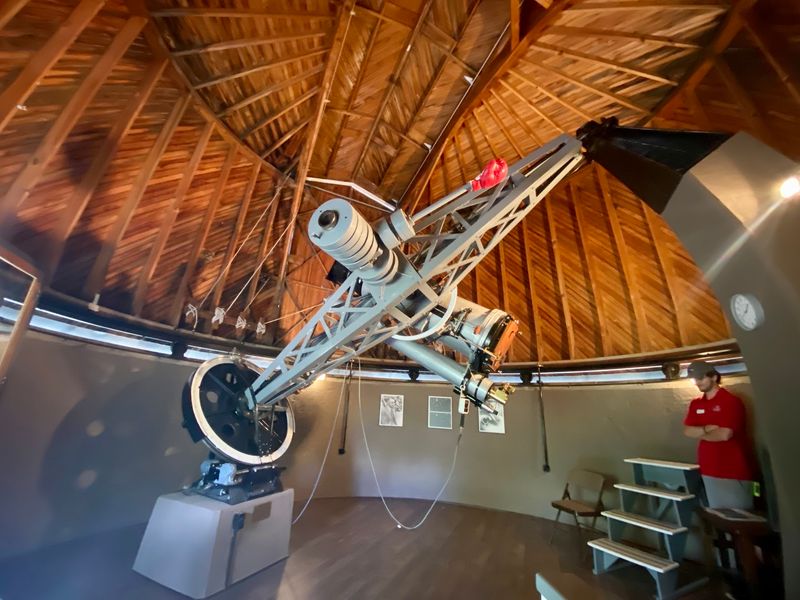
February 18, 1930, changed the map of our solar system forever. On that day, astronomer Clyde Tombaugh spotted a faint moving speck on photo plates taken with a 13-inch telescope.
That speck turned out to be Pluto. The observatory shared the news with the world on March 13, 1930.
Today the instrument goes by two names. Some call it the Pluto Discovery Telescope, while others use its formal name, the A.
Lawrence Lowell Telescope.
Technically, it’s an astrograph, which means it was built for taking photographs of the sky. It’s now retired, but it’s far from forgotten.
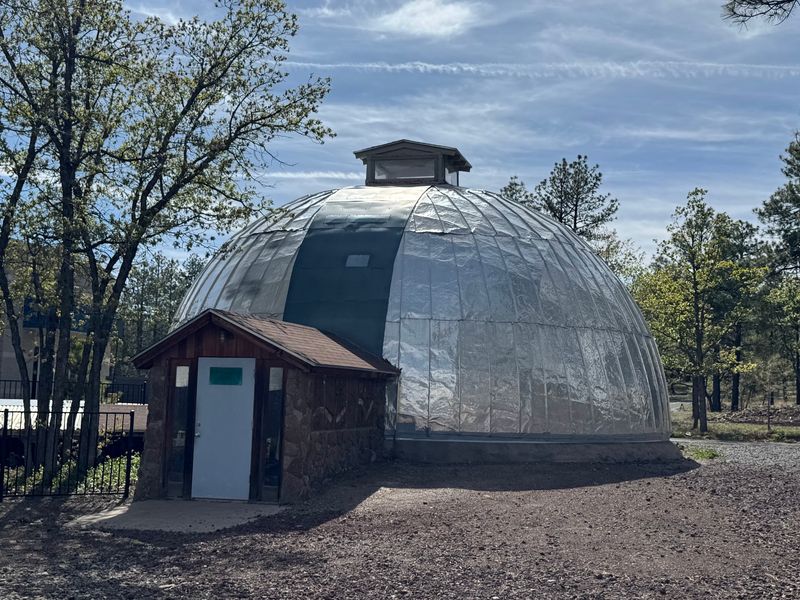
The telescope and its dome were restored in 2018. They’re part of the public experience at Lowell Observatory, so you can see the real thing up close.
A path called the Pluto Walk, also known as the Solar System Walk, leads you toward it. Along the way, the planets are spaced out to show just how far Pluto sits from the sun.
Kids usually know Pluto as the underdog of the solar system. Standing beside the very telescope that found it gives that little world a lot more personality.
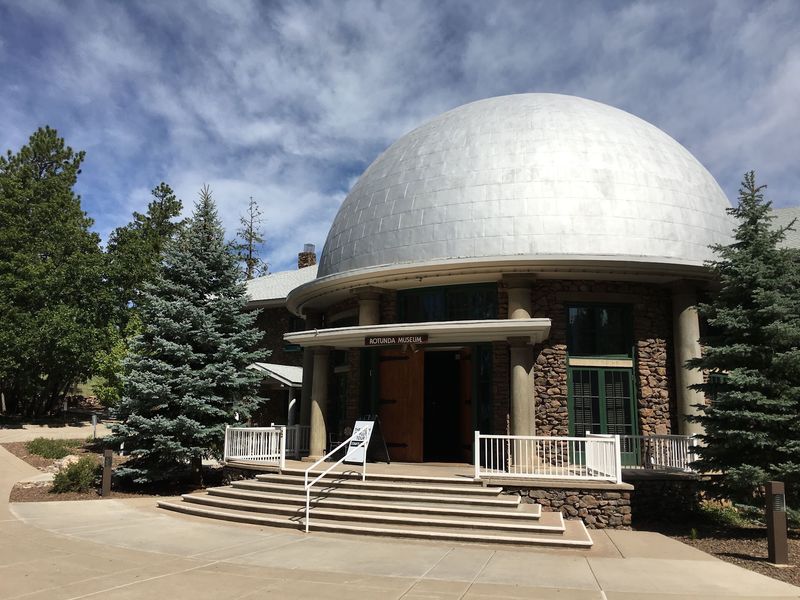
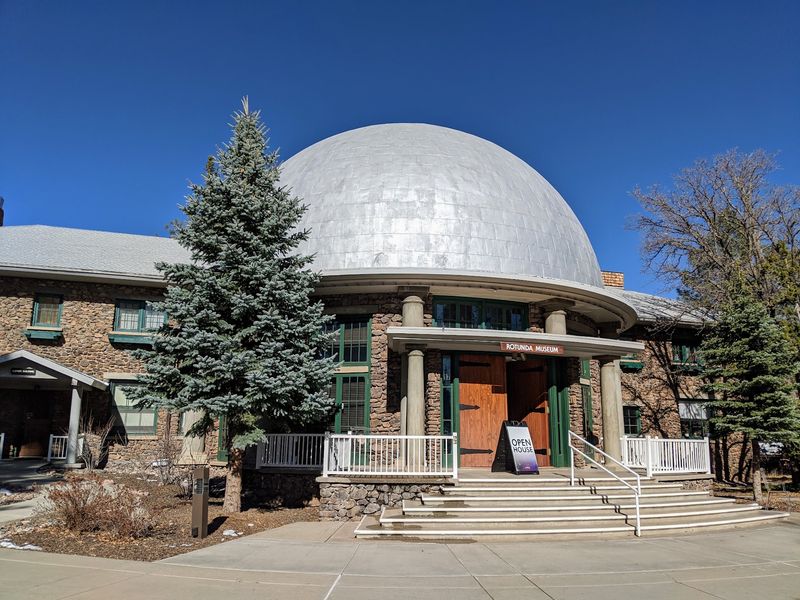
Inside the Rotunda Museum, you’ll also find historical documents tied to the discovery. It’s a neat way to connect the story with the machine.
An 1896 Giant That Still Points At The Sky
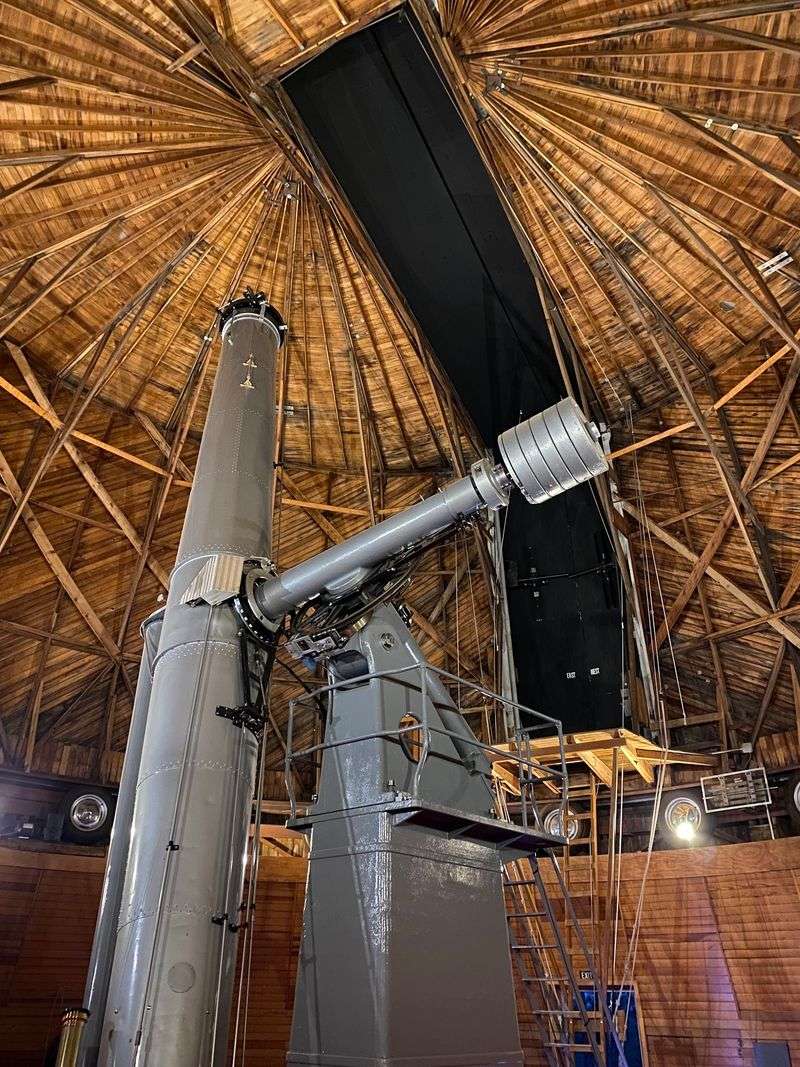
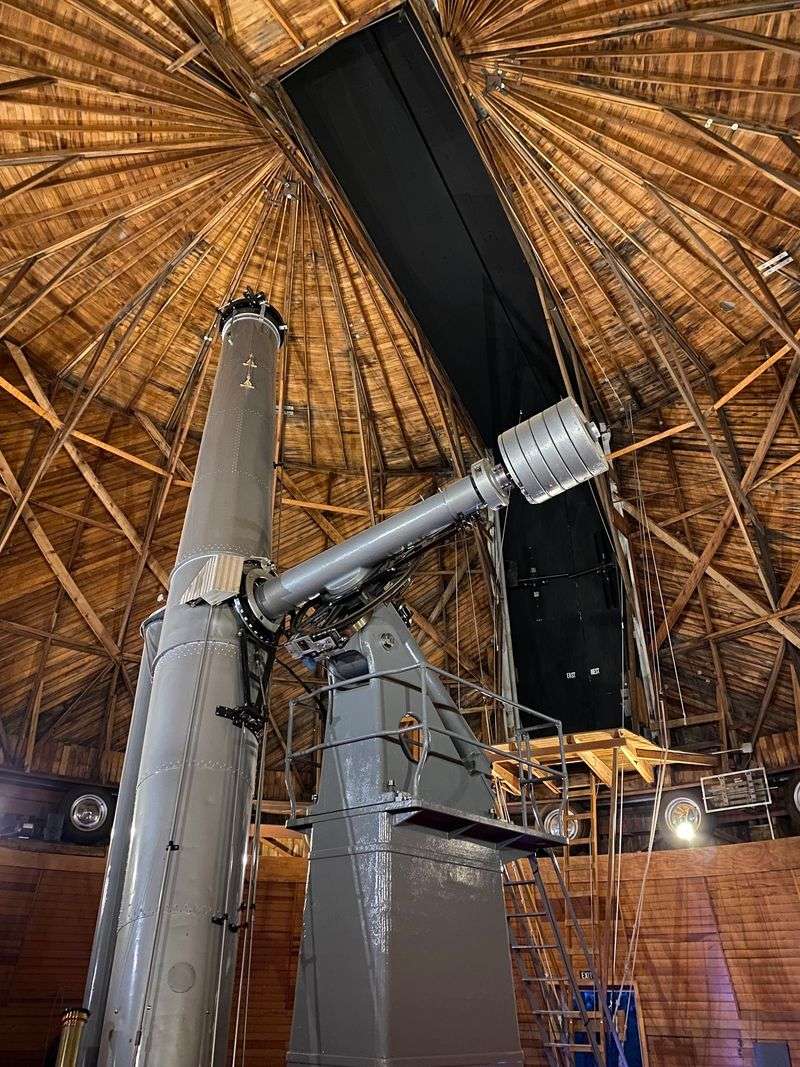
Few telescopes can claim a link to the moon landing. The 24-inch Clark Refractor, built in 1896, helped map the moon ahead of the Apollo 11 mission.
Even better, it isn’t just a museum piece. The Clark is part of public telescope viewing, so families can actually look through it.
Think about that for a second. Your kid could peer through the same lens used by astronomers more than a century ago.
The observatory also points to a 1912 breakthrough by V.M. Slipher.
His work here helped reveal that the universe is expanding, a huge idea that still shapes science today.
Those big moments add weight to the whole campus. Lowell Observatory became a National Historic Landmark in 1965.
In 2011, Time magazine also named it one of the world’s 100 most important places. Not bad for a hilltop in northern Arizona.
Telescope lines can form at night, since each scope has its own queue. Staff often explain what you’re seeing while you wait, which turns the line into a mini lesson.
Jupiter or Venus may look small through the eyepiece. Still, seeing them with your own eyes feels very different from looking at a photo online.
Room To Run Inside The Astronomy Discovery Center
November 2024 brought the biggest addition the campus has seen in years. The Marley Foundation Astronomy Discovery Center opened as a 40,000-square-foot home base for visitors.
Kids tend to beeline for the Orbits Curiosity Zone. It’s a hands-on play area built just for younger explorers, and it gives wiggly kids room to burn energy.
Little ones can easily spend a couple of hours there. Even toddlers can find things to touch, spin, and explore.
Older kids and adults have plenty too. The Stardust Lab Astronomy Gallery is packed with interactive exhibits about space and how astronomers study it.
The Putnam Collection Center Lobby shows off artifacts and stories from the observatory’s long history. Meanwhile, the Space Guard Academy exhibit focuses on asteroid research.
I love that the building works for every age at once. Parents don’t have to choose between educational and entertaining.
The center also has a gift shop for space-loving souvenir hunters. Expect a few requests for glow stickers or planet toys on the way out.
Plan on more time than you think. Many families stay three to four hours, and that’s before the sun even goes down.
Heated Seats Under A Very Dark Sky
Cold nights and stargazing usually go together. Lowell Observatory solved that problem with heated seats under the open sky.
The Dark Sky Planetarium sits on the roof of the Discovery Center. Instead of a dome, the real night sky becomes the screen.
A live narrator guides the show and points out stars, constellations, and planets overhead. It feels fun and educational at once, which is a tricky balance to strike.
Tickets for these evening shows are a separate add-on. They’re popular, so buying ahead online is a smart move.
Back on the ground, the Giovale Open Deck Observatory offers six modern telescopes. They range from 5.5 inches to 32 inches and are used for public viewing programs.
For something extra, Premium Access experiences use the Dyer Telescope. It’s a 24-inch PlaneWave CDK24a astrograph and one of the newest tools on campus.
Clouds can change what you see, so check the forecast before you go. A clear night gives you the best shot at the moon, planets, and stars.
Bring a jacket even in summer. Flagstaff cools quickly after sunset, and heated seats only cover so much.
Glowing Paths And Daytime Sun Peeks
After dark, the walkways on campus take on a soft red glow. Red light protects your night vision, and some paths even feature glow-in-the-dark rocks.
Kids treat it like a treasure trail. Grown-ups appreciate not stumbling around in total darkness.
The property covers a lot of ground, so wear comfy shoes. You’ll walk between domes, exhibits, and viewing decks all evening.
Daytime has its own star, too. Daily solar viewings let you look at the sun safely through special equipment, weather permitting.
Constellation tours add another layer once the sky darkens. Guides help you find shapes and stories among the stars.
Science talks and demonstrations run throughout the day as well. They’re included with general admission and make great breaks between exhibits.
One nice perk is that tickets are good for the whole day. You can explore in the afternoon, grab dinner, and return for stargazing.
That flexibility helps families with younger kids pace themselves. Nobody has to cram every exhibit and telescope into one exhausting stretch.
Arizona’s mountain air feels crisp at night. Pair that with glowing trails, and the whole hill starts to feel a bit magical.
Planet X Cafe, Hours, And Getting Up The Hill
Hungry astronomers have a handy fuel stop right on campus. The Planet X Cafe serves space-themed hot sandwiches, soups, salads, pastries, and espresso drinks.
It runs in partnership with Jitters, a local Flagstaff business. That keeps lunch and snacks easy without leaving the hill.
Find Lowell Observatory at 1400 W Mars Hill Rd, Flagstaff, AZ 86001. It’s just west of downtown, with a short drive up to a large parking lot.
Hours generally run from noon to 10 p.m. Wednesday through Monday.
The observatory is closed on Tuesdays, so plan around that.
Seasonal schedules can shift, especially for night programs. Checking ahead before the drive saves disappointment.
Admission covers tours, exhibits, talks, and stargazing sessions. Planetarium shows and premium telescope experiences cost extra.
It’s not the cheapest outing in Arizona. Still, a full day of exhibits plus night viewing packs in plenty of value for curious families.
Book evening shows early, because they can sell out quickly. Arriving in the afternoon gives you time for exhibits, lunch, and a sunset stroll before the stars appear.
Why Your Family Belongs On Mars Hill
Some outings fade from memory by the next week. Seeing Saturn’s rings or Venus with your own eyes tends to stick around much longer.
Lowell Observatory pulls off a rare trick. It’s a working science center, a history museum, and a family playground all on one Arizona hilltop.
Young kids get a clean, colorful play zone. Teens get real telescopes, real data, and the chance to stand where Pluto was found.
Adults get the stories behind it all. From Percival Lowell to Clyde Tombaugh, the history here reads like an adventure novel.
The staff and volunteers add plenty of warmth. Their enthusiasm makes complicated space science feel friendly and approachable.
Summer is a great time to visit, since Flagstaff stays cooler than the desert below. Fall and winter bring crisp, clear nights that are ideal for viewing.
Pack layers, book shows early, and give yourself most of a day. A clear night makes everything better.
I believe every Arizona family should make this trip at least once. Pluto may have lost its planet title, but on Mars Hill it’s still the star of the show.