
This Small Illinois Museum Keeps Egyptian Mummies And Shrunken Heads And Opens Its Doors For Free
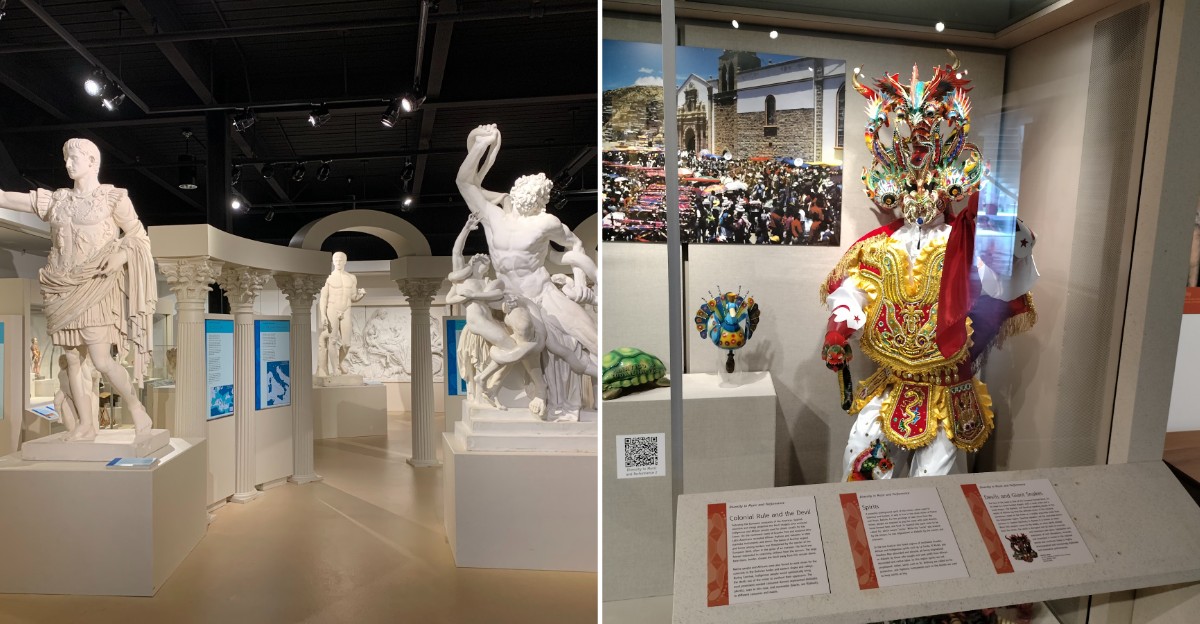
A college building in central Illinois holds more than 50,000 objects from around the world, and the front door costs nothing. No ticket booth, no gift-shop guilt trip at the entrance.
Inside, plaster casts of the Parthenon frieze share a roof with cuneiform tablets from ancient Mesopotamia. Upstairs, galleries wander from ancient Egypt to East Asia to Oceania, all within a single unhurried afternoon.
I like how the place turns a quick campus detour into a trip around the planet. Kids can grab clipboard bingo games by the front entrance, and grown-ups get soft cushions for resting tired feet.
I can’t imagine a cheaper way to spend a gray Illinois Saturday with curious kids in tow. So why do so many families still drive right past it on the way to somewhere pricier?
A Free Trip Around The World Sits On A Big Ten Campus
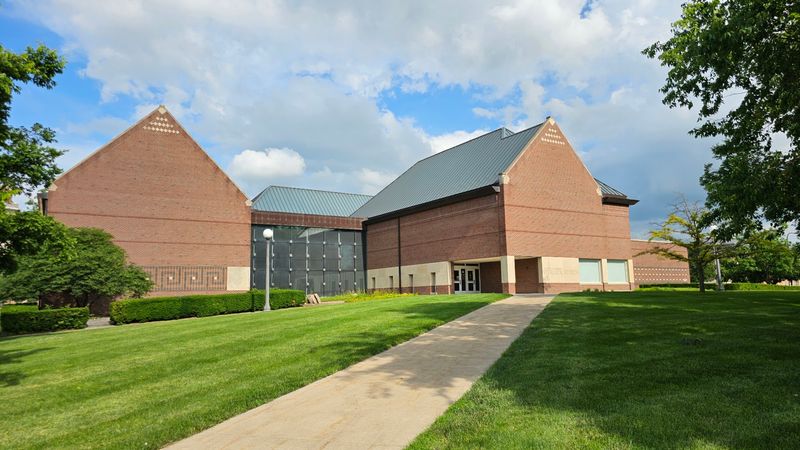
Officially, it’s the William R. and Clarice V. Spurlock Museum, though everyone just calls it the Spurlock Museum.
It’s an ethnographic museum on the University of Illinois Urbana-Champaign campus, which means it focuses on cultures and the people behind them.
That distinction matters once you’re inside. Instead of one long hallway of fancy paintings, you get everyday objects, clothing, tools, statues, and sacred items from across the globe.
The building sits on the east side of campus in Urbana, Illinois. It’s a short walk from the Krannert Center for the Performing Arts, so it pairs nicely with a broader campus stroll.
Nine permanent exhibits fill two floors, each organized by geography. One floor covers the Americas and the ancient Mediterranean, while the upper level takes you through Asia, Oceania, Europe, Africa, Mesopotamia, and Egypt.
Here’s the part that makes budget-minded parents grin. General admission is completely free, with a donation box for anyone who wants to chip in and help keep the galleries thriving for years to come.
More Than A Century Of Collecting Led To This Building
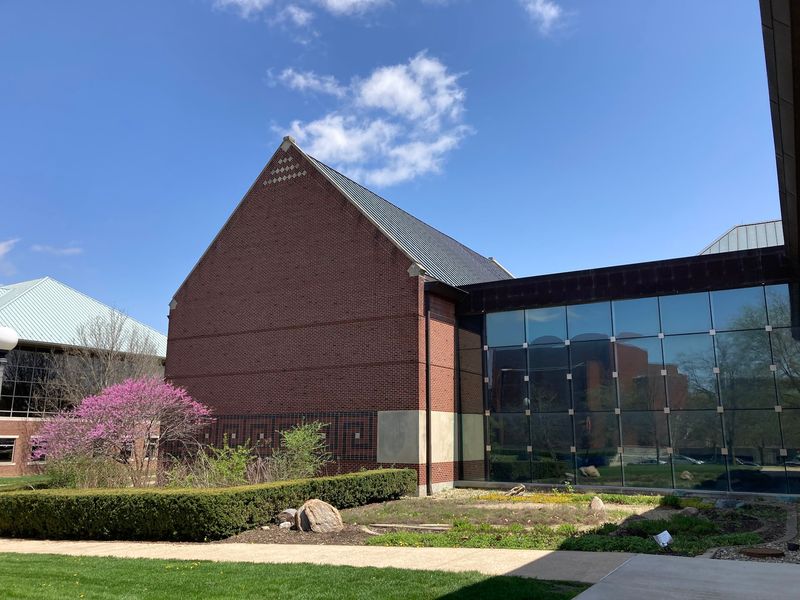
Back in 1911, the University of Illinois founded three separate cultural museums. Nobody back then could have guessed those humble collections would one day share a purpose-built home.
Over the decades, the collection changed names and shapes. For a while, it went by the World Heritage Museum, a title that hinted at the global scope still on display today.
The big turning point came in 1995. A generous gift from the Spurlock family made a brand-new building possible, and the name followed the donation.
The Spurlock Museum opened in its current form in 2002. The structure covers about 55,000 square feet and was designed specifically to protect and present its artifacts.
Today, the collection tops 50,000 objects, which is a staggering number for a campus museum. Only a fraction can be shown at once, so what’s on the floor is carefully chosen.
That long backstory gives the place a steady, grounded feel. It’s not a flashy newcomer chasing trends, but a patient Illinois institution that’s been gathering stories for over a hundred years.
Greek And Roman Statues Steal The Show Downstairs
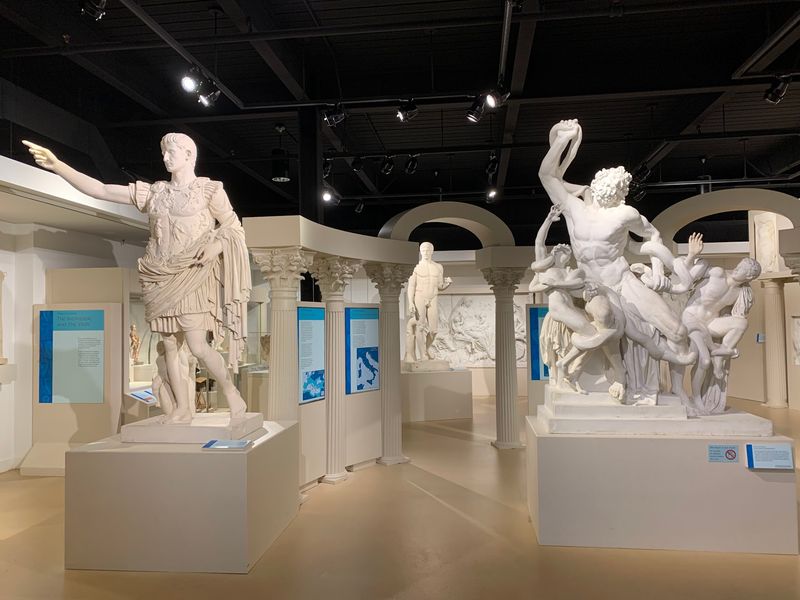
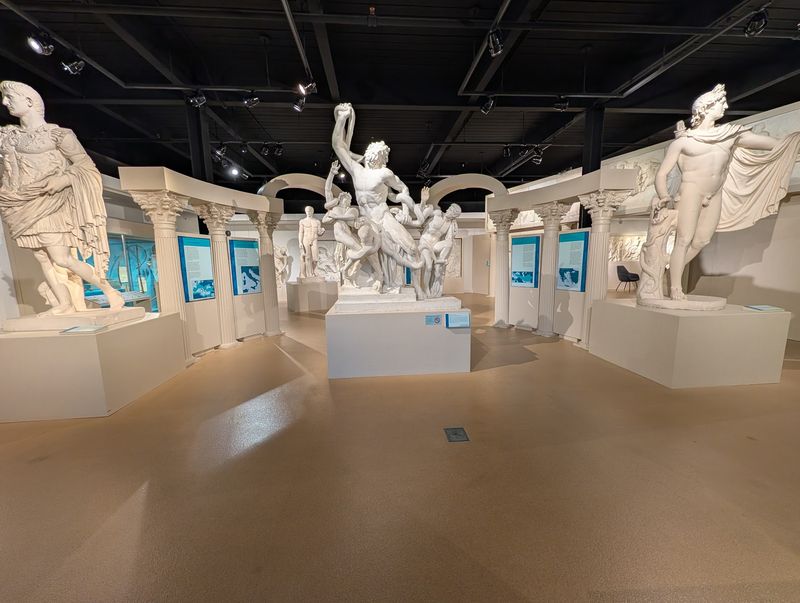
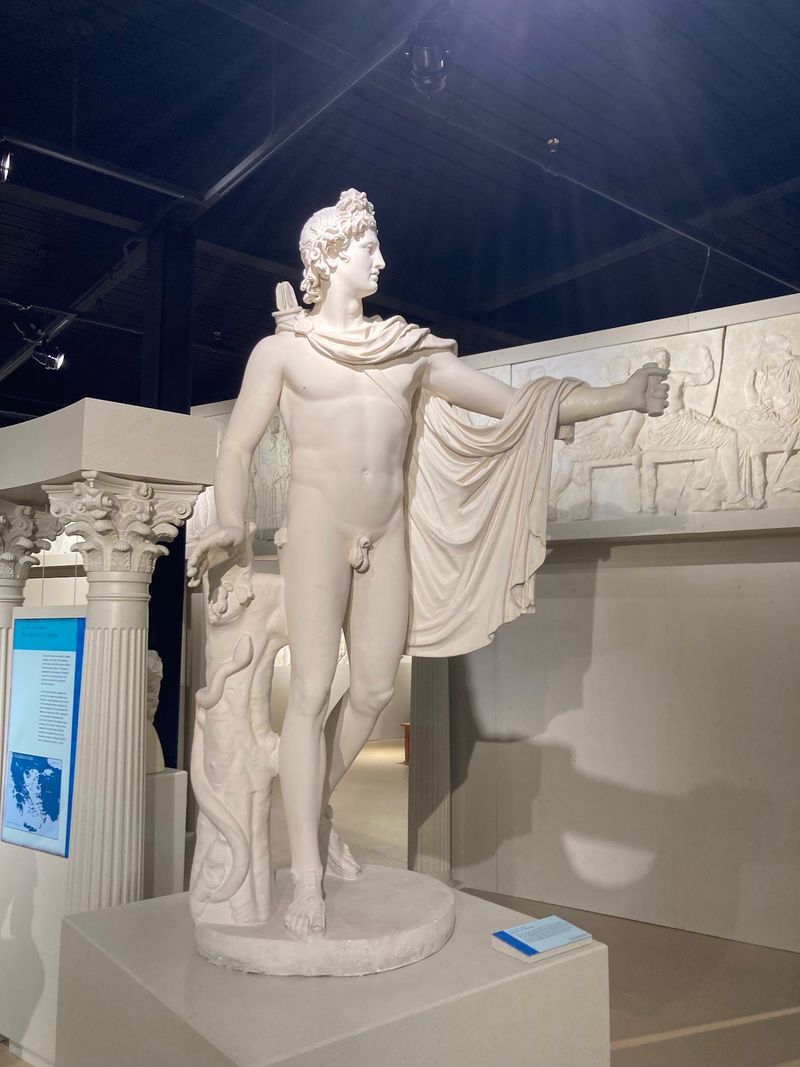
Ever wanted to stand nose to nose with the Parthenon frieze without booking a flight to Athens? The Spurlock Museum offers plaster casts of those famous carvings, and they’re impressively detailed up close.
Casts like these were made from the original sculptures. That means kids can study the same horses, riders, and robed figures that ancient Greeks admired thousands of years ago.
The ancient Mediterranean gallery is one of the larger and more developed spaces in the building. Roman statues stand nearby, and they tend to become instant favorites for history buffs of every age.
Smaller treasures deserve attention too. The collection also includes Merovingian bronzes from early medieval Europe, which show off delicate metalwork that feels surprisingly modern.
Interpretive signs explain what you’re looking at without drowning you in jargon. Take a few minutes to read them, and a stone face suddenly becomes a real person with a story.
Bring a sketchbook if your young artist likes to draw. Few classrooms in Illinois can match a quiet afternoon copying a Roman profile from just a few feet away.
Egypt’s Most Famous Resident Has A Thoughtful New Chapter
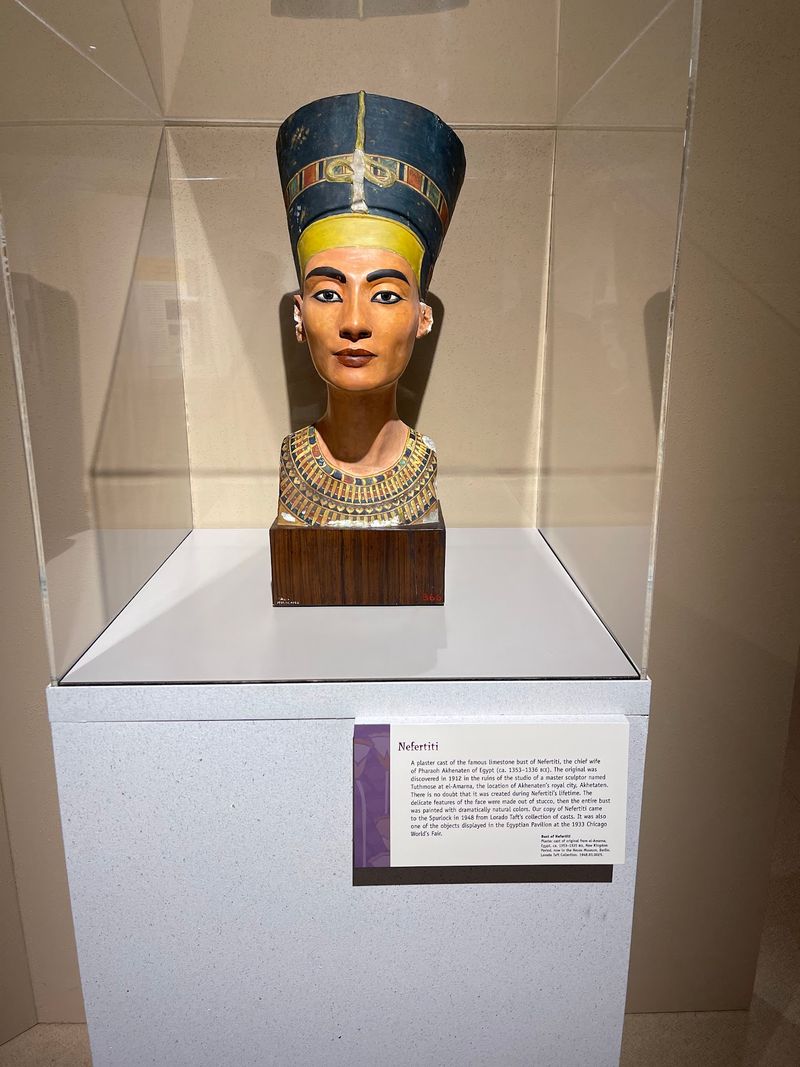
For years, the star of the upstairs galleries was a young girl from Egypt’s Roman period. She was a mummy roughly seven years old, and she drew curious families from all over the region.
Her preservation was remarkable because her internal organs remained intact. Displays once even showed images suggesting what she might have looked like in life.
In July 2023, the museum respectfully removed her from public display. Staff are working to better understand her journey and to make sure she receives proper care.
That decision says a lot about the Spurlock Museum. The team takes ethical stewardship seriously, and the galleries are open about where artifacts came from and how they arrived.
The ancient Egypt gallery still offers plenty to explore. Right next door, Mesopotamia brings out cuneiform tablets pressed with some of the oldest writing humans ever created.
Honestly, those tablets might be the sleeper hit for older kids. Tiny wedge marks in clay recorded trades, lists, and records long before paper, and they’re right there behind the glass.
Touchscreens And Ancient Strings Make History Sing
Music from ancient versions of violins and other stringed instruments drifts out of the galleries here. It’s a lovely surprise, and it turns a silent display case into something you can actually hear.
Interactive screens add another layer. They offer deeper looks at rare objects, including a fragment of the letter of James from the New Testament.
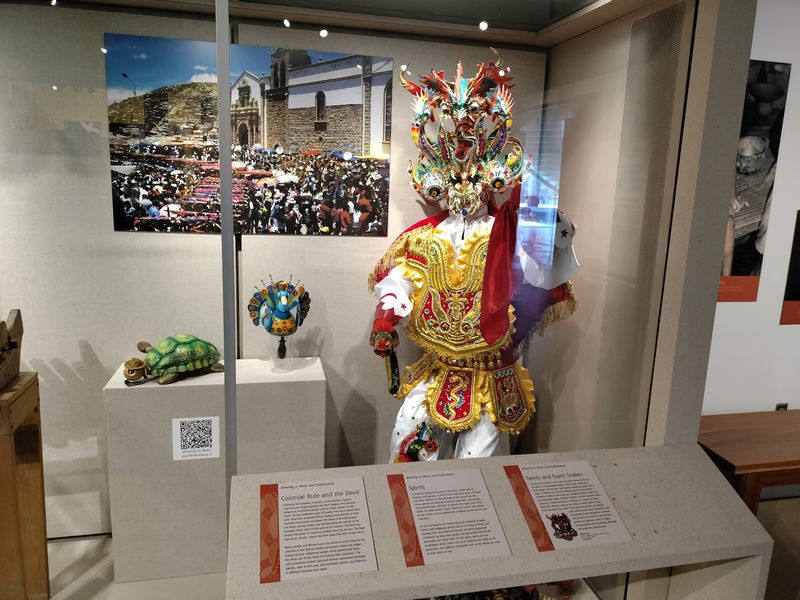
The Americas galleries cover North, Central, and South America across a huge span of years. Latin American art includes pieces from Bolivia, and one display even works in a small sensory experience.
Native American art fills another strong section. The work shows off the richness and depth of traditions that stretch across the continent, with careful context beside each piece.
Traditional garments from cultures worldwide appear throughout the building too. Fabric, stitching, and color tell stories that a textbook photo just can’t capture in the same way.
Writing prompts scattered around the galleries let visitors jot down their own responses. It’s a small touch, yet it keeps curious minds working instead of simply drifting from case to case.
Rotating Exhibits And Lively Programs Keep Repeat Visits Fresh
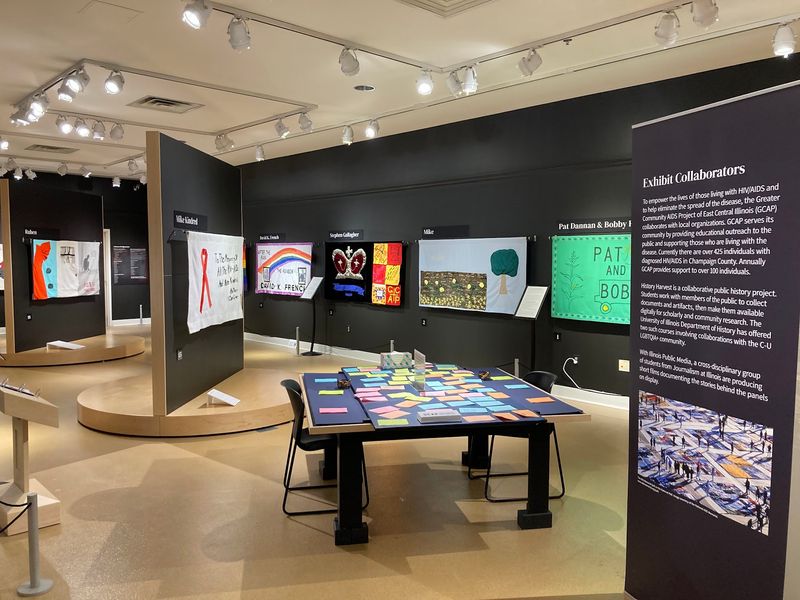
Something new usually waits in the Campbell Gallery. That space hosts changing exhibits, so a second or third trip rarely feels like a rerun.
Past topics have ranged from women’s networks to the living stories of American rights. A moving exhibit on Japanese American alumni and their experiences also left a lasting impression.
Then there’s the Knight Auditorium, a 215-seat space built for gathering. Visiting scholars give lectures there, and musicians, dancers, and storytellers take the stage throughout the year.
One memorable program was a Pow-wow 101 presentation. Audience members were even invited on stage at the end to dance alongside the performers, which beats any slideshow.
For hands-on fun, the Zahn Learning Center runs programs for visitors of all ages. Thousands of schoolchildren pass through each year, part of more than 50,000 annual guests.
Check the museum calendar before you head to Urbana. A free afternoon can easily become a performance, a craft session, or a talk that sparks dinner conversation all the way home.
Quiet Galleries Make It Easy For Every Kind Of Visitor
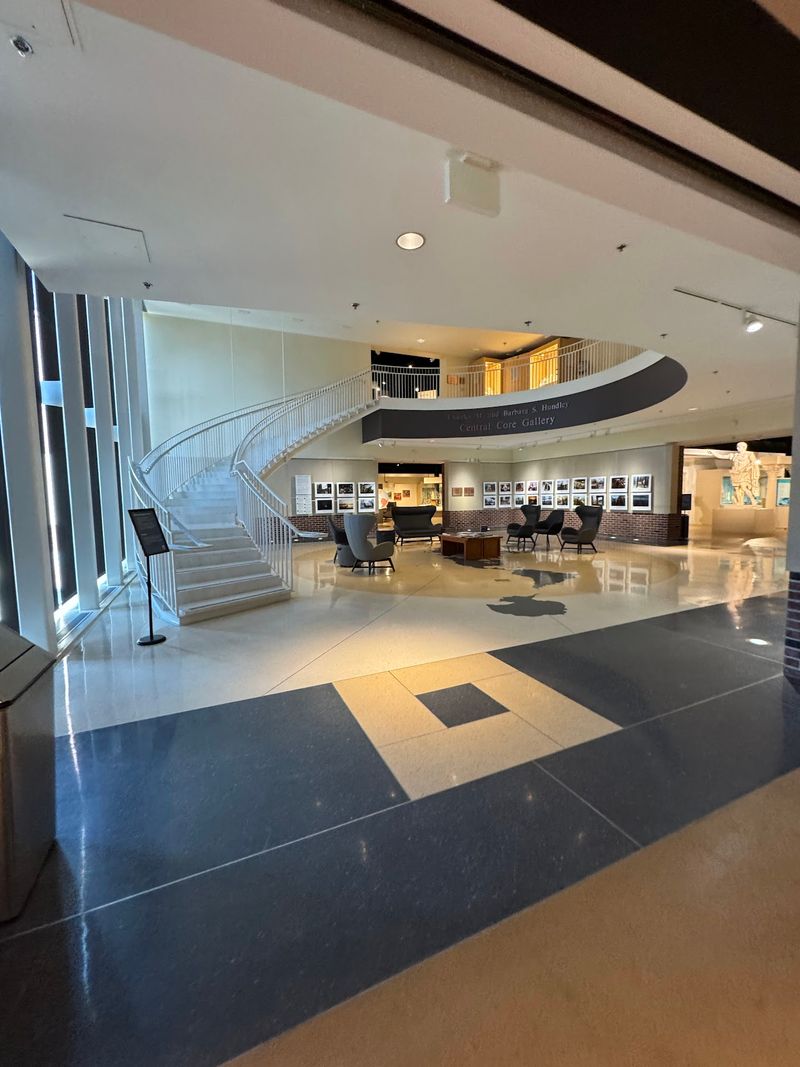
Calm is the word that best fits the mood inside. The galleries feel quiet and tranquil, with plenty of open space and a clean, well-kept look.
Tired legs get real relief here. Comfortable seating areas appear throughout, and some galleries even offer poufs and cushions for a gentle rest.
Accessibility clearly gets attention. The entrance has no steps, floors are smooth and level, and elevators connect both floors for wheelchairs, walkers, and strollers.
Practical comforts round things out nicely. All-gender restrooms sit on the lower level, coin-return lockers and a cloakroom hold bags, and public Wi-Fi runs throughout the building.
Families should know the experience leans more toward looking than touching. Little ones do best with an engaged adult, and the clipboard bingo by the entrance can turn browsing into a scavenger hunt.
Plan on at least an hour, though readers of every label could stretch it past two. Grandparents, students, and history-loving kids all find their own pace in these unhurried rooms.
Hours, Parking, And Tours To Know Before You Go
You’ll find the Spurlock Museum at 600 S Gregory St, Urbana, IL 61801. It sits at the corner of Gregory and Oregon streets, just east of the Krannert Center.
Hours shift a bit through the week. It’s open Wednesday through Friday from 9 AM to 5 PM, and Tuesday from noon to 5 PM.
Weekends run shorter, with Saturday hours from 10 AM to 4 PM and Sunday from noon to 4 PM. Mondays are closed, so don’t plan a long-weekend visit around that day.
Metered street spaces and a small lot south of the building handle parking. On weekends, free parking is often available in the adjacent University lot D22, and several CU-MTD bus routes stop nearby.
Self-guided wandering works great for families and small groups. On most Saturdays, student gallery guides lead free drop-in tours, while groups of 10 to 100 can book guided visits ahead.
Snacks stay in the lobby or central core areas. Clear liquids are welcome in the galleries, so a water bottle can tag along for the whole trip.
Worth The Drive For Curious Illinois Families
Free, quiet, and packed with thousands of years of human stories. That combination is hard to find anywhere, let alone on a college campus in central Illinois.
The Spurlock Museum won’t overwhelm you with crowds or flashing screens. Instead, it rewards anyone willing to slow down, read a label, and wonder about the hands that made each object.
Parents get an outing that costs nothing but gas and maybe a donation. Kids get Roman statues, cuneiform tablets, ancient music, and a bingo card to keep them hunting.
It also works beautifully for grandparents who love history but prefer an easy, accessible layout. Seating everywhere and level floors make a long, lingering visit feel comfortable.
Winter is a natural time to go, when Illinois weather pushes everyone indoors. Then again, a summer afternoon on campus pairs nicely with a stroll near the Krannert Center.
Leave a little something in the donation box on the way out. A place this generous with its treasures deserves a thank-you, and your kids might already be asking when you’re coming back.