
The Small Pennsylvania Town Where Almost Every Building Is Historic
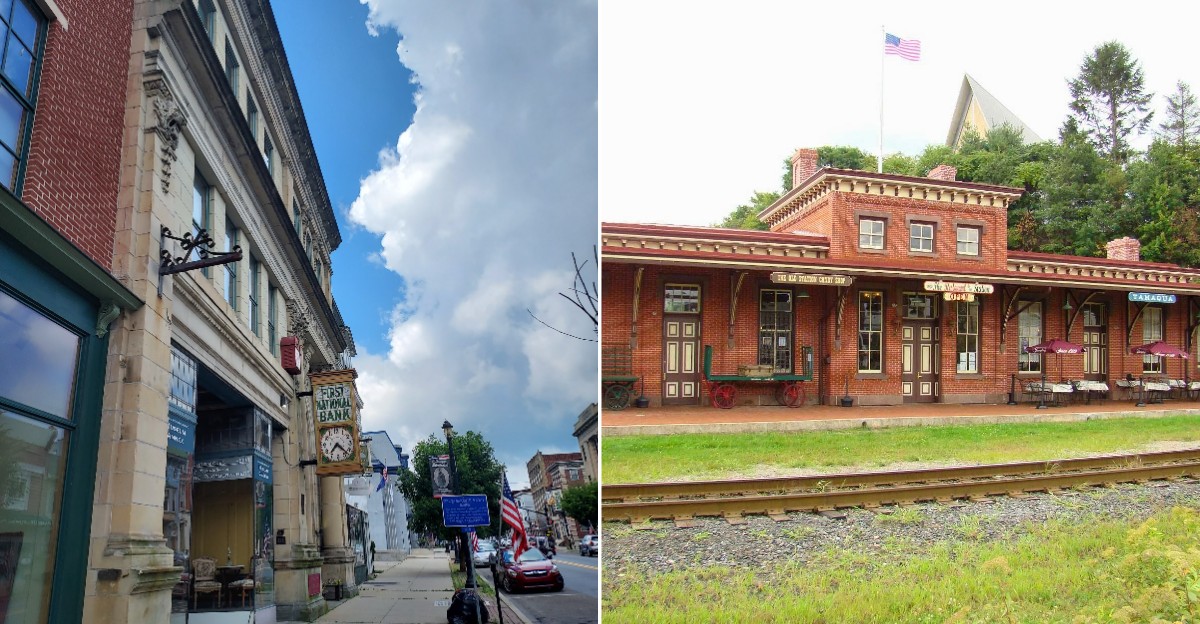
Nearly 1,000 buildings in one small borough count toward a single historic district.
That’s not a typo. People still live, shop, and work inside these old walls every single day.
The oldest home in town is a log house built in 1801. Nearby stands a stone hotel from 1827 and a railroad station that still sees trains.
This corner of Pennsylvania wears its coal-country past right on the front porch.
I like how the history here feels lived in rather than roped off. Fancy cornices, colorful art glass, and brick storefronts show up almost everywhere you turn.
I can’t imagine a better place to slow down and actually notice a building.
So how does nearly a whole town end up on the National Register, and what should you see first?
Almost 1,000 Old Buildings Means You Can’t Miss The History Here
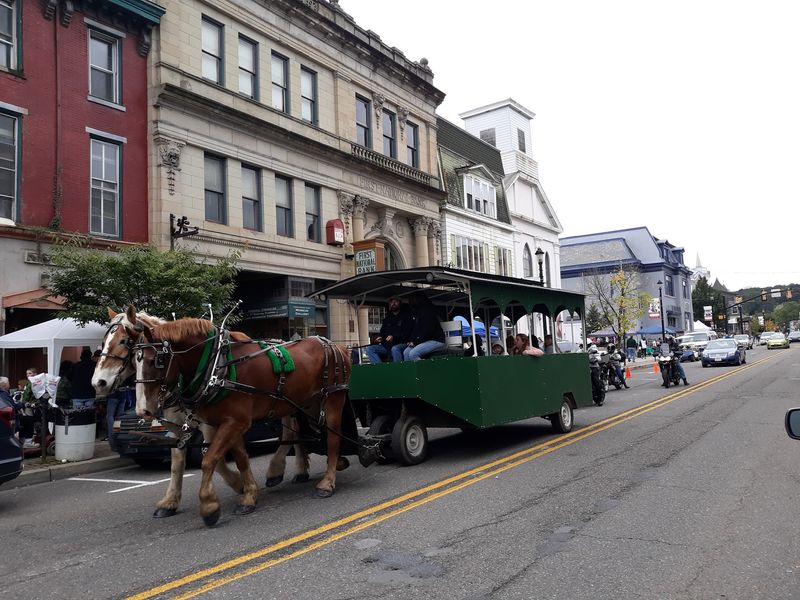
Some historic districts protect just a block or two. The Tamaqua Historic District covers a substantial portion of the borough’s downtown and surrounding neighborhoods.
Listed on the National Register of Historic Places in 2001, the district includes 976 buildings, of which 944 are contributing historic buildings.
It also counts three sites, eight structures, and three objects spread across 178.6 acres.
That’s a lot of ground for a small borough in Schuylkill County. You don’t hunt for history here, because it lines both sides of many streets.
The best part is that none of it is frozen behind glass. Homes have families inside, and storefronts still serve as working businesses.
That mix gives the Tamaqua Historic District a real, everyday feel. You’re strolling through a functioning town with more than a century of history visible in its architecture.
A walk is the smartest way to take it in. Comfortable shoes help, since the valley streets rise and dip as you explore.
Look up as often as you look ahead. Many of the most charming details sit at rooftop level, where cornices and trim show off old craftsmanship.
Bring a camera and some patience. Almost every block offers another facade worth a second glance.
Coal Built This Valley, And The Streets Still Show It
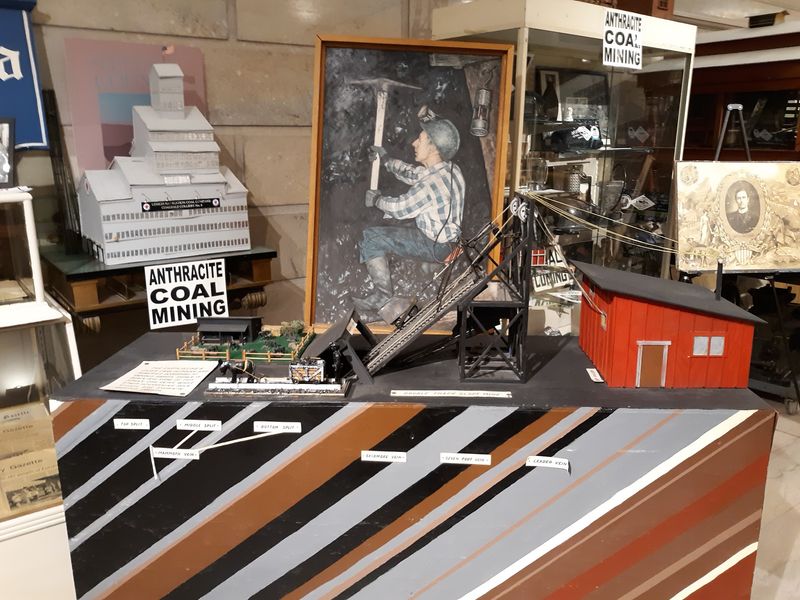
Anthracite coal is the reason this town grew so fast. In the 1800s, hard coal from nearby mines turned a quiet valley into a busy transportation hub.
Location did a lot of the heavy lifting. Tamaqua sits where the Little Schuylkill River and Panther Creek meet, a natural path for moving freight.
Railroads arrived early, with the Little Schuylkill Railroad dating back to 1831. Rail lines linked surrounding mines to bigger markets, and money followed the coal.
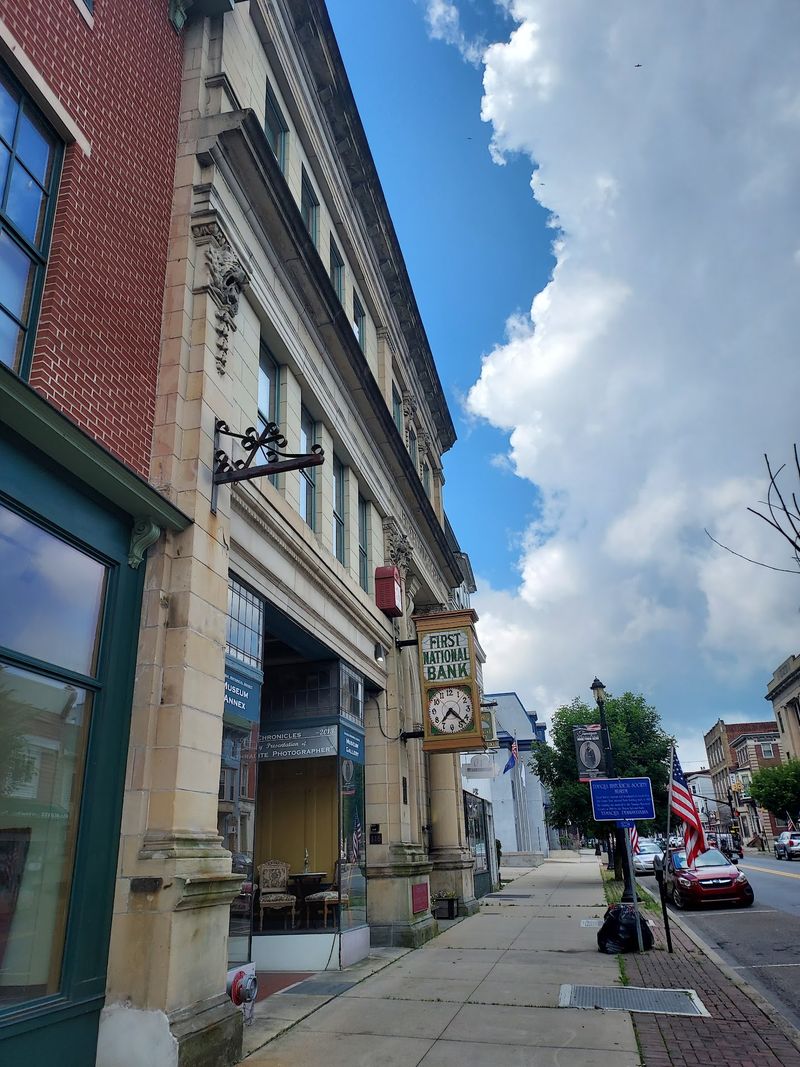
That wealth shows up in the architecture today. Merchants and families built sturdy brick homes and showy storefronts during the boom years.
As you wander, you’re basically reading a timeline in brick and stone. Older, simpler buildings sit near grander structures from the town’s busiest era.
Tamaqua also took steps to preserve its architectural heritage. The historic district joined the National Register of Historic Places in 2001, and the borough adopted a historic preservation ordinance in 2002.
Those measures help protect the character of the historic district. Many original buildings remain, preserving a streetscape shaped by the town’s industrial past.
Keep that story in mind on your walk. Each cornice and doorway connects back to the black rock that built the valley.
Your Neck Will Get A Workout From All The Fancy Details
Queen Anne, Italianate, Second Empire, Colonial Revival. Reading the list of styles here feels like flipping through an architecture textbook.
Most buildings date to the late 19th and early 20th centuries. You’ll also spot Greek Revival, Craftsman, Tudor Revival, Mission, Prairie, and American Foursquare designs.
Some buildings even blend several styles at once. Builders back then clearly weren’t shy about mixing ideas.
Homes in the district are mostly two stories tall. Commercial buildings usually rise three or four stories, which gives Broad Street its tall, solid look.
Keep an eye out for decorative art glass, one of the district’s signature touches. Colorful panes show up in many homes and businesses throughout town.
Brickwork and cornices deserve attention too. Small flourishes reveal a time when builders took real pride in their trim.
A fun game is picking a favorite style as you walk. By the third block, you’ll probably change your answer.
Morning or late-afternoon light makes the glass and brick look their best. Just be careful crossing streets while staring at rooftops.
Meet The Log House That Started Everything Back In 1801
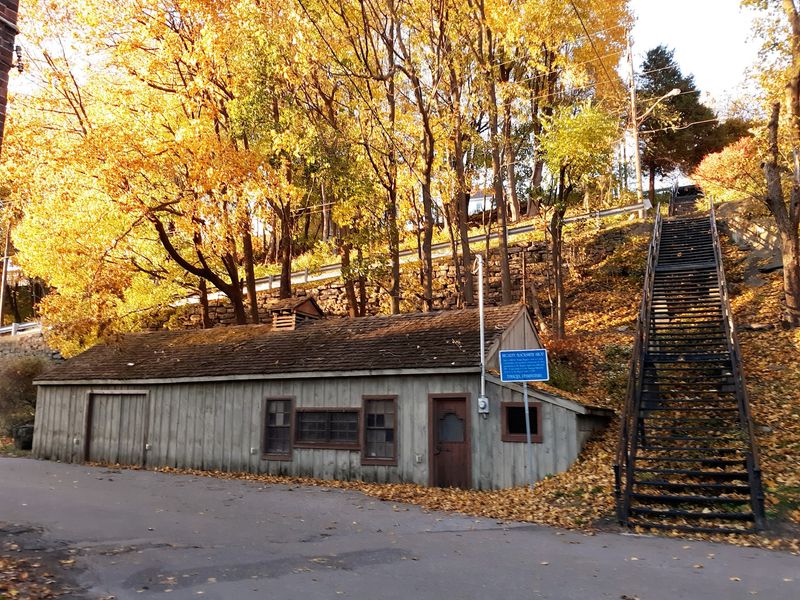
Every town starts somewhere, and Tamaqua started with logs. The Burkhardt Moser Log Home dates to 1801 and holds the title of oldest home in town.
Burkhardt Moser was the borough’s founder. His modest house marks the very first chapter of the community you see today.
Compare it to the tall brick blocks downtown and the contrast is striking. One family’s cabin eventually led to nearly a thousand historic buildings.
The Tamaqua Historical Society now cares for the log home. That stewardship keeps this tiny piece of early America in good hands.
Kids especially tend to get this place right away. A log house makes history feel simple and real in a way textbooks rarely do.
Visiting it first makes a great starting point for a walking tour. You’ll see how much the town changed once coal and railroads arrived.
Check with the historical society about access before you go. Special events sometimes offer the best chance to see historic sites up close.
Even from outside, the cabin tells a powerful story. It’s proof that big things can grow from very humble beginnings.
A Stone Hotel And A Train Station Share The Spotlight
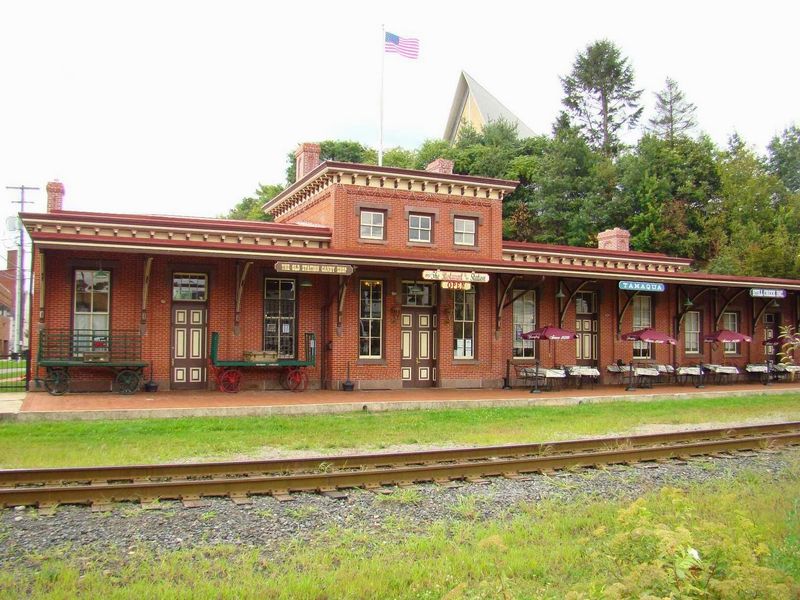
Back in 1827, someone decided Tamaqua needed a place for travelers to stay. The result was the Little Schuylkill Hotel, the town’s earliest hotel.
It was also the first stone building in Tamaqua. That made it one of the area’s first commercial buildings, too.
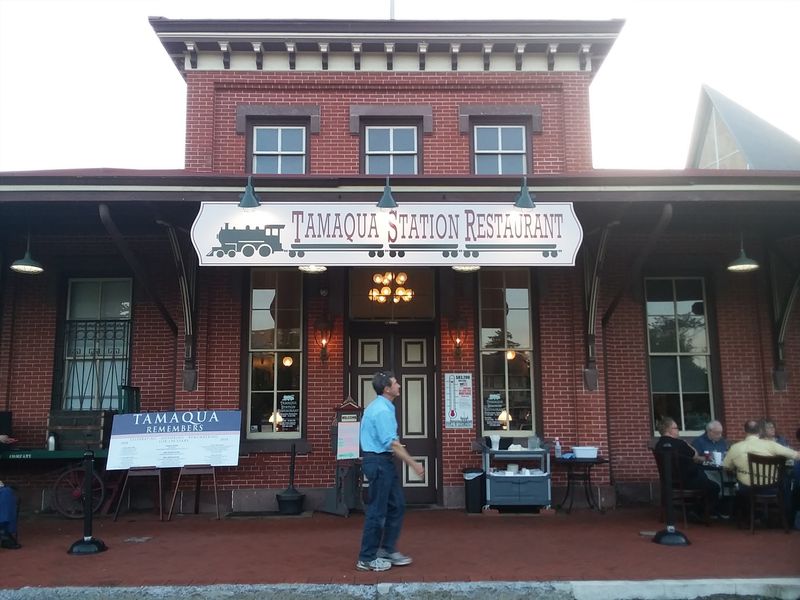
Fast forward to 1874, and the railroad got a handsome new home. Tamaqua Station was built in the Italianate style, with all the graceful lines that suggests.
The station isn’t just a pretty leftover. It still plays an active role as a visitor center and boarding point for excursion trains.
Those trips are run by the Reading Blue Mountain and Northern Railroad. Riding one is a neat way to connect the town’s rail history with today.
Check the railroad’s schedule ahead of time, since excursions vary by season. Planning around a train ride can make your day feel extra special.
Between the hotel and the station, you get two very different eras. One shows early ambition, while the other shows coal-era confidence.
Snap photos of both. Side by side, they tell the story of a town on the move.
Start Your Visit Where The Town Keeps Its Memories
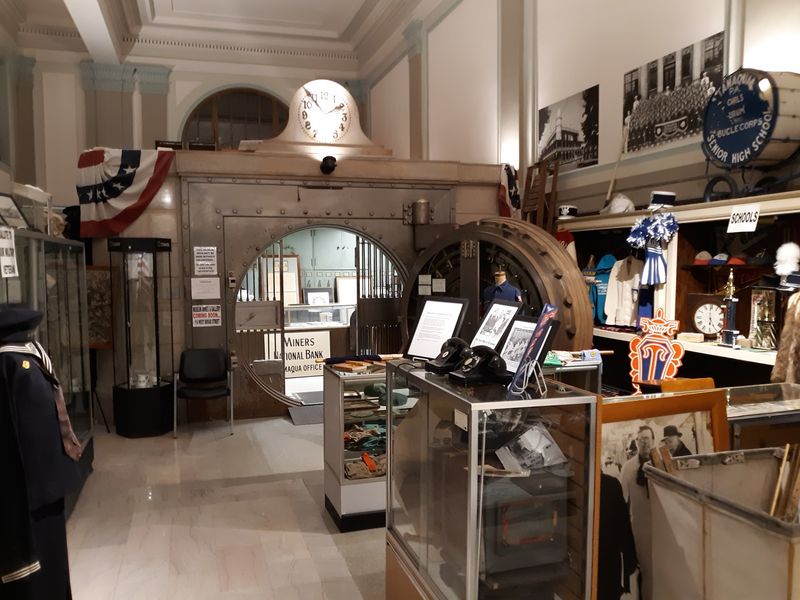
Good news for planners: the district has an unofficial front door.
The Tamaqua Historical Society operates its museum at 118 W Broad Street, Tamaqua, PA 18252.
Inside, collections cover local history and anthracite coal heritage. Artifacts, historic photographs, and preserved documents fill the space.
Rotating exhibits keep things fresh. A return trip might reveal something you completely missed before.
The museum is open Thursday and Friday evenings from 5 to 8 p.m. and Saturdays from 9 a.m. to noon. Other times may be available by appointment, so reach out ahead if those hours don’t work.
Those hours fit nicely into a day trip. Explore the streets, then head inside to learn more about what you saw.
The society does more than run a museum. It also maintains the 1801 Moser Log Home and the 1848 Hegarty Blacksmith Shop.
That makes these folks important caretakers of the Tamaqua Historic District’s story. Their work helps keep local culture alive for future generations.
Treat this stop as your orientation. Once you understand the background, every building outside becomes a lot more interesting.
Sparks Fly Every October When The Town Celebrates Its Past
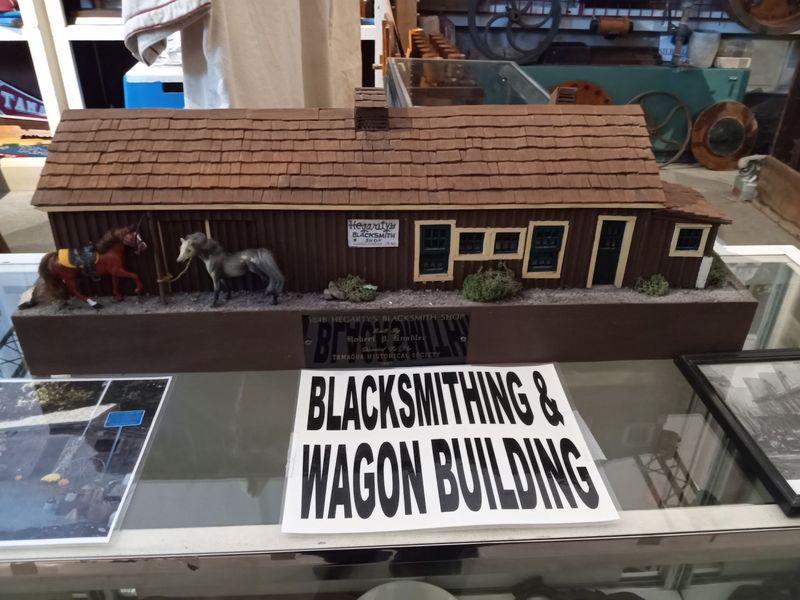
Hammer, anvil, and a glowing piece of iron. That’s the scene at the 1848 Hegarty Blacksmith Shop during the right weekend.
The Tamaqua Heritage Festival happens every October, and admission is free. It celebrates local history with artisans, entertainment, and hands-on demonstrations.
Live blacksmithing is a highlight for many families. Tours of the Hegarty shop and the Tamaqua Wagon Works Museum add even more old-school charm.
Horse-drawn carriage rides fit right in with the historic streets. The Tamaqua Anthracite Model Railroad Club also hosts an open house.
Fall foliage on the surrounding hills makes the timing even better. The brick buildings look especially warm against red and orange trees.
Summer brings its own celebration, too. Tamaqua Summerfest in June features local artists, train rides, and a street fair.
Planning a visit around one of these events is a smart move. You’ll see historic sites come alive instead of just admiring them from the sidewalk.
Check dates in advance, since schedules can shift from year to year. Then show up ready to linger.
Old Rail Lines Turned Into Trails Make Great Breathers
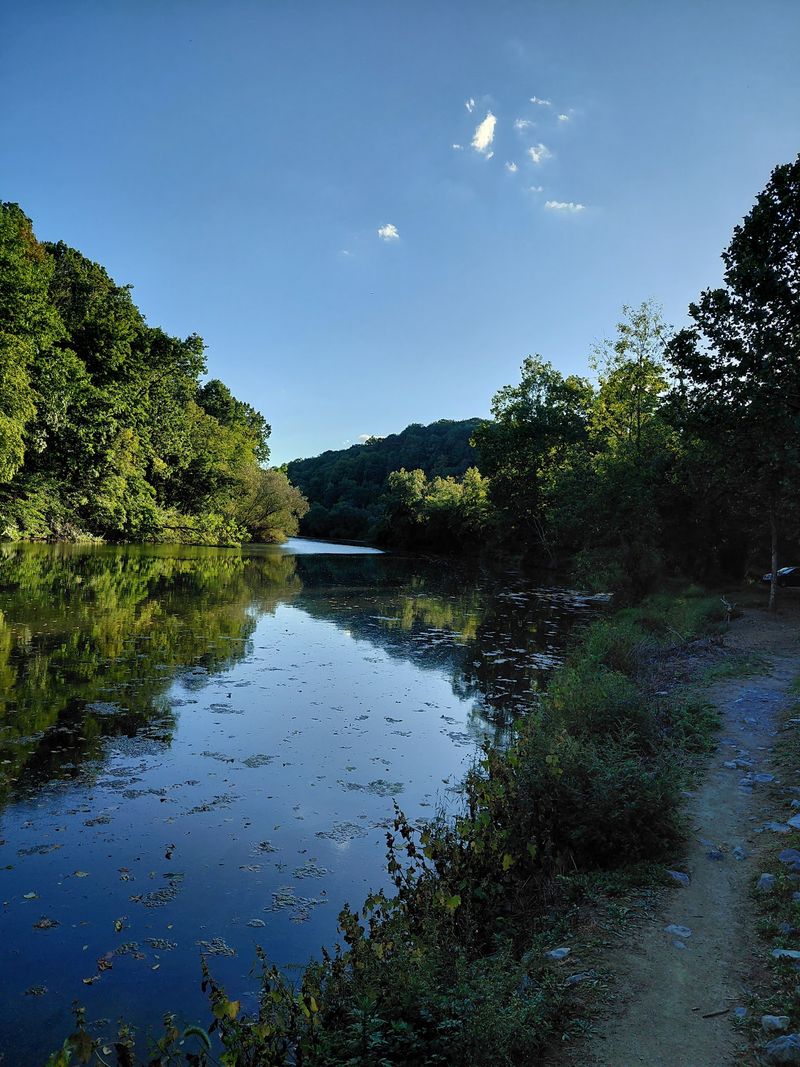
After a few hours of staring at cornices, your eyes deserve some trees. Luckily, the hills around Tamaqua deliver plenty of them.
The borough sits in a valley framed by Appalachian foothills. Rivers, ridges, and old rail beds create an easy escape from the sidewalks.
Several former railroad corridors now serve as walking and biking paths. The Lehigh and New England Trail follows an old railroad route parallel to Route 309 for approximately 2.7 miles, just south of Tamaqua.
The Schuylkill Valley Heritage Trail runs between Tamaqua and Middleport, passing through former mining country. It’s a cool way to see coal history from a completely different angle.
Nearby Tuscarora and Locust Lake State Parks add even more outdoor options. Both make the area a handy base for exploring rural Pennsylvania.
Pack water and sturdy shoes if you plan to hit a trail. Weather in the valley can change, so a light jacket helps too.
Combining a trail walk with a downtown stroll makes for a balanced day. You’ll see both the industry and the landscape that shaped this town.
Bonus: fresh air makes the ice cream break afterward feel well earned.
Art Shows And Coal Country Day Trips Round Out The Fun
History is the headliner, but the town has a creative side too. The Tamaqua Community Arts Center on Pine Street keeps things lively.
Monthly art shows feature local Pennsylvania artists. Classes in pottery and other crafts give visitors a chance to get their hands busy.
The stage hosts concerts and plays throughout the year. It’s a fun reminder that old buildings can support very current energy.
Beyond town limits, the Coal Region offers more to explore. The No. 9 Mine Museum shares the daily lives of anthracite miners.
Jim Thorpe, once called Mauch Chunk, is another easy side trip. Its Victorian architecture pairs nicely with what you’ve already seen.
Molly Maguire sites around the region tell stories of Irish coal miners in the 1800s. Those tales add depth to everything you learned downtown.
A weekend lets you blend art, history, and scenery without rushing. Tamaqua makes a comfortable home base for all of it.
By the time you leave, you’ll look at small towns differently. Turns out the best history lessons sometimes come with front porches.