
With Petroglyphs And Lake Views Up Top, This Volcanic Butte Feels Like A Movie Set In Arizona
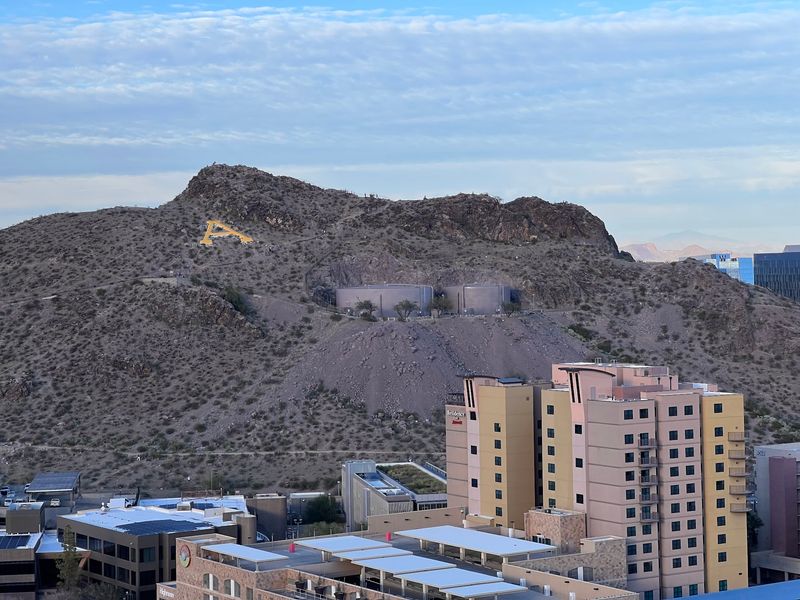
Hundreds of Hohokam rock carvings sit on a volcanic hill right next to a college football stadium. Spirals, zigzags, and little lizard figures were pecked into dark stone more than 500 years ago.
The hill itself formed roughly 20 million years ago. Today it wears a giant gold letter near the top, and a lake shines just below it.
I like how this spot squeezes ancient art, old pioneer stories, and city views into one short climb. You can reach the summit in well under an hour.
You can also hop off a train or trolley nearby instead of driving for hours into the desert.
Arizona has plenty of grand landscapes, but few are this easy to reach. So how does a quick downtown hike end up feeling like the opening scene of a film?
A Volcanic Hill Hiding In Plain Sight Downtown
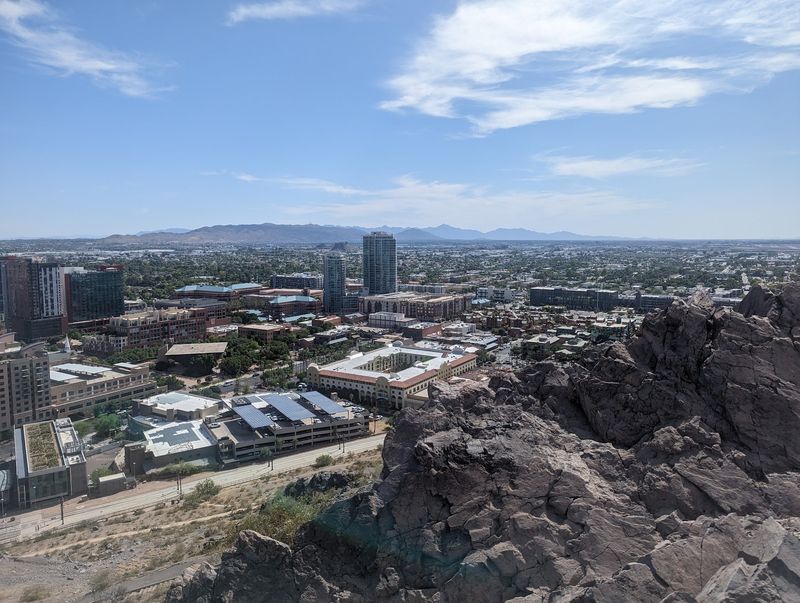
Right in the middle of downtown Tempe, a rocky brown hill pokes up between the buildings. Its official name is Hayden Butte Preserve Park, though most folks call it Tempe Butte or simply A Mountain.
The butte sits near Arizona State University’s Tempe campus, close to Mill Avenue and 5th Street. Its mailing address is listed as Tempe, AZ 85281, which tells you how central it really is.
Geologists classify it as an andesite butte of volcanic origin. That’s a fancy way of saying it started as fiery rock and has been weathering ever since.
What makes it fun is the contrast. You get desert boulders and ancient carvings on one side, and coffee shops and campus life on the other.
Most mountains make you drive somewhere far away first. This one waits for you at the end of a city block, which feels a little like cheating.
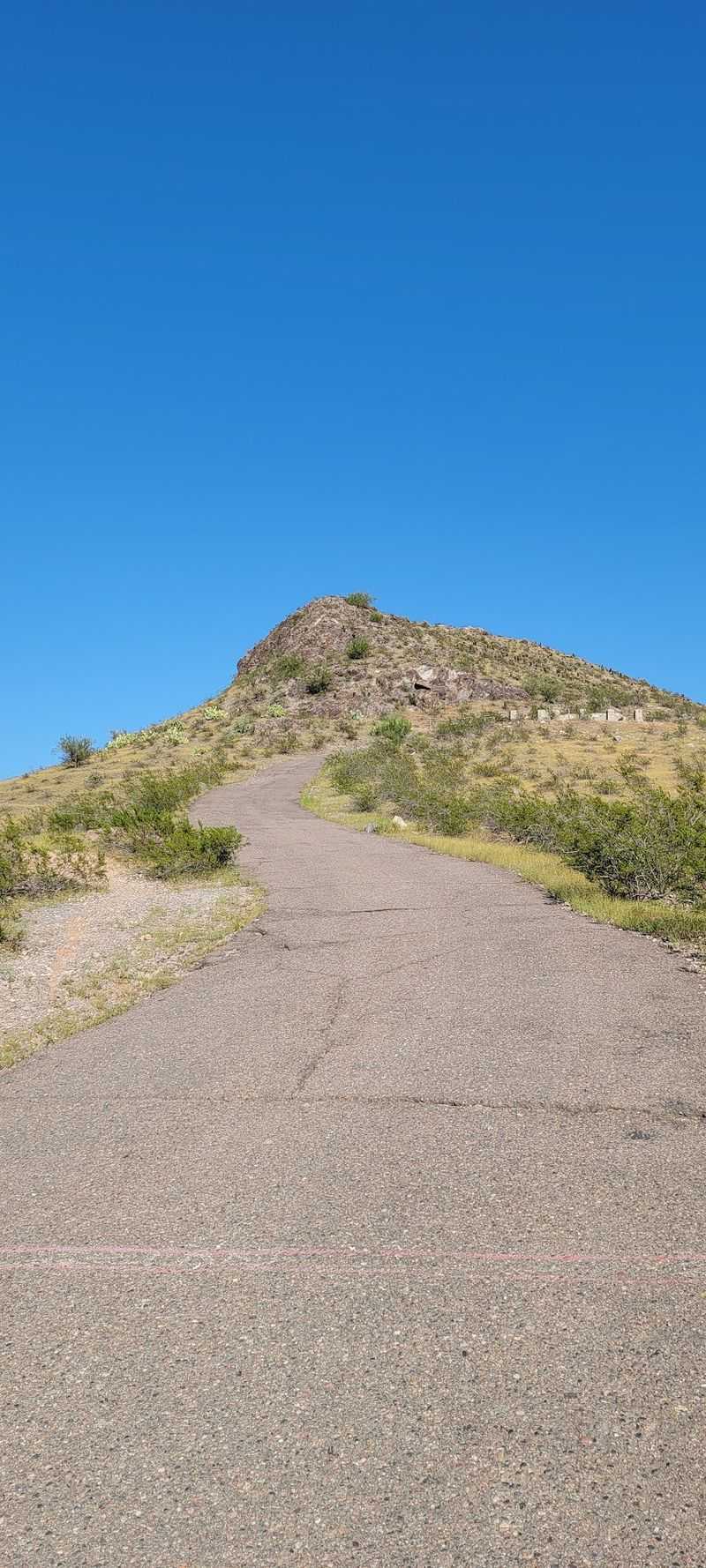
It’s also a quick climb, roughly half a mile to the top. That short distance packs in history, rock art, and some of the best city views in Arizona.
Not bad for a hill you can spot from a trolley window.
Twenty Million Years Of Rock Under Your Sneakers
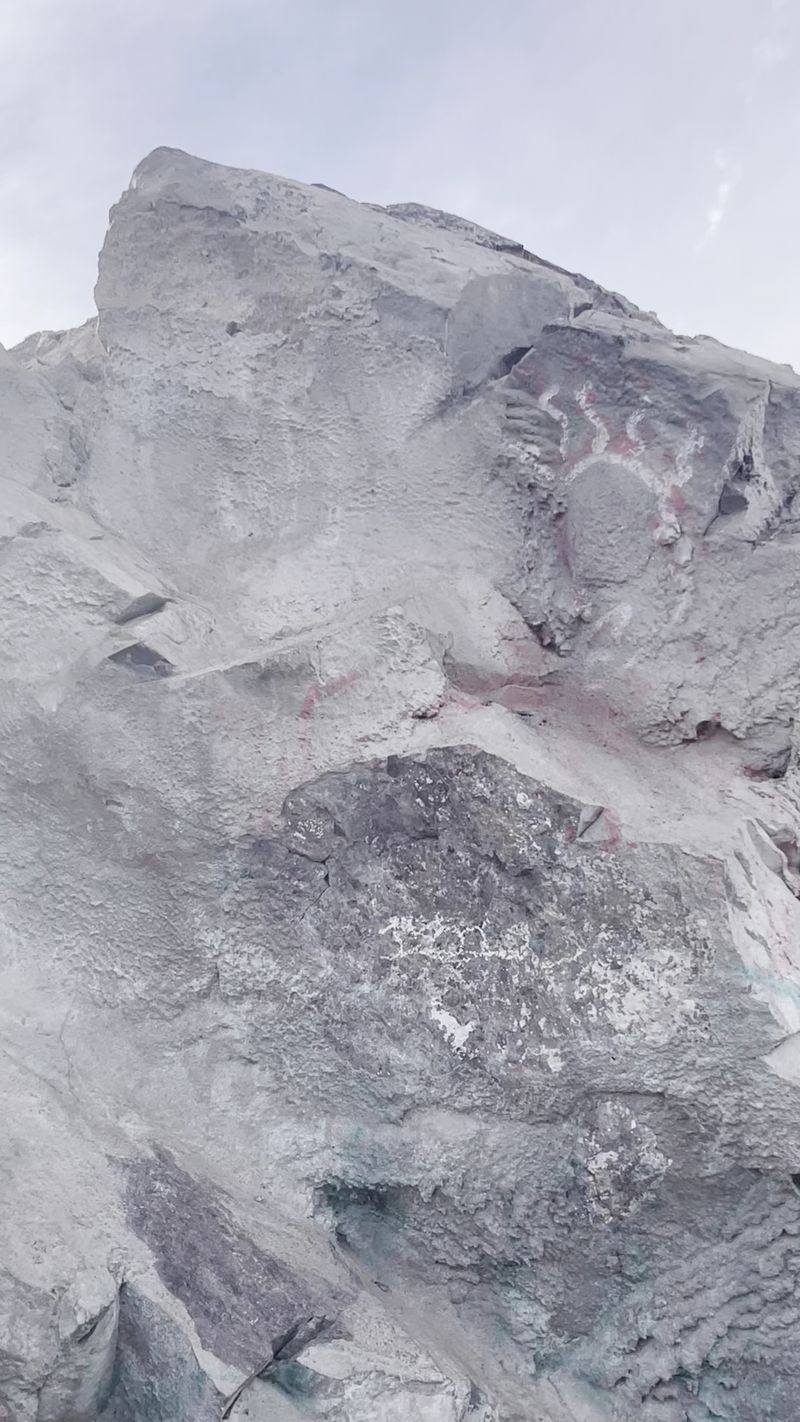
Scientists estimate the butte formed around 20 million years ago, during the Miocene. That makes it older than pretty much anything else you’ll see on Mill Avenue.
Its story came together in layers. Volcanic ash settled first, then river deposits, and finally a flow of andesite lava capped things off.
Over millions of years, erosion went to work like a patient sculptor. It carved those layers into the steep, tilted shape you see today.
Look closely at the slopes and the rock strata seem to lean at an angle. That tilt is part of the geologic record, not a wobbly photo.
The dark surface of the stone matters too. It’s the canvas that later made the famous petroglyphs possible.
I believe knowing this backstory changes the hike. Every step becomes a stroll across a page of ancient Arizona history written in stone.
Even if geology isn’t your thing, the rugged texture looks fantastic in photos. Rough boulders against a modern skyline give the whole place its movie-set vibe.
So when your calves start burning, blame the volcano. It’s been building this workout for a very long time.
Spirals, Lizards, And Deer Pecked Into Stone
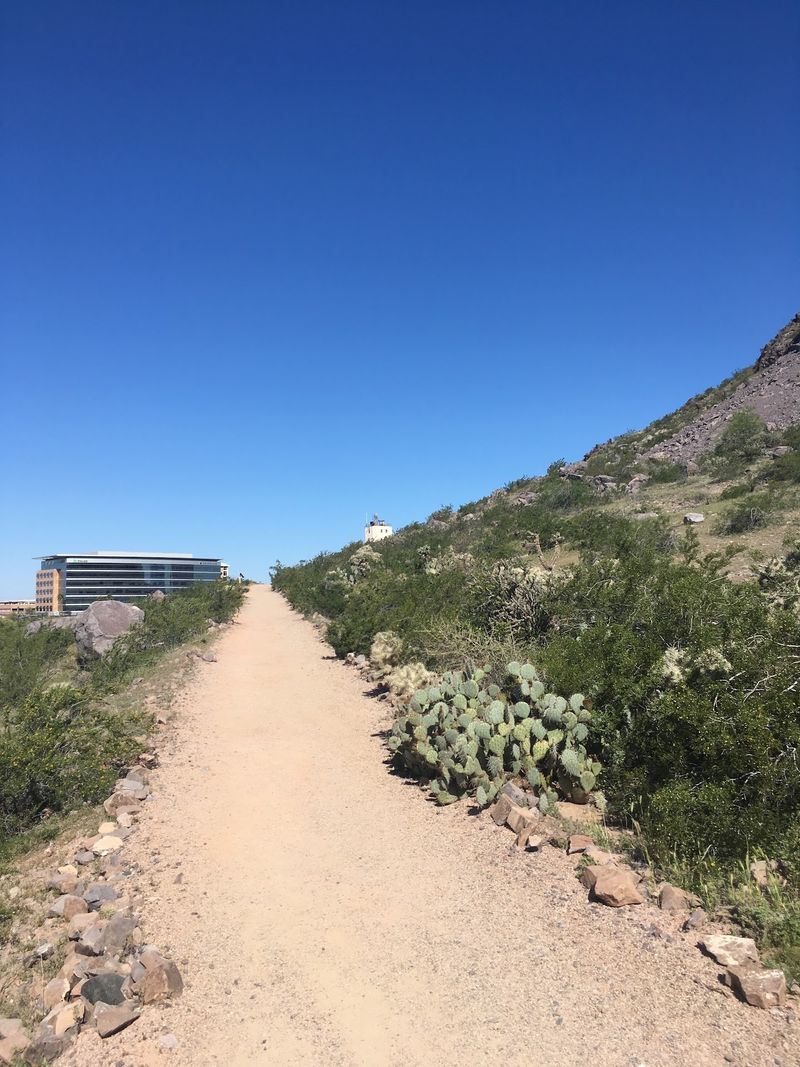
Long before stadium lights, the Hohokam people left their mark here. They created hundreds of petroglyphs on the butte between roughly A.D. 750 and 1450.
The technique was clever. Artists pecked through the dark outer coating of the rock to reveal lighter stone underneath.
The designs are wonderfully varied. You’ll find spirals, concentric circles, and zigzag lines alongside figures resembling people, lizards, and deer.
The south side of the butte holds the heaviest concentration. That’s the area to focus on if spotting rock art is your main mission.
Nobody can say for certain what every symbol meant. That mystery is half the magic, and it gives you plenty to ponder on the way up.
It feels like an open-air gallery that took centuries to curate. And unlike most galleries, there’s no ticket line or velvet rope.
Bring patience and sharp eyes. Some carvings blend into the rock until the light hits them just right.
Looking is welcome, but touching is not. Oils from hands can harm these fragile images, so admire them from the trail and let your camera do the collecting.
Ancestral Ground For The O’odham And Piipaash
For many Arizonans, this hill is far more than a scenic perch. It’s part of the ancestral homelands of the O’odham and Piipaash peoples.
The butte holds deep spiritual and cultural meaning for the Salt River Pima-Maricopa Indian Community. It also matters to the Four Southern Tribes of Arizona.
The rock art on its slopes acts as a living link to ancestors. That connection makes every carving more than a curiosity.
Knowing this shapes how you visit. Staying on the marked paths isn’t just a rule, it’s a form of respect.
Quiet moments fit naturally here. Pause at a lookout, take in the landscape, and remember people have treasured this ground for generations.
I can’t imagine a better reason to slow down on a hike. The view gets better when you understand who looked out from here first.
Parents can turn the climb into a gentle lesson for kids. Pointing out the carvings and explaining why we don’t touch them makes the visit memorable.
Small choices add up. Leave rocks where they sit, keep voices friendly, and let the hill keep its stories intact.
How A Flour Mill Founder Lent The Hill His Name
Ever wonder why it’s called Hayden Butte? Credit goes to Charles Trumbull Hayden, often called the founder of Tempe.
In the late 1800s, Hayden set up a ferry service and a flour mill at the base of the butte. Those businesses helped a small settlement grow into a town.
The Hayden Flour Mill site still stands nearby. It’s recognized as the oldest industrial site in the Salt River Valley.
You can even trace where Hayden’s former home stood. Pioneer history and ancient history share the same patch of ground here.
In 2011, the butte was listed on the National Register of Historic Places. That honor recognizes its layered historical and cultural importance.
Think about the timeline for a second. Hohokam artists, pioneer millers, and modern students all left their stories within a few hundred yards.
That’s a lot of history for one compact hill. Most museums would need several wings to hold it all.
A walk around the base before or after your climb adds context. Seeing the old mill makes the summit view feel connected to how the city began.
That Giant Gold Letter Has Changed Its Mind Twice
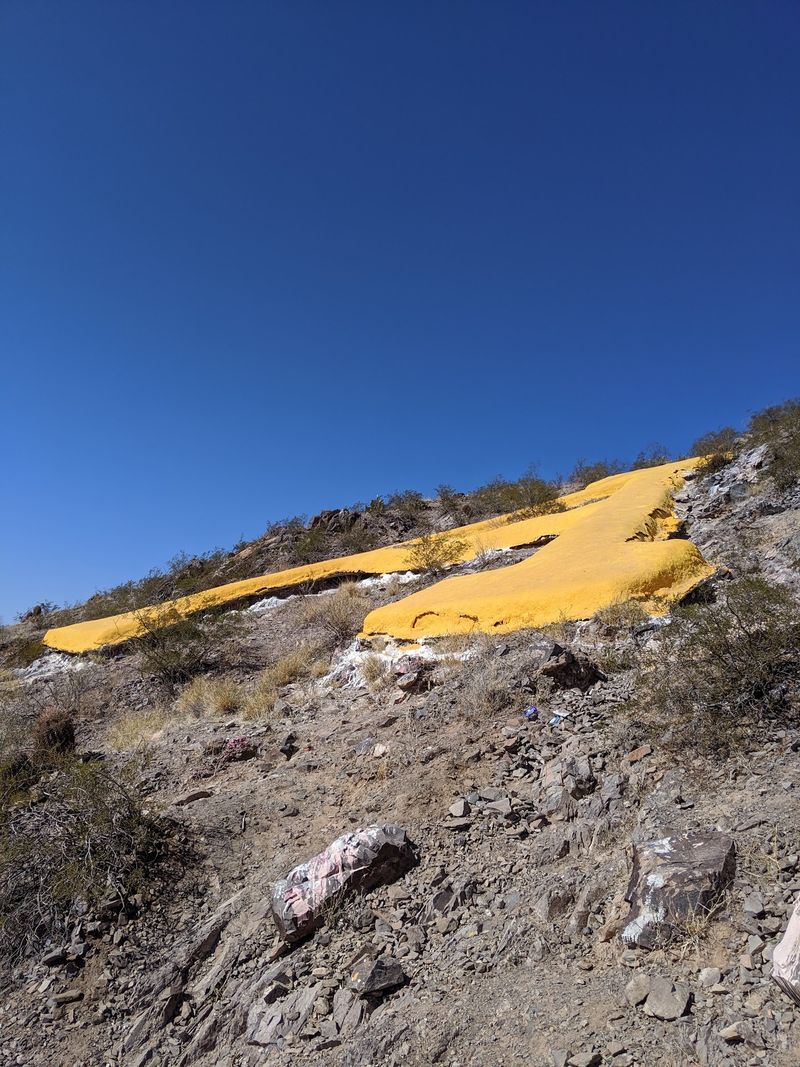
The letter on this hill wasn’t always an A. Back in 1917, students from the Tempe Normal School placed an N on the butte.
In 1925, the letter switched to a T. Then in 1938 it became an A, matching the school’s growth into what we now call ASU.
The current version dates to 1955. Builders made it from reinforced steel and concrete after an earlier letter was destroyed by vandals.
Today the gold A stretches about 60 feet tall near the summit. It’s impossible to miss and pretty much defines the nickname A Mountain.
For Sun Devil fans, it’s a symbol of school spirit. For everyone else, it’s a handy landmark that makes giving directions easy.
Families often treat the letter as a fun rest stop. Kids tend to love exploring around it on the way back down.
It’s also a great photo backdrop. A giant gold letter on volcanic rock looks like something a set designer dreamed up.
Just remember the A has a long story too. Snap your picture and appreciate a tradition older than most of the buildings below.
Short Trail, Serious Incline
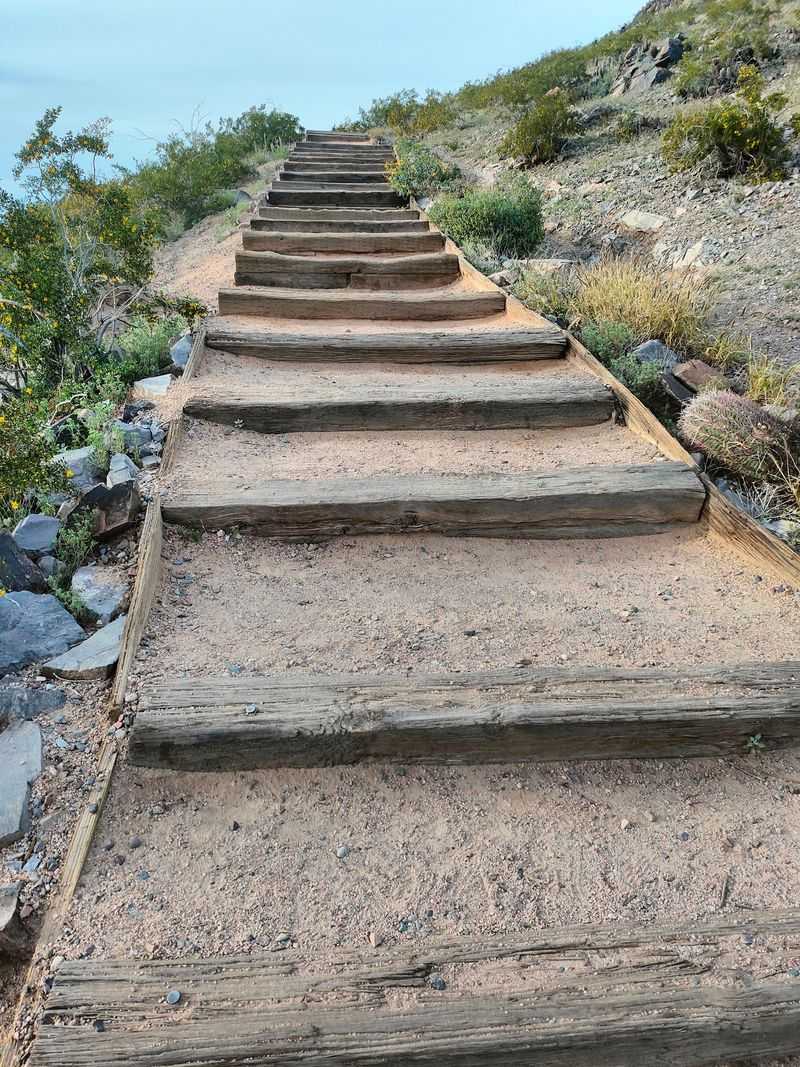
Half a mile doesn’t sound like much. Then the trail tilts upward and your legs start filing complaints.
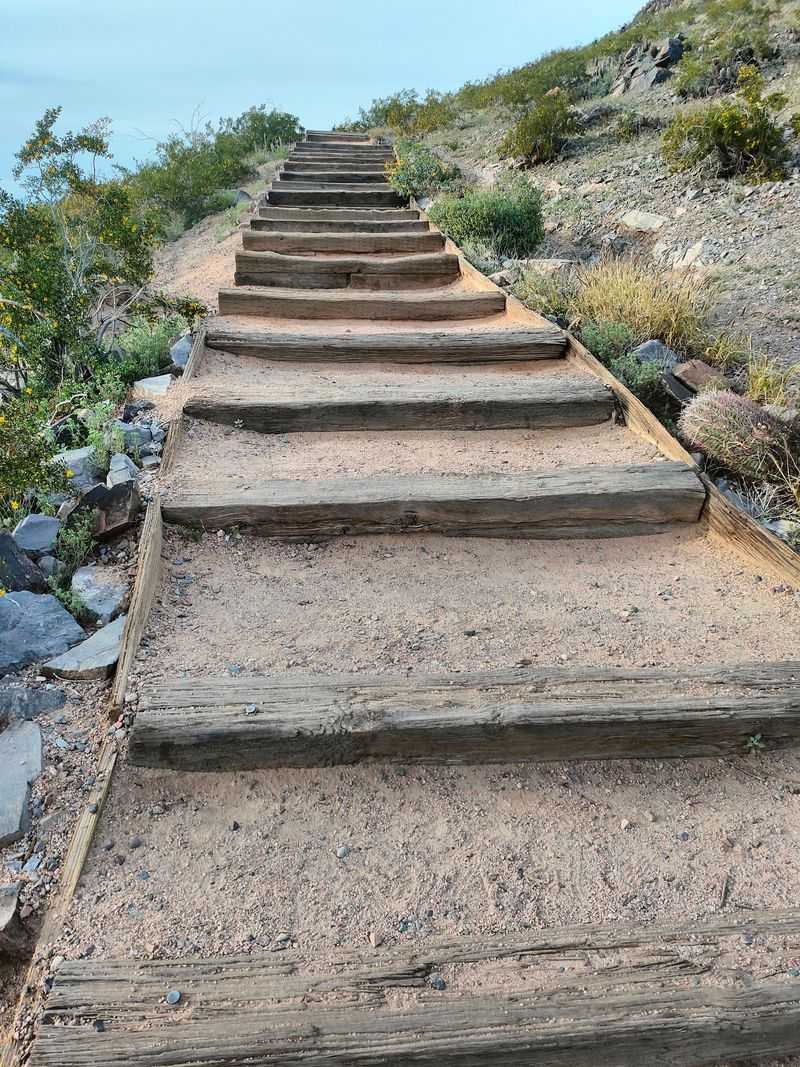
The route is out and back, with a mix of paved stretches and dirt paths. Steps appear near the top, and metal railings help on steeper sections.
The Leonard Monti Trail is a popular way to reach the summit. A viewing area sits about halfway up, perfect for catching your breath.
Many hikers finish the round trip in well under an hour. Speedy folks reach the top in 15 to 30 minutes.
Loose gravel and big rocks dot parts of the path. Shoes with good traction make a real difference, especially near the summit.
Some sections show wear, and unofficial side paths have formed. Sticking to the main trail is safer for you and kinder to the hill.
The park is largely not wheelchair accessible. Anyone with walking difficulties may find the steep grades challenging.
Still, the effort-to-reward ratio is excellent. You get a genuine workout and a mountaintop view without leaving the city, which feels like a pretty sweet deal.
Lake Views That Steal The Whole Show
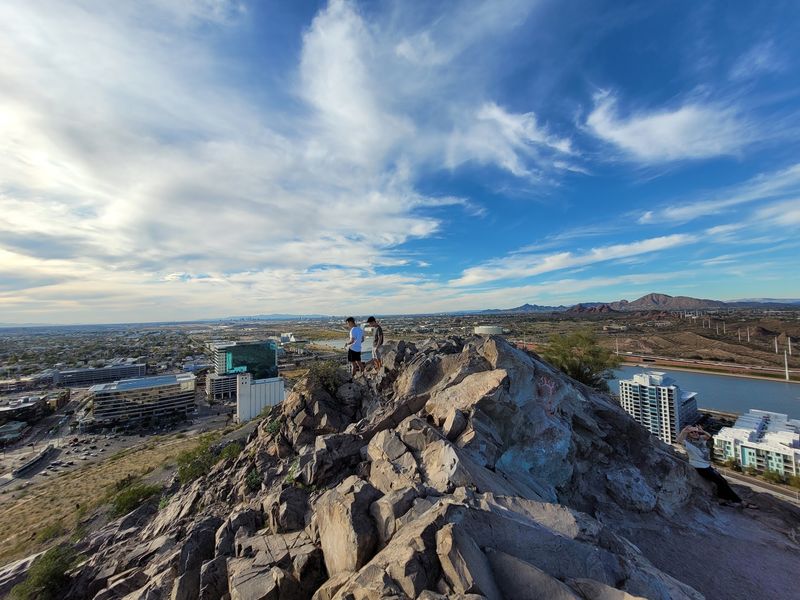
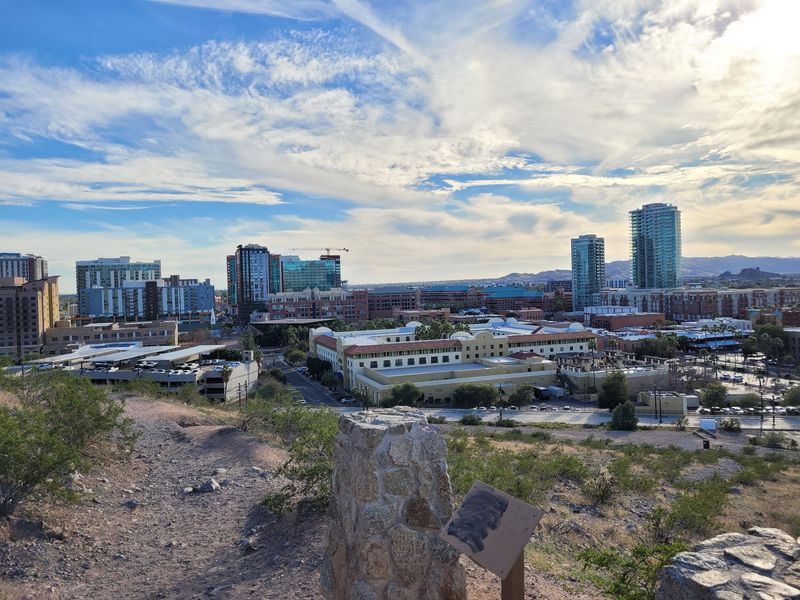
Reach the top and Tempe Town Lake shimmers right below you. It’s a reservoir formed by damming the Salt River, and it reflects the sky like a mirror.
From up here, the water and skyline frame each other beautifully. It’s the kind of view that makes you forget you were just huffing up stairs.
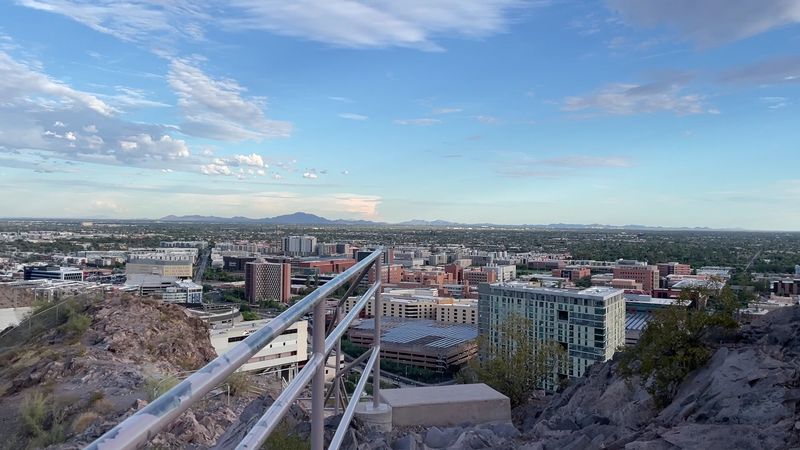
The summit offers a full 360-degree panorama. Downtown Tempe, the ASU campus, and Sun Devil Stadium all spread out around you.
On clear days, the horizon gets crowded with mountains. Look for Camelback, the Superstitions, Four Peaks, South Mountain, and the Papago buttes.
Planes also glide in and out of the valley, adding a little motion to the scene. Aviation fans get a bonus show.
I like how the view mixes water, desert, and city in one sweep. It’s rare to see Arizona’s personality laid out so neatly.
Take a slow turn and soak in every direction. Then find a spot on the rocks and just look for a while.
Good luck putting your phone away. The lake practically begs for a photo.
Sunset Is The Butte’s Most Popular Time Slot
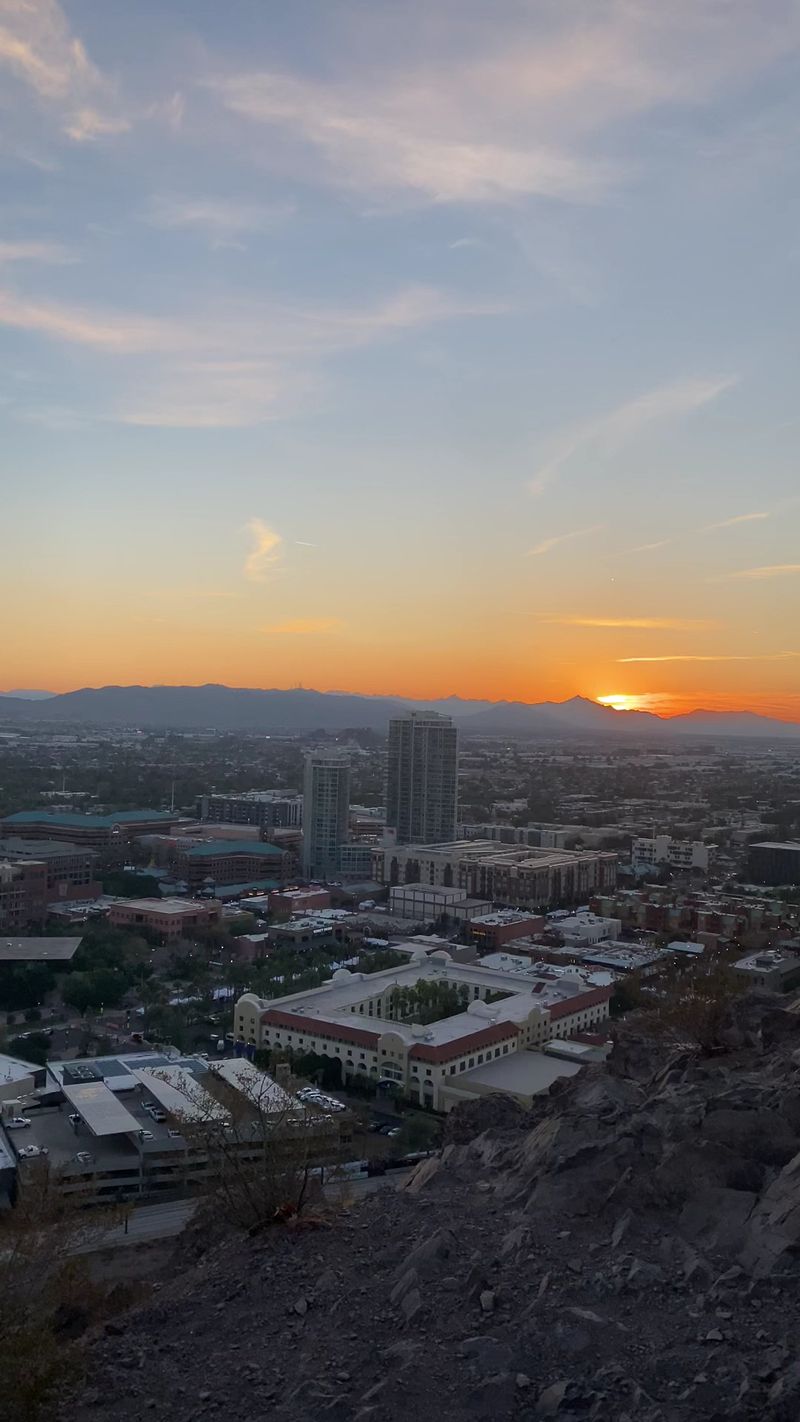
When the sun drops, this hill fills up fast. Sunset is easily the most celebrated time to make the climb.
Warm light spills across the valley and paints the lake gold. Distant ranges glow, then fade into soft blue outlines.
That beauty comes with company. Sunrise and sunset tend to be the busiest times on the trail.
Arriving a bit early helps you snag a comfortable spot near the top. It also gives you time to climb without rushing.
Thanks to hours that run until 10 p.m., evening hikes are easy to fit in. City lights flicker on as you head back down.
Night hikes are a smart move in the hot months. Cooler air makes the incline far more pleasant.
Bring a small flashlight for the descent. Gravel and steps feel trickier in dim light.
Morning people can claim sunrise instead. The valley wakes up below you, and the rocks catch that first pink glow.
Either way, timing your visit with the sun turns a quick workout into a scene straight out of a film.
Protecting Art That Can’t Be Replaced
Easy access is a blessing and a challenge. Petroglyphs here have been damaged by people wandering off trails and by graffiti.
The City of Tempe has spent significant money restoring carvings, at times up to $20,000 a year. That’s a big cleanup bill for avoidable harm.
In 2002, the city designated Hayden Butte as a preserve. The move added protections and formal recognition of the site’s value.
Visitors are asked to follow rock art manners. Stay on trails, skip touching the carvings, and leave everything where you found it.
Local groups also help keep the area clean and cared for. That teamwork shows how much the community values this hill.
Scrambling up a random slope might look adventurous. It’s risky for you and can scar fragile rock that took centuries to decorate.
Teaching kids these simple rules makes them part of the solution. Little hikers love having an important job.
Every respectful visit helps future visitors see the same spirals and lizards. That’s a legacy worth protecting, and it costs nothing but a little care.
Little Legs Can Handle This Climb
Got kids who get bored on long hikes? This trail is short enough to keep them interested and exciting enough to feel like an adventure.
Families with children as young as three have tackled the climb. The halfway lookout makes a natural snack and rest stop.
Railings help on steep parts, but keep a close hand on small kids. A little one could slip between rails if you’re not watching.
The giant A is a big hit on the way down. Kids can explore around the letter and burn off any leftover energy.
Spotting petroglyphs turns the hike into a treasure hunt. Ask young hikers to find a spiral or a lizard figure.
Hummingbirds sometimes zip around the slopes too. Wildlife sightings add another fun surprise.
Pack water, even for a short outing. Arizona heat sneaks up quickly, especially in the afternoon.
Sturdy shoes beat flip-flops every time here. Loose gravel doesn’t play favorites.
For families on a budget, this is a free outing with real payoff. A summit view and a history lesson in under an hour is hard to beat.
Getting There Without The Parking Headache
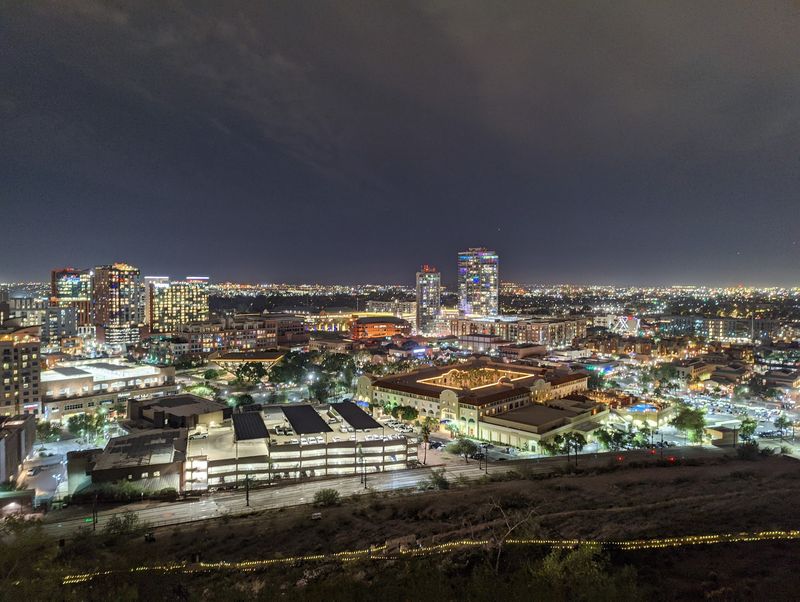
Good news for anyone tired of hunting for spaces. The butte sits within easy walking distance of light rail and the Tempe Streetcar.
Riders coming from downtown Phoenix can arrive by train in about 20 minutes. That’s a pretty relaxed way to start a hike.
Driving works too, with plenty of parking options nearby. Just know that parking isn’t always free in downtown Tempe.
Big events can make spaces scarce. Festivals and game days tend to squeeze nearby lots.
The preserve is open every day of the year from 6 a.m. to 10 p.m. Those long hours make it easy to plan around work or school.
There are no water stations or restrooms on the trail itself. Downtown businesses are close, so amenities are never far.
Head toward Mill Avenue and 5th Street to find your way. The hill is hard to miss, especially with that gold letter showing the way.
Once you arrive, start early in summer and bring water. A few minutes of planning keeps the visit smooth and lets the views do the rest.
Turn One Hike Into A Whole Tempe Afternoon

Coming down the trail, you land right in the heart of downtown Tempe. That makes it simple to stretch a quick climb into a full outing.
Mill Avenue offers cafes, restaurants, and plenty of shopping. A post-hike snack or lunch is just a short stroll away.
Tempe Beach Park sits only a few blocks off. It’s a lovely place to relax by the water and admire the butte from below.
The lake path invites an easy walk after all that climbing. Your legs will appreciate the flat ground.
The ASU campus is next door too. Wandering among the buildings adds a lively college-town feel to the day.
History fans can circle back to the Hayden Flour Mill site. Seeing it after the summit view connects all the pieces.
Visiting in cooler months is especially pleasant. October through April offers comfortable daytime weather for wandering.
Summer visitors can plan an evening loop instead. Climb at dusk, then grab dinner as city lights come on.
It’s an affordable day out with lots of variety. Few Arizona day trips pack this much into so few steps.
Why This Little Mountain Deserves A Spot On Your List
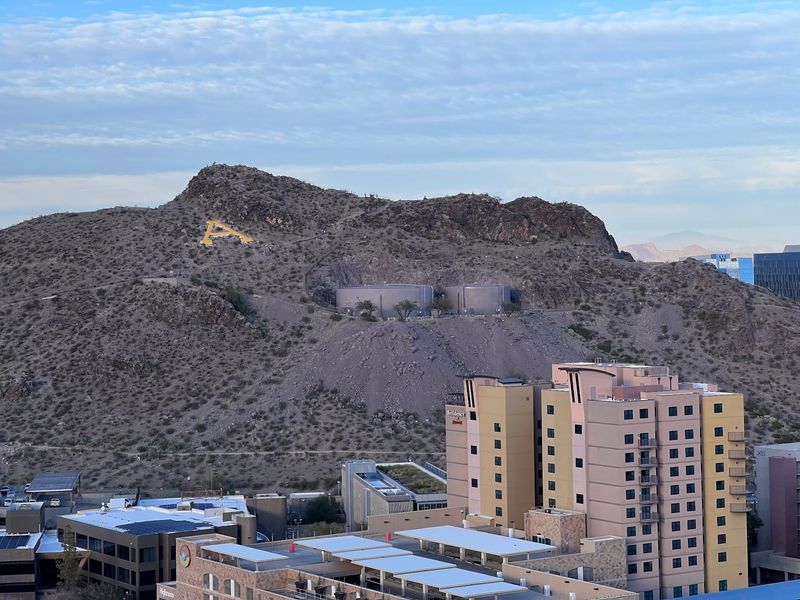
Few places manage to feel ancient and current at the same time. Hayden Butte Preserve Park pulls it off with ease.
You get volcanic rock that’s roughly 20 million years old. You get Hohokam carvings, pioneer history, and a gold letter with its own quirky backstory.
Then the summit adds lake views and a 360-degree look at the valley. It all comes together in a climb most people finish in under an hour.
Is it a wilderness trek? No, and that’s part of its charm.
It’s a city hike with real rewards and very little planning required. Hop on a train, lace up your shoes, and go.
Bring water, wear grippy footwear, and stay on the trail. Those three habits cover most of what you need.
Respect the carvings, and the hill will keep sharing its stories for years to come. That’s a fair trade for a free adventure.
For anyone exploring Arizona on a budget, this butte delivers huge payoff for small effort. Watch one sunset from the top, and you might find yourself planning the next climb before you reach the bottom.