
What’s Been Buried Beneath This New York Lake Is Finally Coming To Light
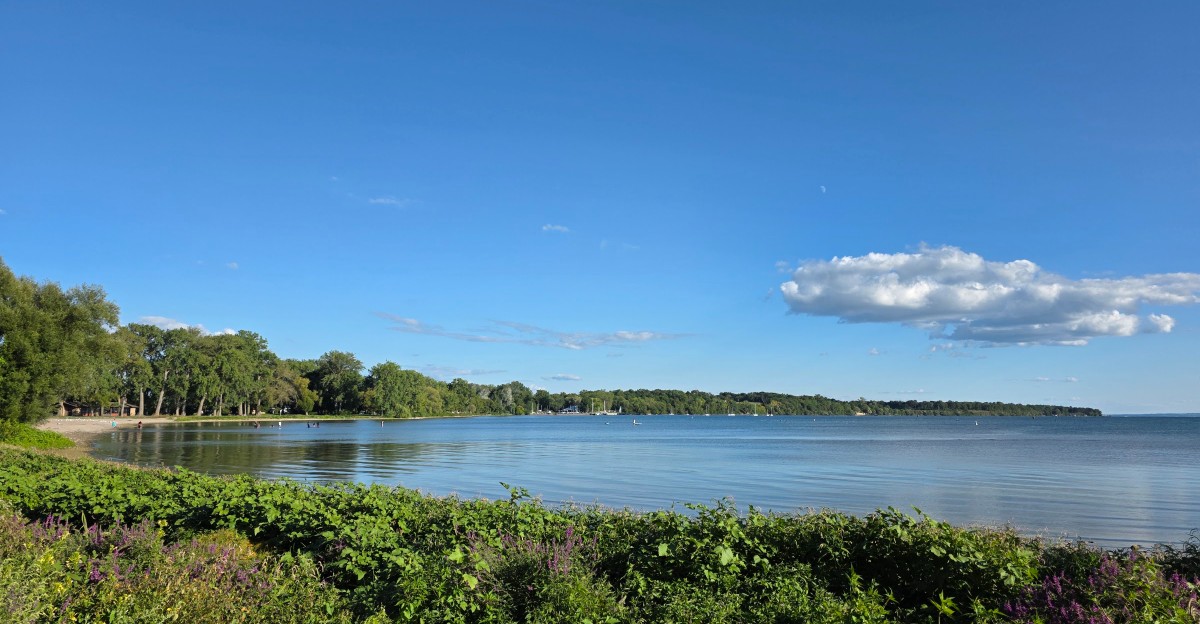
Somewhere near the bottom of a lake more than 600 feet deep, wooden boats from the canal era still rest in the dark. Nobody parked them there on purpose.
The water is so cold and deep that old wood barely breaks down. Cargo boats from the 1800s have stayed surprisingly intact, and modern sonar is finally showing them clearly.
The same New York lake also hosts a Navy sonar testing site and an old mystery about strange booming sounds. I can’t decide which part sounds more like the plot of a summer adventure movie.
The best news is that the shoreline is open to everyone. You can splash, picnic, and stroll right beside all that sunken history while the lake keeps its quiet secrets.
So what else is waiting down there?
The Deep, Cold Water Works Like A Giant Time Capsule
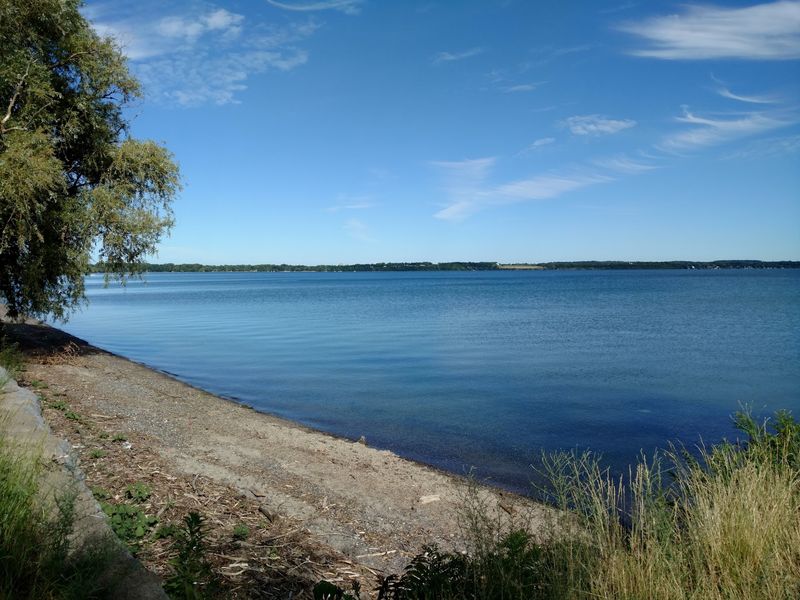
Seneca Lake drops to roughly 618 feet at its deepest point, making it the deepest of New York’s Finger Lakes. Stack two football fields end to end, tip them up, and you still would not touch bottom.
That depth matters for more than bragging rights. Down there, the water stays cold all year and sunlight barely reaches the lakebed.
Cold temperatures, deep water, and limited disturbance help slow the deterioration of submerged wooden vessels. Those conditions have preserved numerous historic shipwrecks in remarkable detail, sometimes leaving their hulls and cargo surprisingly intact.
Seneca Lake also stretches about 38 miles from north to south. That’s a lot of hiding room for objects that slipped beneath the surface over the past two centuries.
Think of the lake as a refrigerator nobody cleaned out since the 1800s. Most refrigerators produce unpleasant surprises, but this one produces history lessons.
The north shore near Seneca Lake State Park is a great place to appreciate the scale. Stand by the water and look south, and the lake simply keeps going past where your eyes can follow it.
Old Canal Boats Are Resting On The Bottom Like Parked Cars
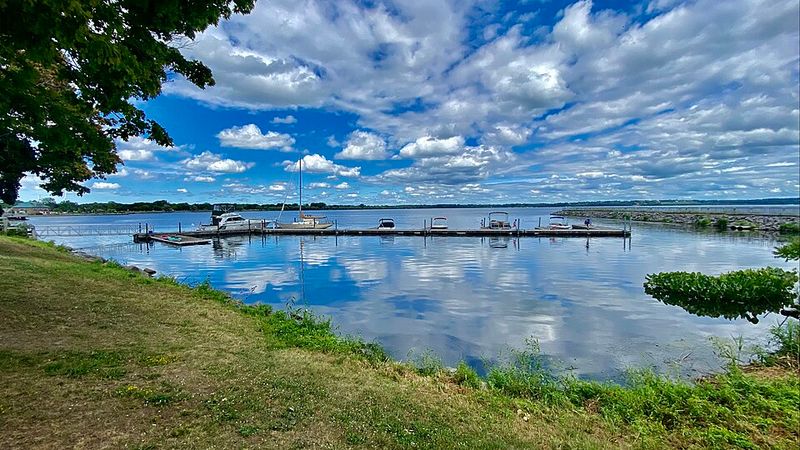
Long before highways, goods moved across upstate New York by water. Canal boats hauled coal, grain, and other cargo, and Seneca Lake connected to the larger canal system at its north end.
Weather on a lake this big can turn fast. Over the years, a number of those working boats went down and never came back up.
Here’s the fun twist. Many of them settled upright, so sonar images show what look like boats calmly parked on the lakebed.
Underwater researchers have used side-scan sonar and remote cameras to map these wrecks. The pictures reveal hull shapes, deck details, and sometimes cargo still sitting where crews left it.
For historians, each wreck is like finding a lost page of a diary. It shows how canal boats were built and how people actually worked on them every day.
The Cayuga-Seneca Canal still meets the lake near Seneca Lake State Park. Walking that area gives you a real sense of the route these boats once traveled before their unplanned retirement.
Certified Divers Can Actually Visit A Sunken Piece Of History
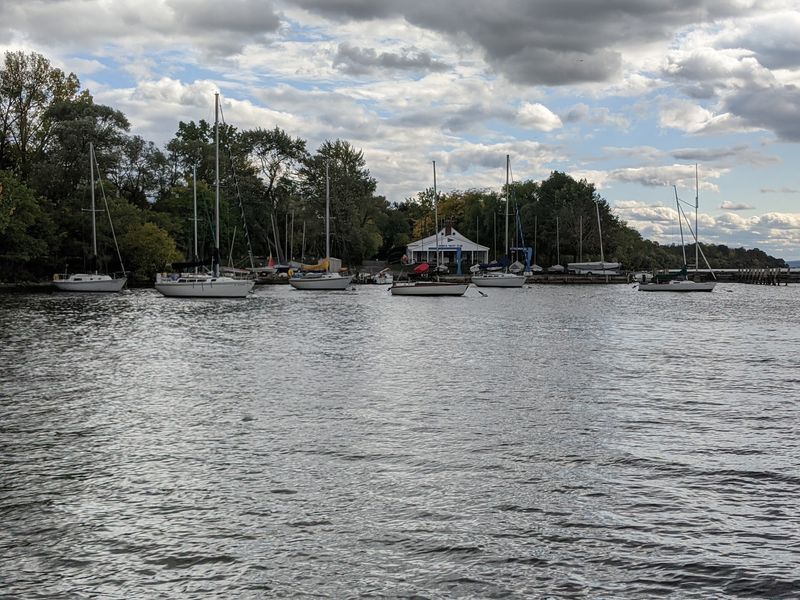
Some of Seneca Lake’s historic canal boat wrecks have been made accessible to experienced divers through local preservation efforts.
Diving organizations have worked to protect these fragile underwater sites while allowing visitors to explore the region’s maritime history.
Mooring buoys have been used at certain wreck sites to reduce damage from boat anchors. Divers should confirm current access arrangements and follow responsible diving practices that protect these irreplaceable remains.
This is not a casual swim, though. The water is chilly and visibility changes, so it’s strictly for certified divers with proper gear and planning.
Not a diver? No problem at all.
Local dive shops and preservation groups often share photos and video, so you can explore from a dry chair.
Honestly, that might be the smartest seat in the house. You get the thrill of a 19th-century wreck without needing to warm your toes afterward.
Yes, The U.S. Navy Has Been Listening Down There For Decades
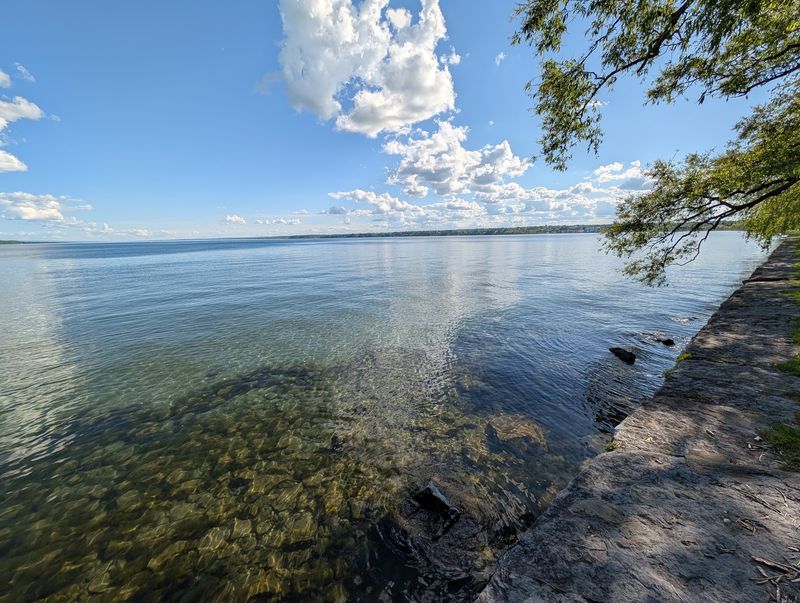
Of all the things you’d expect in a peaceful lake, a Navy test site probably isn’t on the list. Yet Seneca Lake has hosted one since the 1950s.
The Seneca Lake Sonar Test Facility sits along the western shore near Dresden. Engineers use the lake to test underwater sound equipment.
Why here instead of the ocean? The deep, calm, freshwater lake offers steady conditions without waves, tides, or salt getting in the way.
Quiet water also helps sound travel predictably. That makes it easier to measure how sonar devices perform before they head out to sea.
So when people talk about secrets beneath Seneca Lake, some of them are quite literal. Not every mystery involves ghosts or sunken treasure.
Visitors can’t tour the facility, and boaters should respect any posted areas. Still, it’s a fun fact to share during a picnic at Seneca Lake State Park.
Few lakeside lunches come with a side of naval science.
Those Mysterious Booms Have Puzzled People For Generations
Boom. Then silence.
For a long time, people around Seneca Lake reported deep, rumbling sounds that seemed to roll across the water out of nowhere.
Folks nicknamed them the Seneca Guns. The name stuck, and it even inspired a mention in a story by author James Fenimore Cooper.
Nobody has pinned down one clear cause. Ideas over the years have included natural gas escaping from the lakebed and shifting rock deep below.
Odd sounds like this have been reported in other places too. Scientists call them skyquakes when they can’t be easily linked to thunder or human activity.
It’s a great reminder that nature still keeps a few puzzles to itself. Even in an age of satellites and smartphones, a lake can stump us.
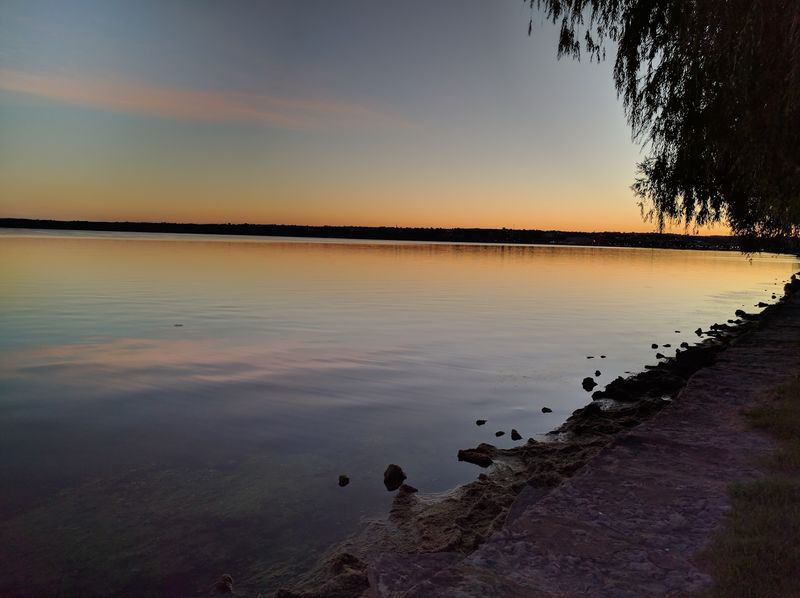
Sitting by the shore at Seneca Lake State Park on a calm evening, you might catch yourself listening a little harder. Whether you hear anything or not, the legend makes the quiet feel more exciting.
Glaciers Carved This Lake Long Before Anyone Lost A Boat In It
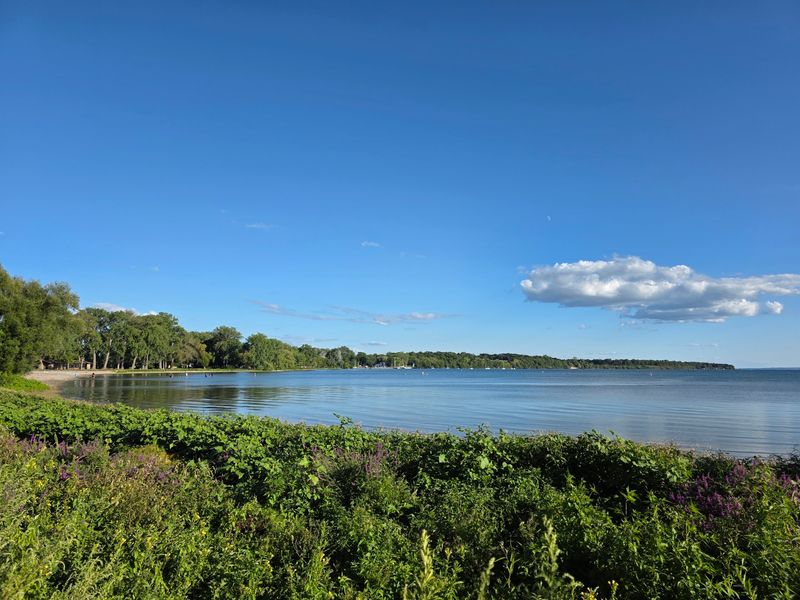
Ice did the heavy lifting here. During the last Ice Age, massive glaciers pushed south and gouged out deep valleys across central New York.
When the ice melted, water filled those long trenches. The result was the Finger Lakes, with Seneca Lake becoming the deepest of the bunch.
Scientists have found that the bedrock basin sits far below the lake’s floor. Thick layers of sediment piled up over thousands of years, quietly recording the region’s climate history.
Those mud layers act like pages in a very slow book. By studying core samples, researchers learn how the area changed after the glaciers left.
The lake’s long, skinny shape is a giveaway of its icy origin. Look at a map and it really does resemble a finger pointing north to south.
So the very oldest secret beneath Seneca Lake isn’t a boat at all. It’s the story of the ground itself, written in rock and mud long before the first canal crew arrived.
Your Front-Row Seat Comes With A Sprayground And A Beach
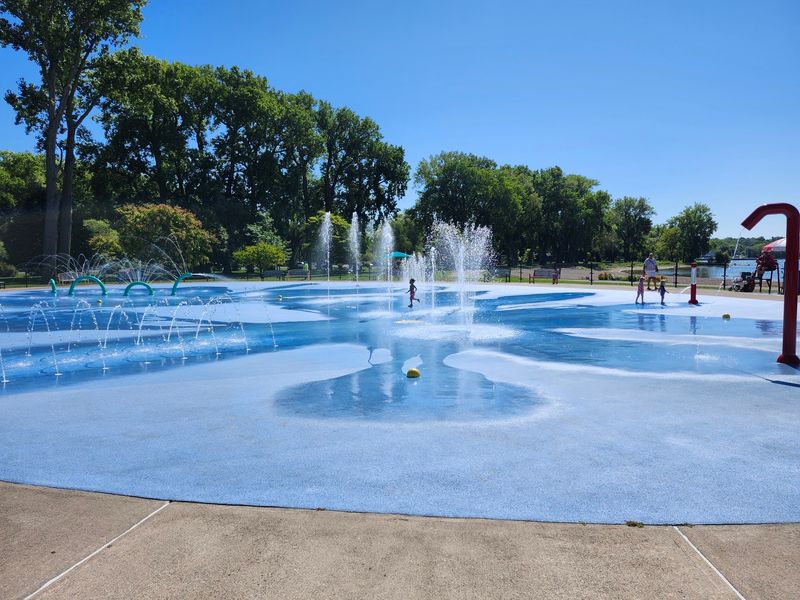
History is fascinating, but kids usually want water jets. Good news: Seneca Lake State Park delivers both at the north end of the lake.
You’ll find the park at 100 Waterloo-Geneva Road, Geneva, NY 14456. It sits right on the shore, giving you wide views straight down the water.
The sprayground is a big draw on hot days, with water jets spraying in every direction. Children under 10 must remain under the supervision of a parent, guardian, or responsible person aged 16 or older.
A small swimming beach offers a calmer way to cool off. Playgrounds sit nearby, so younger visitors can switch from splashing to climbing without much walking.
Bring a towel, sunscreen, and snacks for an easy family afternoon. Shade trees near the picnic tables make lunch breaks more comfortable in July.
Here’s the neat part. While little ones run through the spray, the same lake is guarding sunken boats and old legends a few miles away.
That’s a pretty impressive backdrop for a sandwich.
A Lakeside Trail Lets You Stroll Above All Those Secrets
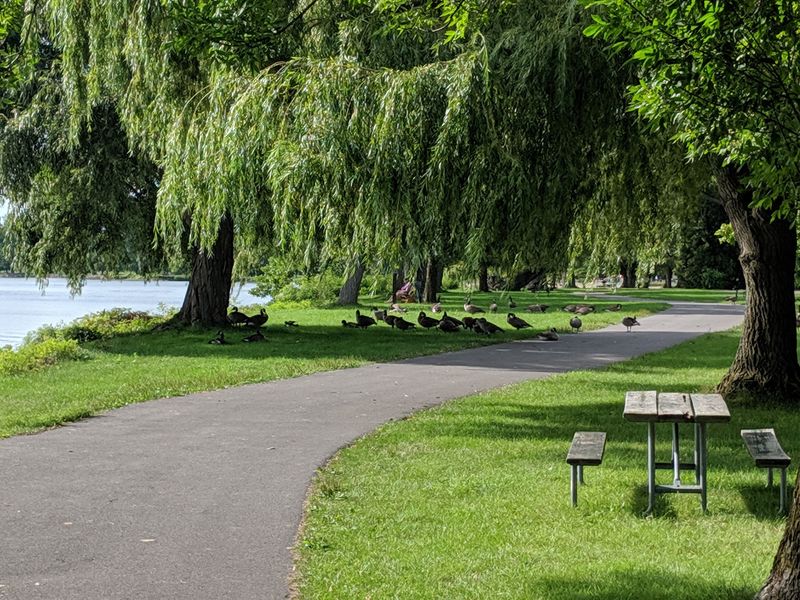
Sneakers or bike tires? Either works on the paved path that follows the shoreline through Seneca Lake State Park.
The trail links into the longer Geneva Lakefront route, which runs a few miles along the water. Along the way, small piers stick out over the lake for better views.
Those piers are popular with anglers. Seneca Lake is known for lake trout, and casting a line from a dock is a relaxing way to pass time.
Birds are part of the show too. Gulls, ducks, and geese often gather along the shore, so keep an eye on your step.
A boat launch and marina area make it easy to get out on the water. Paddlers and boaters can explore the north end and admire the lake from a whole new angle.
Just remember that this is a deep, cold lake. Life jackets are smart for every boater, no matter how calm Seneca Lake looks on a sunny afternoon.
A Few Smart Moves Make Your Visit Even Better
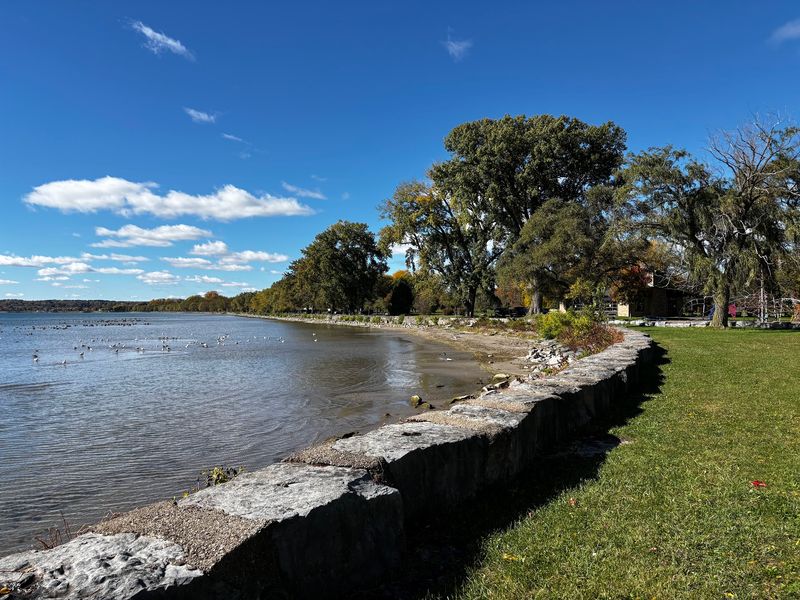
Timing is everything at a lake park. Seneca Lake State Park typically opens in the morning and closes in the early evening, so check hours before heading out.
Summer brings the full lineup, including the sprayground and beach. Spring and fall visits are quieter, with cooler air and lovely shoreline walks.
Planning a family gathering? Picnic pavilions and grills are available, and some shelters can be reserved for bigger groups.
Pack layers even on warm days. Breezes off a lake this large can feel surprisingly cool, especially near sunset.
The park also sits close to downtown Geneva in New York’s Finger Lakes region. That makes it easy to add a meal or some shopping after your time by the water.
Before you leave, take one last look across the lake. Somewhere beneath that calm surface, old canal boats are still resting, sonar is still listening, and a few mysteries remain unsolved.
Not bad for an afternoon outing.