
10 Coastal Towns In Georgia That Are Perfect For A Relaxing Weekend Escape
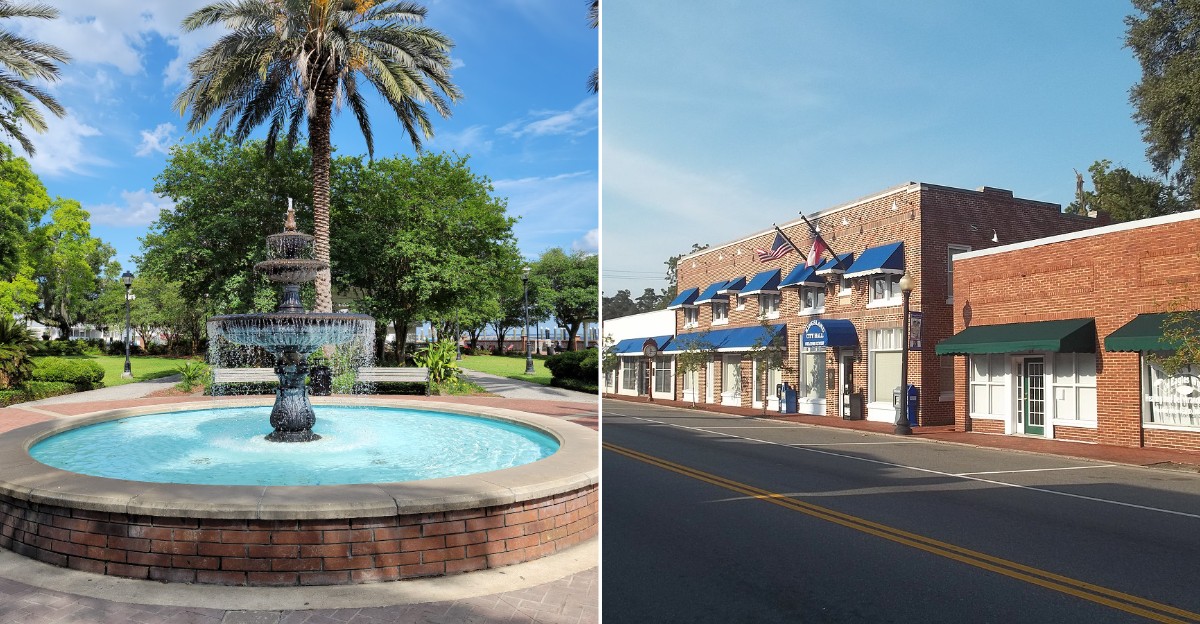
Georgia’s coastline has a way of making a weekend feel much longer than it actually is.
Between sleepy waterfront streets, sandy beaches, and little harbors where life moves at its own pace, this stretch of the South has relaxation down to an art.
I’d happily trade a packed schedule for fresh seafood, a breezy afternoon by the water, and nowhere in particular to be. And with charming coastal towns around every bend, choosing just one might be the hardest part.
Ready to find your next favorite weekend escape?
1. Tybee Island

Few beach towns let you climb a lighthouse with roots going back to 1736. Tybee Island, about 18 miles east of Savannah, hands you that chance before lunch.
The Tybee Island Light Station and Museum is Georgia’s oldest and tallest lighthouse. You’ll climb 178 steps to reach the top, so pace yourself and bring water.
Your reward is a wide view of the coast. The museum also covers the Euchee tribe, Fort Screven, and the island’s Golden Era.
Plan around the schedule, since the light station closes on Tuesdays. It’s open the other days from 9 a.m. to 4:30 p.m.
Down by the water, the Tybee Pier and Pavilion makes a fine home base. You’ll find picnic tables, restrooms, a concession stand, and an ice cream stand.
Fishing from the pier is free, though you do need a Georgia fishing license. The current pavilion was dedicated in 1996, replacing a much older pier from 1891.
Curious kids and grown-ups should stop at the Tybee Island Marine Science Center. It has interactive exhibits, live animal displays, and guided beach walks.
Got extra time on Sunday? Fort Pulaski National Monument sits a short drive away on Cockspur Island, with grounds for walking, biking, and birding.
Five public beaches give you plenty of room to spread a towel. Honestly, the hardest choice here might be which stretch of sand to claim first.
2. St. Simons Island

A working lighthouse that still guides boats? On St. Simons Island, the 104-foot brick tower has been doing its job since 1872.
You can climb its 129 steps at the St. Simons Island Lighthouse Museum. Inside the Victorian Keeper’s Dwelling, exhibits explain maritime history and what life was like for the keepers.
Right nearby, Pier Village sits on the southern end of the island. It’s a handy spot for shopping, dining, and strolling without needing the car.
The pier itself is great for fishing or just watching the water. Benches give you a front-row seat for sunrise and sunset.
Traveling with kids? Neptune Park sits next to the pier with playgrounds, walking paths, picnic areas, and a mini golf course.
History fans get a real treat at Fort Frederica National Monument. James Oglethorpe built the fort and town between 1736 and 1748 to protect the Georgia colony.
Admission is free, and the site is open daily from 9 a.m. to 5 p.m. The Bloody Marsh Battle Site marks a 1742 clash where Oglethorpe’s forces beat the Spanish.
So you can pedal the beach in the morning and walk colonial ruins in the afternoon. That’s a pretty good Saturday by any measure.
3. Jekyll Island
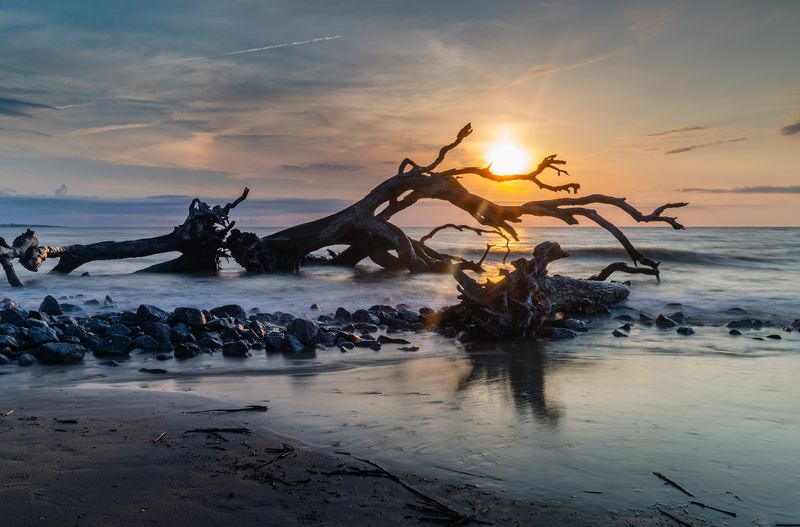
Picture-ready doesn’t quite cover a beach full of fallen trees. Driftwood Beach, on the north end of Jekyll Island, is covered in weathered trunks and branches shaped by erosion and tides.
Go at low tide for the best chance to explore around them. It’s also a lovely place for a picnic or some stargazing after dark.
The whole island is a Georgia state park, so you pay a daily fee to enter. In return, you get preserved nature and a slower pace than most beach towns.
Sea turtle fans should head to the Georgia Sea Turtle Center. It’s the state’s only hospital for sea turtles, with exhibits and a Rehabilitation Pavilion.
Then there’s the 240-acre Jekyll Island Historic District. The Jekyll Island Club, founded in 1886, once drew families like the Rockefellers and Vanderbilts for winter stays.
Faith Chapel, built in 1904, holds a Louis Comfort Tiffany stained-glass window. The restored cottages are worth a slow walk past, too.
Want to sleep in the history? The Jekyll Island Club Resort offers rooms in its 1888 Clubhouse and restored Gilded Age cottages.
Getting around is easy with more than 24 miles of paved bike paths. They wind through maritime forest, beaches, riverfront, and the Historic District.
Bike rentals are available at several spots on the island. Leave the car parked and let your legs set the schedule.
4. Darien
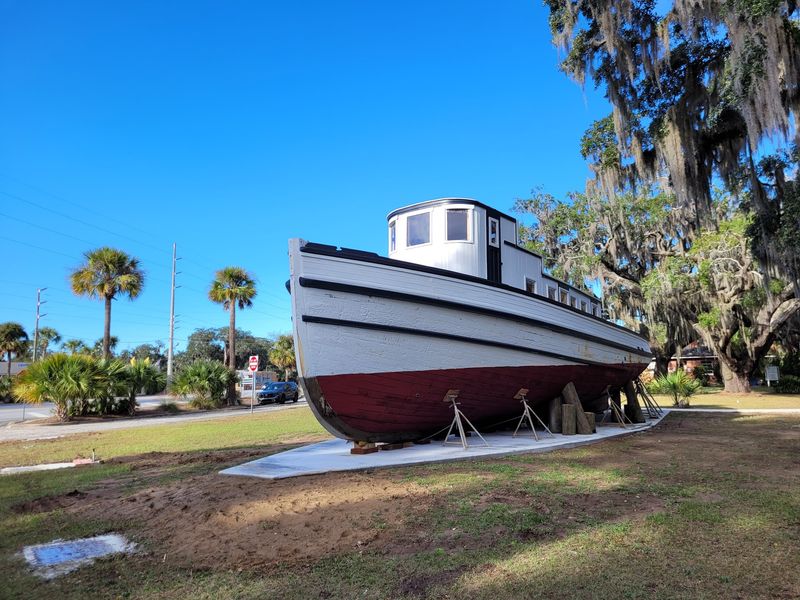
Scottish Highlanders founded this little river town in 1736. Today Darien is home to fewer than 2,000 people and a fleet of working shrimp boats.
Start at Darien Waterfront Park on the Darien River. The dock and pavilion give you a clear view of the shrimp boats tied up nearby.
Live oaks draped in Spanish moss shade the lawns. Bring a snack, grab a picnic table, and let the kids loose on the playground.
Each April, the park hosts the Blessing of the Fleet. The festival celebrates the shrimping industry that still shapes daily life here.
Next, swing by Fort King George State Historic Site. Built in 1721, it’s the oldest English fort on Georgia’s coast.
You’ll see a reconstructed cypress blockhouse, barracks, and palisades. A museum and film cover the Guale Indians, the Scots of Darien, and sawmilling history.
Heads up, the site is closed on Mondays. It’s open Tuesday through Sunday from 9 a.m. to 5 p.m.
Hungry after all that history? Seafood spots around town, including Skipper’s Fish Camp, serve local catch right near the water.
The Altamaha River runs close by, adding wide marsh views to the scenery. Darien is small, but it gives you plenty to chew on, literally and otherwise.
5. St. Marys
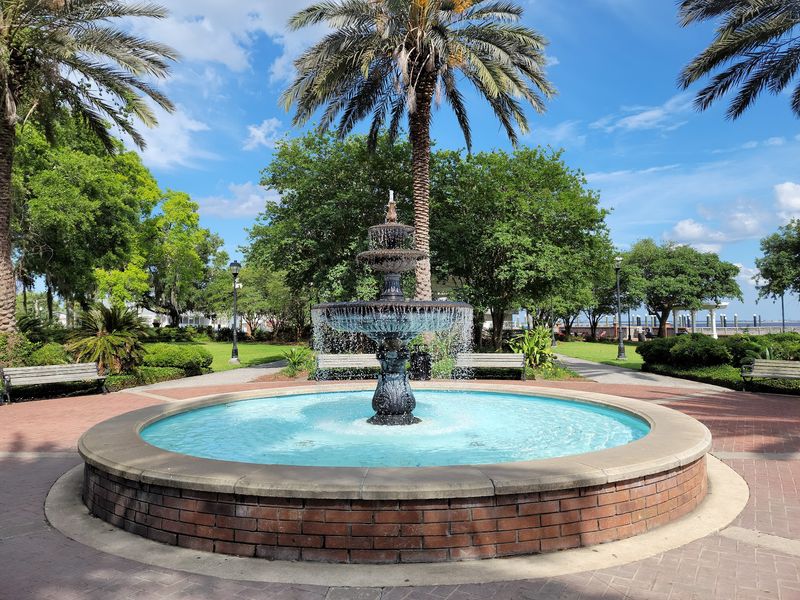
Wild horses are a ferry ride away from downtown St. Marys. The town is the main departure point for Cumberland Island National Seashore.
The scenic ferry ride takes about 45 minutes. Check-in happens at the Cumberland Island Mainland Visitor Center, so book ahead and arrive early.
Pack your own food and water for the island. Cumberland has no public stores, which is part of its charm.
Back on the mainland, the St. Marys Submarine Museum is a real surprise. It’s the largest submarine museum in the South and fifth largest in the nation.
You can peek through a working periscope and check out torpedo models and uniforms. The museum is open Tuesday through Saturday from 10 a.m. to 5 p.m.
When you need a breather, Howard Gilman Waterfront Park has you covered. Swinging benches face the St. Marys River, which makes sunset watching very easy.
The park also has a fishing pier, playground, and covered amphitheater. Kayak rentals and guided tours are available from the waterfront.
Nearby, Crooked River State Park spreads across about 500 acres. Trails, campsites, cottages, and mini golf give you options for a longer stay.
For dinner, Locals Dockside serves seafood and steaks right on the water. Not a bad way to wrap up a day of submarines and salt air.
6. Brunswick
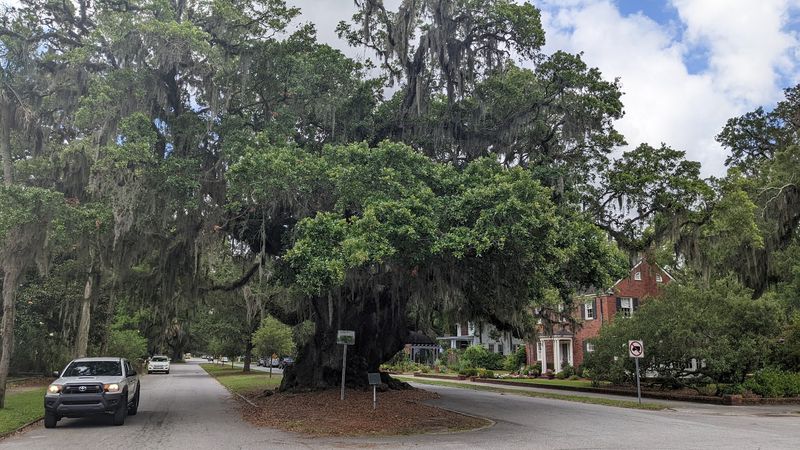
Here’s a tree that has seen a lot of birthdays. Lover’s Oak in Brunswick is estimated to be more than 900 years old.
It’s a quick, easy stop and a fun photo. You’ll want to stand back to fit the whole thing in the frame.
Brunswick sits on the mainland, bordering the Intracoastal Waterway and wide marshlands. That makes it a smart base if you want to day-trip to the nearby Golden Isles.
The town itself deserves more than a drive-through, though. Its historic downtown, known as Old Town, is full of Victorian buildings, local shops, and galleries.
The Historic Ritz Theatre is a highlight. It opened as an opera house in 1899 and now hosts performances and exhibits.
Check the schedule before your trip. Catching a show in a building that old adds a nice evening option to a beach weekend.
The working shrimping harbor is another part of Brunswick’s personality. Boats coming and going remind you this is a real port town, not just a pretty postcard.
Plan a slow walk through downtown, then head toward the water. The marsh views here are wide, flat, and calming in the best way.
Brunswick doesn’t shout for attention like a beach resort. It just quietly rewards the travelers who give it an afternoon.
7. Richmond Hill
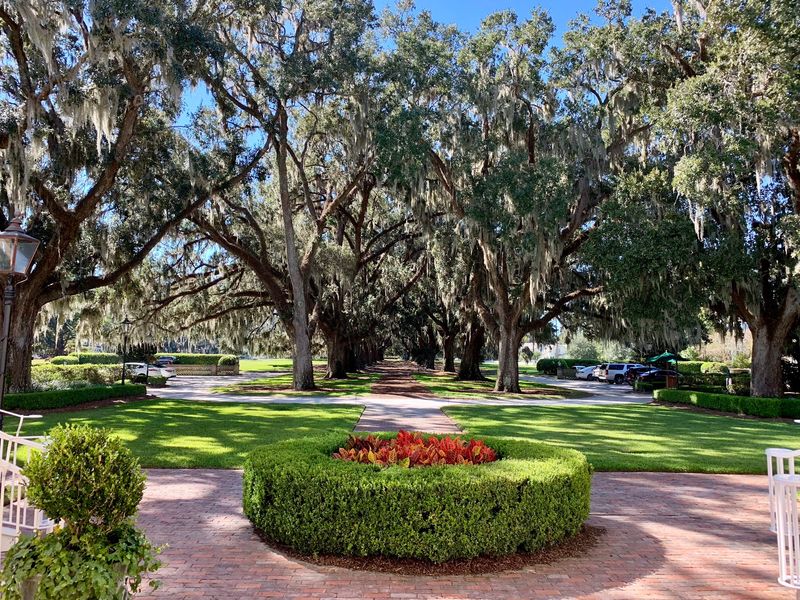
Henry Ford liked this part of Georgia enough to build a winter home here. Richmond Hill still carries reminders of the carmaker’s time in town.
The Richmond Hill History Museum is a good first stop. It tells the story of the area, including the Ford era that shaped the community.
Of course, you came for the water. Richmond Hill sits along the tidal estuaries of the Ogeechee River, which winds out toward the Atlantic.
That means marsh views and quiet waterfront parks. Bring a folding chair and give yourself permission to do very little.
History buffs should make time for Fort McAllister State Park nearby. Its earthwork fort dates to the Civil War and sits right along the river.
The park also offers trails and spots to camp. It’s an easy way to mix a little exploring with a lot of fresh air.
Richmond Hill is also close to Savannah. You can sleep somewhere quieter and still pop into the city if you want a busier afternoon.
The town itself moves at a relaxed pace. Small parks, wide marsh, and slow river views set the mood.
If your idea of a perfect weekend is fewer crowds and more sky, this one fits. Just remember to look up when the marsh birds fly by.
8. Midway
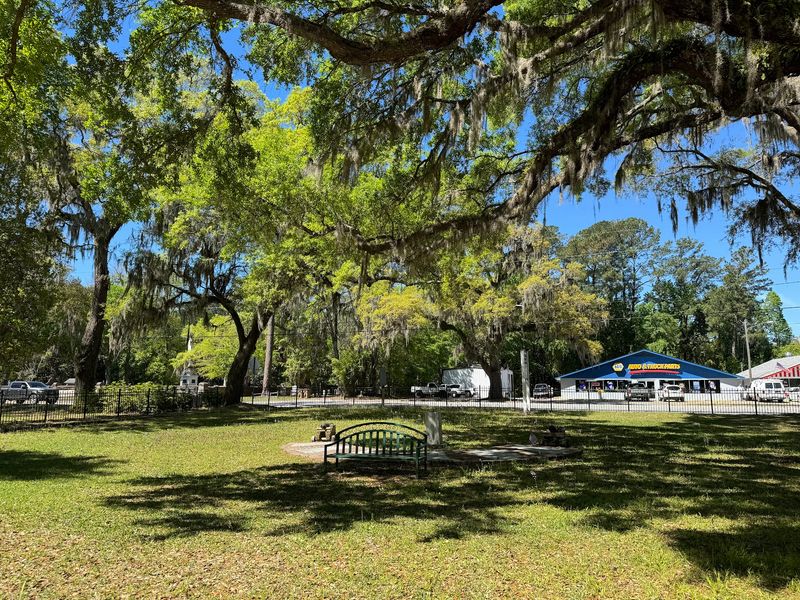
Some towns brag about new attractions. Midway prefers to show off a church built in 1792.
Midway Congregational Church is the town’s best-known landmark. Its white wooden walls and simple design feel like a step straight back into the 1700s.
Right next door, the Midway Museum adds more context. It focuses on the colonial history of this corner of Liberty County.
Across the road, the historic Midway Cemetery is shaded by old live oaks. Walk slowly and read the markers, since they share a lot about early settlers.
Midway is tiny, with fewer than 2,500 people. That small size is exactly why it works for an unhurried weekend.
The town sits near tidal rivers and marshes in coastal Liberty County. Wide open views and quiet country roads are part of the package.
Don’t expect busy beaches or souvenir shops on every corner. Expect calm, history, and a good excuse to turn the radio down.
Midway also pairs nicely with other coastal stops in this list. You can explore here in the morning and reach the water by afternoon.
It’s a place for curious travelers who like old stories more than crowds. Bring good walking shoes and a little patience for reading plaques.
9. Kingsland
A diner that’s been serving since 1948 is a strong reason to visit any town. In Kingsland, Steffens Restaurant serves Southern comfort food, local shrimp, and handmade biscuits.
Kingsland was founded in 1894 and named after William Henry King. It sits in Camden County, close to the Florida line.
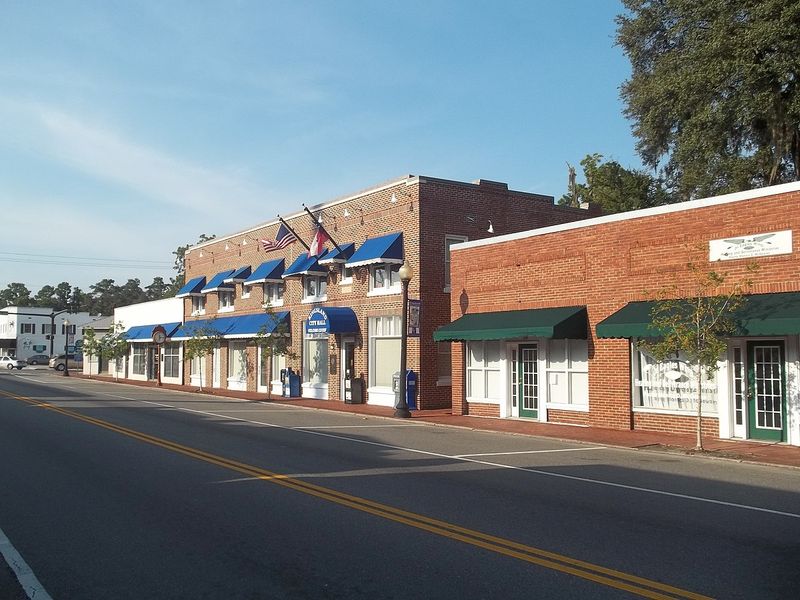
The historic downtown is called the Royal District. Early 20th-century buildings and boutique shops make it a pleasant place to wander.
For something different, hop aboard the Georgia Coastal Railway. Rides last 70 to 90 minutes and roll through neighborhoods, marshland, and a rail yard.
Themed trips include pirate and holiday rides. Kids and grown-ups both tend to love a train with a costume party attached.
Golfers can tee off at Laurel Island Links, an 18-hole course designed by Davis Love III. Marsh views come free with every round you play.
Kingsland also makes an easy base for nearby adventures. Cumberland Island’s ferry leaves from St. Marys, and Crooked River State Park is a short drive away.
Stop by the Kingsland Welcome Center first for maps and local tips. It’s closed on Sundays, so plan your visit for earlier in the weekend.
10. Thunderbolt
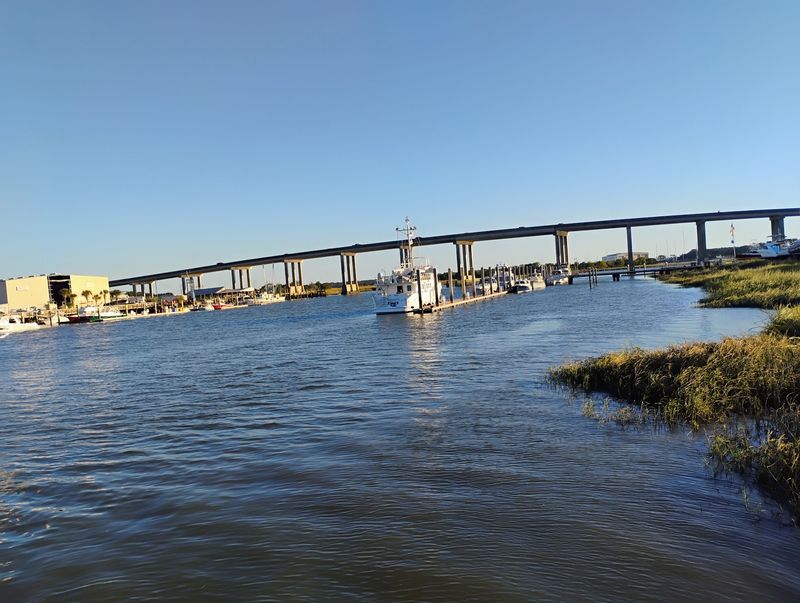
Few towns get their name from a lightning legend. Local lore says a thunderbolt struck the ground here and a spring bubbled up from the spot.
Whether you believe it or not, the name sticks with you. Thunderbolt is a small river town of about 2,500 people just outside Savannah.
Life here centers on the Wilmington River. The town sits along the Atlantic Intracoastal Waterway, so boats are a constant part of the view.
Shrimping has long been part of Thunderbolt’s story. Riverfront docks and marinas give the town a working waterfront feel.
Bring a camera for the docks around golden hour. Boats, water, and marsh grass make an easy, peaceful scene.
Thunderbolt is a good fit if you want quiet without being far from the action. Savannah’s sights are a short drive away.
You can also reach Tybee Island fairly quickly from here. That makes it handy for splitting a weekend between beach time and calm river evenings.
The town is small, so don’t expect a long list of attractions. The charm is in slowing down and letting the river set the pace.
Find a spot near the water, watch the boats drift past, and breathe. Sometimes the best weekend plan is barely a plan at all.