
A Forgotten Michigan Cement Empire Left Massive Concrete Ruins In The Forest
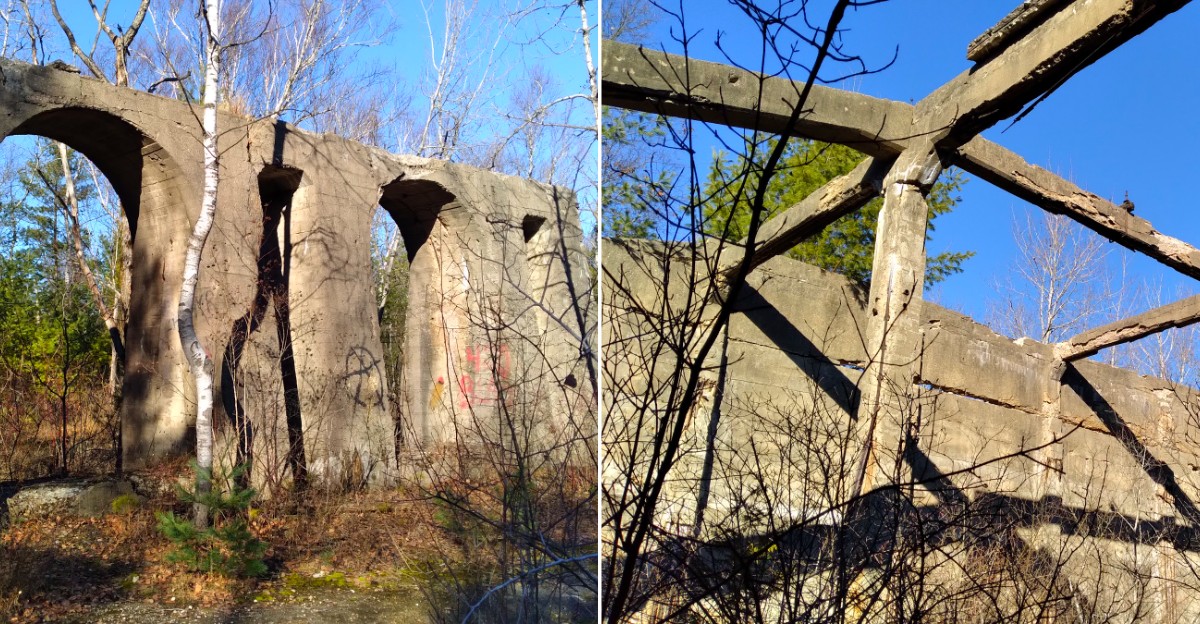
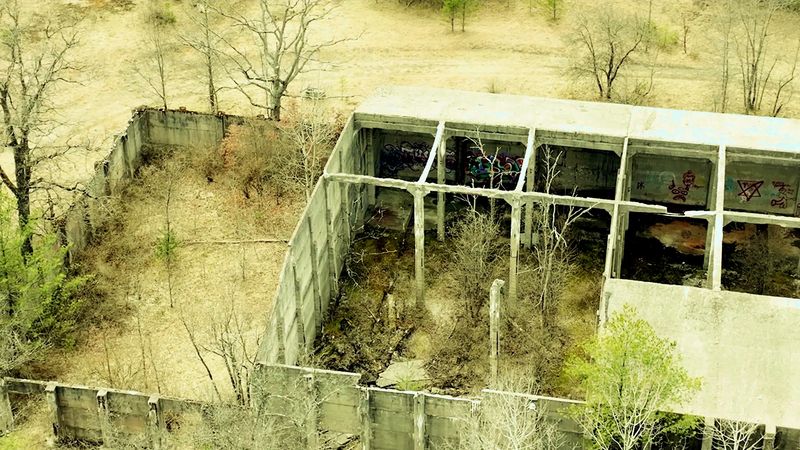
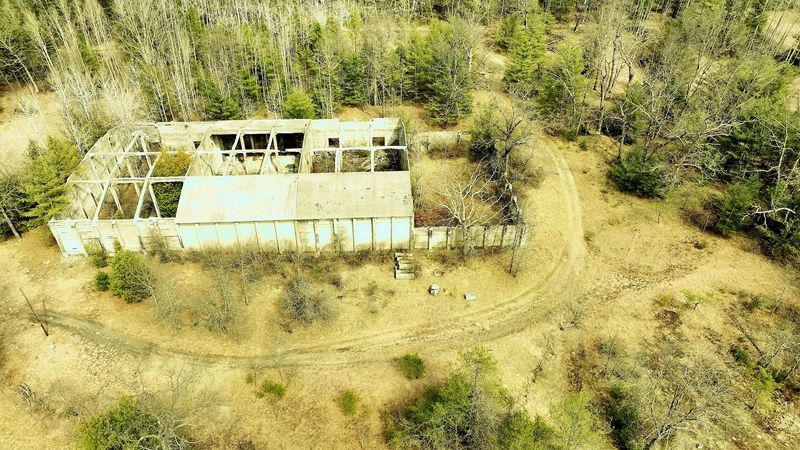
A whole factory was blown apart with dynamite just so people could sell its iron for scrap. What stayed behind was too heavy to haul away. Giant concrete walls, tunnels, and pits now sit quietly in the woods.
Six kilns and fourteen grinding mills once churned away here. A busy little town grew up around them, complete with an opera house and an 88-room hotel. It’s hard to picture that much noise and activity in a place now surrounded by trees.
None of those town buildings remain today. The forest has been slowly swallowing the leftovers for over a century, and graffiti now decorates the gray walls.
Michigan’s abandoned industrial ruins offer a fascinating glimpse into the state’s manufacturing past, where ambitious factories and once-thriving communities have given way to nature.
A big dream, a strange muddy ingredient, and a fast collapse all live in this patch of trees. The concrete remains tell part of the story, but how did an entire industrial empire disappear so quickly?
Six Kilns And Fourteen Mills Once Roared Here
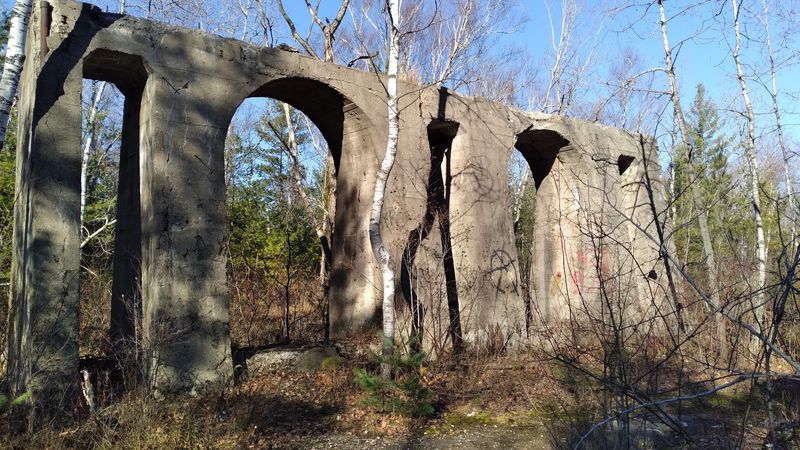
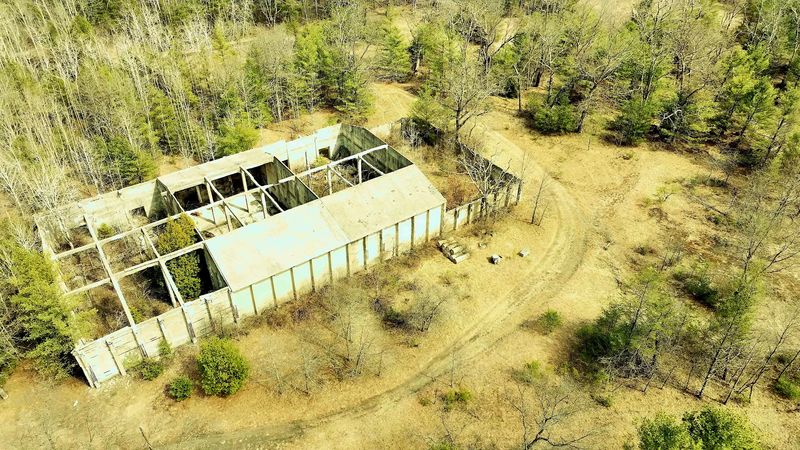
Fourteen grinding mills. Six kilns. A storage warehouse big enough to match. The numbers alone tell you this wasn’t a tiny backyard operation.
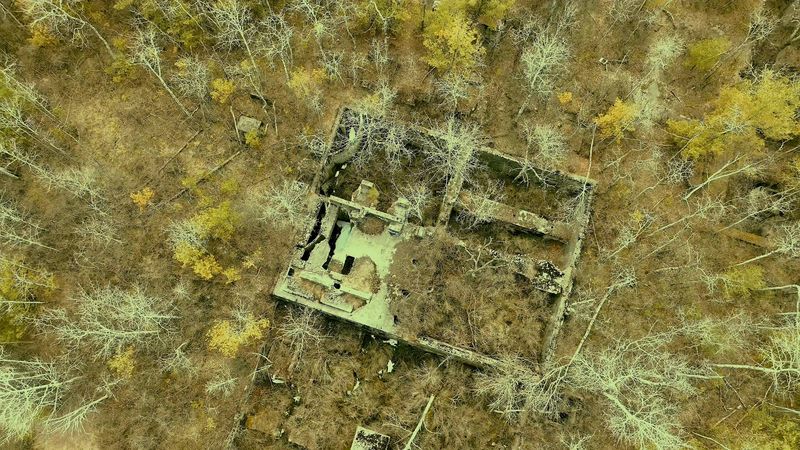
The concrete you see today is mostly the bones of those machines and buildings. Foundations and thick walls outline where heavy work once happened. Think of them as giant footprints left by a factory that walked away.
Grinding mills crushed raw material into fine powder. Kilns heated it to make cement. Running all of that every day took serious muscle and a huge amount of power.
Walking the edges of the site, the size really sinks in. Some walls stand taller than a person, and the layout feels like a maze. It’s easy to lose track of which wall belonged to which building.
That mystery is part of the appeal. You get to play detective with chunks of concrete instead of clues on paper. A little history reading beforehand makes the puzzle much more satisfying.
My advice is to bring a printed map or old photos if you can find them. Matching the ruins to their past jobs turns a pile of walls into a story.
Cross The River To Find The Concrete Ghost Town
The Marlborough cement plant ruins lie southeast of Baldwin in Lake County, Michigan. From M-37 south of Baldwin, turn east at the caution light for 76th Street near Big Star Lake.
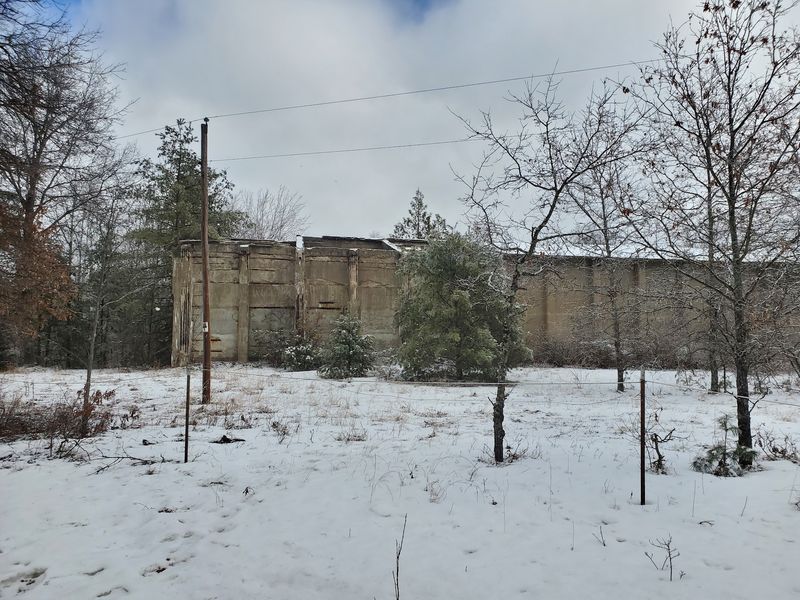
Continue about a mile and cross the Pere Marquette River. Just beyond the crossing, turn north onto James Street and cross the river again; the large concrete skeleton and trees growing through it are the distinctive roadside clue.
View the structure from a lawful public roadside position. The ruins are deteriorating, and public access into the structure or surrounding property is not safe, so do not enter, climb on, or trespass into the remains.
The Power Plant Was Bigger Than Anyone Expected
Here’s a fact that sounds made up but isn’t. To keep this cement plant running, the company built the largest power plant in Michigan’s Lower Peninsula at the time.
That’s a wild amount of electricity for one factory in the woods near Baldwin. It also hints at the problem. When you need that much energy just to stay open, your bills are going to be scary.
Drying wet marl was a big reason the energy needs were so huge. Every batch needed heat before it could become cement. Heat costs money, and lots of heat costs lots of money.
In a way, the power plant was both a bragging point and a warning sign. It showed how ambitious the owners were. It also showed how hard the whole system was to run cheaply.
I find this part of the story strangely relatable. Who hasn’t bought something impressive that turned out to cost a fortune to keep going? This company just did it on a massive scale.
Keep that power plant in mind as you study the ruins. Every heavy wall stood for a promise that grew too expensive to keep.
A Whole Town Popped Up Around The Factory
Workers needed somewhere to live, so the company simply built a town. Construction on Marlborough started in 1902.
By 1905, about 400 people called it home. The village had 72 houses, a school, and a post office. It even had an opera house, which feels very fancy for a cement town.
Then there was the hotel, with 88 rooms. That’s a lot of beds for a small spot in Lake County. It suggests plenty of visitors, workers, and business folks coming through.
Life here probably revolved around the plant’s schedule. Kids went to school while parents kept the machines moving. Evenings might have meant a show at the opera house.
Sadly, none of those town buildings survive. After the company failed, the houses were sold for salvage. Families packed up, and the streets slowly faded into the woods.
That loss makes the place feel more human. The concrete ruins aren’t just about machines. They mark where real people built daily routines, friendships, and plans for the future in Michigan’s quiet forest.
Bad Cement And Big Bills Brought Everything Down
Plot twist: the cement wasn’t very good. Sources say the plant made an inferior product, which is rough news for a cement company.
High operating costs piled on top of that. Remember the giant power plant? Its energy demands kept draining money from the business.
Meanwhile, the rest of the industry moved on. A more efficient method used limestone instead of marl. Limestone skipped the costly drying step, so competitors could make cement cheaper.
Marlborough’s whole plan depended on marl. Once a better recipe appeared, the company was stuck with an outdated idea. It’s like opening a video store right before streaming shows up.
The Great Northern Portland Cement Company went into receivership in 1906. Some sources point to bankruptcy in 1907. Either way, the dream ended fast after only a few busy years.
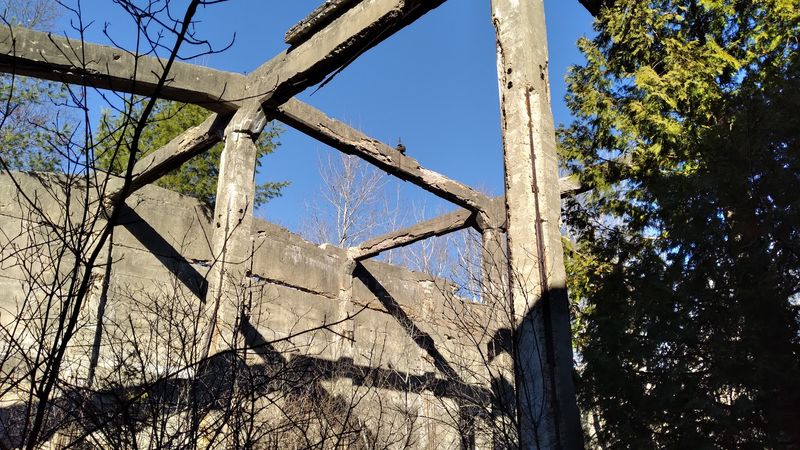
What happened next is the reason the ruins look so dramatic. The plant was dynamited so its iron could be sold as scrap. By 1910, only broken concrete remained, standing like a stubborn reminder of a gamble gone wrong.
Nature Is Winning The Long Game Out Here
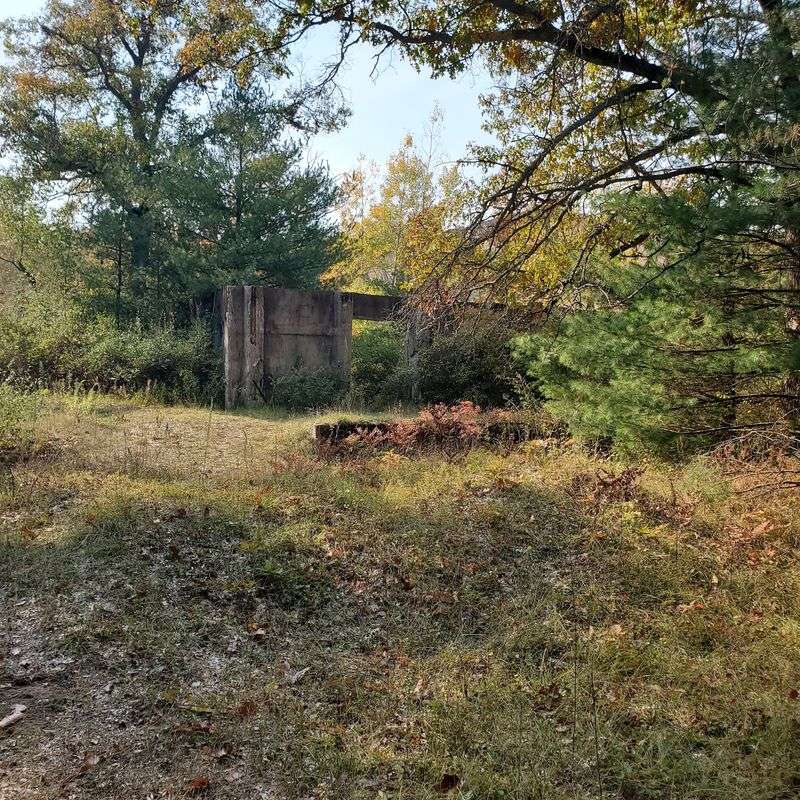
Trees don’t care about business plans. Over more than a century, the forest has crept right up to and over these walls.
Greenery now wraps around the concrete in a slow, steady hug. Graffiti adds bright splashes of color to the gray surfaces. The mix of nature and spray paint gives the ruins a moody, almost movie-set look.
That ghost town feeling is a big part of the charm. Industrial ruins often get cleared away or turned into parking lots. These stayed put and let the woods take over.
Photographers usually love scenes like this for good reason. Old concrete, leafy branches, and shifting light make strong pictures. Each season would change the mood in its own way.
Honestly, it’s a neat lesson in patience. People built this empire in just a few years. Nature has been calmly taking it back ever since, one root and vine at a time.
If you enjoy places that feel frozen between past and present, this site delivers. It’s half history lesson, half forest, and fully strange in the best possible way.
Watch Your Step Around Tunnels And Pits
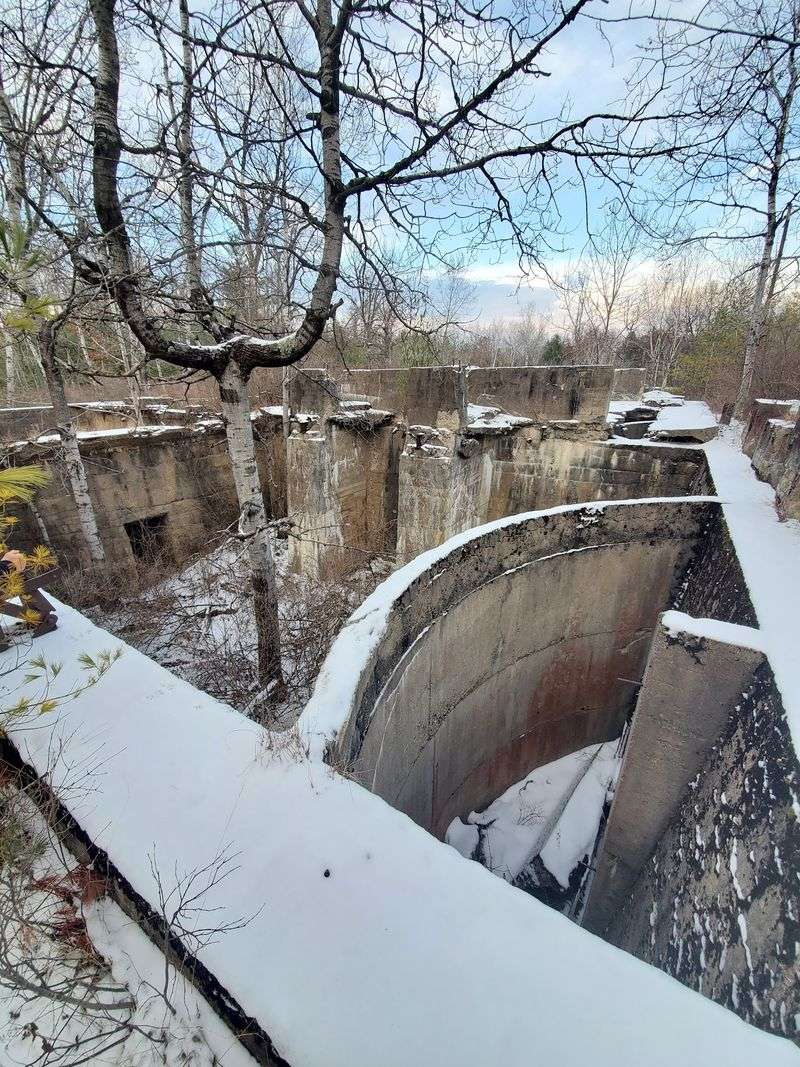
Dynamite doesn’t tidy up after itself. When the plant was blasted for scrap, it left tunnels, pits, and uneven holes all over the site.
Those features make the ruins fascinating, but they also make them risky. Sources specifically warn about the chance of getting hurt here. Loose concrete and hidden drops are not things to take lightly.
Tunnels might look like an adventure waiting to happen. In reality, they’re old, dark, and unpredictable. Exploring them is a gamble with your safety.
Leafy ground can hide depressions, too. A pit covered with plants may not look like much until your foot finds it. Careful walking matters in a place like this.
Common sense goes a long way. Wear sturdy shoes, keep kids close, and skip any climbing on crumbling walls. A twisted ankle is a terrible souvenir.
Think of these ruins the way you’d treat a museum piece. You can appreciate them without poking every corner. Admiring from a safe distance keeps the story interesting and keeps you out of an emergency room visit.
Know Before You Go Because The Rules Changed
Plenty of older write-ups make this spot sound like an open playground. More recent warnings tell a different story.
The land may be privately owned, and trespassing warnings have been posted. Ignoring those signs could mean a ticket and an awkward talk with law enforcement. Nobody wants a history trip to end like that.
Official honors haven’t changed the ownership question either. The Marlborough Historic District became a Michigan State Historic Site in 1971. It joined the National Register of Historic Places in 1972.
Those listings recognize the site’s importance. They don’t automatically give the public permission to roam. Historic and public aren’t the same thing.
The smart move is checking the current situation with Lake County or Pleasant Plains Township before heading out. Rules can shift, and local offices know best. A quick call can save you a long, disappointing drive.
Respecting the property helps protect the ruins, too. Less foot traffic means less damage to fragile concrete. Sometimes the best way to love a place is to learn its story and let it rest.
Finding Your Way To This Corner Of Lake County
Baldwin is your landmark. The ruins sit roughly two miles southeast of town in Pleasant Plains Township.
The Google Maps listing places the Marlborough Cement Factory at S James Rd, Baldwin, MI 49304. The concrete structures stand along James Road, about 0.3 miles east of M-37. It’s a short hop from the main highway.
Common directions start on M-37, also called Michigan Avenue, in Baldwin. Head east on W. 68th Street, then turn right on James Road. The ruins appear on the left side.
Since property rules matter here, viewing from the road may be your best option. Pull over only where it’s safe and legal. Quiet country roads deserve careful driving.
The surrounding area has a peaceful, wooded feel that suits a ghost town story. Baldwin itself makes a handy base for snacks, gas, and a restroom break. Plan those stops before you reach the rural stretch.
I think this place works best as part of a bigger Michigan road trip. Pair it with some local history reading, and those old walls suddenly start talking back.