
A Historic Ohio Rail Site Is Full Of Steam-Era Magic And Mighty Machines
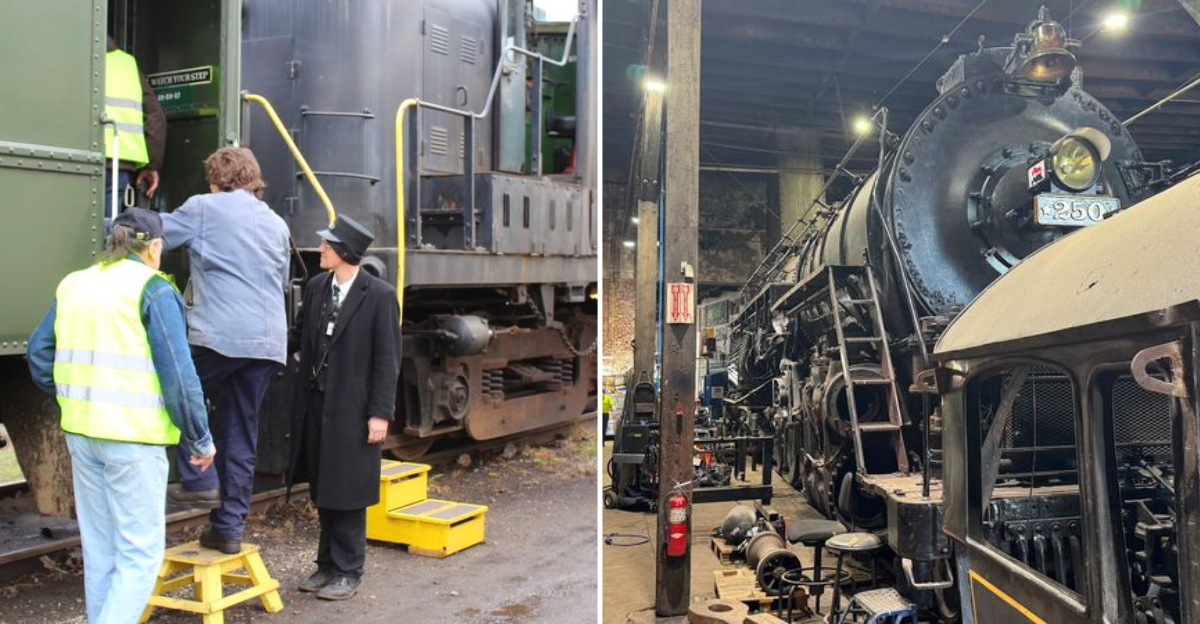
Some museums ask you to admire history from a polite distance. This Cleveland rail site lets you stand close enough to massive locomotives to understand why steam-era machines still make people go quiet for a second.
The roundhouse feels gritty, alive, and wonderfully unpolished in the best way. Volunteers walk you through towering engines, vintage passenger cars, restoration projects, presidential rail history, and the kind of mechanical details that make even non-train people suddenly care about boiler inspections.
It is part museum, part working shop, and part time machine with better tour guides. Expect old iron, big stories, a possible ride on the tracks, and a visit that makes Ohio’s railroad history feel less like a textbook chapter and more like something still rumbling under your feet.
The Roundhouse That History Did Not Let Go
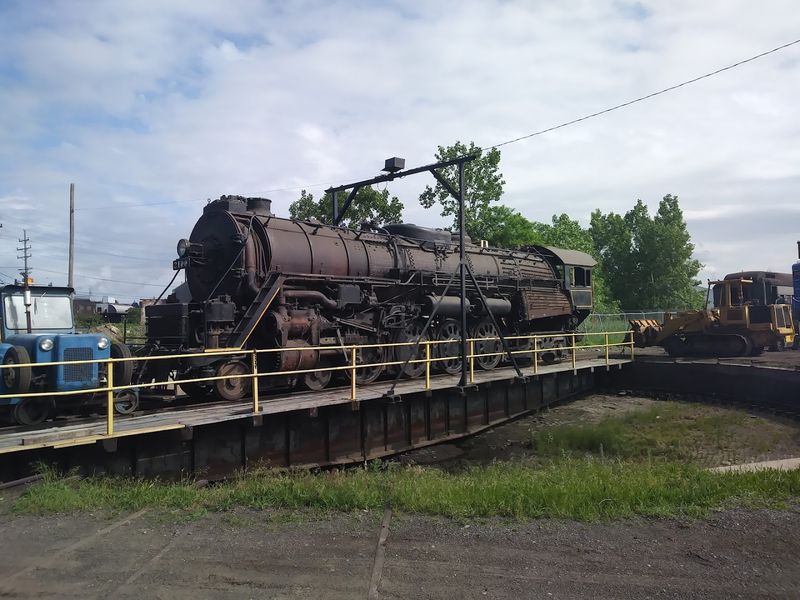
Few buildings in Cleveland carry the kind of weight that this one does.
The Historic B&O Roundhouse at Midwest Railway Preservation Society Inc. opened in 1907 and is still in active use today, which gives the place a rare kind of railroad cred before a single locomotive even enters the chat.
A roundhouse was the original service center for locomotives. Engines would roll in on a turntable, get pointed toward an open bay, and mechanics would go to work.
This building has seen that process play out countless times over many decades.
The brick walls and heavy timber framing have survived industrial change, economic shifts, and the slow disappearance of steam-powered rail. Most roundhouses lost their everyday purpose when diesels took over, making this survivor feel especially valuable.
You can find the society at 2800 W 3rd St, Cleveland, OH 44113, near the industrial west side of the city. The building itself sets the mood before you even step inside.
Standing in front of it, you get a clear sense that what happens here matters well beyond any single visit.
Steam Engines That Are Being Brought Back To Life
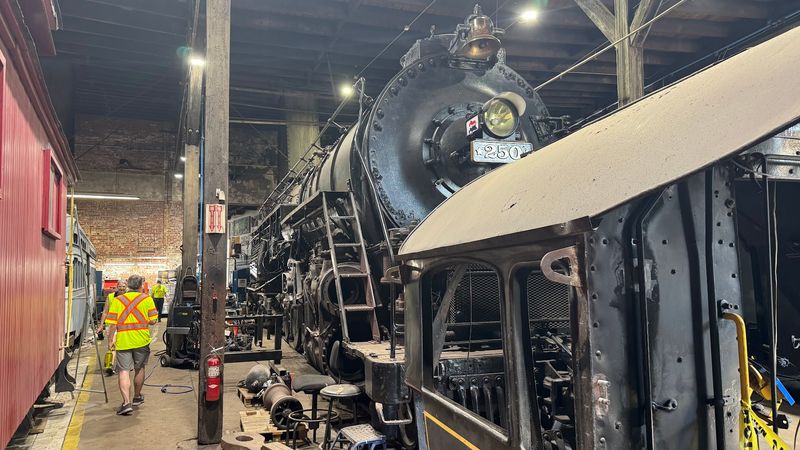
The star attractions here include the steam locomotives and major restoration work happening inside the roundhouse. These are not small machines.
Their boilers alone are taller than most adults, and the sheer volume of steel involved is hard to grasp until you are standing right next to one.
The official event descriptions note that two steam locomotives are being restored inside the facility, while the society’s Grand Trunk Western 4070 project shows the kind of detailed work underway, from ultrasonic testing to frame and smoke box repairs.
The level of detail in this work is extraordinary.
Volunteers with serious technical knowledge lead you through what is being done and why. They explain boiler pressure ratings, valve systems, and the chemistry of steam power in ways that are surprisingly easy to follow.
What makes this especially compelling is that the work is ongoing. You are not looking at a finished exhibit behind glass.
You are watching real preservation unfold in real time, with real tools and real expertise on full display. That sense of living history is something no finished museum can fully replicate.
The Business Car With A Remarkable Backstory
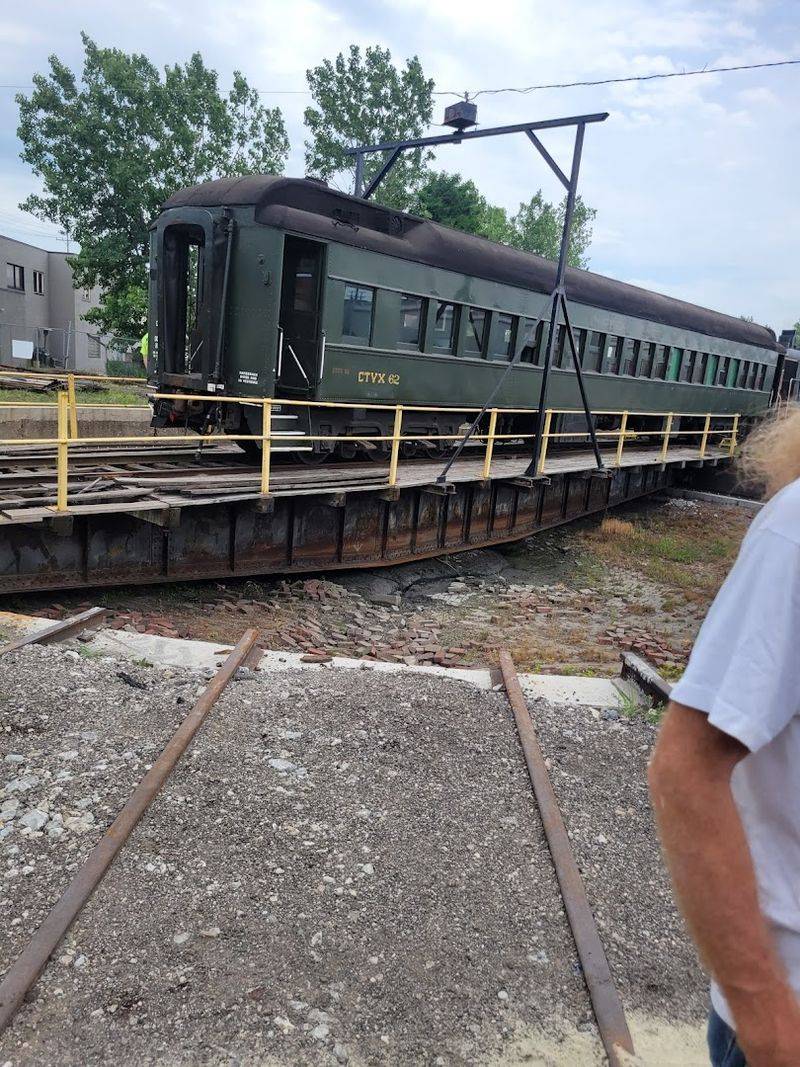
Among the many fascinating pieces connected to this site, one rail car carries a story that leans more executive-suite than campaign-trail.
The business car America was built by Pullman in 1927 as New York Central business car No. 5 and was used by railroad vice president R.D. Starbuck.
Its later story includes Penn Central ownership and private use by Georgia Frontiere, former owner of the Los Angeles Rams, who preferred rail travel while following the team to away games.
The Midwest Railway Preservation Society announced the donation of the car and described it as Amtrak-ready, with inspection and updates planned so it could travel to Cleveland and be used for future excursion opportunities.
Every detail of a car like this carries a different kind of rail history, from the interior fittings to the mechanical systems underneath. The goal is not just to preserve an old railcar, but to keep a complicated piece of American transportation history useful and understandable.
Hearing the story of this car during a tour adds a completely different layer to the visit. It shifts the experience from pure mechanical history into something that touches business travel, private rail culture, and American railroading all at once.
Few rail sites anywhere can offer that kind of cross-section of stories.
Tour Guides Who Actually Know Their Stuff
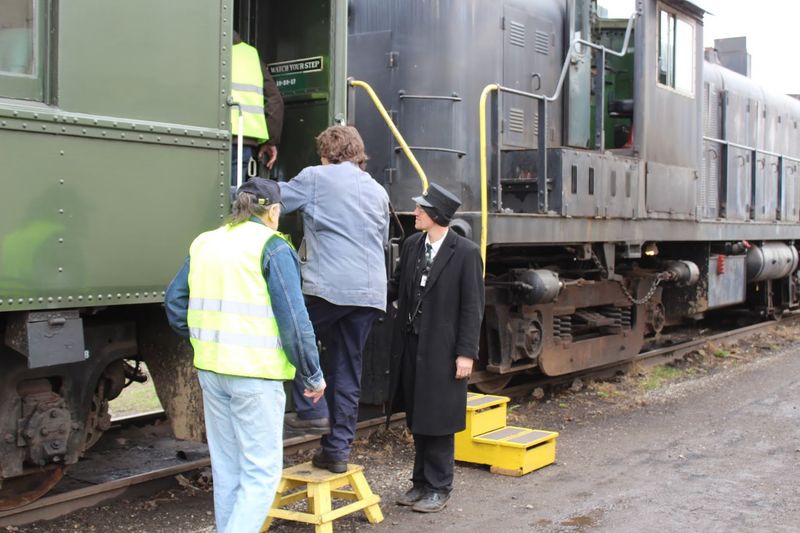
The people who lead tours here are not reading from a script. They are volunteers who have spent serious time learning the mechanical, historical, and cultural details of every piece on the property.
That shows immediately when you start asking questions.
Guides like Charley, Earl, and others known by colorful nicknames have become part of the experience themselves. They mix technical explanations with personal anecdotes, local history, and the occasional ghost story tied to the roundhouse.
The result is a tour that never feels dry or rehearsed.
When a guide walks you up to a locomotive and starts talking about valve timing or firebox design, you realize you are getting information that most people simply never encounter. It is the kind of depth that train enthusiasts dream about and that curious newcomers genuinely appreciate.
The willingness to answer any question, no matter how basic or how detailed, is something visitors consistently mention. That openness makes the experience feel personal rather than performative.
A good guide can turn a collection of old machines into a story you will still be telling weeks later.
A Short But Memorable Train Ride On Site
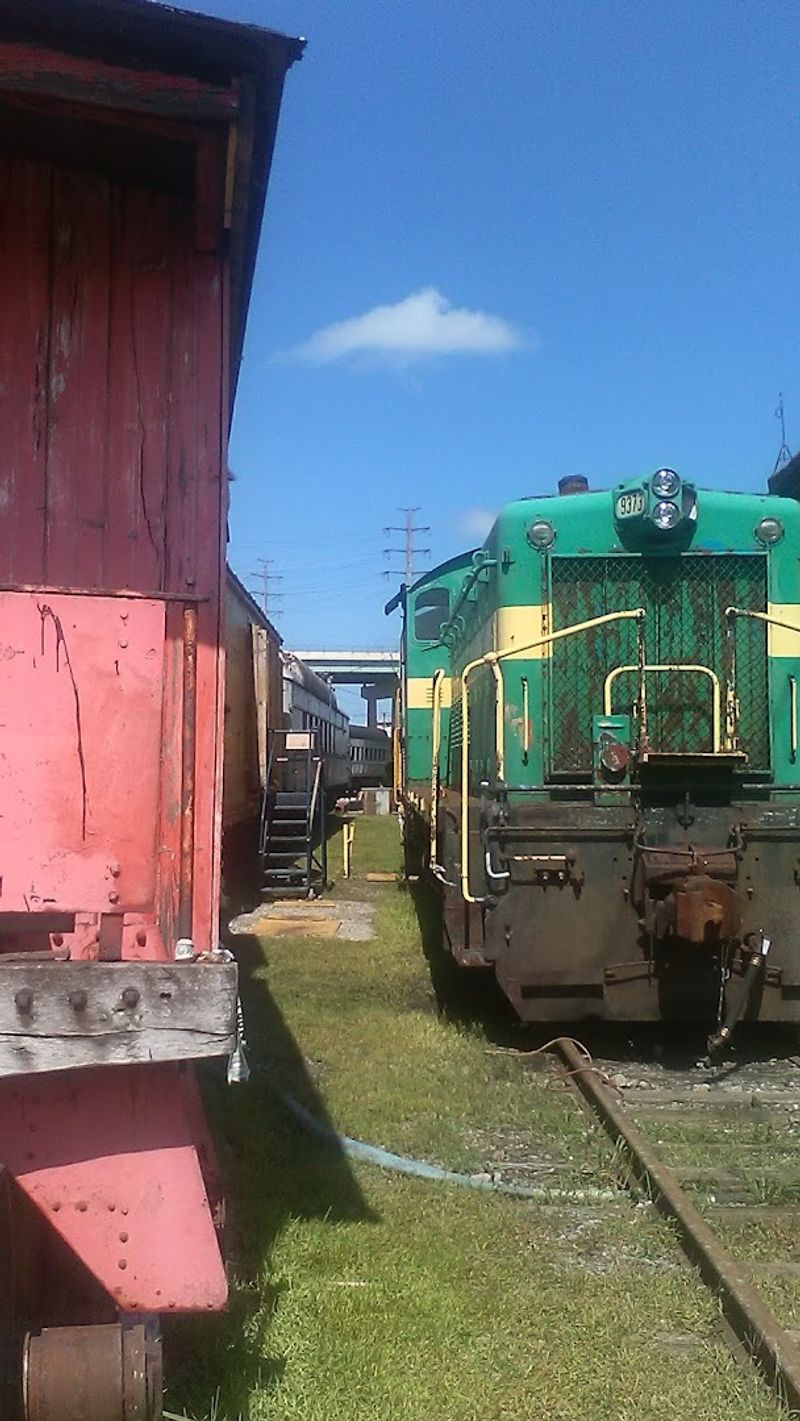
Part of what can make a visit here different from simply reading about trains is the chance, during certain tours or open-house events, to actually ride on the tracks.
The ride is short when offered, but it delivers something that photographs and descriptions cannot: the actual sensation of rail travel on historic equipment.
The route takes you around the facility, giving you a moving perspective on the property and the machines stored across the yard. From a rail car, you see the scale of the operation differently than you do on foot.
For younger visitors, this can easily become the highlight of the day. There is something undeniably exciting about the clatter of wheels on rails and the slow, deliberate pace of a train moving through a working yard.
For adults who grew up watching steam trains in the 1950s or heard about them from family members, the ride can carry a real emotional weight. More than one visitor has mentioned that it brought back memories of watching these machines run for the first time.
That kind of connection is exactly what preservation work is meant to create.
The Ghost Stories That Come With The Territory
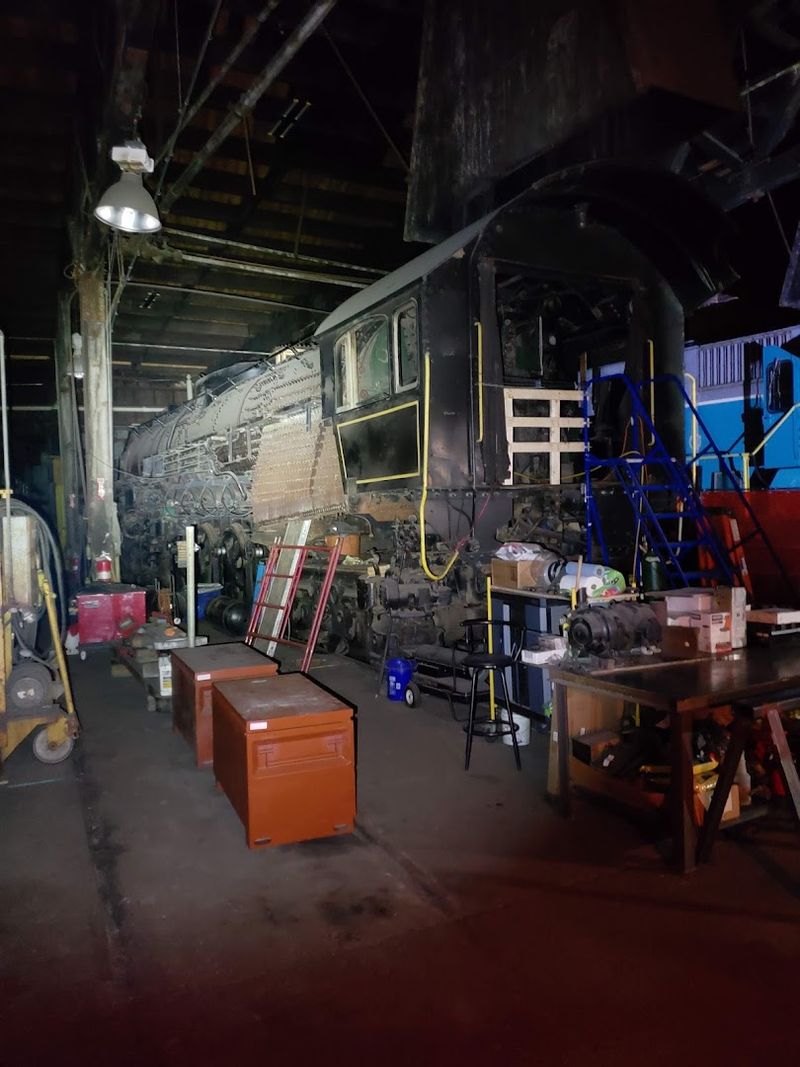
Not everything at this site is strictly mechanical. The roundhouse has accumulated more than a century of history within its walls, and some of that history has taken on a slightly spookier character over time.
Tour guides here are known to include ghost stories as part of the experience. These are not cheap jump-scare tactics but rather local legends and unexplained occurrences that have been passed down among the people who work in the building.
The roundhouse atmosphere, with its deep shadows, old iron, and echoing spaces, makes these stories feel genuinely plausible.
Whether you believe in that sort of thing or not, the stories add texture to the visit. They remind you that a building this old has been home to generations of workers, each with their own relationship to the machines and the space.
It is one of those unexpected layers that transforms a straightforward industrial tour into something more atmospheric.
By the time the guide wraps up a story about something heard late at night in the back bays, even the skeptics in the group tend to glance over their shoulders just once.
Vintage Locomotives And Passenger Cars Across The Yard
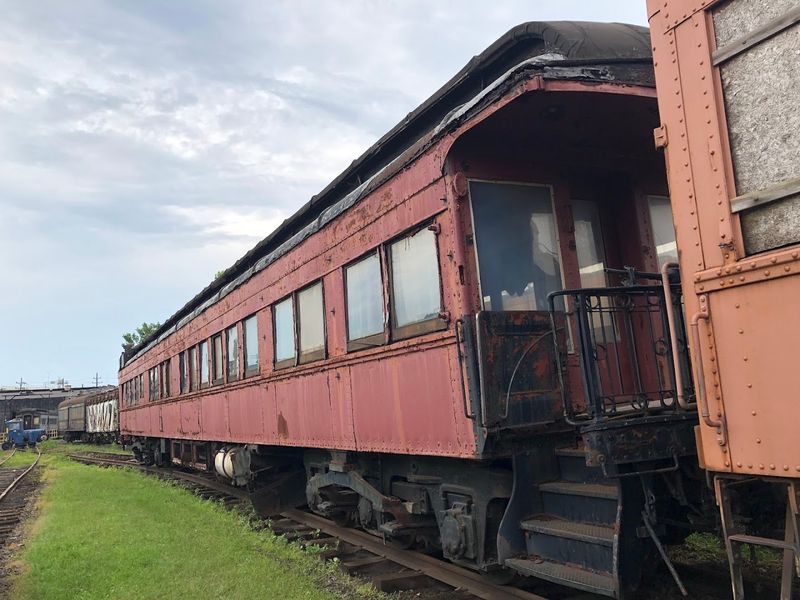
Before you even reach the main building, the property gives you plenty to look at. Along the south end of the grounds, several vintage EMD E-unit locomotives and older passenger cars are lined up in the open air, visible from the surrounding roads.
These units represent a specific era in American rail history, the period when diesel power was beginning to replace steam. Seeing them alongside the steam locomotives inside creates a natural timeline that helps you understand how rail technology evolved over just a few decades.
The passenger cars vary in condition, with some further along in restoration than others. That variety is part of the honest presentation here.
Nothing is artificially polished to look perfect. You see the work as it actually exists, which makes the progress feel earned.
Spotting these cars from the roundabout near I-71 is something longtime visitors recommend.
The sight of classic rail equipment lined up against the backdrop of Cleveland’s industrial west side is a striking image that tells you exactly what kind of place you are about to visit before you even park the car.
What To Expect As A First-Time Visitor
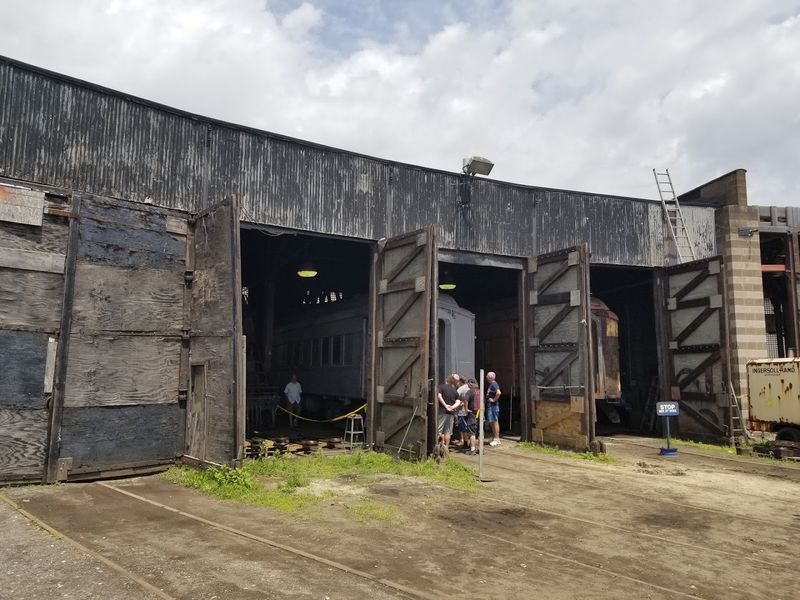
A few practical details can help you get the most out of your first visit. The pathways on the property include a mix of blacktop and gravel surfaces, so comfortable walking shoes are a smart choice.
The terrain is manageable but not perfectly smooth throughout.
Tours are guided rather than self-directed, which means your experience will be shaped by whoever is leading that day. The quality of guides here is consistently high, but the depth of information can vary depending on the group size and how many questions people ask.
The site is best described as a working preservation facility rather than a polished museum. Expect to see equipment in various stages of repair, tools on workbenches, and the general organized chaos of an active restoration shop.
That authenticity is a feature, not a flaw.
Service animals are welcome on the property, and the staff is accommodating to visitors with different needs. The society can be reached at +1 216-781-3629, and more information about tour schedules and special events is available at midwestrailway.org.
Planning ahead ensures you arrive on a day when tours are running.
Why This Place Deserves More Attention Than It Gets
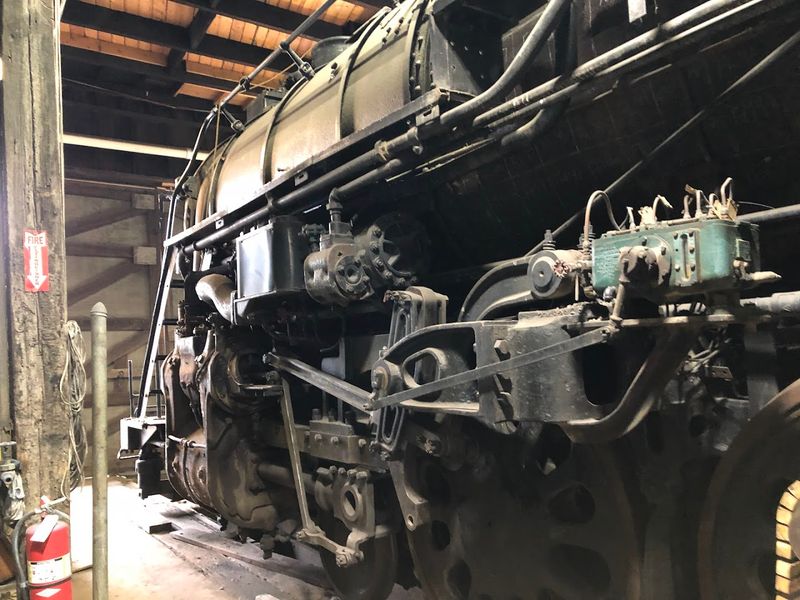
Places like this one tend to operate quietly, sustained by volunteers and donations rather than big marketing budgets.
The Midwest Railway Preservation Society has been doing serious preservation work for years without the kind of public recognition that the scale of the project genuinely warrants.
The combination of rare architecture, historically significant rolling stock, ongoing restoration work, and deeply knowledgeable guides creates an experience that stands apart from typical tourist attractions. There is real substance here, and it rewards curiosity.
For rail enthusiasts, the technical depth of the tours is a genuine treat. For casual visitors, the stories and the sheer physical presence of the machines are more than enough to hold attention for the entire visit.
The site works for both audiences, which is harder to pull off than it sounds.
Ohio has no shortage of interesting places to spend a weekend afternoon, but this particular spot offers something that cannot be replicated anywhere else in the state.
The roundhouse, the machines, the history, and the people who keep it all alive form a combination worth making the trip for, more than once if you can manage it.