
10 Amazing Colorado Adventures Even Longtime Locals May Not Know About
Forget the postcard version of the state for a minute, because the real surprises start where the obvious itinerary ends. Colorado may be known for ski runs and summit views, but its strangest, coolest adventures are hiding in canyons, forests, dusty backroads, and unexpected corners that many travelers drive right past.
Think ancient footprints pressed into stone, handmade structures with wild backstories, strange landscapes that feel almost cinematic, and family-friendly stops that turn a regular weekend into a story worth retelling.
Some places ask for reservations and a little planning, while others simply demand curiosity, sturdy shoes, and enough fuel to follow the detour.
This is the fun of chasing lesser-known finds: the reward feels personal. Long after the famous peaks fade from the rearview mirror, Colorado’s offbeat treasures prove that the state still has plenty of secrets left for anyone willing to look beyond the brochure.
1. Picket Wire Canyonlands Guided Auto Tour
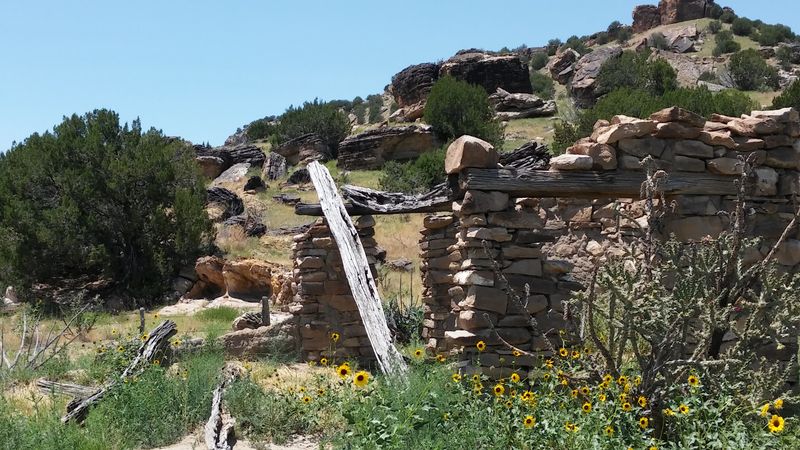
Somewhere in the dry, sun-baked southeast corner of Colorado, a canyon holds one of the most jaw-dropping prehistoric secrets in North America. The Picket Wire Canyonlands contain the largest documented dinosaur tracksite on the continent, and the only way to reach it by vehicle is through a ranger-guided auto tour.
Meeting at 1420 East Third Street in La Junta, these tours give you motorized access that no solo visitor can arrange independently.
I find something deeply satisfying about that exclusivity. You are not just pulling off a highway and wandering toward a roadside marker.
A Forest Service ranger leads your convoy into terrain that feels genuinely remote, narrating the geology and paleontology along the way. Reservations go through Recreation.gov, and spots fill up faster than you would expect for a place most Coloradans have never heard of.
Plan for a full day and bring more water than you think you need. The canyon environment is unforgiving in summer heat, but the payoff of standing next to actual dinosaur footprints pressed into ancient stone is the kind of experience that resets your sense of scale.
Book early, arrive on time, and let the ranger do the talking.
2. Ute Mountain Ute Tribal Park
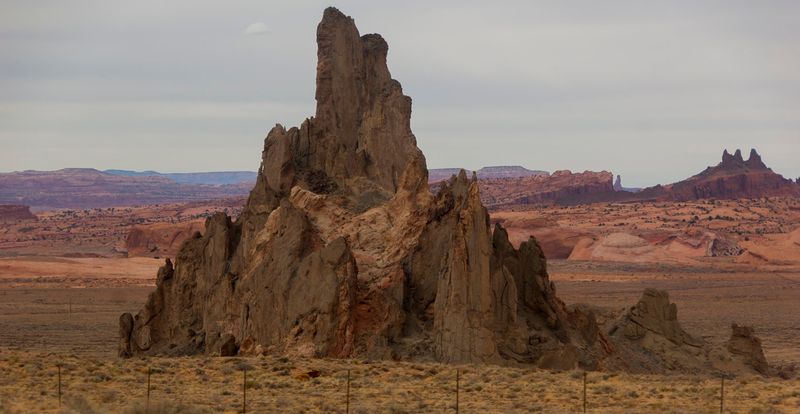
Most visitors to the Four Corners region make a beeline for Mesa Verde National Park and call it a day. The Ute Mountain Ute Tribal Park, located at 3 Weeminuche Drive in Towaoc, offers something Mesa Verde simply cannot: an unfiltered, living connection to the people whose ancestors built those cliff dwellings in the first place.
Every visit is guided by a designated Native American guide, and advance reservations are required.
That structure is not a bureaucratic inconvenience. It is the entire point.
Your guide brings context, personal history, and cultural knowledge that no informational placard ever could. Petroglyphs, pictographs, and cliff dwellings unfold through storytelling rather than signage, and the experience lands differently because of it.
Crowd sizes here are a fraction of what you encounter at Mesa Verde, which means you spend more time absorbing and less time shuffling around other tourists. Mornings tend to offer the best light for photography and the coolest temperatures for hiking.
If you have already done Mesa Verde and assumed you had checked that box for life, this park will pleasantly challenge that assumption. Come with curiosity, respect the protocols, and you will leave with a far richer understanding of this landscape.
3. Wheeler Geologic Area
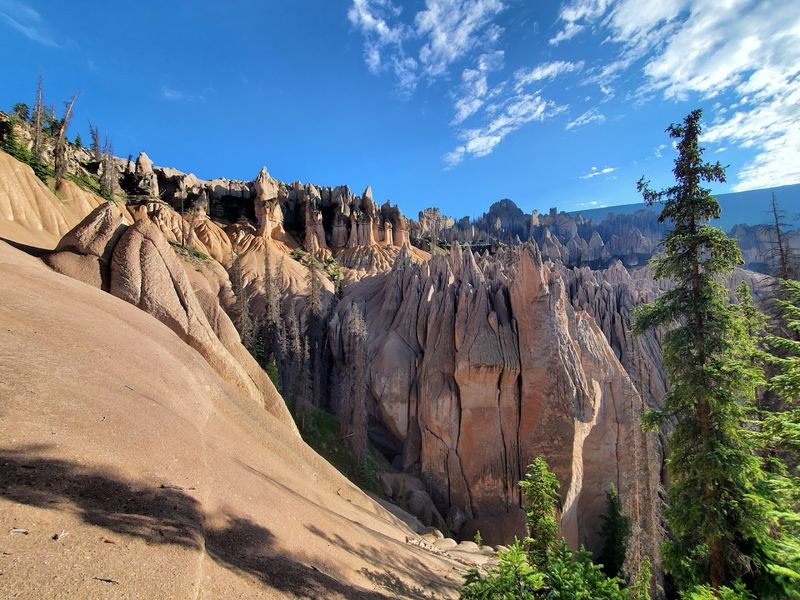
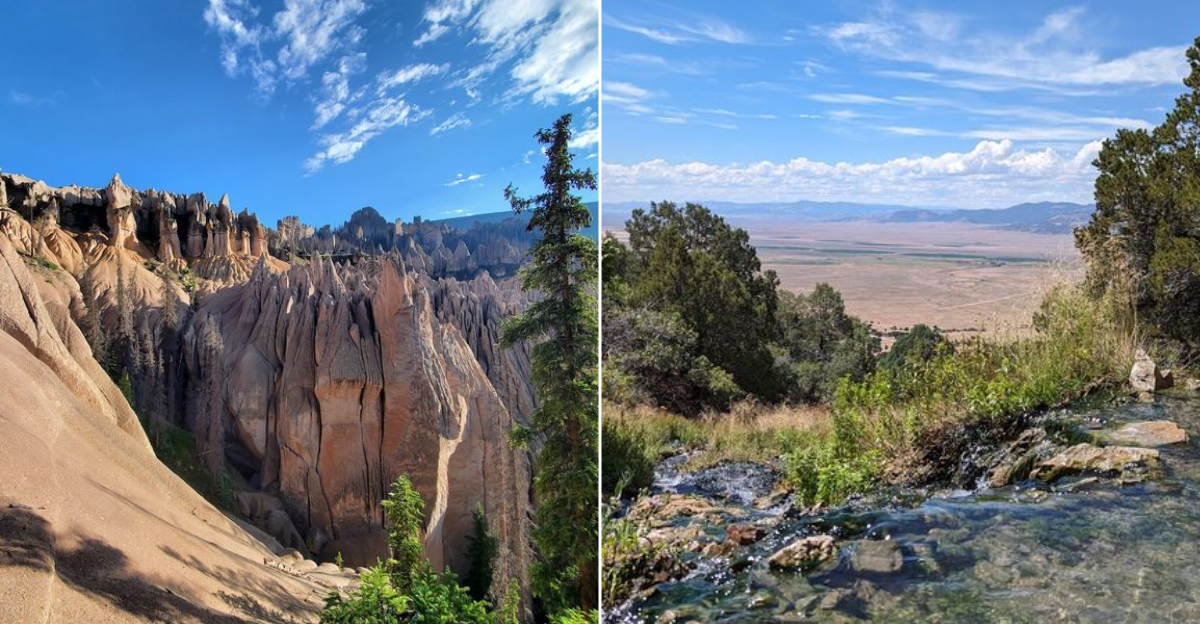
There is a place in the Rio Grande National Forest east of Creede that looks like someone left a surrealist sculpture garden in the middle of the wilderness and forgot to tell anyone. The Wheeler Geologic Area is filled with eroded volcanic spires, pale stone columns, and formations so strange they seem borrowed from another planet entirely.
Getting there is part of the adventure: a seven-mile hike or a fourteen-mile 4WD road, depending on how you want to earn the view.
Forest Road 600 opens late in the season and closes early, so checking road status with the Forest Service before you go is not optional. I made the mistake of assuming accessibility once on a similar road in a different state, and I am still mildly embarrassed about it.
Lesson learned: call ahead.
The formations are at their most dramatic in morning light, when long shadows define every ridge and hollow. Camping nearby lets you catch both sunrise and sunset without rushing.
Because the access is genuinely inconvenient, the crowds are essentially nonexistent, which means you get one of Colorado’s most otherworldly landscapes almost entirely to yourself. That trade-off feels like a very good deal.
4. Valley View Hot Springs at Orient Land Trust
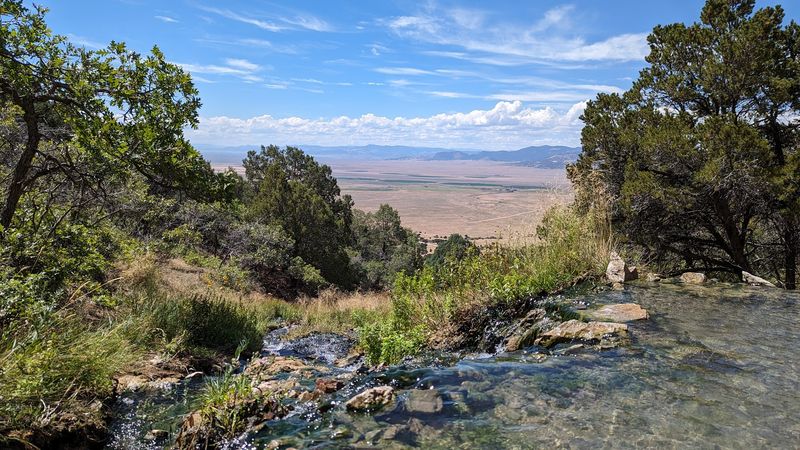
Not every hot spring in Colorado comes with a parking lot full of inflatable flamingos and a gift shop selling scented candles. Valley View Hot Springs at Orient Land Trust, located at 64393 County Road GG in Moffat, operates on an entirely different philosophy: conservation first, quiet second, and genuine relaxation as the natural result of both.
The pools are natural, the setting is open sky and mountain horizon, and the admission is deliberately limited.
Orient Land Trust runs the property with a focus on preserving the San Luis Valley ecosystem, which means the experience feels less like a resort and more like a well-kept secret shared among people who actually care about the land. Reservations are highly recommended because this is not a walk-up kind of place, and that limitation is precisely what keeps it worth visiting.
I would argue that the mountain views alone justify the drive from anywhere in the state. Soaking in warm mineral water while staring at the Sangre de Cristo Range is the kind of afternoon that recalibrates your stress levels in ways that a spa weekend rarely manages.
Arrive unhurried, stay as long as the reservation allows, and resist the urge to check your phone.
5. Colorado Gators Reptile Park
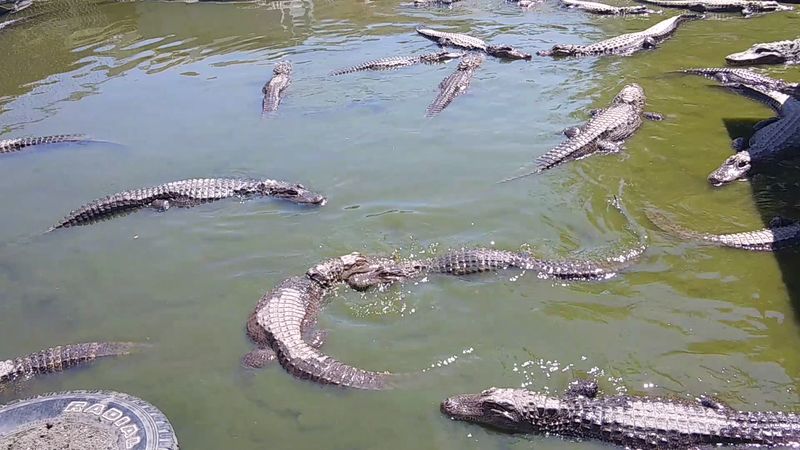
Nobody expects to find alligators in Colorado. That is precisely what makes the drive to 9162 Lane 9 North in Mosca feel like a genuinely absurd and wonderful detour.
Colorado Gators Reptile Park started as a tilapia fish farm and evolved, through a series of practical decisions, into a full-scale alligator and reptile rescue operation. The San Luis Valley is not the obvious setting for such a place, and yet here it is, operating daily and drawing visitors who cannot quite believe what they are seeing.
The park rescues reptiles from across the country, which means the residents include not just gators but pythons, tortoises, and a rotating cast of other species that outgrew their previous homes. The staff knows every animal by name and temperament, and their enthusiasm is genuinely contagious.
For families with kids who are past the age of being impressed by a regular zoo, this place hits differently. There is a hands-on quality to the experience that most wildlife parks have sanitized away.
Colorado.com confirms the address and the park’s legitimacy, but nothing fully prepares you for the moment you realize those are actual, full-grown alligators in the middle of the Colorado high desert. Bring a camera and your best poker face.
6. Last Chance Mine
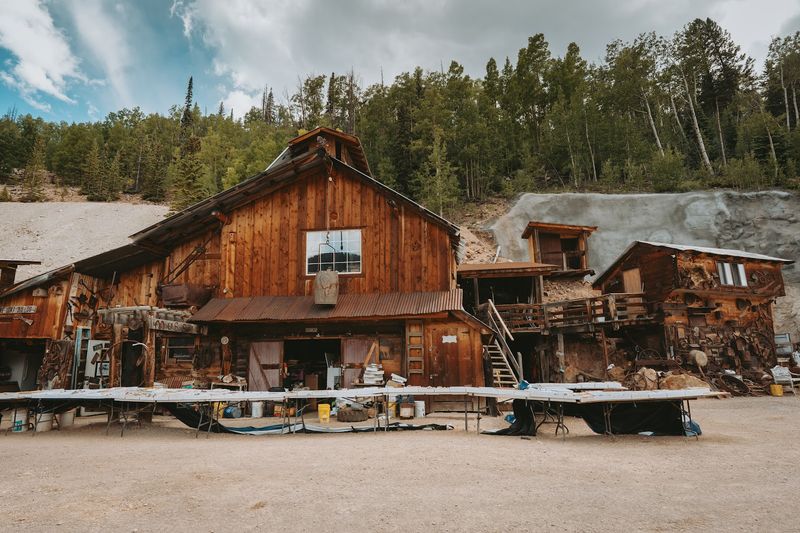
Creede already has the kind of dramatic mountain scenery that makes you feel like you wandered into a western film set, and the Last Chance Mine at 504 Last Chance Mine Road leans fully into that energy. Underground tours take you into the actual mine workings, where the temperature drops and the history gets tactile in the best possible way.
The mine opens Memorial Day weekend and runs through mid-October, so timing your visit matters.
Rock collecting opportunities and museum areas round out the experience, making this a solid full-morning stop rather than a quick pull-off. The Bachelor Loop scenic drive nearby adds even more scenery to the day, and the combination of underground exploration followed by high-country mountain vistas is a pairing that is hard to beat for sheer variety of experience.
My personal read on the Last Chance Mine is that it belongs in the same category as the places you stumble onto by accident and immediately start recommending to everyone you know. It is not flashy.
The signage is modest. But the tour itself delivers a hands-on history lesson that no documentary can replicate.
Go on a weekday if you can, arrive at opening time, and budget at least two hours for the full experience including the drive.
7. Rifle Falls State Park Caves
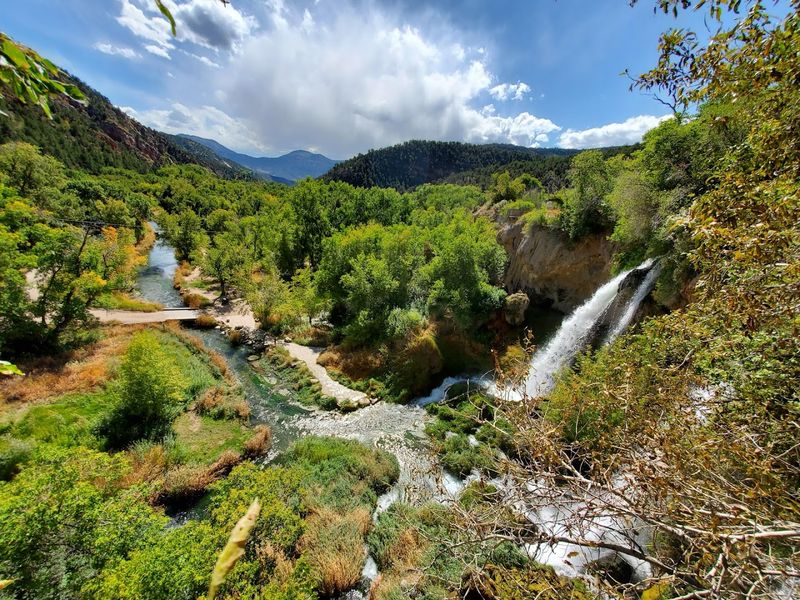
Most people who visit Rifle Falls State Park at 5775 Highway 325 in Rifle come for the triple waterfall, snap their photos, and head back to the car. A smaller, more rewarding group keeps walking and discovers the limestone caves tucked beneath the falls.
The park is open daily from 6 a.m. to 10 p.m., which gives you plenty of window to time your visit around the light and the crowds.
The caves are not enormous or technically demanding, but they add a layer of exploration that transforms a pretty waterfall stop into something that feels genuinely adventurous. Kids who have seen one waterfall too many tend to perk right back up when a cave entrance appears around the corner.
The mist from the falls keeps the surrounding rocks mossy and cool even in midsummer, which makes the whole area feel like a microclimate borrowed from somewhere much wetter.
Parking fills up on weekends, so an early arrival pays off in multiple ways: better light, fewer people on the trail, and a better chance of having the cave area to yourself for a few quiet minutes. Wear shoes with actual grip because the rocks near the falls stay slick regardless of the season.
This one earns its spot on the list without much argument.
8. Vogel Canyon Picnic Area
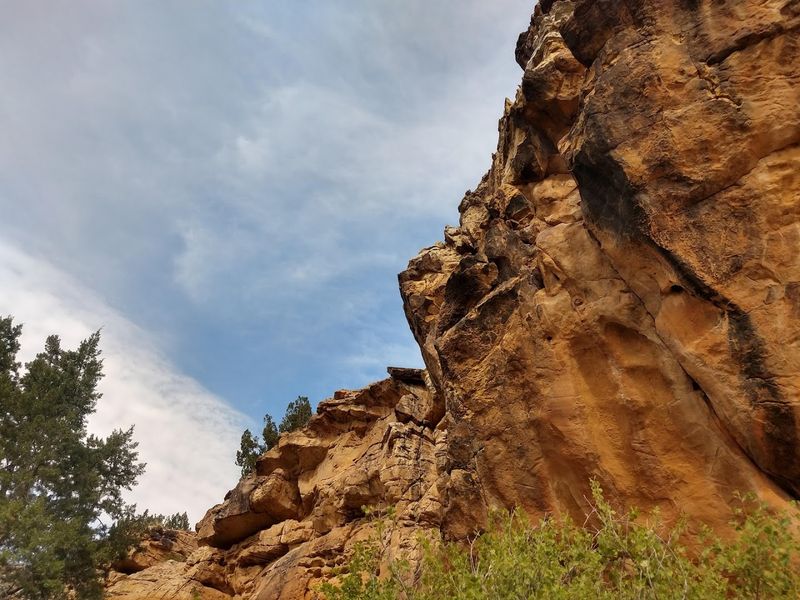
Southeast Colorado does not always get the credit it deserves in a state dominated by mountain scenery, but Vogel Canyon near La Junta makes a quiet, compelling case for the region. Located off David Canyon Road in La Junta, this canyon system offers four trails that split between canyon-bottom routes and mesa-top overlooks, giving hikers a choice of perspectives without requiring an all-day commitment.
The rock art panels are the real draw for me. Standing in front of images carved and painted into sandstone by people who lived here long before any road existed in this part of Colorado is a humbling and surprisingly emotional experience.
The Santa Fe Trail connection adds another historical layer, so you are essentially walking through several centuries of human movement through this landscape in a single afternoon.
Vogel Canyon is open year-round, which means it works as a fall or winter outing when the high-country trails have shut down for the season. The lack of elevation keeps the access manageable for most fitness levels, and the canyon walls provide natural shade that makes summer visits more tolerable than you might expect.
Pack a picnic, use the designated area, and take all four trails if you have the time. The mesa-top views alone are worth the extra miles.
9. Paint Mines Interpretive Park
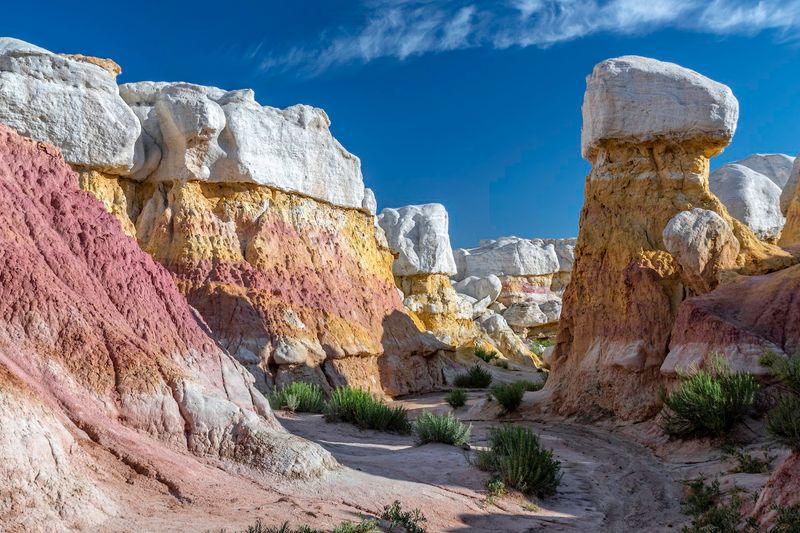
About an hour east of Colorado Springs, the plains open up to reveal something that has no business existing in the middle of flat grassland. Paint Mines Interpretive Park at 29950 Paint Mine Road in Calhan covers roughly 750 acres of hoodoos, clay formations, and color-banded geology that looks more like a miniature Bryce Canyon than anything you would expect from eastern Colorado.
El Paso County manages the site with four miles of trails, interpretive signs, and restroom facilities.
The formations shift color depending on the time of day and the angle of the light, which makes golden hour visits particularly rewarding for anyone carrying a camera. Soft pinks, burnt oranges, and chalky whites cycle through shades that change minute by minute as the sun moves.
The archaeological history here runs deep as well, with evidence of human habitation stretching back thousands of years.
Because the park sits on the plains rather than in the mountains, it stays accessible in shoulder seasons when higher-elevation destinations are buried under snow. The trails are short enough for young children and leisurely enough for older visitors, making this one of the more genuinely family-friendly entries on the list.
Colorado.com confirms the full address. Go late in the afternoon, stay for the light show, and prepare to explain to everyone back home why eastern Colorado deserves more respect.
10. Bishop Castle
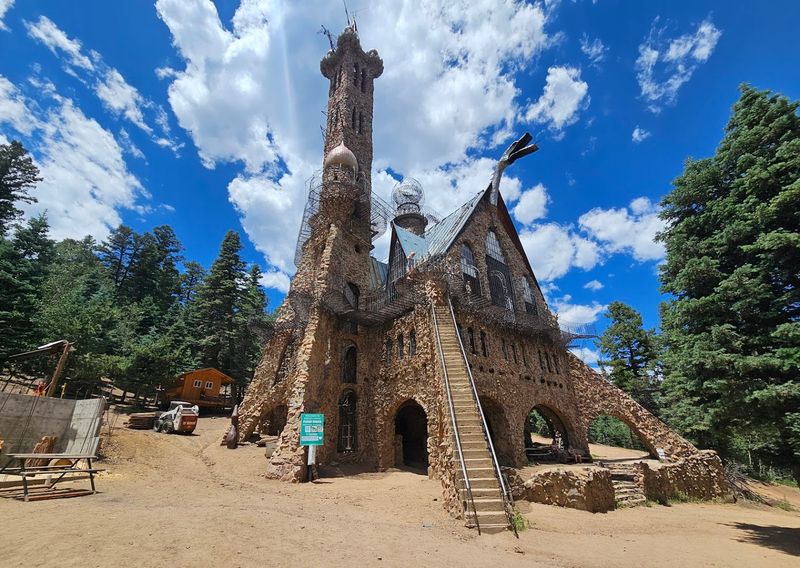
There is exactly one Jim Bishop, and for decades he has been building a castle by hand in the Wet Mountains outside Rye, Colorado. Bishop Castle at 12705 Highway 165 is not a restoration project or a theme park attraction.
It is a single person’s ongoing act of creative stubbornness, constructed almost entirely from stone and iron salvaged and stacked by one man over the course of a lifetime. Visitors are welcome every day from sunup to sundown, and admission is free.
The structure is enormous, vertiginous, and covered in ironwork dragons and turrets that Jim continues to add to whenever the mood strikes. Walking through it feels less like touring a historical site and more like exploring someone’s living imagination made permanent in stone.
The Wet Mountains provide a dramatic backdrop that somehow makes the whole thing feel both grander and more intimate at the same time.
I have a soft spot for places that exist purely because one person refused to stop building, and Bishop Castle is the most extreme example of that impulse I have ever encountered. Children find it thrilling, adults find it baffling and magnificent in equal measure, and everyone leaves with a story worth telling.
Colorado.com confirms the address. Just go.
Some places resist summary and simply require a visit.