
An Off-Road Washington Safari Brings You Close Enough To Hear A Bison Bellow
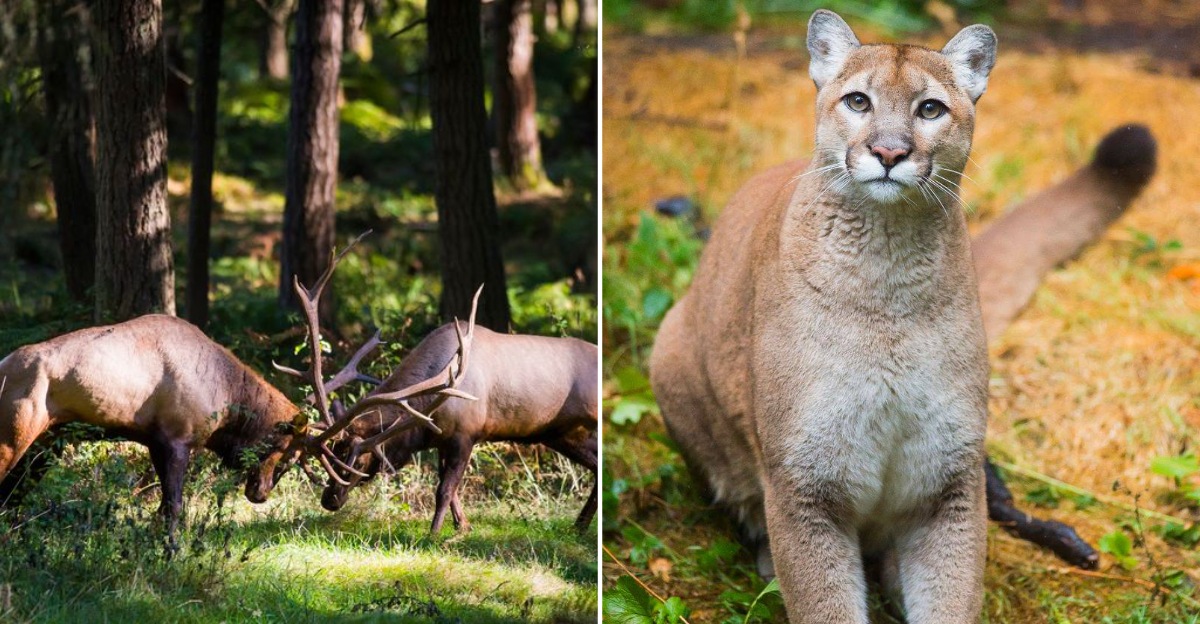
I expected a wildlife tour. I did not expect the road beneath me to disappear into forest, open grassland, and the kind of wide space that makes a vehicle feel very small. The ride grew more exciting with every turn.
Elk moved across the landscape, mountain goats watched from rocky ground, and bison stood close enough for me to notice every slow breath. Then one bellowed, and the sound rolled through the air with enough force to stop every conversation. Nothing about the experience felt staged.
The animals had room to roam, the scenery kept changing, and each sighting arrived without warning. That unpredictability made the trip memorable. You are not circling a paved enclosure or watching from behind thick glass.
You are heading off-road into Washington wilderness, never quite sure what will appear around the next bend.
The Origin Story Behind This 725-Acre Sanctuary
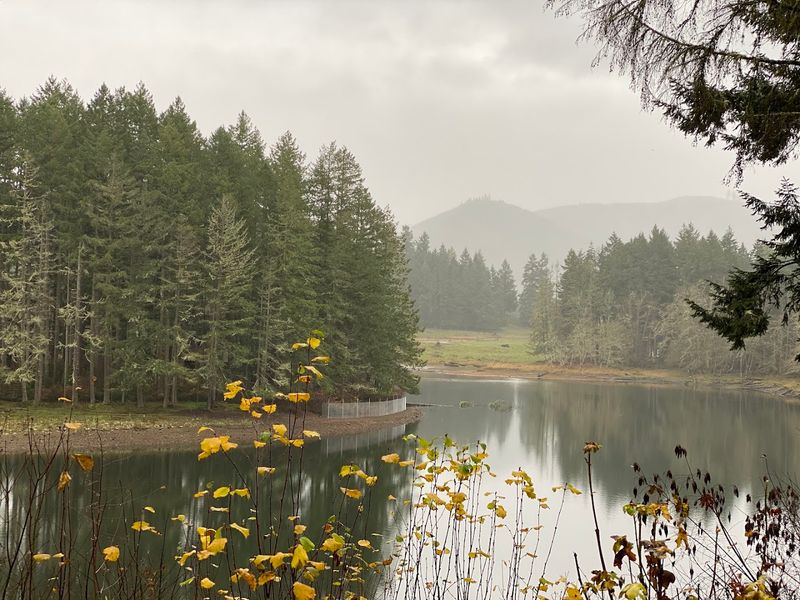
Some of the best places in the world exist because one person decided to give something away.
In 1971, Dr. David “Doc” Hellyer and his wife Connie donated the land that would become Northwest Trek Wildlife Park to Metro Parks Tacoma, with a heartfelt vision that native Pacific Northwest wildlife could live and be observed “in the dignity and beauty of a nearly wild state.”
Four years of careful planning and construction followed that generous act. On July 17, 1975, the park officially opened its gates to the public for the first time. What started as a dream rooted in love for the natural world has grown into a nationally recognized institution.
Since 1985, Northwest Trek has held accreditation from the Association of Zoos and Aquariums, a distinction that reflects its rigorous standards for animal care, veterinary services, and conservation programs.
Walking these trails, you can genuinely feel the intention behind every inch of this place.
The Keeper Adventure Tour
Nothing quite prepares you for the moment your open-air Jeep rounds a bend and a full herd of American bison appears maybe thirty feet away.
The Keeper Adventure Tour at Northwest Trek is a 90-minute off-road experience that drops you directly into the 435-acre Free-Roaming Area with an expert wildlife keeper at the wheel and a microphone in hand.
This tour requires advance reservations and costs a bit more than general admission, but the payoff is extraordinary. Your keeper guide shares behind-the-scenes stories, points out animal behaviors most visitors never notice, and navigates terrain that feels genuinely wild rather than manicured.
During my tour, we watched Roosevelt elk graze in a quiet meadow, spotted a bison calf wobbling beside its mother, and even got to touch a clump of shed bison fur, which is simultaneously coarser and softer than you would ever expect.
This is the kind of experience that earns a permanent spot in your memory.
American Bison Up Close
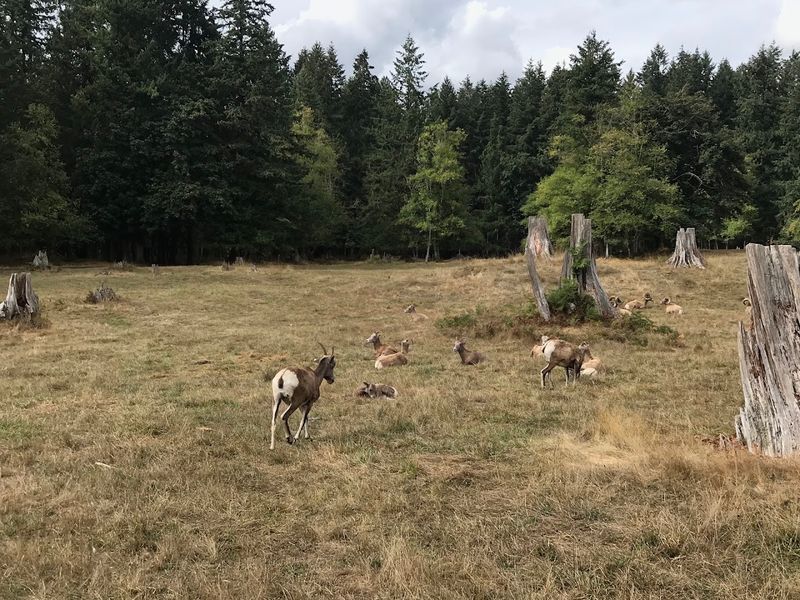
A bison bellow is not something you hear so much as feel. That low, resonant rumble travels through your chest like a drumbeat, and when the animal producing it weighs around 2,000 pounds and stands just a short distance from your open vehicle, the effect is absolutely humbling.
American bison are the centerpiece of the Free-Roaming Area at Northwest Trek, and they carry that role with impressive dignity. Bulls move across the landscape with a kind of unhurried authority, while calves born in spring add a playful energy to the herd dynamic that guides love pointing out.
Fall is a particularly rewarding time to witness bison behavior. During the rut, or breeding season, males grunt, spar, and posture in ways that feel genuinely primal.
Watching two bulls size each other up while golden autumn light filters through the trees is the sort of scene that reminds you how spectacular the natural world truly is.
Roosevelt Elk And The Quiet Drama
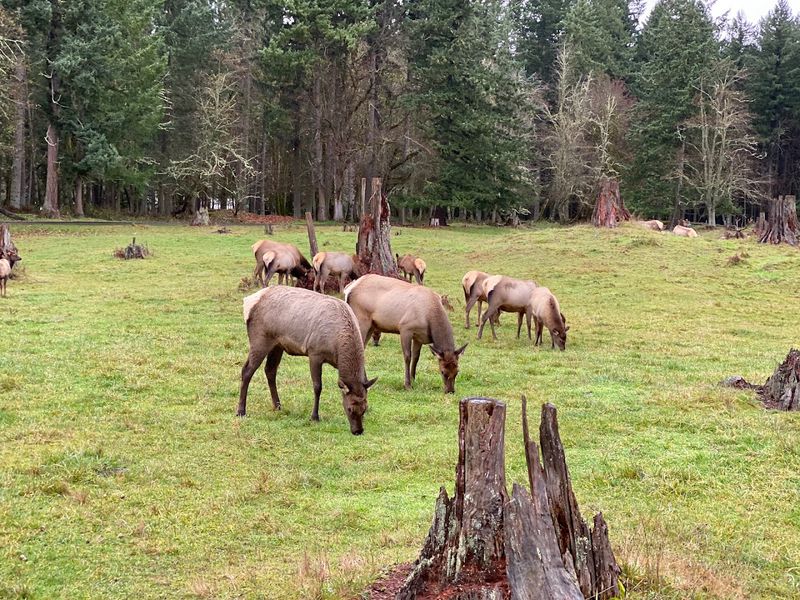
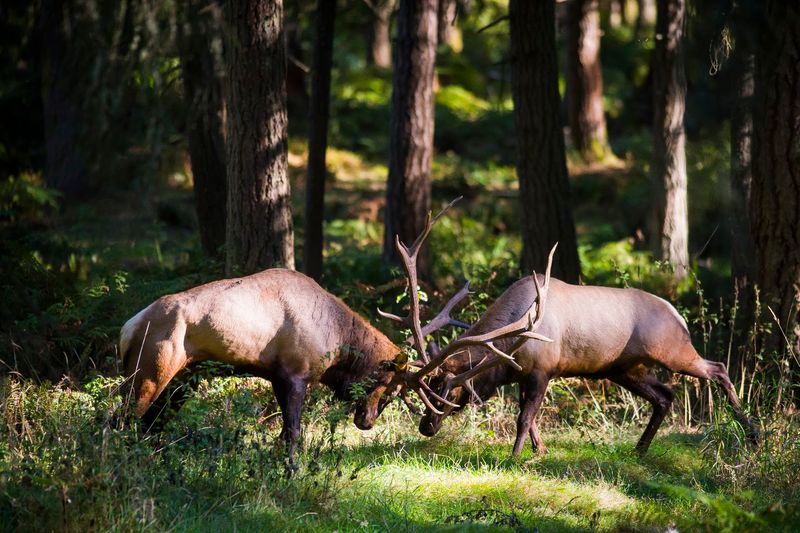
Roosevelt elk are the largest elk subspecies in North America, and seeing a group of them grazing together in a sunlit clearing is one of those quietly spectacular moments that sneaks up on you.
During my Keeper Adventure Tour, we encountered a small herd moving slowly through tall grass, their enormous antlers catching the light in a way that made the whole scene feel almost unreal.
These animals are named after President Theodore Roosevelt, who played a key role in protecting their habitat in the Pacific Northwest. That historical connection adds a layer of meaning to the encounter that goes beyond simple wildlife watching.
What struck me most was how unhurried the elk seemed. They acknowledged our presence with a brief glance and returned to their grazing without much fuss, as if they understood that this land belonged to them first.
That calm confidence is part of what makes the Free-Roaming Area at Northwest Trek feel so different from a typical zoo visit.
Wolves, Cougars, And The Walking Trails
There is something spine-tingling about hearing a gray wolf howl when you are standing on a quiet forest path with nothing but ferns and towering Douglas firs around you.
The paved walking trails that wind through the core habitat area at Northwest Trek offer a completely different pace from the off-road tours, and that contrast is part of what makes a full-day visit so rewarding.
Along these trails, naturalistic enclosures house some of the Pacific Northwest’s most elusive predators.
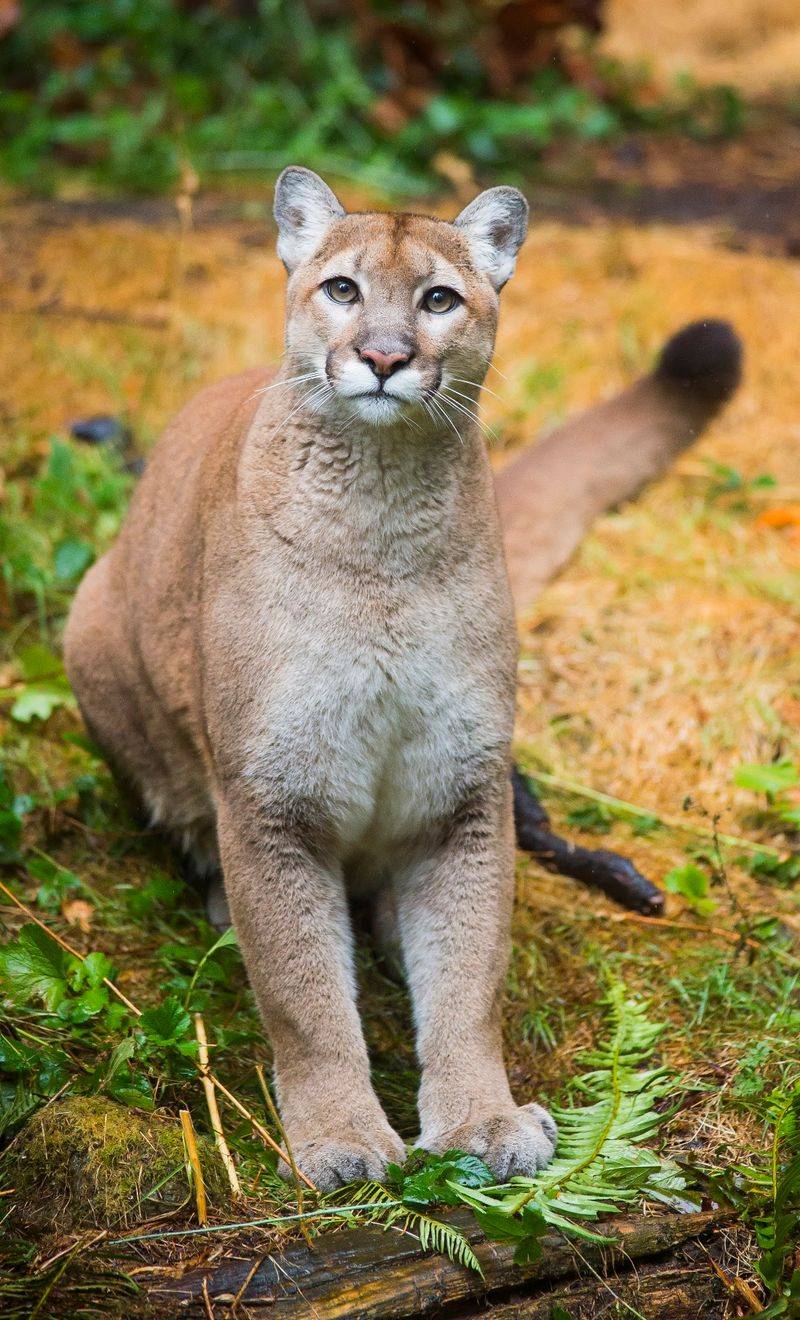
Cougars pace their habitat with that liquid, coiled energy that makes them look perpetually ready to spring. Lynx observe you with cool, unreadable eyes from elevated perches, their tufted ears swiveling at every sound.
The gray wolf exhibit is particularly well designed, giving visitors multiple viewing angles to catch wolves interacting, resting, or moving through their space.
Watching a wolf trot along a ridge line while its howl echoes through the trees is one of those sensory experiences that no photograph can fully capture, though you will certainly try.
River Otters And Grizzly Bears
If you need proof that smaller animals can completely upstage their larger neighbors, spend ten minutes watching the river otters at Northwest Trek.
These creatures move through water with a kind of joyful, boneless fluidity that makes it impossible to look away. They twist, chase each other, surface unexpectedly, and seem genuinely delighted by the whole business of being an otter.
Grizzly bears and black bears are also part of the walking trail experience, and they bring an entirely different energy to the equation.
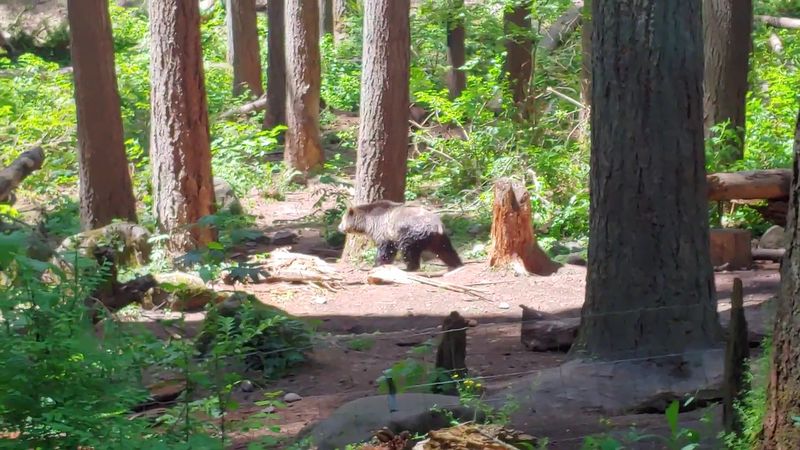
On the day I visited, a grizzly was methodically working its way through a patch of ground near some fallen logs, pausing occasionally to lift its enormous head and sniff the air with obvious purpose.
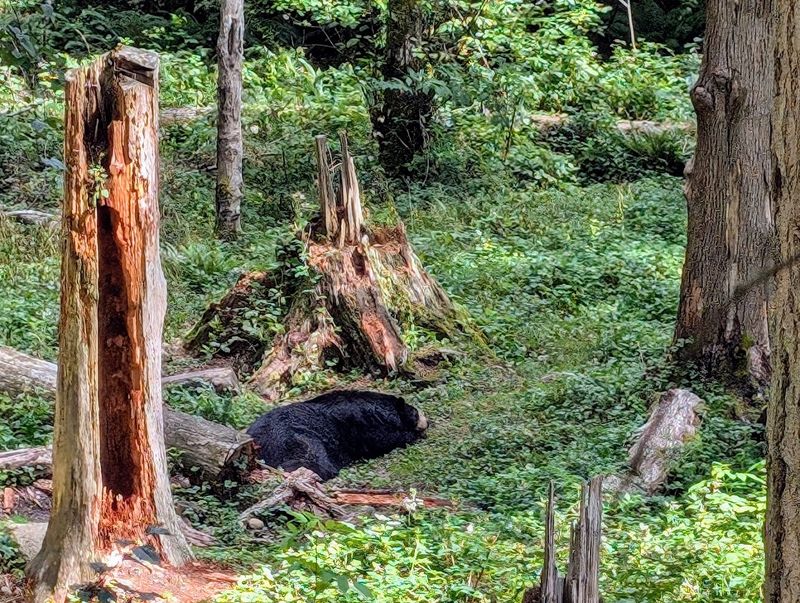
Black bears moved with surprising lightness for their size, picking their way through their habitat with what looked like genuine curiosity. Seeing both species on the same afternoon, separated by just a short walk, gives you a vivid sense of the remarkable range of wildlife that calls the Pacific Northwest home.
Practical Tips For Planning Your Visit
Getting the most out of Northwest Trek starts with a few simple preparations. The park is located at 11610 Trek Drive East, Eatonville, WA 98328, and seasonal hours vary, so checking the official website at nwtrek.org before your trip will save you from any surprises at the gate.
The Discovery Tram Tour is included with general admission and offers a relaxed introduction to the Free-Roaming Area.
For a more immersive experience, booking a Premier Tour like the Keeper Adventure Tour in advance is strongly recommended, as spots fill up quickly, especially during fall when bison rut activity peaks.
Pack a pair of compact binoculars for spotting animals at a distance, wear comfortable walking shoes, and bring a light jacket because Pacific Northwest weather shifts quickly even on sunny days.
The Forest Cafe is available on-site if you need a meal, but packing snacks for a picnic is a perfectly good option too. Plan for at least a half day, though a full day is even better.
Caribou, Moose, And The Hoofed Animals
Most people show up for the bison and leave talking about the moose. Northwest Trek is home to woodland caribou and moose, two species that look almost prehistoric when standing at the fence line.
The caribou, with their sweeping antlers, carry themselves with an unhurried dignity that feels genuinely ancient and strangely mesmerizing to watch.
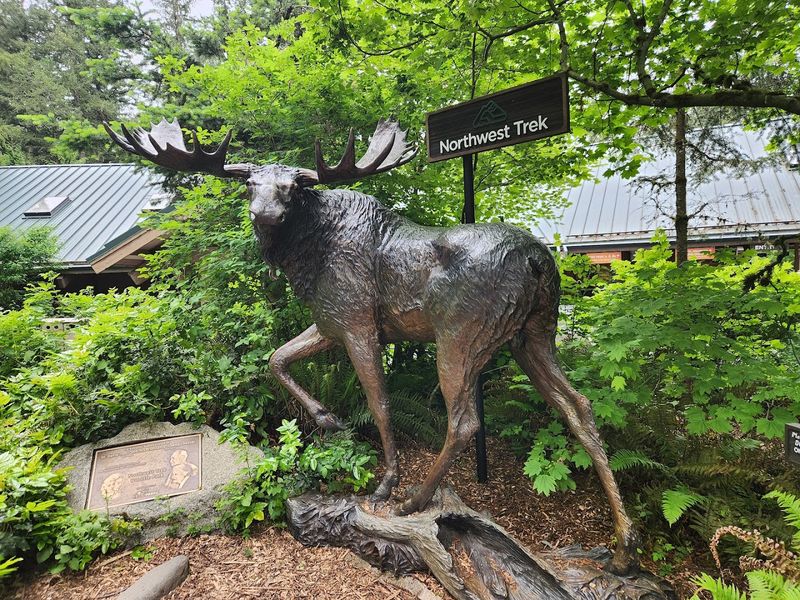
Moose are a different story altogether. Long-legged, oddly proportioned, and seemingly unbothered by anything happening around them, they graze near the marshy edges of the free-roaming area.
Catching one standing still long enough to photograph is one of those quiet, unexpected moments that makes the whole trip feel genuinely worthwhile.
Their size becomes even more impressive when there is only a fence and a stretch of grass between you.
You may arrive expecting the bison to steal the show, but the moose have their own quiet advantage. They do not need to move much to command every camera nearby.