
10 Hidden Oregon Rivers Perfect For A Peaceful Summer Float
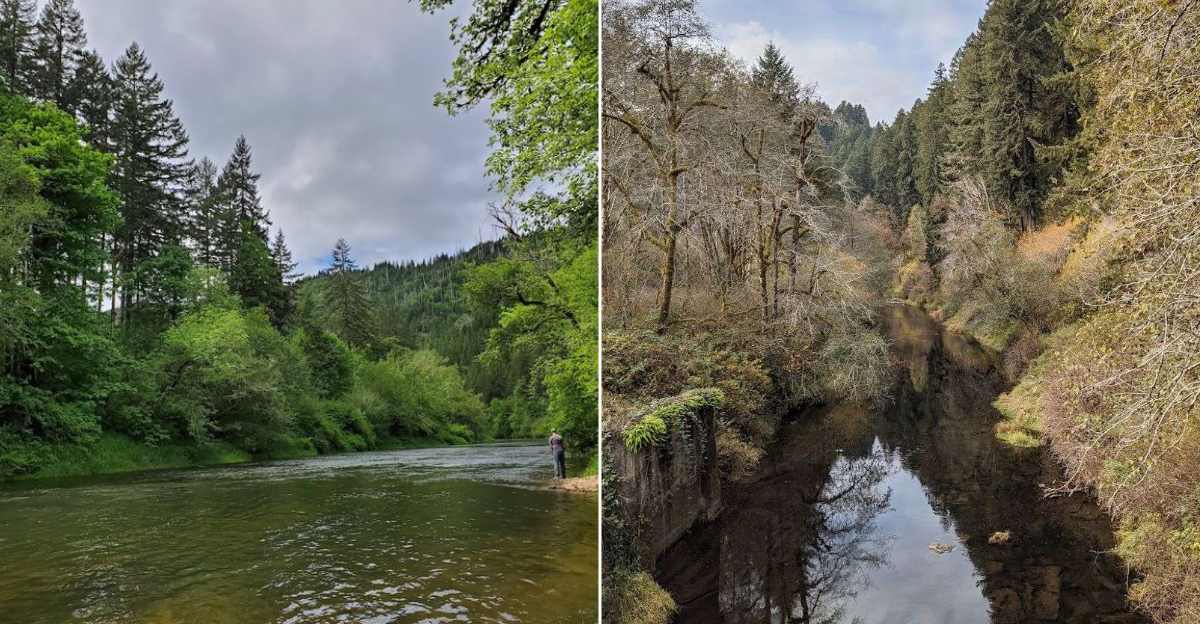
There’s a special kind of happiness that comes from doing absolutely nothing.
Especially when “nothing” involves floating down a beautiful Oregon river with the sun above you and nowhere else you need to be. No crowded attractions, no endless notifications, and no schedule telling you where to go next.
Just cool water, quiet surroundings, and the occasional reminder that nature has a much better relaxation plan than your weekend calendar.
Oregon is filled with rivers that feel like they were designed for slow afternoons, peaceful escapes, and the kind of summer memories that don’t require a reservation.
From hidden bends surrounded by forests to scenic stretches far from the usual crowds, these rivers offer the perfect invitation to grab a float, drift away, and let the current handle the itinerary.
1. Kilchis River
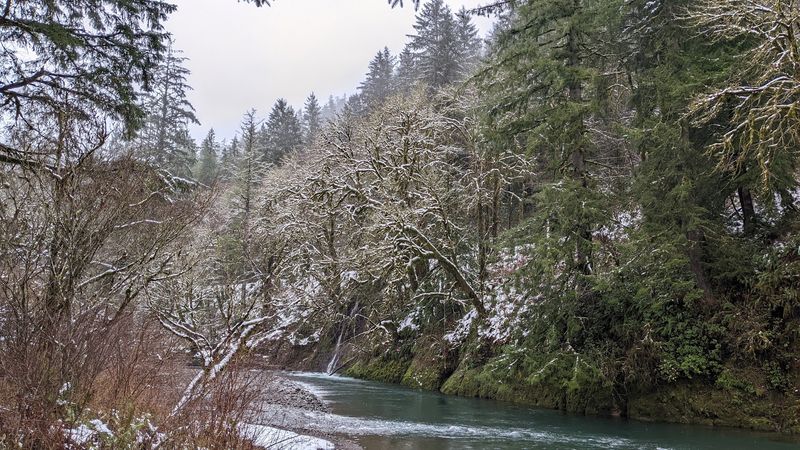
Not every great river makes the highlight reel, and the Kilchis is perfectly fine with that. Tucked into the forested hills of Tillamook County, this river runs clear and cold through some of the most beautiful emerald scenery on the Oregon Coast.
It is the kind of place that rewards the curious traveler who skips the obvious tourist stops.
The downstream sections near the coast move at a wonderfully lazy pace. Shallow, rocky stretches make it ideal for tubing and small rubber rafts.
The water is refreshing without being brutal, and the surrounding Coast Range canopy creates a natural shade tunnel that keeps things cool even on the hottest July days.
Day-use areas and campgrounds give you easy access to the river without a long hike. Stand-up paddleboarding is popular here, especially in the calmer pools between riffles.
The Kilchis has a reputation among Tillamook County regulars as a go-to summer spot that never feels overcrowded.
Wildlife sightings are common along the banks.
Great blue herons, river otters, and osprey all call this corridor home. Pack a picnic, bring water shoes, and plan to stay longer than you originally intended.
The Kilchis has a way of making schedules irrelevant.
2. Tualatin River
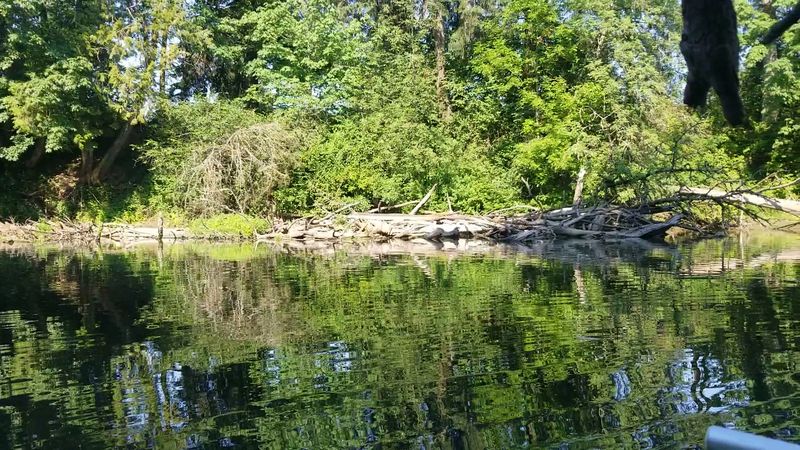
Forget everything you think you know about rivers near a major city. The Tualatin River sneaks through the suburbs of the Portland metro area with the quiet confidence of someone who knows exactly how good they are.
It meanders through farmland, wetlands, and forested corridors with barely a ripple to rattle your nerves.
Designated as part of the National Water Trail system, the Tualatin offers multiple access points and well-maintained put-in spots.
Beginners absolutely love it here. The current is slow and forgiving, which means you can actually look up and enjoy the scenery instead of white-knuckling a paddle.
Birding on the Tualatin is genuinely spectacular. Great egrets, wood ducks, and kingfishers are regulars along the banks.
The limited development along the shoreline means the river still feels wild, even though you are technically close to a major urban area.
That contrast is part of its charm.
Kayaking, canoeing, and paddleboarding all work beautifully here. Summer mornings bring glassy water and soft golden light that photographers absolutely cannot resist.
The Tualatin is proof that a peaceful float does not require driving three hours into the wilderness. Sometimes the hidden gem is practically in your backyard.
3. Nehalem River
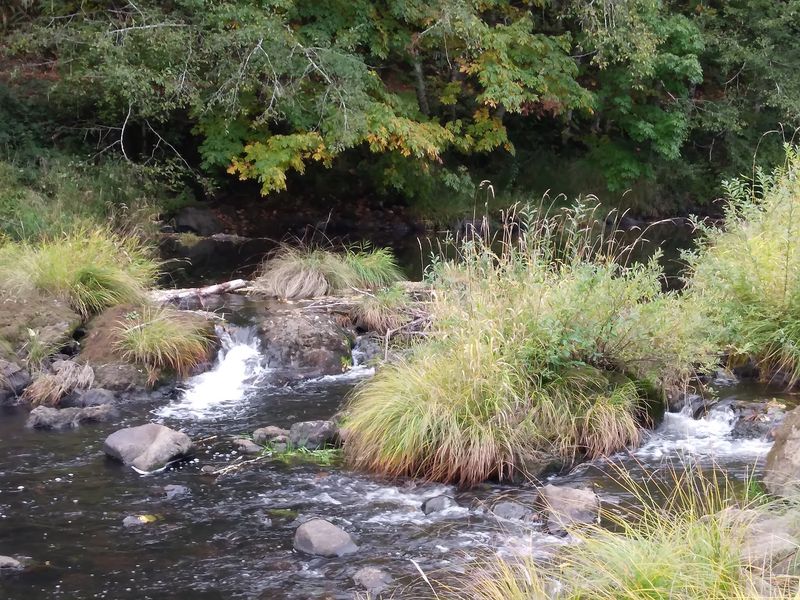
There is a stretch of the Nehalem River that feels like someone pressed pause on the entire world. The lower sections run as flat and smooth as polished glass, slipping quietly through pastoral valleys and dense coastal forests.
It is the kind of float where you might actually read a book mid-river and not miss a single thing.
Tidal influences in the lower sections mean this river is paddleable throughout much of the year, which is a rare and beautiful thing. Summer and fall bring lower, clearer water that reveals the river bottom in stunning detail.
The middle section adds a bit of texture with Class I-II riffles, just enough to keep things interesting without causing panic.
Kayaking and canoeing are the go-to crafts here. The Nehalem winds through some genuinely cinematic scenery, with forested ridgelines framing every bend.
Afternoon winds can pick up, so morning floats tend to be the smoothest and most enjoyable experience on this river.
The surrounding valley has a quiet, almost timeless quality. Farms sit alongside the water, and the pace of life along the Nehalem feels gloriously unhurried.
Float the lower sections, watch for herons, and let the current carry you somewhere you did not know you needed to go.
4. Alsea River
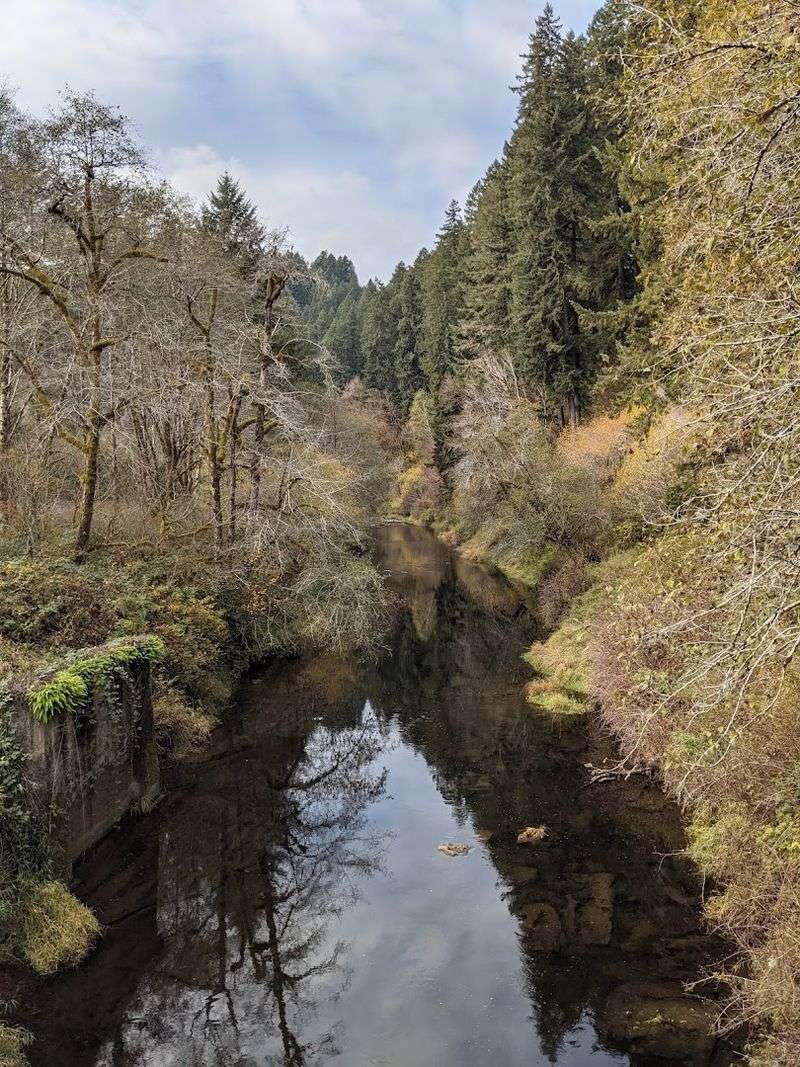
If the Alsea River were a song, it would be that perfect summer track you put on repeat without ever getting tired of it. This scenic coastal waterway flows through the Oregon Coast Range with an easy, welcoming energy that makes first-time paddlers feel like seasoned pros.
The flatwater sections are genuinely gentle and forgiving.
The main stem runs Class I-II, which is the sweet spot for anyone who wants a little movement without committing to anything intense.
Swimming holes along the Alsea are a major draw during summer. The water warms up enough to be genuinely enjoyable, and the slow summer current turns the river into a natural lazy river attraction.
Tubing, kayaking, boating, and sunbathing all coexist happily here. Sandy banks appear at the right spots for impromptu picnic stops.
The lush coastal forest creates a green tunnel effect that feels almost surreal on a clear summer day. Tranquil estuaries near the mouth add another layer of visual drama.
Wildlife viewing along the Alsea is consistently rewarding.
Bald eagles and black bears have both been spotted along the corridor, though the bears tend to be less interested in your kayak than you might hope. The Alsea rewards a slow, unhurried approach, so leave the stopwatch at home.
5. Applegate River
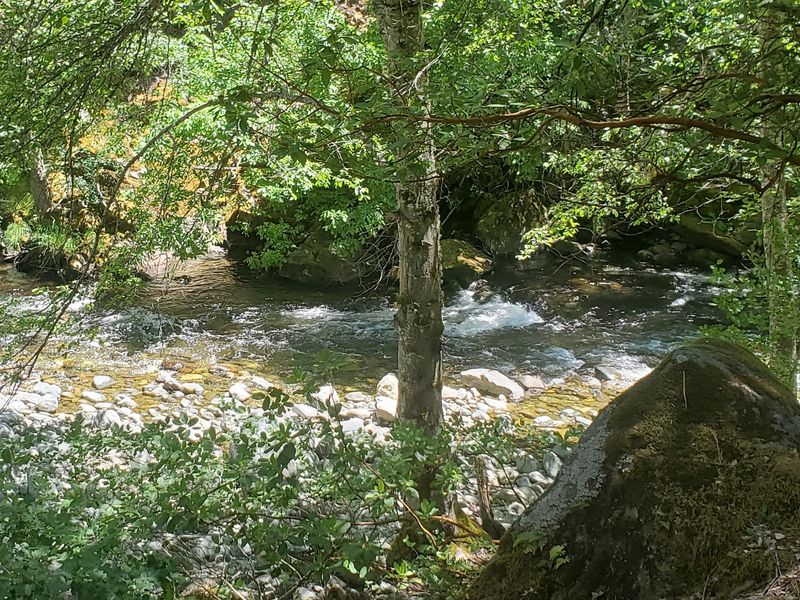
Southern Oregon has a whole different personality from the rest of the state, and the Applegate River is the perfect introduction to that sun-soaked, laid-back vibe.
Summer flows drop to a mellow trickle between long, calm stretches, making this river absolutely ideal for inflatable kayaks, tubes, and any craft that does not require a serious set of skills to operate.
The scenery here is genuinely breathtaking.
Towering old-growth trees and dense fern understory line the banks, creating a lush green corridor that feels ancient and untouched. Short riffles appear between the calm pools, giving just enough variation to keep a float engaging without turning it into an adventure sport.
The stretch from the dam down to the Rogue River offers diverse paddling options for different skill levels. Swimming is hugely popular here, and the clear water makes it easy to see the rocky bottom beneath your feet.
Tubing groups and solo kayakers share the river comfortably during peak summer weekends.
The Applegate Valley surrounding the river has a warm, agricultural character with orchards and vineyards tucked into the hills. The river itself stays refreshingly cool even when the valley heats up.
Pack extra sunscreen because that southern Oregon sun is not playing around.
6. Coquille River
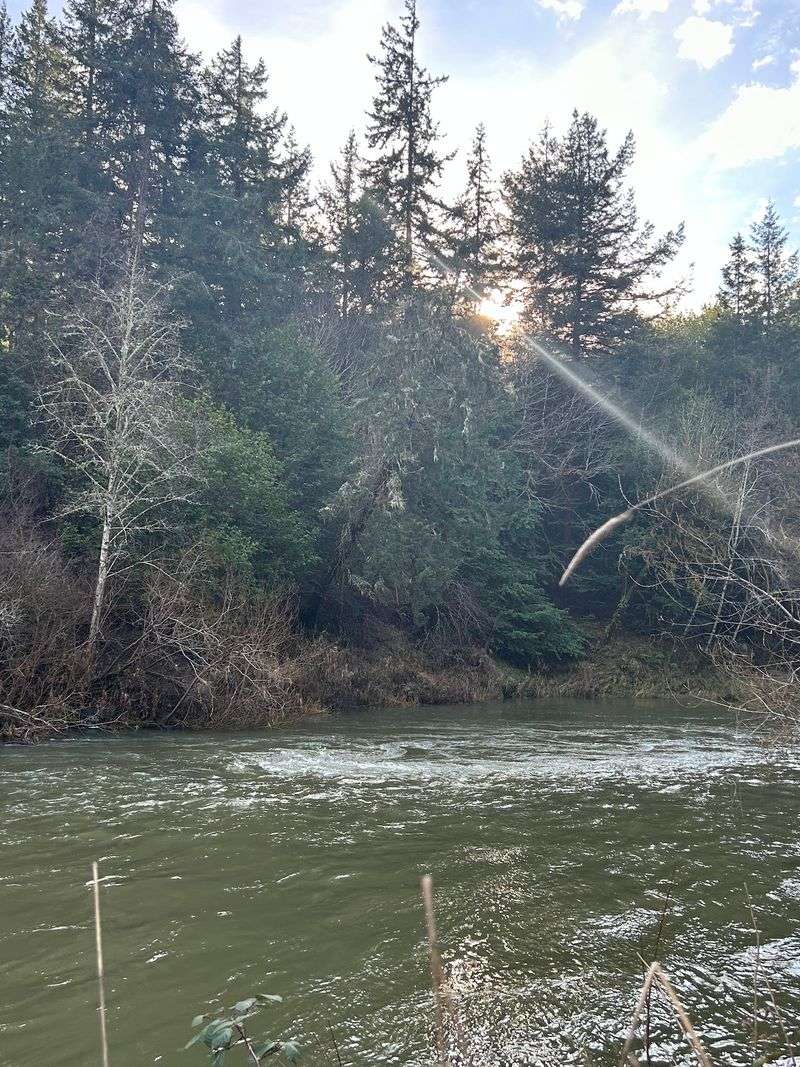
Some rivers earn their reputation through drama. The Coquille earns its spot on this list through pure, uncomplicated charm.
No rapids, no whitewater, no adrenaline required. What you get instead is a beautifully placid summer river that invites you to slow down and actually pay attention to how gorgeous Oregon can be.
The Coquille stays calm during summer and fall, making it one of the most beginner-friendly floats in the entire state.
Families gravitate toward the sandy beaches that appear along its course, perfect for wading, building sandcastles, or just parking a tube and staring at the sky. The clear water and gentle current create ideal conditions for swimming.
Kayaking and canoeing work wonderfully on the Coquille. The river winds through beautiful natural settings and serene countryside that feels genuinely removed from the modern world.
There is a softness to the landscape here that is hard to describe but immediately felt the moment you push off from the bank.
The surrounding Coos County region has a rich natural history, and the Coquille River plays a central role in the local ecosystem.
Freshwater mussels, steelhead, and various shorebirds all depend on this waterway. Floating the Coquille feels less like a recreational activity and more like a quiet conversation with the landscape itself.
7. Siltcoos River
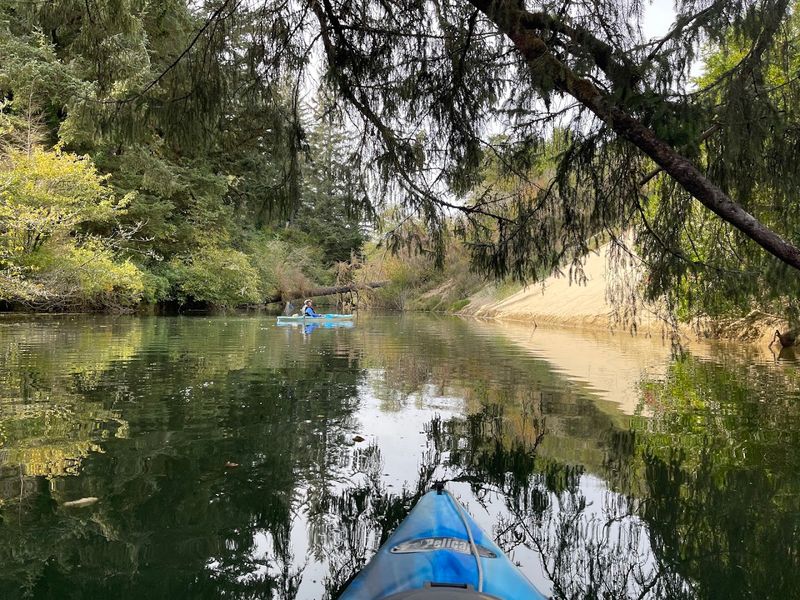
Picture floating a river that starts at a lake, winds through ancient sand dunes, and ends at the Pacific Ocean. That is not a fantasy.
That is the Siltcoos River, and it is one of the most uniquely Oregon experiences you can have without a passport or a particularly adventurous spirit.
At just three miles long, this is a short float but an absolutely unforgettable one. The Siltcoos is designated as an easy Class I canoe trail, which means the current is minimal and the experience is almost meditative.
Trees and dunes protect the water from wind, keeping conditions smooth and calm even on breezy coast days.
The river flows through the Oregon Dunes National Recreation Area, which is a detail that never gets old. Birding opportunities along the corridor are exceptional.
Osprey, great blue herons, and various shorebirds congregate near the water in impressive numbers. The dam portage mid-route includes a handy kayak slide that keeps the adventure moving.
Starting from Siltcoos Lake adds a fun dimension to the trip. The lake itself is worth exploring before committing to the river run.
The entire route feels like a progression through different ecosystems, from freshwater lake to river channel to coastal estuary. Three miles has never felt so full of wonder.
8. Little Nestucca River
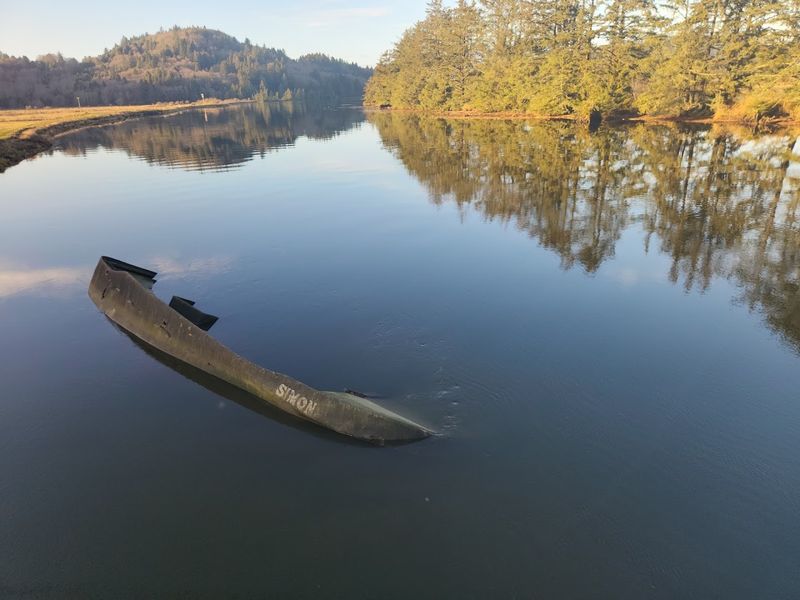
There is a particular kind of quiet that exists on the Little Nestucca River that feels almost conspiratorial, like the river is sharing something it does not tell most people.
Flowing from Pacific City to its mouth at Nestucca Bay, the flatwater section of this river is a gentle, winding journey through one of the Oregon Coast’s most scenic corridors.
The river moves through dense forest and a broad wetland valley with an unhurried grace that kayakers and canoeists absolutely love.
The Nestucca Bay National Wildlife Refuge encompasses much of the surrounding area, which means the birding here is exceptional. Great blue herons, tundra swans, and numerous waterfowl species frequent the wetlands along the route.
The flatwater nature of this stretch makes it accessible for paddlers of all experience levels. There are no technical challenges to navigate, just clean, quiet water and an ever-changing landscape of forest and wetland.
The transition from river to bay at the end of the paddle adds a satisfying sense of arrival.
Autumn brings an incredible display of migratory birds through the refuge, but summer offers its own rewards with warm temperatures and long days perfect for a relaxed paddle.
The Little Nestucca rewards patience and a willingness to drift. Let the current decide the pace.
9. Siuslaw River
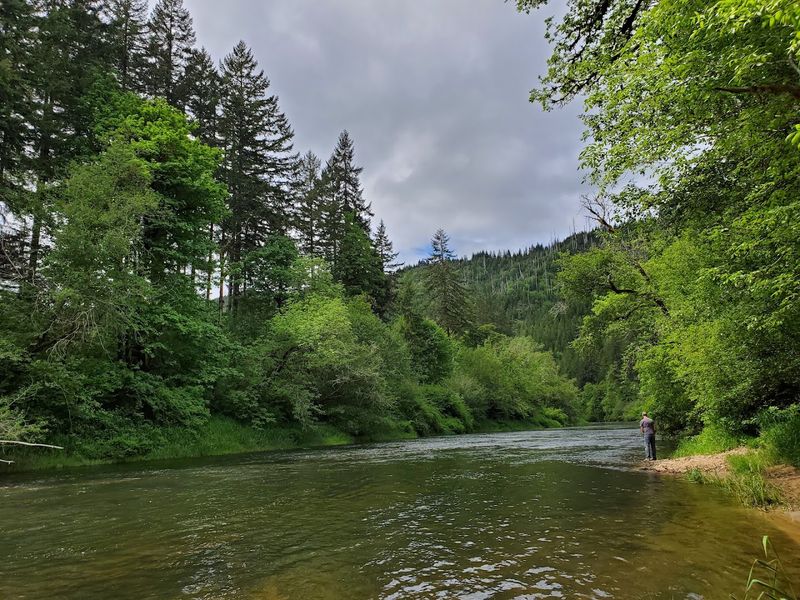
Over 30 miles of peaceful paddling through sloughs, swamps, sand dunes, and historic waterfronts. The Siuslaw Water Trail is not a river experience so much as it is a full-on Oregon adventure packed into one extraordinary waterway.
Florence, the charming coastal town at its mouth, adds a cultural layer that most paddling destinations completely lack.
As a tidal estuary, the Siuslaw offers extensive flatwater paddling that changes character depending on the tide cycle.
Understanding the tidal rhythm adds a strategic element to planning your float, and timing it right rewards you with effortless downstream gliding. Summer brings warmer water and slower currents that make swimming genuinely inviting.
The wildlife diversity along the Siuslaw corridor is remarkable. Harbor seals occasionally appear in the lower estuary sections.
Ospreys nest along the upper reaches. The mix of freshwater and saltwater ecosystems creates a habitat mosaic that supports an impressive variety of species.
Every paddle stroke reveals something new.
The historic waterfront sections near Florence offer a completely different visual experience from the dunes and forest stretches.
Old cannery buildings and fishing docks line the banks, giving the paddle a nostalgic, almost cinematic quality. The Siuslaw is one of those rare places where nature and history share the same frame beautifully.
10. John Day River
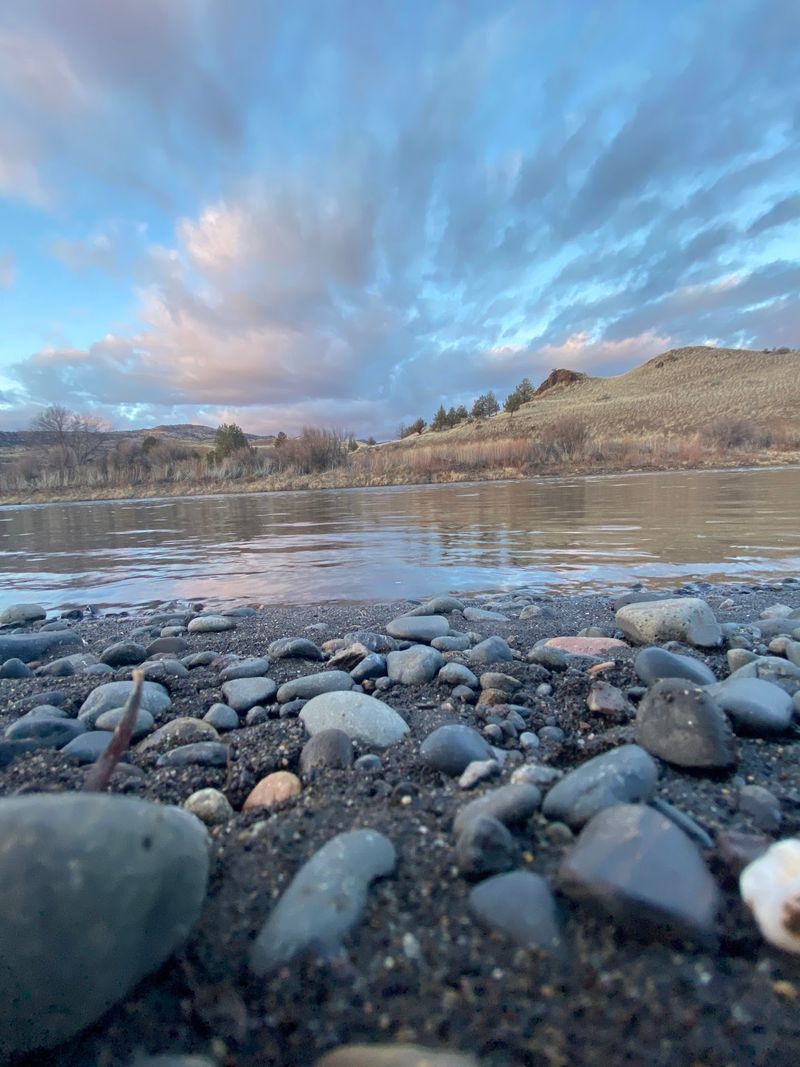
Oregon’s longest undammed river deserves a moment of genuine appreciation. The John Day flows wild and free through remote canyon country in a way that very few rivers anywhere in the American West still manage to do.
Floating the John Day feels like stepping into a landscape that has been largely untouched by the modern world.
The scenery here is completely unlike anything else on this list. Redrock formations, volcanic basalt columns, and rolling high desert hills frame every bend of the river.
The color palette shifts dramatically from the lush green rivers of the coast.
This is Oregon’s sun-baked, wide-open, cinematic side in full glory.
May and June are prime floating months when water levels are ideal for small crafts. Summer flows drop lower, making lighter inflatables and canoes the smartest choice.
Calm water stretches dominate much of the route, with occasional rapids keeping things lively. Excellent camping spots line the banks for multi-day trips.
The John Day River corridor passes through one of the most fossil-rich regions in North America. The John Day Fossil Beds National Monument sits nearby, adding a fascinating scientific dimension to an already spectacular float.
Floating past ancient canyon walls while knowing the rocks hold millions of years of history makes every paddle stroke feel genuinely significant. Have you ever felt that connected to deep time on a river?