
Arizona Lakes That Have Gone From Peaceful Retreats To The Center Of Heated Local Arguments
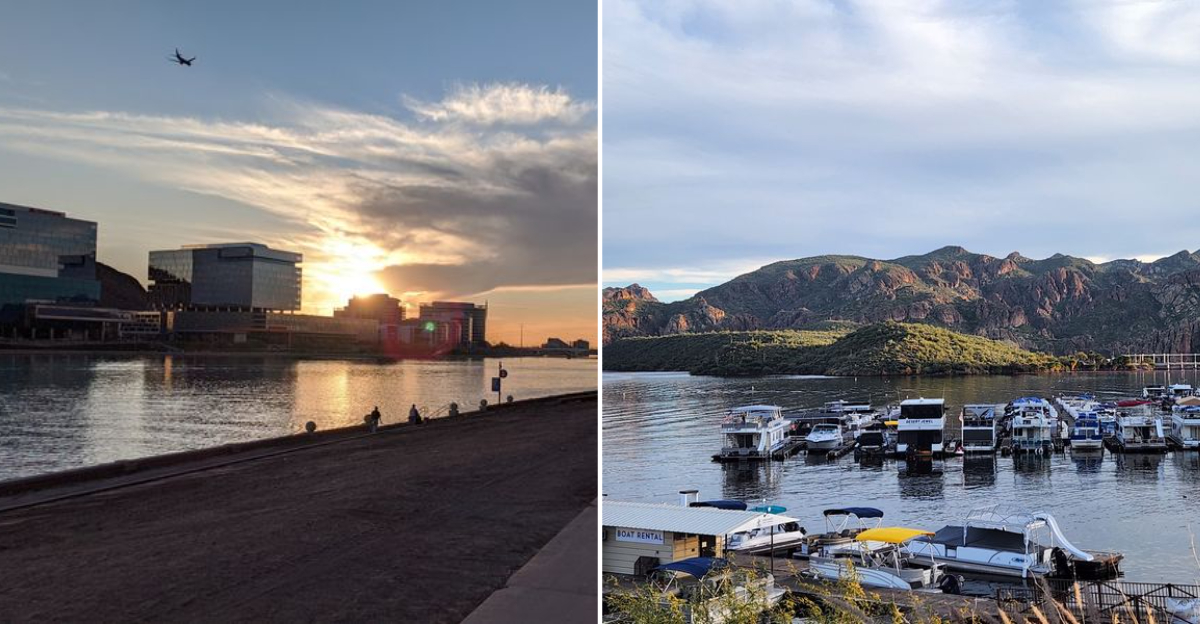
I’ll never forget the weekend I packed up my battered cooler, tied my favorite neon-pink floatie to the roof rack, and headed out for what I assumed would be a sleepy Saturday by the water here in Arizona.
Picture this: me, a good book, and the gentle lapping of waves against the shore. Bliss, right? Wrong.
Instead of serenity, I found myself unwittingly trapped in the middle of a screaming match over boat ramp etiquette that looked like it belonged in a Quentin Tarantino movie.
Honestly, I just wanted to read my trashy paperback, but I ended up getting a front-row seat to the wildest neighborhood war I’ve ever witnessed.
Grab a cold drink and settle in, because our local lakes have officially transformed from peaceful weekend retreats into the absolute epicenter of high-stakes, deeply personal, and local drama.
Lake Powell Is At The Center Of Water Fight
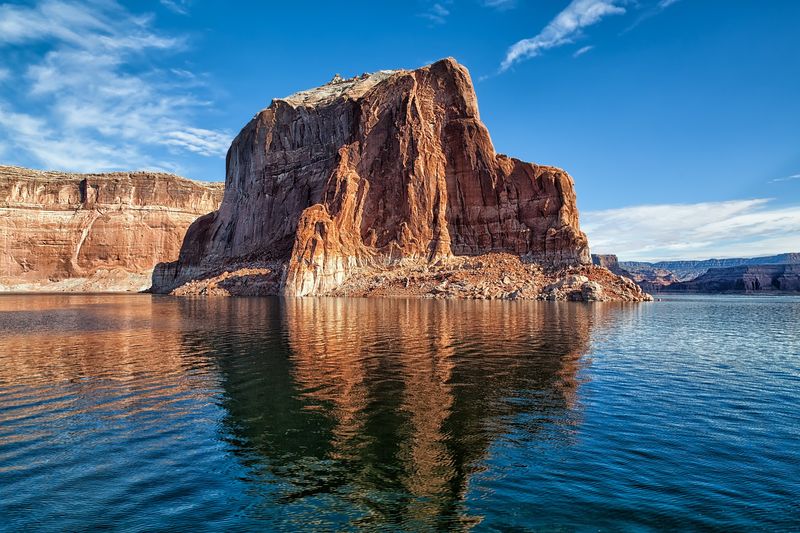
Boaters who once zipped across endless blue water now stare at towering red rock cliffs that were hidden for decades.
Lake Powell, straddling the Arizona and Utah border, dropped to roughly 22% full by July 2026, and the Bureau of Reclamation warns it could reach the critical 3,490 foot minimum power pool by December. If the water sinks below that line, Glen Canyon Dam may lose its ability to make hydropower for millions of homes.
Behind the scenes, the seven Colorado River Basin states are arguing over who gives up water, and Arizona could face cuts of up to 77% without a deal. That threat has turned budget talks and negotiation rooms into pressure cookers, with officials trading sharp words instead of handshakes.
What was a family playground has become the loudest chapter in the West’s water story, and nobody knows how the final page reads.
The shrinking reservoir has also changed the recreation experience, with marinas and boat ramps forced to adapt as shorelines keep moving farther away. Newly exposed canyon walls have revealed landscapes that had been underwater for generations, giving visitors a strange glimpse of what existed before the reservoir filled.
For Arizona, the debate now reaches far beyond boating because Lake Powell has become tied to questions about electricity, growth, farming, and how much water the state can count on in the future.
Lake Havasu’s Popularity Is Raising New Questions
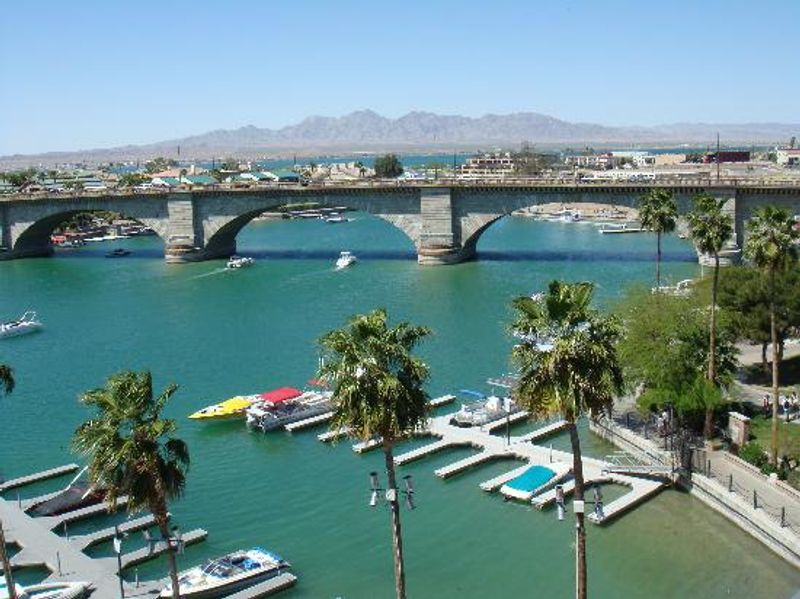
Picture a lake that stays surprisingly full while its neighbors shrink, and you have got Lake Havasu in western Arizona. Its high water owes a lot to its job inside major water-delivery systems, which keeps it flowing when Powell and Mead struggle.
That striking difference has pulled it right into the bigger Colorado River conversation, where every full reservoir gets extra attention.
Closer to home, Lake Havasu City’s 2026 planning process has folks lining up to speak their minds.
Residents worry that as new homes and shops pop up, everyday people might lose easy access to the shoreline they grew up enjoying. Developers see opportunity, while longtime locals want to guard those open banks and boat launches.
The tug-of-war between growth and public access has kept meeting rooms lively, proving that even a full lake can spark a very heated discussion. That pressure is especially visible around popular recreation areas, where residents want future development to preserve the easy lake access that helped shape the community.
As more people discover western Arizona, those shoreline decisions are becoming about more than new buildings. They are also about who gets to enjoy the water and how freely.
Lake Havasu may still look calm from the shore, but the debate around its future is anything but quiet.
Lake Pleasant And Fierce Fight Over Its Wild Burros
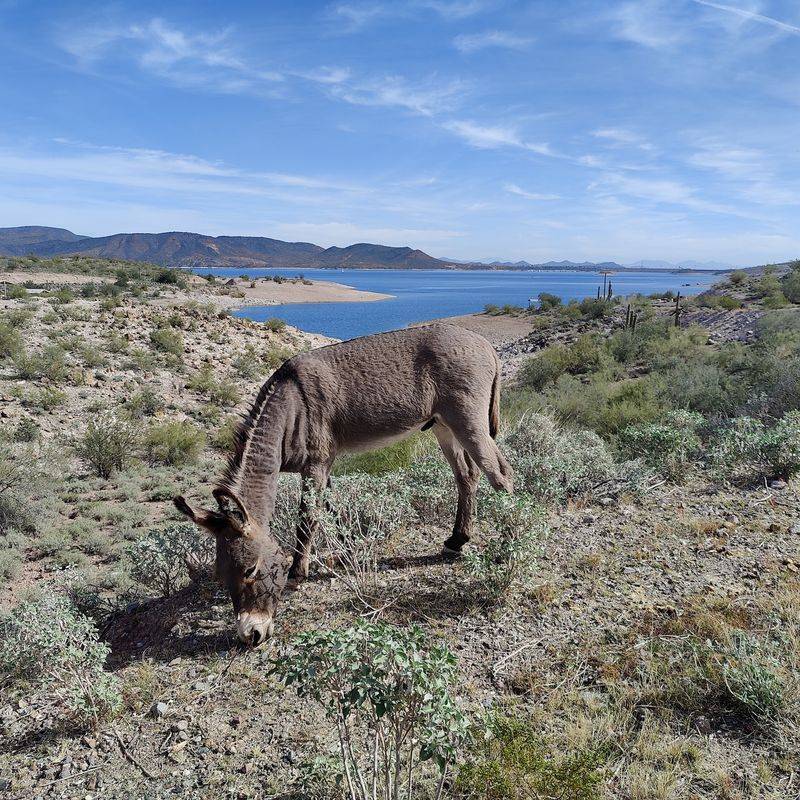
Few sights charm visitors at Lake Pleasant, north of Phoenix, quite like a shaggy wild burro wandering the desert shore. In 2026, the Bureau of Land Management proposed gathering and removing as many as 1,500 of these animals from the area.
Officials pointed to herd health, stressed resources, property damage, and safety worries near roads and campsites as reasons for the plan.
Wild-horse and burro advocates fired back, questioning how the animals would be caught and where they would end up. Petitions circulated, comment periods filled up, and social media lit up with people demanding a gentler solution.
Supporters of the removal say the land simply cannot feed so many hungry mouths, while opponents call the burros part of the region’s living history. The clash blends science, emotion, and tradition, turning a peaceful lakeside into one of the most talked-about animal debates in the state.
The debate has also forced visitors to look at the burros as more than a charming roadside surprise. Managing the herd means balancing animal welfare with the desert’s limited food and water, which leaves very little room for an easy answer.
For now, Lake Pleasant remains a recreation favorite with an unusually complicated wildlife story unfolding around its shores.
A Much Bigger Bartlett Lake Could Come At A Cost
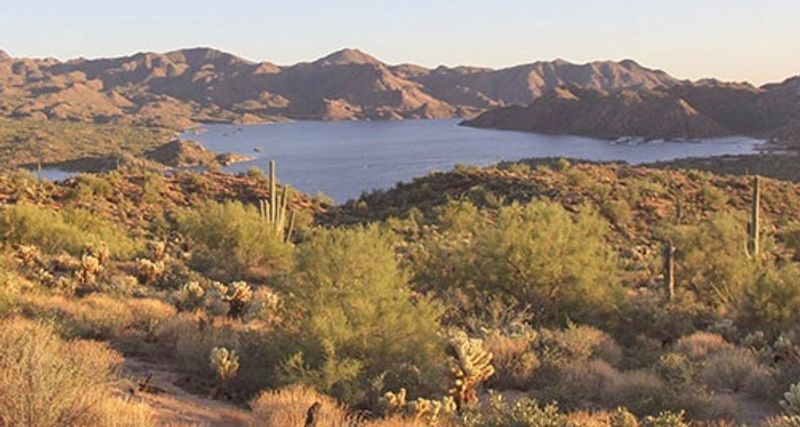
Imagine your favorite fishing cove suddenly quadrupling in size, and you start to understand the buzz around Bartlett Lake. Located northeast of Phoenix, this reservoir is the subject of studies looking at a dramatically taller Bartlett Dam.
Some alternatives would raise the dam by roughly 61 feet, while others push it up about 102 feet to store much more water. Planners see a bigger lake as a smart way to shore up central Arizona’s shaky water supply for the future.
Conservation groups, though, warn that an expanded reservoir could flood thousands of acres of precious riverside habitat.
Birds, plants, and wildlife that depend on the flowing river could lose the very ground they live on. The result is a classic showdown between storing water for people and protecting nature, and it keeps meeting halls full of passionate voices.
Mining Near Patagonia Lake
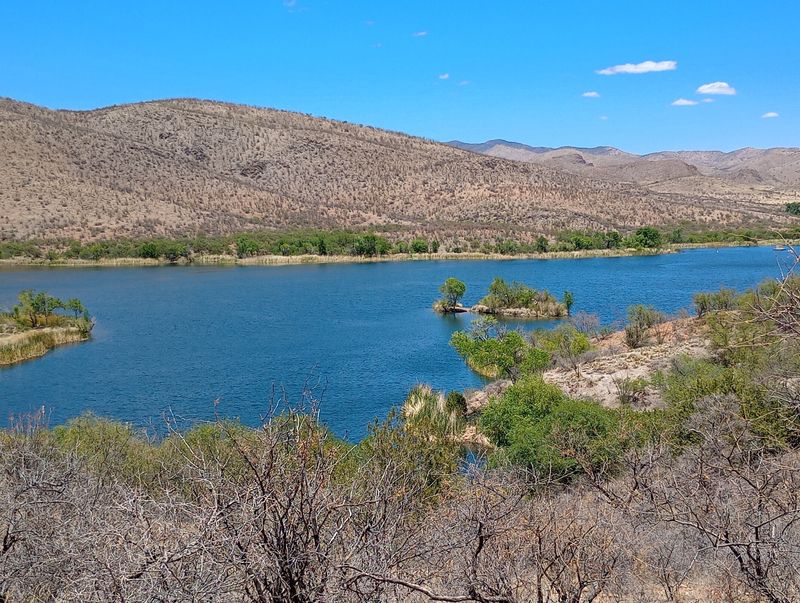
Tucked into the hills of southern Arizona, Patagonia Lake looks like the last place you would expect a fierce argument. The trouble centers on the nearby Hermosa mining project, which sits close enough to worry the whole community.
Residents and environmental groups have raised alarms about groundwater pumping, water quality, and possible heavy-metal contamination. They fear that digging for minerals could quietly harm the very water that keeps the lake and town alive.
Supporters counter that the project brings jobs and produces critical minerals the country badly needs.
Throughout 2026 the debate stayed red-hot as the project moved through federal approval steps.
Neighbors who once chatted about fishing now find themselves split over pipes, permits, and pollution. It is a small lake carrying a big question, and the answer could shape both the local economy and the health of these treasured waters for years.
The controversy has also made water itself part of nearly every conversation about the project, especially in a region where every dependable source matters. Even residents who support new jobs still have questions about how much groundwater can be used without changing the area around them.
That tension is what makes Patagonia Lake such a powerful example of how one development project can reshape the future of an entire community.
Canyon Lake Is About To Lose Its Water Access
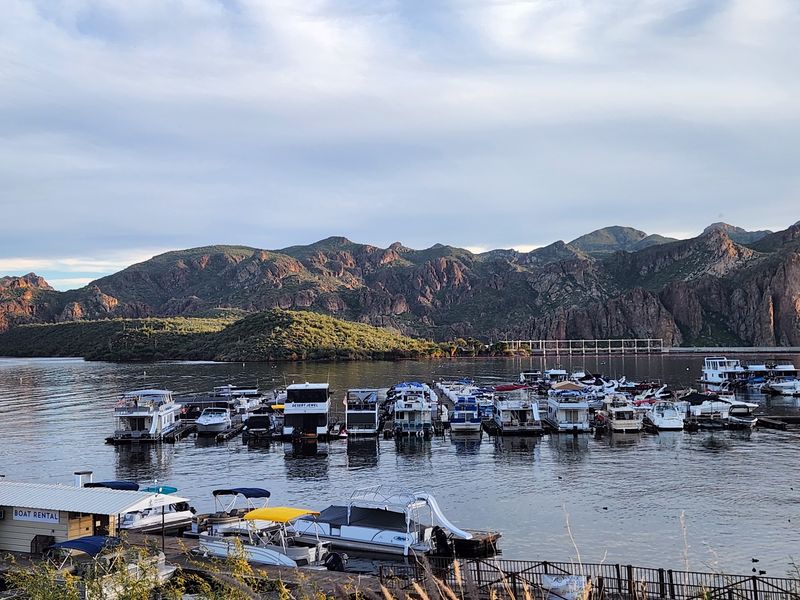
Regular visitors to Canyon Lake, tucked in the Superstition Mountains east of Phoenix, are marking their calendars with worry. Starting September 8, 2026, the lake is scheduled to close ahead of a roughly 54 foot drawdown.
Crews need the lower water so they can inspect and maintain the dam that holds everything back.
During the project, all lake access and every boat ramp will shut down completely.
For anglers, paddlers, and weekend cruisers, that means months without their favorite escape into the canyon walls. Local businesses that rely on lake traffic are bracing for a slow stretch and speaking up at community gatherings.
Some folks understand that safety checks matter, while others grumble about the timing and the long closure.
The lake will return once the work wraps, but the wait has locals counting days and debating whether the schedule could have been kinder.
Tempe Town Lake’s Empty North Bank
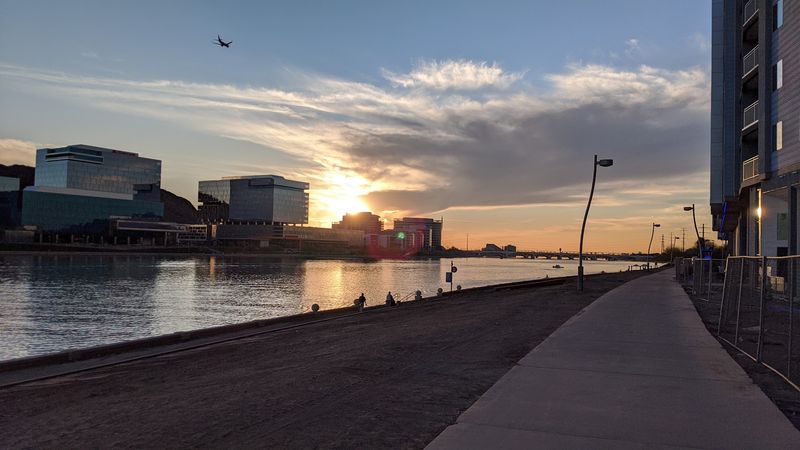
Right in the heart of Tempe, a stretch of open land along Tempe Town Lake has everyone talking. City leaders are deciding what to do with roughly 20 acres on the lake’s north bank.
Public meetings have drawn crowds eager to share ideas and shape the future of the shoreline.
Some residents dream of green parks and quiet spots to relax by the water. Others push for recreation areas, entertainment venues, or new attractions that could bring energy and visitors downtown.
Community feedback is steering the process, so every voice at those meetings carries real weight.
The debate boils down to a simple choice with big consequences, keep it open and natural or build it up and lively.
Because the land sits in such a busy, beloved spot, folks feel strongly, and the north bank has become one of Tempe’s liveliest conversations. The location also means whatever happens here will shape how residents and visitors experience one of Tempe’s most visible waterfront areas.
Questions about shade, public access, traffic, and open space are likely to matter just as much as the final mix of attractions.
For now, the empty shoreline remains a blank canvas, and that is exactly why so many people want a say before the plans are finalized.
Roosevelt Lake’s Falling Water Levels
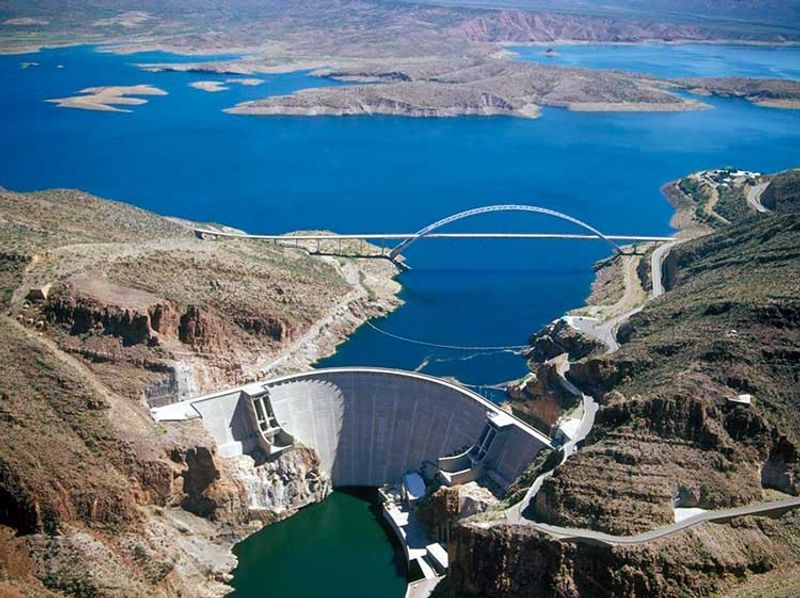
A quick glance at Roosevelt Lake in central Arizona tells a story that has people nervous. By May 2026, the reservoir had dropped to about 43% capacity after an extremely poor runoff season.
Snow and rain simply did not deliver the water that usually refills this important lake. Because Roosevelt plays a major role in supplying the Phoenix area, its shrinking level worries millions of residents.
Every low reading renews the conversation about how the region will handle dry years ahead.
Boaters notice the wider mudflats, while water managers watch the numbers with growing concern. Some argue for tighter conservation, others for smarter storage and planning across the whole system.
The lake has become a kind of scoreboard for Arizona’s water future, and each drop lower cranks up the volume of the debate about staying prepared. That makes every forecast more than a weather update, because a weak winter can quickly become a much bigger water-management problem.
Roosevelt Lake also connects recreation with everyday life in the Valley, so falling levels affect far more than weekend boaters. For now, the reservoir remains one of the clearest places to watch Arizona’s ongoing struggle to stretch limited water through hotter, drier years.
Canyon Lake’s Planned Drawdown
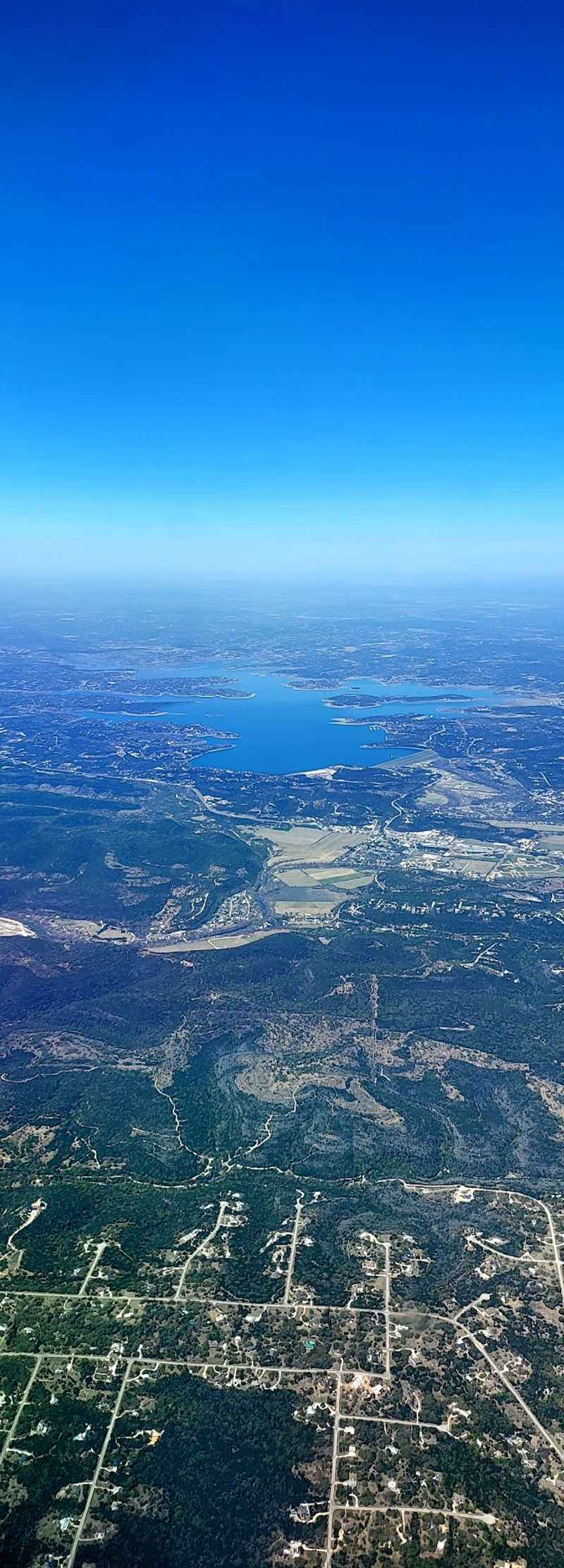
Ask any weekend crowd at Canyon Lake and you will hear two very different wishes bubbling up. One side wants this beloved recreation spot kept open so families can keep paddling and fishing.
The other side knows the dam needs serious inspection and maintenance to stay reliable for the long haul. The planned drawdown puts those two goals on a collision course near the Superstition Mountains.
Recreation fans point to lost weekends, closed ramps, and quieter local shops during the project.
Water managers explain that skipping the work could risk the whole system down the road. Both groups care about the lake deeply, which makes the disagreement feel personal rather than simply technical.
Finding a middle path that protects both fun and infrastructure has become a puzzle nobody can solve overnight, and that lingering tension keeps Canyon Lake firmly in the spotlight. The temporary changes may frustrate visitors, but they also highlight how much work goes into keeping a heavily used Arizona lake functioning safely.
Local businesses around the recreation corridor have another reason to watch closely, since quieter weekends can ripple well beyond the shoreline.
Once the project is complete, the real test will be whether Canyon Lake can return to normal without losing the trust of the people who depend on it for both recreation and water management.
Tempe Town Lake Is Growing Up
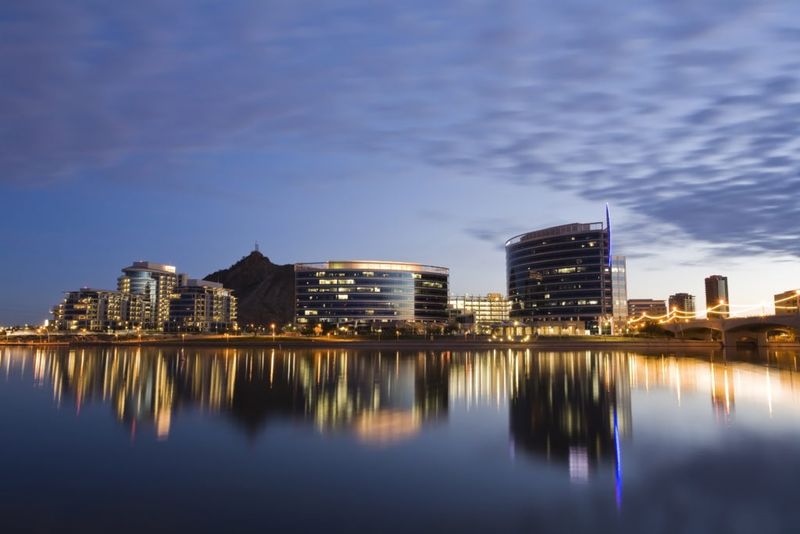
Change is in the air along Tempe Town Lake, and the whole city seems to have an opinion.
The current north-bank planning process has sparked a broader tug-of-war over what the waterfront should become. One camp cheers for lively development, imagining shops, venues, and bustling crowds by the water.
Another camp treasures open public space and worries that too much building will crowd out quiet enjoyment. Because the shoreline belongs to everyone in spirit, folks feel a real stake in the outcome.
Planners keep gathering feedback, balancing dreams of growth against calls to protect breathing room.
The competing visions turn each meeting into a spirited back-and-forth about identity and priorities. Tempe Town Lake is clearly maturing, yet the community has not settled on a single picture of its future.
Until they do, this waterfront will stay one of the most debated stretches in the whole valley. That disagreement also reaches beyond aesthetics, since the final plan could shape traffic, public access, and how much room remains for casual recreation.
Residents who use the lake regularly are watching closely because small design choices can change how welcoming the shoreline feels.
Until a final vision takes shape, the north bank will keep serving as a test of how Tempe balances growth with the public spaces people already value.