
Miller-Anderson Woods Hides A Wooded Bluff-Top Overlook With Sweeping Views Across The Illinois River Valley
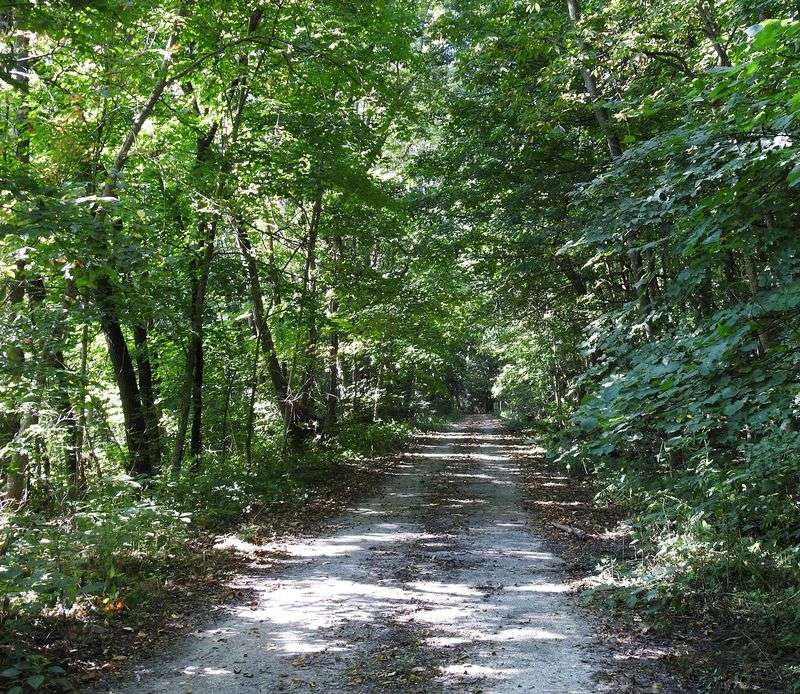
Tucked near the Bureau-Putnam county line west of Illinois Route 29, Miller-Anderson Woods State Nature Preserve holds one of the quieter rewards in central Illinois: a wooded bluff-top perspective over the broad Illinois River valley. The trail to reach it is narrow and moderately difficult, winding through protected forest before opening onto a panorama of wetlands and valley habitat.
No limestone climbing wall waits at the top, and the views are measured in mood rather than miles, but that honest picture makes the destination more useful to plan around, not less worth visiting.
Miller-Anderson Woods offers a wooded bluff near Route 29
Sitting near the Bureau-Putnam county line in west-central Illinois, Miller-Anderson Woods State Nature Preserve is the destination behind the dramatic headline about bluff climbing and river views. The Illinois Department of Natural Resources confirms the preserve covers approximately 340 acres and sits west of Illinois Route 29, with parking, informational signs, toilet facilities, and developed trails located near the abandoned portion of that highway.
For anyone driving through Putnam or Bureau County looking for a nature stop, the access point is straightforward once you know what to look for.
The headline that brought you here overstates what the evidence supports. Official sources describe wooded bluffs rising above the Illinois River valley, not a confirmed towering limestone escarpment open to climbing.
The scenic feature at the center of this preserve is a forested bluff-top overlook, and the route to reach it passes through protected woodland rather than across open rock faces. That correction matters before you pack gear for a rock-scrambling adventure that the preserve simply does not offer.
What the preserve does offer is a genuine natural area with multiple habitat types, a trail system that leads to a bluff perspective over the river valley, and the kind of quiet that comes from a destination that does not appear on most road-trip shortlists. The basic amenities at the trailhead make it accessible for a day visit without requiring overnight planning.
Orienting yourself around the accurate picture, a wooded bluff above a wetland valley rather than a limestone wall above the open river, sets you up for a satisfying trip rather than a disappointed one.
Protected forest and ravines shape the preserve
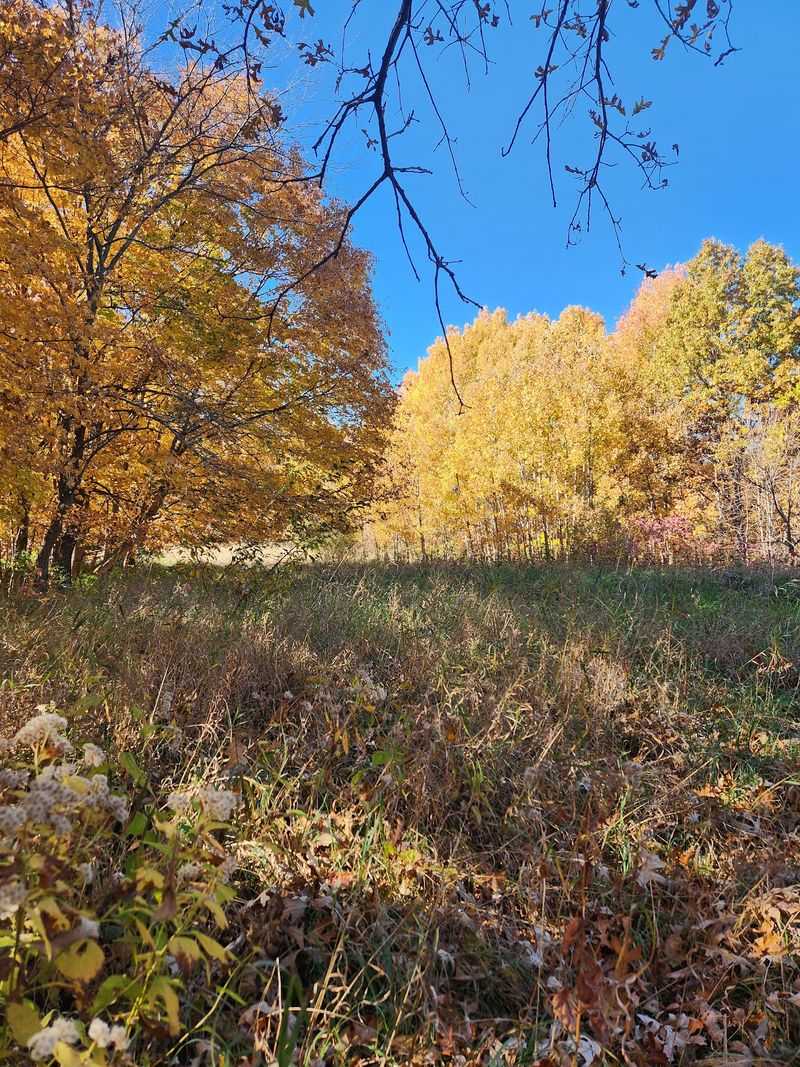
Walking into Miller-Anderson Woods feels different from entering a standard state park, and the habitat mix explains why. IDNR documentation identifies old-growth oak-hickory upland forest as the dominant habitat on the bluff, with maple-basswood forest filling the eroded ravines that cut down toward the valley.
Hill prairie patches, seep springs, and sedge meadow add to the variety, meaning the biological diversity here extends well beyond what a simple “forest hike” label would suggest.
Old-growth forest in Illinois is genuinely rare. These are trees that established themselves centuries ago, in canopy structures that developed without modern logging interruption, and that rarity gives the woodland at Miller-Anderson Woods a weight and stillness that younger second-growth forests rarely match.
The ravines add visual drama: steep-sided cuts where moisture collects, shade deepens, and different plant communities take hold than those on the exposed bluff top above.
Conservation value and recreational payoff are not the same thing here, and keeping them separate helps set the right expectations. Illinois Nature Preserves receive permanent legal protection under state dedication, which means the habitats you walk through are managed for ecological integrity first and visitor experience second.
The bluff overlook is a byproduct of that ecology, not a constructed viewpoint. Appreciating the forest on the way up, rather than treating it as an obstacle between the parking lot and the view, is what makes a visit to this kind of preserve worthwhile.
The trail requires a moderately difficult woodland hike
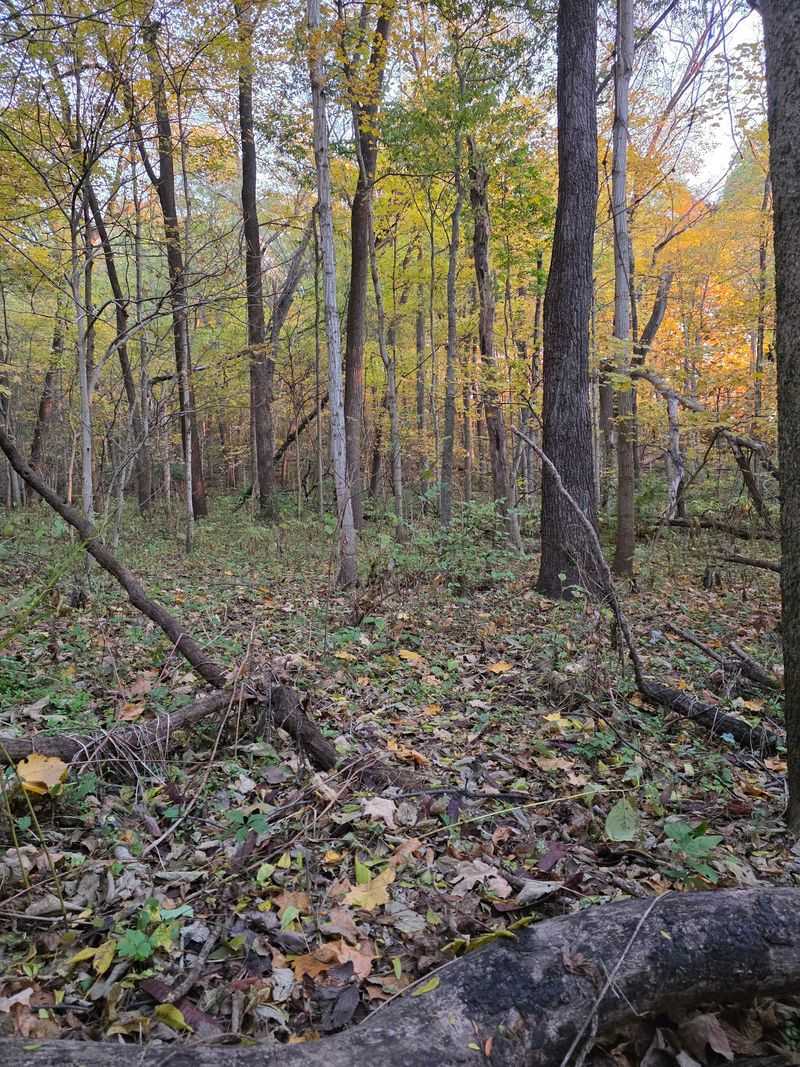
Reaching the bluff-top overlook at Miller-Anderson Woods means committing to a moderately difficult hike through uneven woodland terrain. Illinois River Road describes the route as narrow and ribbon-marked, crossing the woodland toward the top of the bluff.
That kind of trail marking, colored ribbons tied to trees rather than a graded and signed path, means navigation requires attention, and the footing changes as the terrain shifts between flat woodland, ravine edges, and the rising ground near the bluff.
“Climb” in this context means hiking uphill through the trees, not scaling an exposed rock face. Regional tourism descriptions confirm the trail leads to the top of the bluff, but none of the authoritative sources suggest technical climbing equipment, fixed ropes, or scrambling over bare stone.
Visitors who arrive expecting a rock-climbing experience will find a woodland hike with elevation change instead, which is a meaningful distinction for trip planning.
One practical gap in the available information deserves direct acknowledgment: IDNR’s preserve documentation does not publish a dependable mileage figure, elevation gain, or estimated hiking time for the route. Secondary sources give vague or inconsistent distances.
Rather than trusting an invented short-hike figure, contact IDNR directly or check for a current trail map before your visit. Knowing the actual distance and terrain profile helps you carry the right amount of water, wear appropriate footwear, and budget enough time without rushing the overlook experience at the top.
The bluff-top payoff is a wetland and valley panorama
After the climb through the woods, the preserve delivers a broad, open perspective that the forest trail does not hint at. Illinois River Road describes the bluff top as offering a panorama of Illinois River wetlands and waterfowl habitat, and that framing is accurate to what the evidence supports.
The view opens across the valley floor rather than directly down a river channel, so the picture in front of you is wide and layered: wetland flats, floodplain vegetation, and the low horizon of the valley’s far edge.
Waterfowl are part of the scene in a way that adds movement to the stillness. The adjacent Donnelley-DePue State Fish and Wildlife Area manages thousands of acres of Illinois River bottomland for migratory birds, and the wetlands visible from the bluff are part of that broader habitat network.
Depending on the season, the valley below can hold concentrations of ducks, geese, herons, and shorebirds that turn the overlook into something more than a landscape view.
What the sources do not support is a promise of miles of uninterrupted river views or a close-up sightline down the Illinois River channel itself. Regional accounts confirm the panoramic character of the view without quantifying it, and that honesty is more useful than an inflated description.
A broad, quiet panorama over wetlands and valley habitat is genuinely rewarding on its own terms, and visitors who arrive expecting that specific picture tend to leave satisfied.
Seasonal foliage may change the sightlines
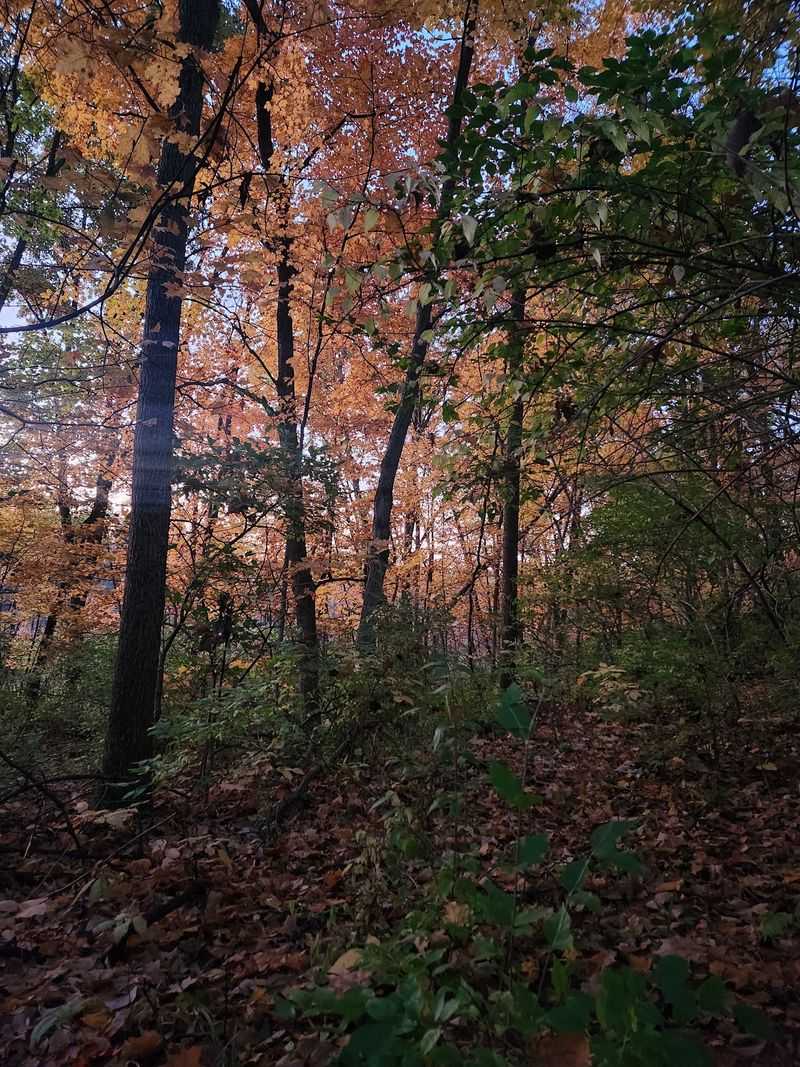
Because Miller-Anderson Woods is heavily forested, the canopy plays a real role in how much of the valley you can see from the bluff top. During peak summer, a full leaf canopy can partially screen the wetlands and valley floor below, softening what would otherwise be a wide-open panorama.
Fall color season brings its own visual reward even as leaves begin to thin, and bare-canopy conditions in late fall, winter, or early spring may offer more unobstructed sightlines through the trees.
That seasonal pattern is a reasonable inference from the preserve’s documented forest character, not a measured or guaranteed visitor outcome. Deciduous forests predictably open up when leaves drop, but the specific geometry of the bluff top, the height of the canopy edge, and the direction of the overlook all affect what you actually see.
A late-October or early-March visit is a reasonable bet for more open views, but it is not a certainty, and no current visitor survey confirms it as a rule.
Seasonal planning also means accounting for trail conditions. Winter visits may bring ice on uneven terrain, and early spring can leave trails muddy after snowmelt.
IDNR’s hiking guidance recommends checking trail conditions before heading out, which is especially practical for a moderately difficult route with ravines and bluff edges. Calling ahead or checking the IDNR website for current conditions takes a few minutes and can prevent a frustrating or unsafe visit on a day when the trail is not in good shape.
Nature-preserve rules protect the route and habitats
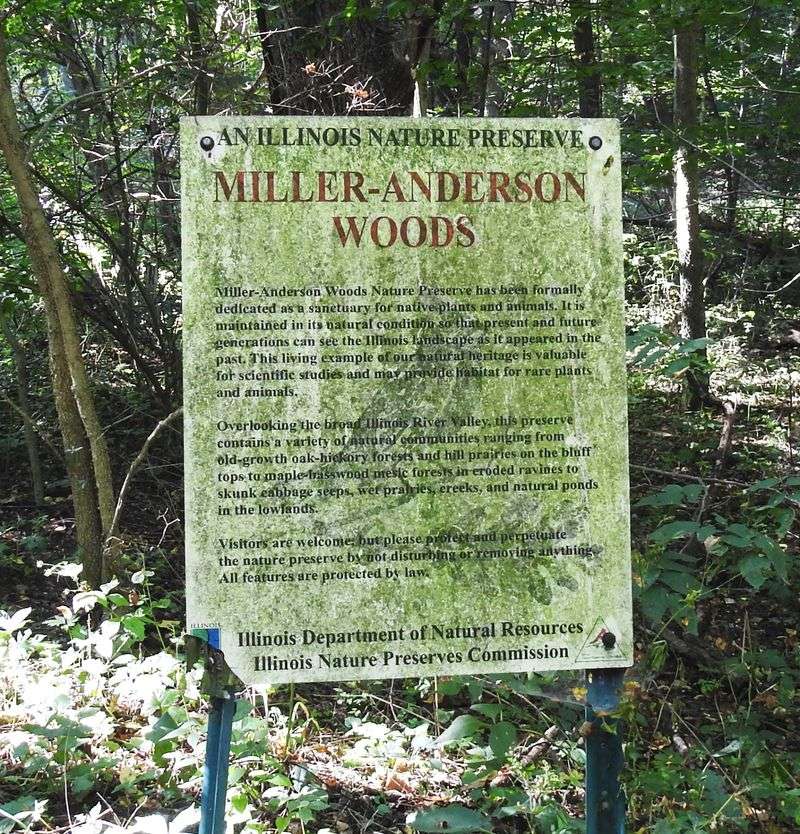
Miller-Anderson Woods carries a legal designation that goes beyond what most visitors associate with a state park. Illinois Nature Preserves receive permanent legal protection through formal dedication, which means the conservation rules here are stricter and more durable than those at a typical recreational park.
The purpose of that designation is to protect the ecological integrity of the land in perpetuity, and visitor behavior expectations reflect that priority.
Staying on marked or established trails is the most important practical rule for any visit. Leaving the ribbon-marked route to find a better view, cutting across vegetation to reach a bluff edge, or scrambling near exposed terrain are all behaviors that damage sensitive habitats and create unnecessary risk.
IDNR’s hiking guidance specifically recommends remaining on designated trails, and that recommendation carries extra weight in a dedicated nature preserve where off-trail travel can harm plant communities that took decades or centuries to establish.
Wildlife interaction rules apply here too. IDNR’s wildlife safety guidelines ask visitors to keep distance from animals and keep pets under control at all times.
Approaching nesting birds, pursuing wildlife for a photograph, or letting a dog run off-leash can disrupt the very habitats that make this preserve ecologically significant.
A note on the regional geology: Illinois State Geological Survey mapping of the middle Illinois River Valley identifies steep-slope deposits at the base of valley bluffs, including talus, rockfall, and potentially unstable unconsolidated material in the broader region. That mapping does not establish a specific hazard at Miller-Anderson Woods, but it reinforces why bluff-edge scrambling is a poor idea anywhere along this valley corridor.
Stay on the trail, keep back from edges, and let the view come to you from a stable, established position.
Prepare for a self-sufficient visit
Preparation starts before you leave home, because the amenities at Miller-Anderson Woods are basic by design. IDNR confirms that parking, informational signs, and toilet facilities are available near the trailhead, but there are no concessions, rental equipment, or staffed visitor centers to fill gaps in your gear.
Carry water for the full hike, wear footwear with ankle support and traction suited to uneven woodland terrain, and bring insect protection, particularly in warmer months when ticks and mosquitoes are active in forested areas near wetlands.
IDNR’s general hiking guidance recommends checking current trail conditions before heading out, and that step is especially worthwhile here because authoritative sources do not publish a current trail map or verified mileage online. A quick call to the relevant IDNR district office can confirm whether the trail is passable, whether any seasonal closures are in effect, and whether conditions have changed since the last update.
That call takes minutes and can save a wasted trip.
Groups of 25 or more face an additional planning step. IDNR’s Donnelley-DePue documentation notes that groups of 25 or more require advance written permission to enter the preserve, and the Illinois Nature Preserves Commission’s special-use permit process applies to larger organized groups at dedicated nature preserves.
School groups, club outings, and organized hiking events that meet or exceed that threshold should begin the permit process well ahead of the planned visit date to avoid arriving without authorization.
Miller-Anderson rewards the hike with a wider view than the title promises
The honest version of this destination is more useful than the sensational one. Miller-Anderson Woods State Nature Preserve offers a moderately difficult woodland trail through protected old-growth forest, leading to a bluff-top perspective over Illinois River wetlands and the surrounding valley.
There is no confirmed limestone climbing feature, no measured miles of open river views, and no easy shortcut to the overlook.
What you do get is a broad, quiet panorama across one of Illinois’s most significant river valley landscapes, reached by a trail that earns the view. Illinois River Road’s description of the ribbon-marked trail and wetland panorama captures the experience accurately, and the adjacent wildlife area’s wetland network gives the view below a depth that changes with the season and the birds moving through it.
Respecting the preserve’s permanent conservation protections and staying on the marked trail is how that panorama stays worth coming back to. Some views improve the longer they are left alone.