
12 Arizona Nature Trails That Make July Mornings Feel Surprisingly Refreshing
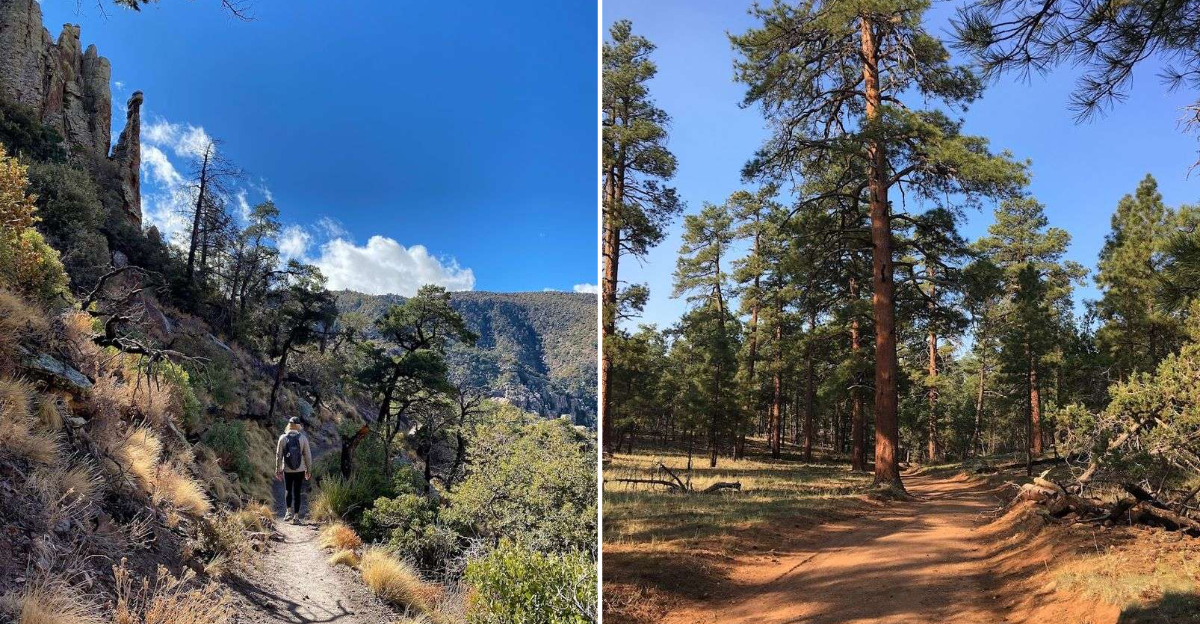
July in Arizona has a way of making the snooze button look like a terrible life choice. The best summer trail time comes early, when the air is calmer, the light is softer, and the desert has not yet turned the day into a cooking lesson.
That is when Arizona starts showing off in a quieter way.
A canyon path can hold a little morning shade. A pine-lined trail can make the whole day seem more forgiving. A short loop near red rocks, volcanic hills, or creek water can turn an ordinary sunrise into the best part of the week.
I love trails that do not ask for heroic effort before breakfast, just a good pair of shoes, plenty of water, and a reason to beat the heat.
These 12 Arizona nature trails are made for July mornings when fresh air still has the upper hand. I have spent years chasing these morning windows, and the payoff is always worth setting an alarm.
1. West Fork Trail No. 108, Oak Creek Canyon
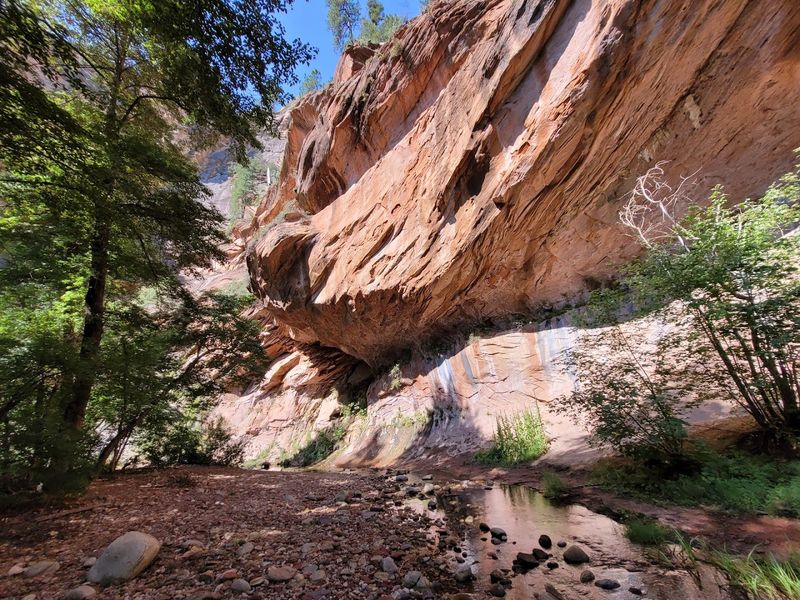
Cool water, towering canyon walls, and the sound of a creek gurgling beside your boots, West Fork Trail No. 108 delivers all of this before 9 a.m. in July.
Located in Oak Creek Canyon between Sedona and Flagstaff, the trailhead sits at the Call of the Canyon Picnic Site, making it easy to find and easy to fall in love with.
The trail follows Oak Creek through one of Arizona’s most dramatic canyon corridors, where the red sandstone walls keep direct sunlight at bay for much of the morning. You will cross the creek multiple times, so water shoes or quick-dry footwear are a smart choice.
The canyon’s natural shade and the creek’s cooling effect can make temperatures feel noticeably lower than the surrounding desert.
Most hikers turn around at about 6 miles, but even a 2-mile out-and-back rewards you with stunning scenery and a genuinely refreshing start to a July day.
2. Aspen Nature Lollipop Trail No. 73, Flagstaff
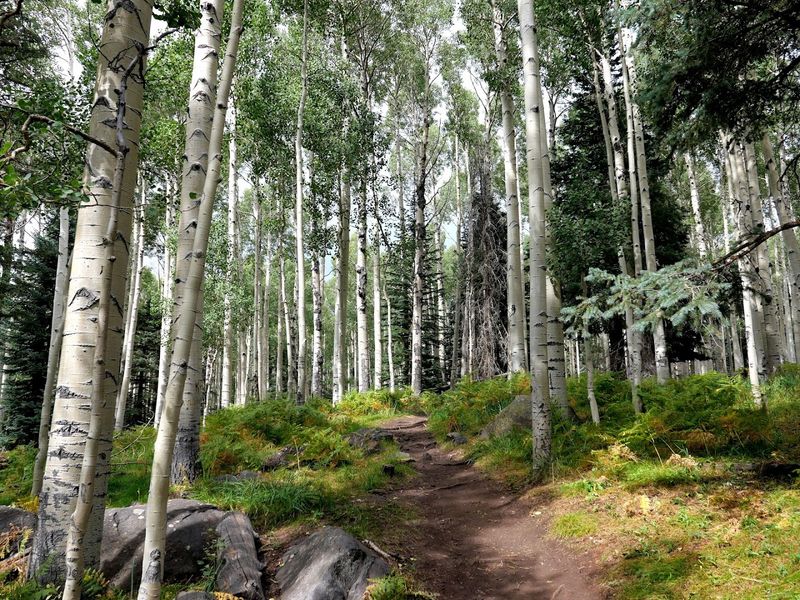
Standing at 9,271 feet, this trail earns its spot as one of the most reliably cool July hikes in the entire state. The Aspen Nature Lollipop Trail No. 73 sits high on the San Francisco Peaks just outside Flagstaff, where the air carries that crisp, piney quality that feels almost too good to be true in midsummer.
The 1.8-mile easy-to-moderate loop winds through stands of quaking aspen and mixed conifer forest, making it a fantastic pick for families or anyone who wants scenic beauty without a punishing elevation gain.
At this altitude, July temperatures regularly stay in the 60s and low 70s during the morning hours, which is a world away from the Phoenix valley floor.
Parking fills up on weekends, so arriving before 7 a.m. gives you the best shot at a quiet, crowd-free experience among the aspens.
3. Lava Flow Trail, Sunset Crater Volcano National Monument
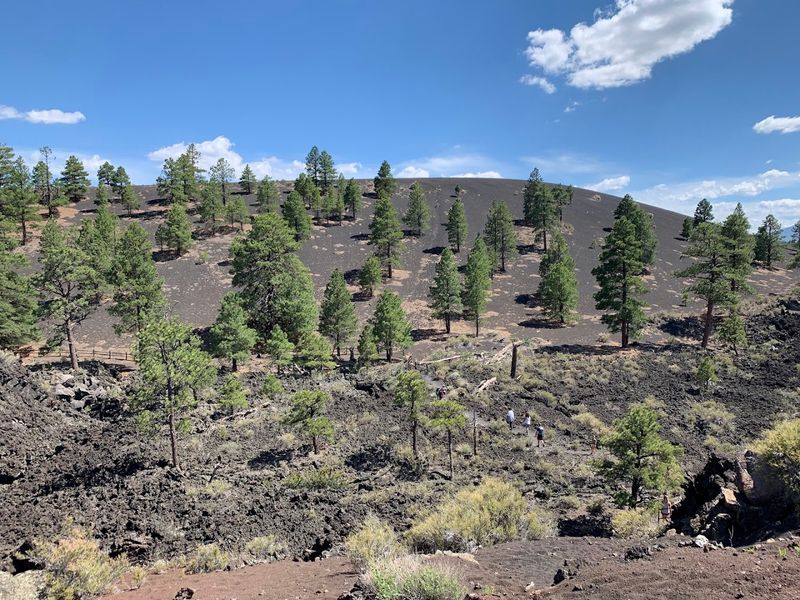
There are not many places on Earth where you can hike across a lava field from the 1000s A.D. and still be back at your car before the heat kicks in.
Sunset Crater Volcano National Monument, located north of Flagstaff off U.S. Route 89, offers exactly that kind of morning adventure on its Lava Flow Trail.
The trail is a compact 1-mile loop that circles the base of Sunset Crater, featuring a paved upper section that makes it accessible for a wide range of visitors. The volcanic terrain is genuinely dramatic, with twisted black basalt, cinder fields, and views of the cinder cone rising against the northern Arizona sky.
Because the elevation sits around 6,900 feet, July mornings here feel noticeably cooler than lower desert areas. Bring sunscreen regardless, since the dark lava absorbs heat quickly once the sun gets going.
4. Woods Canyon Nature Trail, Mogollon Rim
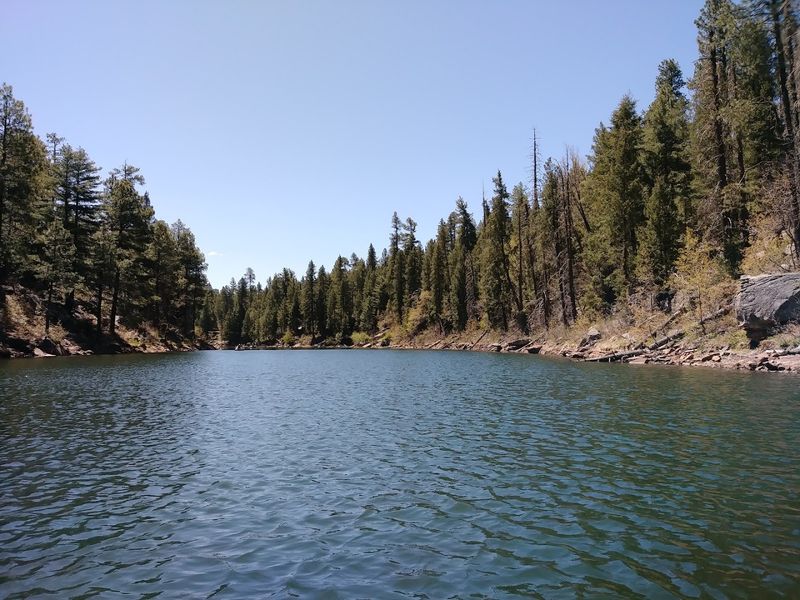
Half a mile does not sound like much, but the Woods Canyon Nature Trail near Woods Canyon Lake on the Mogollon Rim packs an impressive amount of pine-country atmosphere into a very short walk.
The Mogollon Rim sits at roughly 7,500 feet, and that elevation does all the heavy lifting when it comes to keeping July mornings genuinely pleasant.
This self-guided nature trail introduces you to the plant life, geology, and ecology of the Colorado Plateau’s rim country in a relaxed, interpretive format. It is a wonderful choice for families with younger kids or anyone who wants to ease into the day without committing to a long hike.
Woods Canyon Lake is just steps away, so combining a short trail walk with a lakeside sit-down makes for a full and satisfying morning. The surrounding Apache-Sitgreaves National Forest adds a layer of wilderness atmosphere that feels miles away from any city.
5. Rim Lake Vista Trail 622, Mogollon Rim
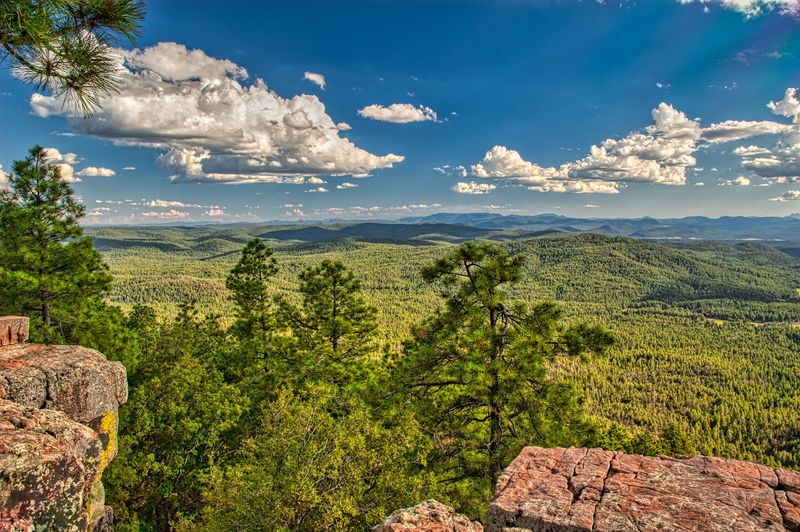
If you want big views paired with cool pine air and a trail long enough to feel like a real morning workout, Rim Lake Vista Trail 622 on the Mogollon Rim delivers on every count. At 4.3 miles total, with about 2.5 miles of paved surface, it suits both hikers and cyclists looking for a scenic rim-edge route.
The trail follows the rim through a mix of pine and oak forest, with sweeping views that stretch across the Tonto Basin and beyond. On a clear July morning, the air is crisp, the light is golden, and the contrast between the dense forest and the open sky is genuinely striking.
The trailhead is accessible from the Woods Canyon Lake area, making it easy to combine with other rim-country activities. Wildflowers often bloom along the trail edges during the summer monsoon season, adding unexpected color to an already scenic route.
6. Marshall Gulch And Aspen Trail Loop, Mount Lemmon
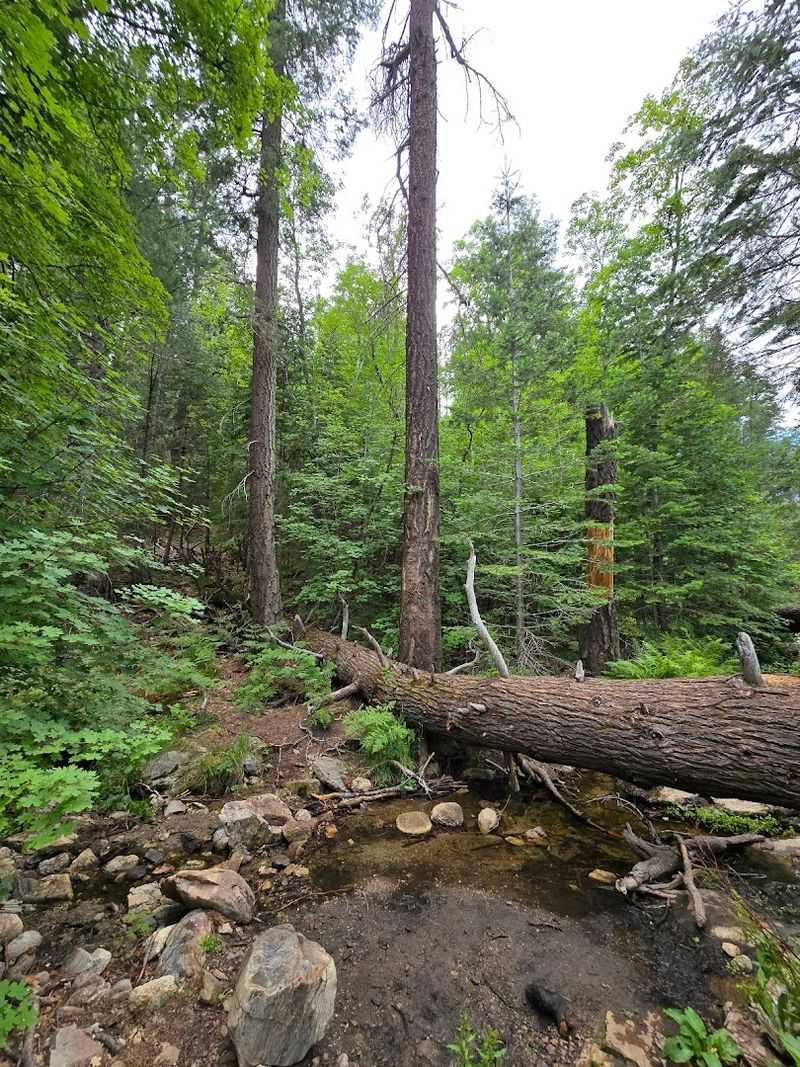
Mount Lemmon is Tucson’s secret escape hatch in summer, and the Marshall Gulch and Aspen Trail Loop is one of the best reasons to make the drive up the Catalina Highway.
Located near the tiny mountain community of Summerhaven in the Santa Catalina Mountains, this loop sits high enough to feel like a completely different climate zone from the Sonoran Desert below.
The Marshall Gulch Trail follows a shaded creek drainage through mixed conifer and aspen forest before connecting with the Aspen Trail, forming a satisfying loop within the Santa Catalina Natural Area.
Morning temperatures near Summerhaven can hover in the 60s during July, making this one of the most genuinely refreshing hikes on this list.
Watch for monsoon afternoon storms, which are common by late morning, so starting early is both a comfort and a safety strategy. The forest smells incredible after recent rain.
7. Echo Canyon Loop Trail, Chiricahua National Monument
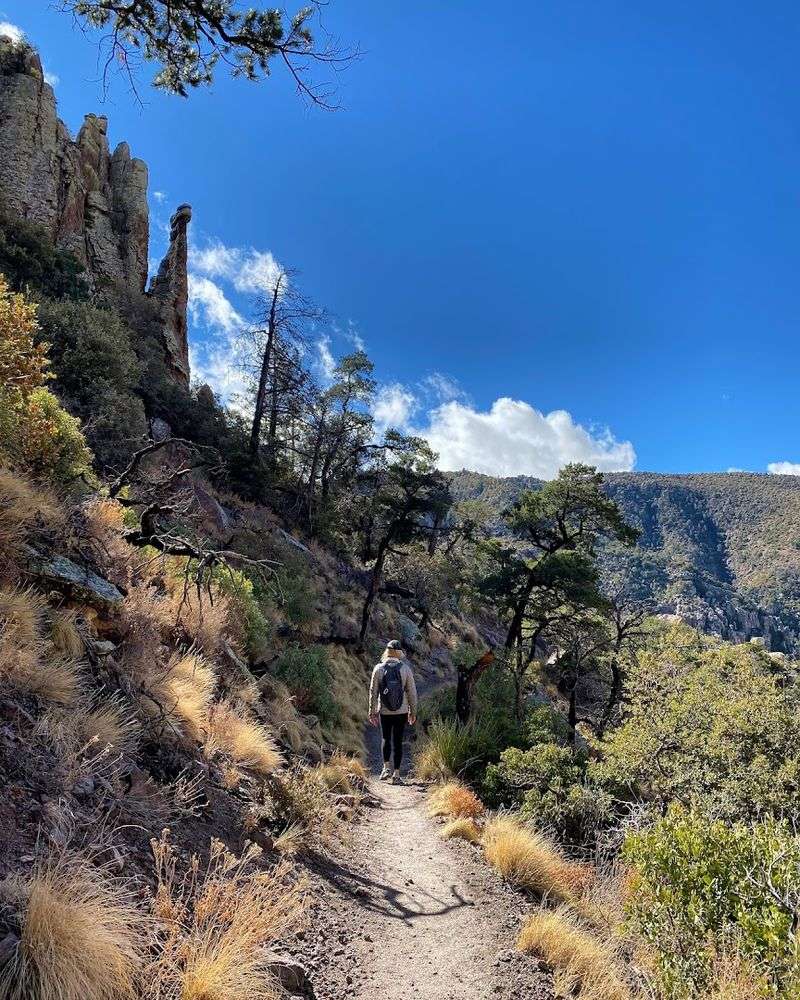
Chiricahua National Monument in southeastern Arizona is one of the most underrated parks in the entire Southwest, and Echo Canyon Loop Trail is arguably its most rewarding hike.
The 3.4-mile moderate loop threads through a surreal landscape of balanced rocks, towering stone columns, and narrow rock corridors that feel prehistoric and almost theatrical at the same time.
Starting early in July is genuinely important here, because portions of the trail are exposed and can heat up quickly once the sun clears the canyon walls. Aim for a 6 a.m. start to enjoy the formations in soft, golden morning light before temperatures climb.
The monument sits in the Dos Cabezas Mountains of Cochise County, at an elevation that keeps mornings noticeably cooler than the surrounding desert valleys.
Coatimundis, white-tailed deer, and a remarkable variety of bird species are all regular trail companions in this remote and beautiful corner of Arizona.
8. Blue Mesa Trail, Petrified Forest National Park
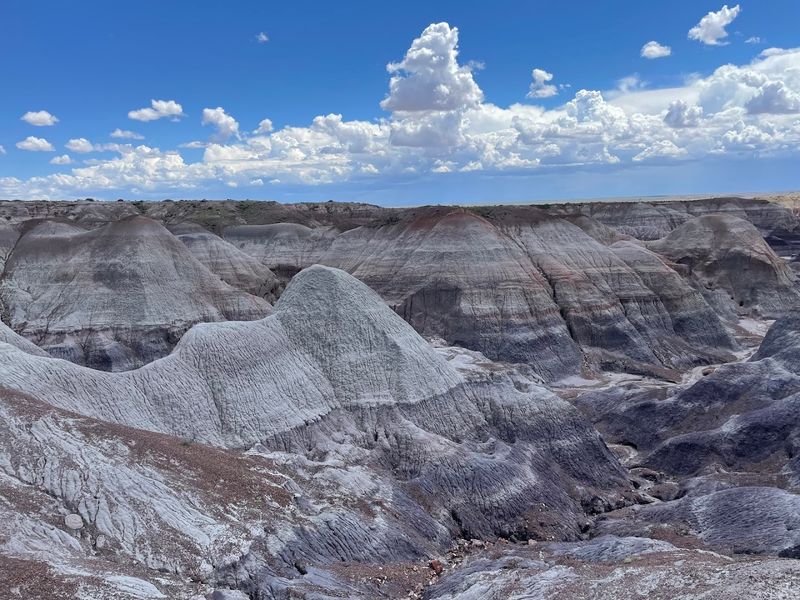
Walking through the Blue Mesa Trail feels like stepping onto another planet, which is fitting since the landscape here is built from sediment deposited over 200 million years ago.
Located inside Petrified Forest National Park in northeastern Arizona, this 1-mile loop circles through a badlands terrain of blue, purple, and gray bentonite clay hills that glow with unusual color in the morning light.
Petrified wood logs are scattered throughout the loop, and the interpretive signage makes the geology surprisingly easy to understand even for younger visitors.
Because the trail is short and relatively flat, it works perfectly as a first stop on a morning park visit before the midday sun flattens everything into a heat haze.
The park opens early, and the Blue Mesa area is accessible via the park road. Pair it with a stop at Painted Desert Rim for a full morning of jaw-dropping Arizona scenery.
9. Shoshone Point Trail, Grand Canyon South Rim
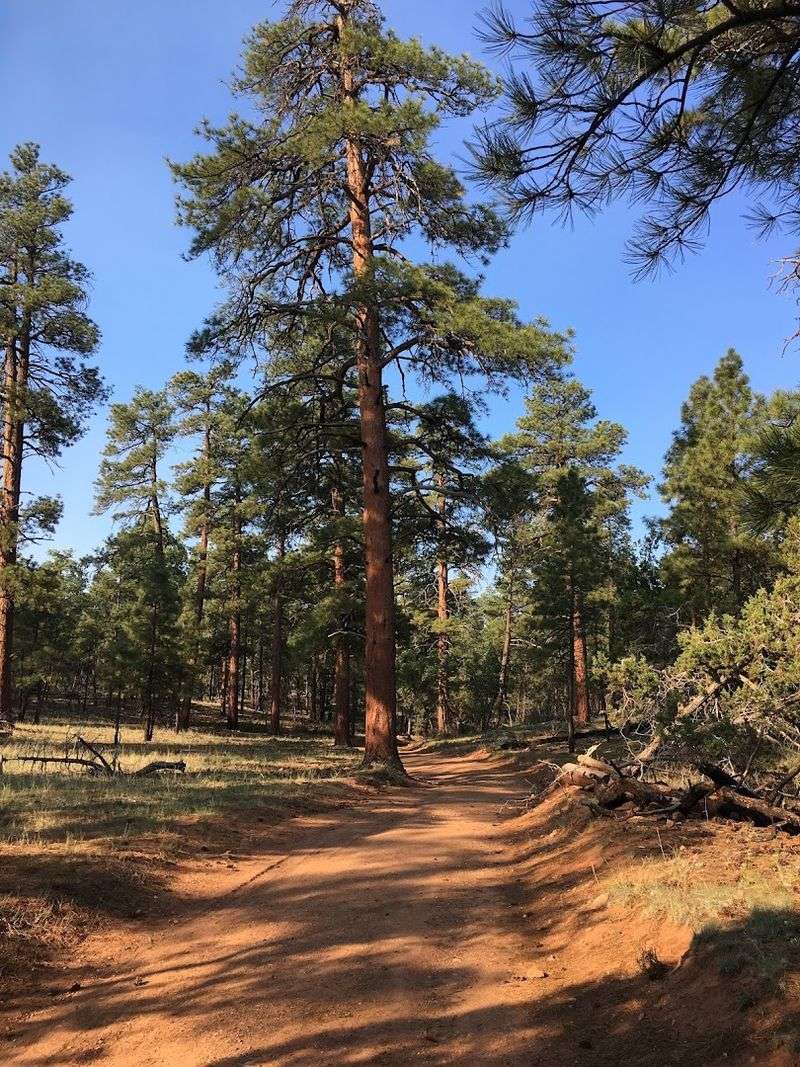
Most Grand Canyon visitors in July are crowded around Mather Point by 8 a.m., but Shoshone Point offers a completely different kind of rim experience.
Accessed via a gated dirt road just east of the Yavapai Geology Museum, this approximately 2-mile round-trip walk leads to a quiet overlook that rewards those willing to seek it out.
The path winds through a shaded ponderosa pine forest, keeping the walk cool and pleasant even as temperatures begin to climb. At the overlook, the Grand Canyon opens up in full panoramic glory without the shoulder-to-shoulder crowds found at the main viewpoints.
This is also one of the smarter July Grand Canyon choices because it avoids the serious risks that come with inner-canyon summer hiking.
You get genuine rim views, real solitude, and a safe, manageable distance that fits neatly into a morning outing without overcommitting to the canyon’s demanding terrain below.
10. Thompson’s Trail / Main Trail, Boyce Thompson Arboretum
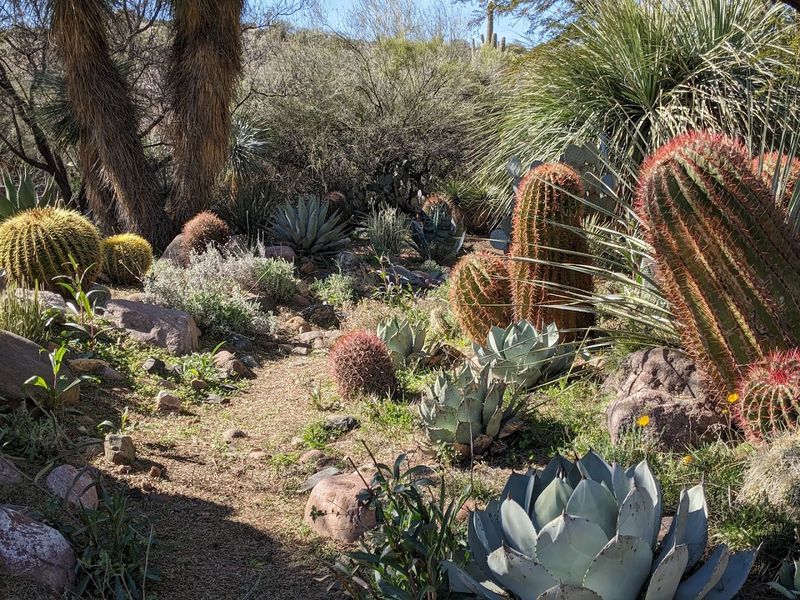
Boyce Thompson Arboretum near Superior, Arizona, is the oldest botanical garden in the Southwest, and its trail system offers a surprisingly engaging morning hike through a curated but genuinely wild-feeling landscape.
The main Thompson’s Trail covers 4.7 miles of terrain that mixes riparian areas, desert uplands, and spectacular cactus collections.
The real July advantage here is the operating schedule: from June through August, the arboretum is open Wednesday through Monday from 6 a.m. to noon, which is practically designed for morning visitors trying to beat the heat.
You can complete a solid hike, explore the lake area, and be back in your car before the afternoon temperatures peak.
The arboretum sits along Queen Creek at an elevation of about 2,400 feet, and the riparian corridor adds welcome shade and bird activity throughout the morning. Birding here during summer is genuinely excellent, with a surprising diversity of species.
11. Geology Trail, Oracle State Park
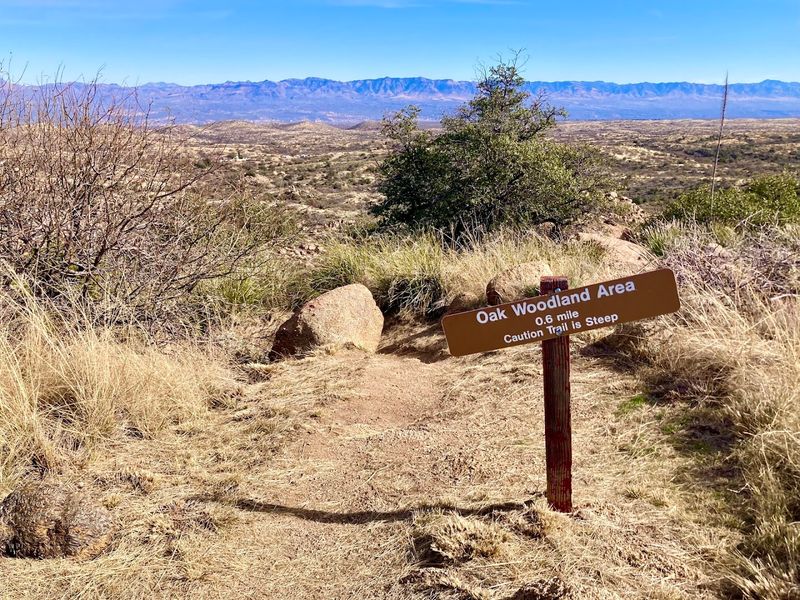
This park sits in the transition zone between the Sonoran Desert and the cooler high country near the Santa Catalina Mountains, and the Geology Trail is a compact 1.2-mile route that showcases the park’s fascinating rock history and varied plant communities.
The trailhead is easy to access from the town of Oracle, which sits at around 4,500 feet elevation in Pinal County.
Starting May 1, the park opens at 6 a.m. during summer months, giving early risers a genuine head start on the day. The trail winds through granite outcroppings, scrub oak, and high-desert chaparral while interpretive markers explain the geological forces that shaped the landscape over millions of years.
Wildlife sightings are common in the early morning, including mule deer, javelinas, and a variety of hawks.
The park’s relatively quiet visitor numbers mean you can often have the trail almost entirely to yourself on weekday mornings.
12. Waterfall Canyon Trail, White Tank Mountain Regional Park
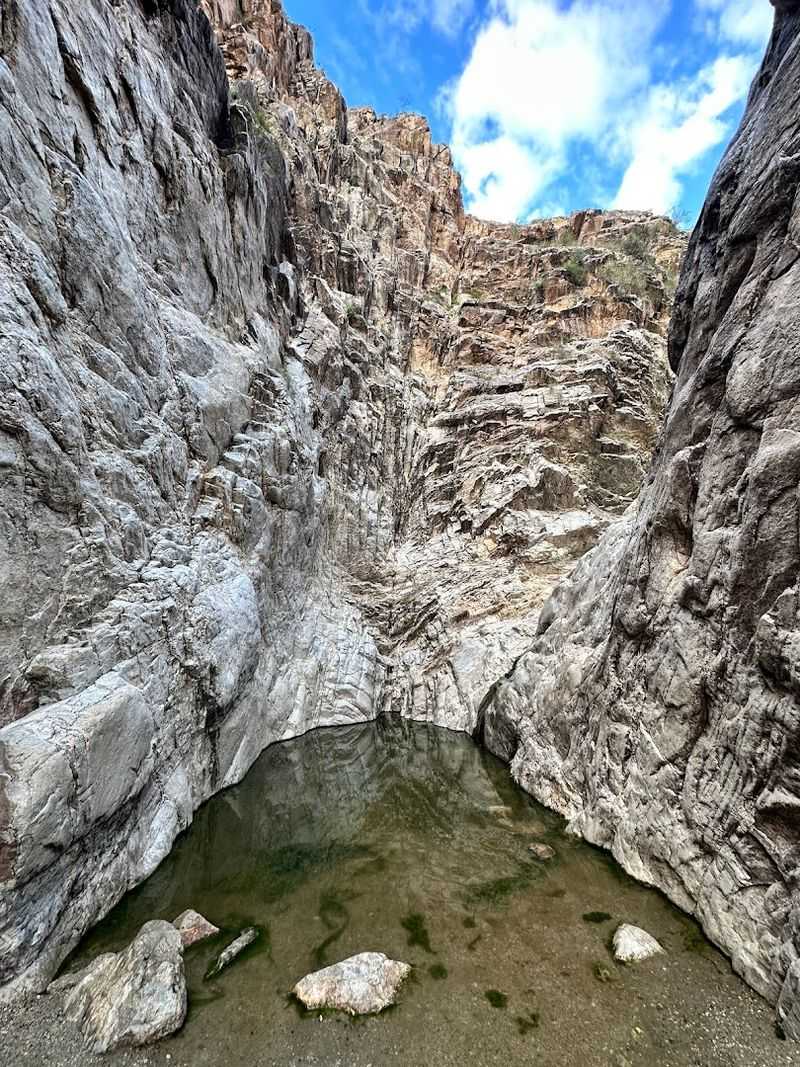
For anyone living in the Phoenix metro area who wants a genuine nature trail without driving two hours, Waterfall Canyon Trail at White Tank Mountain Regional Park is one of the most accessible early-morning options in Maricopa County.
The 2-mile round-trip route follows a rocky desert canyon toward a natural waterfall basin, and the canyon walls provide meaningful shade during the first and last portions of the walk.
Maricopa County currently lists summer park hours as 5 a.m. to 9 p.m., meaning you can hit the trail at first light when temperatures are at their most forgiving.
After monsoon rains, a seasonal waterfall actually flows at the canyon’s end, turning a pleasant desert hike into something genuinely spectacular.
Petroglyphs carved by the Hohokam people are visible near the trailhead, adding a layer of cultural history to what is already a rewarding morning outing in the Sonoran Desert.