
10 Arkansas Churches So Beautiful You’ll Swear You’ve Stepped Into Europe
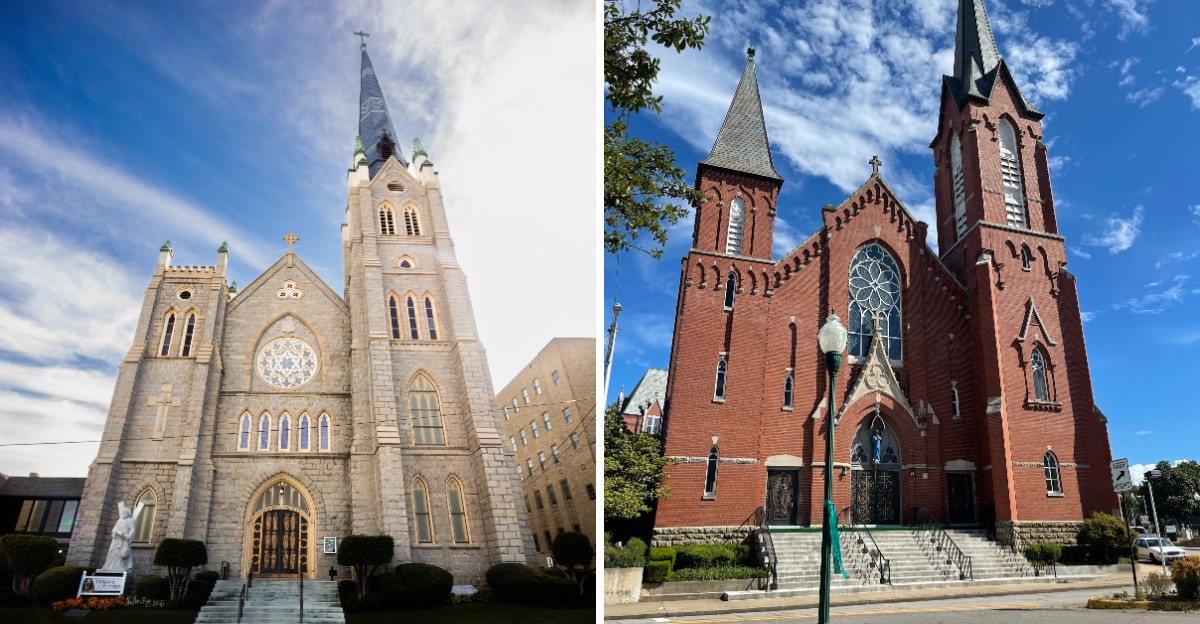
Some road-trip stops announce themselves with a sign. Others do it with a stone tower rising above the trees.
Arkansas has several churches that can make a familiar landscape feel surprisingly European, especially when Gothic lines or Romanesque arches come into view. Their appeal is not limited to architecture.
These buildings also carry stories of immigrant communities and monastic traditions, with local projects taking shape over generations. Many still function as active places of worship, so the history is woven into present-day community life.
The settings vary just as much as the buildings themselves. One church looks out over vineyard country, while another stands among downtown streets.
Each stop has its own personality, and the details are worth slowing down for. By the end, you may be surprised by just how far from home a familiar Arkansas road can seem.
1. St. Mary’s Catholic Church, Altus
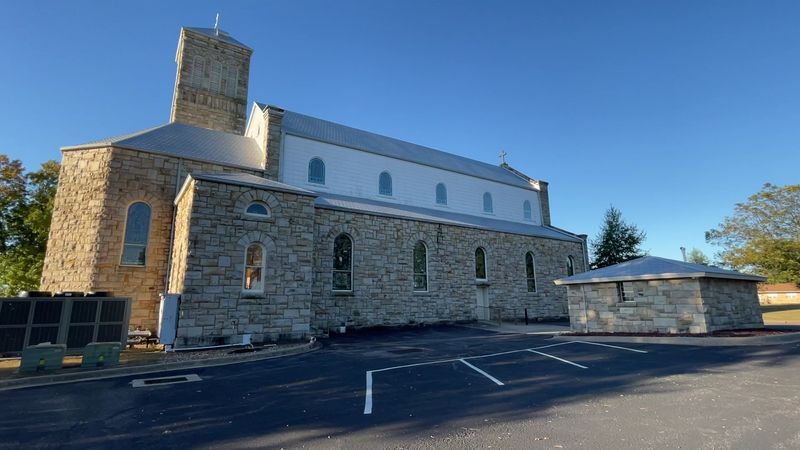
St. Mary’s Catholic Church rises above vineyard country with the kind of stonework that can feel unexpectedly European. The church sits at 5118 St Mary’s Ln in Altus, AR 72821, in the Arkansas River Valley.
German and Swiss immigrants settled this area and brought their farming traditions with them. The church was built from locally quarried sandstone by masons brought in from St. Louis.
The result is a Romanesque Revival building with a soaring bell tower that can be spotted from the surrounding roads.
Step inside and the color takes over. The walls and ceiling are covered in painted murals and gold leaf, work that was added later by a talented artist and gives the interior a rich, glowing feel.
Stained glass windows fill the space with shades of blue and red when the afternoon sun hits them.
I love how the painted ceiling makes a small-town church feel as grand as a big-city cathedral. The detail rewards slow looking, so plan to spend more than a quick minute gazing upward.
The setting matters just as much as the building. Rolling fields and hills stretch out in every direction, which makes the drive in feel like part of the experience.
Fall brings warm colors to the landscape, while spring turns the hills a bright green.
The church remains an active parish, so visitors should be respectful during services and quiet times. Photos of the exterior are especially striking near sunset, when the stone takes on a honey tone.
Altus may be tiny, but its hilltop showpiece punches far above its weight.
2. Cathedral of St. Andrew, Little Rock
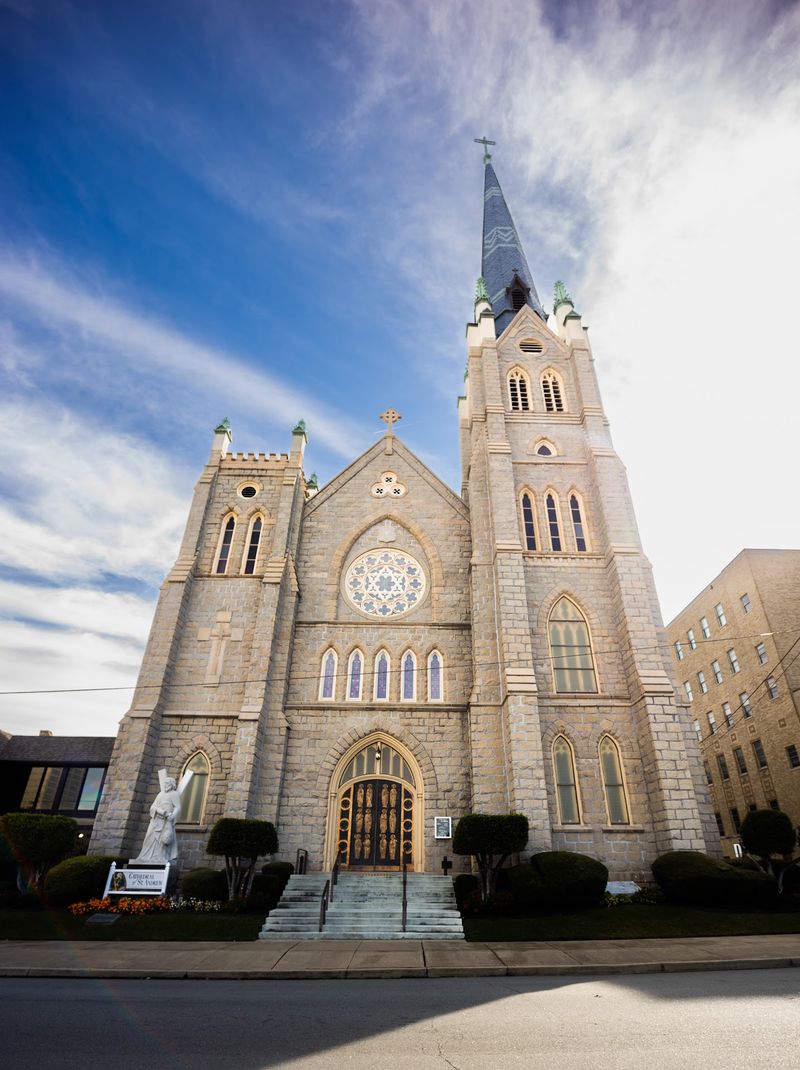
Downtown Little Rock hides a slice of medieval Europe right on a city street corner. The Cathedral of St. Andrew stands at 617 S Louisiana St, Little Rock, AR 72201, and it serves as the mother church of the Catholic Diocese of Little Rock.
Built from granite quarried in the region, the cathedral wears the pointed arches and sturdy walls of classic Gothic Revival design. Its tall spire is the showstopper, rising above the nearby buildings and catching light throughout the day.
The stone has a cool gray tone that looks especially sharp against a bright blue sky.
The interior feels hushed and dignified. Long rows of pews lead toward the altar, and stained glass windows tell Bible stories in deep jewel colors.
Wooden details and carved features add warmth to all that stone.
Honestly, I find it delightful that such an old-world building sits so casually among offices and parking lots. The contrast makes it feel like a small time machine parked in the middle of the capital city.
This is the oldest Catholic church building still in use in the city, and it has served generations of worshippers. The cathedral holds regular Masses, so checking the parish schedule ahead of a visit helps avoid interrupting services.
Architecture fans will enjoy walking around the exterior to study the buttresses, window tracery, and doorways. The block is easy to reach while exploring other downtown spots, including the nearby River Market area.
For anyone who thinks Gothic grandeur requires a passport, this granite giant offers a friendly correction. The spire alone is worth tilting your head back for.
3. Immaculate Conception Church, Fort Smith
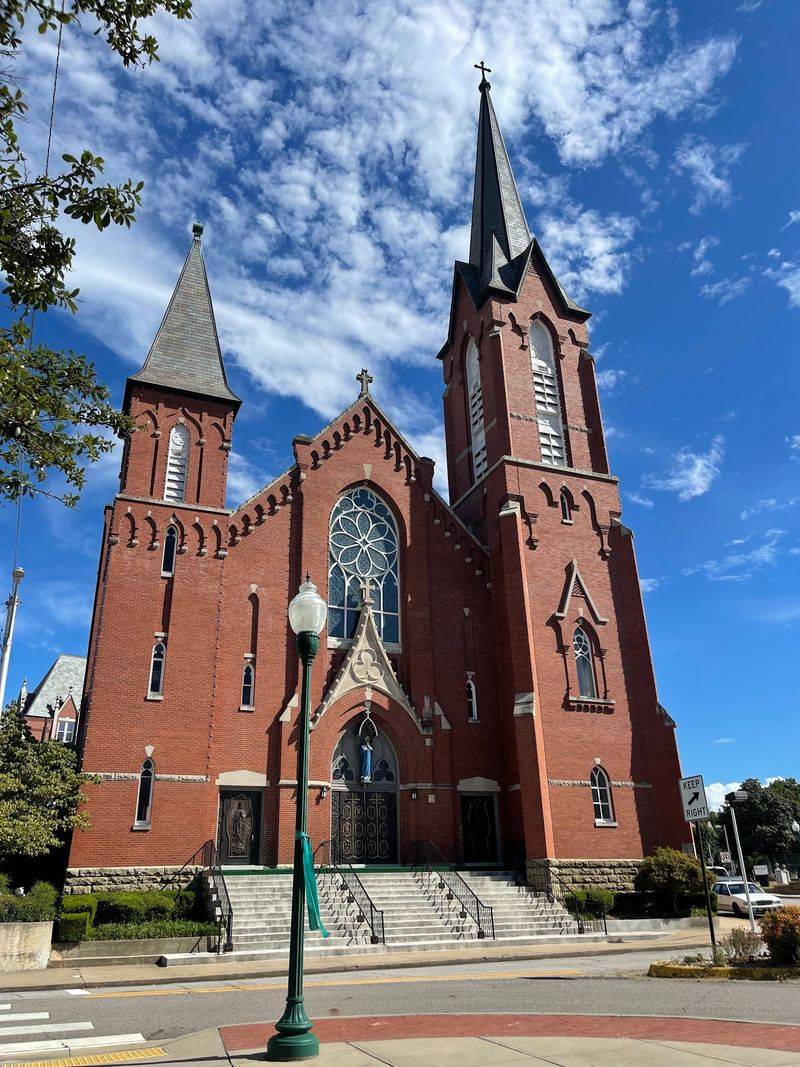
Two spires tower over Fort Smith like a pair of friendly sentinels. Immaculate Conception Church stands at 22 N 13th St, Fort Smith, AR 72901, on the western edge of the state near the Oklahoma line.
The church was designed in the Gothic Revival style, and its twin towers give it the balanced, stately look of churches found in old French and German cities. Brick walls, pointed arches, and tall windows create a strong vertical feel.
The whole building seems to be reaching for the clouds.
Inside, the ceiling rises high above the pews, with graceful ribbed vaults drawing the eye upward. Stained glass windows glow with saints and scenes, and the altar area holds carved details that reward a close look.
Light shifts across the space as the day moves along.
Fort Smith has a colorful frontier past, and the parish has deep roots in that history. It was one of the early Catholic communities in the region, and the current church reflects the ambitions of a growing town.
I can’t help admiring how those twin towers give the downtown skyline a touch of European drama. They make a handy landmark while exploring the historic district too.
Visitors can pair a stop here with a stroll through the nearby streets, where older buildings and museums tell the story of the city. The church remains an active parish, so visits outside Mass times are the most comfortable for sightseeing.
Photographers should step back across the street to fit both spires in one frame. Few skylines in the region wear a crown this handsome.
4. Trinity Episcopal Cathedral, Little Rock
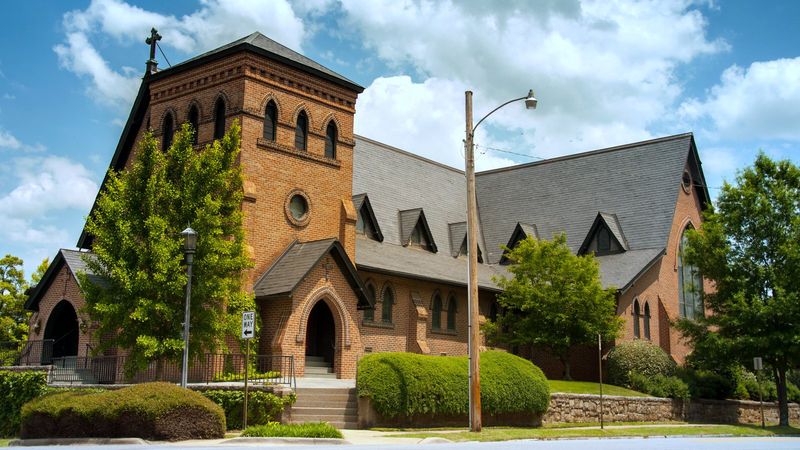
Some buildings whisper their age, and Trinity Episcopal Cathedral practically sings it. The cathedral sits at 310 W 17th St, Little Rock, AR 72206, in a leafy part of the capital city.
Built in the Gothic Revival style, Trinity has the look of a parish church plucked from the English countryside. Pointed arch windows, sturdy brick walls, and a square tower give it a timeless, storybook presence.
Mature trees around the property soften the edges and add seasonal color.
The interior carries that English feel even further. Dark wooden beams stretch across the ceiling, creating a warm and cozy atmosphere that feels different from the stone-heavy look of many cathedrals.
Stained glass windows cast pools of color on the floor during bright afternoons.
Trinity serves as the cathedral for the Episcopal Diocese of Arkansas, and it ranks among the older church buildings in the city. Its long history shows in the worn wood, the craftsmanship, and the calm mood inside.
The wooden ceiling is my favorite feature here, since it feels like being tucked inside a beautifully built ship turned upside down. Okay, that one is simply a description of the beams, which really do curve that way.
Music is a big part of life at Trinity, and services often feature organ and choir. Checking the cathedral’s calendar can reveal concerts or special events open to the public.
The surrounding neighborhood has historic homes worth a slow drive afterward. Trinity proves that European charm does not always need towering spires to feel grand.
5. Subiaco Abbey, Subiaco
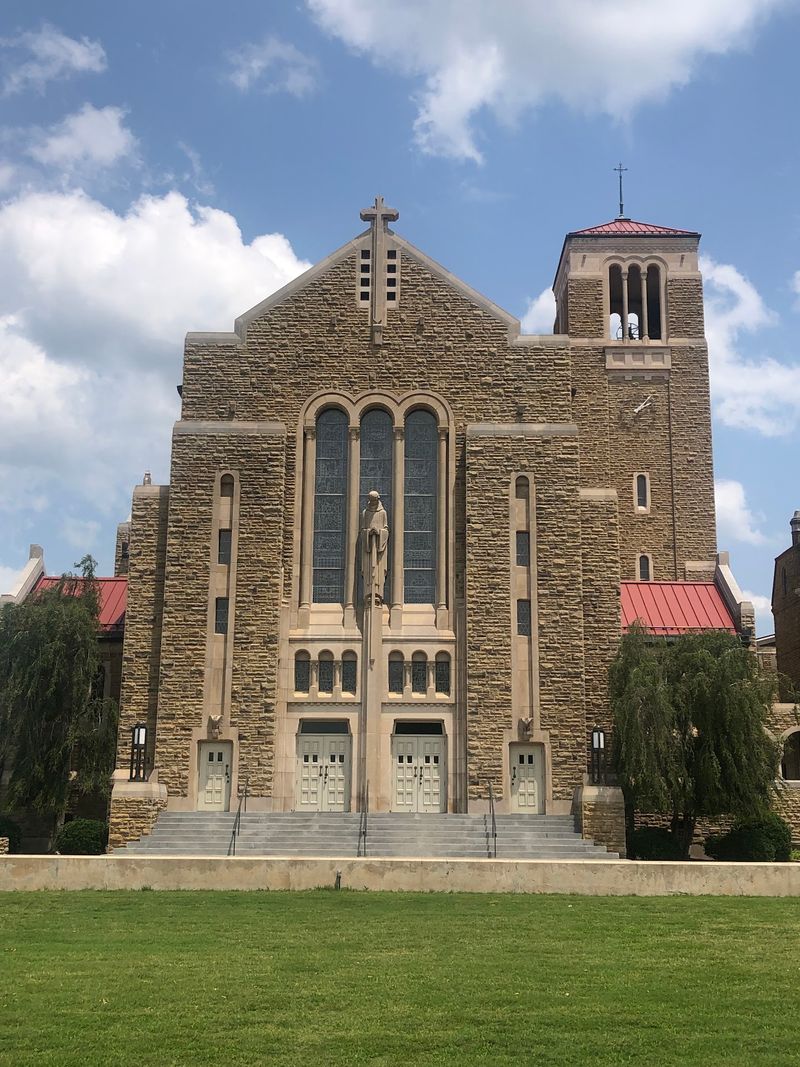
Monks, sandstone, and rolling hills make Subiaco Abbey feel like a monastery transplanted from the European countryside. The abbey is located at 405 N Subiaco Ave, Subiaco, AR 72865, in the Arkansas River Valley.
Benedictine monks founded this community, and they still live, pray, and work here today. The name comes from Subiaco in Italy, the place linked to Saint Benedict himself.
That connection gives the whole campus a strong old-world spirit.
The abbey church is built from local sandstone in a Romanesque style, with rounded arches and thick walls that feel solid and peaceful. Warm golden stone glows beautifully in morning and evening light.
Inside, the space is calm and uncluttered, perfect for quiet reflection.
The abbey also runs a boys’ college preparatory school, so the grounds have a lively, lived-in feel. Visitors often enjoy strolling around the campus to take in the architecture and the wide views of the surrounding farmland.
Guests are welcome to join the monks for prayer at set times during the day. Hearing the chant echo through the church is a memorable way to sense the rhythm of monastic life.
The abbey is also known for its peanut brittle, made by the monks and sold at the gift shop. I think a sweet treat made by monks might be the most charming souvenir in the whole state.
A retreat center offers overnight stays for those wanting extra quiet time. Subiaco rewards patience, so let the slow pace set the mood.
6. First Lutheran Church, Little Rock
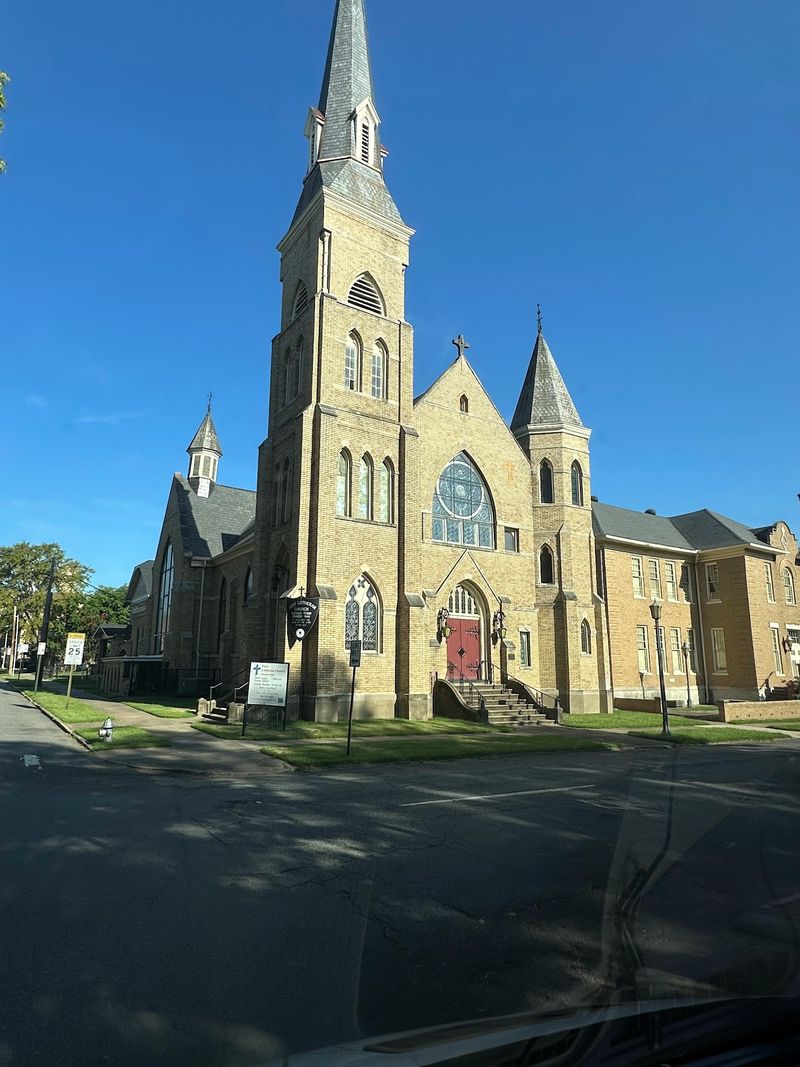
German settlers left a lasting mark on Little Rock, and First Lutheran Church is one of their finest calling cards. The church stands at 314 E 8th St, Little Rock, AR 72202, close to the heart of downtown.
The congregation was founded by German immigrants who wanted a spiritual home that echoed the churches they left behind. Services were once held in German, a detail that says a lot about the community’s roots.
That heritage still shapes the church’s identity.
The building features Gothic-style design with pointed windows and a steeple that rises above the neighborhood. Its brick exterior has a handsome, classic look, and the stained glass adds bursts of color when sunlight pours in.
The sanctuary feels welcoming rather than overwhelming.
What makes this spot fun is how easily it blends into a downtown walk. Plenty of visitors pass by without realizing how much history sits behind those walls.
A pause to look up at the steeple is well worth the moment.
I appreciate that a church rooted in immigrant stories still stands strong in the middle of a busy modern city. It feels like a quiet reminder of who helped build the place.
First Lutheran remains an active congregation, so weekday visits or times outside worship are best for admiring the building respectfully. The surrounding area has other historic sites that make easy add-ons.
Travelers hunting for a taste of old Germany in Little Rock can find it right here. The steeple does the talking.
7. St. Joseph Catholic Church, Tontitown
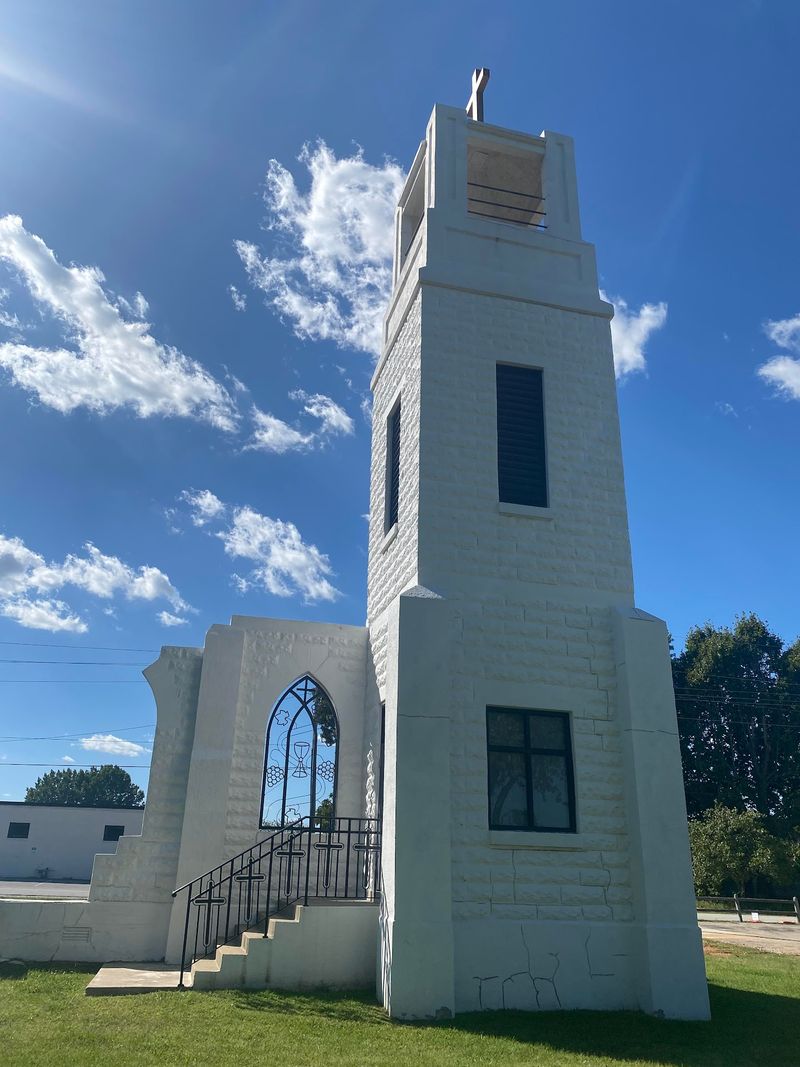
Italian heritage runs deep in Tontitown, and St. Joseph Catholic Church sits at the center of it all. The church is found at 154 E Henri de Tonti Blvd, Tontitown, AR 72762, in the northwest corner of the state.
Italian immigrants founded Tontitown after a tough start elsewhere in the South. Led by their priest, they moved to the Ozark hills and built a new community focused on faith and farming.
The church has been the town’s heart ever since.
St. Joseph has a warm brick exterior and a bell tower that gives it the feel of a village church in northern Italy. The grounds are well kept, and the setting feels peaceful even though busy roads are nearby.
Inside, religious art and stained glass bring color to the sanctuary.
The town is famous for its Tontitown Grape Festival, a summer tradition that started as a parish celebration. The festival still raises funds for the church and draws crowds with fresh grapes, homemade spaghetti dinners, and carnival fun.
I find it charming that a spaghetti dinner became a beloved local tradition in the middle of the Ozarks. It captures the town’s Italian spirit perfectly.
The church also has a historic cemetery on the grounds, where early settler families are remembered. Visitors often stroll the grounds to take in the quiet atmosphere and read about the town’s founders.
For a slice of Italy with a side of Ozark hospitality, this parish delivers. Grape season adds extra flavor.
8. St. Mary’s Catholic Church, Paragould
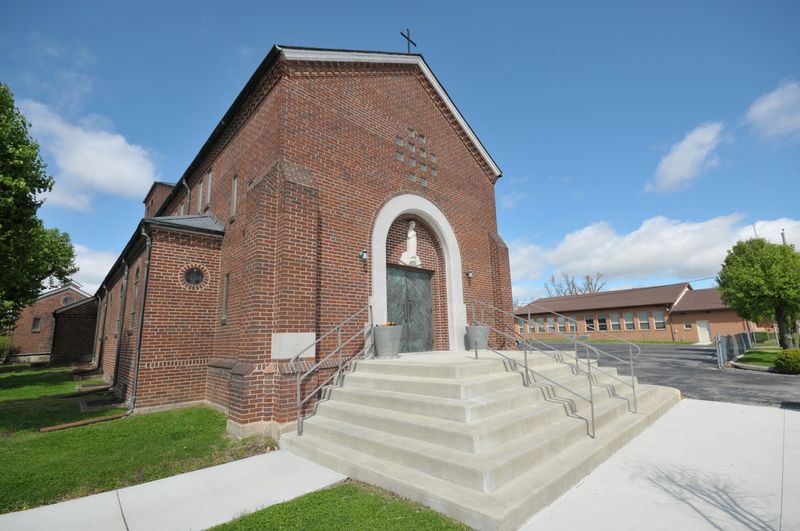
Northeast Arkansas has its own old-world treasure tucked into the town of Paragould. St. Mary’s Catholic Church stands at 300 N 2nd St, Paragould, AR 72450, just a short hop from the historic downtown.
Paragould grew up around the railroads, and its churches helped anchor the growing community. St. Mary’s became a key gathering place for Catholic families in the area, including many with European roots.
The parish has served the town for generations.
The church’s traditional design includes brick walls, arched windows, and a steeple that gives the neighborhood a classic silhouette. Inside, stained glass windows and devotional art create a peaceful, reverent mood.
The sanctuary feels intimate, which suits its small-town setting.
Small-town churches often surprise with the care poured into their details. Carved woodwork, statues, and colorful glass show how much the parish values beauty in worship.
A slow walk down the aisle reveals touches that are easy to miss at first glance.
I like that places such as St. Mary’s remind travelers how much artistry lives outside big cities. It feels personal in a way larger cathedrals sometimes can’t match.
Paragould’s downtown has shops and murals worth exploring, so the church pairs well with a relaxed afternoon in town. Crowley’s Ridge, a unique strip of hills in the region, also sits close by for scenic drives.
The parish remains active, so visitors should plan around Mass times. Quiet charm is the main event here, and it delivers.
9. St. Boniface Catholic Church, Bigelow
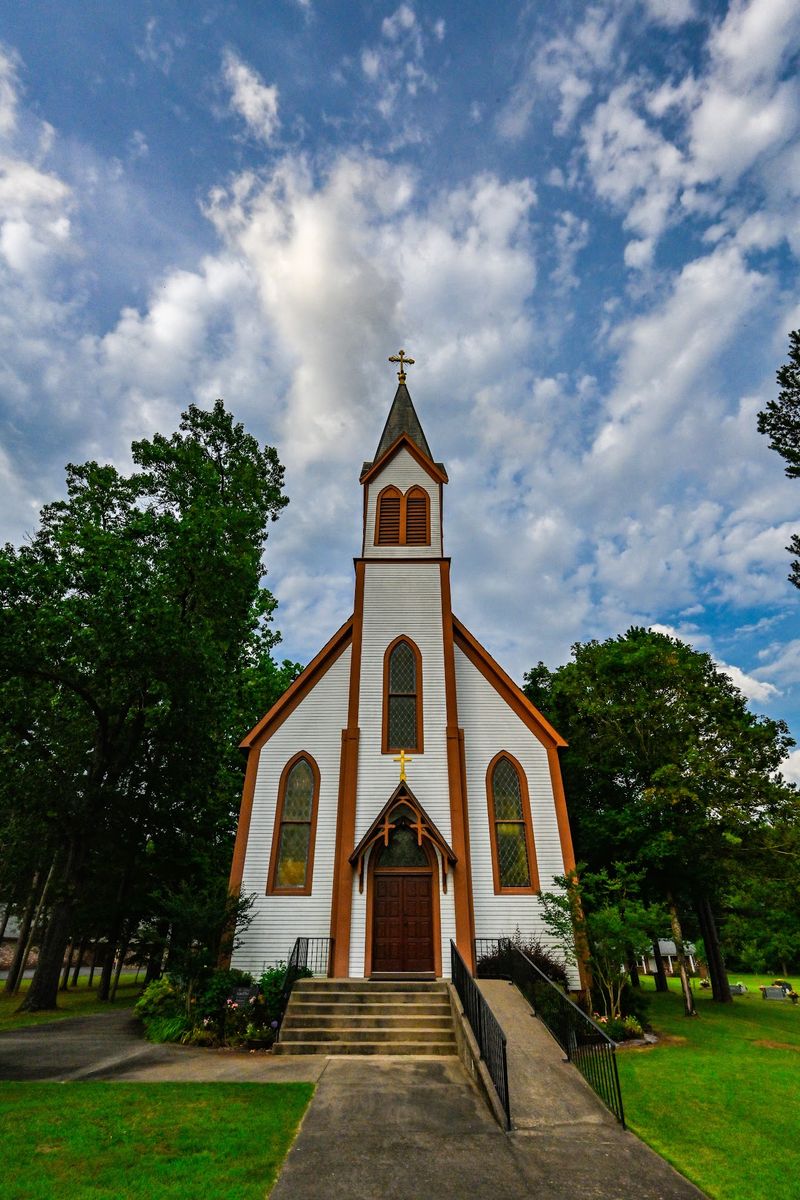
Out in the countryside near Bigelow, a church steeple pokes above the trees like a friendly beacon. St. Boniface Catholic Church sits at 20 St. Boniface Dr, Bigelow, AR 72016, in central Arkansas not far from the Arkansas River.
German Catholic farmers settled this area, and the church takes its name from Saint Boniface, a missionary closely tied to Germany. That link feels fitting for a parish built by families who carried their faith across an ocean.
Their descendants still help keep the community going.
The church has a classic rural look, with a tall steeple and a setting surrounded by open land and trees. It resembles the village churches dotting the German countryside, where the steeple marks the center of local life.
The quiet here is part of the appeal.
Inside, the sanctuary holds stained glass and traditional decor that reflect the parish’s heritage. The space feels homey and well loved, the kind of place where families have gathered for baptisms and weddings for many years.
Rural churches like this one make me appreciate how faith and farming shaped so many small communities. The peaceful setting almost slows your heartbeat on arrival.
The drive out is scenic, especially in autumn when the trees change color. A historic cemetery near the church offers another glimpse into the area’s German roots.
Visitors should keep in mind that this is an active country parish, so respectful timing matters. Sometimes the smallest steeples leave the biggest impressions.
10. Thorncrown Chapel, Eureka Springs
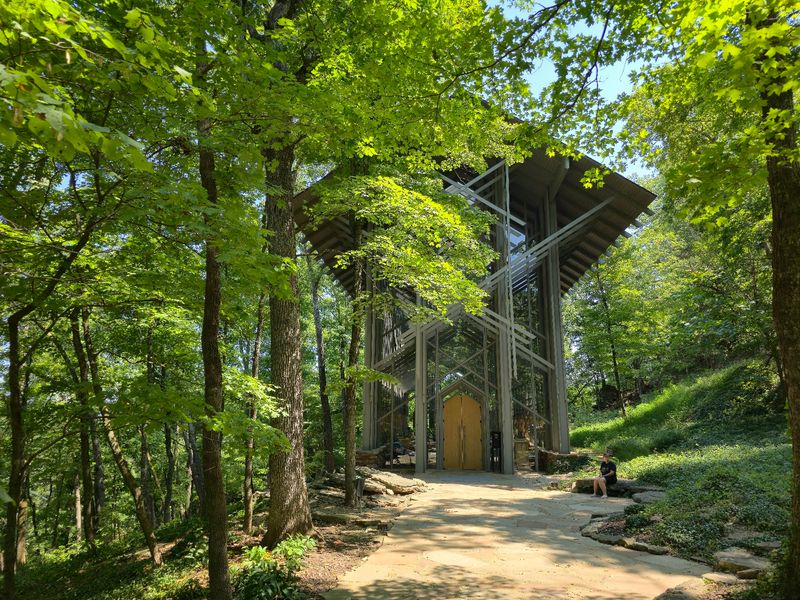
Glass walls, wooden beams, and a forest wrapped all around make Thorncrown Chapel a true one-of-a-kind stop. The chapel sits at 12968 Hwy 62 W, Eureka Springs, AR 72632, in the Ozark Mountains.
Architect E. Fay Jones designed the chapel, and he studied under Frank Lloyd Wright.
His goal was to create a building that blended into nature rather than fighting it. The result feels like a Gothic cathedral reimagined in wood and glass.
The crisscrossing timber beams echo the pointed arches of great European churches, but here they frame trees instead of stone. Hundreds of windows let sunlight pour in, and the view shifts with every season.
Snow, spring blooms, and fall leaves each give the chapel a new personality.
Thorncrown has earned major praise in architecture circles and is often ranked among the finest American buildings of its era. It welcomes visitors of all faiths, and it remains a popular spot for weddings and Sunday services.
Of all the places on this list, I think this one blurs the line between building and forest the most. It feels less constructed and more grown.
The chapel is reached by a short path through the woods, which builds anticipation nicely. Seasonal hours apply, so checking the official schedule before driving out is smart.
Eureka Springs itself is full of Victorian charm, making it an easy pairing for a weekend trip. Pack a sweater for cool mornings.
Light does the preaching here, and it never repeats the same sermon twice.