
10 Beautiful Colorado Cities Where Retirees Can Live On $1,200 A Month Or Less
Retirement in Colorado does not have to mean luxury condos, resort-town prices, or a budget that gets bullied by mountain views. Beyond the famous slopes and glossy vacation spots, there are quieter communities where life feels slower, friendlier, and far more realistic for people who want beauty without financial panic.
Think morning walks with wide-open scenery, local diners where regulars know each other, peaceful neighborhoods, and access to nature that does not require a premium lifestyle. These towns prove that comfort, character, and affordability can still exist in the same sentence.
You get the fresh air, the scenic drives, the small-town rhythm, and the sense of space that makes retirement feel like an upgrade instead of a compromise. Colorado’s lesser-known communities offer something money cannot fake, which is a grounded, livable kind of charm.
For retirees ready to rethink what is possible, this list could change everything.
1. Monte Vista
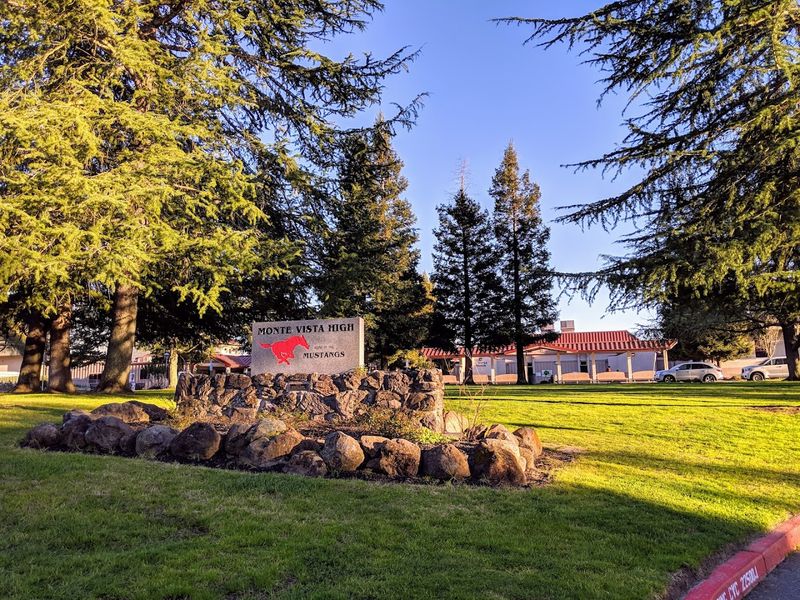
There’s something almost cinematic about Monte Vista. The valley floor stretches out flat and quiet, framed on both sides by mountain ranges that look like they were painted by someone with very good taste and a lot of patience.
This is a town that earns its beauty the honest way, without a single ski lift or overpriced brunch spot in sight.
Housing costs here run well below Colorado’s statewide average, and many retirees find they can cover rent, groceries, and utilities without draining savings. The town has a genuine main street feel, with local businesses, a community hospital, and neighbors who actually wave at you.
That last detail sounds small until you’ve lived somewhere they don’t.
Monte Vista is also home to the Crane Festival each spring, when sandhill cranes fill the valley skies in numbers that stop traffic. Honestly, watching that spectacle costs nothing and delivers more than most paid attractions.
For retirees who want scenery, quiet, and a budget that stays intact, Monte Vista might be the most honest deal in Colorado.
2. La Junta
La Junta carries itself with the quiet confidence of a town that has been here a long time and plans to stay. Situated in southeastern Colorado’s Arkansas River Valley, it offers the kind of unhurried daily rhythm that retirees spend decades chasing.
The pace here isn’t slow because nothing’s happening; it’s slow because people have figured out there’s no reason to rush.
Retirement-cost rankings have placed La Junta among the very few Colorado communities where post-Social-Security monthly expenses can land under the $1,200 mark. That figure includes housing, which trends significantly lower than anything you’d find near Denver or the mountain resort corridor.
The town also has accessible senior resources, which matters more than most people admit until they actually need them.
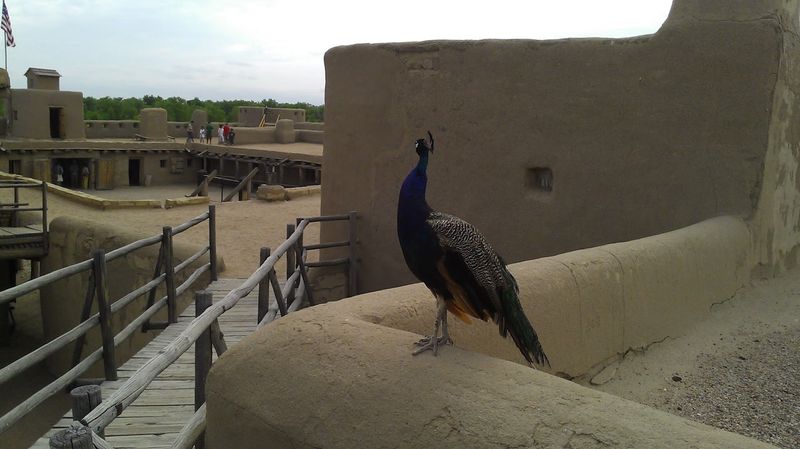
Historically, La Junta sits near Bent’s Old Fort, a reconstructed 19th-century trading post that draws history lovers and curious day-trippers alike. I find something genuinely grounding about living near a place where the past is that tangible.
Add in the prairie sunsets, which are legitimately spectacular, and La Junta starts looking less like a compromise and more like a well-kept secret.
3. Lamar
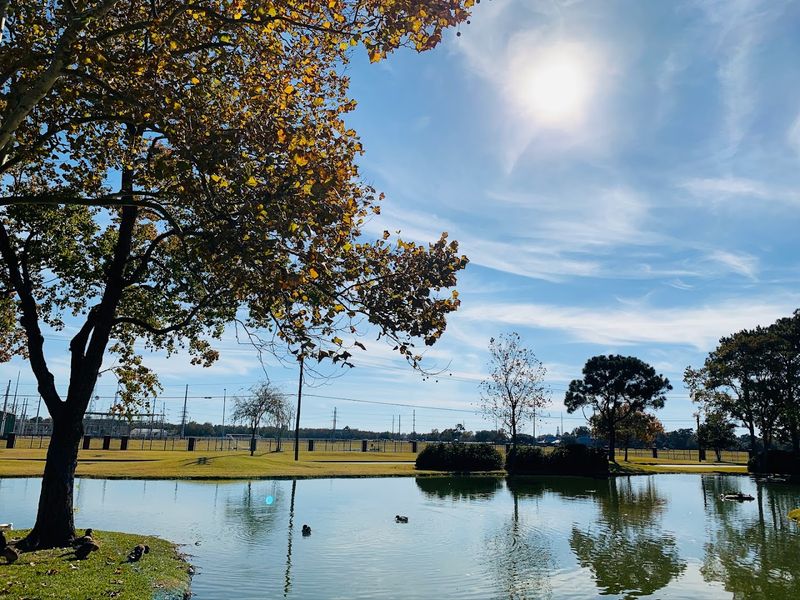
Lamar sits out on the Colorado High Plains with the straightforward confidence of a town that has never tried to impress anyone and never needed to. It’s flat, wide, and genuinely affordable in a way that most Colorado cities stopped being a long time ago.
For retirees prioritizing budget stability over altitude bragging rights, that’s not a flaw; that’s the whole point.
Retirement-cost analysis has placed Lamar under the $1,200 post-Social-Security monthly threshold, which puts it in rare company statewide. Housing costs are low, everyday services are accessible, and the community has the kind of local infrastructure that actually supports daily life without requiring a car trip to the nearest city.
Grocery stores, parks, and medical facilities are within reasonable reach.
Lamar is also a well-known birding destination, sitting along the Central Flyway migration route. If you’ve never stood at the edge of a quiet reservoir at dawn while hundreds of birds move overhead, I’d suggest trying it before dismissing the High Plains as scenically boring.
There’s a particular beauty to open sky country that grows on you steadily, like a good book you weren’t sure about in the first chapter.
4. Las Animas
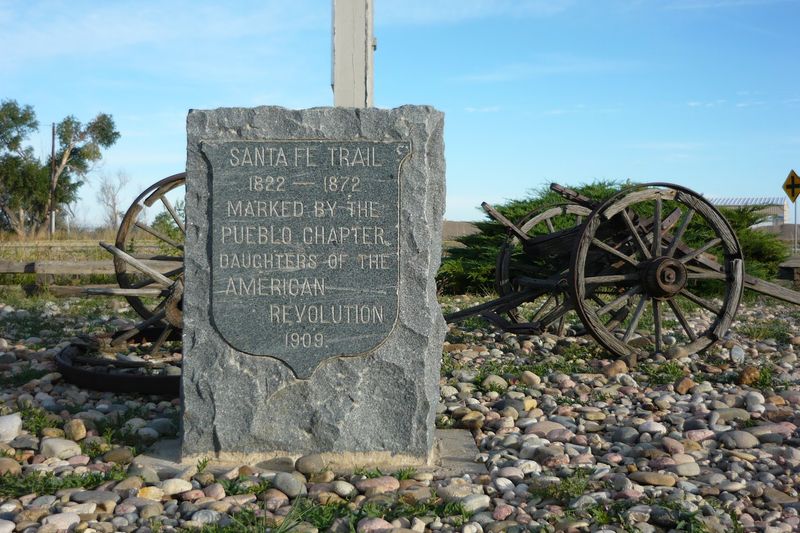
Las Animas is the kind of place that doesn’t announce itself loudly. It sits in Bent County along the Arkansas River, surrounded by prairie grasslands and a history that stretches back to the old Santa Fe Trail days.
For retirees who want to live somewhere with genuine character rather than manufactured charm, this small city delivers without overpromising.
On at least one Colorado retirement-cost ranking, Las Animas performed especially well for retirees managing tight monthly budgets. Housing here is among the most affordable in the state, and the slower pace of life means fewer temptations to overspend on entertainment or dining out.
Sometimes the most budget-friendly feature of a town is simply its tempo.
Nearby Bent’s Fort National Historic Site and the John Martin Reservoir State Park give outdoor-minded retirees genuine reasons to leave the house, which I think is an underrated quality in a retirement location. A good walk, a bit of history, and a quiet evening back home: that’s a formula that holds up remarkably well.
Las Animas may be small, but it has the ingredients for a retirement that feels full rather than merely affordable.
5. Center
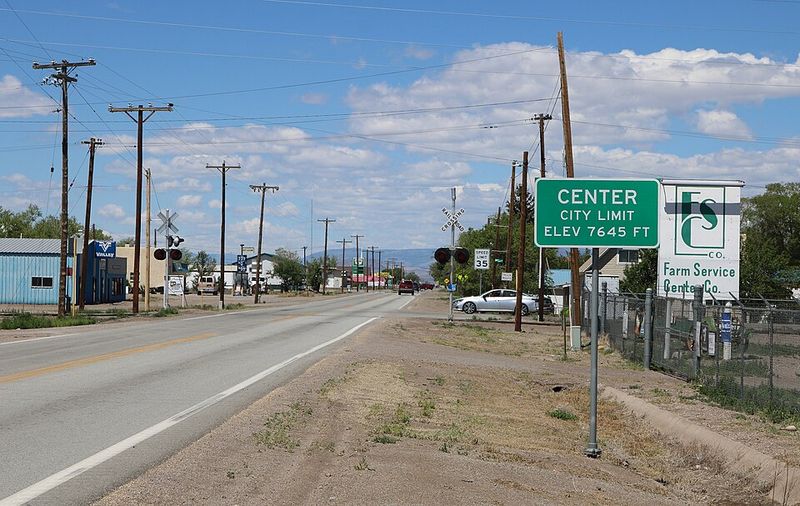
Center, Colorado is not trying to compete with anyone. Tucked into the heart of the San Luis Valley, it is surrounded by potato fields, open skies, and mountain views that would cost a fortune to wake up to in a trendier zip code.
Here, they come standard with the address, at a price point that actually makes sense for retirement budgets.
The town was listed below the $1,200 post-Social-Security monthly cost figure in retirement affordability rankings, making it one of the more remarkable budget options in the entire state. It is genuinely rural living, and retirees should go in with open eyes: this is not a town with a farmers market and a bar on every corner.
What it has is space, quiet, and an authenticity that resort towns spend millions trying to fake.
I have a personal soft spot for places where you can see weather coming from twenty miles away. The San Luis Valley delivers that on a daily basis, with cloud formations and light shifts that feel almost theatrical.
For retirees who find peace in wide horizons rather than crowded amenities, Center offers something rare: room to breathe, and a budget that lets you keep breathing comfortably.
6. Trinidad
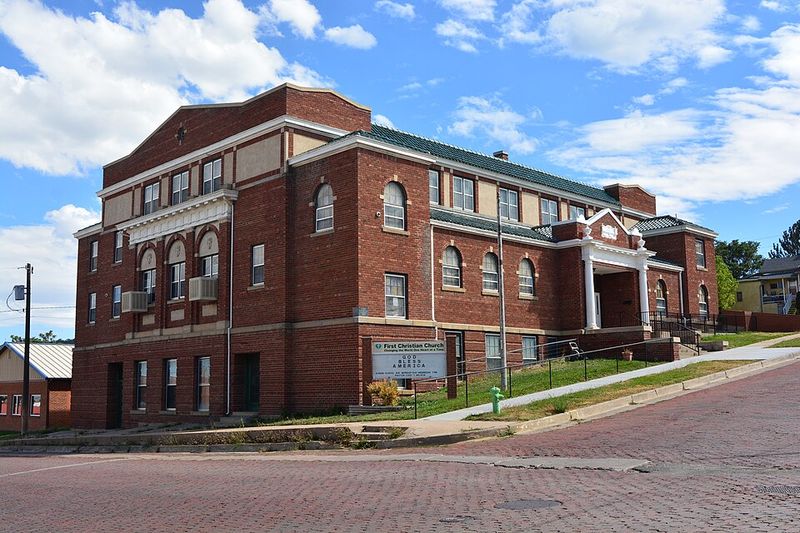
Trinidad might be the most visually striking affordable town in Colorado, full stop. Red-rock mesas rise behind the historic downtown like a natural backdrop that no city planner could have designed better.
The architecture is genuinely beautiful, with Victorian-era buildings lining streets that feel like they belong in a film set, except the rent is real and remarkably reasonable.
Current housing market data shows Trinidad sitting far below Colorado’s resort and Front Range pricing, which means retirees can actually afford to live somewhere that looks this good. The Sangre de Cristo Mountains are accessible for hiking, the downtown has independent shops and cafes with real personality, and the community has attracted a creative, eclectic mix of residents in recent years without losing its authentic character.
Trinidad also carries a fascinating and layered history, from its coal-mining past to its role in labor history and its more recent reputation as a welcoming arts community. I find that towns with complicated histories tend to produce more interesting neighbors.
For retirees who want beauty, culture, outdoor access, and a monthly budget that doesn’t require a spreadsheet to manage, Trinidad is arguably the most compelling entry on this entire list.
7. Canon City
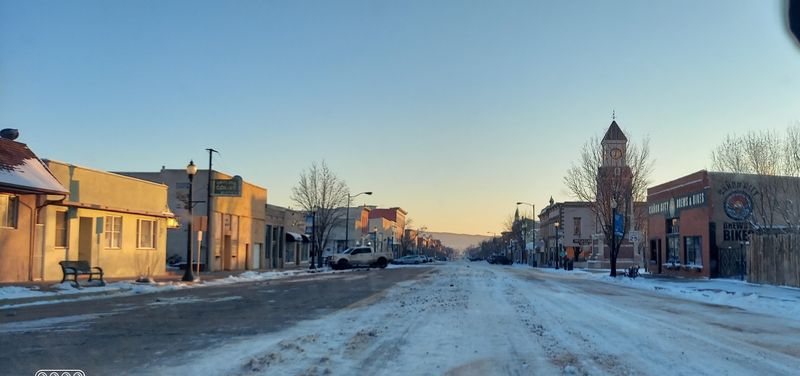
Canon City has a geographic advantage that most affordable towns can only dream about. The Arkansas River cuts through dramatic canyon country right at its doorstep, putting world-class scenery within easy reach of a very modest cost of living.
Investopedia has specifically highlighted Canon City as a strong retirement option, pointing to its mountain beauty alongside below-average living costs.
The Royal Gorge region draws visitors from across the country, but the locals who live here get to enjoy that landscape on a Tuesday afternoon without paying admission. Trails, river access, and canyon views are part of the daily backdrop rather than a special occasion destination.
That kind of ongoing access to natural beauty has a genuine effect on quality of life that’s hard to put a price on.
Downtown Canon City has historic character, with a main street that feels lived-in and functional rather than frozen in tourist-friendly amber. Medical facilities, grocery options, and community amenities are solid for a town this size.
For retirees who want dramatic Colorado scenery, a walkable historic downtown, and monthly expenses that don’t require heroic financial discipline, Canon City is one of the most balanced and satisfying options on this list.
8. Alamosa
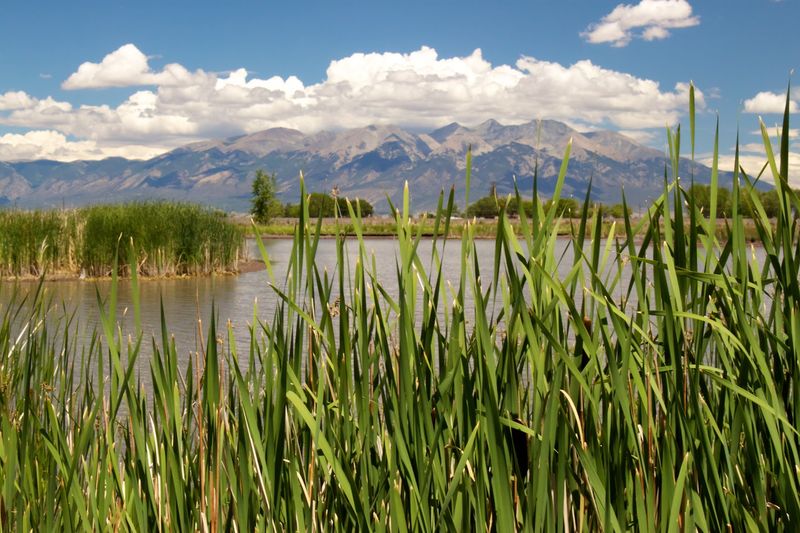
Alamosa is the closest thing to a hub that the San Luis Valley has, and that distinction matters for retirees. While smaller valley towns like Center or Monte Vista offer lower price points, Alamosa adds a layer of services, dining options, and connectivity that makes daily life genuinely easier without pushing costs into uncomfortable territory.
It’s the practical middle ground between rural isolation and urban expense.
Great Sand Dunes National Park sits about thirty minutes north, which means Alamosa retirees have one of the country’s most surreal natural landscapes as a casual day trip rather than a once-in-a-lifetime journey. The dunes rising against mountain backdrops look like something assembled by a committee of overachievers.
That kind of access, without the resort-town price tag, is exactly what makes the San Luis Valley worth serious consideration.
Adams State University gives Alamosa a quiet intellectual energy that some retirees find refreshing in a small city. There are cultural events, a community that values education, and a downtown that functions year-round rather than seasonally.
For retirees who want affordability without full rural isolation, Alamosa threads that needle better than almost anywhere else in Colorado.
9. Sterling
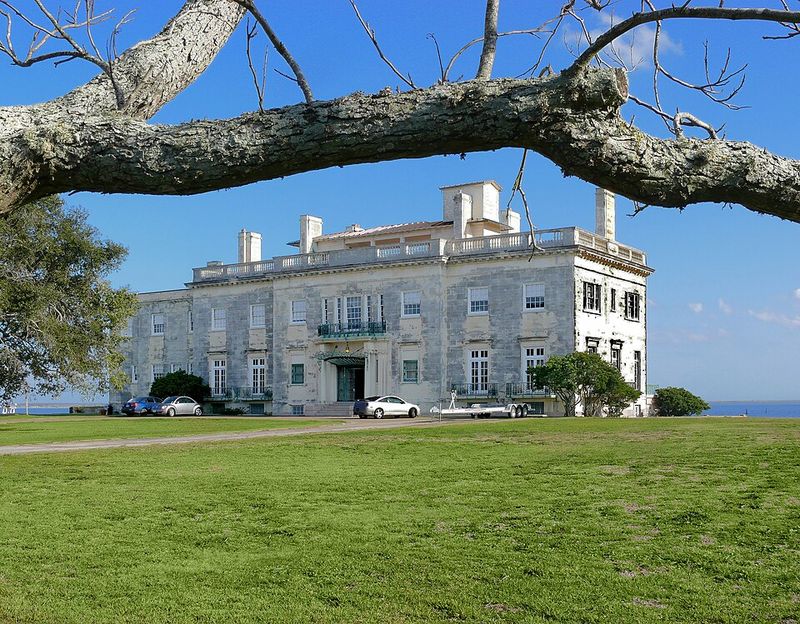
Sterling is northeastern Colorado’s quietly confident answer to the question of where retirees can actually afford to live without moving to another state. Recent retirement-town coverage has noted that Sterling sits below both national and Colorado cost averages, which in Colorado’s current housing climate is a distinction worth paying attention to.
The Front Range sprawl hasn’t reached here, and that gap in pressure keeps costs manageable.
The town has a genuine park system, including Overland Trail Recreation Area, which gives retirees real outdoor space without requiring a drive to the mountains. There’s something to be said for a community that has invested in livability at the local level rather than relying entirely on nearby natural attractions to justify its existence.
Sterling earns its appeal from within.
I’ll admit that northeastern Colorado’s flat, wide landscape isn’t everyone’s aesthetic preference. But there’s a particular freedom in that openness that grows on you, especially if you’ve spent years in crowded suburbs.
Sterling offers a pace that rewards patience and a community that rewards showing up. For retirees ready to trade commute stress for genuine neighborliness and a budget that actually holds, Sterling deserves a much longer look than it typically gets.
10. Delta
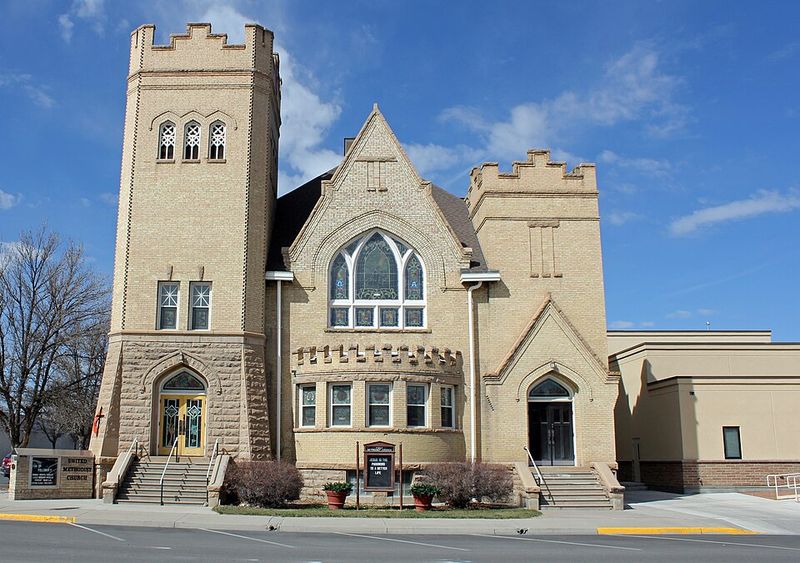
Delta sits on Colorado’s Western Slope with an agricultural confidence that feels refreshing after too much time spent in resort-adjacent towns. Orchards line the roadsides, the Gunnison River runs nearby, and the Grand Mesa looms to the northeast like a very large, very green reminder that dramatic scenery doesn’t require a mountain resort zip code.
This is working Western Colorado, and it wears that identity well.
Keeping total monthly costs under $1,200 in Delta may require more financial discipline than in La Junta or Lamar, but the tradeoff is access to a genuinely beautiful and varied landscape. Black Canyon of the Gunnison National Park is within reasonable driving distance, and the Western Slope’s orchard country produces some of Colorado’s best peaches, which is not a minor quality-of-life detail if you ask me.
Delta has real community infrastructure: a hospital, local shops, and a downtown that functions for residents rather than exclusively for tourists. The surrounding region attracts outdoor enthusiasts, artists, and retirees who want Western Slope character without Telluride pricing.
For anyone willing to budget carefully, Delta rewards that effort with scenery, community, and the particular satisfaction of living somewhere beautiful that most people haven’t discovered yet.