
Brighton’s Main Street In Michigan Transforms Into An Outdoor Art Gallery Each Summer
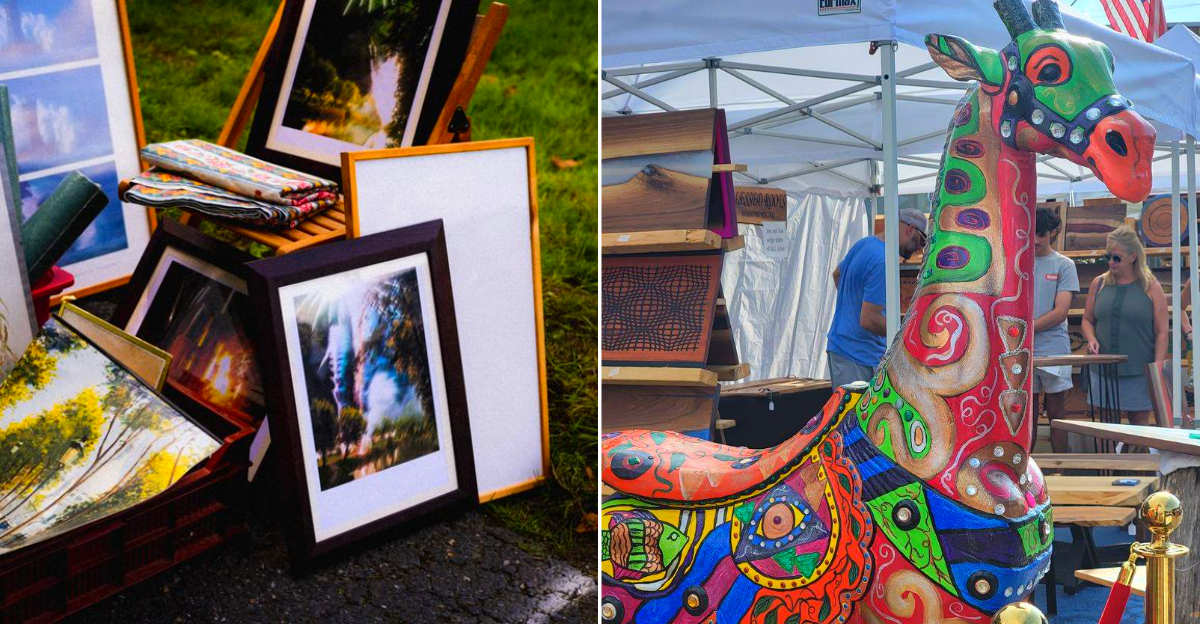
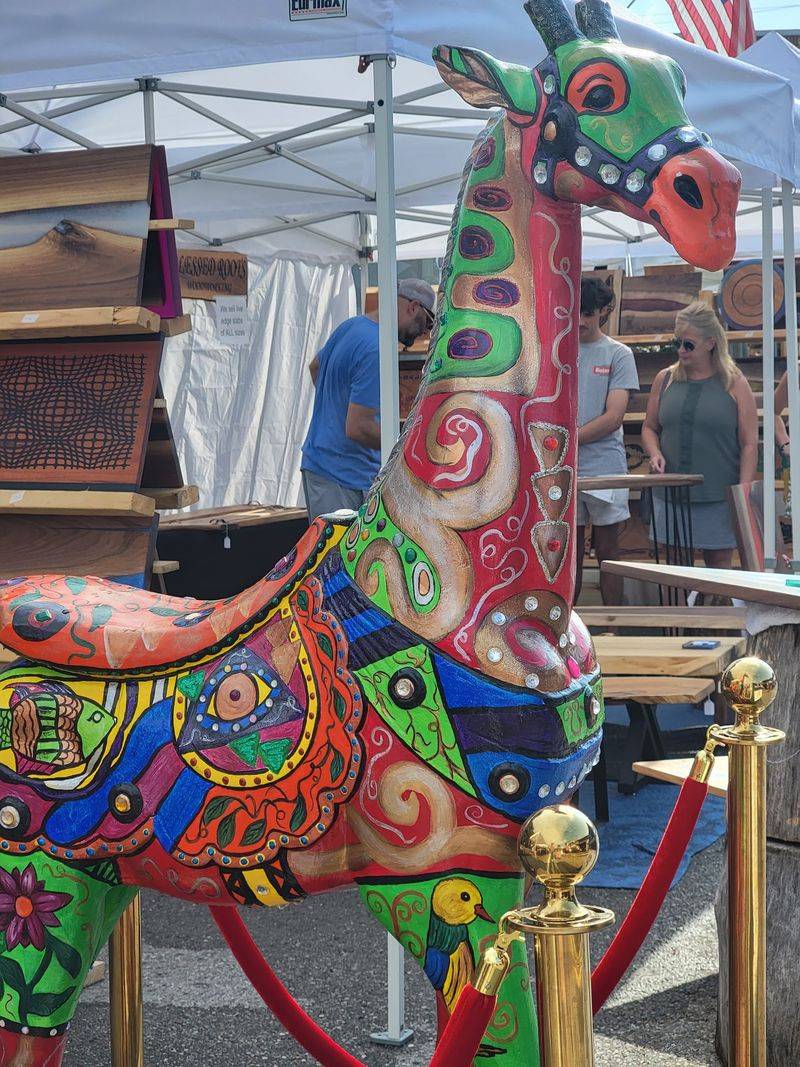
Main Street shuts down to traffic and opens up to paint, sculpture, photography, and live music bouncing off brick storefronts.
One hundred twenty-five jury-selected artists line the sidewalks with their work, turning a walkable downtown into an outdoor gallery you can explore with coffee in one hand and kettle corn in the other.
The whole thing sits next to a millpond, so you can walk from a watercolor demonstration to a bench overlooking the water in under a minute.
I wandered through on a Saturday afternoon and lost track of time between a ceramicist explaining her glazing technique and a photographer whose landscapes made me want to drive north immediately.
Kids grabbed brushes at the hands-on art stations. One hundred twenty-five jury-selected artists bring their work to a Michigan Main Street for a weekend of outdoor art, live music, and workshops next to the water.
Arrive Before The Busiest Hours
Morning is the easiest time to appreciate the fair before Main Street fills with its liveliest crowds. Saturday and Sunday both open at 10 a.m., while Friday begins later at 4 p.m., so weekend mornings give serious browsers the calmest first look at the booths.
The 2026 Brighton Street Art Fair features 125 jury-selected artists along Main Street, with paintings, photography, ceramics, jewelry, sculpture, glass, fiber, wood, and other fine art and craft spread through downtown.
An early lap gives you more room to stop, ask questions, and compare work without feeling pushed along by foot traffic.
Families also benefit from cooler August temperatures before midday heat builds. Bring water, sunscreen, and a hat even if the morning starts comfortably, because most of the browsing happens outdoors on pavement.
I would use the first hour for detailed work that rewards close attention, then return to favorite booths later after lunch. Friday visitors have a different advantage: the fair opens at 4 p.m., so the harshest midday sun is already fading.
Either way, arriving near opening gives Brighton’s temporary gallery a little breathing room before the busiest stretch begins.
Confirm The Weekend Schedule
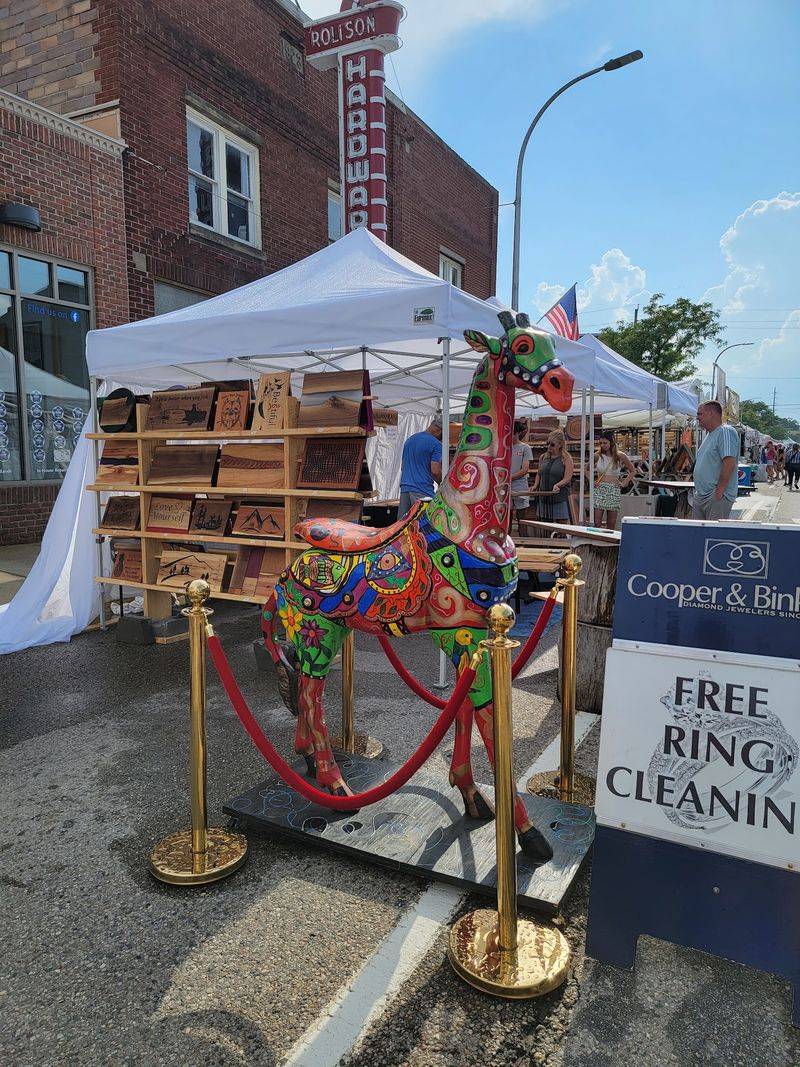
The Brighton Street Art Fair takes over Main Street in downtown Brighton, Michigan, beside the Mill Pond and the city’s central shopping district. Grand River Avenue is the main approach into downtown, with local streets feeding toward Main Street and the fair area.
The 2026 fair runs August 21 through 23, with Main Street filled by artist booths and festival activity. Expect heavier traffic around downtown during fair hours and follow temporary event signs as you approach the closed or restricted blocks around Main Street.
Use one of the public parking lots around downtown and continue on foot to Main Street. A free shuttle also runs during fair hours from Brighton High School, 7878 Brighton Road, dropping visitors near Second Street within walking distance of the fair.
Use The Complimentary Shuttle
Parking should not become the day’s main creative challenge. During the fair, a complimentary shuttle has transported visitors from Brighton High School to a drop-off point on 2nd Street, within a short walk of the Main Street displays.
Verify the current route and operating hours before relying on it, since transportation plans can be adjusted between event years. Taking a quick photo of the pickup location and posted return schedule can prevent confusion when several downtown corners begin to look surprisingly similar.
The shuttle is especially useful for groups, families carrying supplies, and anyone hoping to avoid circling for a closer space. Leave bulky items behind, bring only what you need, and remember where your vehicle is parked before boarding.
Wear Shoes Made For Wandering
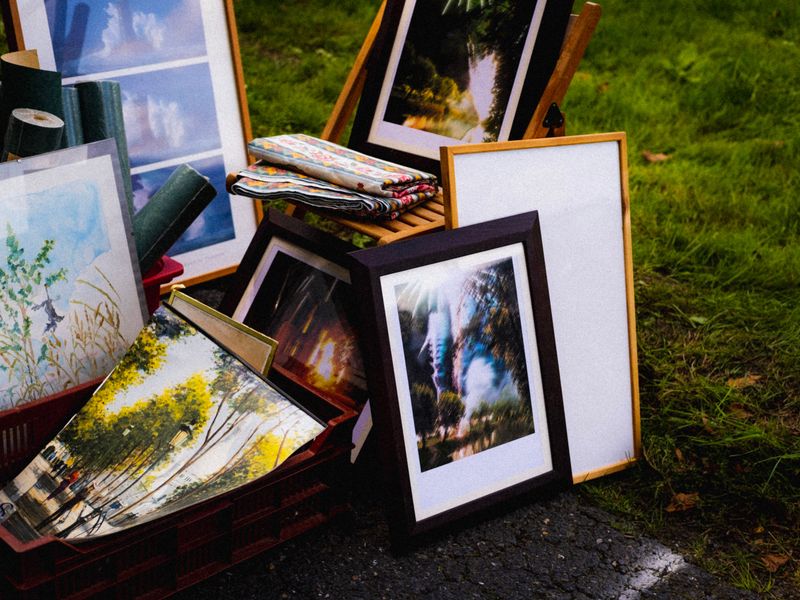
Main Street is wonderfully walkable, but an art fair encourages more steps than expected. One promising booth leads to another, then a sculpture catches your eye across the street, and suddenly the route has become a cheerful zigzag.
Choose supportive shoes that feel comfortable on pavement and can handle several hours of standing. Lightweight clothing, sunscreen, and a hat are sensible additions for an August event, while a compact rain layer helps if Michigan weather changes its mind.
Keep pathways clear when stopping to inspect a piece, and move aside before checking messages or consulting friends. Comfortable visitors tend to browse patiently, notice finer details, and explore downtown without treating the nearest bench like a long-lost relative.
Browse Once Before Buying
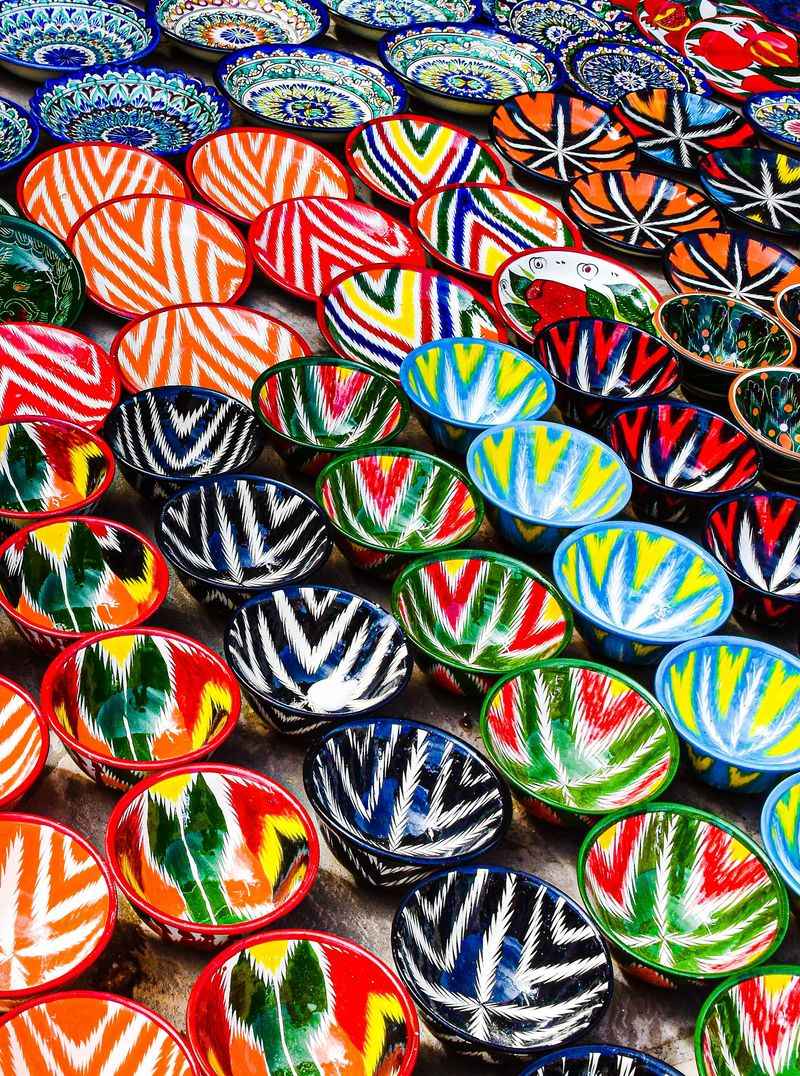
A sparkling pendant may demand immediate attention, yet the next block could hold a photograph that suits your home even better. With jury-selected artists presenting many styles and materials, a first lap provides a useful sense of the fair’s full range.
Photograph booth numbers or record artists’ names only after asking permission. That small habit makes returning easier and respects creators who may have rules about images of their original work.
Set a spending range before browsing, but allow space for one unexpected favorite. Unique pieces can sell during the day, so ask whether an item is the only one available.
If your heart keeps returning to it after the first circuit, that feeling offers better guidance than impulse alone.
Talk With The Artists
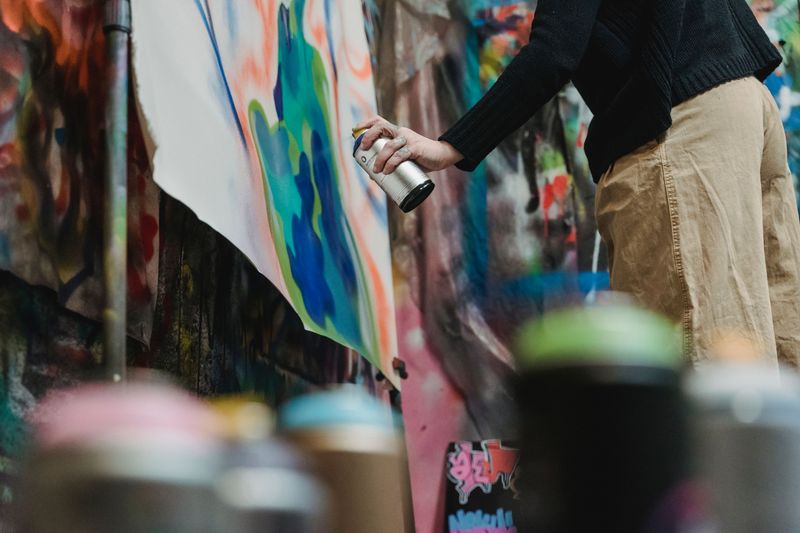
Behind every polished display sits a trail of experiments, stubborn materials, and small victories. Asking an artist how a ceramic surface was finished or where a photograph was taken can turn an attractive object into a memorable story.
Keep questions focused when the booth is busy, and let paying customers receive attention first. Useful topics include materials, care instructions, inspiration, framing, shipping, and whether the artist accepts commissions.
Creators at Guild events include established and emerging artists, so methods and backgrounds vary widely. Listen without bargaining aggressively over handmade work, since prices reflect time, skill, equipment, and materials.
A respectful conversation costs nothing, enriches the visit, and may introduce you to an art form you had never considered before.
Give Young Creators Center Stage
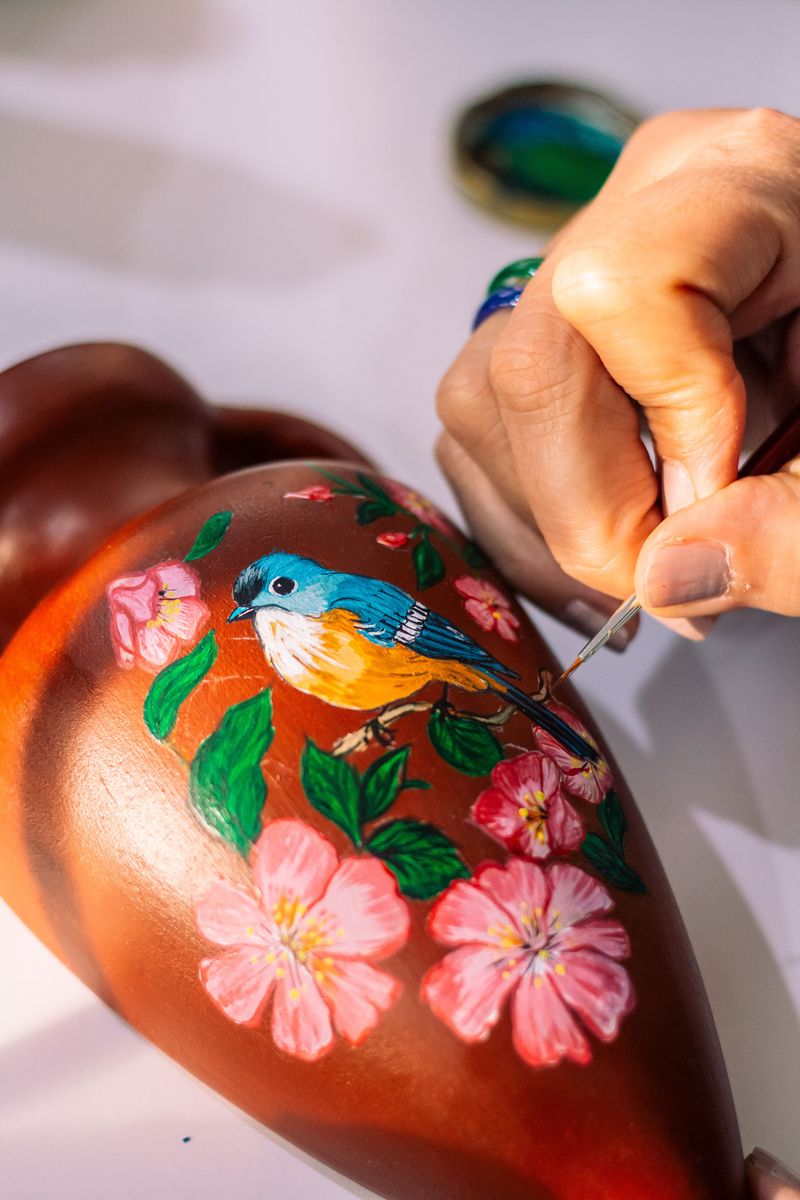
Some of the fair’s boldest sales pitches come from artists who are not yet old enough to drive. The dedicated Kids Art Fair gives creators ages 8 through 16 a place to display and sell original, entirely handmade work.
Families should check the current program schedule and location, then give young sellers the same courtesy offered to adult exhibitors. Ask about their materials, compliment a specific detail, and avoid touching anything without permission.
Children visiting the event can also look for announced hands-on art activities, which make creativity feel reachable rather than locked behind a gallery wall. Bring a modest spending amount if you wish to support a young maker.
Even a thoughtful conversation can build confidence and encourage another project.
Pause For Music And Mill Pond
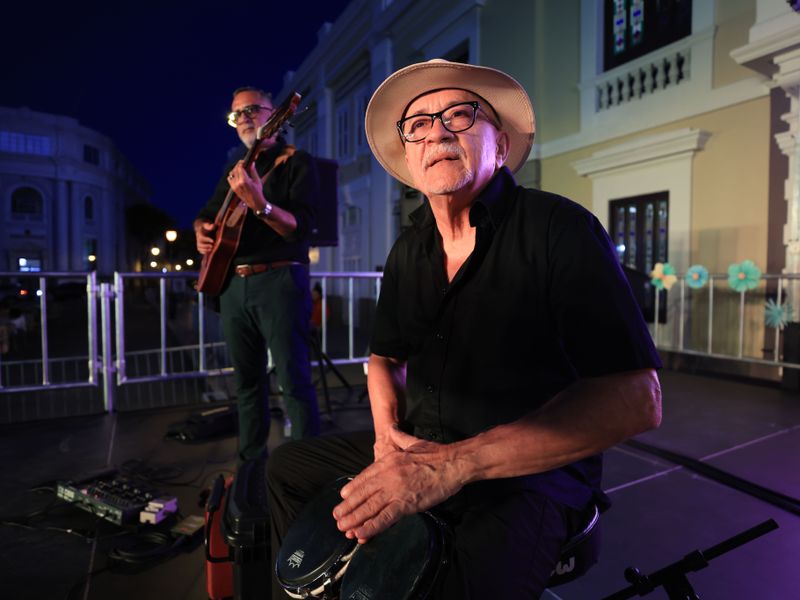
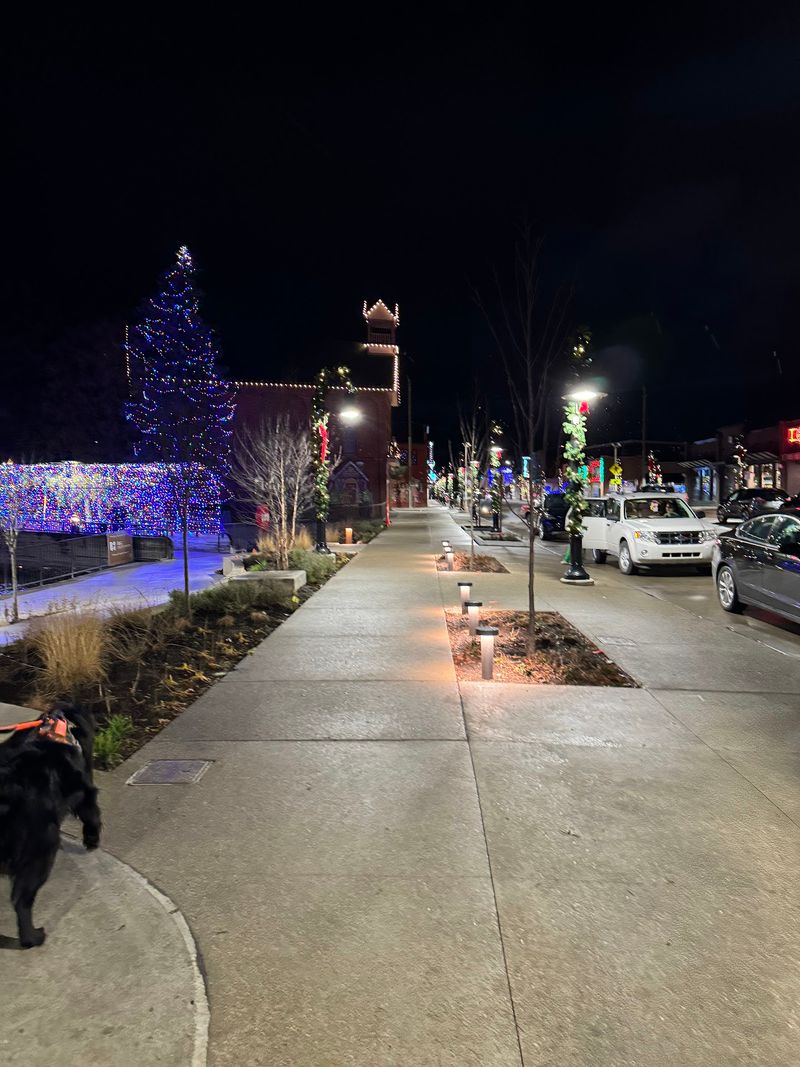
Mill Pond is what keeps this downtown art fair from feeling like a corridor of tents. Main Street sits beside the water and a walkable cluster of restaurants and shops, so taking a break does not require leaving the atmosphere of the event.
Live music is also part of the 2026 fair, although the official stage schedule is still listed as “TBD.” That matters because older online schedules can easily be mistaken for this year’s lineup. Check The Guild’s entertainment page close to August 21 if a particular performance would influence when you arrive.
Otherwise, let the music be incidental. Stop when something sounds good, then continue browsing when your feet are ready.
The pond offers a visual reset after dense rows of color, glass, jewelry, and sculpture, especially for children who need a few minutes away from booth traffic.
Keep paths clear and follow posted rules around the water. Food and drink vendors will be part of the event, while downtown restaurants provide substantial breaks.
I would avoid overscheduling this section of the day. Ten minutes near Mill Pond can reset everyone’s attention enough to make the second half of the fair feel fresh instead of like an obligation.
Protect Every Purchase Carefully
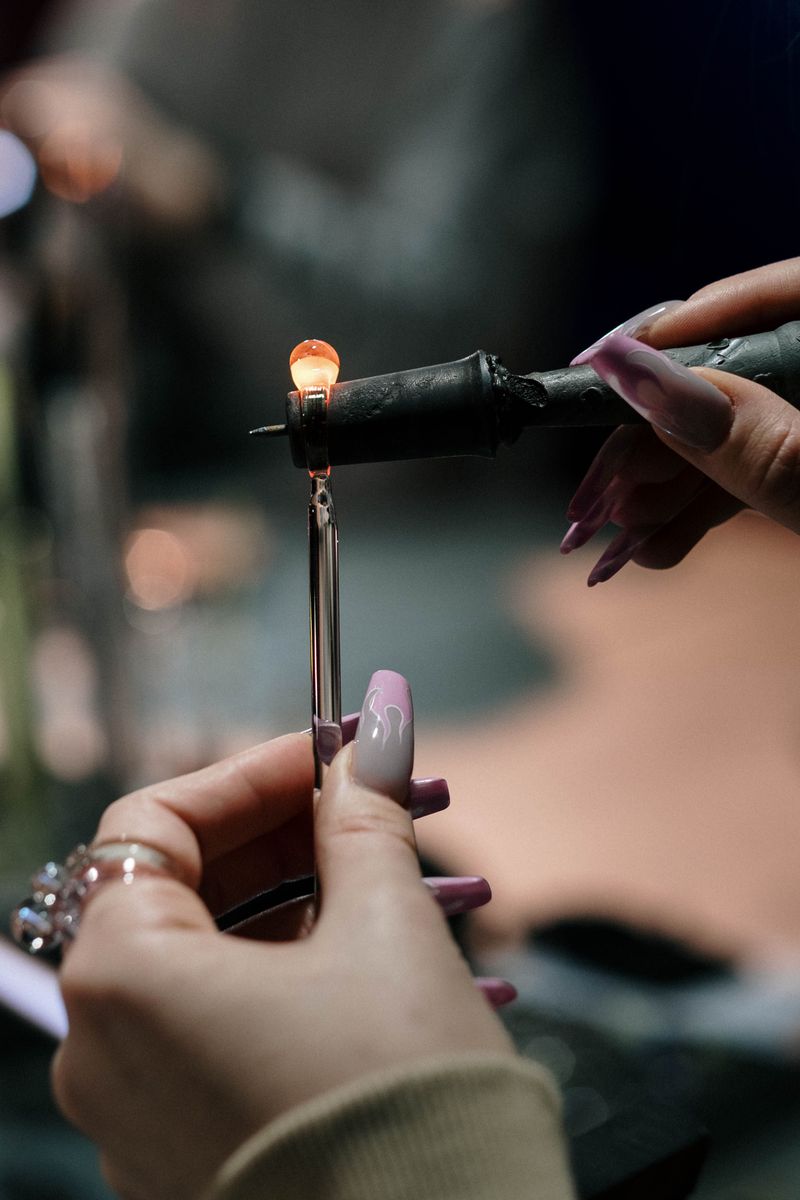
Buying art is the fun part. Carrying a fragile ceramic bowl through several more hours of street-fair traffic is where planning suddenly matters.
Before paying, ask the artist how the piece should be wrapped, transported, displayed, cleaned, or protected from sunlight and moisture.
Bring a sturdy reusable bag for small purchases, but let artists package delicate work with the materials they trust. Large paintings, framed photographs, glass, or sculpture may be safer left for later pickup or taken directly back to your vehicle.
The official parking map and free high-school shuttle make that easier to plan than improvising after the purchase.
Keep drinks, wet umbrellas, sunscreen, and food away from artwork. Receipts, care instructions, and artist business cards belong in a dry pocket where they will not disappear under kettle corn or water bottles.
If shipping is offered, confirm the delivery address, timing, insurance, and contact information before leaving the booth.
I also photograph the wrapped package and receipt once the transaction is finished, not the artwork before permission is granted. It gives you a simple record if something gets misplaced.
Five careful minutes at the booth can protect both the object and the good memory attached to buying it.
Leave Room For A Second Look
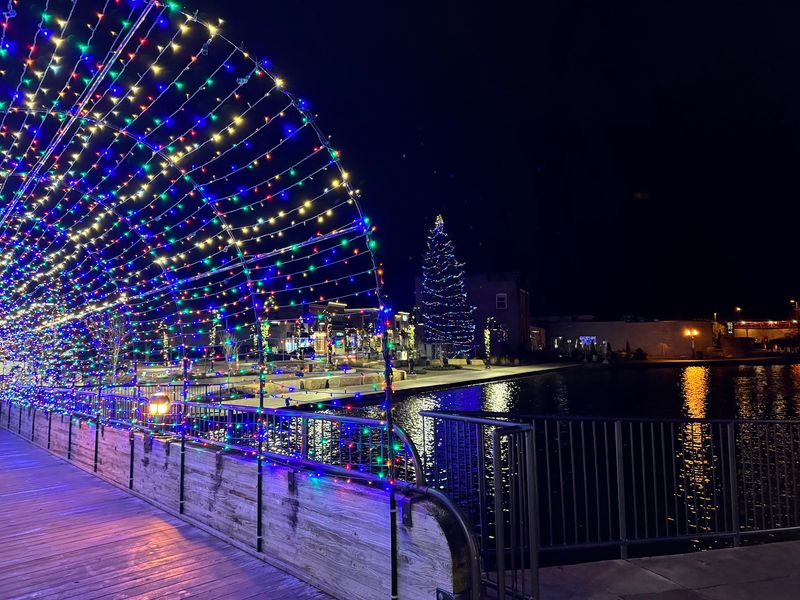
Late afternoon is when the first lap starts making sense. You have seen the full range, eaten something, rested near Mill Pond, and probably remembered two booths that seemed much more interesting after you walked away from them.
Use the final circuit deliberately. Return to saved booth numbers, ask any remaining questions, collect business cards, and make purchase decisions before exhibitors begin packing.
On Friday and Saturday the fair closes at 8 p.m.; Sunday ends earlier at 4 p.m., so the last shopping window arrives sooner than weekend visitors sometimes expect.
If you used the free shuttle, leave enough time to reach the Second Street pickup point while fair-hour service is still operating. Check bags, receipts, phones, and any artwork being held for pickup before heading back to Brighton High School or your downtown parking lot.
The second pass is also a good time to notice the street itself. Main Street, Mill Pond, restaurants, storefronts, music, and booths work together to make the event feel bigger than a temporary market.
Brighton’s third annual fair only lasts August 21 through 23, 2026. Giving it one final loop is a better ending than sprinting toward the car at closing time feeling hurried.