
This Illinois Prairie Preserve Lets You Walk Miles Of Restored Grassland And Spot Migrating Birds
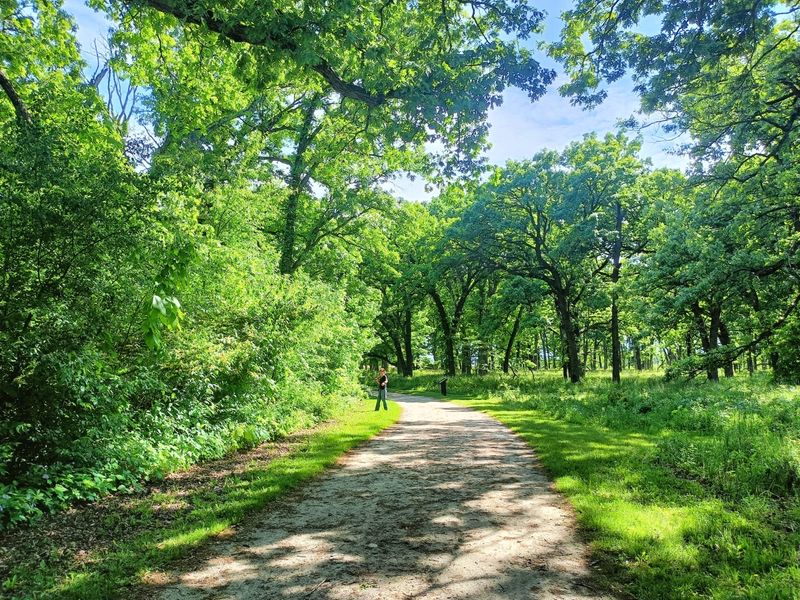
Northwest Illinois holds some surprisingly open, sky-filled landscapes, and one of the best places to experience them is Big Sky Nature Reserve near Stockton. Spread across nearly 900 acres, the reserve blends restored grassland, remnant prairie, wetlands, and forest into a single conservation landscape threaded with more than 15 miles of trails.
More than 100 bird species have been documented here, making the spring and summer months a rewarding time to slow down and watch what moves through the grass and treetops. Whether you are a casual hiker looking for wide-open space or a beginning birder hoping to sharpen your skills, this northwest Illinois reserve offers a genuine reason to make the drive.
Meet Big Sky Nature Reserve near Stockton
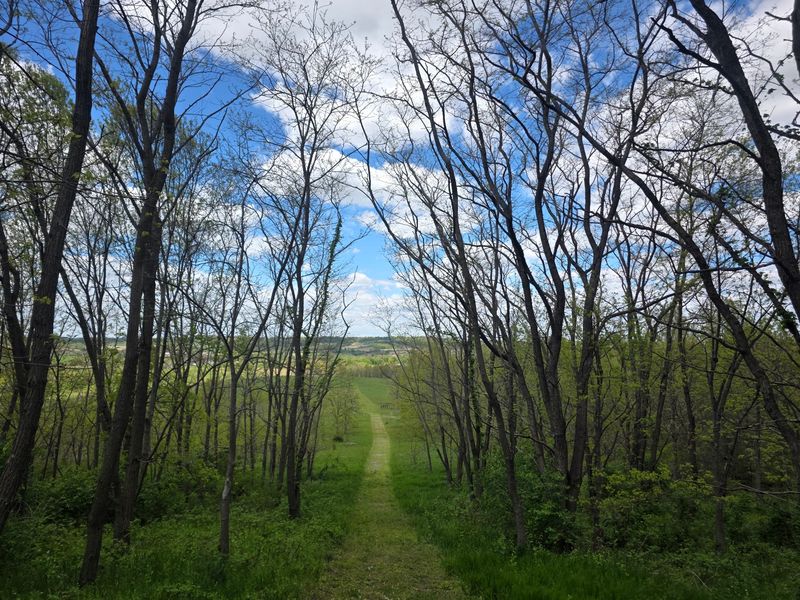
Big Sky Nature Reserve sits along S. Massbach Road about five miles outside Stockton in Jo Daviess County, one of the most topographically varied corners of Illinois.
The listed public address is 5557 S. Massbach Road, Stockton, Illinois 61085, and the reserve covers nearly 900 acres of managed conservation land.
That scale alone separates it from most nature areas in the state, where a hundred acres feels generous.
According to the Enjoy Illinois visitor listing for Big Sky Nature Reserve, the property features more than 15 miles of trails and has documented more than 100 bird species within its boundaries. Those numbers matter because they shape what a visit actually looks like: real walking distance, real habitat variety, and a real chance to observe wildlife rather than simply pass through a small green patch between parking lot and picnic table.
The reserve is managed as a conservation landscape rather than a recreational park, which means the experience feels quieter and more purposeful than a typical county forest preserve. Trails wind through open terrain and wooded draws, and the sky above the grassland sections genuinely earns the reserve its name.
Visitors should come prepared for an active, unhurried outing rather than a paved loop with benches every quarter mile.
One important clarification before you plan: Big Sky Nature Reserve is not an exclusively restored prairie. The landscape is a mosaic of restored grassland, remnant prairie, wetlands, forest, and other habitat.
The trails do not trace 15-plus miles of unbroken grassland, and the reserve does not promise migrating-bird sightings on any given visit. What it does offer is scale, ecological variety, and a well-managed environment where patient walkers can connect with the natural character of northwest Illinois.
A habitat mosaic replaces the single-sea-of-grass image
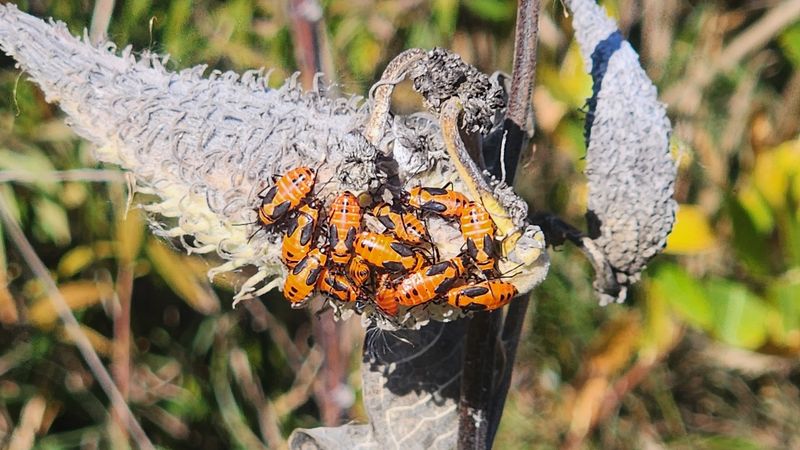
Walking Big Sky Nature Reserve, you move through several distinct environments within the span of a single morning. Restored prairie and grassland open up into wide, grassy corridors where the wind presses down the stems and meadowlarks might perch on a fence post.
A short distance later, the path dips toward a wetland margin where red-winged blackbirds work the cattail edges, and then the trail climbs again into a wooded draw that feels entirely different from anything you just crossed.
That variety is intentional. The Prairie State Conservation Trust 2022 Year in Review describes the reserve’s restoration history as a long-term effort on land that was previously farmed or neglected, not a return to untouched presettlement conditions.
Conservation teams have worked over many years to establish native plant communities, manage invasive species, and create connected corridors of grassland, wetland, and forest habitat. The result is ecologically valuable but honestly described as a managed restoration rather than original wilderness.
A small remnant prairie also exists within the reserve, representing a fragment of the original landscape that was never plowed. Remnant prairies carry a different character from restored sections: the plant communities are older, denser with native species, and often richer in insects and the birds that follow them.
Noticing the difference between a remnant patch and a recently restored grassland is one of the quiet pleasures of spending time at a site like this.
All of these habitat types together support birds and other wildlife across different seasons and life stages. Grassland birds use open areas for nesting and foraging.
Wetlands attract shorebirds and waterfowl during wet periods. Forest edges and wooded draws provide cover for songbirds moving through the region.
No single trail section captures all of it, which is exactly why the reserve rewards more than one visit and more than one route.
Use the trail network to plan a manageable walk
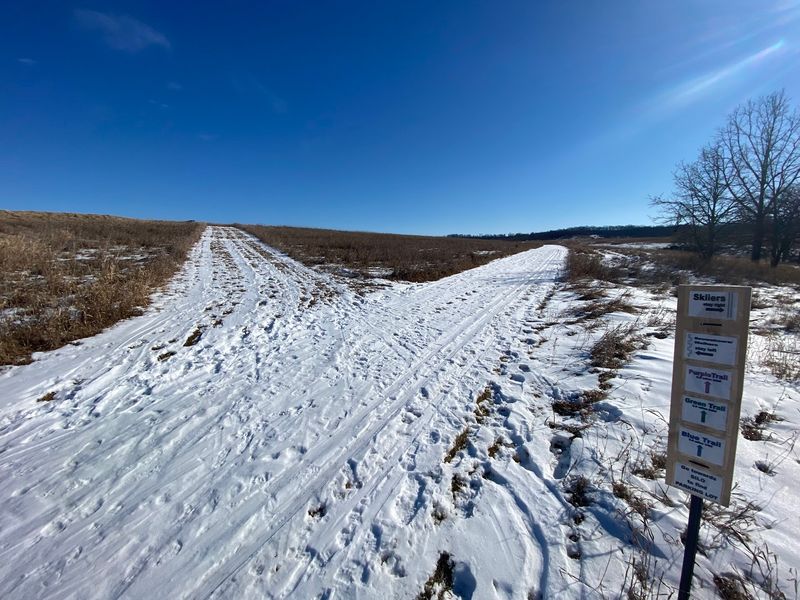
More than 15 miles of trails sounds like an invitation to walk all day, and for some visitors it genuinely is. For most people, though, a half-day outing covering three to six miles will feel satisfying and complete.
The key is understanding that those 15-plus miles represent total trail opportunity spread across the reserve, not a single marked loop that you follow from start to finish. Different sections connect different habitats, and you can shape an outing around what you most want to see.
The Home Farm section is open to the public for pedestrian use, and trail maps are available at parking-lot kiosks so you can orient yourself before heading out. That map is worth a careful look before you leave the trailhead.
Knowing which spur leads toward the wetland edge and which climbs into the wooded draw helps you make decisions in the field without backtracking unnecessarily.
Big Sky Nature Reserve has multiple access points, and choosing the right one shapes your entire walk. The Jo Daviess Conservation Foundation Spring 2025 Volunteer Handbook lists main, north, and south parking areas for the Big Sky reserve, along with a separate Valley of Eden section.
Confirming which entrance best matches your intended route before you arrive saves time and prevents the frustration of starting from the wrong side of the property.
The Enjoy Illinois listing is a useful starting point for general information, but contacting the Jo Daviess Conservation Foundation directly before your visit gives you the most current trail conditions, any seasonal closures, and confirmation of which sections are accessible on the day you plan to go. Trail surfaces at Big Sky can include uneven ground and muddy stretches after rain, so knowing the current state of your chosen route matters as much as knowing the mileage.
Treat April through August as prime viewing, not guaranteed migration
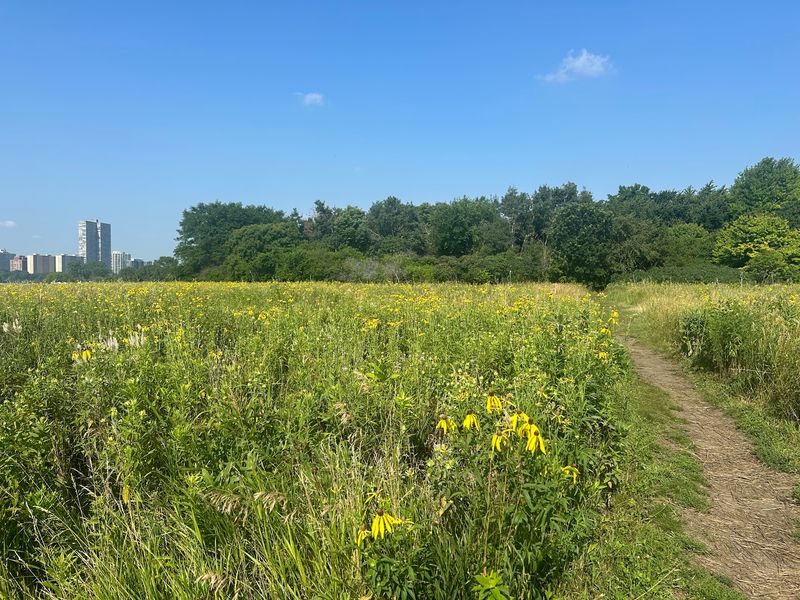
April through August is the period the reserve’s official visitor listing identifies as the prime bird-viewing window, and that framing is more useful than calling it migration season. April does bring spring migrants moving through northwest Illinois, and watching the grassland and wetland edges during that month can turn up birds that will not be around by June.
Later in the season, many of the birds you encounter are breeding residents or summer visitors that have settled in to raise young rather than continue traveling.
With more than 100 species documented at the reserve, according to the Enjoy Illinois listing, the variety across that five-month window is real. But variety across months is not the same as a steady migration spectacle on any given morning.
What you see on a specific visit depends heavily on weather, time of day, vegetation height, recent management activity, and which trails you walk. A cold front moving through in late April might push dozens of migrants low and visible; a calm, warm morning in the same week might feel comparatively quiet.
Time of day makes a consistent difference. Birds are generally most active in the first two hours after sunrise, when they are feeding, singing, and moving between habitat patches.
Arriving early and moving slowly through the first mile or two of trail will almost always produce more observations than a midday walk at a brisk pace. Pausing at habitat transitions, where grassland meets wetland edge or where open ground gives way to shrubby cover, tends to be especially productive because birds concentrate where food and shelter meet.
None of that comes with a guarantee. The reserve does not publish a daily migration forecast or a species checklist updated in real time, and no article can promise you a particular bird on a particular morning.
What the reserve genuinely offers is a well-managed landscape during a season when bird activity is reliably elevated, and that combination makes a quiet, unhurried visit well worth planning.
Bring patience and basic birding gear
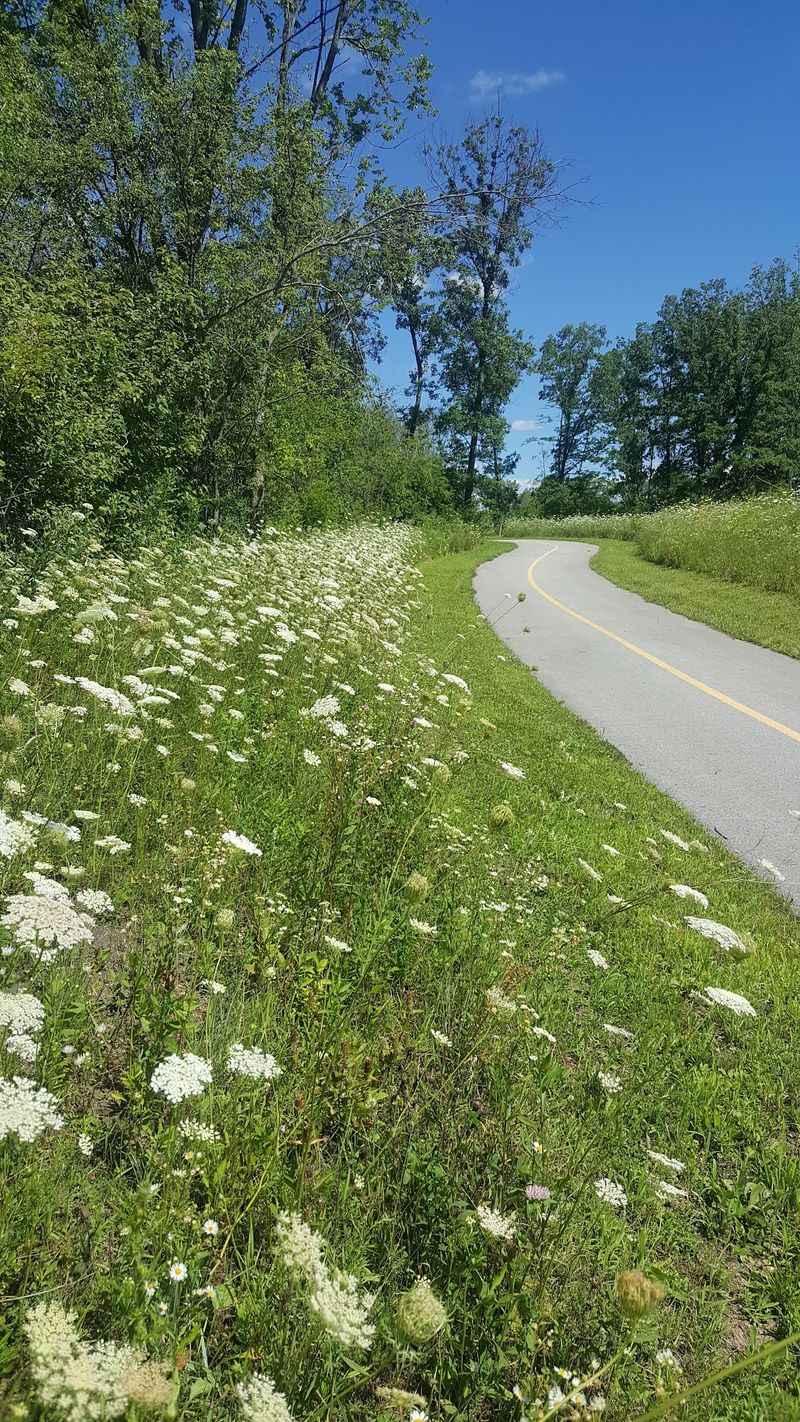
Beginning birders sometimes feel pressure to identify every species they see, but a more relaxed approach works better in a place like Big Sky. Pick a manageable section of trail, plan to cover it slowly, and give yourself permission to stand still for several minutes at a time.
Birds that flush when you approach often return if you wait quietly at a respectful distance, and staying on the designated path means you are not disturbing nesting birds or trampling restoration work.
A pair of binoculars in the 8×42 or 10×42 range makes a significant difference in what you can identify from the trail without moving closer to the bird. Even an entry-level pair sharpens the experience considerably compared to naked-eye observation.
Beyond optics, the gear list is straightforward: carry enough water for the full walk, bring sunscreen and a hat because the open grassland sections offer almost no shade, and wear footwear with ankle support and a sole that handles muddy ground without slipping.
Habitat edges are worth slowing down for. The boundary between open grassland and a wetland margin, or the line where the trail enters a wooded draw from open ground, concentrates bird activity in ways that the middle of a large, uniform field usually does not.
Scan the tops of shrubs and low perches, listen for songs or calls before scanning, and move your binoculars from the treetops down rather than starting at ground level. These habits take a little practice but quickly become automatic.
Even on a morning when birds seem scarce, the reserve delivers. The open sky above the grassland, the texture of native plants coming into bloom, and the sound of wind moving through restored prairie stems are worth the walk on their own terms.
Birding at a place like this is as much about learning to read a landscape as it is about adding names to a list.
Check access rules before entering managed habitat
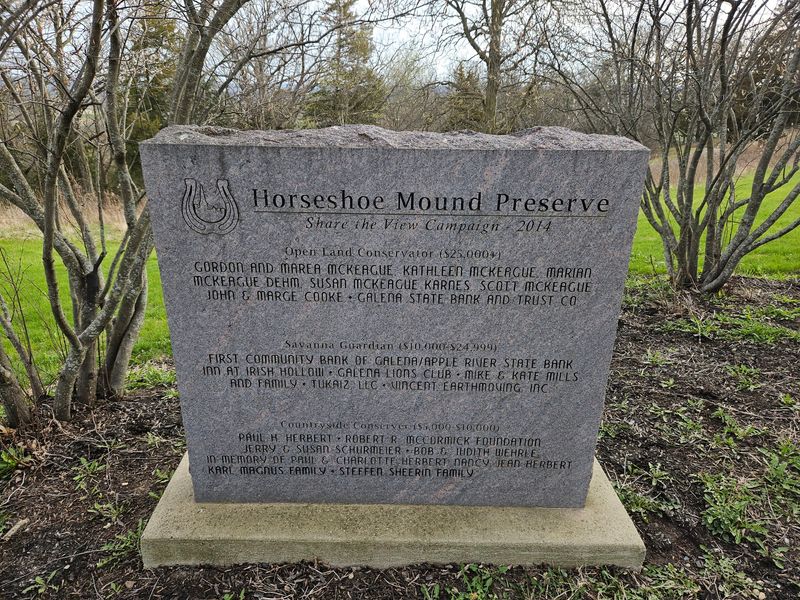
Managed conservation land operates differently from a public park, and understanding that difference before you arrive saves frustration and protects the habitat. Big Sky Nature Reserve uses seasonal closures, posted signs, and management barriers to protect nesting birds and active restoration areas.
Following those signals is not optional: entering a closed section or crossing a barrier can disturb ground-nesting birds during their most vulnerable period and undo restoration work that took years to establish.
The Enjoy Illinois visitor listing notes that dogs are not permitted from March 1 through September 30, a restriction designed to protect nesting birds during the prime breeding season. Before bringing a dog, confirm that rule directly with the Jo Daviess Conservation Foundation, because listing information can lag behind current policy.
The same listing contains a reference to horseback access in August 2024, but that note should not be read as confirmation of current permission. Rules for horses, dogs, parking areas, and trail access can change between seasons, and any assumption based on an outdated listing risks a wasted trip or an access violation.
The Jo Daviess Conservation Foundation Spring 2025 Volunteer Handbook outlines the foundation’s stewardship approach and lists access points, which gives you a clearer sense of how the reserve is managed and what visitors are expected to do. Reaching out to the foundation by phone or email before your visit is the most reliable way to confirm which trails are open, whether any sections are under active management, and what the current rules are for pets and other user groups.
Remaining on designated trails at all times protects more than the birds. Prairie restoration areas can look like open ground but contain fragile plantings that footsteps damage quickly.
Staying on the path is the single most effective thing a visitor can do to make sure the reserve remains healthy for future visits.
Prepare for ticks and changing trail conditions
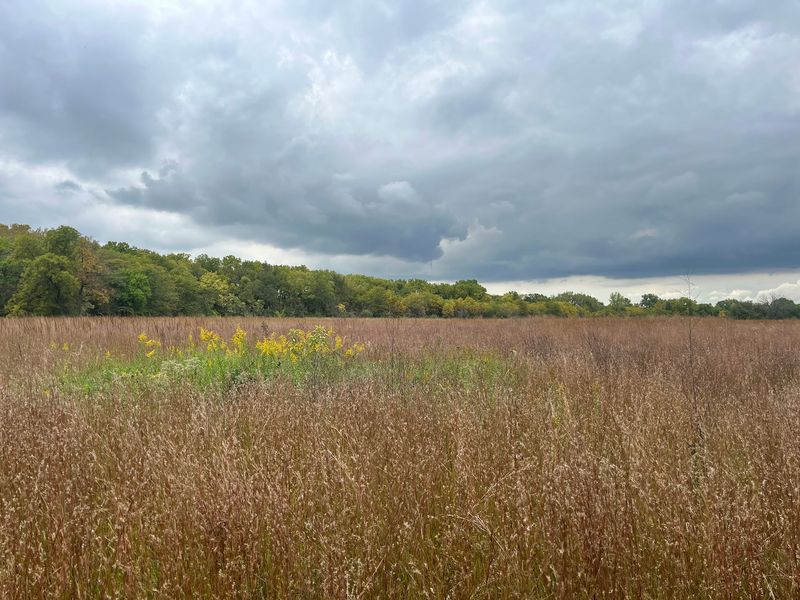
Tall grass, brush, and leaf litter are prime tick habitat, and Big Sky Nature Reserve has all three in abundance. The good news is that a few consistent habits reduce exposure significantly.
Walking in the center of the trail rather than brushing against the vegetation on either side keeps you away from the spots where ticks wait for a passing host. Staying on the path already matters for conservation reasons, and it doubles as practical tick prevention.
CDC guidance on preventing tick bites recommends using an EPA-registered insect repellent on exposed skin and considering permethrin-treated clothing or gear for additional protection. Permethrin can be applied to boots, pants, and socks before a walk and remains effective through multiple washes.
After returning to your vehicle, check your clothing carefully before getting in, and once you are home, shower promptly and do a thorough skin check, paying close attention to the backs of knees, the hairline, and behind the ears. If you brought a pet, check them as well before they come inside.
Trail conditions at Big Sky can shift quickly with weather. After significant rain, low sections near wetlands may be muddy or standing with water, and grassy trail surfaces can become slippery.
Checking a weather forecast for the Stockton area before you leave home and wearing waterproof footwear with solid ankle support gives you flexibility to walk the route you planned rather than turning back because of conditions underfoot.
Sun exposure on the open grassland sections adds up faster than most people expect, especially during the late spring and summer months when the prime viewing period aligns with strong midday sun. A hat with a brim, sunscreen applied before you start, and enough water for the full planned distance are straightforward preparations that keep a good walk from becoming an uncomfortable one.
Let the reserve set the pace
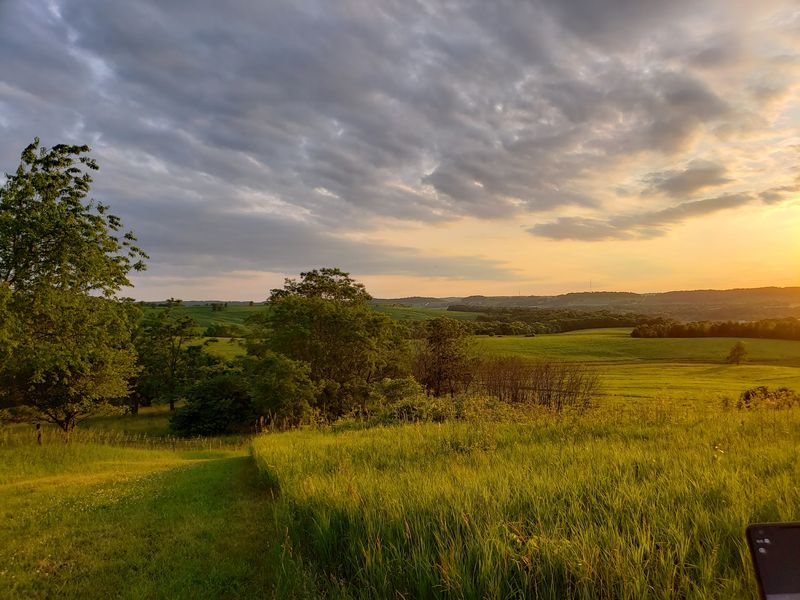
Big Sky Nature Reserve near Stockton offers something genuinely uncommon in Illinois: nearly 900 acres of managed conservation land where the horizon opens up and the primary sound is wind moving through native grass. According to the Enjoy Illinois listing and the Prairie State Conservation Trust’s conservation records, the reserve brings together restored grassland, remnant prairie, wetlands, and forest in a landscape shaped by years of active stewardship.
That combination supports a documented bird diversity of more than 100 species, and the April-through-August period gives visitors their best statistical window for encountering that variety.
What the reserve cannot offer is a guaranteed migration event, a particular species on a particular morning, or an experience that looks the same on every visit. Sightings vary with weather, season, time of day, and trail choice, and that variability is part of what makes the place worth returning to.
A walk that turns up very few birds is still a walk through a thoughtfully restored landscape doing meaningful conservation work.
Before you go, confirm current access rules, parking options, trail conditions, and any seasonal closures with the Jo Daviess Conservation Foundation. Follow posted signs, stay on designated trails, and let the reserve move at its own pace rather than yours.
The open sky and the scale of the grassland have a way of slowing everything down, and that, more than any single sighting, is what most visitors remember.