
9 California Towns That Feel Nothing Like The California You See In Movies
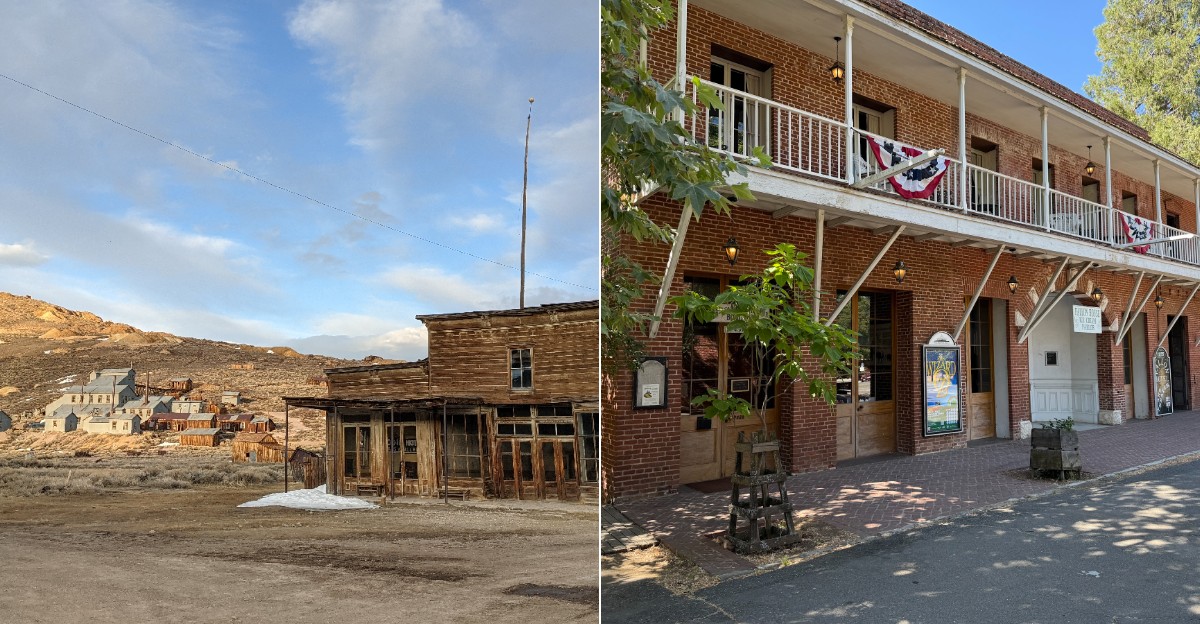
California has a bit of a branding problem. Mention the state, and most people picture Hollywood mansions, beach sunsets, and someone dramatically driving down the Pacific Coast Highway.
But there’s a whole other California hiding behind that postcard version, and it’s wonderfully weird.
Think towns where the rules seem made up, main streets feel plucked from another century, and the scenery changes so much you might forget which state you’re in. Some places feel more like a European village, others like a forgotten Western, and at least one seems determined to do things its own way.
My favorite travel discoveries are the places that make you question everything you thought you knew about a destination. These California towns do exactly that, minus the red carpets and perfectly timed movie kisses.
1. Solvang
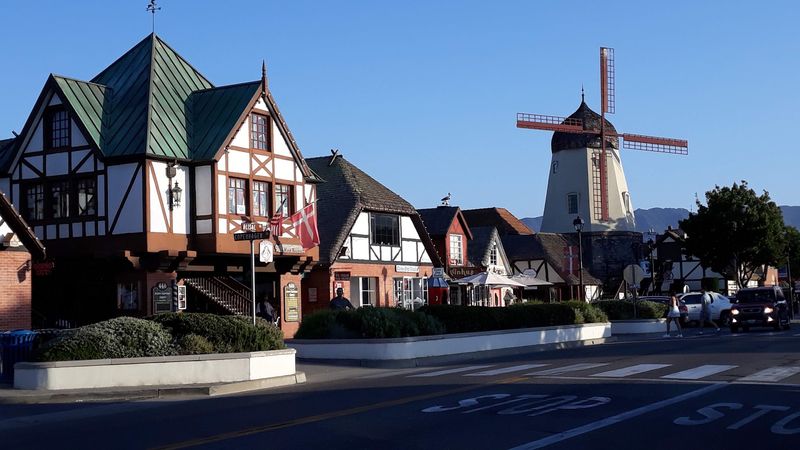
Windmills in Southern California sound like a movie mistake. In Solvang, they’re right on purpose.
Danish immigrants founded this Santa Ynez Valley town in 1911. The famous storybook look came later, after a 1947 magazine article sent curious tourists its way.
Today, half-timbered buildings and windmills line the walkable historic core. You’ll also spot the Little Mermaid Fountain, a replica of the Copenhagen statue added in 1976.
Hungry yet? Danish bakeries here serve traditional treats like aebleskiver, those round little pancake puffs that are hard to stop eating.
Book lovers should climb to the second floor of The Book Loft. That’s where the Hans Christian Andersen Museum honors the fairy tale author with rare books and Nordic literature.
For a deeper look, the Elverhøj Museum of History and Art covers Danish history, artists, and culture. It’s a smart stop if you want the story behind the gingerbread vibe.
Timing matters, too. Solvang Danish Days lands in September, and Julefest turns the town festive each December.
The setting adds one more twist. Rolling, oak-studded hills surround the village, so it feels like Europe dropped into California ranch country.
You won’t find surfers or studio lots here. You’ll find pastries, fairy tales, and a town that commits fully to its theme.
2. Ferndale
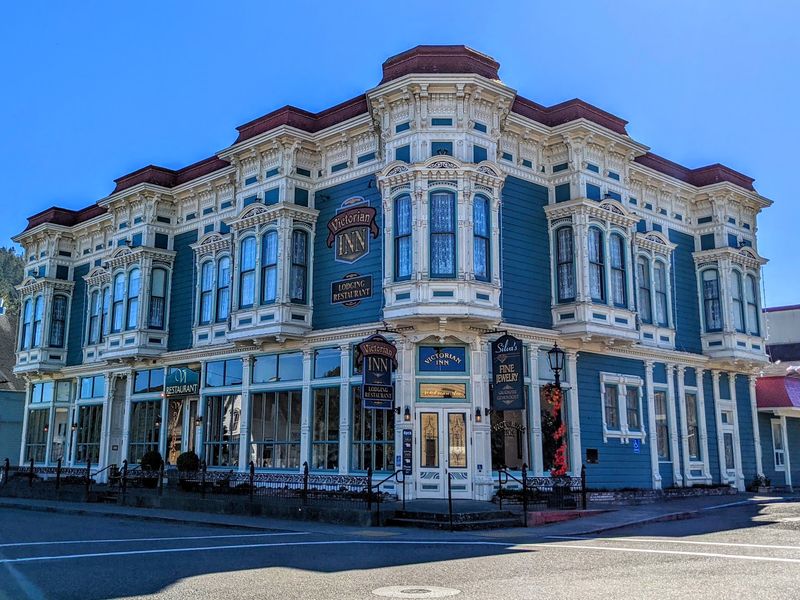
Butter built mansions here. Seriously, the fancy Victorian homes in Ferndale earned the nickname Butterfat Palaces.
That name comes from the town’s dairy roots. Rich farmland in Northern California fed cows, and the profits fed some very ornate architecture.
Main Street is the star. Its Victorian storefronts are preserved so well that the whole corridor feels like a time capsule with fresh paint.
Now swap Hollywood sunshine for coastal fog. Ferndale sits among pastures and redwood country, far from freeways and palm-lined boulevards.
This is a rural settlement, and it feels secluded in the best way. Plan to slow down, because rushing through would miss the point.
Start by strolling Main Street with your eyes up. The trim, towers, and detailed facades reward anyone who pays attention.
Then take a drive past the surrounding farmland. Green fields and grazing land give you a clear picture of how the town grew.
Bring a jacket, even in summer. Fog is part of the package along this stretch of coast.
Ferndale won’t hand you a celebrity sighting or a glitzy rooftop. It offers something rarer, a dairy town with serious architectural flair.
Honestly, who knew cream could be this photogenic?
3. Nevada City
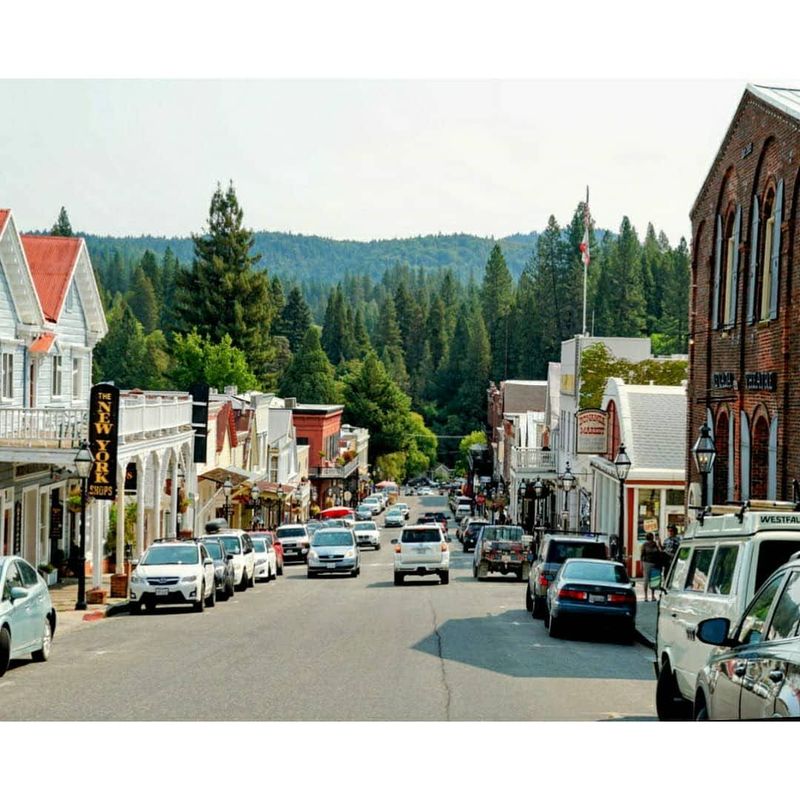
Gas lamps still glow on the streets of this Sierra foothill town. Yes, actual gas lamps, not a set designer’s prop.
Nevada City kept its Gold Rush-era street grid, and it shows. Narrow brick storefronts crowd together along steep, winding streets.
Pine trees frame the whole scene. You’ll feel like you’ve traded city traffic for mountain air in one drive.
The town also serves as a county seat, so it’s a real working community. It isn’t a theme park pretending to be old.
Wear good shoes before you explore. Those hills are no joke, and your calves will notice by lunch.
Wandering the historic downtown is the easiest way to soak it in. Look for brick details, old signs, and how the buildings hug the slopes.
Evening adds extra charm. When the lamps light up, the streets look straight out of the 1800s.
Compared to the beaches and skyscrapers in films, Nevada City feels like a different state. Yet it’s pure California history, rooted in the rush that shaped the region.
It also makes a handy base for exploring the foothills. Forests, rivers, and other Gold Country towns sit within reach.
Come for the history, then linger for the pines. Your camera roll will thank you later.
4. Truckee
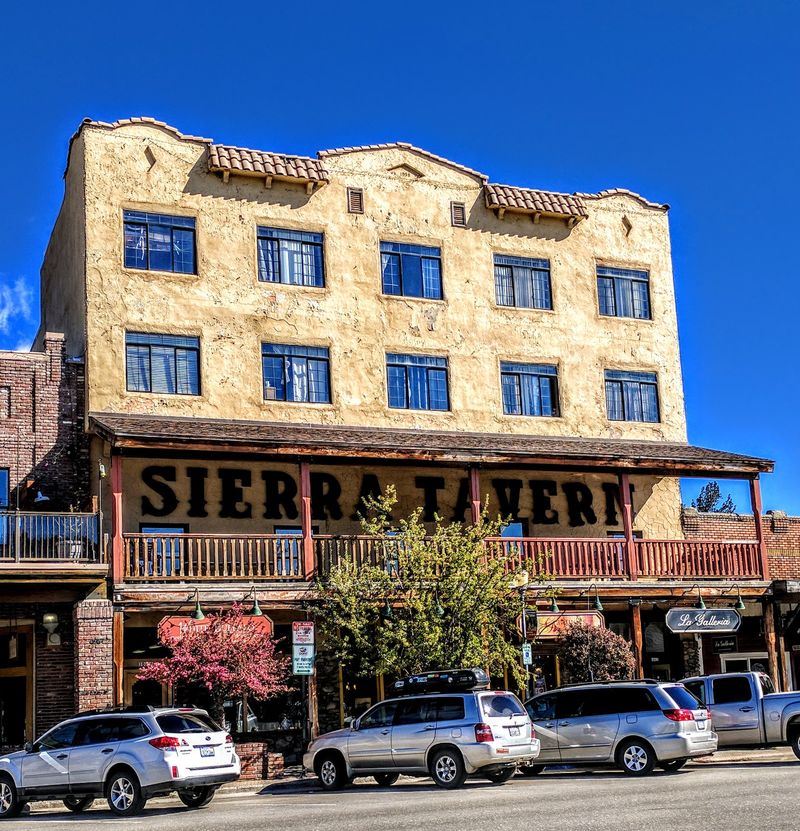
Snow shovels beat surfboards in this mountain town. Truckee sits high in the Sierra, where winter means business.
The town grew up around the transcontinental railroad. Its historic depot still anchors the commercial district, and trains remain part of the scenery.
Logging history runs deep here, too. Rail and timber shaped Truckee long before visitors arrived for fun in the mountains.
So what does that mean for you? Expect an alpine climate, with real snow in winter and crisp air when it melts.
Pack layers no matter the season. Mountain weather can shift fast, and sandals won’t help much in January.
Downtown makes a great first stop. Historic buildings line the main stretch near the depot, giving you a feel for the old railroad days.
Railroad fans will enjoy watching the tracks. The depot connects the past with the present in a way few towns can match.
Outdoor lovers get plenty of space to roam. The surrounding high Sierra offers forests, peaks, and rugged terrain in every direction.
Movies love to show California as one endless summer. Truckee laughs at that idea from under a blanket of snow.
It’s rugged, a little gritty, and proud of its working roots. That mix makes it memorable.
5. Dunsmuir
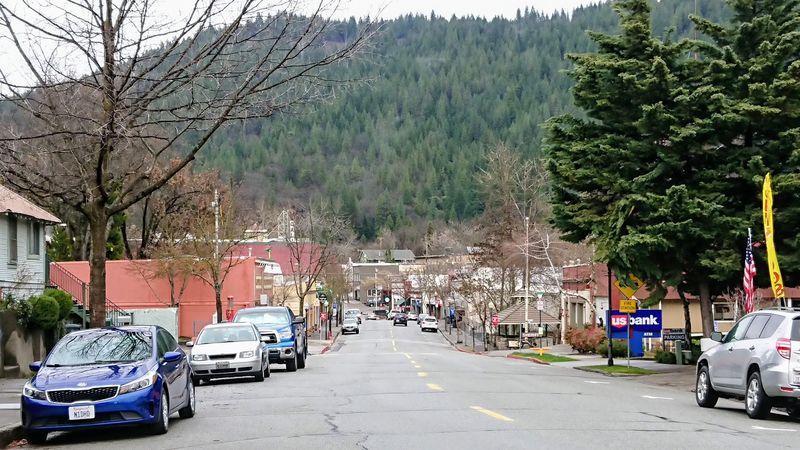
Railroad tracks, river rapids, and a volcano overhead. Dunsmuir packs a lot of drama into one narrow canyon.
This small town sits inside the forested Upper Sacramento River canyon. Mount Shasta’s volcanic slopes rise above it, adding a jaw-dropping backdrop.
Dunsmuir grew as a railroad community, and that heritage still defines it. The town feels rooted in its rail past rather than polished for postcards.
Here, California sprawl simply doesn’t exist. Instead, you get trees, water, and a quiet rural pace.
Nature lovers will feel right at home. The river runs close by, so the sound of moving water often joins the scenery.
Shasta views are another big draw. On clear days, the mountain makes even a quick stop feel special.
Plan your visit as part of a northern road trip. The town makes a peaceful break among the forests of far Northern California.
Bring a camera and some patience. Canyons, tracks, and peaks deserve more than a drive-by glance.
Films rarely show this side of the state. There are no traffic jams or glitzy boulevards, just mountain air and history.
Dunsmuir proves California can be humble and stunning at the same time. That’s a combo worth the miles.
6. Lone Pine
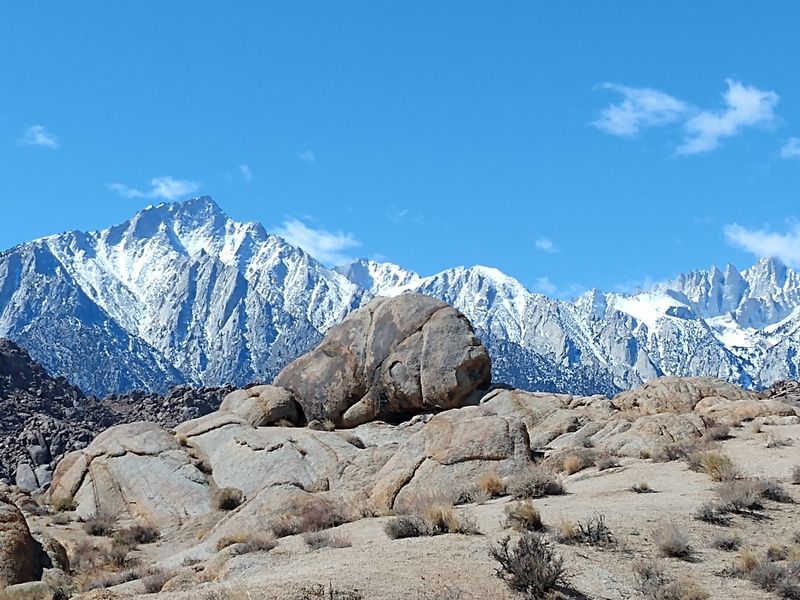
The tallest peak in the lower 48 states looms over this tiny desert town. Mount Whitney basically serves as Lone Pine’s backyard.
Lone Pine sits along US-395 in the Owens Valley. It’s quiet, remote, and surrounded by stark high-desert land.
Right nearby, the Alabama Hills spread out in rough, rocky folds. Their barren look contrasts sharply with the snowy Sierra peaks above.
Fun twist? Hollywood has filmed plenty of westerns around here, yet the town still feels nothing like movie-star California.
Road trippers love it as a stop on 395. It breaks up long drives with jaw-dropping views and a calm, small-town feel.
Bring water and sun protection. The desert can feel harsh, especially when you’re exploring the rocky hills.
Sunrise and sunset are prime viewing times. Light on the Sierra can turn the whole range into a show.
Photographers should plan extra time. Whitney, the hills, and wide-open skies give you endless angles.
Lone Pine isn’t about beaches or boutiques. It’s about space, silence, and some of the most dramatic scenery in the state.
Leave room in your schedule to simply stare. You probably won’t be able to help it.
7. Carmel-by-the-Sea
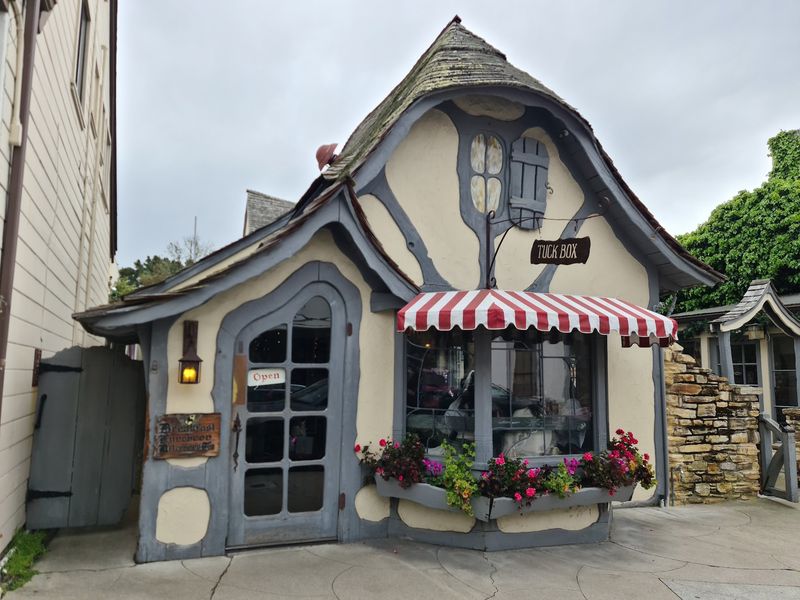
Certain high heels technically require a permit here, specifically those over two inches tall with a heel tip smaller than one square inch. Carmel-by-the-Sea takes its uneven sidewalks seriously, and the free permit is a quirky souvenir.
Quirks are part of the charm. The town is famous for skipping chain stores on its main street and avoiding streetlights.
Stone cottages look like they wandered out of a fairy tale. Steep roofs, hidden courtyards, and thick cypress canopies set the mood.
Wondering where the boardwalk is? There isn’t one, and that’s the point.
Instead of a busy coastal strip, you get a quiet village atmosphere. Strolling feels slow and pleasant, with surprises around many corners.
Keep an eye out for courtyards between buildings. Peeking into those little passages is half the fun of exploring.
Since streetlights are scarce, bring a flashlight for evening walks. Your phone works too, but don’t let the battery fade.
Comfortable flat shoes are smart here anyway. Those roots and sloped sidewalks inspired the heel rule for a reason.
Movies usually show California’s coast as loud and flashy. Carmel goes the other direction, hushed and storybook-sweet.
It feels more like an Old World village than a beach town. And somehow, that makes the ocean nearby feel even better.
8. Columbia State Historic Park
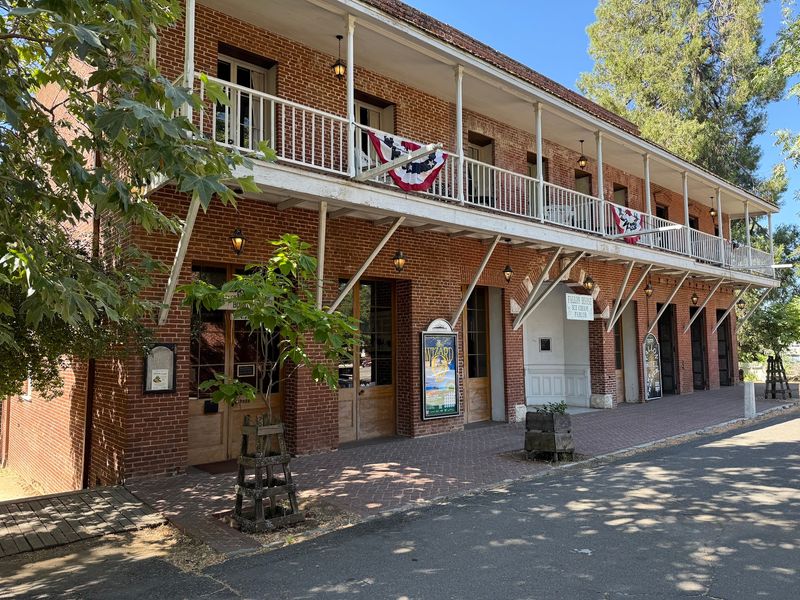
Stagecoach rides count as normal transportation in this corner of Gold Country. Columbia State Historic Park keeps the 1850s running daily.
The state preserved this mid-19th century Sierra foothill town with real care. Old shops and restaurants line the streets, giving the past a lively feel.
Costumed reenactors demonstrate life during the Gold Rush. Shop owners dress in period clothing, so history feels close enough to touch.
Want to strike it rich? You can try gold panning right here, which kids usually find thrilling.
Tours help you learn the town’s story. Stagecoach and horse-drawn carriage rides add some old-school fun to the visit.
Families get extra perks. There’s a playground, kid-friendly hikes, and picnic tables with barbecue grills.
Leashed dogs are welcome, so your pup can join the adventure. Free parking makes arrival easy, too.
Hollywood loves sunny suburbs and city glamour. Columbia offers dusty streets, wooden storefronts, and the clatter of hooves instead.
It’s a living classroom without the boring parts. Who knew history could come with a stagecoach seat?
9. Bodie State Historic Park
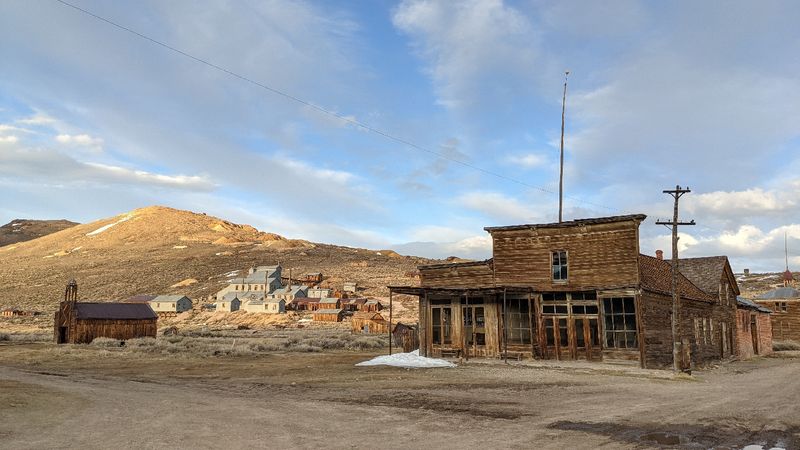
A whole town stopped in time, and the state decided to keep it that way. Bodie stands in what’s called arrested decay.
Gold miners built this settlement in 1859 east of the Sierra Nevada. Over the decades it emptied out, and by the 1930s it was largely abandoned.
Today, well-preserved 1800s buildings dot the windswept high desert. Old trucks, mining equipment, and antiques remain scattered about.
The park includes a stamp mill and a museum, with tours and museum access available seasonally.
Plan for remote conditions. There are no onsite services, so bring snacks, water, and anything else you need.
Restrooms and picnic spots are available. Parking is in a paid lot on-site.
Dogs are allowed, and kids can enjoy easy hikes. Peering through dusty windows at old rooms might be their favorite part.
It looks like a Hollywood movie set, oddly enough. The difference is that every board and rusty bolt is real.
Of all the towns on this list, Bodie may be the furthest from movie glam. Quiet, eerie, and unforgettable.