
Rent Hovers Near $750 In This Quiet Arizona Border Town And Newcomers Keep Moving In

A hotel lobby with a 42-foot stained-glass mural and gold-leaf ceilings sits in a town where rent often stays well under four figures. That combo stopped me cold.
Arizona has plenty of pricey hot spots, but this border city plays a very different game.
Four churches share a single block here. A museum holds more than 2,000 works inspired by The Last Supper.
Another one celebrates wildly decorated art cars.
I like how the place feels unhurried without feeling empty. Mexico sits right across the line, so shopping and dining options double with a short trip and a passport.
The population has dipped a little in recent years, so I won’t pretend crowds are flooding in. Still, curious folks keep noticing.
Could a quiet corner of southeastern Arizona be the value find you never saw coming?
A Border City Sitting Right Across From Agua Prieta
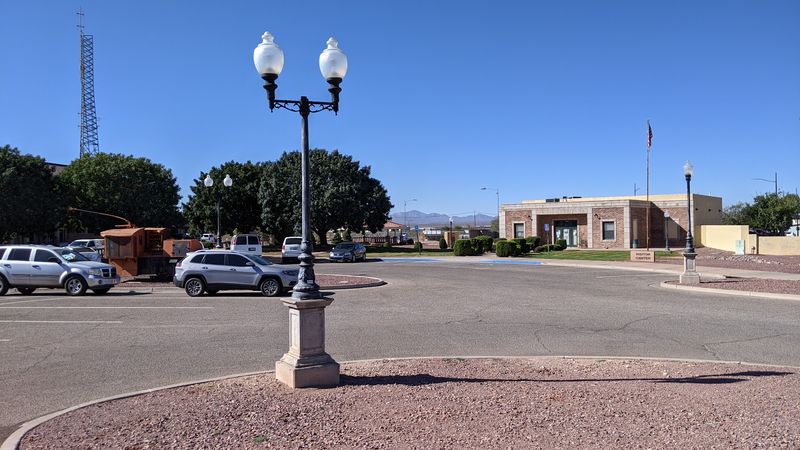
Douglas, Arizona, sits so close to Mexico that the neighbors across the line live in another country. The officially named City of Douglas faces Agua Prieta, Sonora, with a border crossing connecting the two communities.
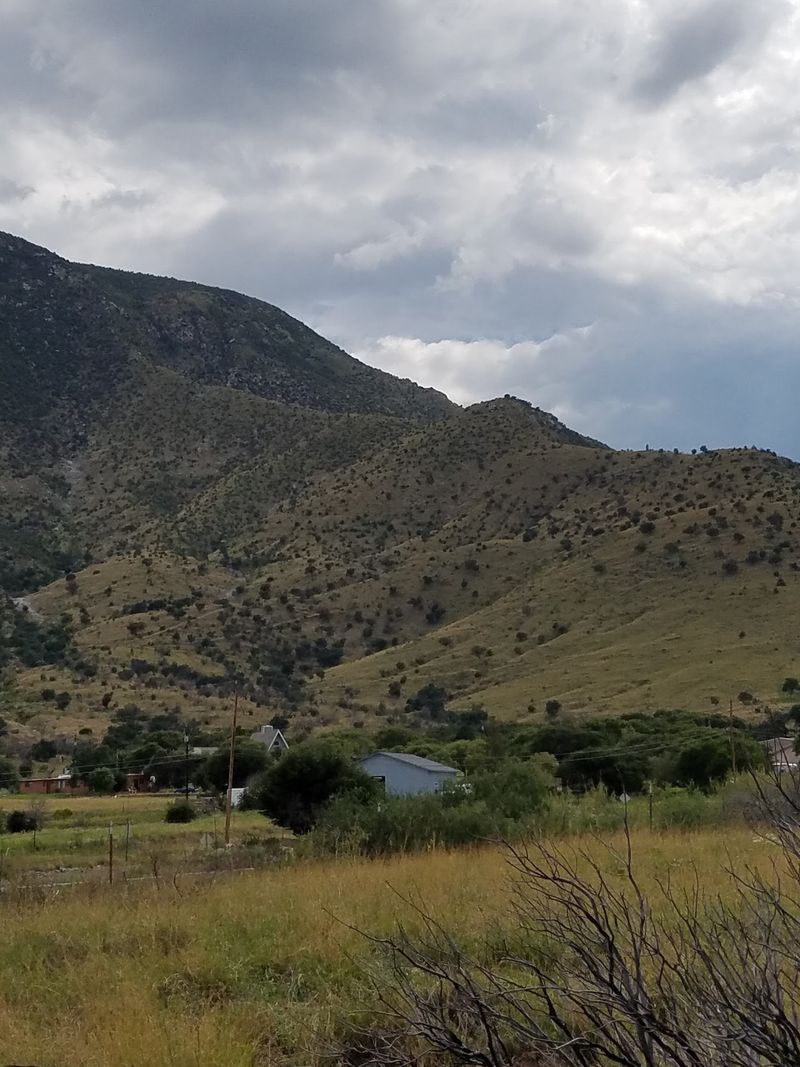
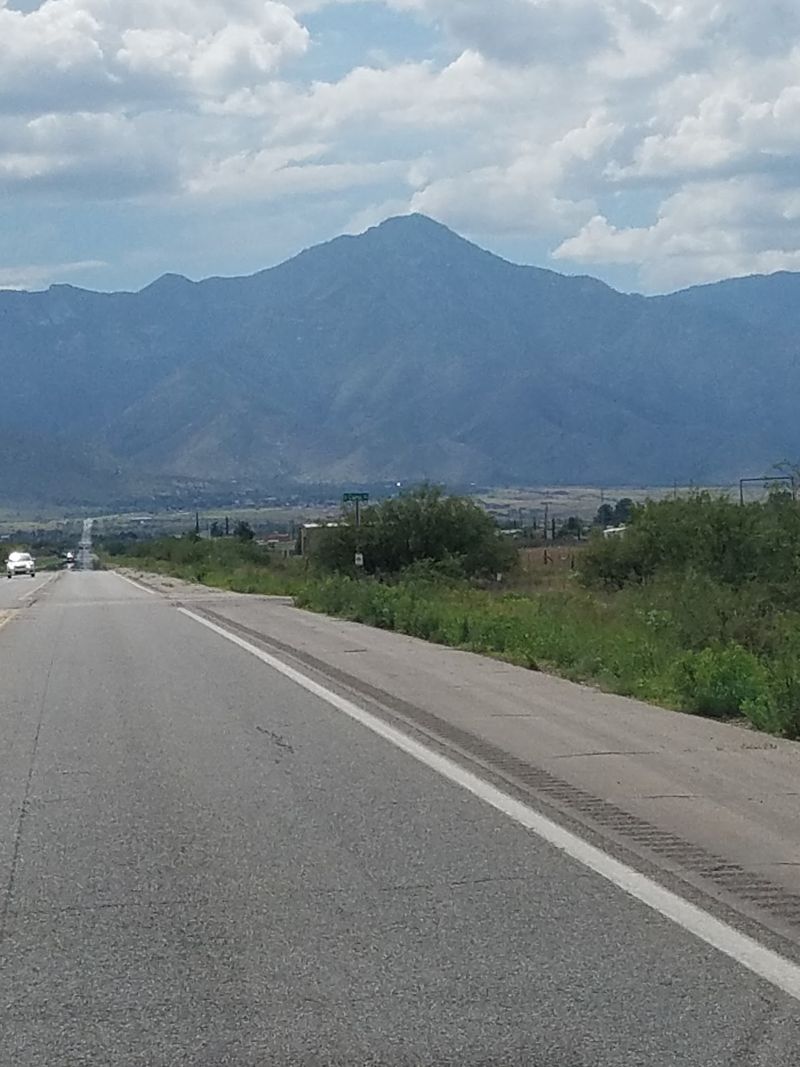
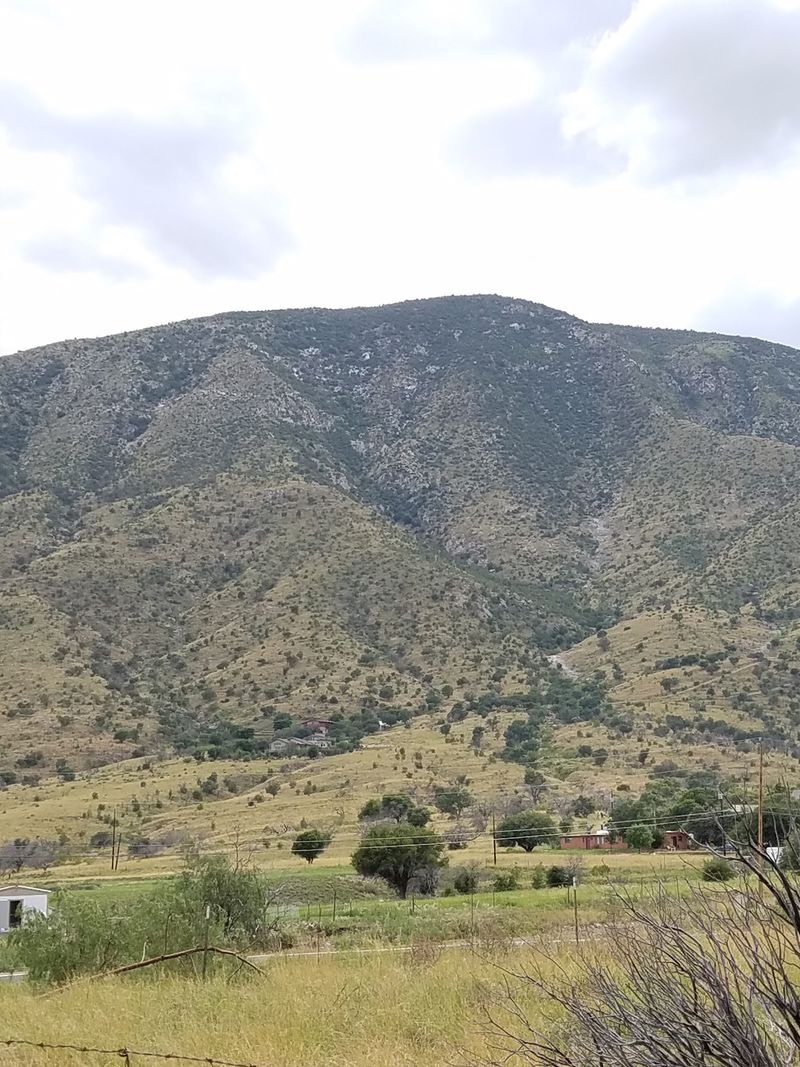
You’ll find it in Cochise County, in the far southeastern corner of the state. The city stretches across the Sulphur Springs Valley, which runs northwest to southeast between distant mountain ranges.
That setting gives the town a wide-open feel. Big skies and long views come standard, with no upgrade fee attached.
Douglas isn’t a resort town, and it doesn’t try to be one. It’s a working border community with deep mining roots, a historic downtown, and a surprising list of quirky museums.
The 2020 Census counted roughly 16,500 residents. Recent estimates suggest a slight dip since then, so this is a place where space is easy to find.
For anyone used to Phoenix traffic or Tucson sprawl, that pace can feel like a deep breath. Douglas offers small-city life with a front-row seat to two cultures, and that combination is rare anywhere in Arizona.
Rent That Leaves Room In The Budget
Monthly rent is the headline here, and it’s a friendly one. Apartment averages in Douglas generally land in the mid-hundreds, depending on the source and unit size.
Some data puts one-bedroom units on the lower end of that range. Other figures show two-bedroom apartments averaging only slightly higher, which can make extra space surprisingly reachable.
Compare that with the bigger metros, and the gap gets hard to ignore. Many renters in Phoenix or Scottsdale would happily trade a long commute for those numbers.
Numbers shift, of course, so treat these as a general picture rather than a promise. Unit condition, location, and timing can all move the final figure up or down.
Cross-border shopping can also help stretch a household budget. Residents have easy access to stores and markets in Agua Prieta, which may trim everyday costs further.
For retirees on a fixed income, that math matters. Remote workers and young families watching every dollar may find it appealing too.
Lower rent won’t solve everything, but it can open doors that feel shut elsewhere in Arizona, and that alone makes Douglas worth a closer look.
Copper Smoke And A Town Built Around A Smelter
Copper built Douglas, plain and simple. The city was founded in 1901 as a smelter site for the copper mines in nearby Bisbee.
That smelter kept running for decades. It finally shut down in 1987, closing a long chapter of industrial life for the community.
The story goes back much further, though. Spanish explorers passed through the region in the 1500s, and the area became part of Nueva España in the 1700s.
An early outpost called the San Bernardino Presidio was established nearby. It’s a reminder that this valley saw travelers and settlers long before anyone dreamed of copper smelting.
Military history adds another layer. Camp Harry J.
Jones was established in 1911 during the Mexican Revolution, when tensions along the border ran high.
Put all of that together, and Douglas feels like a living history lesson with sidewalks. The old buildings downtown carry echoes of boom years, mining money, and frontier ambition.
I believe knowing the backstory makes every stroll more interesting, because so much of what still stands today exists thanks to that copper rush in early 1900s Arizona.
Gold Leaf Ceilings You Won’t Expect In A Small Town
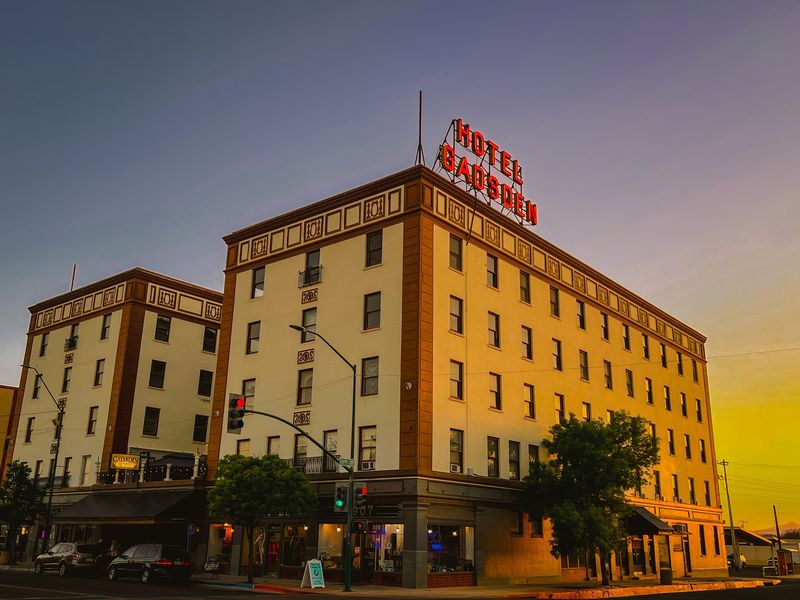
Twenty-four-karat gold leaf accents a ceiling inside a hotel in a town known for affordable living. That’s the Historic Hotel Gadsden, and its lobby looks like it belongs in a much bigger city.
The star is a Tiffany-inspired stained-glass mural. It stretches 42 feet long and stands 6 feet tall, so you’ll want to step back for the full view.
Marble columns frame the space with old-school elegance. Together with the glowing glass and gilded ceiling, the effect feels grand without feeling stuffy.
The hotel has been part of Douglas for more than a century. It stands at 1046 G Avenue, right in the heart of the historic downtown area.
Even if you don’t book a room, the lobby makes a great first stop. It sets the tone for the rest of a visit and gives you a sense of the money copper once brought to town.
Bring your camera, and maybe someone who loves architecture. A building like this proves that small-town Arizona can still pull off serious wow factor.
Good luck walking past those colored glass panels without stopping.
Four Churches On One Block Make A Rare Corner
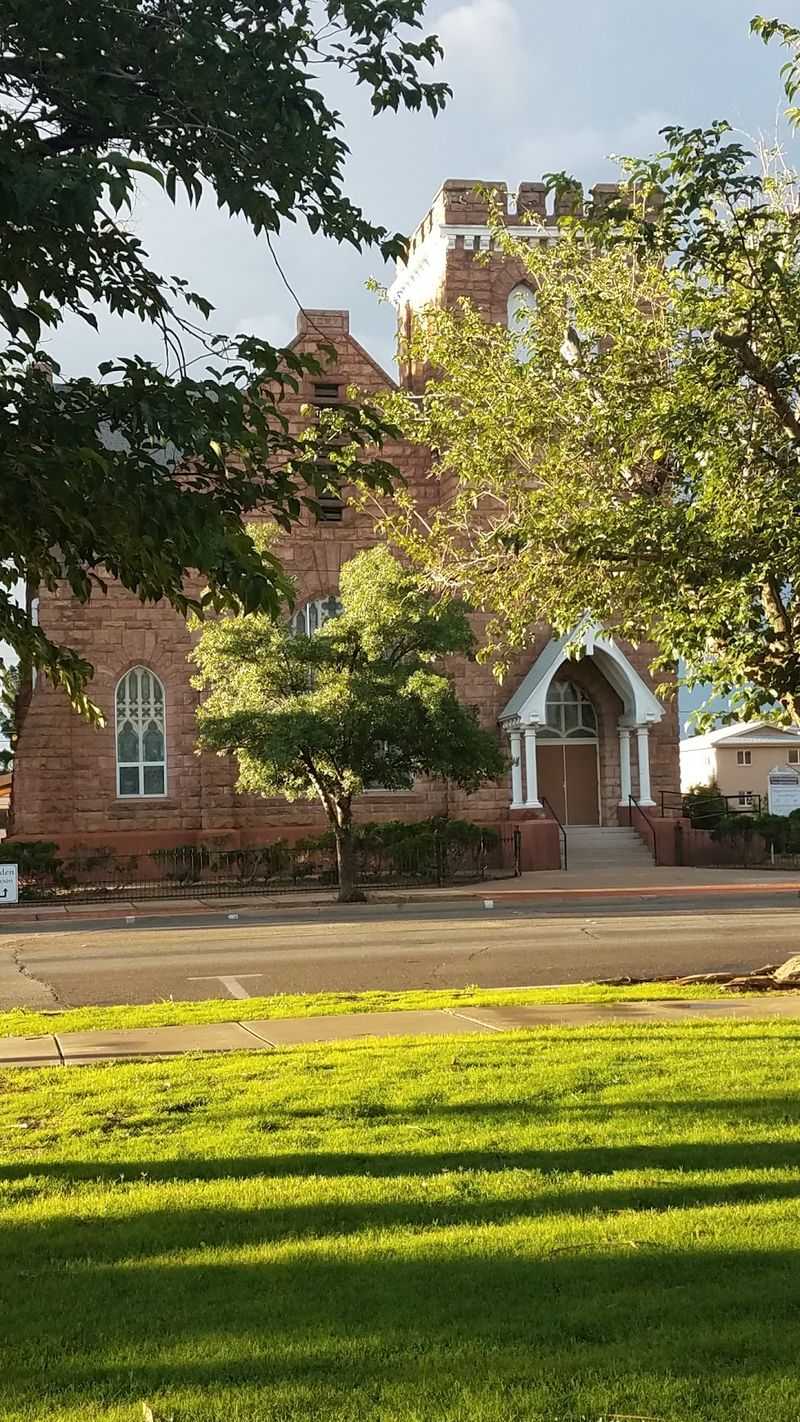
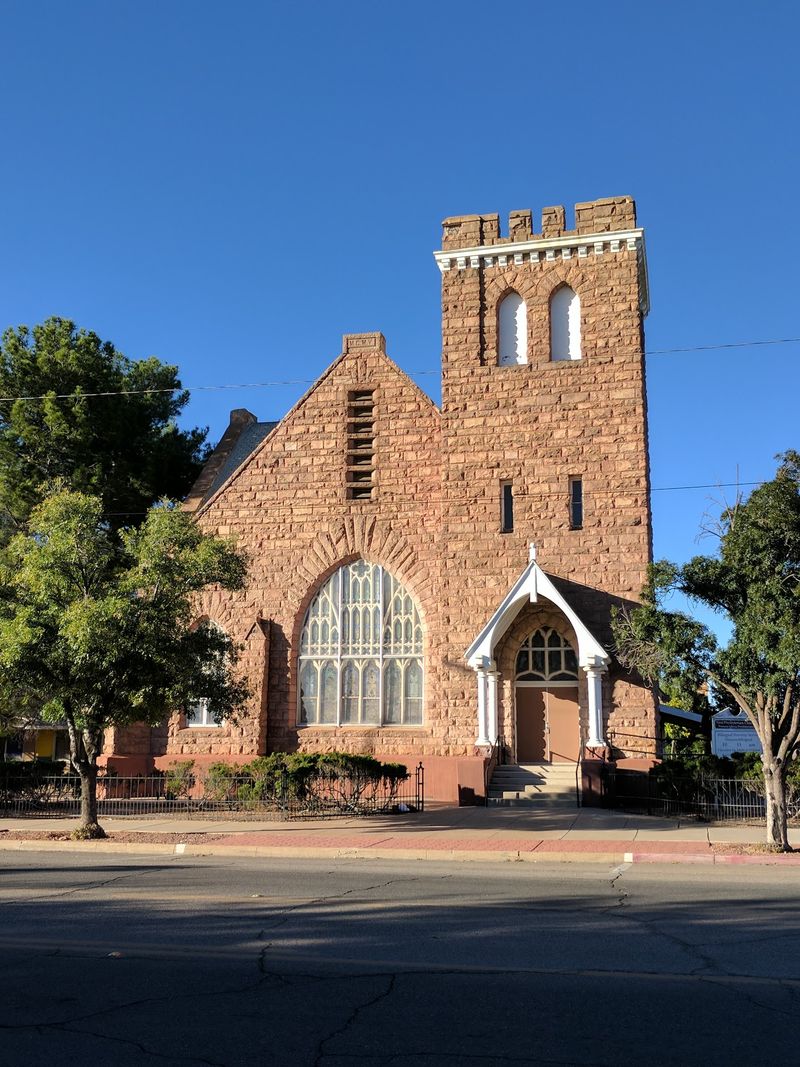
How many places can claim four different churches on the same block? According to Douglas, the answer is exactly one, and it’s right here at Church Square.
The intersection has earned that reputation as a one-of-a-kind spot. It’s the kind of fact that makes a casual drive through town suddenly feel worth a detour.
Each church adds its own presence to the neighborhood. Seeing them clustered together paints a picture of how important faith and community were as the town grew.
You don’t need a guided tour to enjoy it. A slow walk around the block gives you time to take in the buildings and appreciate the history packed into such a small area.
It also pairs nicely with other downtown stops. The Hotel Gadsden and several museums sit within easy reach, so Church Square fits naturally into a relaxed afternoon plan.
Families with curious kids might turn it into a little counting game. Photographers will appreciate the variety of rooflines and facades.
I can’t imagine a more charming piece of local trivia, and it’s completely free to admire from the sidewalk.
Where Old Photographs Tell The Whole Story
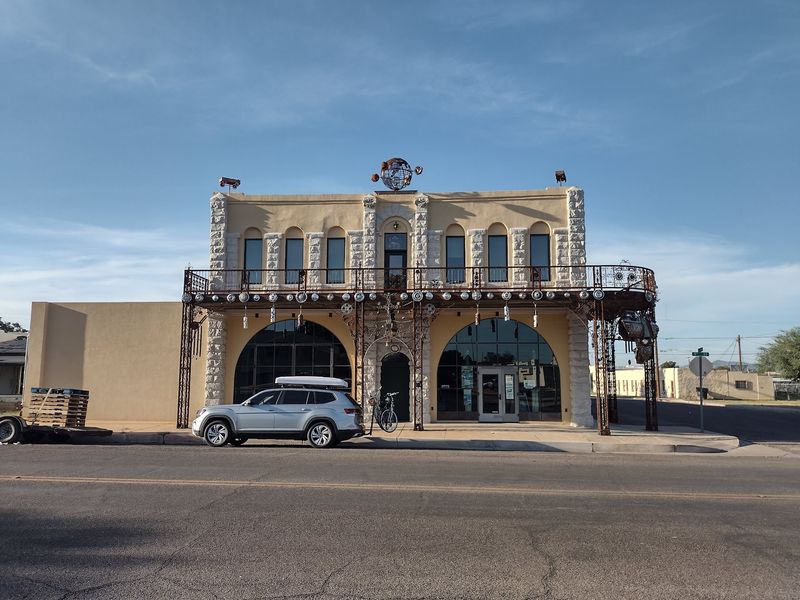
Back in 1909, mining pioneer James S. Douglas built a home that still stands today.
Now called the Douglas-Williams House, it serves as a museum and the headquarters of the Douglas Historical Society.
History lovers will find plenty to enjoy here. The house holds an extensive photographic collection that chronicles the city’s past.
Old photos can do something textbooks rarely manage. They show real streets, real faces, and the everyday moments that shaped a frontier town into a lasting community.
The museum sits at 1001 D Avenue in Douglas, Arizona 85607. That location keeps it close to other historic stops, making it easy to add to a downtown visit.
Hours can vary at small, volunteer-driven museums. Checking ahead before you go is a smart move, especially if you’re driving in from Tucson or another city.
For newcomers, a stop here can feel like a crash course in local roots. Understanding the smelter years, the border history, and the families who stuck around adds meaning to every old building you pass.
It’s a thoughtful way to connect with a town before calling it home.
The First International Airport Of The Americas
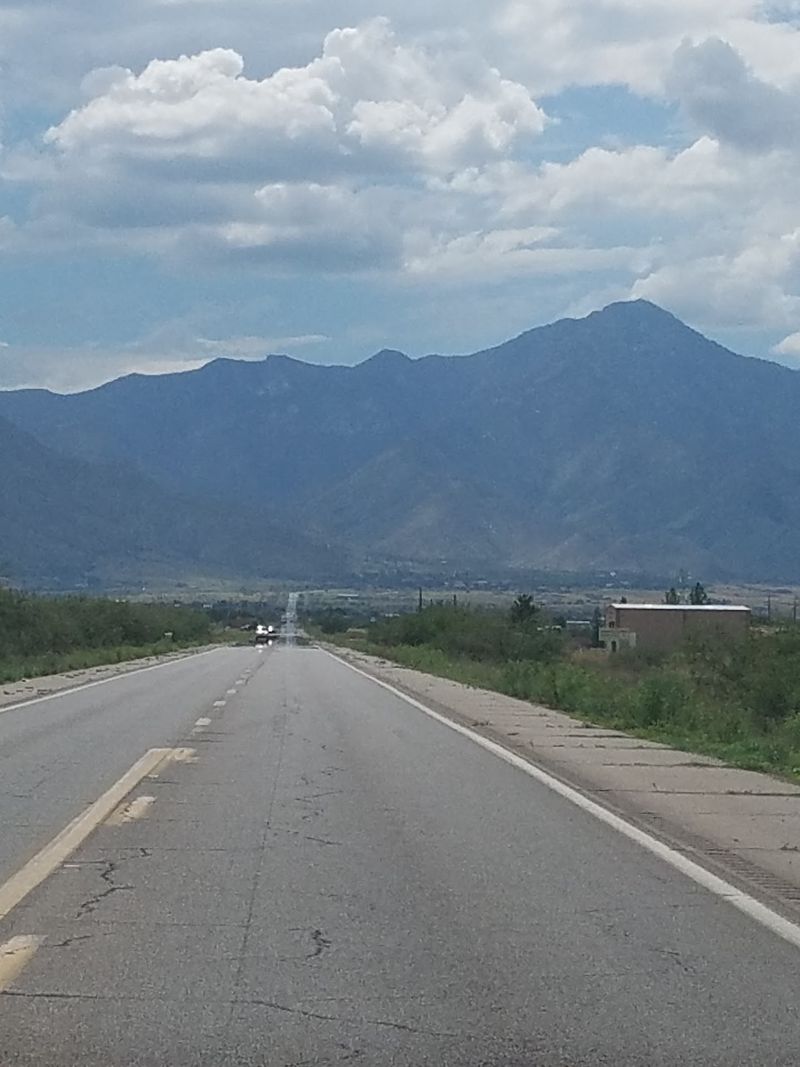
Aviation fans, this one’s for you. The Border Air Museum sits at what was the first international airport in North America.
That’s a big claim for a small city, and it comes with presidential backing. Franklin D.
Roosevelt officially declared it The First International Airport of the Americas.
The museum highlights the aviation history tied to that title. It’s a fascinating look at how a border town became an early hub for flights crossing between nations.
Kids who love planes will likely be thrilled. Adults may be just as surprised, since few people connect southeastern Arizona with milestones in international air travel.
A visit here adds a whole new dimension to the Douglas story. Mining and military history get plenty of attention, but the aviation angle shows how forward-looking the town once was.
Small museums like this one reward a slower pace. Take time to read the displays and imagine early pilots navigating these wide valley skies.
It’s the kind of stop that turns a quick visit into a memorable outing, and it gives residents some fun bragging rights at family gatherings.
Art Cars And Thousands Of Last Supper Tributes

Some towns have one quirky museum. Douglas has at least two, and they’re wonderfully unexpected.
Art Car World sits in the historic downtown area. It’s dedicated to preserving and celebrating elaborate automotive art, with dozens of unique vehicles on display.
These aren’t your average cars with a fresh coat of paint. They’re rolling art pieces, each one a creative statement that turns a daily commuter into something truly eye-catching.
Then there’s the Last Supper Museum Art and Music Center. It holds what’s described as the world’s largest collection of artwork inspired by Leonardo da Vinci’s famous painting, with more than 2,000 pieces.
That number alone is worth a moment of silence. Seeing so many interpretations of one masterpiece gathered in a single Arizona town is equal parts impressive and delightfully offbeat.
Both stops fit perfectly into a weekend of local exploring. They also give residents fun places to bring visiting friends and relatives.
I like how these museums show the creative spirit running through Douglas, proving that a quiet town can still surprise even the most seasoned road-trippers.
Wildlife Refuges And A Legendary Ranch Nearby
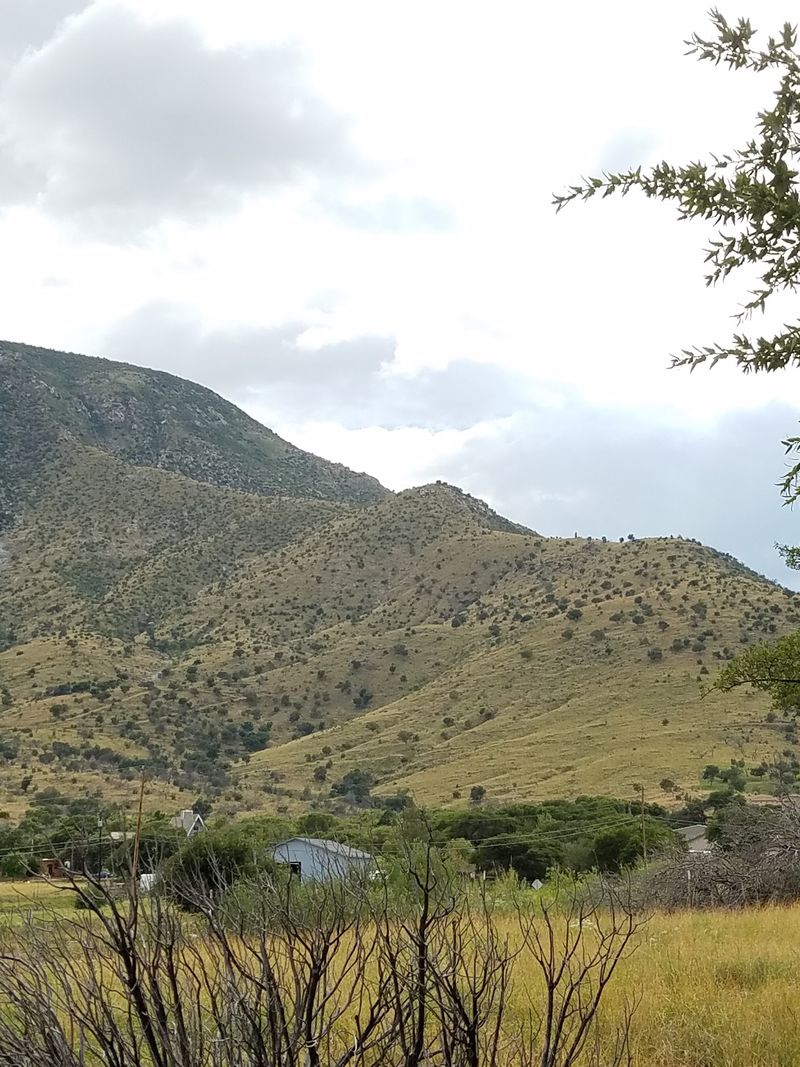
Birders, grab your binoculars. The San Bernardino and Leslie Canyon National Wildlife Refuges near Douglas support more than 283 species of birds, mammals, and other riparian wildlife.
Those refuges offer a refreshing contrast to the dry valley floor. Water-fed habitats draw creatures you might never expect to spot this deep in the Arizona desert.
Nature lovers can spend hours exploring the quiet landscape. Cooler months make outdoor time especially comfortable, so fall through spring is a sweet spot for a visit.
History joins the scenery at the John Slaughter Ranch, also called the San Bernardino Ranch. It’s a National Historic Landmark with tours of the grounds and an adobe house.
The ranch carries famous connections. Its story links to lawman John Slaughter, Pancho Villa, and Geronimo, names that bring frontier history vividly to life.
For residents, having places like these close to home is a real perk. Weekend adventures don’t require long drives or big budgets.
A morning of birdwatching followed by a ranch tour makes a full, satisfying day, all within easy reach of a town where living costs stay refreshingly modest.
Hearty Plates And Shopping Just Across The Line
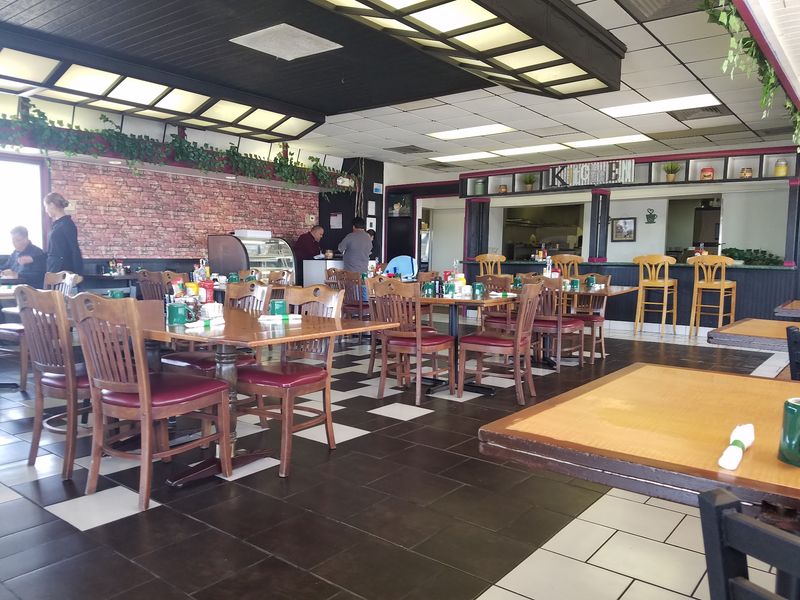
Hungry yet? Douglas serves up a mix of Latin American and North American cooking, which suits a border town perfectly.
El Burron is a well-known local stop for native food. It’s recognized for generous portions and affordable prices, which fits the budget-friendly theme of the whole town.
The Golden Time keeps things classic with chicken wings, burgers, and milkshakes. Sometimes a good shake is all the reward a long day needs.
The Original Grand Cafe also holds a spot as a local favorite. Together, these places give residents comfortable options without big-city price tags.
Agua Prieta adds even more choices just across the border. Authentic Mexican shopping and dining sit within easy reach, though you’ll need a passport to return to the United States.
That access can make daily life more flexible and more flavorful. Groceries, gifts, and meals on both sides of the line give households plenty of ways to stretch a dollar.
For food lovers moving to Arizona on a budget, that kind of variety is hard to beat, and it keeps weeknight dinners from ever feeling boring.
Community Calendars Packed With Small-Town Fun
Movies in the Park says a lot about the Douglas vibe. The City of Douglas Parks Division runs events like it throughout the year, giving neighbors easy reasons to gather.
The lineup reaches beyond movie nights. The D-Hill 5k Run and Walk, Dia de los Niños, Douglas Days, and a Summer Camp all appear on the community calendar.
Those events can help newcomers meet people quickly. Small-town friendships often start with a shared folding chair or a finish line high-five.
The Douglas City Recreation Center sits at 919 E 3rd Street. It’s part of a broader network of parks and recreation facilities maintained by the city.
Families with kids may find a lot to love here. Retirees looking for low-key social time can also find their rhythm through local programs and seasonal celebrations.
The Douglas Grand Theatre deserves a mention too. Once recognized as the largest theater between Los Angeles and San Antonio, it’s currently undergoing renovation.
That project hints at a town still investing in its future, and I believe that sense of pride is a big part of the appeal.
Worth A Weekend Look Before You Sign A Lease
So, is Douglas the right fit? That depends on what you want from life in Arizona.
The population has eased slightly since 2020, so this isn’t a booming relocation hot spot. Instead, it offers breathing room, lower rent, and a calm pace that bigger cities rarely provide.
People who value history, open skies, and cross-border culture may feel right at home. Those craving nightlife or major shopping malls might prefer to keep Douglas as a day trip.
Getting there means heading to the southeastern corner of the state in Cochise County. Bisbee sits nearby, making it easy to combine the two towns into one scenic outing.
Plan a test weekend before committing to a move. Stop by the Hotel Gadsden lobby, wander Church Square, browse the museums, and grab a meal at a local favorite.
Bring a passport if Agua Prieta is on the agenda. Check museum hours ahead, since smaller venues can keep shifting schedules.
Douglas won’t shout for attention, but it quietly offers a lot for the money, and that may be exactly the kind of place worth discovering.