
15 Colorado Stops That Turn An Ordinary Spring Weekend Into An Adventure
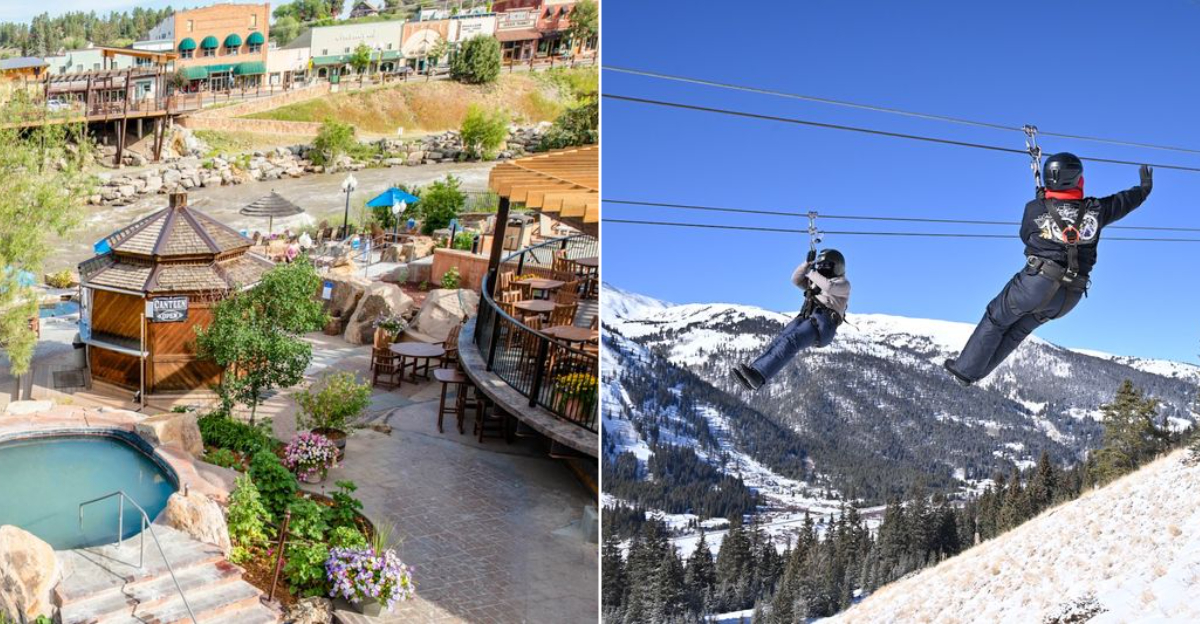
Colorado has a sneaky talent for making every mile feel like a secret you were lucky enough to find first. One moment you are cruising past rippling sands that look borrowed from another planet, and the next you are staring at traces of a world so old it barely feels real.
Spring turns the whole adventure electric. Wildflowers start stretching awake, the air feels crisp and playful, and the open road seems to wink at you like it knows something good is coming.
Toss a cooler in the back, queue up the songs that make you want to roll the windows down, and get ready for a weekend that refuses to be ordinary. In Colorado, even a quick detour can become the story you tell for years.
Every stop brings a new surprise, a new view, and a new excuse to stay out just a little longer. That is Colorado at its absolute best.
1. Great Sand Dunes National Park and Preserve
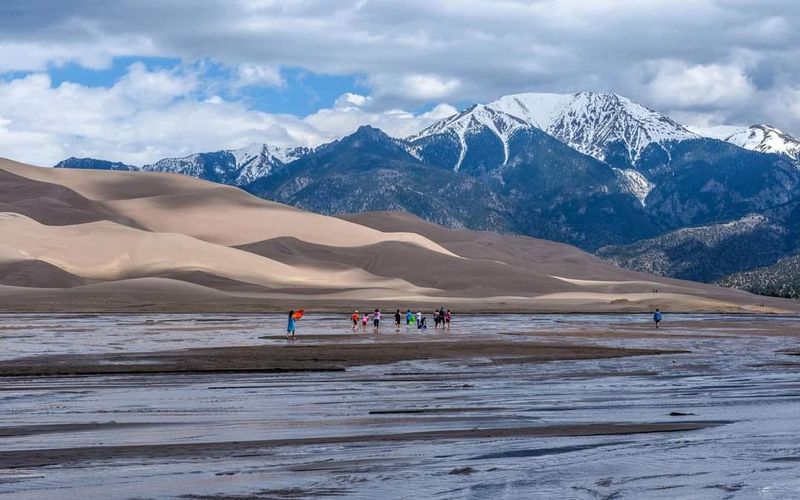
Nobody warns you about that first moment when the dunes appear out of nowhere, rising like a misplaced desert in the middle of the Rockies. Great Sand Dunes National Park and Preserve, located at 11999 State Highway 150 in Mosca, Colorado, is genuinely one of those places that makes you question your own eyes.
Spring is the absolute best time to visit. Medano Creek, which runs along the base of the dunes, flows strongest in May and early June, creating a shallow, sandy-bottomed stream that families wade through like it’s a free waterpark.
The contrast of cold creek water against warm sand is something you won’t find anywhere else in the country.
Wear sturdy shoes for the climb, because the sand shifts under your feet more than expected. Sandboarding rentals are available nearby if you want to add some speed to the experience.
Arrive early on weekends, as parking fills fast and the dunes heat up quickly by midday. Bring more water than you think you need, apply sunscreen generously, and carve out at least three hours to truly absorb what this place is offering.
2. Royal Gorge Bridge & Park
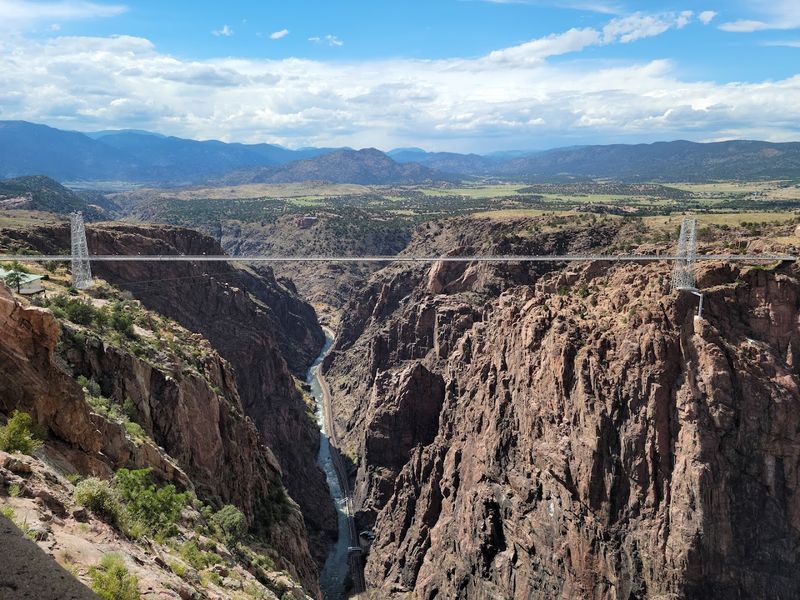
Standing on the Royal Gorge Bridge is one of those experiences that separates the brave from the sensible, and I say that with complete affection for both groups. Suspended 956 feet above the Arkansas River at 4218 County Road 3A in Cañon City, Colorado, this bridge is the kind of engineering achievement that makes your palms sweat and your brain argue with your feet.
Spring brings mild temperatures and fewer crowds than summer, which means you can actually stop mid-bridge and stare straight down without someone bumping into you. The park surrounding the bridge includes a gondola ride, zip line, and a small aerial tram that offers views even non-walkers can enjoy comfortably.
Kids tend to love the whole complex, while adults often find themselves unexpectedly moved by the sheer scale of the canyon walls. The gorge itself was carved by the Arkansas River over millions of years, and standing above it puts time in a humbling perspective.
Budget a half day here minimum. Pair it with a riverside picnic in Cañon City afterward for a well-rounded afternoon that costs almost nothing extra.
3. Garden of the Gods Park
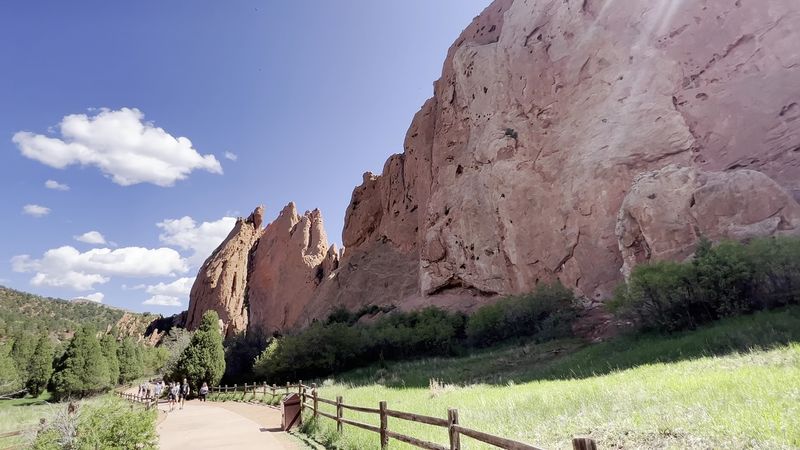
Garden of the Gods in Colorado Springs has the rare quality of looking completely unreal in photographs and even more unreal in person. The towering red sandstone formations at 1805 N. 30th Street have been drawing visitors for well over a century, and the park remains free to enter, which feels almost criminal given what it delivers.
Spring mornings here carry a specific kind of magic. The light hits the red rocks at low angles, the air still carries a cool edge, and the trails are active with hikers, cyclists, and rock climbers working the vertical faces with calm precision.
The Perkins Central Garden Trail is a paved, accessible loop that gives everyone a front-row seat without requiring serious hiking gear.
Fun fact: the land was gifted to Colorado Springs in 1909 by the family of Charles Elliott Perkins with the explicit condition that it remain free and open to the public forever. That generosity still feels remarkable today.
Grab breakfast in downtown Colorado Springs beforehand and use the park as your mid-morning reward. Pikes Peak looms beautifully in the background on clear days and makes every photo look professionally staged.
4. Paint Mines Interpretive Park
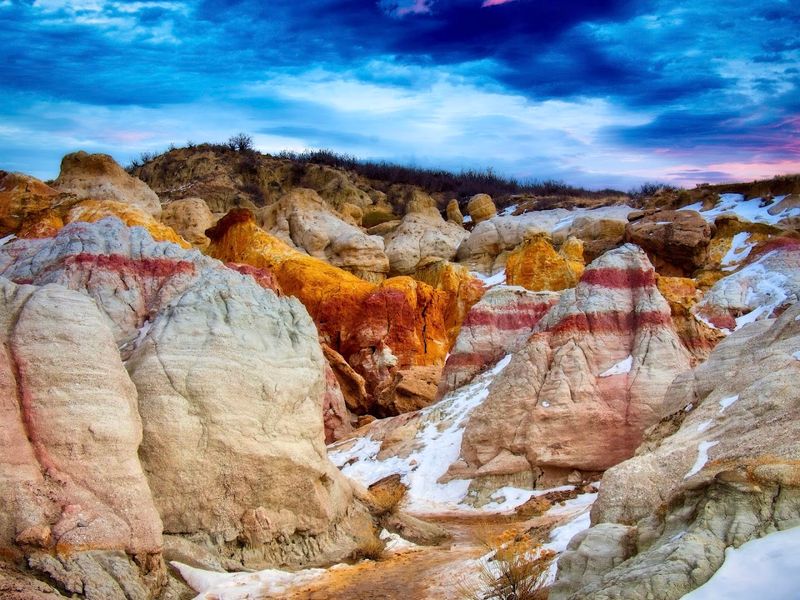
Most people driving through Calhan, Colorado have absolutely no idea that just off Paint Mines Road sits one of the most visually striking geological formations in the entire state. Paint Mines Interpretive Park at 29950 Paint Mines Road is a place that rewards the curious and the slightly off-the-beaten-path traveler in equal measure.
The formations here look like something between a sculptor’s studio and an alien landscape. Columns and spires of eroded clay rise in shades of white, lavender, pink, and deep rust, all shaped by wind and rain over thousands of years.
Native Americans used the pigment-rich clay from this area for pottery and painting, giving the site both geological and cultural weight.
The park covers roughly 750 acres and features about four miles of trails that wind through the formations. Spring is ideal because the ground is firm, temperatures are reasonable, and the colors of the clay pop beautifully against a clear Colorado sky.
There are no fees and no crowds to battle. Bring a camera with a wide-angle lens if you have one, pack your own snacks and water, and plan for two to three hours of genuinely unhurried exploration that feels like a secret you’ll want to share immediately.
5. Bent’s Old Fort National Historic Site
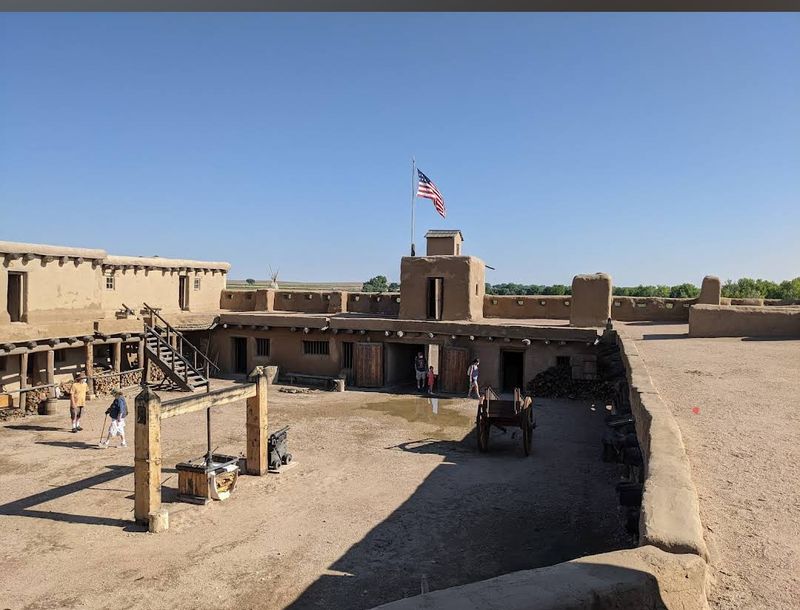
History has a way of feeling abstract until you walk through a door that someone else walked through in 1833. Bent’s Old Fort National Historic Site at 35110 State Highway 194 East in La Junta, Colorado is a fully reconstructed adobe trading post that puts you inside the story of the American frontier rather than just reading about it from a distance.
The fort served as a major hub for fur traders, Native American tribes, and U.S. Army expeditions during the early 19th century.
Rangers in period costumes demonstrate everything from blacksmithing to cooking over open fires, and the authenticity of the place is striking. You can smell the adobe walls, hear the creak of wooden doors, and get a genuine sense of what commerce and survival looked like on the Santa Fe Trail.
Spring is a particularly pleasant time to visit because the surrounding plains are green and the heat of southeastern Colorado hasn’t fully arrived yet. The site is not heavily trafficked, which means you often get long, uninterrupted conversations with knowledgeable rangers who clearly love what they do.
Allow two hours minimum, pair it with a meal in La Junta, and you have a history stop that earns its distance.
6. Florissant Fossil Beds National Monument
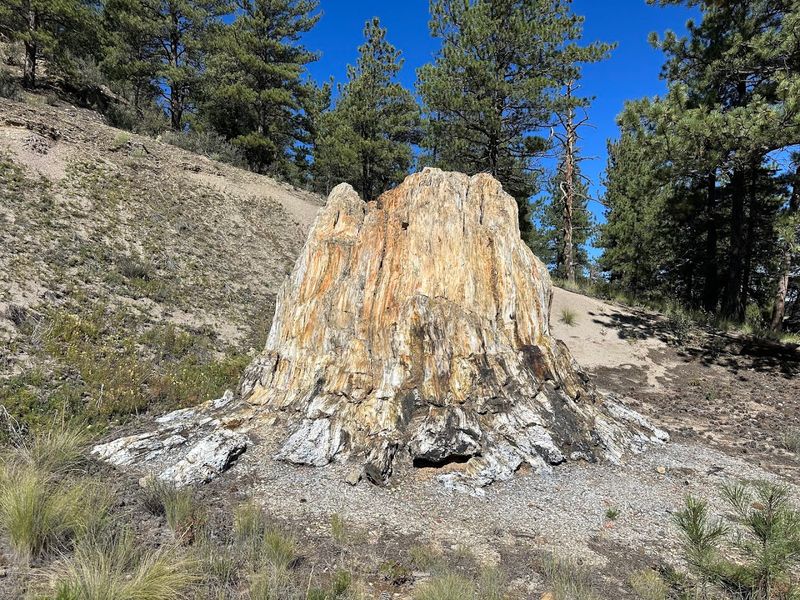
Thirty-four million years ago, a volcanic eruption buried an entire ecosystem near what is now Florissant, Colorado. What remained are some of the most detailed and well-preserved fossils on earth, and you can stand directly next to them at 15807 Teller County Road 1 without a velvet rope in sight.
The monument protects massive petrified redwood stumps, some measuring over 10 feet in diameter, along with thousands of fossilized insects, leaves, and fish preserved in the fine volcanic ash. The visitor center does an excellent job of explaining how the science works without losing the wonder of it, which is a harder balance to strike than it sounds.
Trails here are gentle and well-maintained, making this a strong choice for families with younger kids who might not handle more rugged terrain. Spring brings blooming wildflowers to the surrounding meadows, which adds a lively contrast to the ancient, quiet fossils.
The area sits at about 8,400 feet, so bring a layer even on warm days. Admission is modest, rangers are enthusiastic and knowledgeable, and the whole experience leaves you with the peculiar but satisfying feeling of having briefly touched deep time.
7. Top of the Rockies Zip Line
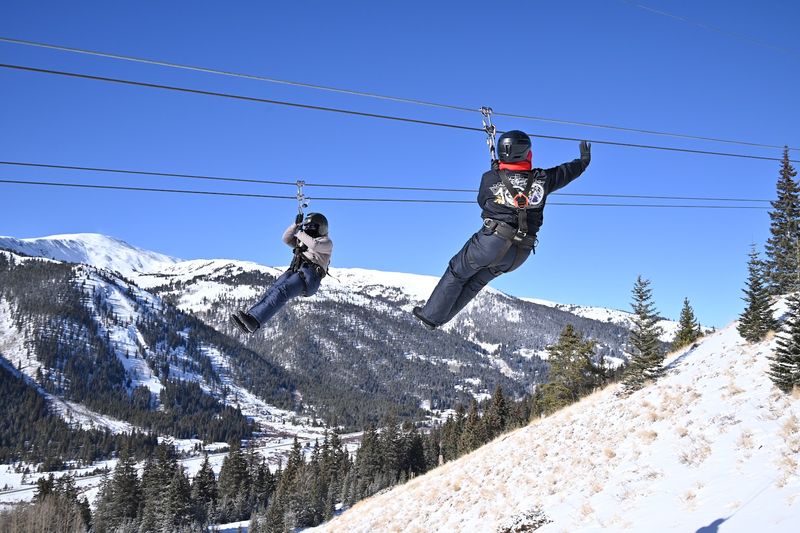
Leadville, Colorado already has bragging rights as the highest incorporated city in the United States at over 10,000 feet. Add a zip line at 6492 Highway 91 and you are suddenly hurtling through thin mountain air with views that make the adrenaline feel almost secondary to the scenery.
Top of the Rockies Zip Line offers runs above terrain that most people only see from car windows. The combination of altitude and open mountain valley below creates a visual experience that is genuinely hard to prepare for, and the staff runs a tight, safety-focused operation that keeps even first-timers feeling confident rather than panicked.
Spring timing matters here because the snow is often still on the peaks while the lower elevations have thawed, creating that classic Colorado contrast of white caps and green valleys in the same frame. Dress in layers because the temperature drops noticeably at speed and altitude.
Weight and age restrictions apply, so check the website before arriving with the whole crew. Book in advance for weekend slots, as this is not the kind of stop that has walk-in availability on a sunny Saturday in May.
Worth every bit of the planning effort.
8. Colorado Adventure Center
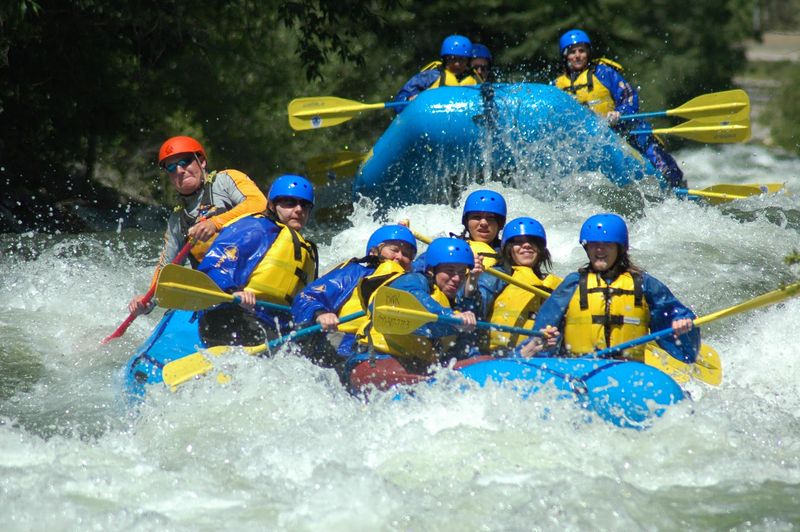
The Clear Creek Canyon near Dumont, Colorado has been pulling adventurous types off the highway for decades, and Colorado Adventure Center at 2697 Stanley Road makes the whole experience accessible without stripping out the excitement. Spring runoff swells the creek into something genuinely thrilling, and the rafting trips here capitalize on every drop of it.
Guided whitewater rafting is the headline offering, but the center also runs tubing, kayaking, and zipline adventures depending on the season and water levels. The guides are experienced and communicative, which matters a great deal when you are sitting in an inflatable raft moving faster than feels entirely reasonable.
First-timers consistently report leaving with wider smiles than they arrived with.
Dumont sits about an hour west of Denver on I-70, making this a realistic same-day trip for Front Range residents and a natural stopping point for anyone driving toward the mountains. Spring is peak season here, so reservations are strongly recommended.
Wear clothes you don’t mind getting soaked, leave valuables in the car, and embrace the reality that you will be wet and cold for portions of the experience. That discomfort, oddly, is a significant part of the appeal and the story you will tell afterward.
9. Glenwood Caverns Adventure Park
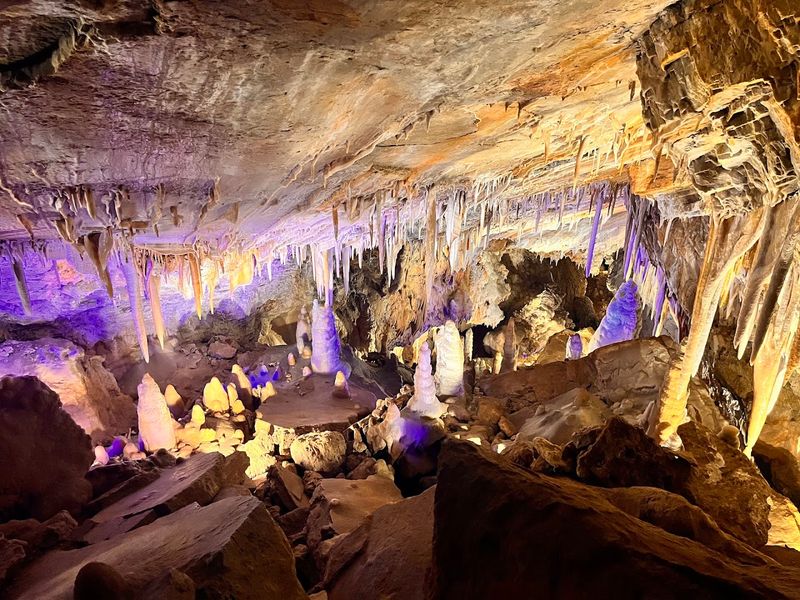
Getting to Glenwood Caverns Adventure Park at 51000 Two Rivers Plaza Road in Glenwood Springs requires a gondola ride up the side of Iron Mountain, which sets the tone for everything that follows. By the time you step off the gondola, you are already 1,300 feet above the Colorado River and the adventure hasn’t technically started yet.
The park sits at the top and offers cave tours through genuine limestone caverns, a roller coaster called the Cliffhanger that runs along the mountain edge, a drop tower, and a cave train among other attractions. The cave tours are the centerpiece and range from family-friendly walking tours to more physically demanding wild caving experiences for those who want mud on their knees and a story to tell.
Glenwood Springs itself is worth an extended stop. The Glenwood Hot Springs Pool, one of the largest natural hot springs pools in the world, sits in the valley below and makes an excellent pre- or post-adventure soak.
Spring crowds at the park are manageable compared to summer peaks, and the mountain views from the top are spectacular with snowpack still visible on surrounding peaks. Allocate a full day here without hesitation.
10. Rifle Falls State Park
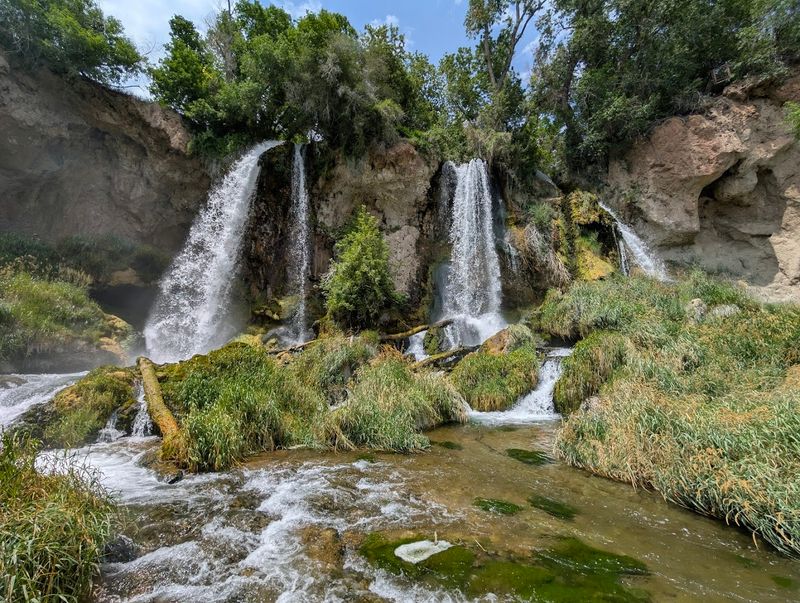
Colorado is not typically associated with lush, dripping waterfalls and moss-covered canyon walls, which is exactly what makes Rifle Falls State Park such a satisfying surprise. Located at 5775 Highway 325 in Rifle, Colorado, the park features a triple waterfall that tumbles over a 70-foot limestone cliff into a green canyon that feels transplanted from the Pacific Northwest.
Spring is the prime season here because snowmelt keeps the falls running at full force and the surrounding vegetation is at its most vivid. The mist from the falls carries into the nearby trails, keeping temperatures cool and the canyon walls perpetually damp and green.
Short caves carved into the limestone behind and beside the falls are accessible and add a low-stakes exploration element that kids find immediately compelling.
The trails are short and relatively flat, making this a stop that works for nearly every fitness level and age group. Bring waterproof shoes or at least sandals you don’t mind getting wet near the base of the falls.
The campground within the park is modest but charming if you want to extend the stay into a full weekend. Pair Rifle Falls with a drive through Glenwood Canyon on the way back for a genuinely scenic return journey.
11. Colorado National Monument
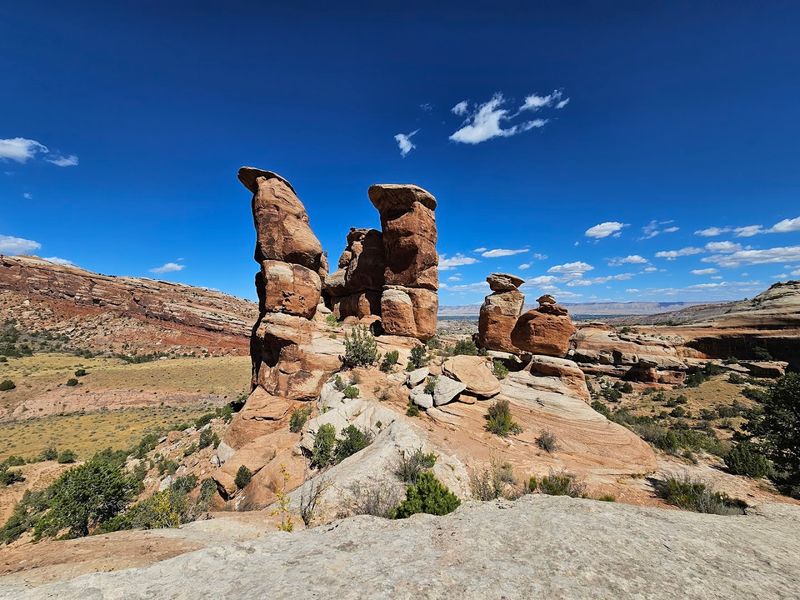
Western Colorado’s Colorado National Monument at 1750 Rim Rock Drive in Fruita operates at a scale that makes you recalibrate what the word canyon actually means. The red rock monoliths and sheer-walled canyons here rival anything in Utah, yet the monument receives a fraction of the visitors, which means you can stand at an overlook and hear nothing but wind.
Rim Rock Drive is the 23-mile scenic road that runs the length of the monument along the canyon rim, and driving it in spring feels like having a private screening of the best geology documentary ever made. Pullouts are frequent and well-positioned, and several short trails branch off from the road toward canyon edges and hidden viewpoints that reward those willing to park and walk even briefly.
Mountain bikers use Rim Rock Drive as a challenging and scenic route, and the monument is also a serious rock climbing destination. Fruita itself has become a well-regarded mountain biking hub with excellent restaurants and coffee shops that make the pre-adventure fuel stop genuinely enjoyable.
The town of Grand Junction is nearby for broader dining and lodging options. Admission to the monument is modest and the value-per-dollar ratio here is nearly impossible to beat.
12. Black Canyon of the Gunnison National Park
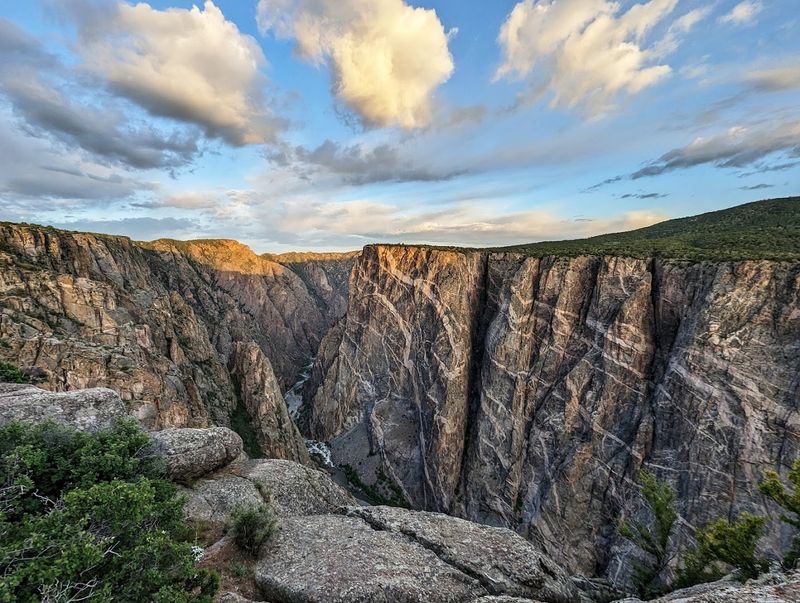
There are deep canyons and then there is the Black Canyon of the Gunnison, which operates in a category of its own. The South Rim Visitor Center at 9800 Highway 347 in Montrose puts you at the edge of a chasm so steep and narrow that sunlight reaches the bottom for only a fraction of each day, giving the dark schist walls their name and their haunting quality.
The canyon drops as deep as 2,722 feet in places, with walls so sheer and close together that the river below is invisible from most overlooks. Spring brings a combination of clear skies and lingering snowpack on the rim that creates genuinely dramatic photography conditions.
The South Rim Road connects 12 overlooks, and each one offers a slightly different perspective on the same jaw-dropping formation.
Hiking trails on the South Rim range from easy paved walks to strenuous inner canyon routes that require a free permit and a very specific kind of determination. Even staying entirely on the rim delivers a full and memorable experience.
Montrose is a comfortable base town with solid dining options and lodging at reasonable prices. Black Canyon rewards slow, attentive visitors far more than those who drive through quickly, so resist the urge to rush.
13. Dinosaur National Monument
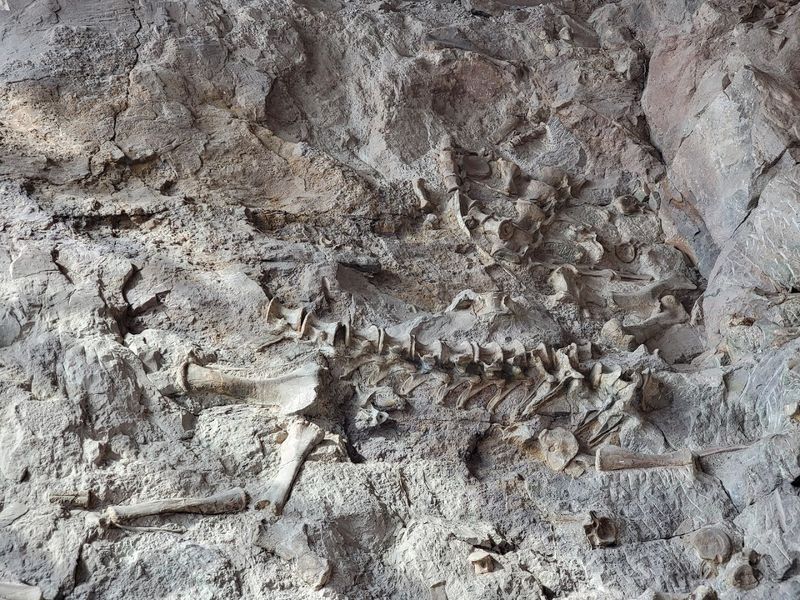
The name Dinosaur, Colorado is not metaphorical. Dinosaur National Monument at 4545 Highway 40 is the real thing, a place where the bones of massive prehistoric creatures are still embedded in the rock face and visible to anyone who walks through the Quarry Exhibit Hall.
The wall of bones inside the exhibit hall contains over 1,500 fossilized remains from species including Stegosaurus, Diplodocus, and Allosaurus.
What makes the monument unusual is that it straddles Colorado and Utah, offering not just the famous fossil quarry but also dramatic canyon country carved by the Green and Yampa rivers. The Canyon Area of the monument has its own scenic drives and hiking trails that are entirely separate from the quarry experience and equally worth exploring if you have the time.
Spring is a smart season to visit because summer temperatures in this part of Colorado can be punishing, and spring crowds are noticeably thinner. The drive to the monument from Denver takes about four hours, making it a genuine overnight-worthy destination rather than a quick day trip.
Pair it with a night in Steamboat Springs on the return route for a loop that combines geological wonder with mountain town charm in a single well-paced weekend.
14. Durango & Silverton Narrow Gauge Railroad
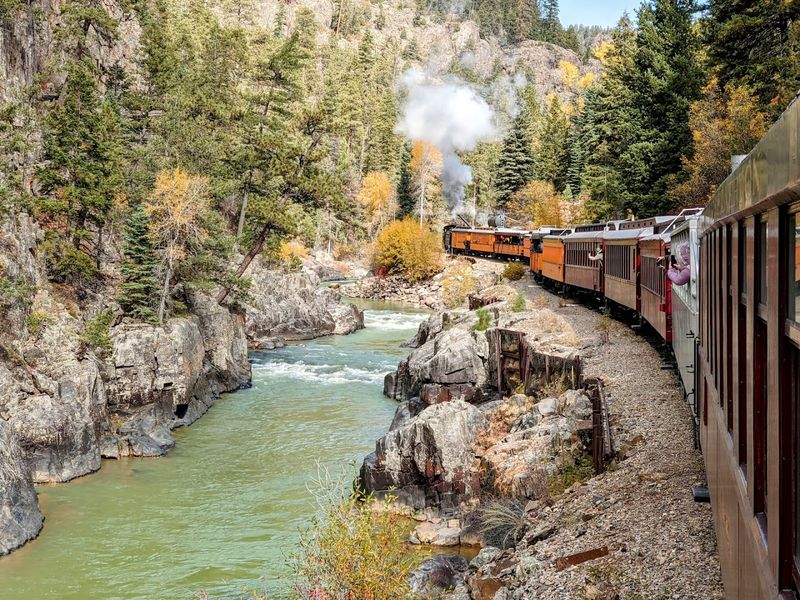
Some travel experiences are best understood through your senses rather than a description, and the Durango & Silverton Narrow Gauge Railroad at 479 Main Avenue in Durango is firmly in that category. The coal-fired steam engine produces a sound and smell that is entirely its own, and the 45-mile journey through the San Juan Mountains delivers scenery that has been making passengers quietly emotional since 1882.
The train follows the Animas River through a canyon that is inaccessible by road, which means the only way to see this particular stretch of Colorado wilderness is by rail or on foot. Spring departures carry an extra visual reward as snow still blankets the higher peaks while the river valley shows early green.
The round trip takes about nine hours, making it a full-day commitment that is absolutely worth the investment.
Durango is a terrific base town with a lively downtown, excellent restaurants, and a comfortable mix of outdoorsy locals and visiting families. Book tickets well in advance for spring weekends because this railroad has a devoted following and seats fill quickly.
Dress in layers and consider the open-air gondola car for unobstructed views, but keep a jacket close because the canyon can be surprisingly cool even on warm spring days.
15. The Springs Resort & Spa
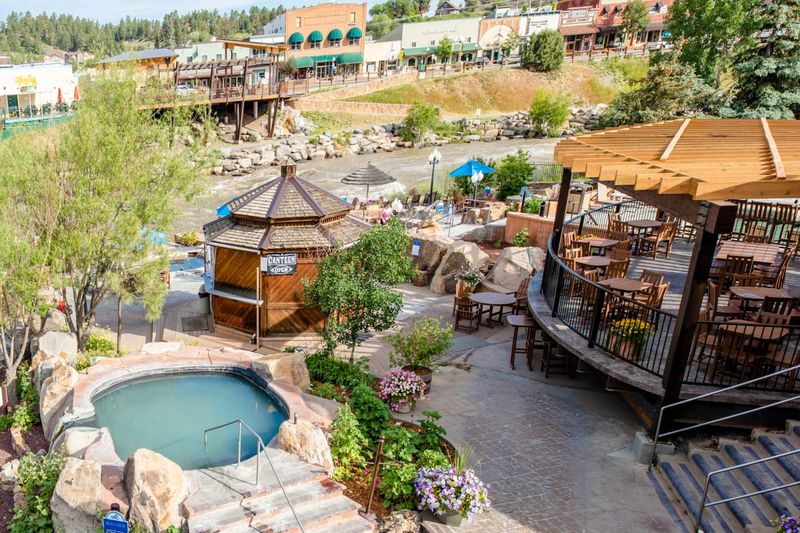
After a weekend of sand dunes, canyon rims, and zip lines, your body will have opinions about what comes next. The Springs Resort & Spa at 323 Hot Springs Boulevard in Pagosa Springs, Colorado has a persuasive answer in the form of 25 naturally fed mineral pools ranging in temperature from a gentle 98 degrees to a bracing 114 degrees.
Pagosa Springs sits atop the world’s deepest measured hot spring, a geological fact that sounds almost made up but is entirely verified. The resort pools step down toward the San Juan River, and soaking in the upper pools while looking at snow-dusted peaks across the valley is the kind of moment that justifies the entire road trip budget.
Spring evenings here are particularly magical when the steam from the pools rises against a dark mountain sky.
Day passes are available for those not staying overnight, though the resort rooms and cabins are comfortable and reasonably priced for what you receive. The town of Pagosa Springs has a charming downtown with good food options and local shops worth browsing.
This stop works beautifully as a trip finale, the kind of ending that makes the drive home feel like a gentle landing rather than a hard stop. Book ahead for weekends, as day passes do sell out.