
This Spring Guide Covers The Best Spots In Michigan To Find Trillium
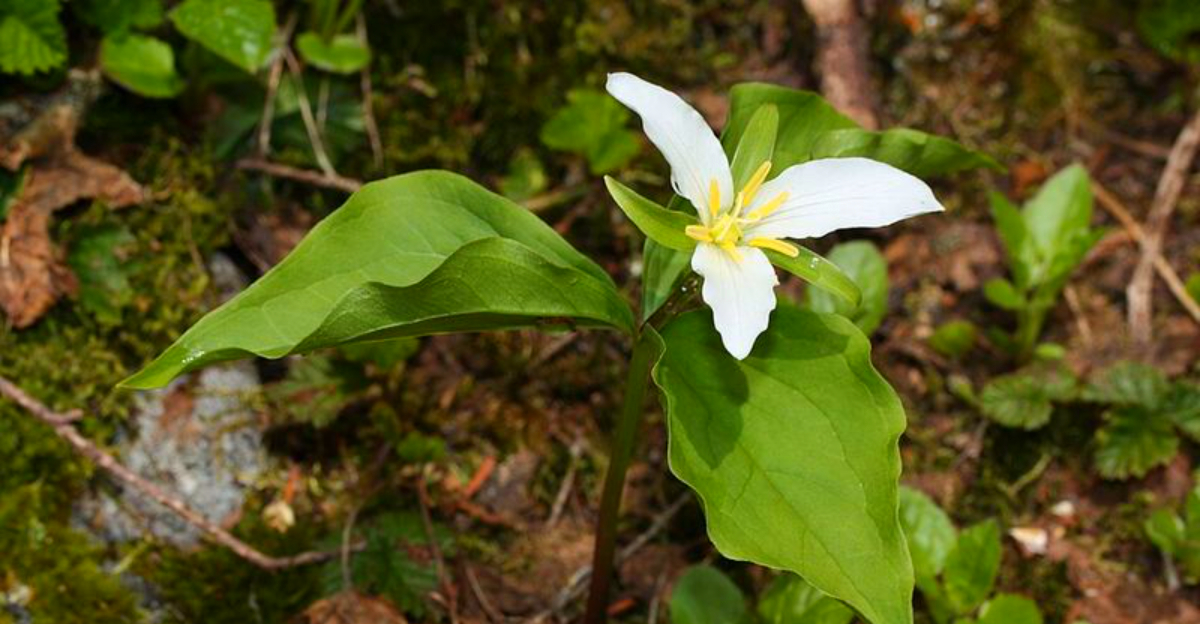
Spring in Michigan arrives like a slow, cinematic drumroll, and then, almost overnight, the forest floor ignites with trillium. I’ve always felt that catching these three-petaled celebrities in the wild is less about hiking and more about quiet observation.
They thrive in that fleeting window of dappled sunlight and cool leaf litter, appearing just as the ground forgets the weight of snow but before the canopy closes its heavy green curtains for the summer.
From the shifting sands of dune country to the craggy limestone cliffs and secret maple ravines, I’ve tracked these “wake-robins” across the state to find the most breathtaking displays. It’s a delicate, ephemeral magic that makes even the most familiar trail feel like a discovery.
Michigan spring wildflower hikes offer a spectacular look at rare trillium blooms across the state’s most diverse natural landscapes. Pack your curiosity and a camera that respects personal space, because these blooms are as sensitive as they are stunning.
1. Loda Lake National Wildflower Sanctuary, White Cloud
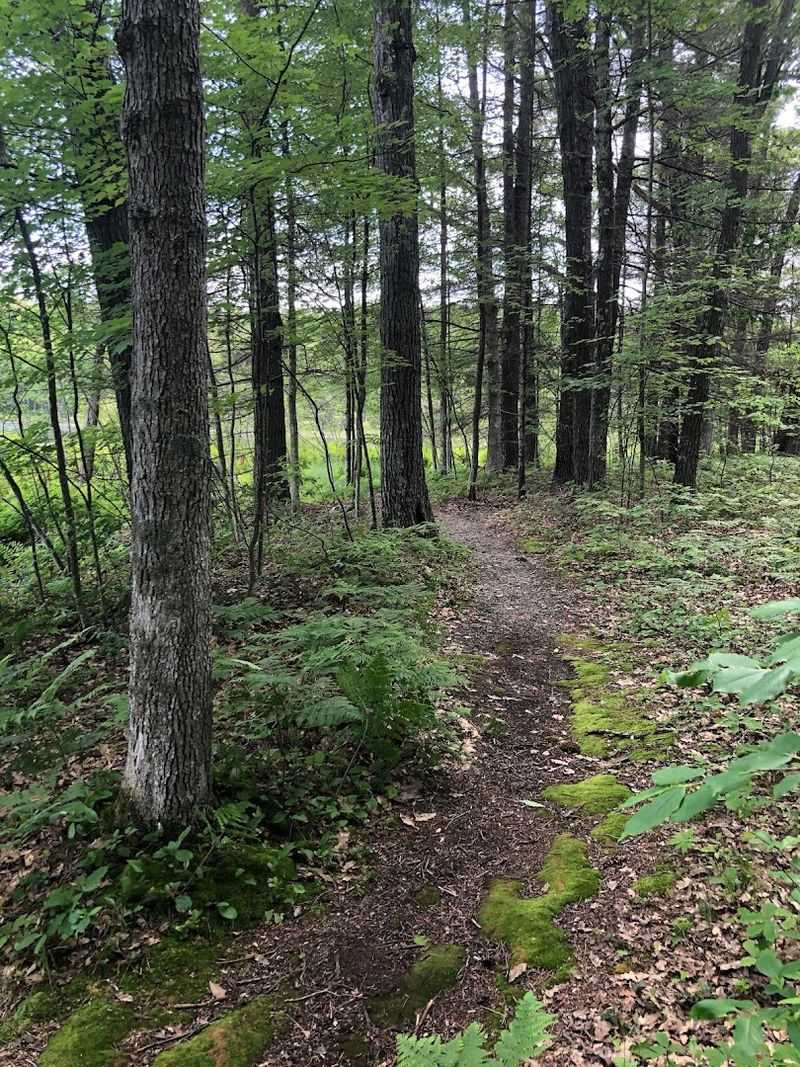
The trail at Loda Lake National Wildflower Sanctuary eases past an old CCC-era Signboard, and the forest opens to a mosaic of birch, maple, and oak. In late May, bright trillium scatter like folded handkerchiefs along the sandy path.
They are joined by Trout Lily and Spring Beauty. The mood is hushed, but you can hear woodpeckers tapping and a creek moving slow under alders.
This sanctuary was actually a private estate once. The spirit of that stewardship remains in the way the trails curve respectfully around the most vibrant clusters.
Created as a sanctuary for native blooms, the loops here are short and forgiving, with labeled stops that help you learn without any academic fuss. To get the best experience, start early in the day.
That helps you avoid the muddier sections that spring rain often brings. It also gives the flowers plenty of their own space.
You will want to stay strictly on the marked routes, because the sandy soil here compacts quite easily and these plants are legally protected. If you can manage a midweek visit, you will likely have the choir of songbirds all to yourself.
2. Sleeping Bear Dunes National Lakeshore, Empire
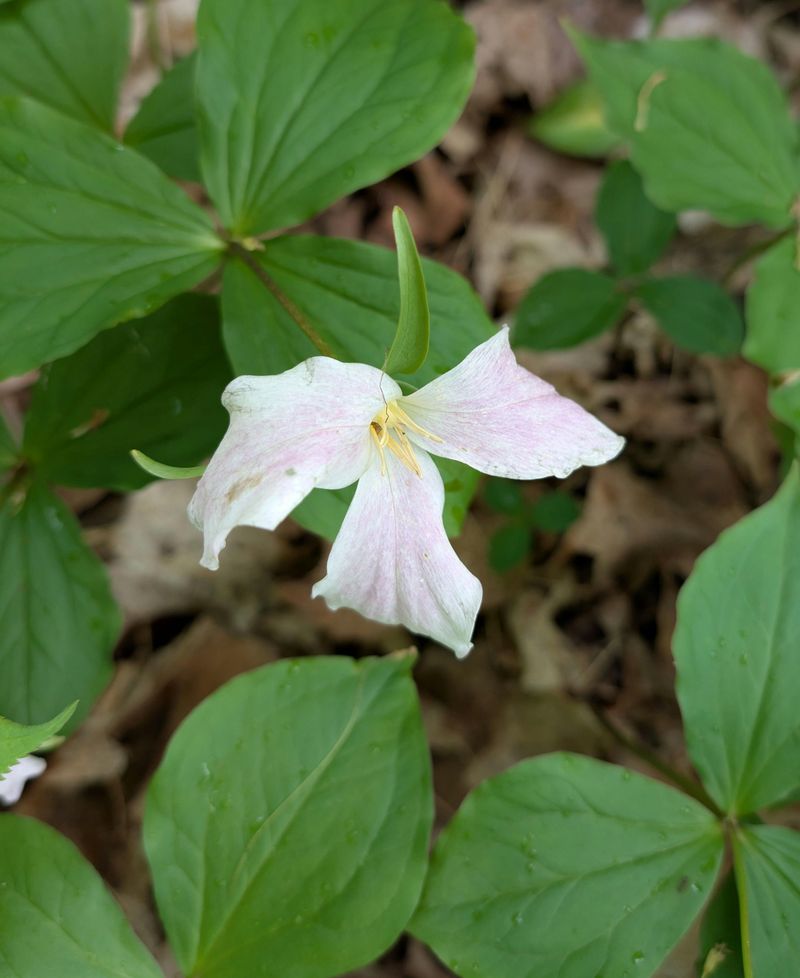
Wind off Lake Michigan smells faintly like cedar and cold water, then the forest at Sleeping Bear Dunes National Lakeshore greets you with a white shimmer of trillium. Beech and sugar maple cast soft shade on the Pyramid Point approach.
There, blooms edge the trail before views explode over turquoise water. The contrast of dune sand and spring woodland feels improbably elegant.
It is like a formal garden that somehow planted itself on the edge of a wild, northern sea. These flowers seem to thrive on the lake’s moisture.
They often grow taller and broader here than in many inland forests.
Indigenous histories and homestead remnants shape this landscape, and following proper trail etiquette is the best way to honor that legacy.
Keep in mind that ticks are quite active in the grassier edges during May. So tuck your pants into your socks and do a thorough check once you are back at the car.
Late May is usually the peak for the Large-flowered Trillium here. But a particularly cool spring can push the best blooms into early June.
3. South Manitou Island, Sleeping Bear Dunes National Lakeshore

A boat ride on the Manitou Island Transit sets the tone for this adventure, and the island quiet rearranges your senses before your feet even hit the trail. In the Beech-Maple Stands beyond the village, trillium thread between downed logs and spring ferns.
They are especially strong where north-facing slopes hold onto the morning moisture. The South Manitou Lighthouse peeks through gaps in the budding canopy like a patient metronome.
Thrushes stitch together a melodic soundtrack for your walk. Because the island is isolated, the trillium here often grow in massive, undisturbed colonies.
They feel like a scene from centuries ago.
Logging history and shipwreck lore infuse the place with a bit of mystery, yet the flowers feel entirely timeless. You will need to bring layers, plenty of water, and a flexible plan.
That is because the ferry schedules rule everything about your day. While the island’s campsites make lingering easy for backpackers, day-trippers can still find impressive blooms near the Farm Loop.
It is vital to stay on the established paths to avoid trampling the delicate forest duff. That duff protects the emerging stems.
4. Pictured Rocks National Lakeshore, Munising
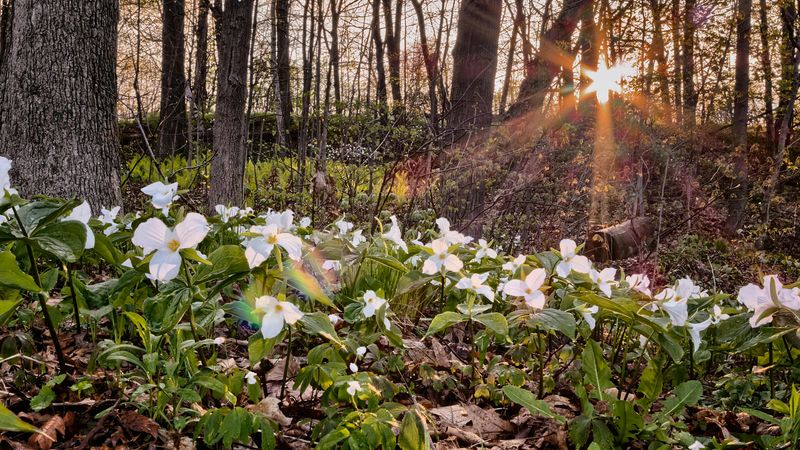
Lake Superior breathes a cold, ancient air into the understory, and the trillium at Pictured Rocks National Lakeshore respond by gleaming brighter beneath the towering maple. Along sections near Munising, blooms gather where the trail slips inland from the Sandstone Overlooks.
They create surprising white margins against emerald moss and dark hemlock. The color story here is genuinely cinematic.
Think copper-colored leaf litter, deep green moss, and blossoms flaring like white signal flags against the dark bark of the trees. It is a more rugged beauty than the southern parks. That matches the power of the lake nearby.
Logging camps and Civilian Conservation Corps work left their traces on this land, but preservation defines today’s rhythm. To find the best pockets of white, start from the popular trailheads early in the morning.
Then peel off onto the quieter spurs away from the main cliff viewpoints. I always keep a respectful distance from the crumbly cliff edges and wet seeps where the ground is unstable.
5. Maybury State Park, Northville
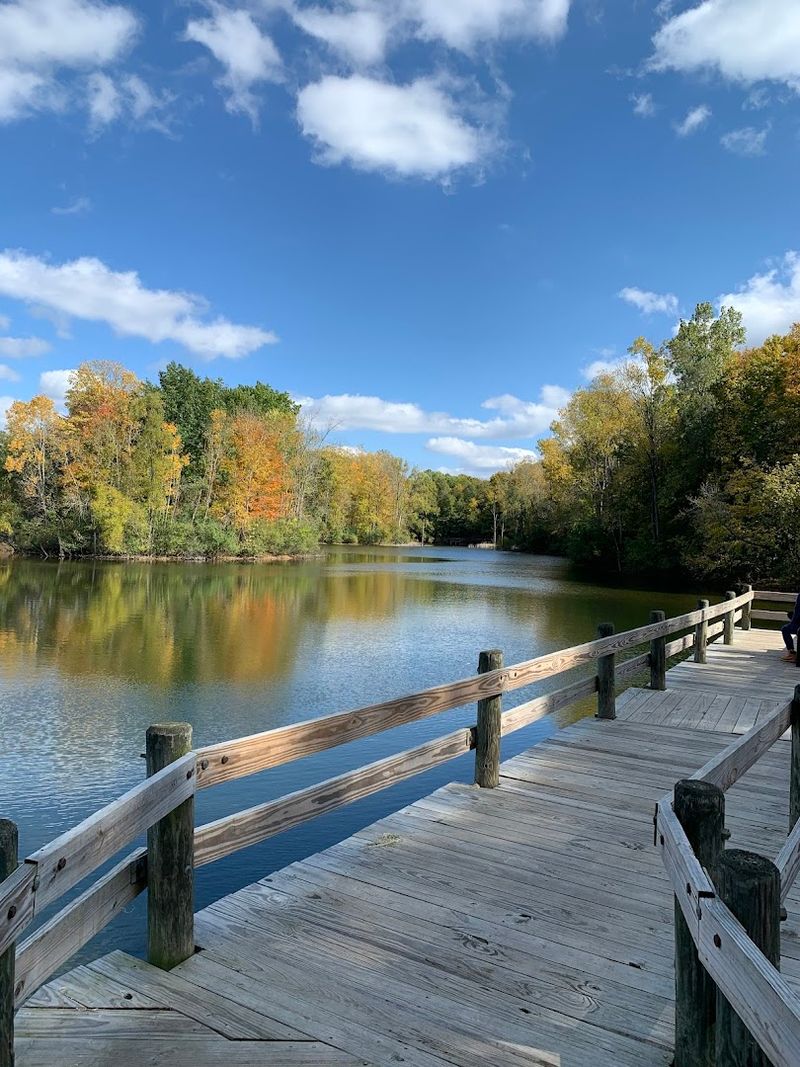
Closer to the suburb than the wilderness, Maybury State Park surprises visitors with quiet pockets where trillium pattern the hillsides. The Horse Trails pass through mixed hardwoods that hold moisture just long enough for a strong, healthy bloom.
Songbirds ride the edges between meadow and shade. The air here smells faintly of damp soil and early lilac drifting from the nearby yards.
It is a lovely reminder of how nature persists right alongside our everyday lives. It is one of the best spots in Southeast Michigan to get a forest fix without a three-hour drive.
Once a sprawling farm and later the site of a famous tuberculosis sanitarium, the park is now a cherished community favorite. I prefer to enter via the Eight Mile Road lot.
That helps avoid the busier school groups near the farm area. Then I loop the shorter trail segments to scan the ravines for white blossoms.
Always keep to the right on shared paths, and be sure to yield to equestrians with a calm, friendly voice. That helps avoid startling the horses. The peak bloom often lands in late April or the first week of May.
6. Kate Palmer Wildlife Sanctuary, Jackson County
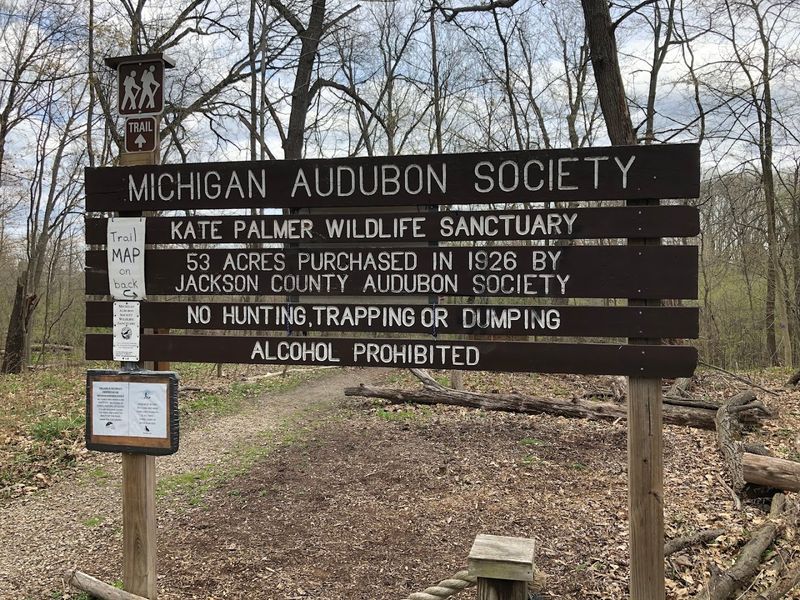
A narrow lane leads to a modest trailhead at the Kate Palmer Wildlife Sanctuary, and then the woods feel suddenly old, with straight maples and a shy, clear creek. Trillium cluster on the upland knolls across the sanctuary.
They are often joined by Hepatica and Wild Ginger hugging the damp edges near the water. The soundscape here is delicate too.
It is dominated by the chatter of chickadees and the occasional, booming call of a barred owl. It is a sanctuary in the truest sense of the word.
It offers a level of intimacy that larger parks often lack.
Named for a beloved local naturalist, this preserve emphasizes education and quiet stewardship. The trails are simple and well-marked, but the hidden roots will keep your eyes honest and your pace slow.
Make sure to leave the flowers untouched, as picking a trillium can actually kill the entire plant. It loses its only means of photosynthesis for the year.
Late April can be an excellent time to visit. Though the deep shade in the ravines can extend the blooms well into May.
7. Trillium Trail Nature Sanctuary, near Memphis
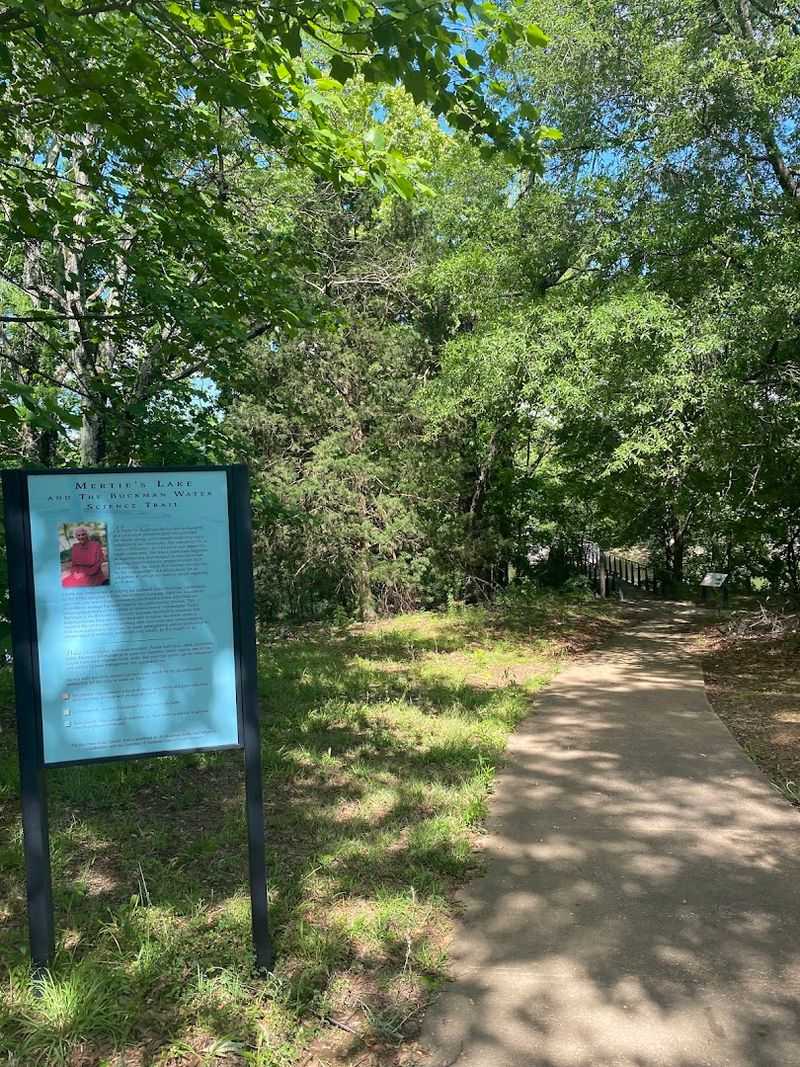
The name Trillium Trail Nature Sanctuary does not exaggerate in the slightest. On the right spring, the slopes here read like a fresh snowfall, with thousands of trillium layered across beech roots and old stumps.
The path rises and falls through dramatic glacial contours. Each bend reveals another white scatter.
Sometimes it is punctuated by a trillium that has begun to turn a soft, dusty pink. That is a sign that the bloom is reaching its twilight.
It is a breathtaking sight that usually leaves even the most talkative hikers in a state of silent awe.
Protected by local conservation work, the sanctuary keeps its signage low-key and the overall experience very calm. You will want to park respectfully along the designated area.
Then step lightly up the rustic stairs to the drier ridges where the flowers are most abundant. I always carry a small macro lens to frame these clusters without ever having to step off the trail.
Expect the peak to arrive around early May, though it shifts back and forth with the timing of the last late frosts. After a spring rain, the clay soil gets incredibly slick.
8. Trillium Ravine Plant Preserve, Niles Township
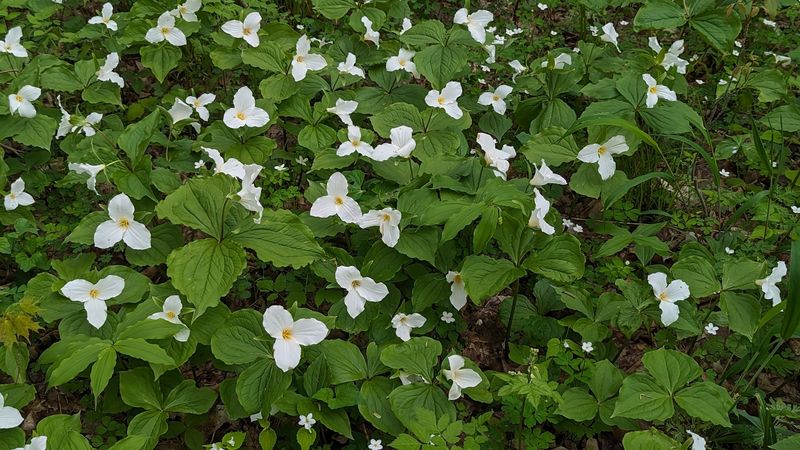
A cool ravine at the Trillium Ravine Plant Preserve gathers spring like a bowl, and the trillium respond in generous drifts along the shaded slopes. A small stream threads quietly through the bottom of the ravine.
It catches bits of sky between the branches of sycamore and maple. The atmosphere is intimate and almost library-quiet.
It teaches you to step with care on the rooted switchbacks that lead down into the hollow. It is a specialized habitat that feels like a hidden world tucked away from the surrounding farmland.
Set aside specifically as a plant preserve, this site prioritizes protection over public spectacle. The trails are narrow, and you will find that patience pays off more than distance here.
The more you sit still, the more flowers you will notice. I like to time my visits for midmorning when the sun finally reaches down to the lower leaves.
Please bring no pets and leave no crumbs behind, as even small disturbances can affect this fragile ecosystem. The bloom windows usually hover between late April and early May.
9. Brattin Woods, Meridian Township
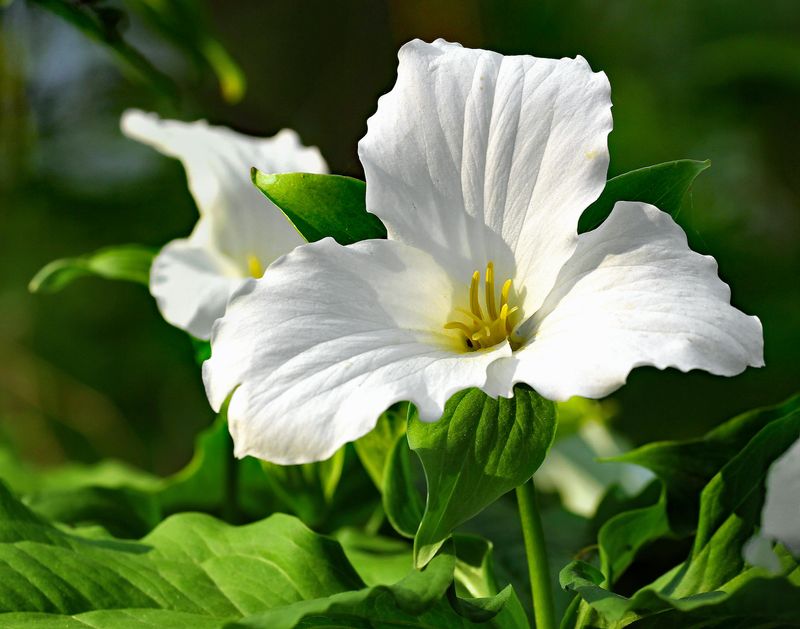
Neighborhood streets slip into deep shade surprisingly fast in Meridian Township, and then Brattin Woods feels much older and wilder than its map suggests. Trillium seem to prefer the upland corners and the gentle ravines.
Those spots hold onto the late snowmelt, pooling in white circles around fallen logs. The quiet here is hometown simple.
It is punctuated only by the sound of bike bells fading toward the main road or the wind moving through the high branches. It is a perfect example of how a small, protected woodlot can become a vital lifeboat for native species.
Local volunteers have worked tirelessly on invasive species removal, which has given the spring ephemerals plenty of room to breathe and expand. Wayfinding through the woods is straightforward.
But the footing can be a bit lumpy with exposed roots and thick layers of last year’s oak leaves. I try to keep my voice low here.
Visit on a weekday to avoid the local dog-walking traffic. If you do bring a pup, always keep them on a short leash to protect the plants.
Early May is a solid bet for a visit, as the cooler morning air produces longer-lasting and more vibrant blooms.
10. Timbers Recreation Area, Traverse City
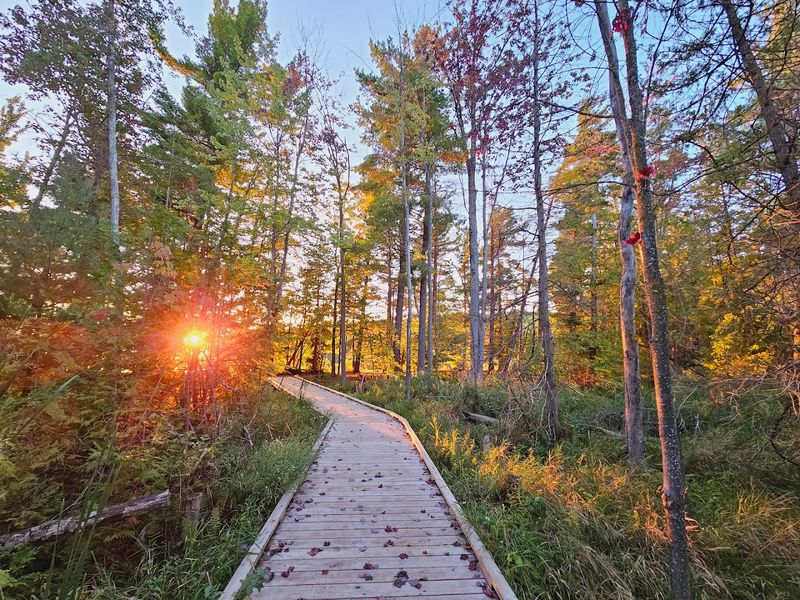
Between old farm clearings and second-growth forest, Timbers Recreation Area weaves a pleasing patchwork of habitats that feels quintessentially Northern Michigan. Trillium concentrate heavily in the Beech-Maple Zones north of Bass Lake.
They stand out bright against trails that wander toward expansive water views. The place carries a relaxed, after-work pace.
The haunting call of loons sometimes echoes from the nearby coves. It is a space where the transition from agricultural history to natural restoration is visible in every stand of trees.
Once part of a private lodge property, the land was conserved for public use and quiet recreation by the Grand Traverse Regional Land Conservancy. You should start your hike from the parking area off Cedar Run Road.
Then make a loose loop to check the shaded ridges where the trillium are most dense. I always make a point to skip the muddy shortcuts that tempt people into making straight lines.
Staying on the path is the best way to ensure these flowers return next year.
The peak bloom usually sits in early to mid-May around Traverse City. The golden hour light just before sunset slides through the young, translucent leaves.