
This Old-Soul Stretch Of Colorado Feels Especially Good In Spring
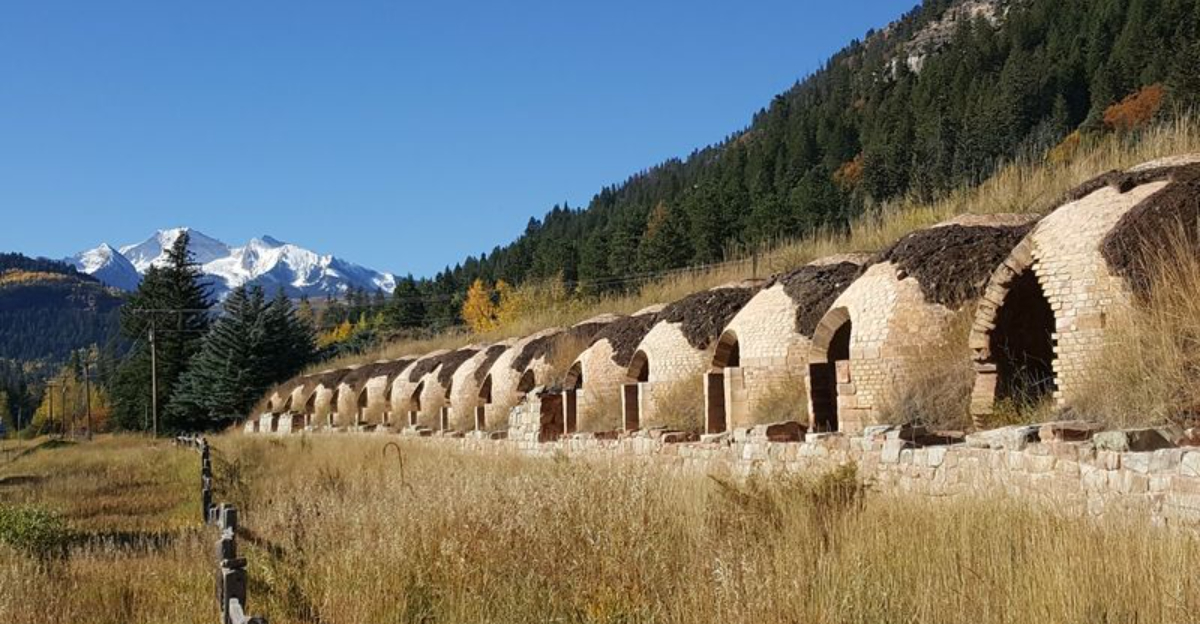
In Colorado, hidden between steep canyon walls, this tiny mountain hideaway feels like the answer to every dull weekend you have ever regretted. A ribbon of water slips past the edge of town, the air smells like thawing earth and pine, and every corner looks like it belongs inside a storybook rather than real life.
With only 127 people calling it home, the place somehow feels both wonderfully quiet and full of personality, like a whispered secret with excellent taste.
Spring arrives like a magician here, tugging away the last of the snow and revealing charming little streets, bright details, and mountain views that seem almost unfairly pretty.
You do not just visit and leave unchanged. Colorado’s small-town magic shows up in the way the sunlight hits the canyon walls, the way the whole village glows, and the way your return drive suddenly feels far too ordinary to ignore completely.
Where the Canyon Decides Your Plans for You
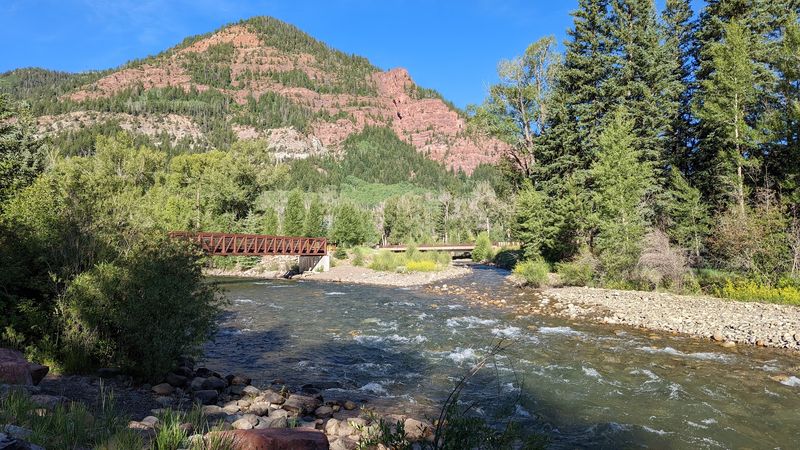
There is a specific moment on the drive into this Colorado place when the canyon walls close in just enough to make you sit up straighter in your seat. The Crystal River runs alongside the road with the easy confidence of something that has been doing this for centuries, and the red rock formations overhead glow in the spring light like they were lit from behind.
Most people do not plan to linger here. They glance at the map, see a small dot in Pitkin County, and figure it is a quick detour.
Then they park, step out, and suddenly the afternoon disappears.
The town has a way of rearranging your schedule without asking permission. Spring amplifies all of it: the snowmelt rushing through the valley, the cottonwoods leafing out in pale green, and the whole place exhaling after a long mountain winter.
Quick Tip: Arrive before 10 a.m. on a weekend morning to get the canyon almost entirely to yourself.
A Village That Earns Its Postcard Reputation
Redstone does not try hard to impress you, which is precisely why it does. The historic district preserves a collection of early 20th-century cottages and buildings that were originally constructed for workers of the Redstone coke ovens, part of a now-historic coal and coke operation that shaped this canyon town.
Walking the main stretch in spring feels like someone turned the saturation dial up just slightly past believable. The red sandstone cliffs behind the village shift color throughout the day, moving from burnt orange at noon to something closer to deep rust by late afternoon.
The architecture is modest and human-scaled, which makes the scenery feel even more dramatic by contrast. You are not craning your neck at skyscrapers; you are just standing in a small Colorado valley where the mountains do all the visual heavy lifting.
Best For: Couples and families who want a scenic payoff without a strenuous hike or a packed itinerary. The historic district is walkable, flat, and genuinely photogenic at almost every angle.
The Coke Ovens That Started Everything
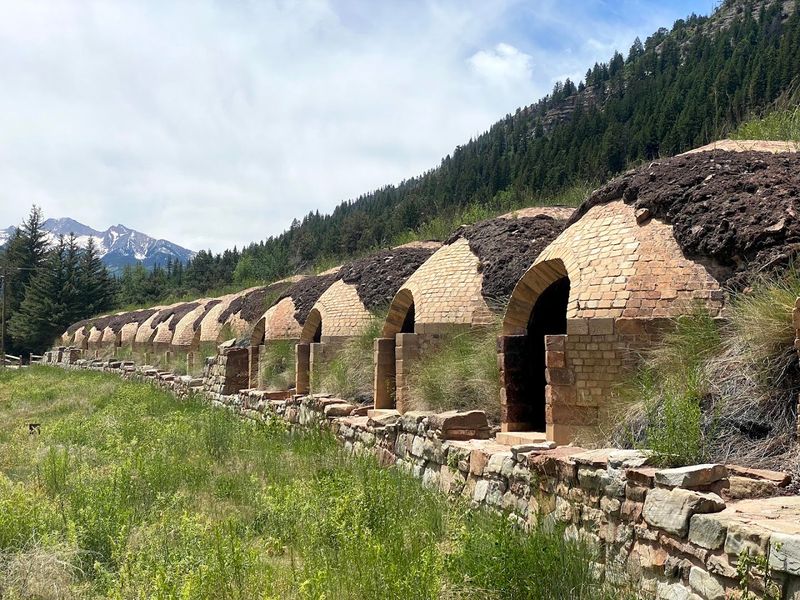
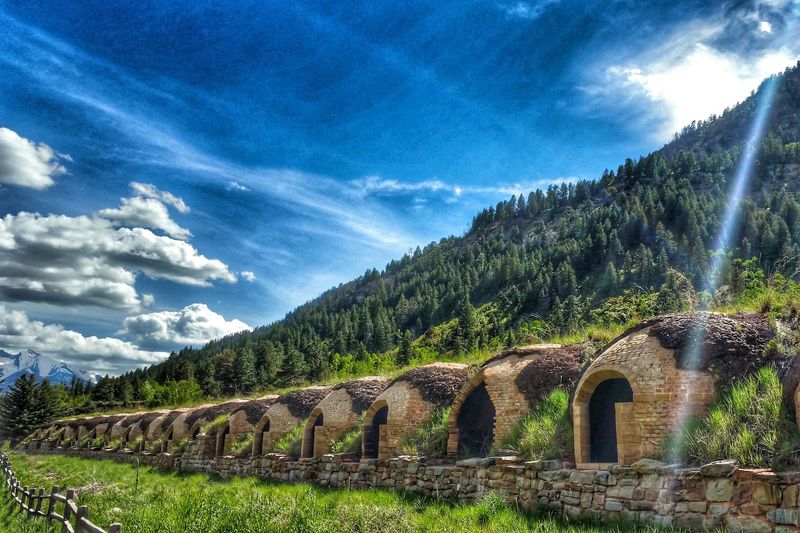
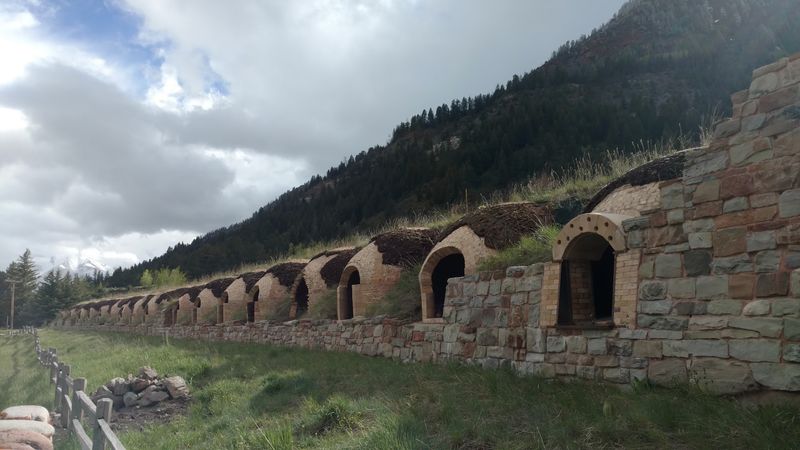
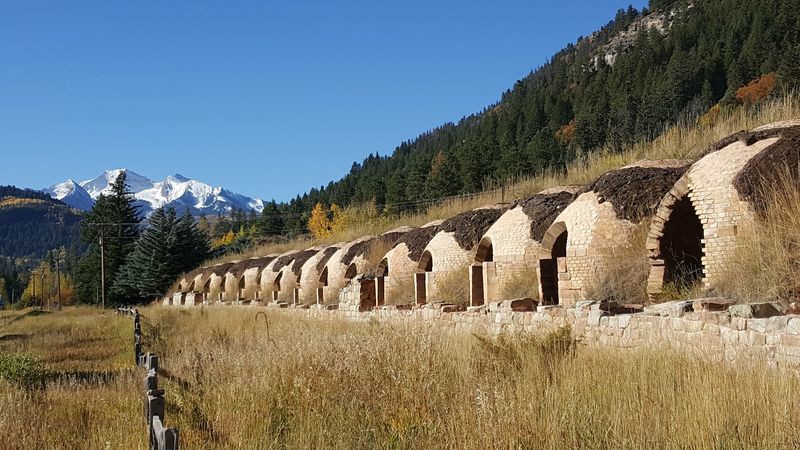
Few small towns in Colorado carry as much industrial history in such a photogenic package. The famous Redstone coke ovens, a row of 84 beehive-shaped stone ovens built in the late 1800s, sit just outside the historic district and represent one of the most visually striking pieces of working history in the entire state.
They were used to process coal into coke, which fueled the steel industry, and they operated under the direction of industrialist John Cleveland Osgood, who envisioned Redstone as a model workers community. The ovens are now listed on the National Register of Historic Places.
Spring is an especially good time to visit them because the surrounding scrub and grasses come back to life, softening the industrial edges of the stone structures with green and yellow. The contrast between the rough-hewn ovens and the blooming canyon floor is the kind of detail a photograph barely captures.
Insider Tip: Walk the path alongside the ovens early in the day when the light hits the stone arches straight on and the shadows are still sharp and dramatic.
Locals Have Been Quietly Proud of This Place for Generations
With a 2020 census population of exactly 127 people, Redstone is not the kind of place that needs a marketing campaign. Word travels the old-fashioned way, through someone mentioning it at a trailhead, a photo shared without a caption, a friend who visited once and never quite stopped talking about it.
The locals here have a particular kind of ownership over the place that does not feel territorial so much as genuinely protective. They know the canyon in every season, and spring is the one they seem most willing to share.
The winter crowds are gone, the summer rush has not arrived yet, and the valley is in its most honest, unhurried state.
There is a rhythm to small-town Colorado life that becomes obvious when you slow down enough to notice it: a wave from a passing truck, a dog napping on a porch, a conversation happening between two people who have clearly had the same conversation a hundred times and still enjoy it. Why It Matters: That local continuity is exactly what makes Redstone feel earned rather than manufactured.
It is a real place, not a theme park version of one.
Spring Is When the Canyon Shows Off
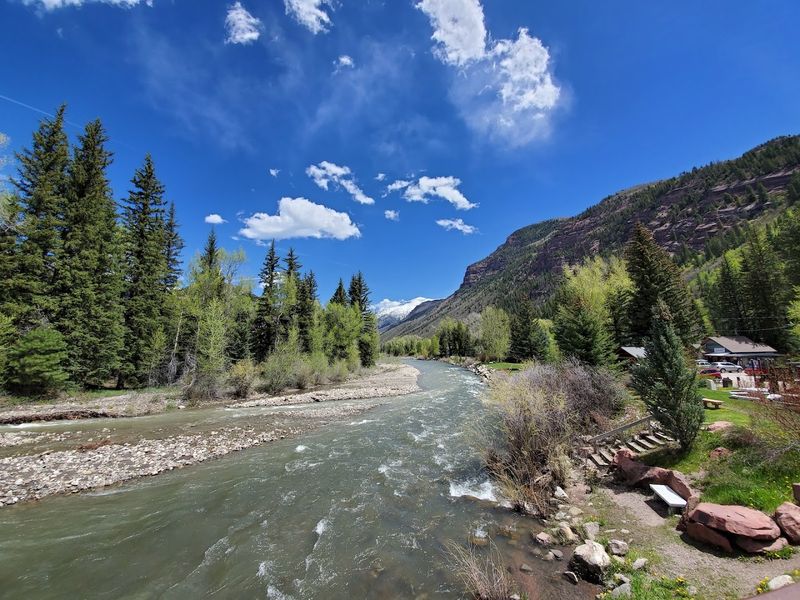
The Crystal River does not whisper in spring. After snowmelt season kicks in across the surrounding mountains, the water moves with real purpose, and the sound of it fills the canyon in a way that becomes the background track to every conversation you have here.
It is not aggressive, just present, the way a good friend is.
The cottonwoods along the riverbank leaf out in that particular shade of spring green that only lasts about two weeks before it deepens and becomes ordinary. Catching Redstone during those two weeks is the kind of timing that feels accidental but sticks with you for years.
Wildflowers start appearing along the canyon floor in April and May, and the red rock walls shift through a dozen different shades depending on cloud cover and time of day. The whole valley operates like a slow-motion light show that requires no ticket and no reservation.
Planning Advice: Aim for a mid-April to late-May visit if you want peak river flow, emerging greenery, and a noticeable lack of summer traffic. Weekday mornings offer the quietest version of this already quiet place.
Make It a Real Outing Without Overcomplicating Anything
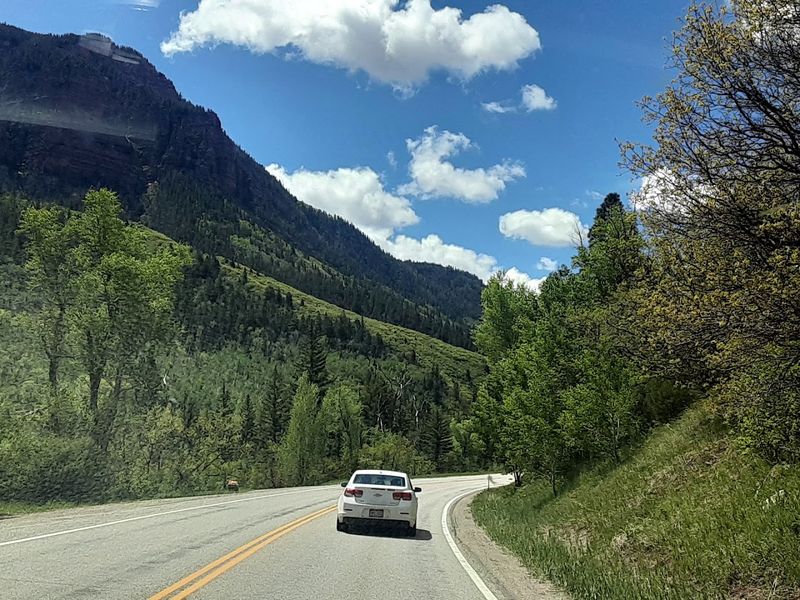
Redstone rewards the kind of trip where the plan is loose and the expectations are honest. Pack a lunch, load the car, and treat the drive through the Crystal River valley as part of the experience rather than just the commute.
The canyon scenery along the route earns its keep long before you reach town.
Once you are there, the historic district is compact enough for a post-errand stroll that somehow turns into two hours. Kids find the coke ovens genuinely interesting in that slightly-spooky-history way, couples find the whole thing romantic without it being staged, and solo visitors tend to walk slower than they planned and leave later than they intended.
If you want to build a mini day around it, the route through the valley pairs well with a stop at a roadside overlook or a short walk along the river trail. Keep the itinerary light.
Redstone is not a place that needs a schedule imposed on it. Common Mistakes to Avoid: Do not rush through the historic district just to check it off a list.
The town is small, but it rewards attention. Give it at least two unhurried hours and you will leave with something worth remembering.
Final Verdict: Go Before Everyone Else Figures This Out
Redstone is the kind of place that makes you feel like a good traveler just for showing up. It does not demand much from you, and in return it delivers the sort of afternoon that earns a permanent spot in the rotation of places you tell people about with slightly more enthusiasm than the situation requires.
The historic district, the coke ovens, the canyon, the river, the 127 people who chose to call this valley home: all of it adds up to something that feels specific and irreplaceable in a way that most destinations do not. Spring strips away the tourist layer and gives you the honest version, which turns out to be the best version.
If a friend texted you right now asking for a Colorado recommendation that was scenic, low-effort, and genuinely different from the usual mountain town circuit, Redstone would be the correct answer. Quick Verdict: One of Colorado’s most undervisited historic stretches, best experienced on a clear spring morning when the river is running loud, the canyon walls are glowing, and the rest of the world has not caught up yet.
Go now, while it still feels like a secret. Colorado’s small-town magic shows up in the way the sunlight hits the canyon walls, the way the whole village glows, and the way your return drive suddenly feels far too ordinary to ignore completely.